Press and News Colombia's Minister of Agriculture announces that CIAT's innovations will reach all small-scale agricultural producers in the country
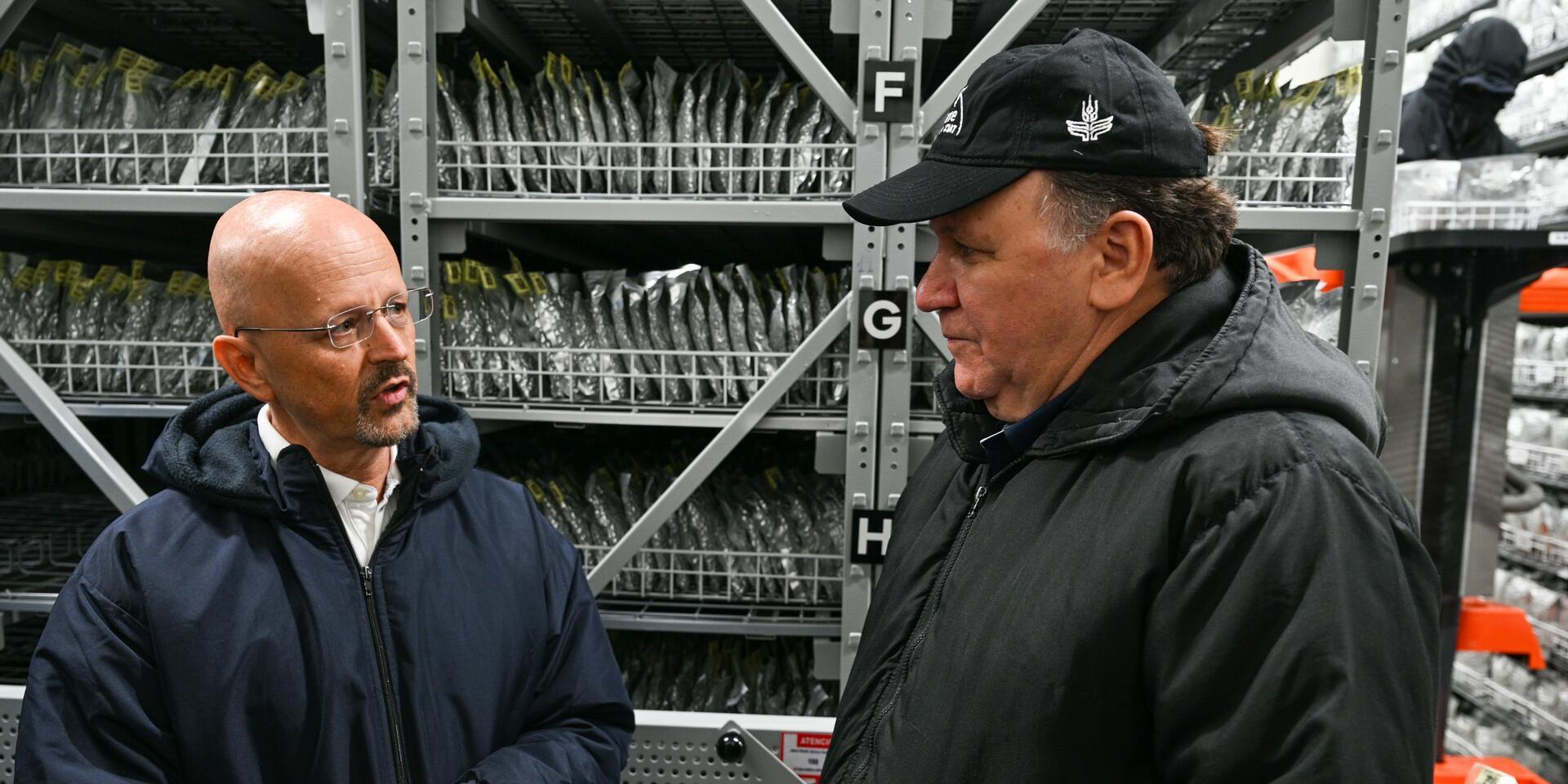

The Minister of Agriculture and Rural Development, Indalecio Dangond Baquero, visited CIAT in Palmira, along with the National Manager of ICA and the Executive Director of AGROSAVIA. The CIAT presented the results of nearly 60 years of research, innovation, and impact in Colombia, with contributions to productivity, climate adaptation, and agricultural competitiveness.
Palmira, Colombia, September 16, 2026. Making agriculture increasingly productive and competitive requires crops capable of responding to new challenges, information to anticipate climate changes, technologies to improve production, and tools that connect farmers to higher-value markets.
For nearly six decades, these challenges have guided much of the research that the International Center for Tropical Agriculture (CIAT)—now part of the Bioversity International and CIAT Alliance—conducts in Colombia in collaboration with farmers, public institutions, research centers, universities, and companies.
The visit by Indalecio Dangond Baquero, Minister of Agriculture and Rural Development, to CIAT provided an opportunity to pool these capabilities and explore how science, innovation, and collaboration among institutions can contribute to the current priorities of the Colombian agricultural sector.
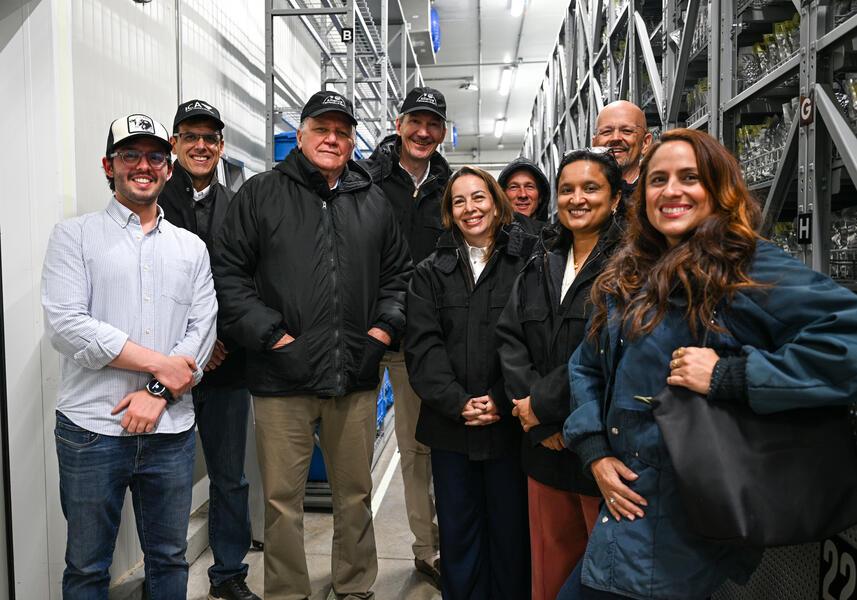
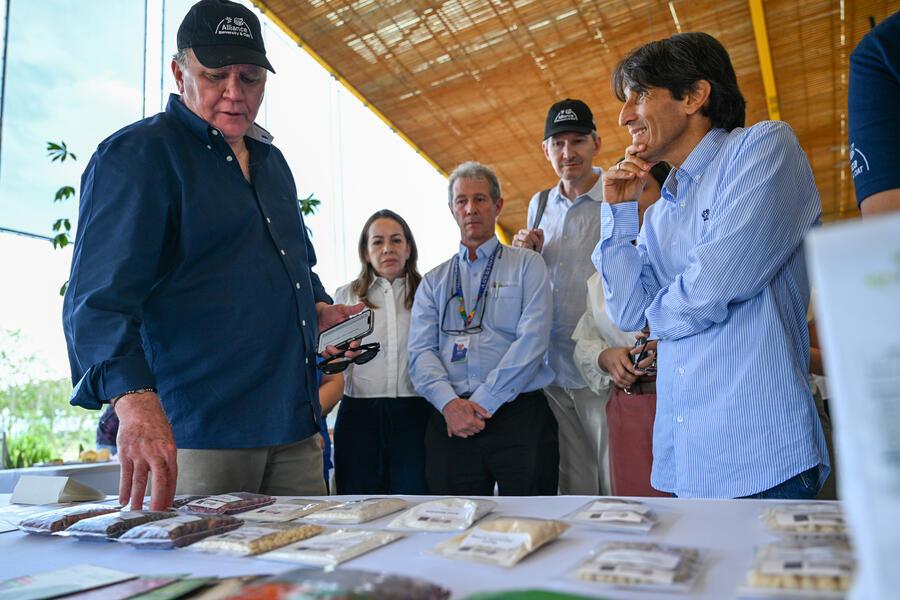
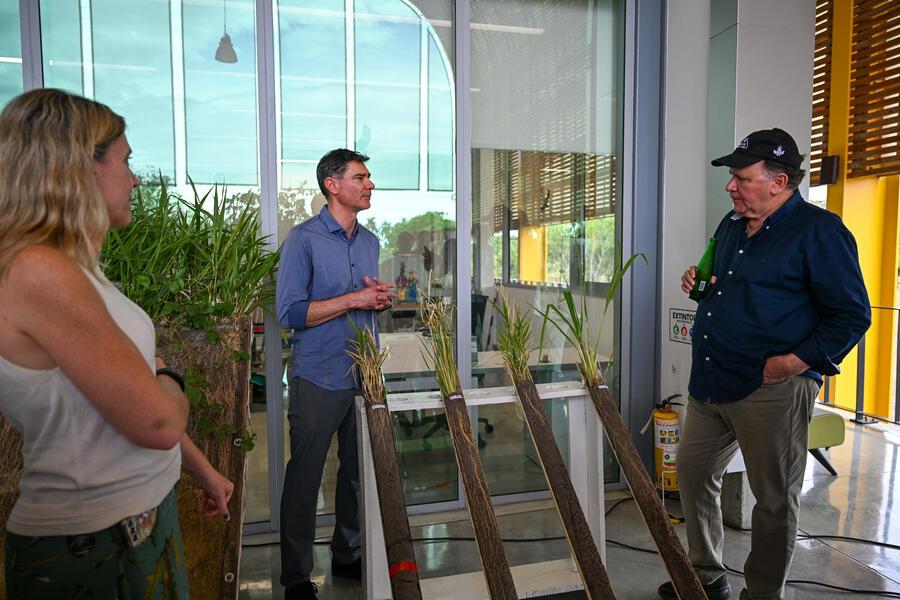
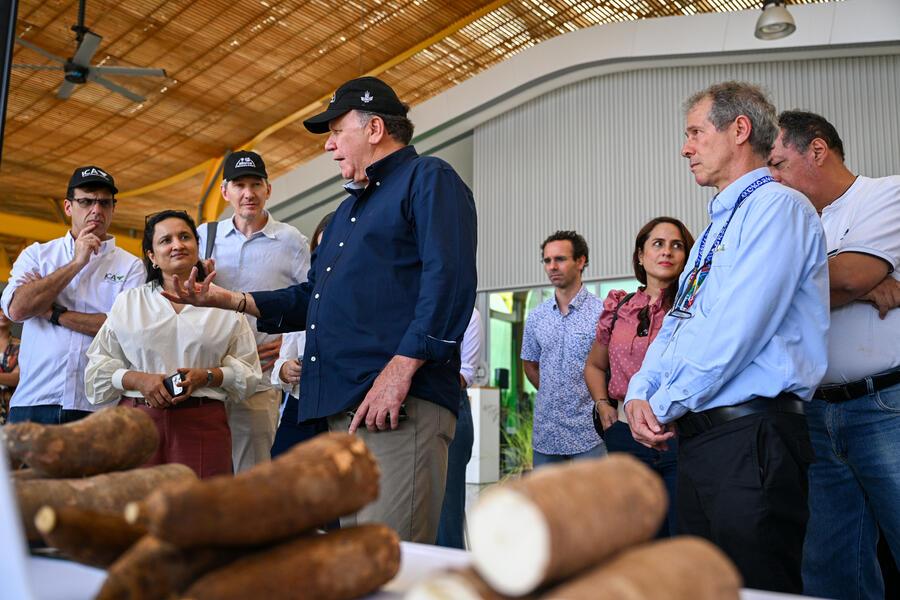
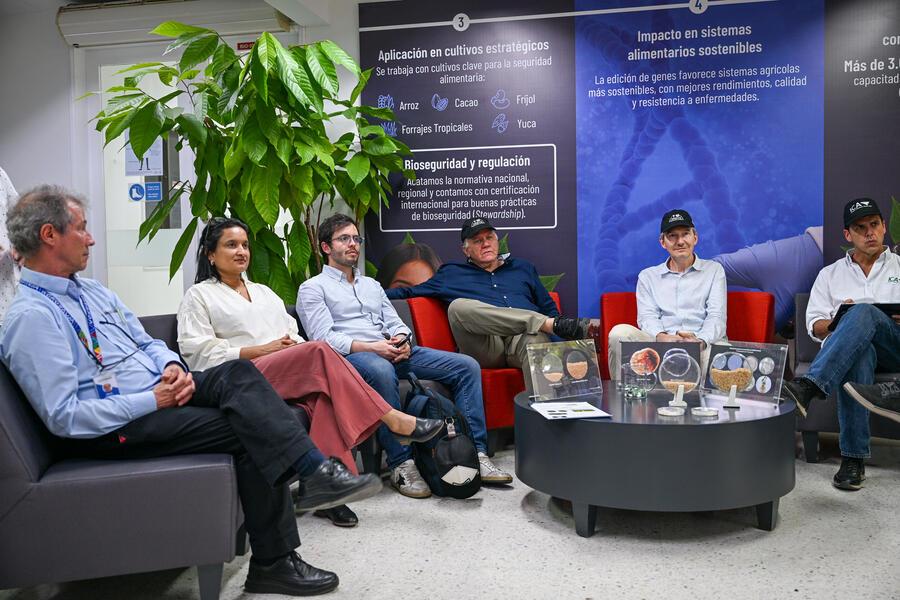
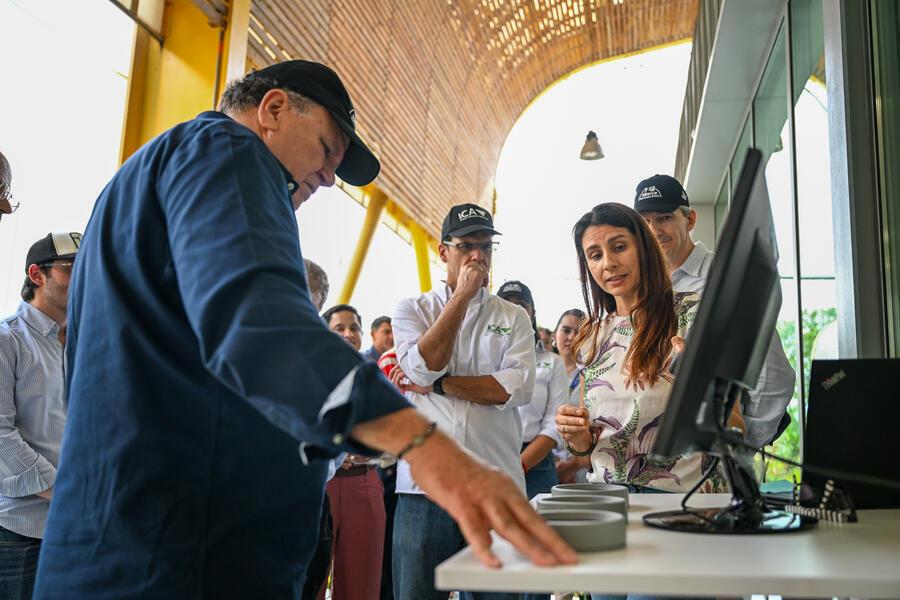
Accompanied by Carlos Eduardo Campo, general manager of the Colombian Agricultural Institute (ICA), and the executive director of AGROSAVIA, Miguel Serrano, the Minister toured various areas of the campus and was able to learn about the work CIAT is carrying out to address challenges ranging from crop improvement and the conservation of agrobiodiversity to genetic editing, digital agriculture, the sustainable development of the Orinoquía region, and market access.
The meeting comes at a time when issues such as productivity, the adoption of technology, access to financing, and the opening of new markets are central to the agenda of Colombia’s agricultural sector.
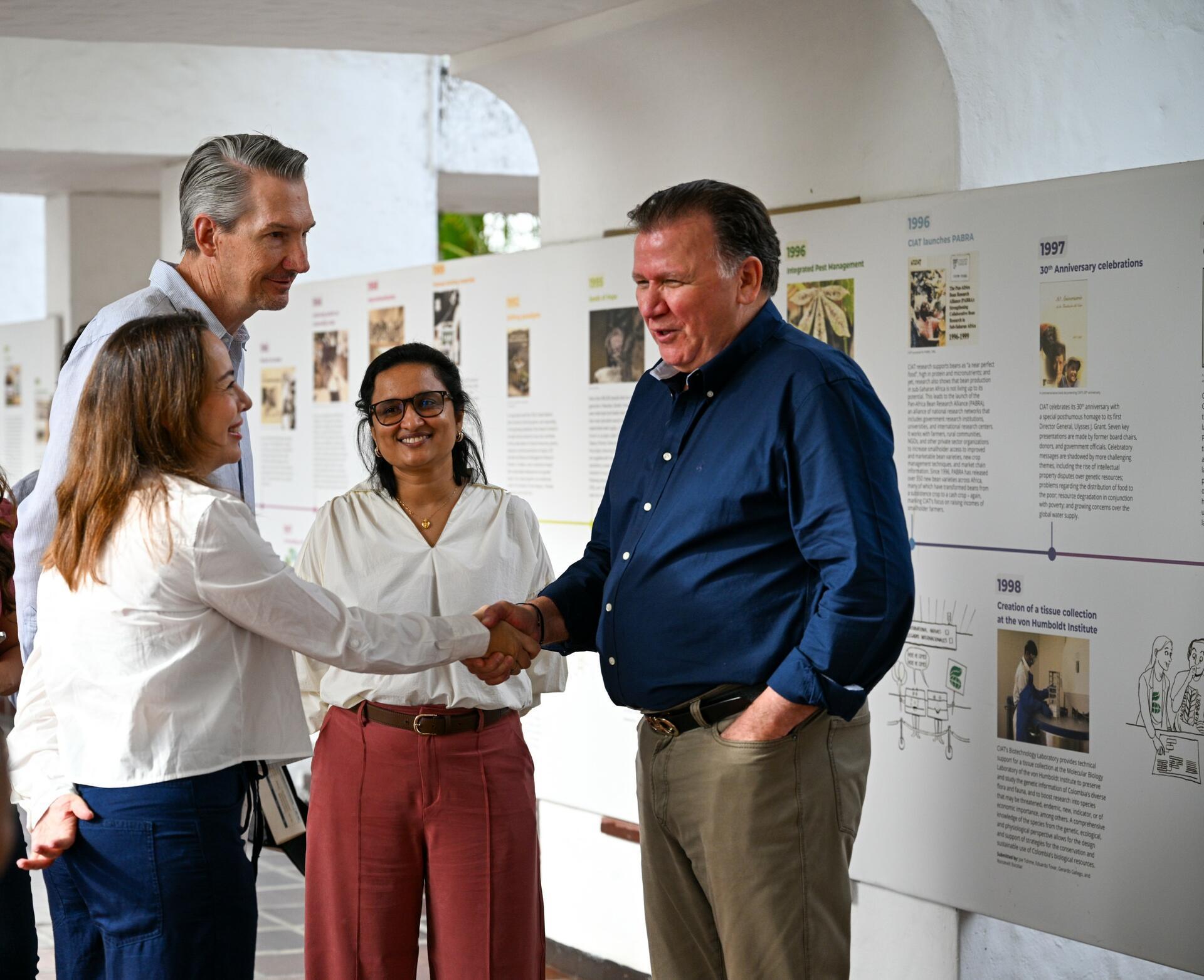
“We are going to strengthen technical cooperation with CIAT to bring innovation, advanced technologies, and improved seeds to all small-scale farmers in the country. We will sign a new agreement to transfer all these technologies so that farmers can increase their yields at a lower cost,” said Minister Indalecio Dangond.
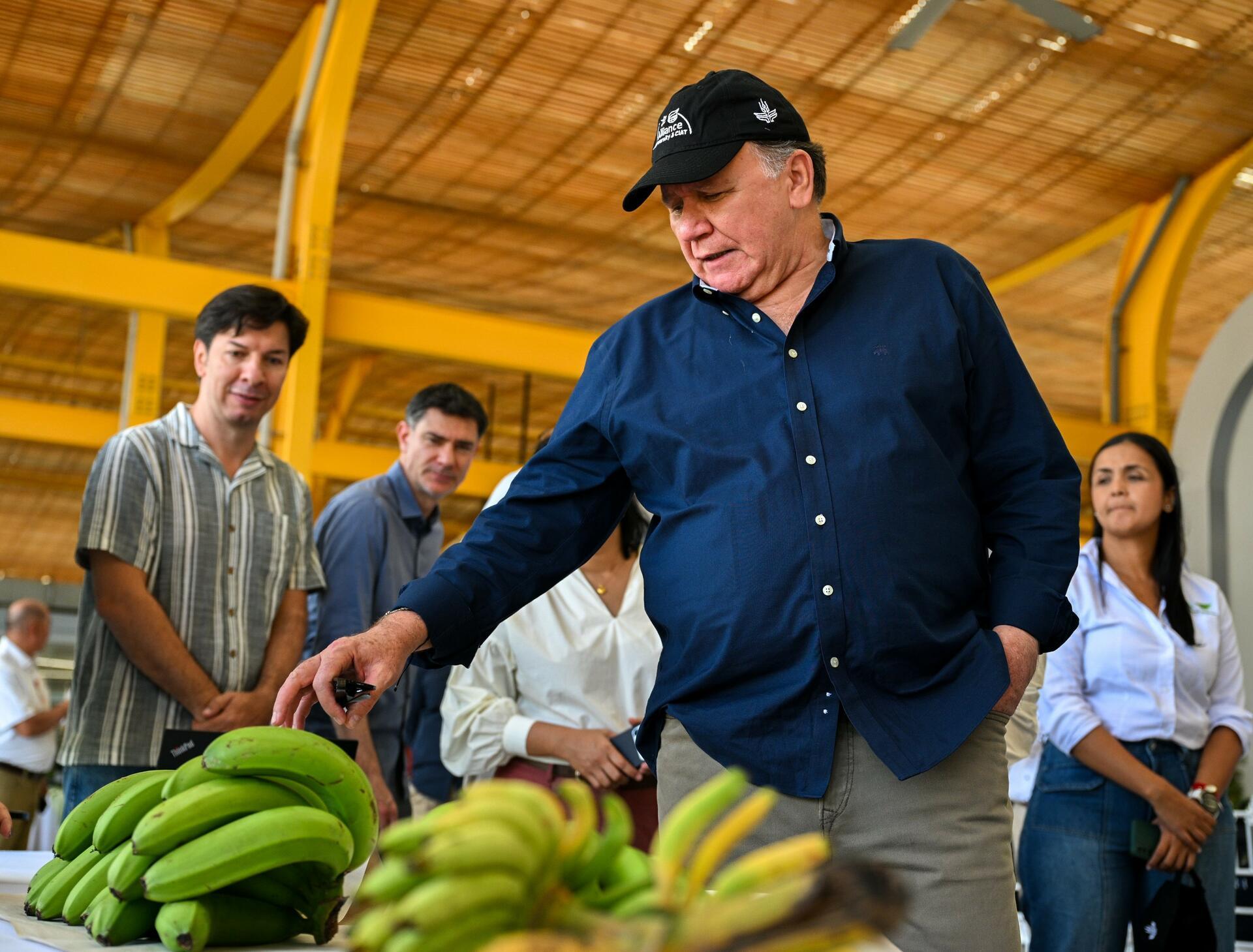
CIAT’s work with its national partners has yielded concrete results. More than 90 improved varieties of rice, cassava, beans, and tropical forage crops have been developed to meet needs in terms of productivity, nutrition, and adaptation. Among them are Fedearroz BIOZn035, Colombia’s first zinc-biofortified rice, and Sicalis SH CL, developed to facilitate weed management and help optimize production costs.
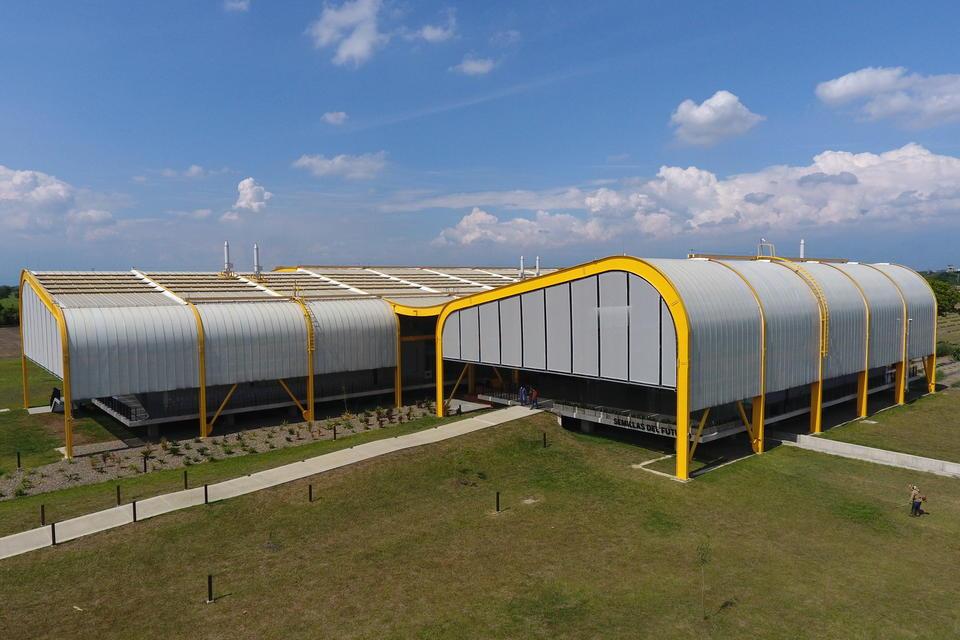
These solutions are complemented by capabilities in genetic resource conservation, gene editing, and digital agriculture. Future Seeds, for example, preserves more than 66,000 accessions from global collections of beans, cassava, and tropical forage crops—a diversity that serves as a resource for researching solutions to challenges related to productivity, nutrition, diseases, and climate variability. This capacity has helped establish Colombia as an international leader in the conservation and use of genetic resources for agriculture.
During his visit, the Minister of Agriculture also highlighted the results of important innovations in cassava, beans, forage crops, and rice, which will benefit the nation’s agriculture and livestock sectors in coping with the El Niño phenomenon. He also announced that “the Colombian Agricultural Institute (ICA) and Agrosavia will accelerate technology transfer processes to ensure that our producers can cope with the looming climate crisis.”
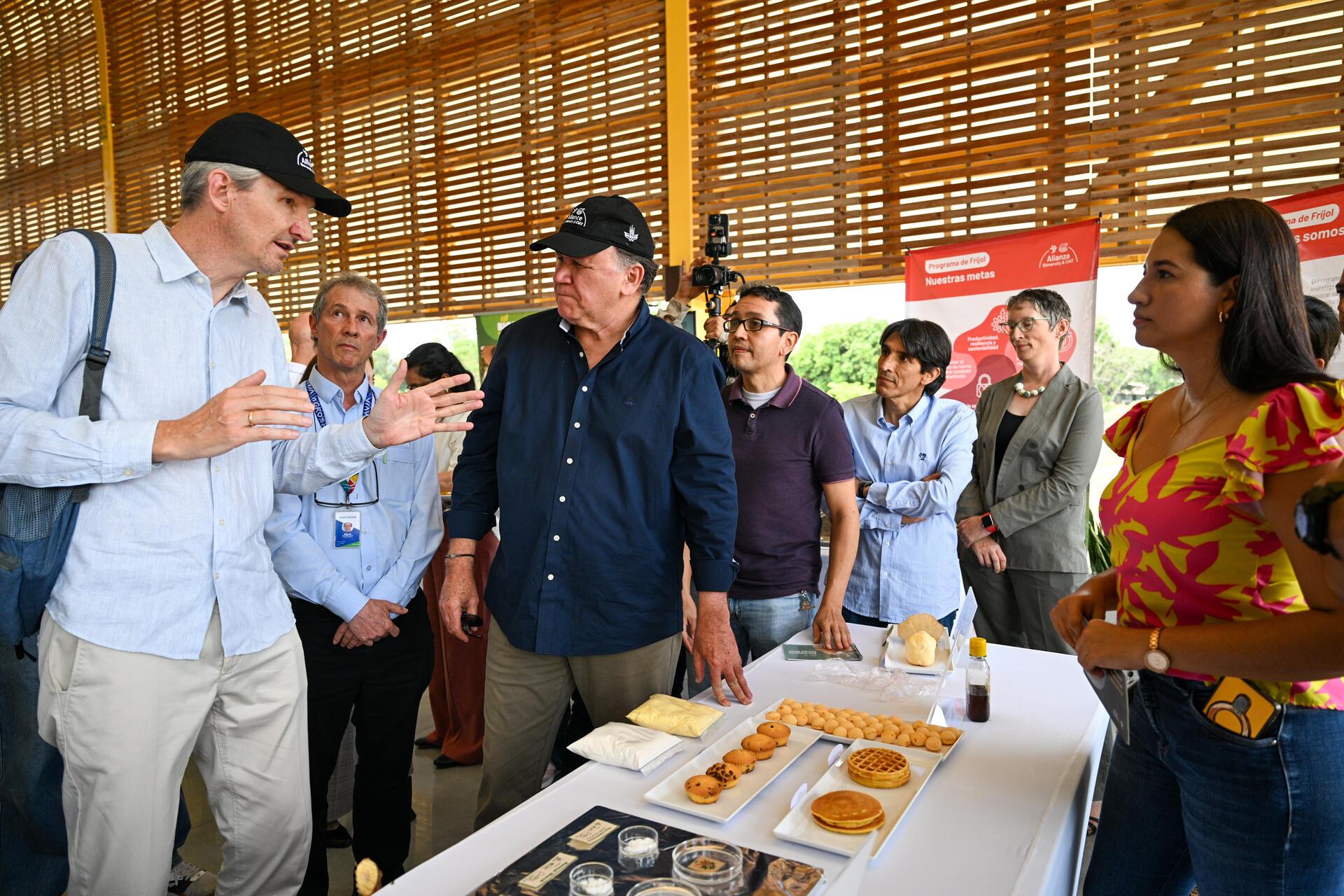
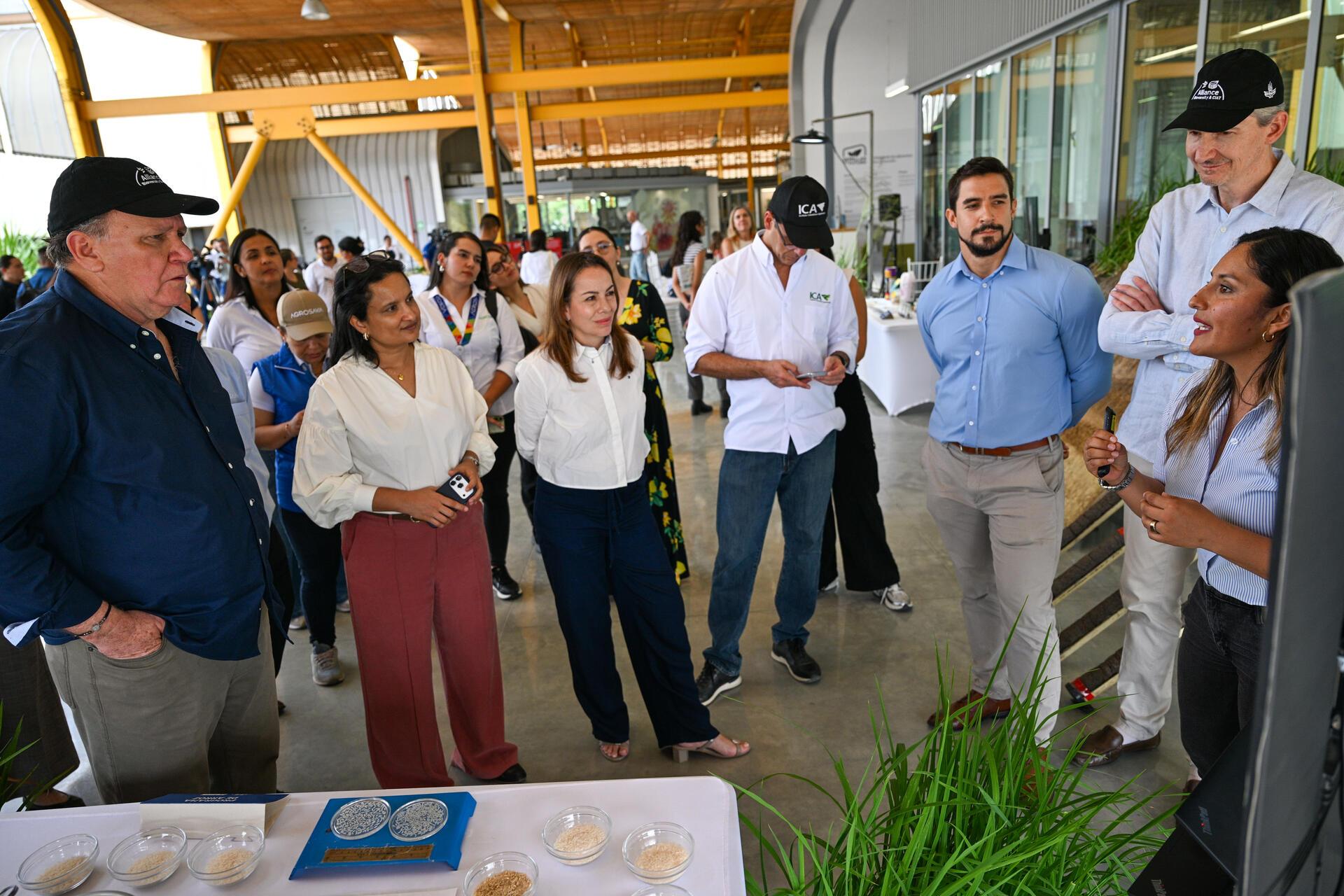
Phenomena such as El Niño highlight the challenges facing the agricultural sector in a context of increasing climate variability. To prepare for these scenarios, CIAT has been working for years to transform scientific data into useful information for farmers, ranchers, and institutions. The Agroclimatic Technical Committees, launched in Colombia in 2013, are one of the mechanisms for bringing this information to local communities and supporting decisions regarding production systems. Currently, the country has 24 local committees and one national technical committee.
"The visit by the Minister and the executives of the ICA and AGROSAVIA to CIAT is an opportunity to bring science even closer to the priorities of the agricultural sector. Colombia has significant capabilities in research and innovation; the challenge is to better align them with the needs of the countryside, public policy, and markets. This collaboration between the government, research institutions, the private sector, and producers is key to bringing innovations to local communities and building a more productive and resilient agricultural sector," said Juan Lucas Restrepo, director general of the Bioversity International and CIAT Alliance.

Juan Lucas Restrepo
Director General, and Trustee, Bioversity International UK/USAFor her part, Maya Rajasekharan, Managing Director for the Americas at the Bioversity Alliance and CIAT and Director General of CIAT, stated that:
“CIAT connects science, knowledge, partners, and investment to help Colombia transform its agricultural challenges into solutions that generate productivity, competitiveness, and better opportunities for producers. Our value proposition is to multiply the impact of public investment by mobilizing capabilities, resources, and additional contributions to scale up innovation and generate greater impact for the country.”

Maya Rajasekharan
Managing Director, AmericasSix Decades of Science in Colombia
Since its founding in 1967, CIAT has worked closely with Colombia, which, in addition to being its host country, has served as a platform for developing knowledge and innovations that are subsequently transferred to other regions of Latin America, Africa, and Asia.
Currently, CIAT—now part of the Bioversity International and CIAT Alliance— works with more than 200 partners in Colombia and has a scientific infrastructure that includes a germplasm bank, 97 laboratories, phenomics and gene editing platforms, a data center, and greenhouses.
Collaboration with the Colombian government also has a long history. The Ministry of Agriculture, the ICA, and AGROSAVIA have been partners in areas ranging from variety development and the conservation of genetic resources to climate action and food security.