Press and News New herbicide-resistant rice variety launched in Colombia
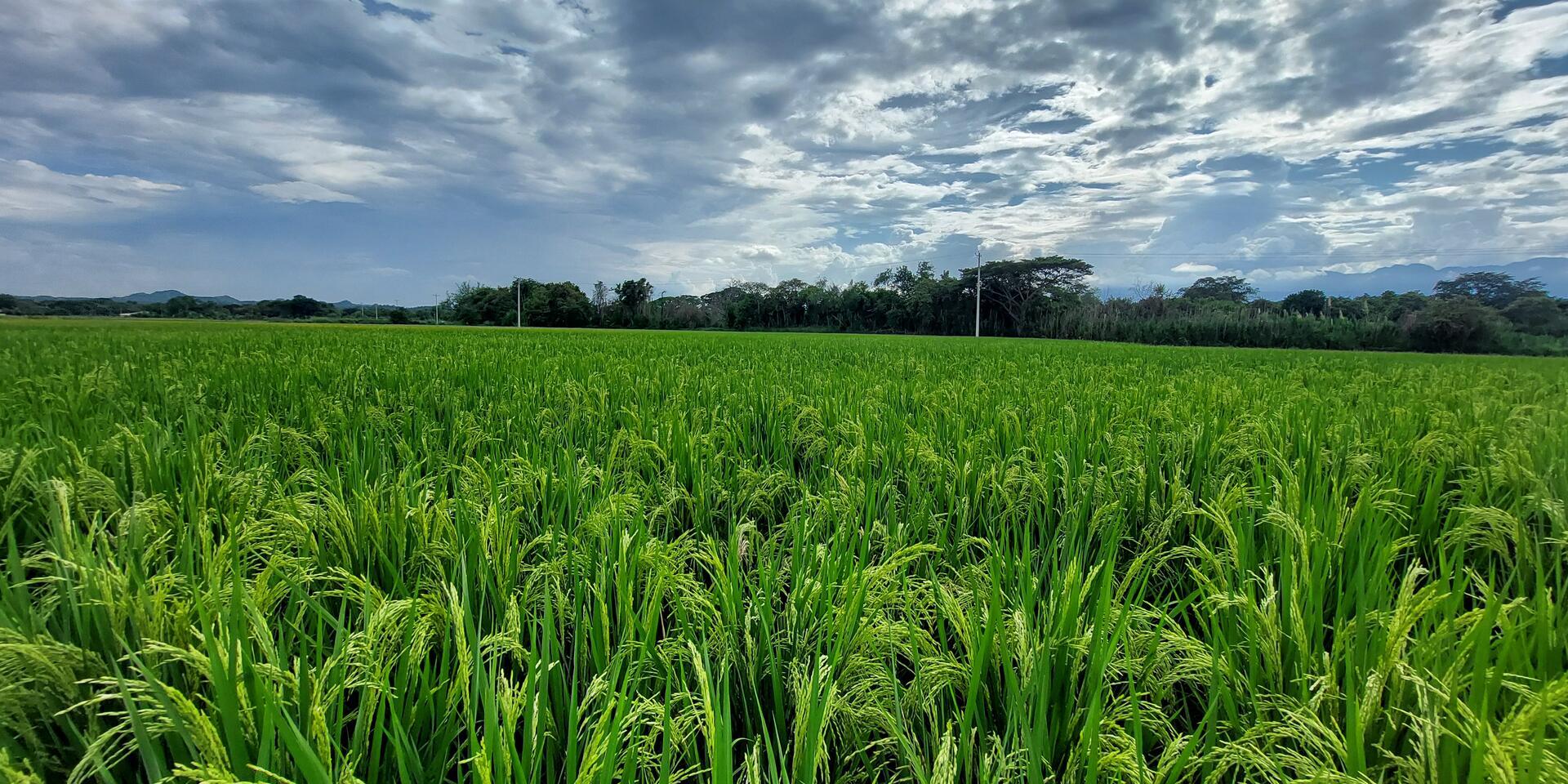

Joint research between the Alliance Bioversity & CIAT, Semillas del Huila, and the agricultural company BASF led to the development of Sicalis SH CL, a new herbicide-resistant rice variety that facilitates more efficient control of the weed known as red rice, thereby improving crop productivity.
The Alliance of Bioversity International and CIAT, in collaboration with Semillas del Huila and BASF Soluciones para la Agricultura, developed in Colombia the Sicalis SH CL variety for the Clearfield® Rice Production System, recognized for its effectiveness in sustainable weed management. The result is a certified, reliable, high-quality seed that retains the characteristics of the local varieties preferred by farmers while incorporating herbicide resistance.
Rice is a staple food for millions of people and an economic engine in Colombia. However, the spread of weeds threatens productivity and raises costs for producers. With this innovation, farmers will be able to control red rice more effectively, reduce losses and protect the profitability of their crops.
A joint effort for the agricultural sector
For more than 50 years, the Alliance of Bioversity & CIAT has been leading rice research in Latin America and the Caribbean. In this project, it joined forces with Semillas del Huila, a Colombian company that commercializes high-yielding varieties such as Yacúa and Tucano, and BASF, a global company that developed the Clearfield® technology, which was incorporated into the field through conventional breeding.
"The process was designed to preserve as much as possible the characteristics of the varieties that farmers already know, incorporating only herbicide resistance. As the Alliance, our mission is to bring cutting-edge science and technology to local producers, making innovations like this one more accessible and useful by adapting them to the context of each country," explained Paola Andrea Mosquera, breeding leader of the Alliance's rice research program.
Regional impact
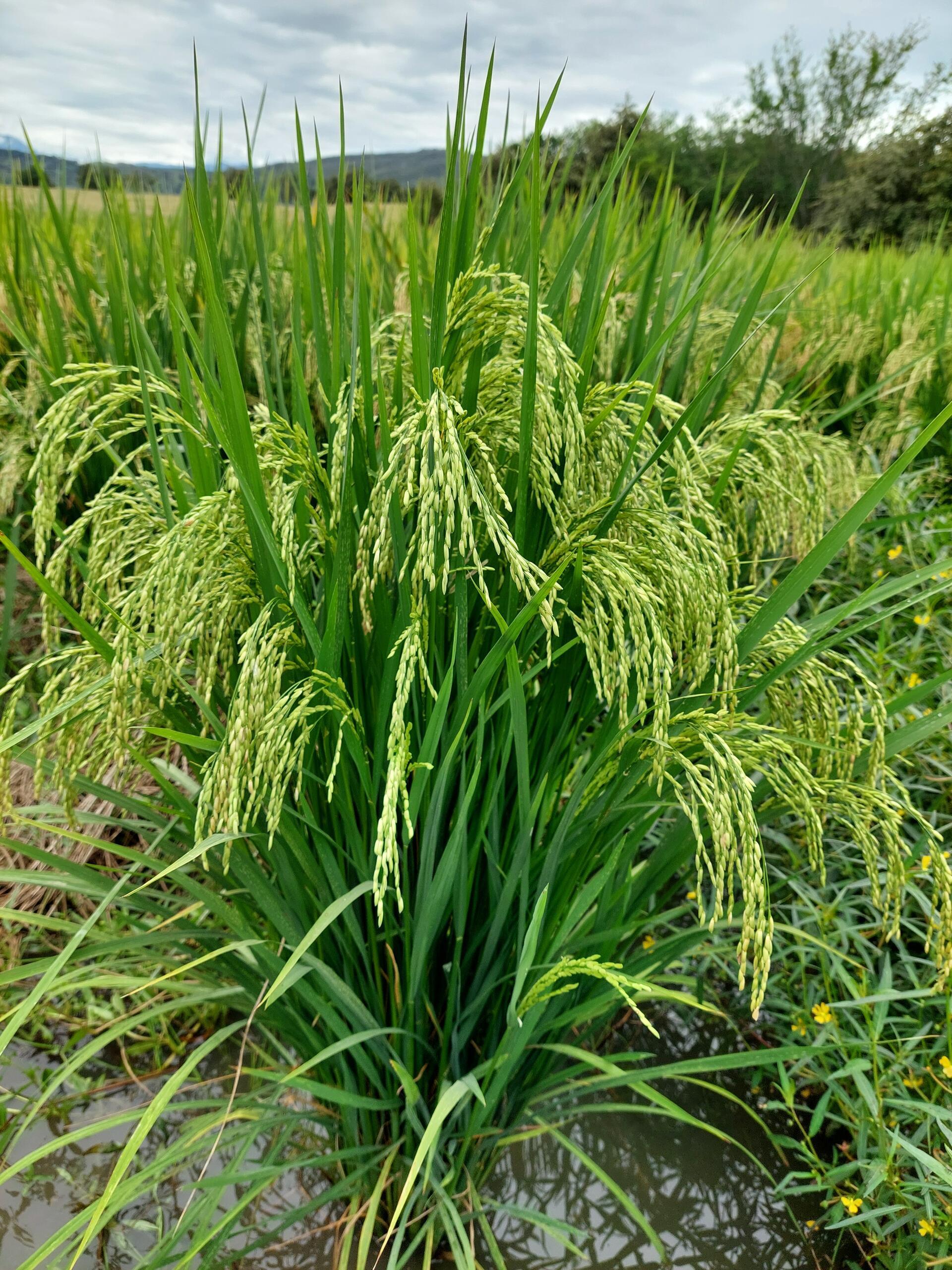
The new materials were validated in different environments in Colombia, demonstrating their good agronomic performance in key producing areas. For farmers, they represent a practical solution to the challenge of weeds, without giving up varieties that have already demonstrated productivity and adaptability in their territories.
Hernán Silva, a producer from the Vilú village in Yaguará, Huila, said: "I have been working with certified seeds for nearly two years, in coordination with the agronomists of Semillas del Huila, and the results have been very good. This is already my second harvest with the new variety and I have had an excellent production, between 140 and 150 bags per hectare, and at the same time it has allowed me to save on fumigations and obtain a better quality rice."
In addition to Colombia, the new varieties have been validated in Peru, Panama and the Dominican Republic with positive results, which opens up the possibility of benefiting farmers throughout the region and contributing in the future to strengthening food security in Latin America and the Caribbean.
The new variety, called Sicalis SH CL, will be available in the market with the support of good agricultural practices that ensure its durability, such as crop rotation and the responsible use of herbicides, recommended for the Clearfield® Production System.
The new variety, called Sicalis SH CL, will be available in the market supported by good agricultural practices that ensure its durability, such as crop rotation and the responsible use of herbicides, recommended for the Clearfield® Production System.
“We are confident that this new variety, Sicalis SH CL, will become a highly effective tool to address challenges related to productivity, profitability, and the control of red rice and other difficult-to-manage weeds in rice production. We have established an alliance between BASF, Semillas del Huila, and Organización Roa Florhuila (ORF)—a Colombian company that mills rice and distributes agricultural inputs—to deliver this technology efficiently and in a timely manner to farmers across the country’s rice-growing regions,” said Carlos Campos, Rice Crop System Leader for the Latin America Pacific region at BASF Agricultural Solutions.
The technological development behind Sicalis SH CL combines the strengths and benefits of highly productive germplasm with herbicide resistance, using advanced breeding techniques to ensure seed stability and consistent performance across different agroecological zones. It also requires farmers to manage the crop in accordance with good agricultural practices—including crop rotation and responsible herbicide use—to ensure the long-term sustainability of the technology, concluded Luis Fernando Martínez, Director of BASF Agricultural Solutions for Latin America Pacific.