
Blog Climate-Smart Agriculture: Shaping the Conversation at AFSF 2024
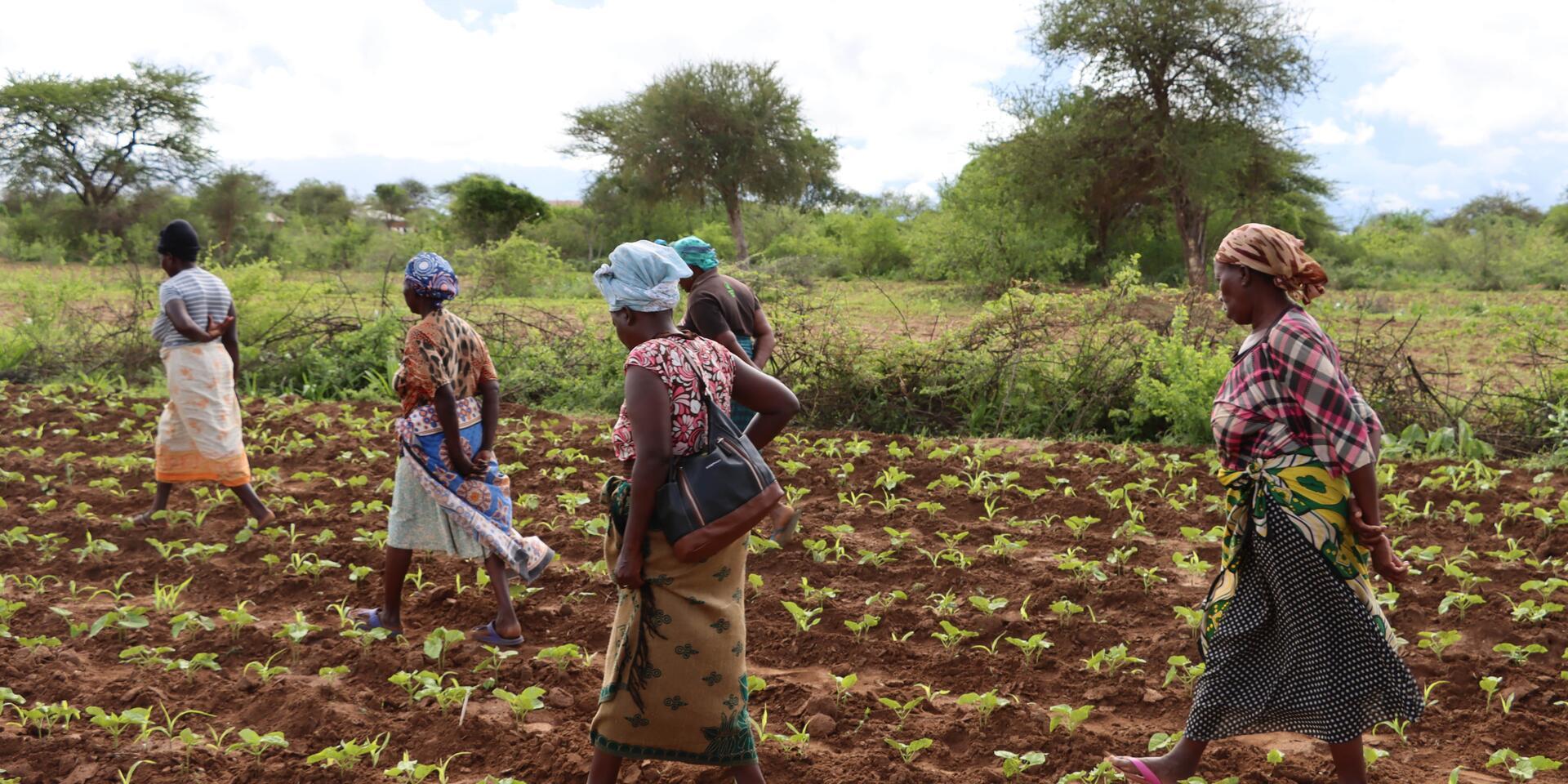

As Africa gears up for the 2024 Agriculture Food Systems Forum (AFSF) in Rwanda, the spotlight is on innovative solutions that address the dual challenges of climate change and food security. One such solution is climate-smart agriculture (CSA), a transformative approach that integrates sustainable agricultural practices with climate resilience and mitigation strategies.
By: Esther Gatonye, Esther Nzuki, Anastacia Theuri
CSA is an approach that guides the changes of agricultural food systems, given the need to jointly address food and climate change. Over the years, agricultural innovations have had the same aim that CSA seems to achieve: food security, with innovations ranging from mechanization in agriculture, genetic engineering, drone use and artificial intelligence.
The transition from conventional to sustainable farming happens against growing concerns over changing climate patterns, environmental sustainability, and a steadily growing population. The Alliance has been working on the transformation of food systems through research-based solutions that harness agricultural biodiversity to improve people’s lives. One course of action is CSA to increase agricultural productivity and incomes, adapt and build resilience to climate change, and reduce greenhouse gas emissions. This holistic approach integrates various practices and technologies to create farming systems that are both productive and sustainable; by adopting CSA, farmers can significantly reduce their carbon footprint. For instance, techniques such as conservation tillage, crop rotation, and integrated pest management not only enhance soil health and productivity, but also reduce greenhouse gas emissions. Moreover, CSA promotes the use of renewable energy sources and efficient water management systems, further contributing to climate mitigation efforts. The integration of agroforestry - where trees are grown alongside crops - also plays a crucial role in carbon sequestration, helping to offset emissions
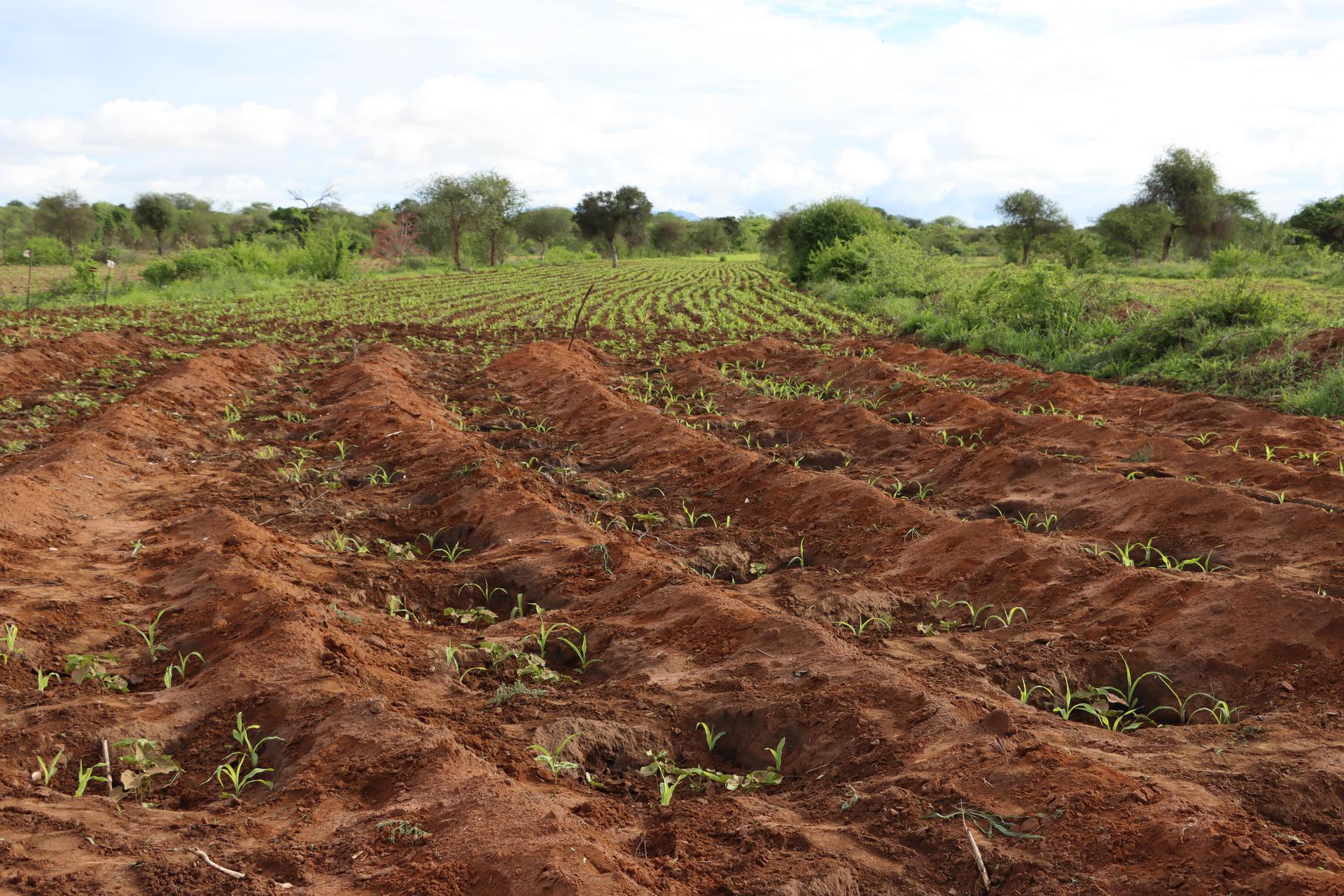
CSA Technologies on display, which are basins(forefront) and ripping (far end) Photo credit: The Alliance of Bioversity International and CIAT/Esther Nzuki
CSA can be facilitated through the implementation of climate information services (CIS), and the Alliance plays a crucial role in enhancing these services in Kenya, through the creation of tools and capacity building, for farmers to benefit from climate advisory services tailored to their needs. These systems are designed to assist farmers and stakeholders in agricultural value chains in planning and making informed decisions. So far, these initiatives have directly impacted over 300,000 farmers, value chain actors and policymakers, who now use improved climate information and early warning systems to optimize their decision-making.
Building on the legacy of the CGIAR Research Program on Climate Change, Agriculture and Food Security (CCAFS), joint research initiatives led by the Alliance provided opportunities to visibly enhance farmers’ resilience on the ground through the Accelerating Impacts of CGIAR Climate Research for Africa (AICCRA) project, which in 2023 reached more than 4 million farmers, increasing smallholder farmers’ access to climate information services, delivering climate-smart agricultural innovations that increased farming communities’ resilience to growing challenges.
Food systems Transformation
The transformation of food systems is essential to ensure food security for a growing population, and CSA contributes to this transformation by promoting sustainable agricultural practices that enhance productivity and resilience. This is particularly important in regions vulnerable to climate change, where traditional farming practices may no longer be viable. By improving soil health, water use efficiency and crop diversity, CSA helps create more resilient food systems. These systems are better equipped to withstand climate shocks, ensuring a stable food supply even in the face of adverse weather conditions.
The majority of small-scale farmers globally are found in Africa, Asia and Latin America, most of which are developing countries and are the most affected by climate change hence, increasing the importance of implementing CSA in these regions. Several governments have supported their farmers in implementing CSA in their farming practices. Increasing agricultural productivity and providing safe, nutritious food for the population are among the factors that inspired Kenya’s government to launch its 'Bottom-Up Economic Transformation Plan'. One of its flagship policies focuses on agriculture. It gives the Ministry of Agriculture and Livestock Development’s 'Research and Innovation Directorate' a mandate to strengthen research and promote the use of agricultural innovations
The adoption of CSA practices in Kenya, significantly driven by the Kenya Climate-Smart Agriculture Strategy (KCSAS) 2017-2026, has led to substantial improvements. Through initiatives such as agroforestry, conservation agriculture, and the promotion of drought-tolerant crops, farmers have seen a 20% increase in crop yields and a 15% reduction in greenhouse gas emissions. Additionally, more than 500,000 farmers have been trained in CSA techniques, significantly boosting their capacity to adapt to climate change. The strategy also aims to reduce economic losses from climatic events, which are projected to be between 3% to 5% of GDP by 2050 if climate change impacts are not addressed effectively. These efforts have resulted in improved soil health, increased biodiversity, and greater resilience to climate variability.
Policy and Innovation
For CSA to be effective, supportive policies and innovative technologies are crucial. Governments and international organizations must create enabling environments that encourage the adoption of CSA practices. This includes providing financial incentives, technical support, and access to markets for smallholder farmers. These innovations help farmers make informed decisions, optimize resource use, and improve overall productivity.
Shaping the AFSF Conversation
As we approach the Agriculture Food Systems Forum (September 2-6 2024), whose main agenda emphasizes sustainable development, resilience, and equitable food systems, it is clear that CSA holds immense potential to drive climate action and transform food systems. By embracing CSA, we can create a more sustainable, resilient, and food-secure future for all. The forum provides an opportunity to forge partnerships, mobilize resources, and scale up successful initiatives not only in Africa but to the rest of the world.
Explore more
