Blog From Classroom to Laboratory: 25 Years of Connecting Young People in Valle del Cauca with Science

An internship for six students highlights the reach of an educational partnership that has engaged nearly three thousand young people and teachers from public schools.
Standing in a virology research area at the Alliance's Palmira campus, Saray Melisa Ariza began asking new questions about the links between viruses, plants and agriculture. Until then, several of those concepts had belonged mainly to the classroom. During the internship, she saw how they became research questions and part of scientists' daily work.
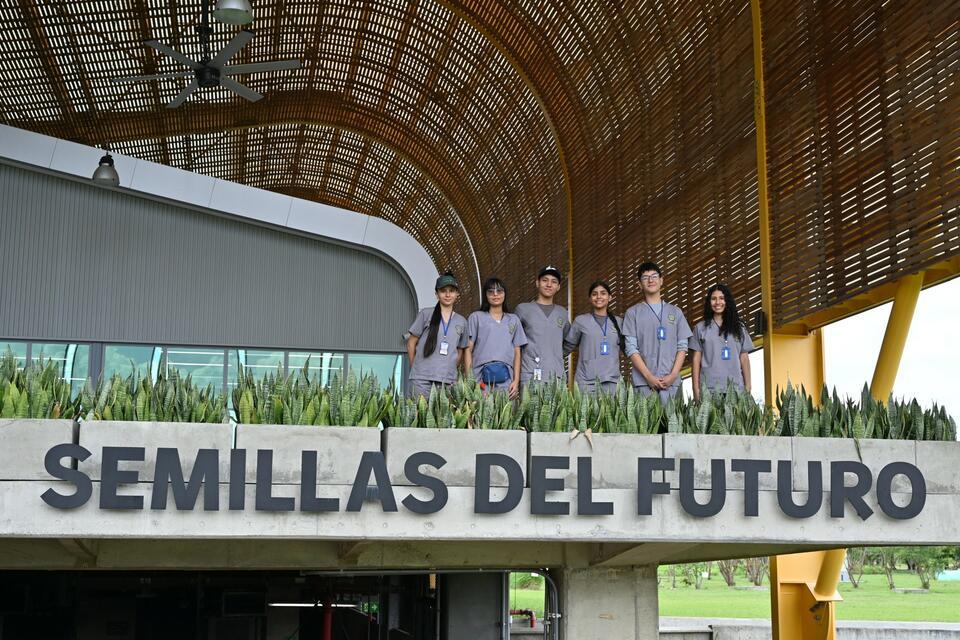
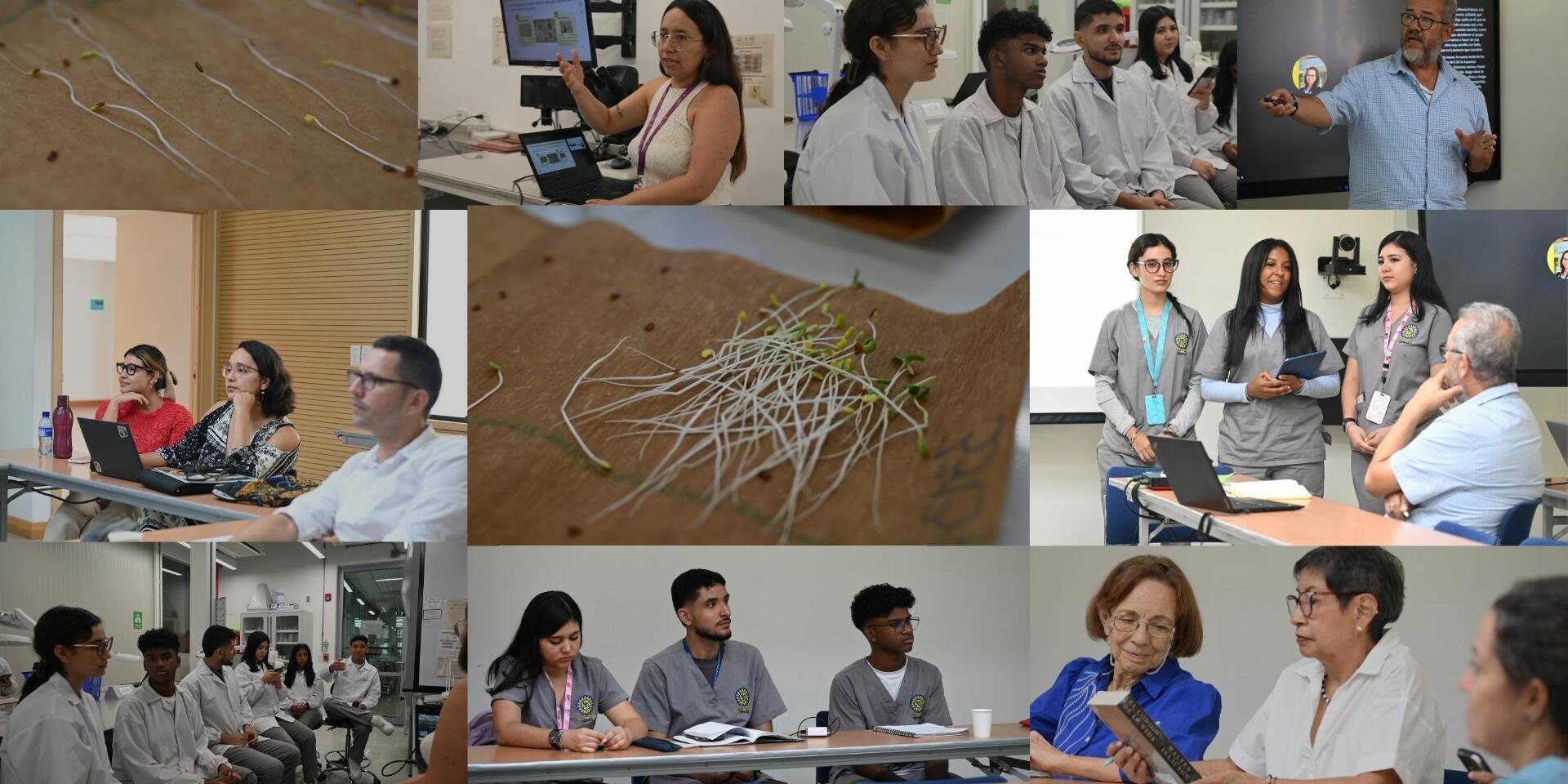
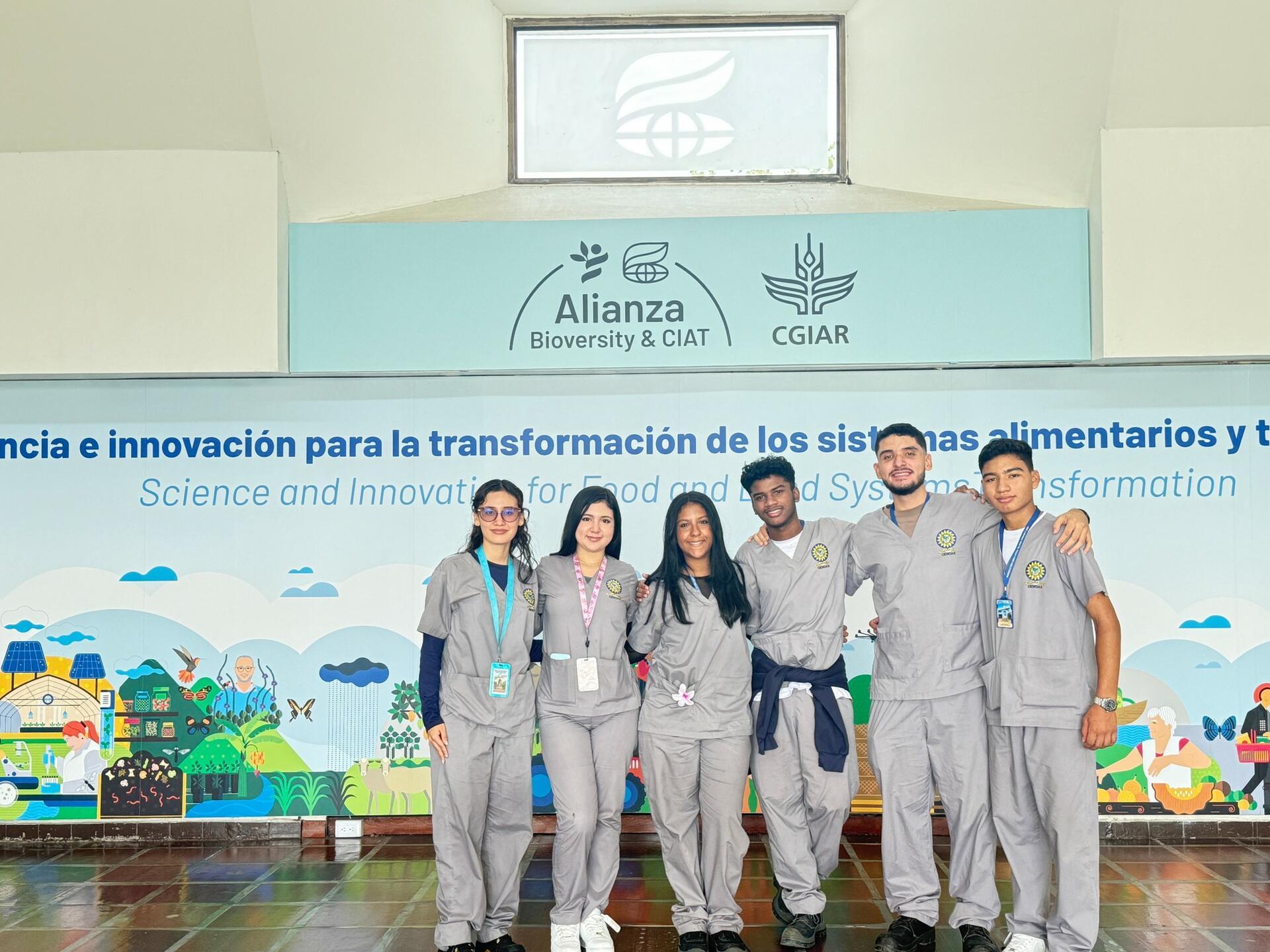
Saray was one of six students from public schools in the CASD-Cali program selected for their academic performance to complete a one-month internship at the Alliance of Bioversity International and the International Center for Tropical Agriculture (CIAT). Together with Samuel Martínez, Juan José Poloche, Keidy Parada, Angélica Quevedo and Zabdiel Eduardo Iriarte, she explored work in biotechnology, microbiology, virology and information technology, with exposure to digital agriculture, sensor-based monitoring of greenhouse gases and respirometric chambers, and biofortified crops (NQL). She spoke with researchers and learned how different teams address challenges in agriculture, biodiversity and food security.
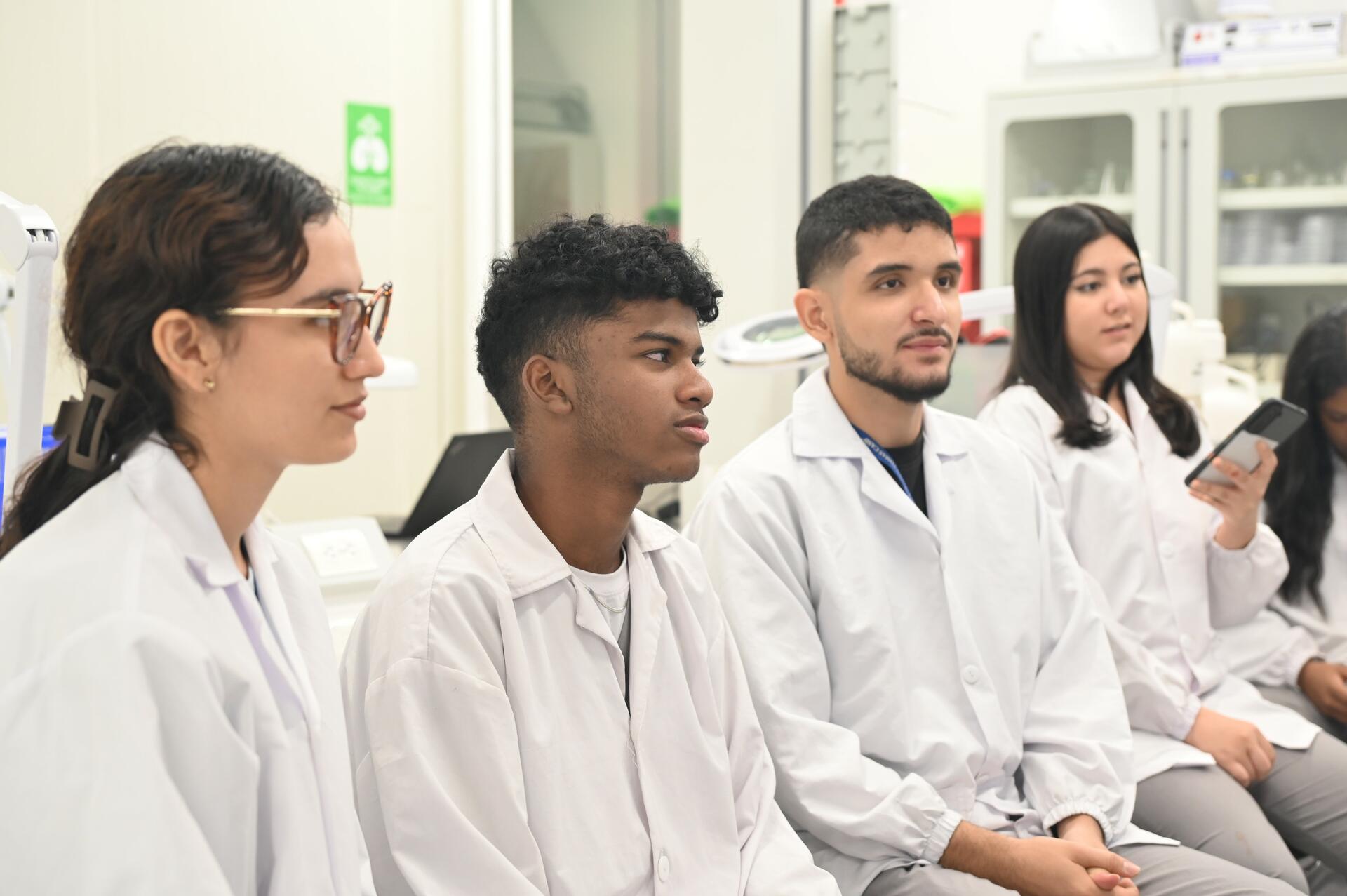
The experience combined observation of laboratory work, explanations of scientific processes, conversations with professionals, and collaborative activities. Students strengthened their understanding of research and basic laboratory practices, connected classroom theory with real-world problems, and gained a clearer view of the scientific and technical careers available to them.
"It was a completely different experience because it was no longer just theory; it was learning directly from researchers." — Juan José Poloche, student participant
A partnership built over more than two decades
The internship is part of Biotechnology in the Classroom, an educational initiative developed since 2000 by the Alliance, formerly CIAT, together with the Centro Auxiliar de Servicios Docentes (CASD). CASD offers complementary training for tenth- and eleventh-grade students from public schools in Cali, including a specialization in Natural Sciences–Biotechnology.
The partnership began with teacher training and the incorporation of tissue culture and molecular biology content into the school curriculum. Over time, it expanded to open-house events, campus visits, school research groups, student projects and internships for high-performing students. Alliance teams have opened learning spaces in areas such as biotechnology, and rice, bean, cassava, tropical forages, seed and soil research, among other agricultural research lines.
Available records show a scale far beyond the current cohort. A retrospective published in 2023 estimated that, between 2005 and that year, close to 2,880 students and 60 science teachers had taken part in the initiative. Between 2005 and 2026, 100 young people took part in the internship program, some of whom have gone on to pursue science-related careers. In 2023, more than 180 students took part in a campus event; in May 2025, another 125 CASD students explored activities on biotechnology, Pacific-region biodiversity, drone-assisted agriculture, sustainability and applied science.
These figures describe coverage; students' individual stories show the longer-term effect. Projects arising from the initiative are managed by teachers within their own schools, mainly at CASD's Santo Tomás campus: during the most recent visit, held during COP-19 Week, students had built a tunnel and raised beds for urban agriculture and composting projects. The Alliance and CASD, together with a Cali-based collective, are currently working on a joint publication documenting those pathways systematically.
An experience that informs career decisions
For Saray, the visit to the virology department opened up a field she hadn't considered before and helped her better define her academic interests. Samuel reaffirmed his decision to study biology and pursue research. Juan José confirmed that he wants to connect chemical engineering with a research career. Their experiences differed, but the outcome was shared: each student could test personal interests against the real work of scientists, technicians, and other professionals.
"When students come here, a whole new world opens to them. They discover that science is not only for extraordinary people, but a possibility for any young person who wants to learn." — Ana del Socorro Ordóñez, teacher of Biology, Chemistry and Biotechnology at CASD's Santo Tomás campus
Roosevelt Escobar, an Alliance researcher and leader of the initiative, explains that the internship is just one stage in a process that begins in the classroom. The work of teachers such as Ana del Socorro Ordóñez allows campus content and experiences to return to schools and multiply through classes, research groups and student projects.
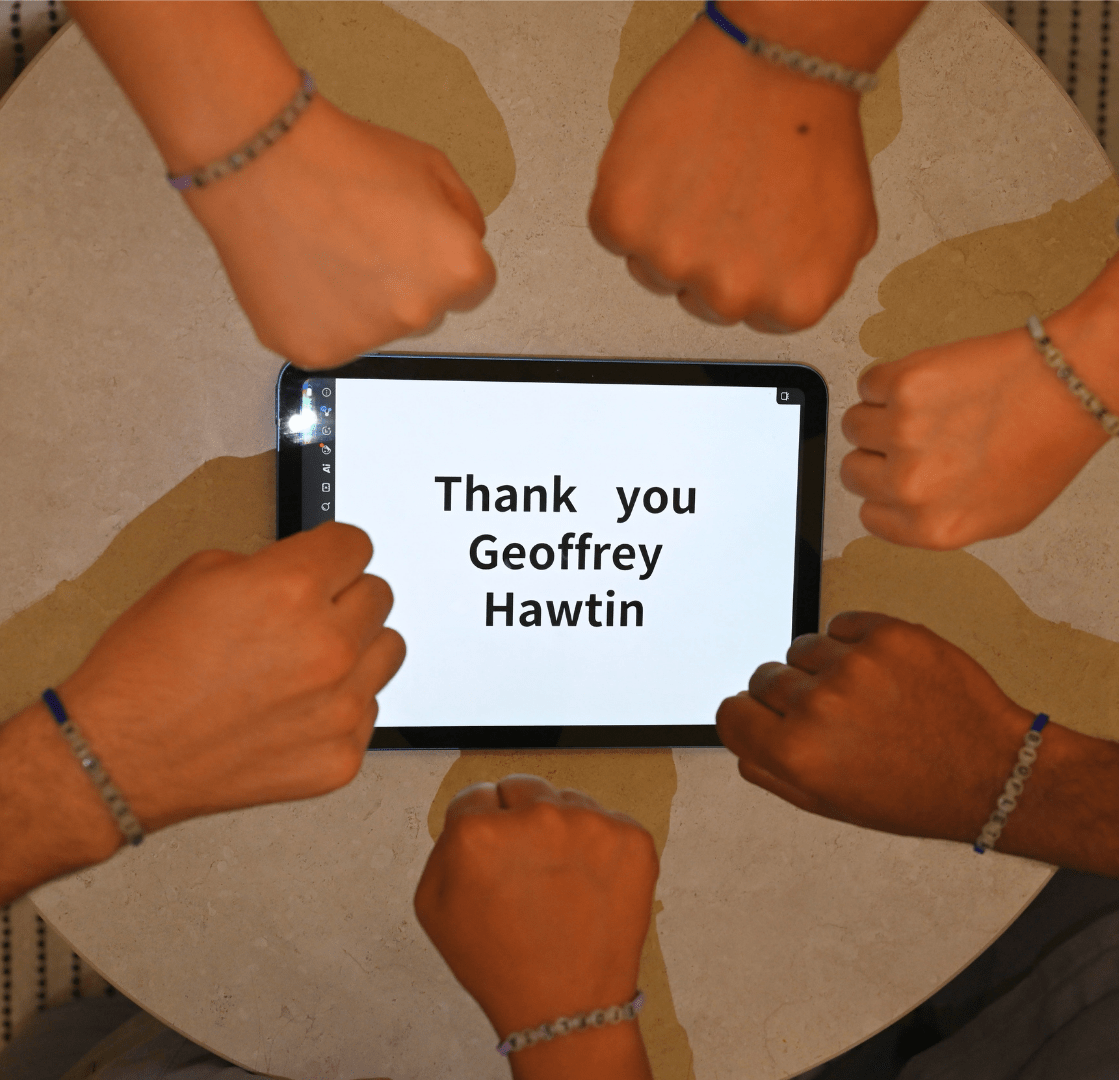
The Geoffrey Hawtin Grant and Program Continuity
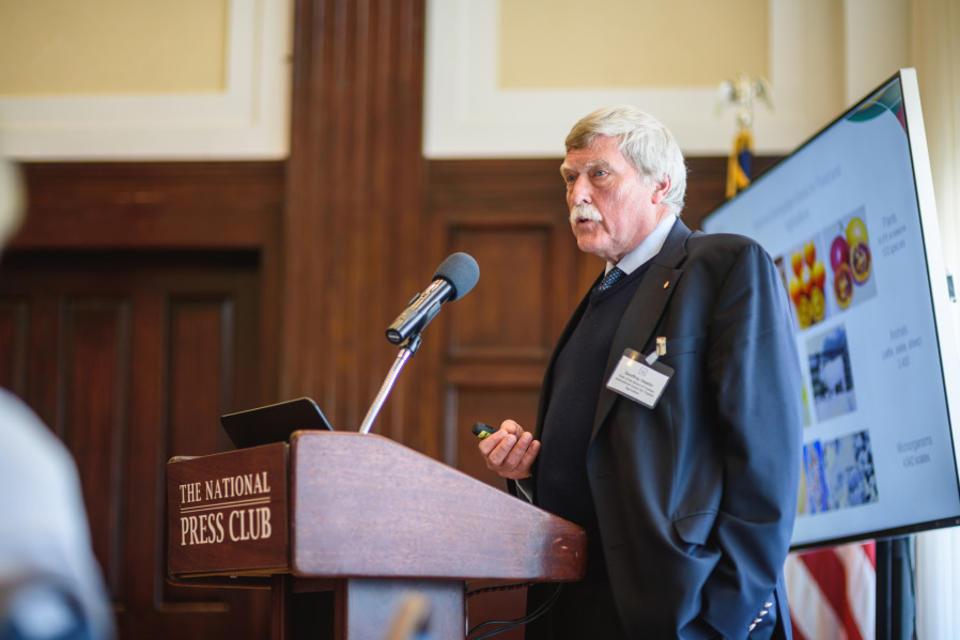
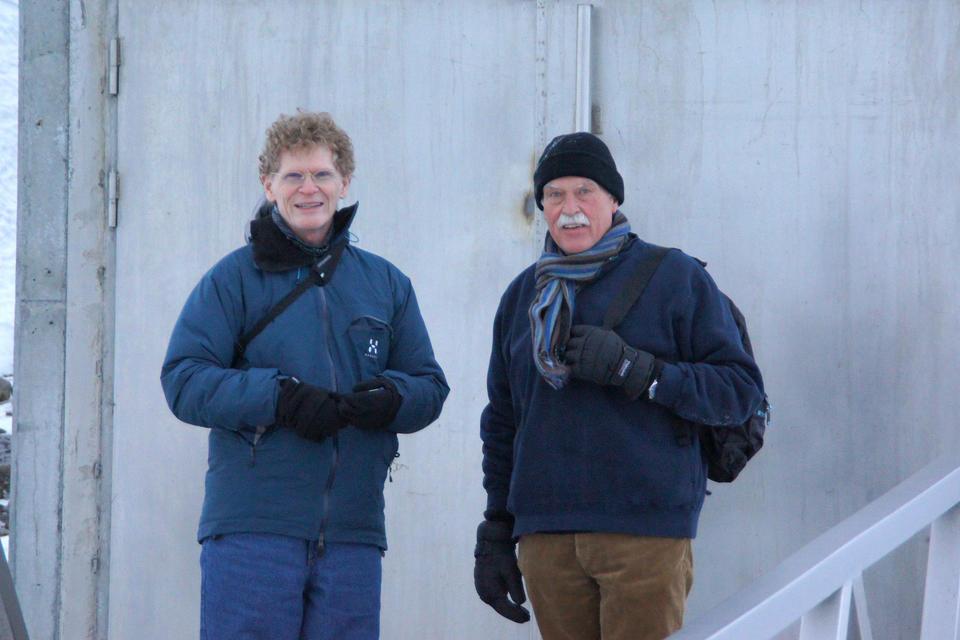
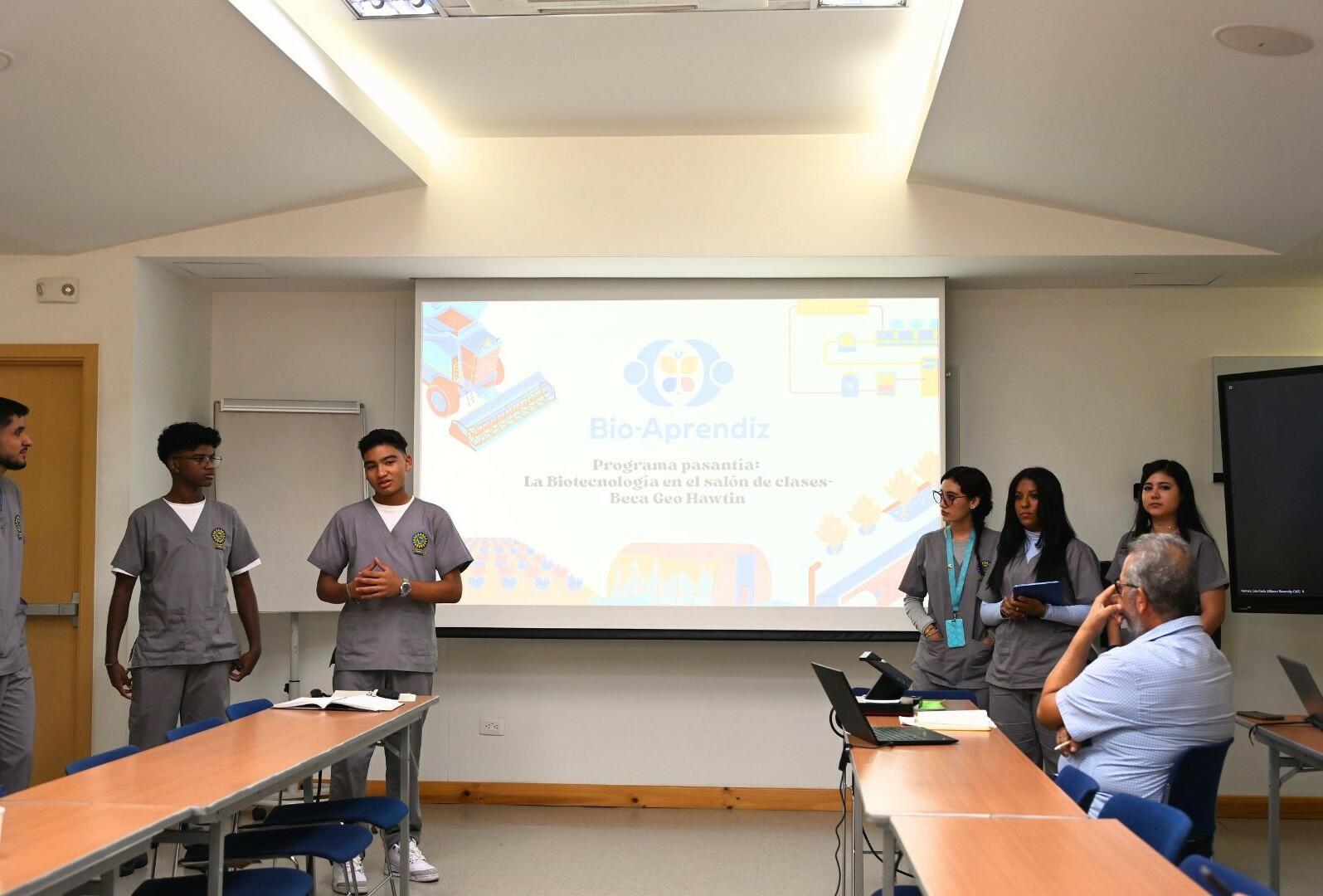
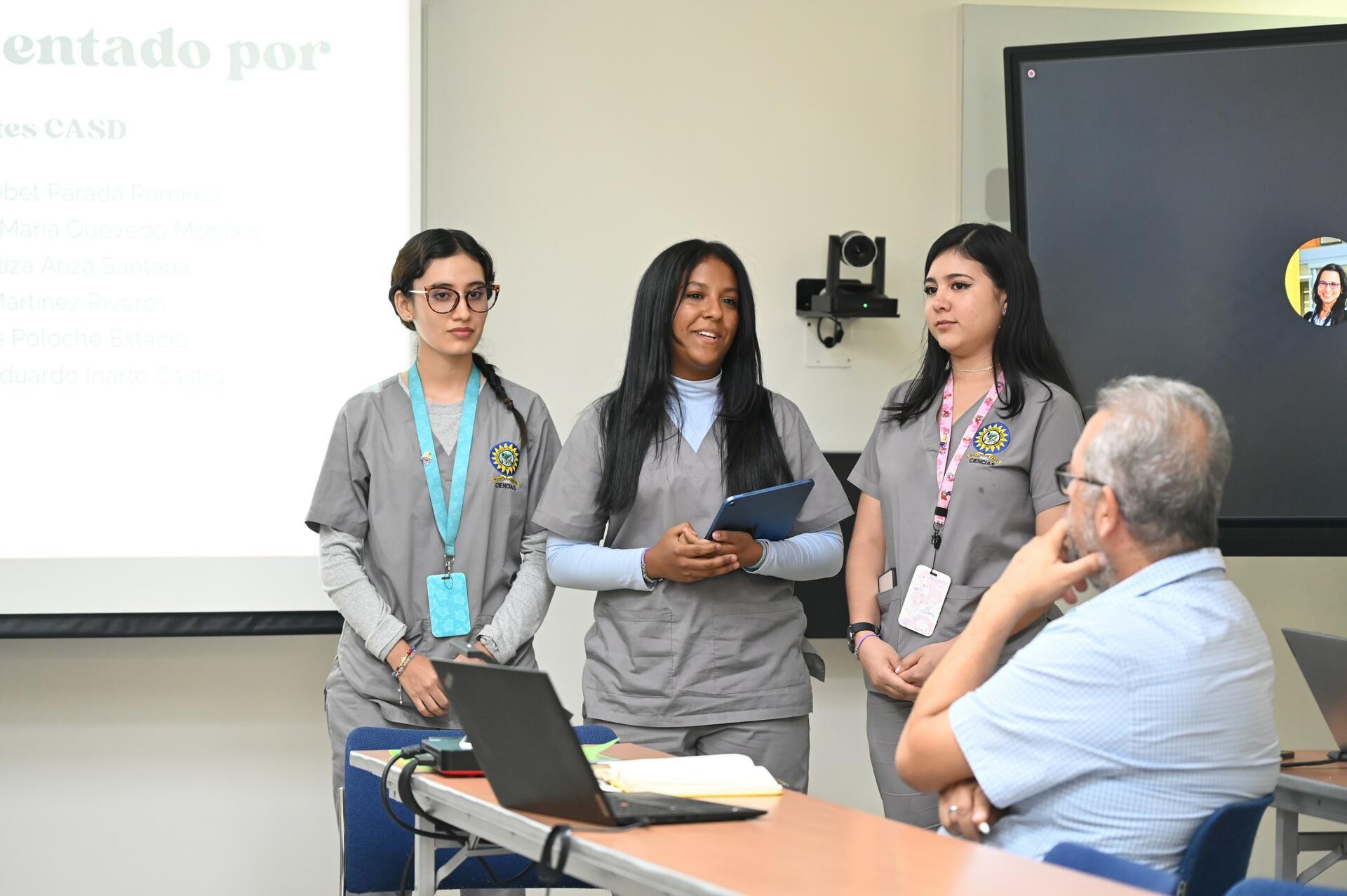
This program is supported by a grant from Dr. Geoffrey Hawtin, former Chair of CIAT's Board of Trustees, who directed part of the 2024 World Food Prize toward supporting the continuity of these experiences. Coordination of this second cohort was led by research assistant Kelly Sofía Bueno.
For Saray, Samuel, Juan José, Keidy, Angélica and Zabdiel, the month on campus ended with more concrete plans for their studies. For the Alliance and CASD, their experience adds to a partnership of more than 25 years whose next challenge is to keep opening the doors of science and measure, with greater precision, just how far its effects reach.