Blog Bridging indigenous fruits and vegetables to markets: The case for Northern Vietnam’s indigenous fruits and vegetable systems

In Mai Son and Sa Pa, indigenous fruits and vegetables are more than heritage crops. New research explores how biodiversity, markets, and agro-ecotourism could unlock their potential for nutrition and rural livelihoods.
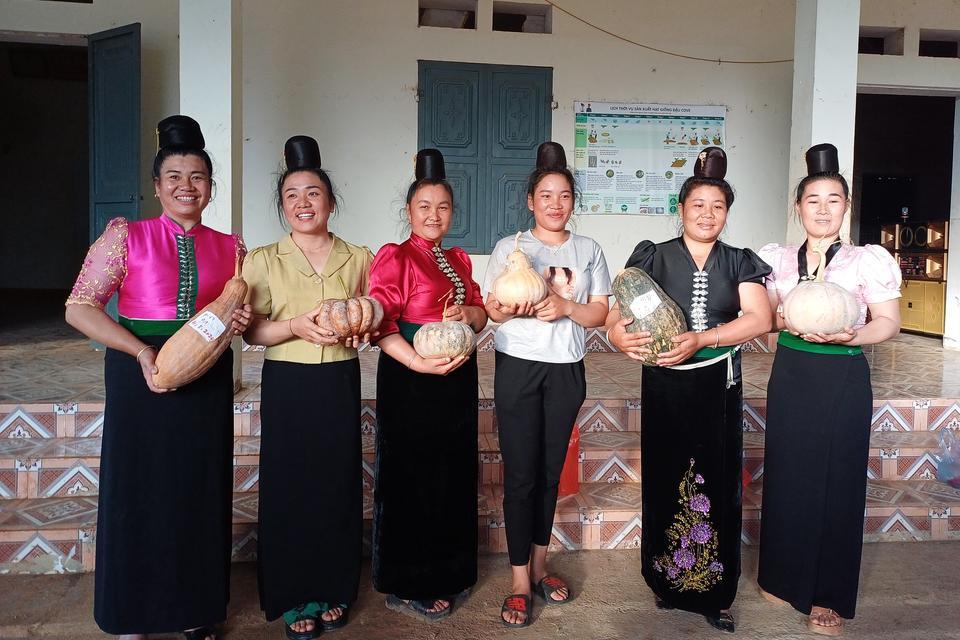
In the mountains of Northwest Vietnam, food is more than sustenance. It carries memory, identity, and resilience. From the sharp bite of H’Mong mustard to the sweetness of Tả Van plum, indigenous fruits and vegetables shape both landscapes and livelihoods. These crops, however, sit at a crossroads.
Across Mai Son district (Son La province) and Sa Pa town (Lao Cai province), rapid changes in tourism, markets, and farming practices are reshaping local food systems. Indigenous crops remain culturally important but their economic and nutritional potential is still underutilized.
Changing food landscapes
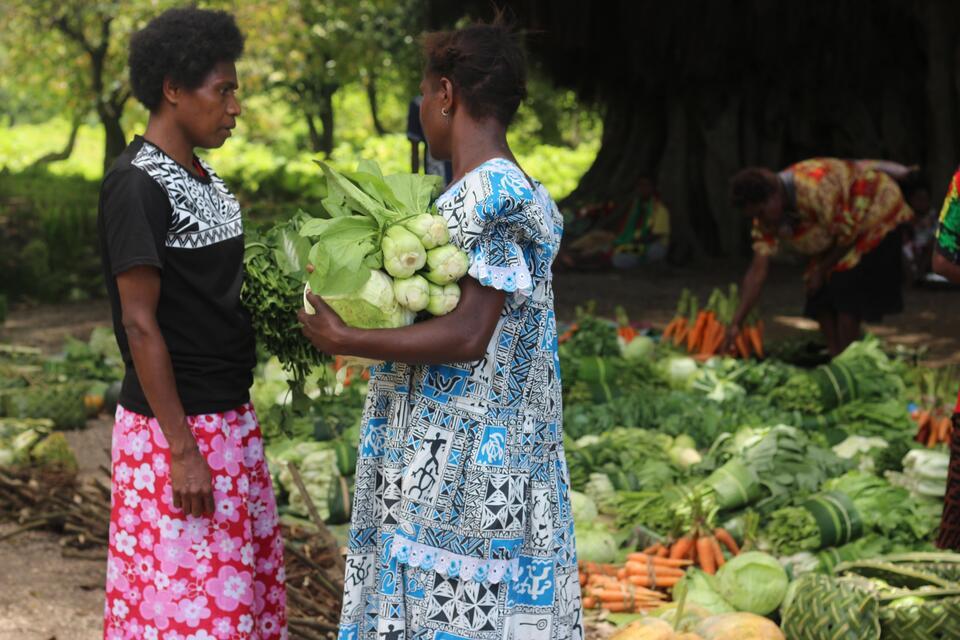
Urban markets are growing. As improved and introduced varieties compete for land and attention, consumers and visitors alike increasingly seek foods that are local, distinctive, and culturally meaningful. This creates opportunity, but opportunity alone does not guarantee impact.
To better understand these dynamics, the Alliance of Bioversity International and CIAT, in collaboration with the Fruit and Vegetable Research Institute (FAVRI), conducted a scoping study on indigenous fruit and vegetable systems and their market potential focusing on ethnic minorities Thai and Hmong in Mai Son and Hmong and Dao in Sa Pa.
Using a mixed-methods approach, the research engaged farmers, traders, cooperatives, restaurants, homestays, and local authorities. The goal was simple: identify what holds these crops back and what could help them thrive.
Table 1. Selected indigenous crops in Mai Son and Sa Pa
|
Mai Son |
Sa Pa |
|
Fruits: Hôi mango Tròn mango |
Fruits: Mountain peach Tả Van plum |
|
Vegetables: H’Mong mustard H’Mong cucumber Thơm wax gourd Múi tomato |
Vegetables: H’Mong mustard H’Mong cucumber Local pumpkin Nếp sponge gourd |
Selected for the study based on their economic importance, cultural relevance, social value, and their potential for expanded production and market linkage.
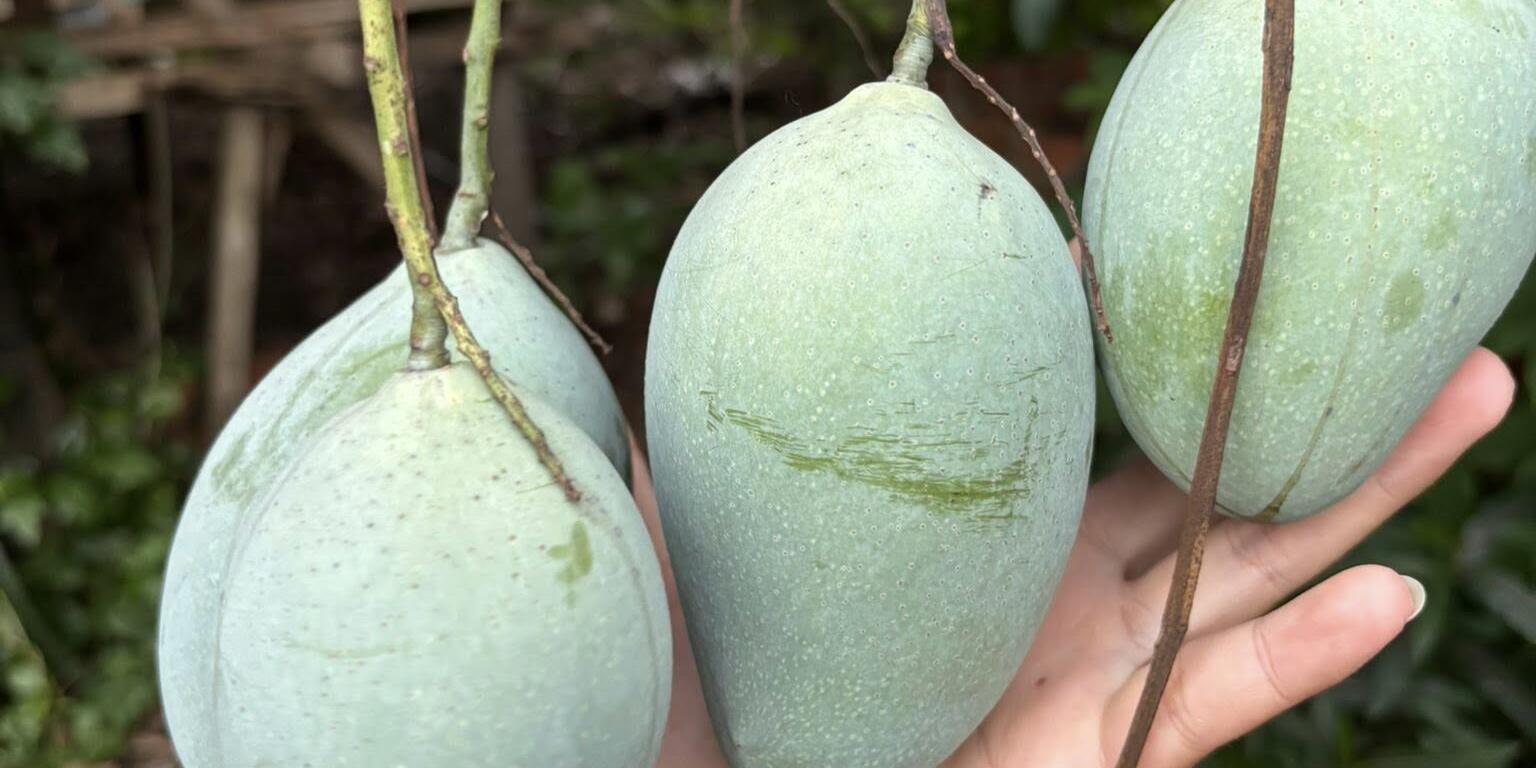
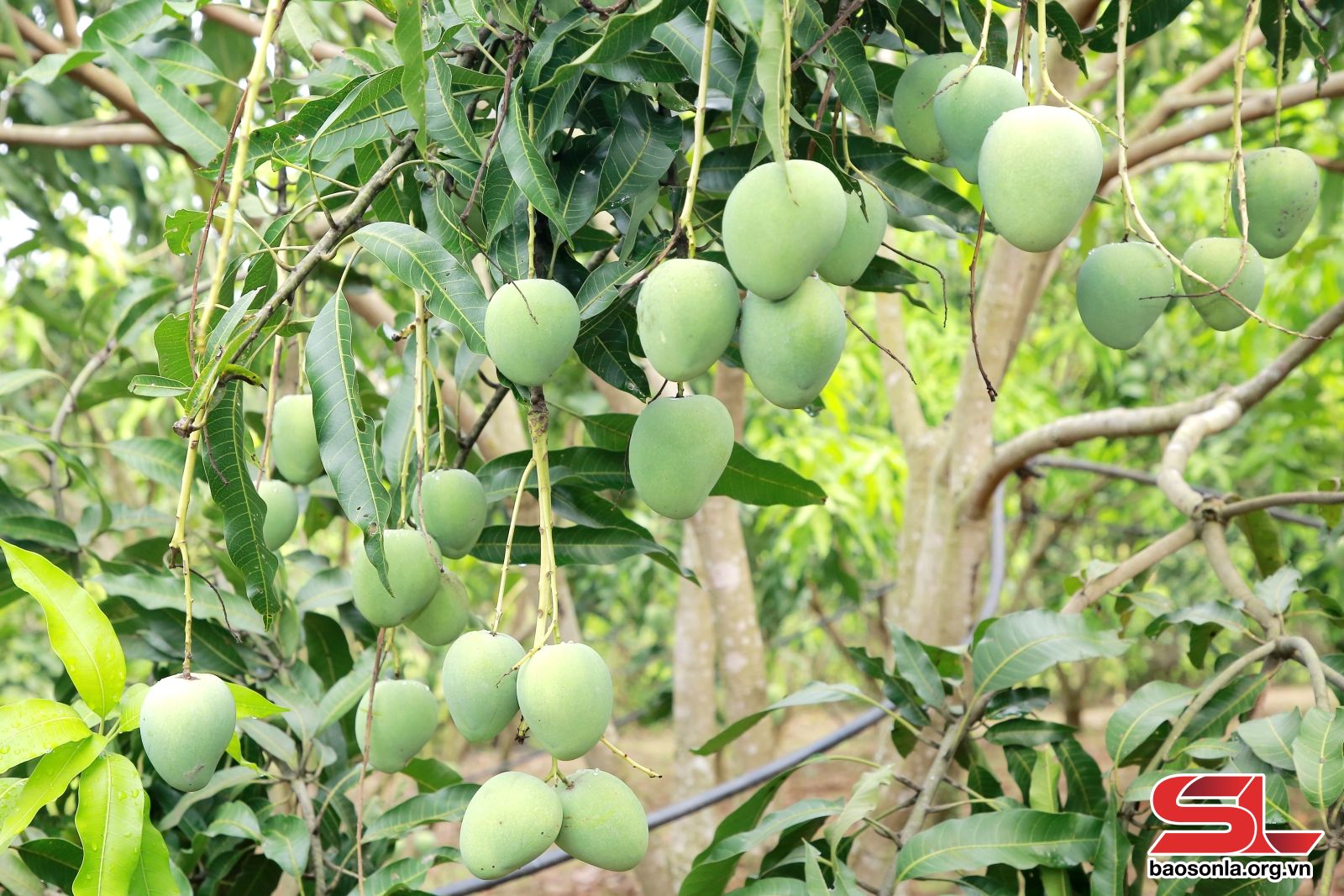
Hôi mango in Mai Son. Credit: Son La news paper
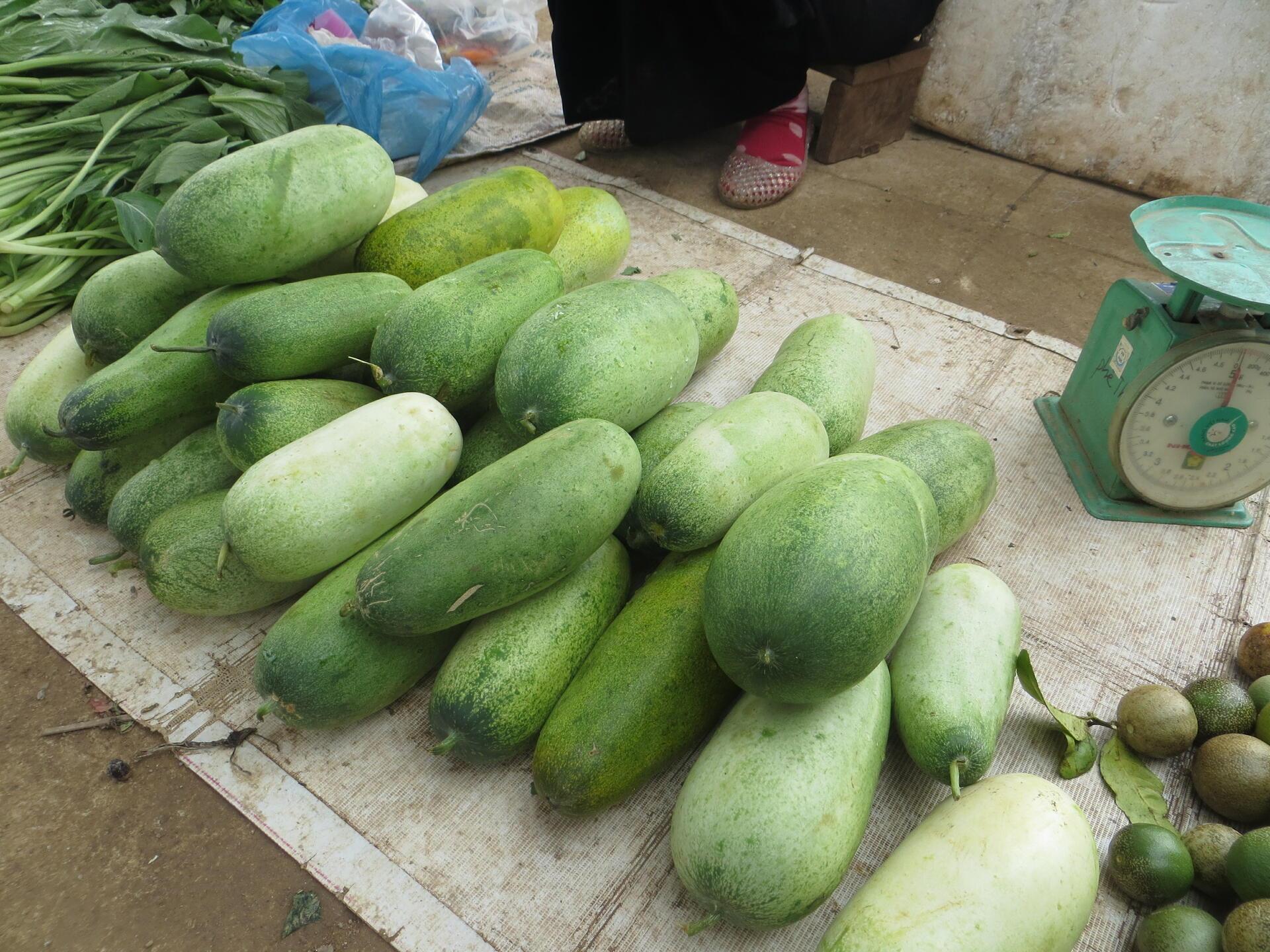
H’Mong cucumber in Hat Lot town, Mai Son. Credit: Hoang The Ky
Structural constraints in production and markets
The findings reveal both promise and structural challenges. Production remains small-scale and fragmented withfarmers relying heavily on traditional, experience-based practices. While these systems have sustained crops for generations, they often struggle to meet the current standards for volume, quality, and food safety. Declining seed quality, limited conservation efforts, weak technical support, and increasing climate variability threaten not only productivity, but also the genetic diversity that underpins long-term resilience.
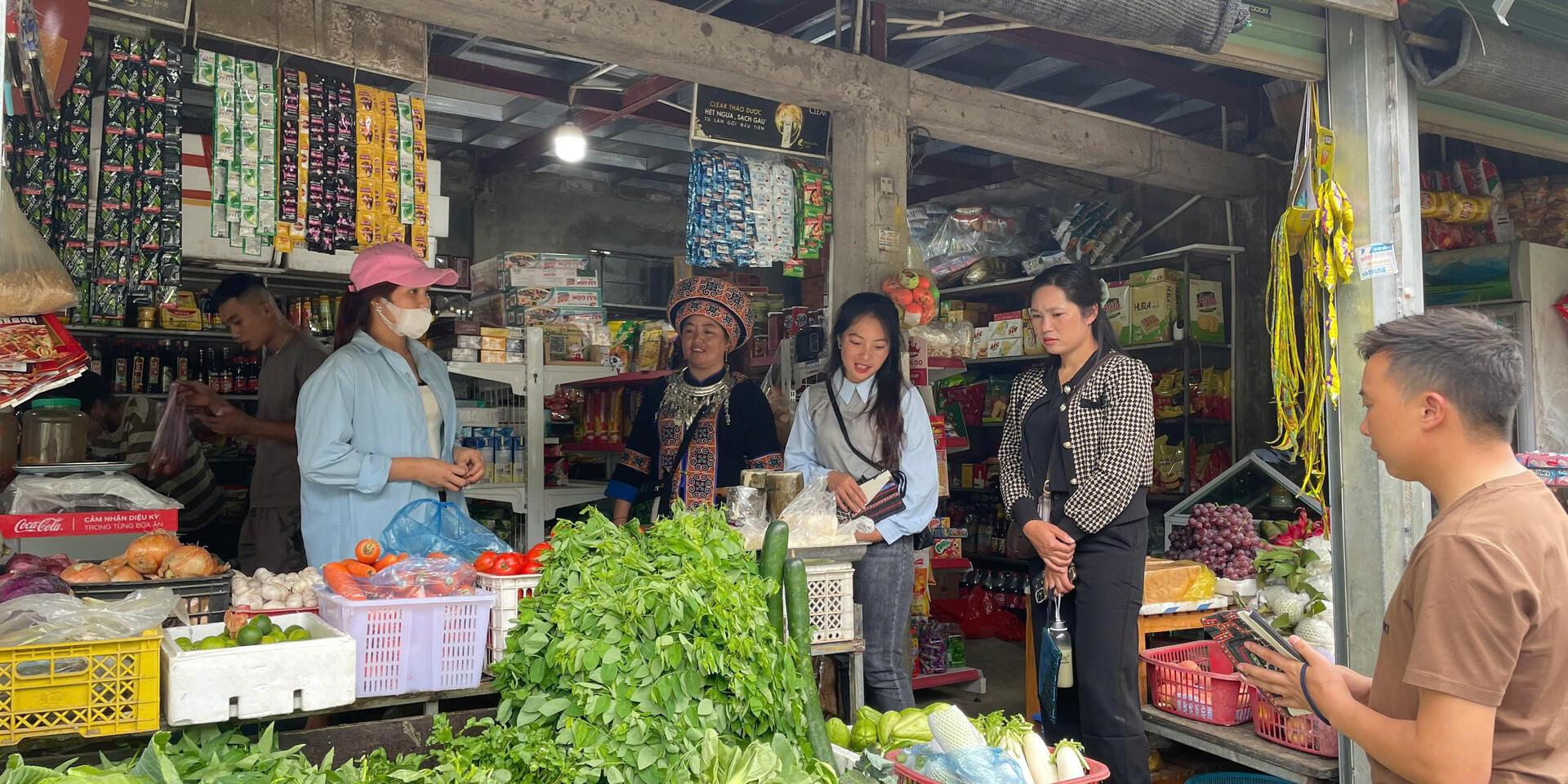
Market constraints, meanwhile,are equally significant. Informal trading arrangements, minimal post-harvest handling, weak branding, and limited certification restrict access to higher-value markets. Without strong cooperatives, farmers struggle to coordinate supply or negotiate better prices.
The result is a familiar paradox: indigenous products are increasingly valued by consumers, yet farmers capture only a fraction of that value.
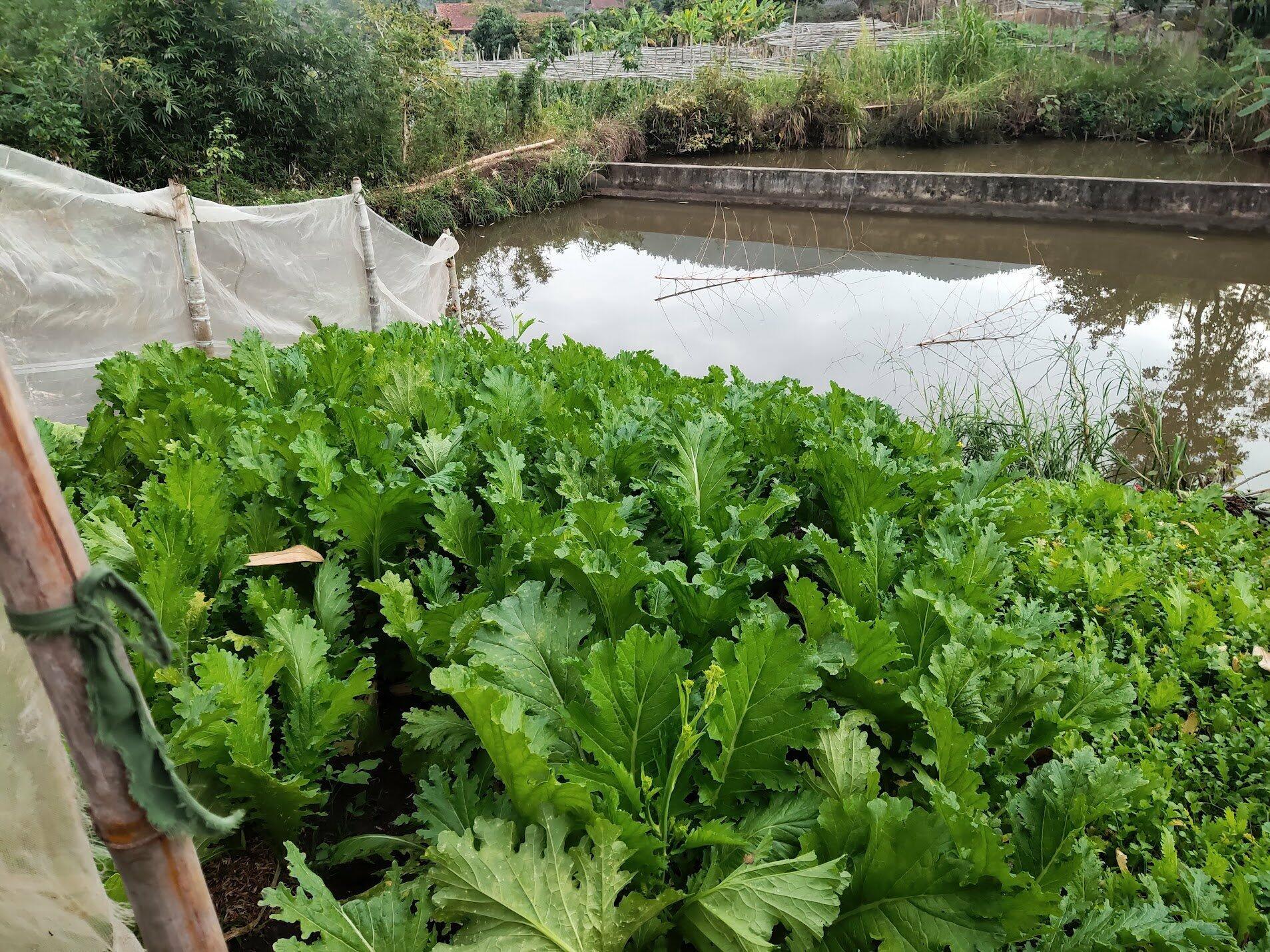
HMong mustard garden in Mai Son. Credit: Nguyen Thi Phuong
Promising indigenous crops and their competitive advantages
Despite these constraints, several crops show strong potential.
In Mai Son, Hôi and Tròn mangoes show the strongest commercial potential due to their established market presence, consumer preference, and prospects for One Commune One Product (OCOP) upgrading and export expansion. H’Mong cucumber and Múi tomato also demonstrate promising market opportunities owing to their good yields and growing digital and restaurant-based sales channels.
In Sa Pa, Tả Van plum is the most promising fruit, driven by high tourist demand, strong daily trading volumes, and supportive provincial policies. But across both districts, H’Mong mustard ranks highest among vegetables due to its distinctive flavor, cooperative marketing channels, and strong tourist demand. Overall, these crops’ key advantage lies in their unique taste, cultural identity, and close linkage with tourism markets, enabling premium pricing and value chain upgrading.
The agro-ecotourism sector in Northern Vietnam is beginning to act as intermediaries that translate agrobiodiversity into economic value. By linking indigenous crops to farm-to-table experiences, homestays, cultural food narratives, and on-farm tourism activities, farmers can increase visibility, stabilize demand, and diversify incomes while promoting local food heritage.
What needs to happen next?
Realizing the potential of these indigenous fruits and vegetables requires more than market enthusiasm, it demands coordinated action to improve product quality, increase farmer incomes, and conserve biodiversity at the same time. This integrated approach is best exemplified by:
- Strengthening community-based seed systems and conserving genetic diversity to ensure continued access to the local diversity that can be leveraged for diverse market opportunities
- Strengthening agroecological farming systems and application of circular economy principles to increase product quality, production efficiency, sustainability and resilience
- Promoting safe-production standards such as Vietnamese Good Agricultural Practices (VietGAP) or Participatory Guarantee Systems
- Expanding market opportunities by investing in cooperatives and collective branding of products (e.g., One Commune One Product – OCOP)
- Supporting simple marketing tools like labels, storytelling, and digital platforms to expand access to online and urban markets
Transformation, particularly in the context of Northwest Vietnam, does not mean replacing tradition with modernity. It means bridging the two, so indigenous crops continue to nourish people, culture, and landscapes for generations to come.
Explore the brief to learn more about the market opportunities for these indigenous fruits and vegetables and how they can be strategically leveraged for inclusive livelihood development and improved nutrition outcomes.
The Alliance team

Andrea Ghione
Project Leader, Market and Value Chain
Cornelis (Kees) Swaans
Senior Scientist