Blog Turning the tide towards better nutrition in the Pacific
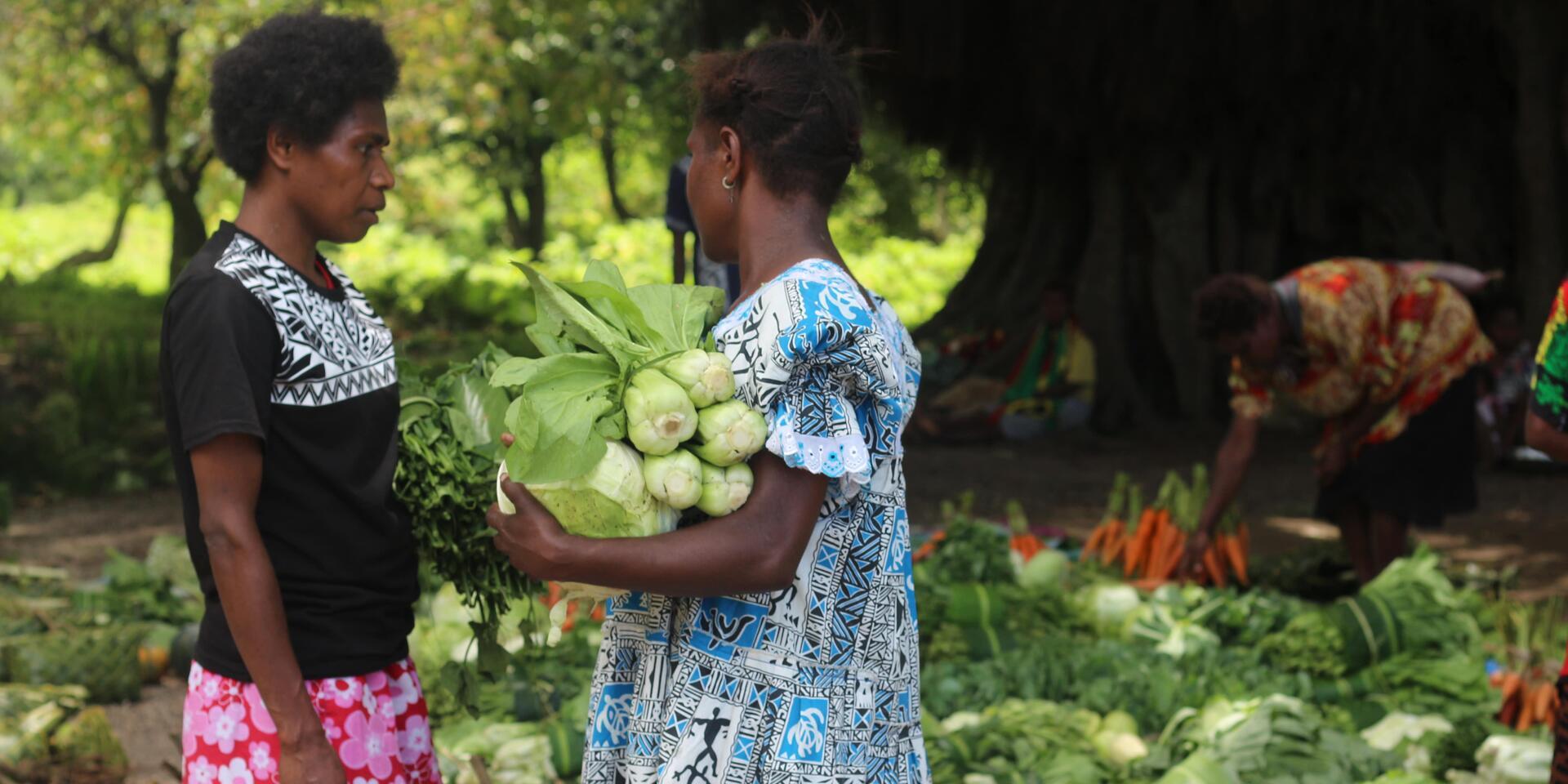

Melanesia—part of the constellation of islands in the South Pacific—may only occupy a tiny fraction of the world's surface, but this region’s teeming biodiversity offers insights as to how island communities respond to evolving food systems amidst surging populations, shifting dietary patterns, and natural resource depletion.
For many Pacific countries, access to locally available, diverse, and nutritious foods remains an uphill battle. With rising sea levels and frequent cyclones on one hand and transport and infrastructure limitations on the other, nations like Solomon Islands and Vanuatu are grappling with malnutrition. The persistent burden of undernutrition, micronutrient deficiencies, and overnutrition underscores the need for rural communities to consume diverse and healthy diets even as subsistence farming remains a central source of staple crops.
Towards informed food choices
In 2020, the Alliance of Bioversity International and CIAT, along with World Vision and the International Fund for Agricultural Development (IFAD), worked with partners in Solomon Islands and Vanuatu to address the joint challenges of poor nutrition and low rural incomes through the Melanesian Rural Market and Innovation-Driven Development (MERMAID) Programme.
The four-year collaborative work combined nutrition and market systems research and participatory approaches to leverage traditional and local knowledge and experiences. Through this approach, the programme identified key community-based strategies that support and promote healthy diets and enhanced livelihoods. At its core, MERMAID pushed for enhanced capacity sharing among smallholder farming households to produce and consume a variety of local nutritious crops while enabling them to earn incomes to purchase foods that contribute to overall dietary diversity.
“Adequate access and availability of diverse food hinges on several interrelated factors including household production, seasonal variability, income levels, and food culture and preferences, and the required capacity and resources” said Alliance Scientist Dr. Deborah Nabuuma, who also served as the project lead. “In fact, the diets of women and children were inadequate with low dietary diversity, highlighting the importance of the MERMAID programme.”
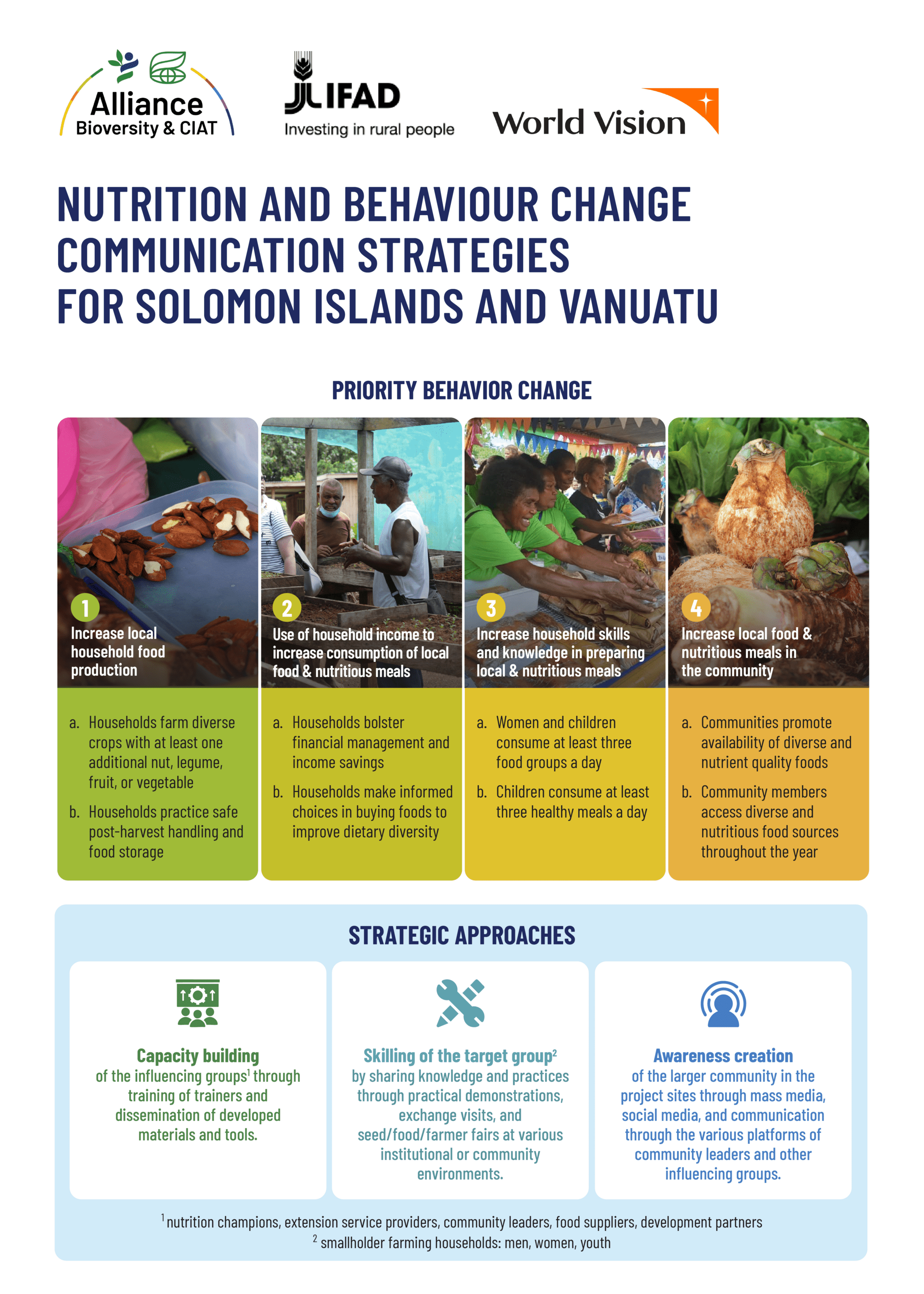
In shaping sustainable dietary practices of the region’s highly at-risk demographic, the Alliance guided the communities and stakeholders in the development of a comprehensive nutrition and behavior change communication strategy. The co-produced strategies informed the implementation of different activities aimed at enabling Solomon Islanders and Ni-Vanuatu communities to make informed food choices through key themes: local production, income for food, diverse local food inclusion, and nutritious meal preparation.
Lokol Kaikai: Championing healthier diets in Solomon Islands
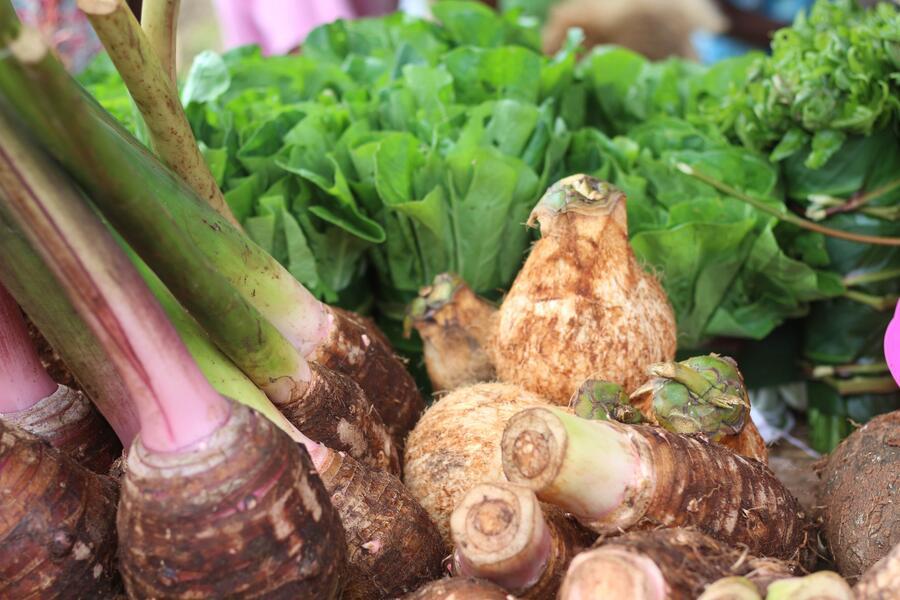
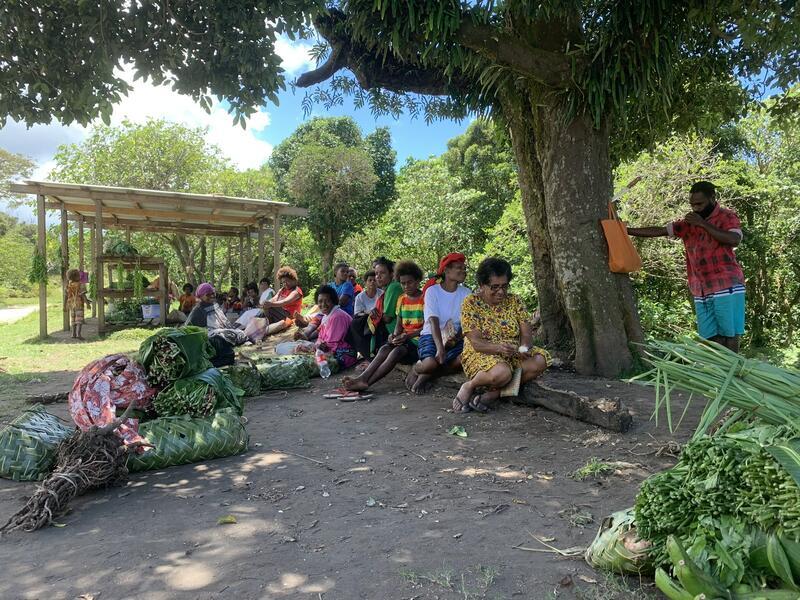
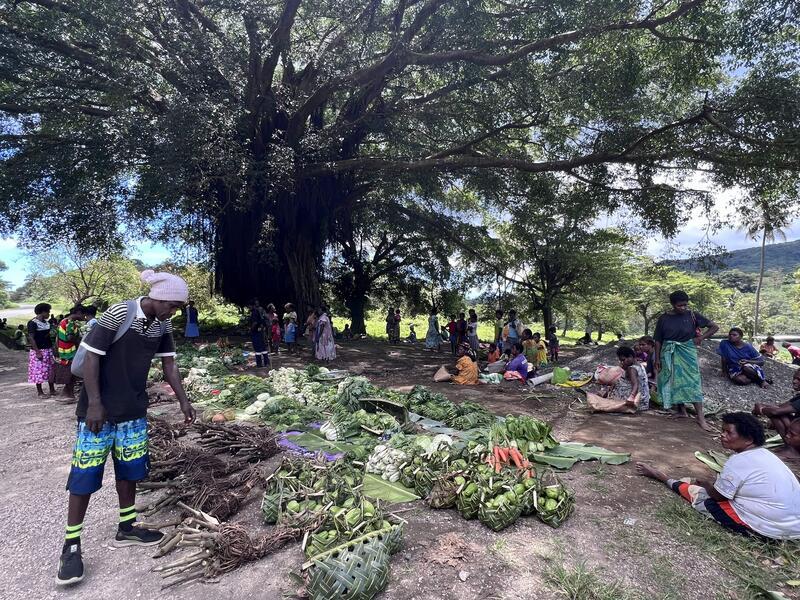
The close-knit family and community relationship in Solomon Islands is evident in its largely rural and small-scale farming and fishing industries. Despite low agricultural yields, islanders in rural areas willingly share household-produced crops such as taro, sweet potatoes, and cassava to support household diets.
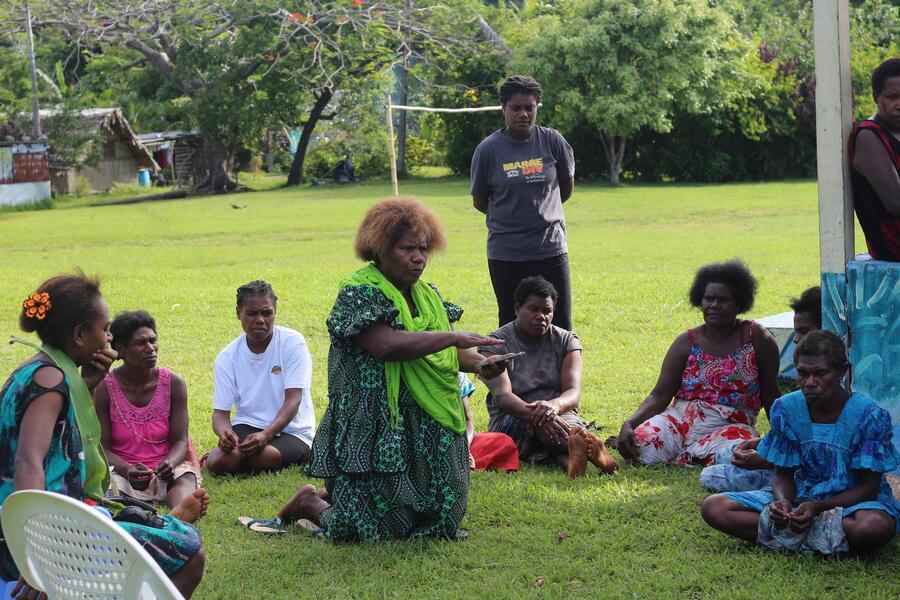
In the country’s Malaita province, 21 nutrition champions were trained to drive positive nutrition behavioral change, leading community sessions on healthy diets, local food utilization, infant and young child feeding, and food preparation, among others. These community leaders, who are well-immersed in the different programme initiatives, were instrumental in mobilizing and strengthening the capacity of community members.
Across four schools and 12 community demonstration gardens, households learned to supplement energy-dense staples with locally available nutrient-rich crops such as groundnuts, pumpkins, and banana to enable children to consume diverse diets. By ensuring access to proteins, fruits, and vegetables, parents can also help lay the foundation for healthy eating lifestyle at an early age.
After a four-year run, many target households have successfully implemented the acquired skills in their own gardens following training on key farming topics: pest and disease management, seed banking, composting, nursery establishment, animal husbandry (poultry and piggery), and post-harvest handling. All sessions were geared towards diversifying household food production and improving food and income allocation within rural communities.
Nutrition sensitization sessions by the numbers in Malaita:
Communities
Students
Schools
Participants
Food fairs and exposure visits
Farmers trained
Individual training
The positive outcomes of MERMAID’s interventions within a nutrition-sensitive agriculture project strongly align with Solomon Islands’ Sustainable Agriculture Sector Growth Strategy and Investment Plan for 2021-2030 where it targets the “resilient availability of locally produced food, improve local economic development and enhance food and nutrition security.”
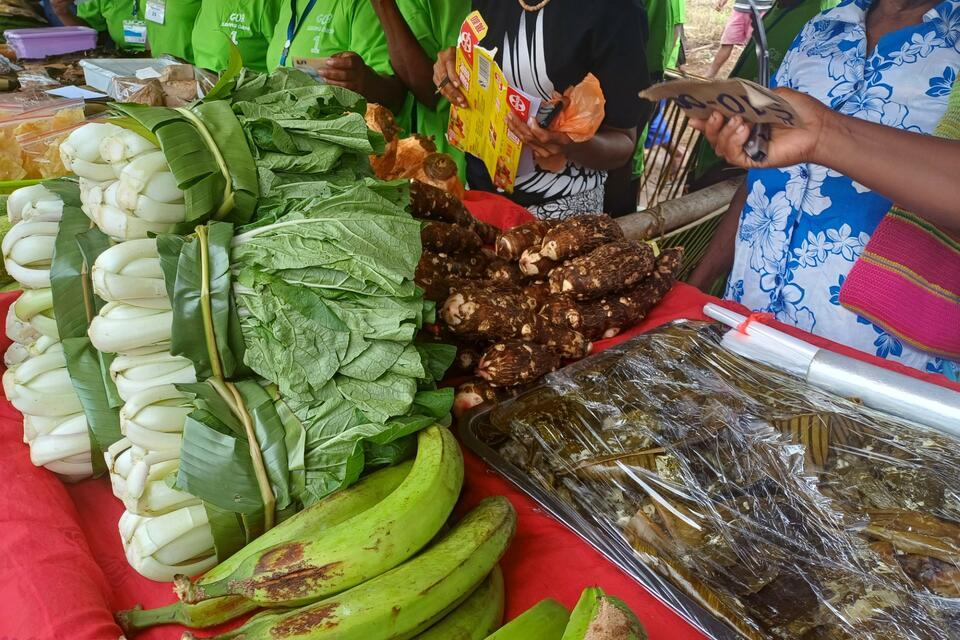
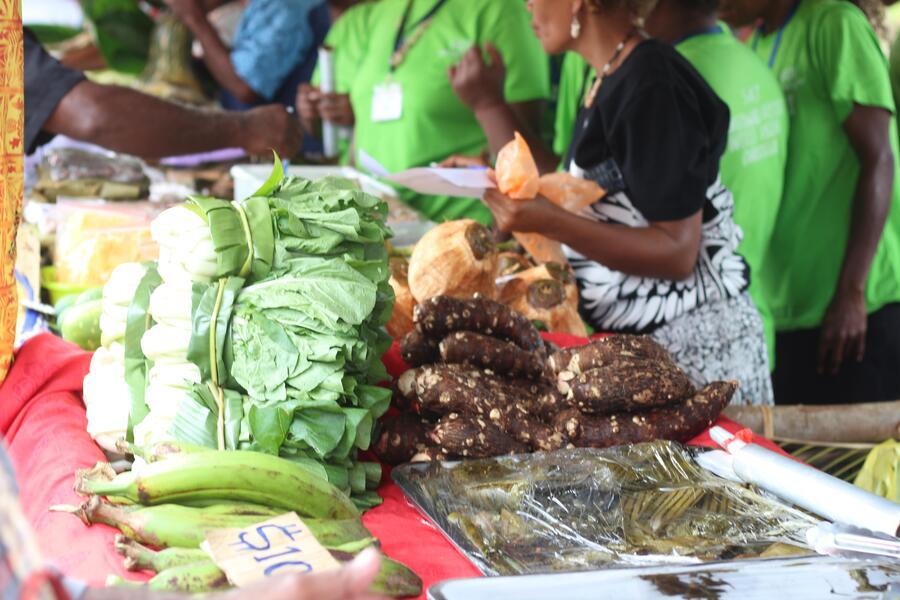
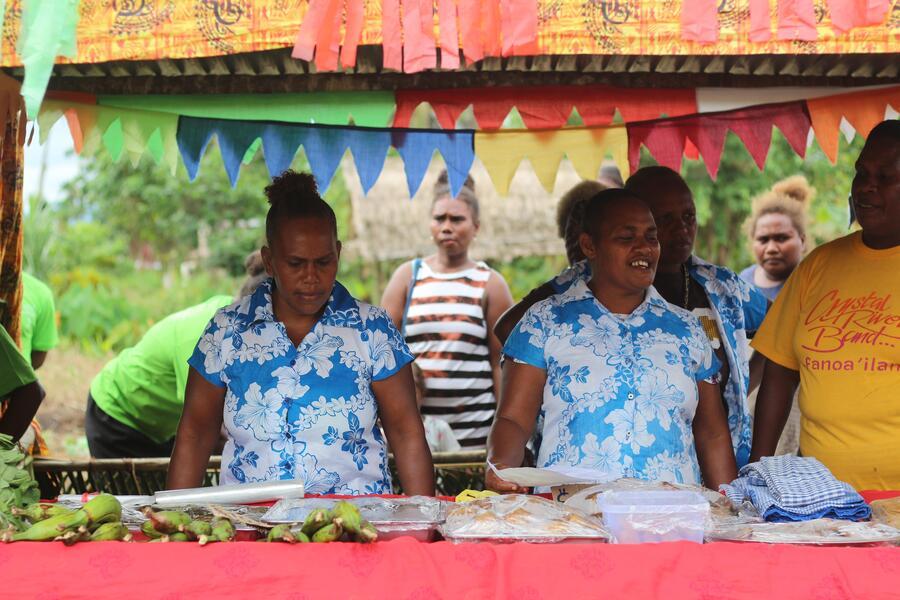
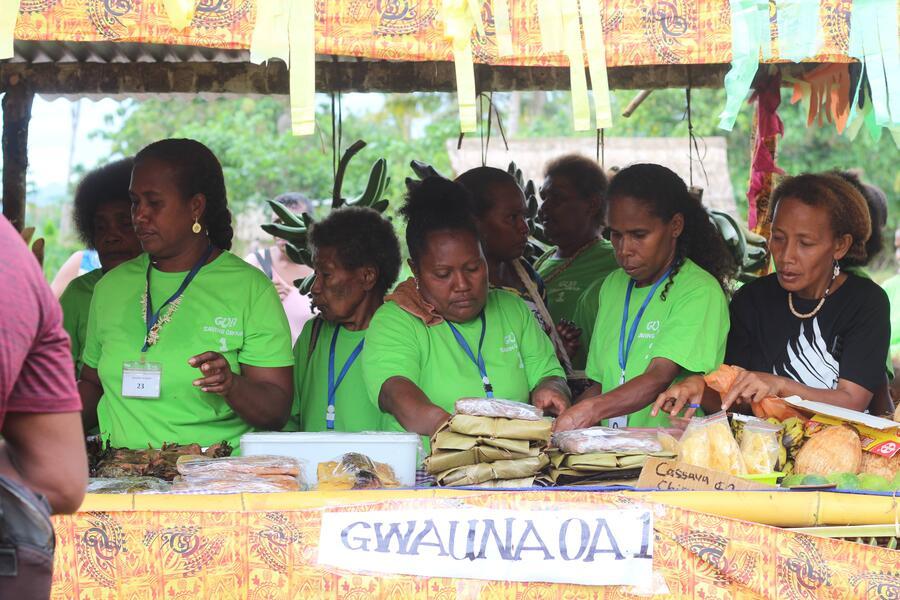
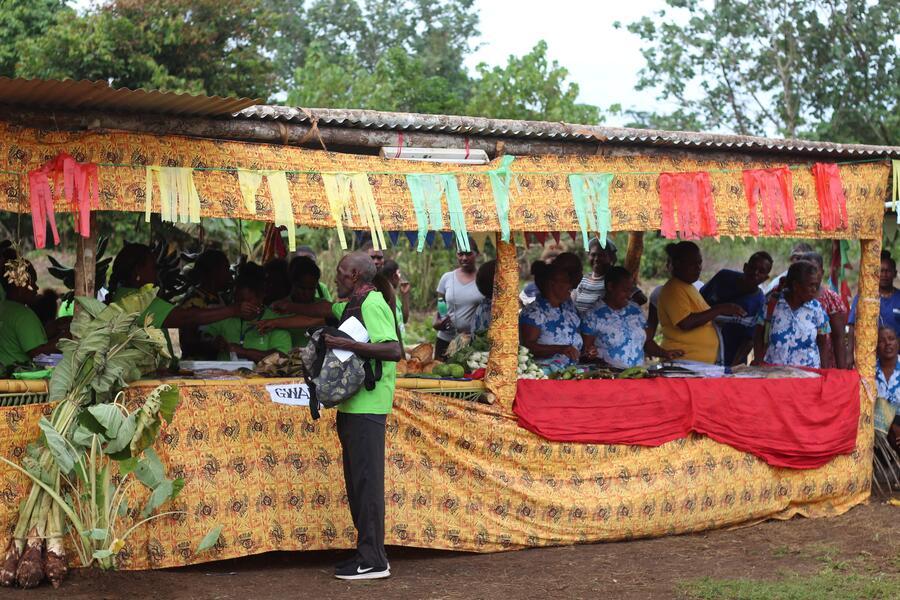
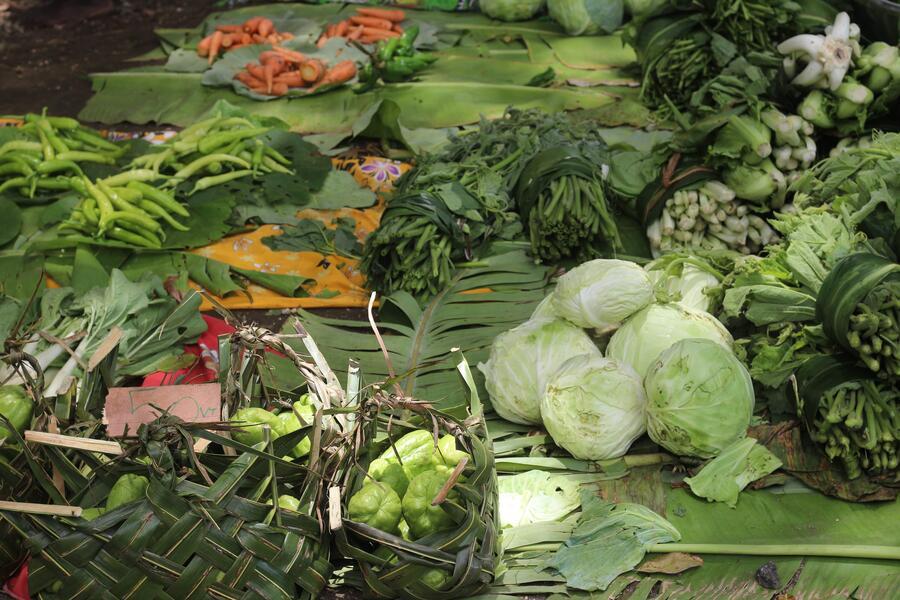
Key community actors also championed local agrobiodiversity by mobilizing farming households across 10 target communities through food fairs and cooking demonstrations, which strengthened awareness and education on nutrition and healthy food choices. More than just a showcase of tasty and healthy dishes, the events put a spotlight on the value of local diversity—complementing the government’s kaikaim lokol kaikai, a guiding framework for cultivating indigenous crops with high nutrient values and high market demand. These community initiatives reinforced how households can utilize local foods in in nutrient-rich, culturally relevant, and appealing recipes, especially for children and the youth.
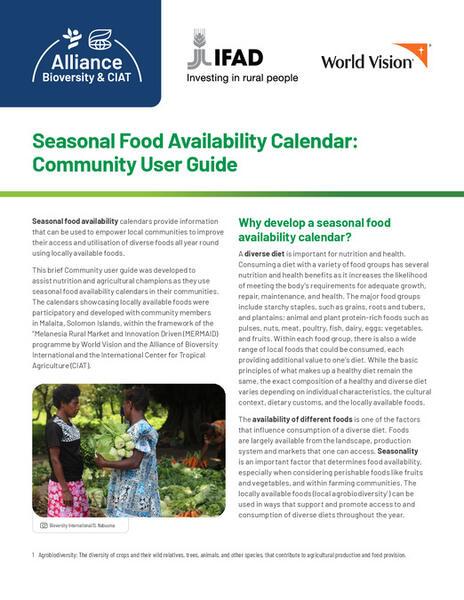
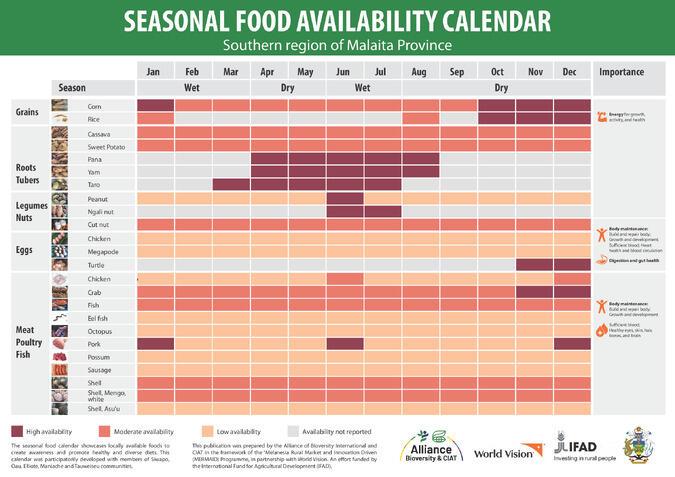
As the availability of various food groups influences consumption of healthy diets, researchers and local communities co-developed Seasonal food availability calendars for Malaita, Solomon Islands not only to document knowledge of local agrobiodiversity but more importantly to create awareness and support discussion of actions that enhance production, utilization, consumption, and conservation of the locally available foods in Solomon Islands.
By raising awareness on the diversity of locally available foods, MERMAID highlighted both the value and potential of increasing access to and utilisation of nutritious foods particularly during hunger periods.
“Rural women have traditionally focused on caring for their children and tending their gardens, which has often left them ill-equipped to prepare nutritious meals. Yet through MERMAID, we observed a significant improvement in their knowledge of the foods best suited to meet their children’s nutritional needs,” said Rosely Kabu from World Vision Solomon Islands.
“Looking ahead, I am confident that women in both Solomons and Vanuatu will be able to sustain this positive trend.”
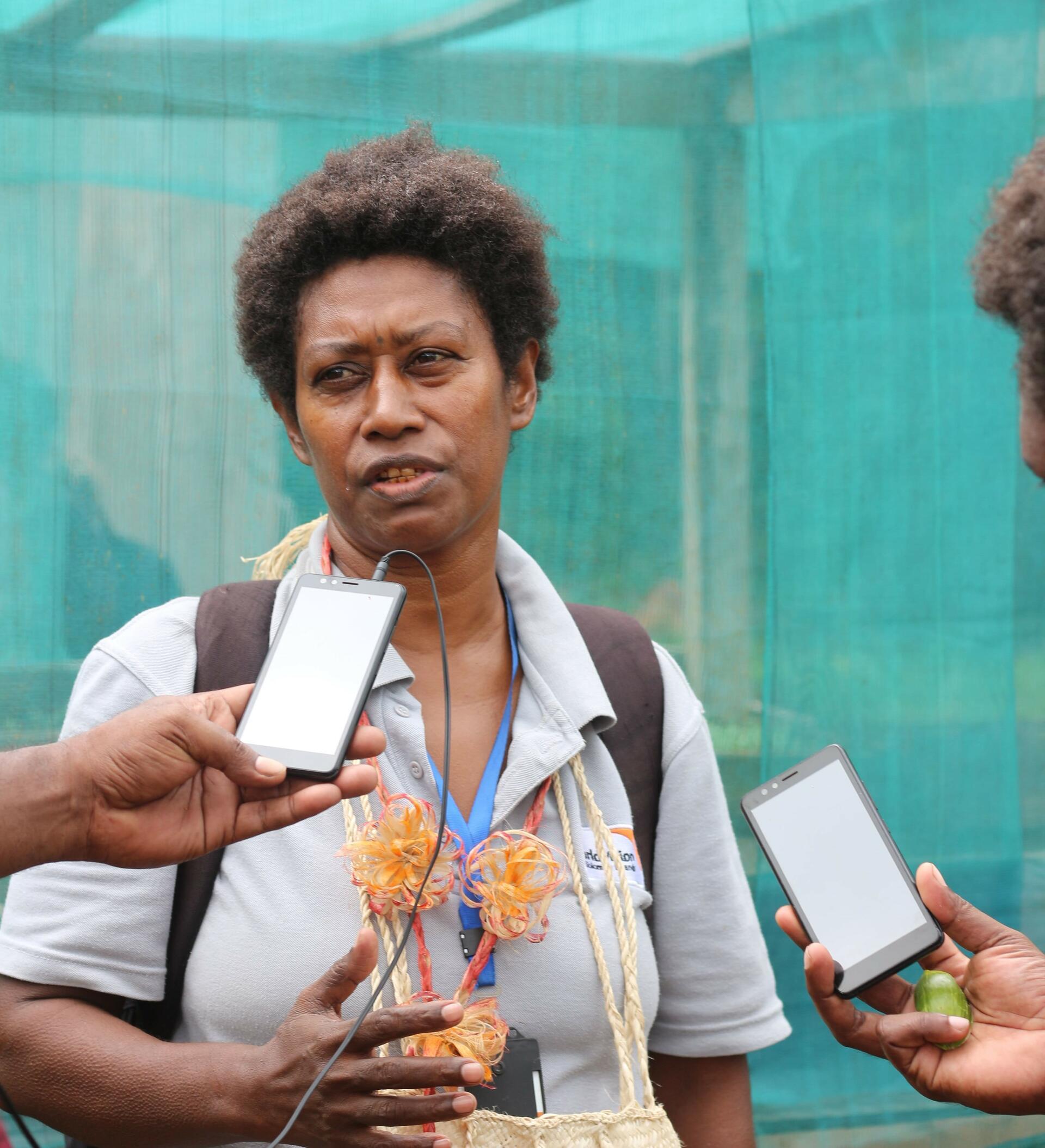
Rosely Kabu
Aelan Kaikai: Preserving culture and heritage in Vanuatu
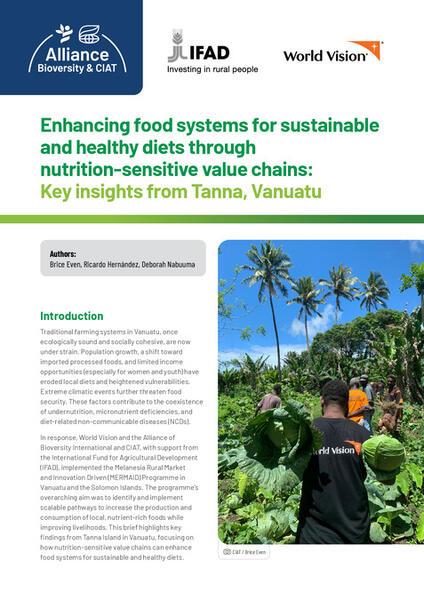
In Vanuatu’s predominantly starch-based diets, only nine out of the 55 reported crops were grown by more than 40% of households in the island province of Tanna. Despite varying cultural contexts among communities in the island country, participatory dialogues with community actors helped MERMAID researchers identify the importance of addressing Ni-Vanuatu locals’ understanding on nutrition alongside pride in their local food culture.
Promoting indigenous and local foods is integral in the mountainous archipelago’s efforts toward achieving food and nutrition security. In its Vanuatu 2030 plan, the government campaigns for aelan kaikai, a concept that celebrates local cuisine reflective of their cultural identity and rooted in sustainable food practices.
By supporting equitable food systems and improving household production, the initiative makes nutritionally balanced Ni-Vanuatu diet within reach.
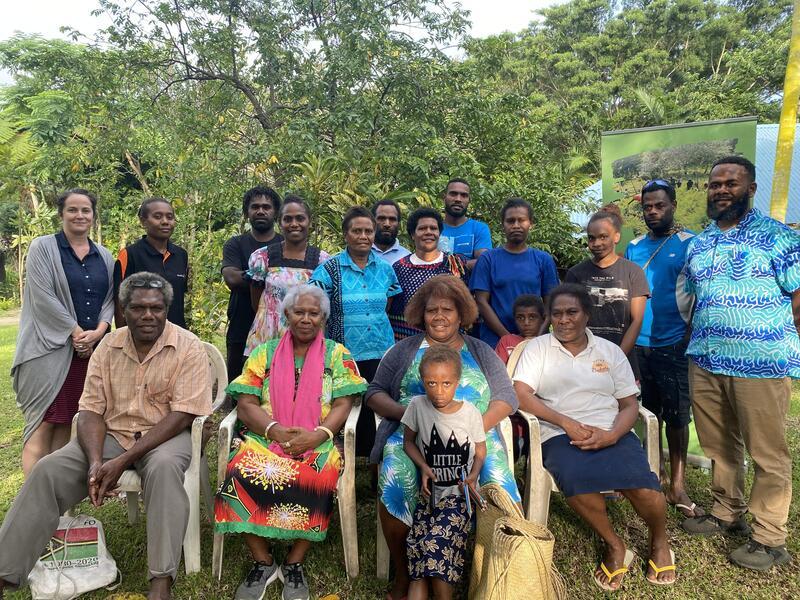
Through MERMAID, the Alliance and World Vision delivered a structured three-day community nutrition program to promote nutritious and traditional cuisine. With the support from Vanuatu’s Ministry of Health, the sessions enabled group-based nutrition discussions through hands-on meal preparation and exhibition of healthy meals using fresh and seasonal produce from local gardens.
With pop-up kitchens serving as tangible hubs for six school cooks, along with locally contextualized cookbooks introduced across all eight target communities, the initiative contributed to efforts to improve nutrition and preserve heritage in Tanna.
Farmer training by the numbers in Tanna:
Participants of three-day initial training sessions
Participants completed three-day refresher training
Farmers trained
Individual training
Another key effort in bolstering Vanuatu’s food systems was the agritourism and nutrition cross-learning exchange initiative. The two-day exposure visits and cooking classes further demonstrated MERMAID’s more holistic, nutrition-sensitive agriculture approach as it weaved community food production, agrobiodiversity, and enterprise development.
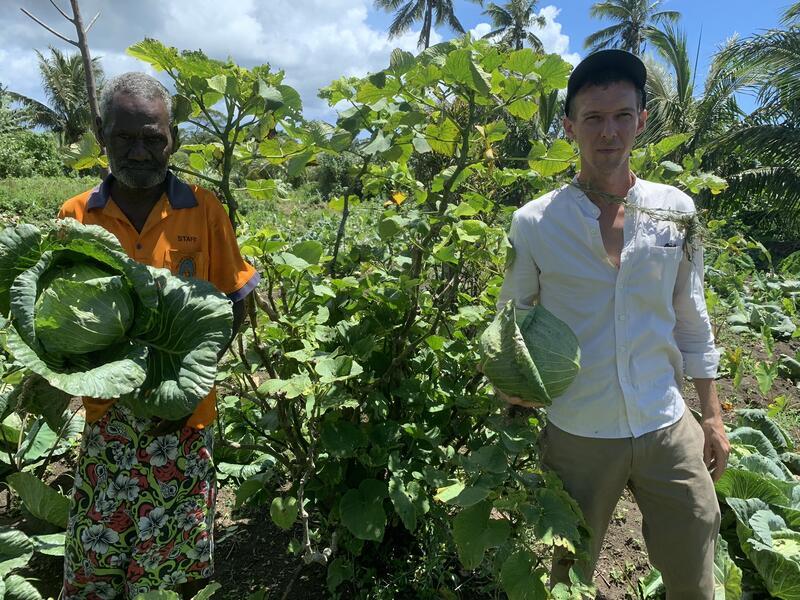
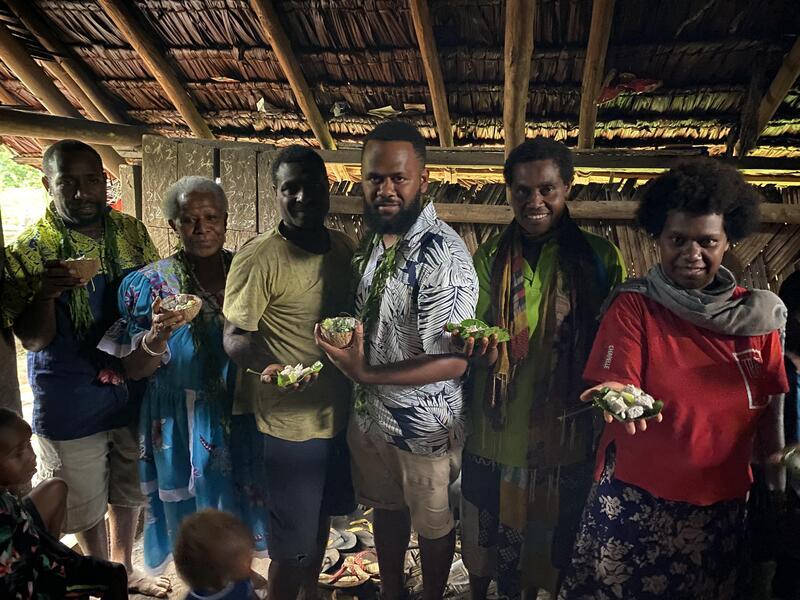
Forty-nine target farmers toured the farm of a Tanna-based agritourism provider, who has accumulated over 100 different varieties of taro and is also on a mission to restore pride in local cuisine. The owner of the venture was also on a mission to restore pride in local cuisine so they prepared traditional food for the group.
The visit also featured an interactive cooking demonstration led by a prominent Ni-Vanuatu chef. Using fresh produce harvested directly from the farm, the chef engaged with the community members in hands-on preparation of simple, nutritious and diverse recipes that were both practical, tasty and appealing. The exercise also sought reduced reliance on store-bought foods by highlighting the value of homegrown ingredients.
Sailing for scale
In the ensuing four years after MERMAID set sailed, the programme piloted culturally appropriate and community-led models to demonstrate how nutrition-sensitive agriculture interventions can serve as a key enabler of change—spanning community food production, financial inclusion, and enterprise development.
While many challenges remain amid the rural and climate-vulnerable contexts in both Solomon Islands and Vanuatu, MERMAID fostered change in households' practices. For one, parents gained improved knowledge on preparing meals that ensure children consume a variety of food groups.
Nutrition outcomes by the numbers:
|
|
Solomon Islands |
Vanuatu |
||
|
2021(baseline) |
2024(endline) |
2021(baseline) |
2024(endline) |
|
|
Minimum dietary diversity among children |
6% |
29% More vitamin A-rich fruits & vegetables, meat, dairy, and eggs |
5% |
35% More fruits & vegetables, dairy, and legumes |
|
Minimum dietary diversity among women |
1% |
18% More fruits & vegetables, meat, dairy, nuts, and eggs |
1% |
10% More fruits & vegetables, meat, dairy, and nuts |
“When guided by a comprehensive strategy, nutrition programming becomes a valuable entry point for various agricultural and community development interventions,” Dr Nabuuma emphasized.
As the tide turned in Malaita and Tanna, the MERMAID team maintained that integrating nutrition activities systematically not only bolster individual capacities and community engagement but also build support for improving availability, access, and consumption of diverse and nutrient-rich local foods. Looking ahead, the Alliance and World Vision commit to capitalize on the programme’s established partnerships and strengthened capacities with national, international, and local partners to cement lasting change across the bigger Pacific communities.
The team
Deborah Nabuuma
Scientist I