MERMAID: Melanesian Rural Market and Innovation-Driven Development Programme
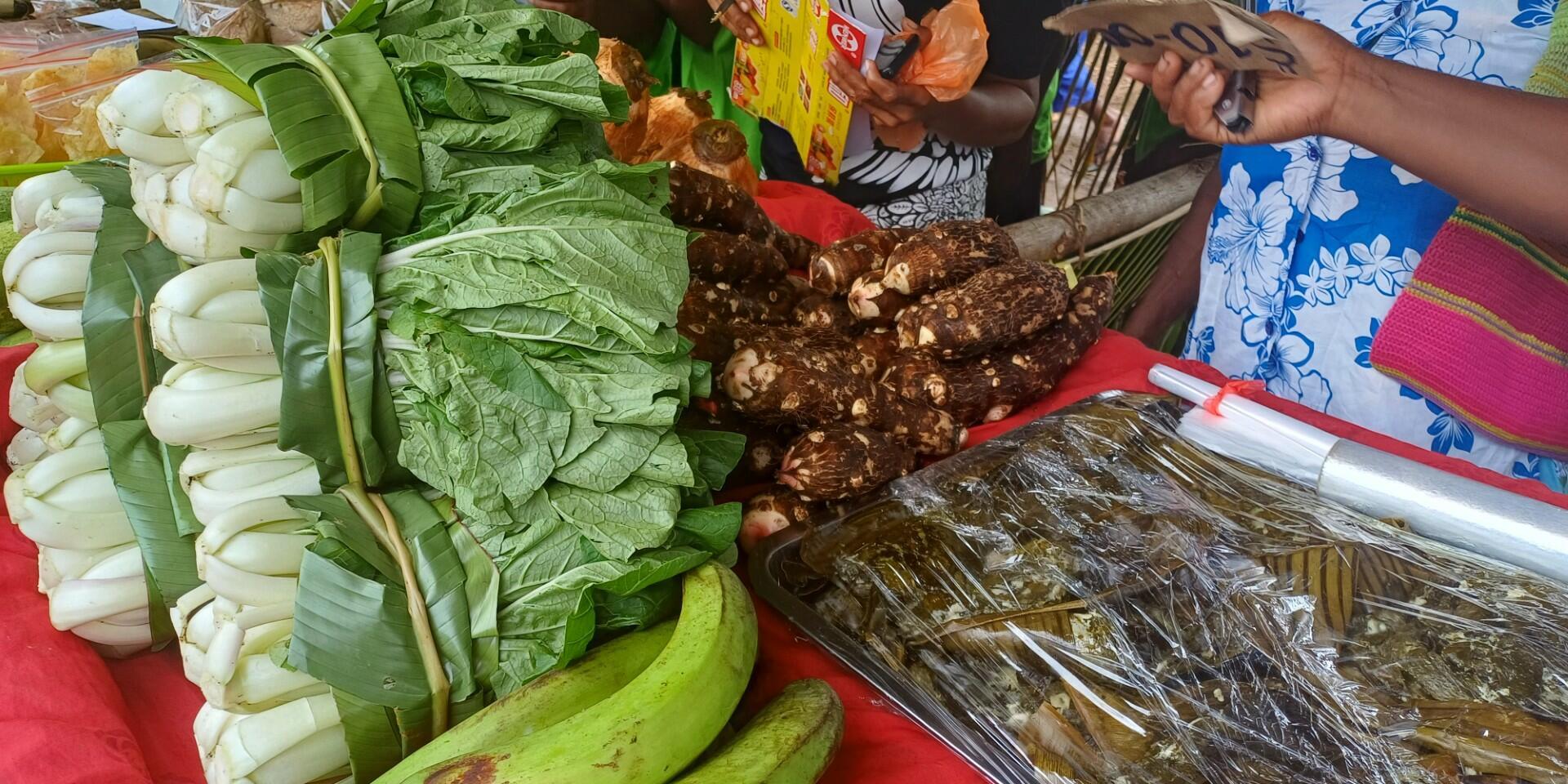
The MERMAID Programme worked to establish scalable models for increased consumption of local and nutritious foods and improved rural incomes.
Project Name (full): Melanesian Rural Market and Innovation-Driven Development Programme
Start and end year: 01 October 2020 – 30 December 2024
Region and Countries: Pacific Island Countries: Solomon Islands and Vanuatu
Funders: International Fund for Agricultural Development (IFAD)
Partners: World Vision New Zealand, World Vision Vanuatu, and World Vision Solomon Islands
Brief Description
To address the joint challenges of poor nutrition and low rural incomes in the Solomon Islands and Vanuatu, the MERMAID Programme employed participatory research to inform its community-based interventions over a four-year period of collaborative and extensive work in the two Pacific island countries. MERMAID directly reached 4,012 individuals — 2,075 in the Solomon Islands and 1,937 in Vanuatu. Across the Programme, 63% of participants were women, 51% were youth aged 15–30, and 8% were people living with disabilities, boosting social inclusion. In both countries, women made up the majority of participants across savings groups, agribusiness, farming and nutrition activities.
Key activities
Project components:
-
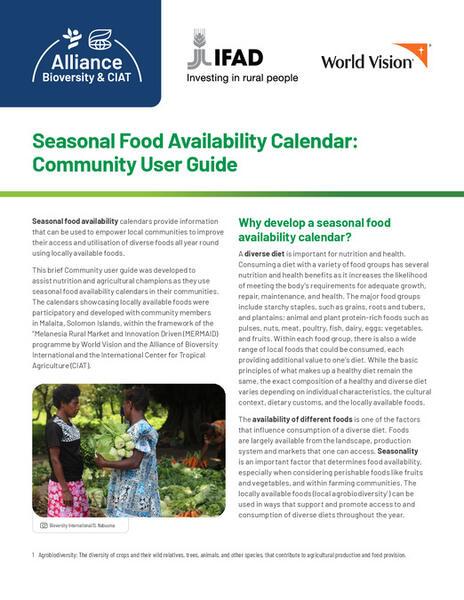
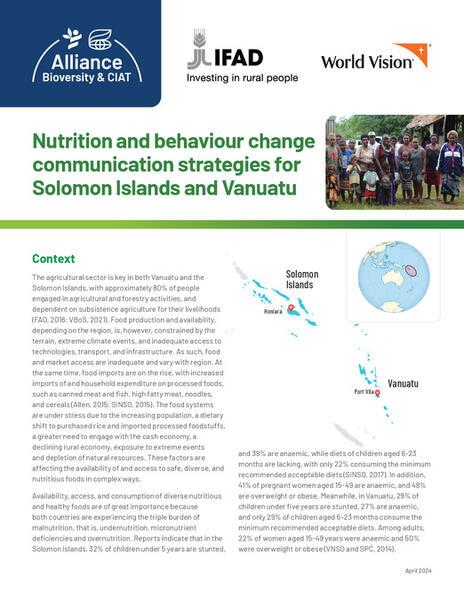
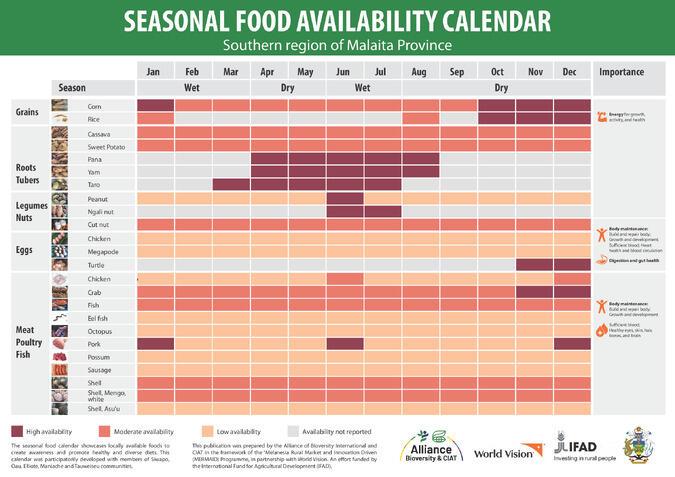
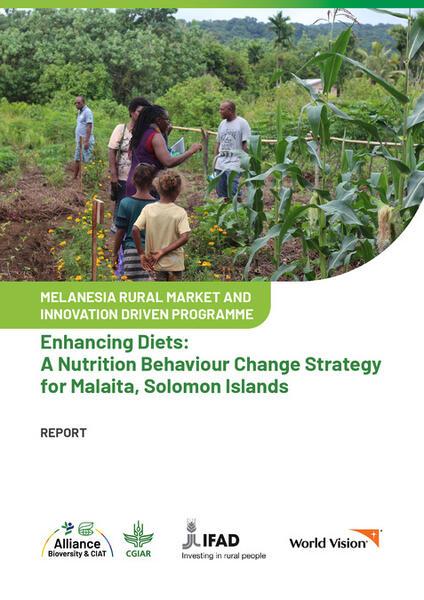
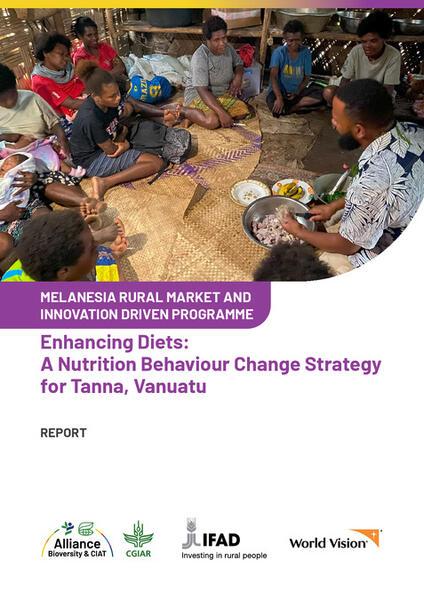
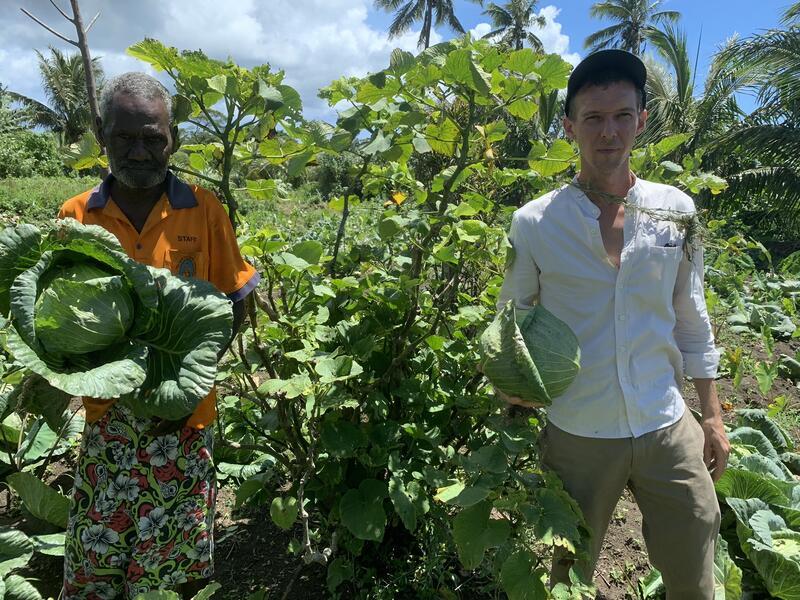
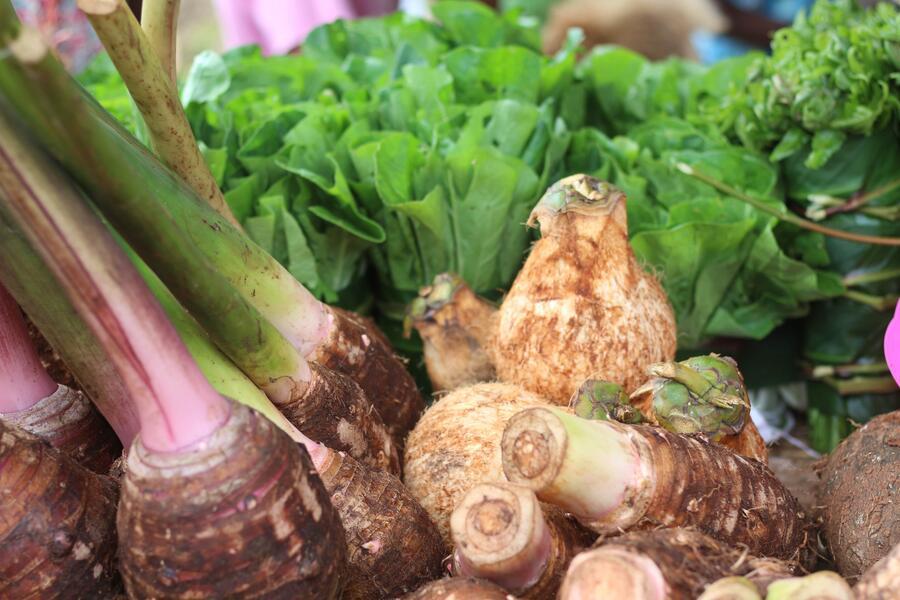
Demonstrating responsive service delivery for rural communities: Tailoring nutrition-focused service delivery models based on evidence gathered through community-level research and the needs and priorities identified by target communities. This involved: documentation of seasonal food availability, development of nutrition behavior change strategies, improving farming practices and on-farm diversity for select nutritious foods, and building nutrition capacity.
-
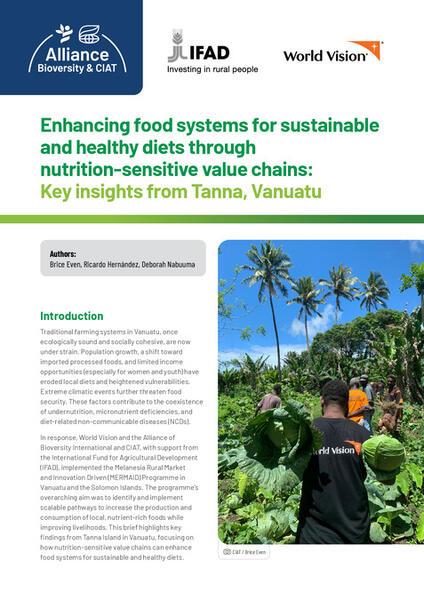
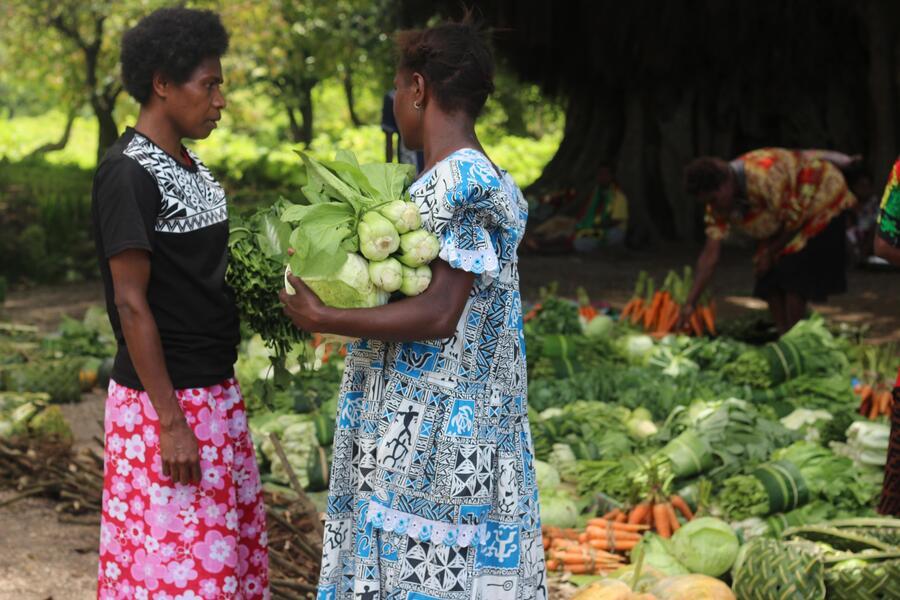
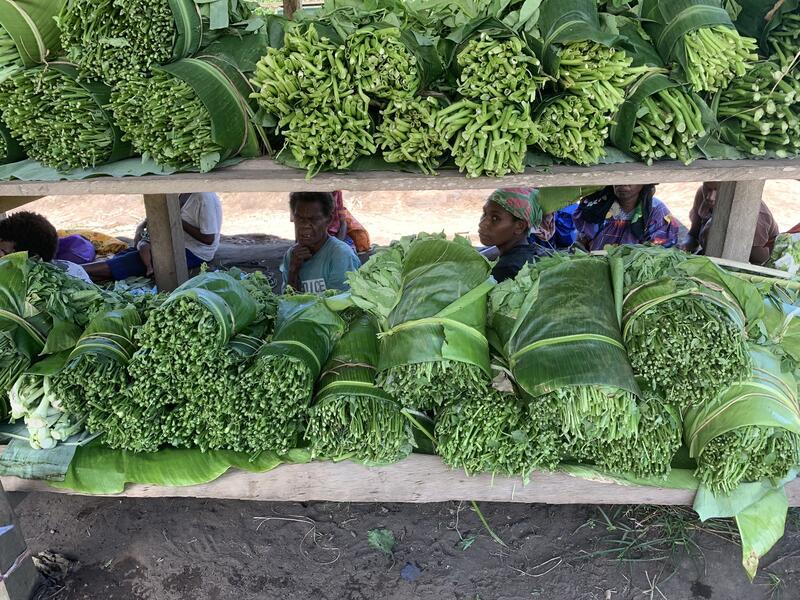
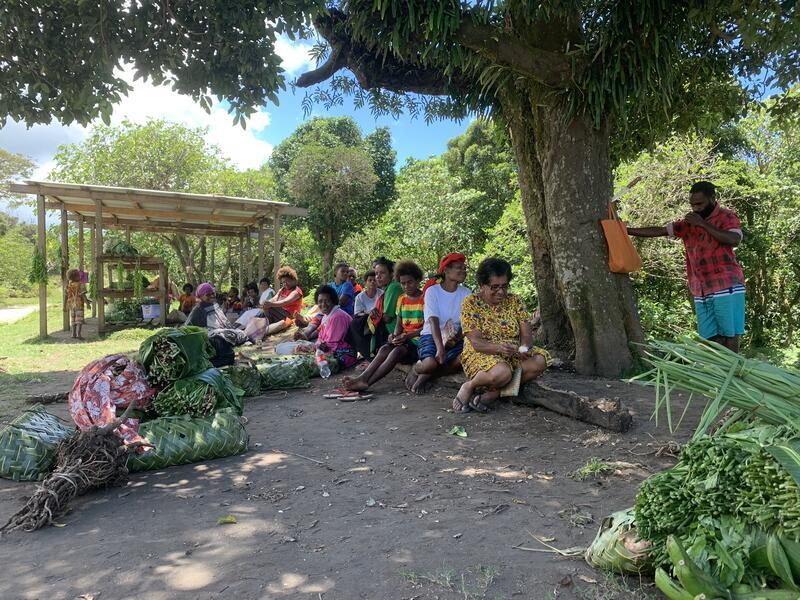
Innovations for investing in women and youth: Building opportunities for women and youth to engage in agribusiness, strengthen financial skills, and improve household financial and food security. This involved: nutrition-sensitive value-chain assessment of 12 agribusiness opportunities, agribusiness skills training, community market linkage activities, establishment and/or strengthening of savings and loan groups, and grants for agribusinesses through the saving/farmer groups.
-
Knowledge sharing, policy and advocacy: Strengthening knowledge sharing, policy influence, and regional learning about nutrition-sensitive agriculture and rural livelihoods. This involved: baseline, mid-line and endline assessments, development of country policy and advocacy strategies, and advocacy and engagement activities
Other Project Leader: Beatrice Ekesa ([email protected])
Project leaders

Deborah Nabuuma
Scientist I
Brice Even
Research Team leaderPublications