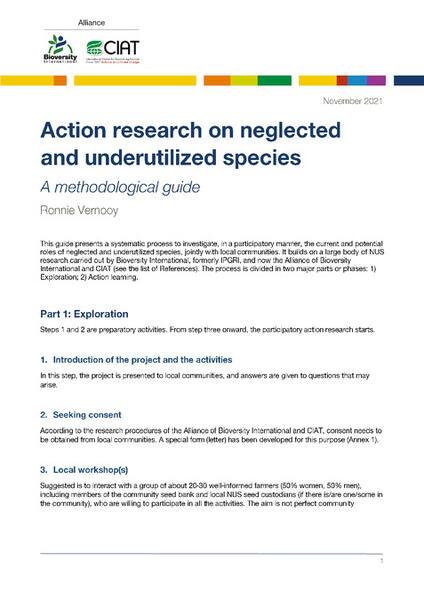
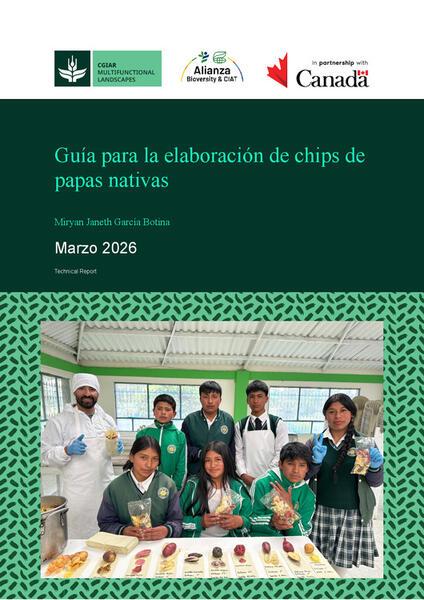
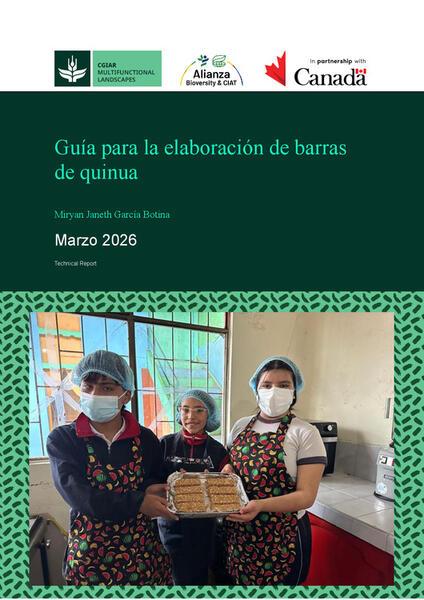
From the Field One Seed at a Time: The Birth and Growth of the Gran Cumbal Indigenous Reserve Seed Network
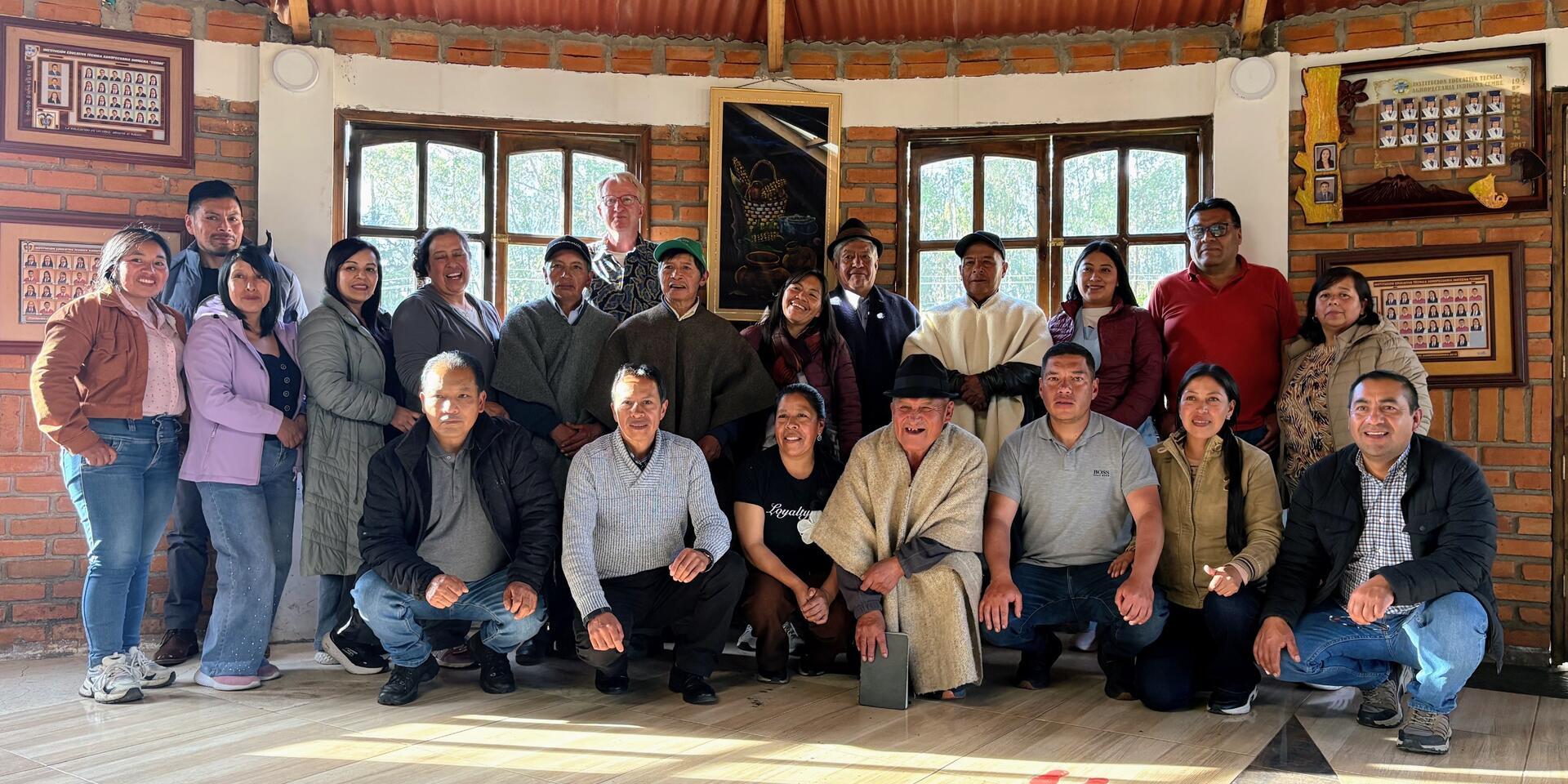

In late 2025, the Gran Cumbal Indigenous Reserve Community Seed Bank Network, in southern Nariño Department, Colombia, was established as a platform for exchanging seeds, knowledge, practices and experiences. In October 2026, its members came together to review progress, identify challenges and look ahead. The gathering reaffirmed their commitment to moving “toward reclaiming the Greater Law over land, water and seeds, in order to reclaim everything.”
Yar Pue Cumbe was established in 2024. In the Pasto language, its name means “Cumbal’s Seed House.” It is located at the Indigenous Technical Agricultural Education Institution of Cumbe in Nariño Department. Yar Pue Cumbe is the first community seed bank in Colombia to be co-managed by an educational institution. In 2025, ten nodal community seed banks linked to Yar Pue Cumbe were established across rural schools in the Gran Cumbal Indigenous Reserve. Each bank began with a small seed collection and established a school shagra for seed multiplication. Teachers, students and families help care for and manage these spaces. One of the banks, located in Romerillo, was visited by national and international journalists, helping bring the initiative to wider attention in Colombia and beyond.
By the end of the same year, the Community Seed Bank Network had been formed to strengthen collaboration among the banks and facilitate the exchange of seeds, knowledge, practices and experiences (5). Building the Network has been an innovative process of collective learning and development, with no equivalent initiatives identified that could serve as a model or be adapted to the Colombian context. Its structure and operation have therefore been shaped through several mingas de pensamiento* held at the Indigenous Technical Agricultural Education Institution of Cumbe. These gatherings have provided space to reflect on how the Network should be organized, identify needs and build agreements among its members.
*A minga (from the Quechua word minka) is an ancestral Andean tradition of voluntary, collective community work carried out for the benefit of the whole community.
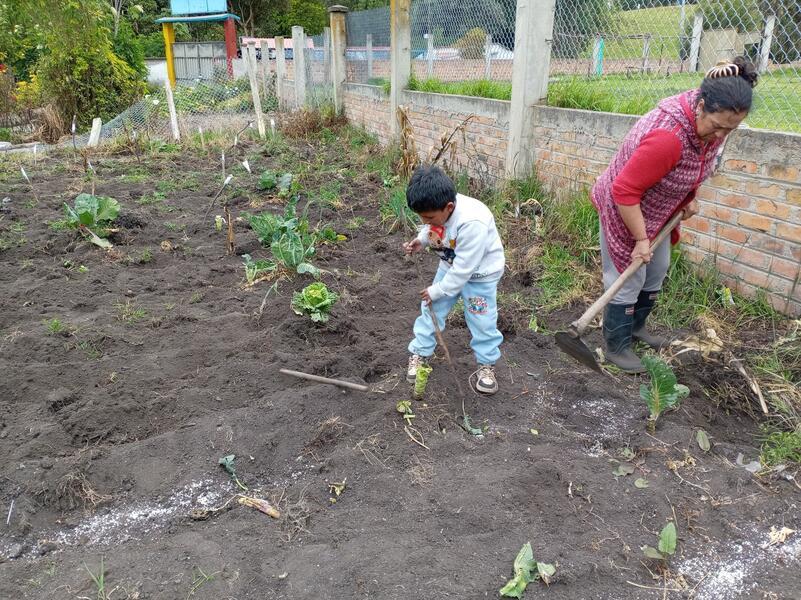
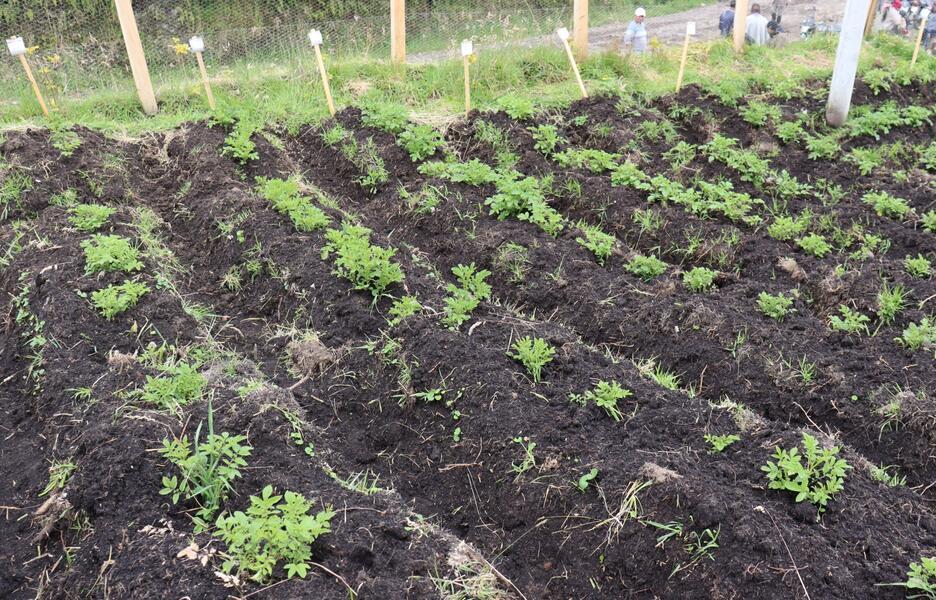
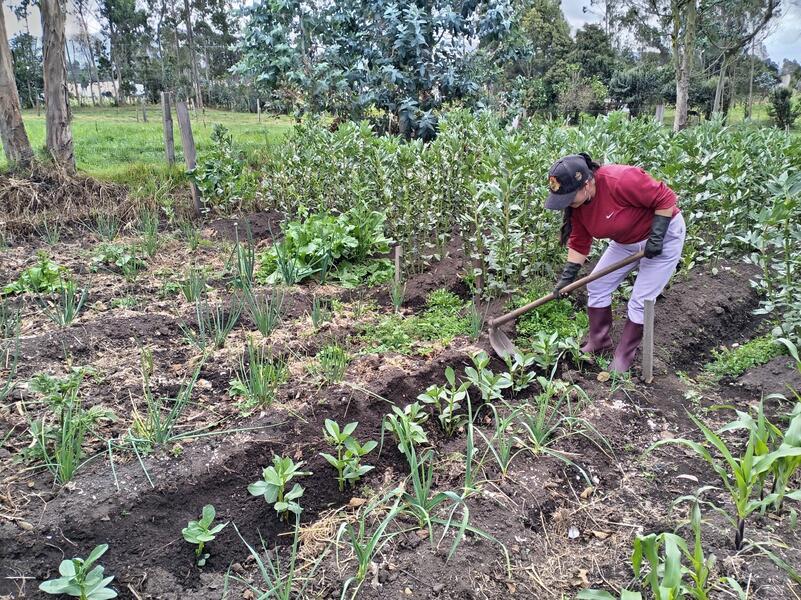
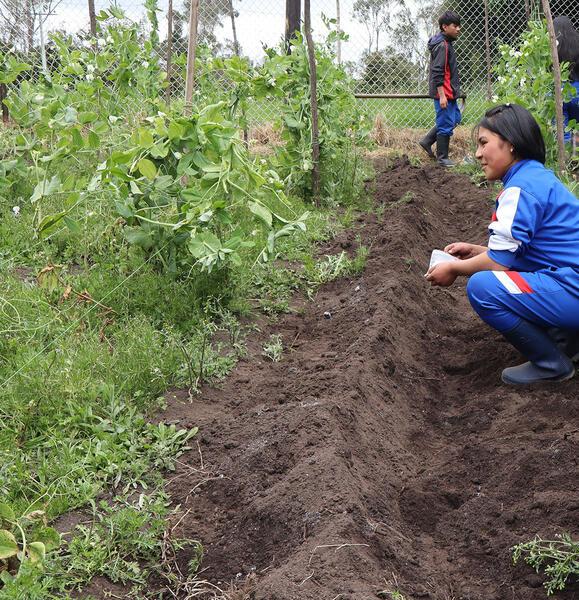
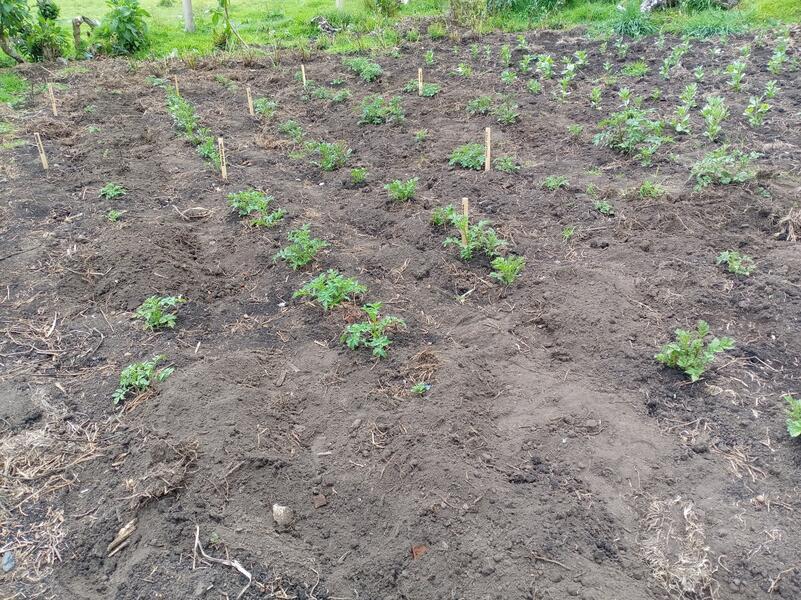
The shagras of the community seed banks at Las Playas (credit: L. Puerres); Institución Educativa Yo Reinaré (L. Puerres); Institución Educativa Divino Niño Jesús (L. Puerres); Institución Educativa Agroecológica Sagrado Corazón de Jesús (A. Aza); and Cuaspud Centro (L. Puerres)
On October 14, 2026, 22 participants from the Network met in Cumbal to take stock of progress and agree on next steps for strengthening the Network. They discussed key aspects of how it operates, including coordination, internal communication, and cooperation with other stakeholders.
Below, we summarize the workshop discussions, highlighting the main results achieved to date and the plans developed to strengthen the Network.
Results: Toward reclaiming the Greater Law over land, water, and seeds—to reclaim everything
- Knowledge of local agrobiodiversity: Progress was made in mapping the Reserve’s agrobiodiversity and identifying crops and varieties that are disappearing, such as the native papa chaucha, as well as the challenges involved in conserving them.
- Creation and management of community seed banks: Yar Pue Cumbe and ten nodal community seed banks were established in rural schools, strengthening knowledge and practices related to seed conservation, storage, and management (see Table: Crops and Varieties in the Network, October 2026).
- Conservation of crops and traditional knowledge: The conservation of Andean crops was strengthened through the participation of students, teachers, and families, fostering knowledge exchange between older and younger generations.
- Seed multiplication and exchange: Progress was made in multiplying and distributing seeds from different crops, improving their local availability and helping strengthen the foundations of both seed security and food security.
- Revitalization of the shagra: Efforts focused on revitalizing the shagra as a biocultural space for cultivating local agrobiodiversity, strengthening ancestral knowledge and recognizing the many uses of Andean crops among families and communities.
- Food and nutrition: The use of a diverse range of local crops was promoted as an opportunity to improve dietary quality and diversity, especially among vulnerable populations.
- Engagement of younger generations: Young people’s participation was encouraged to support generational renewal and nurture new champions for the conservation and sustainable use of local agrobiodiversity.
- Sustainable agricultural practices: The production and consumption of local foods were encouraged through farming practices that reduce dependence on chemical inputs and support soil and water stewardship and community health.
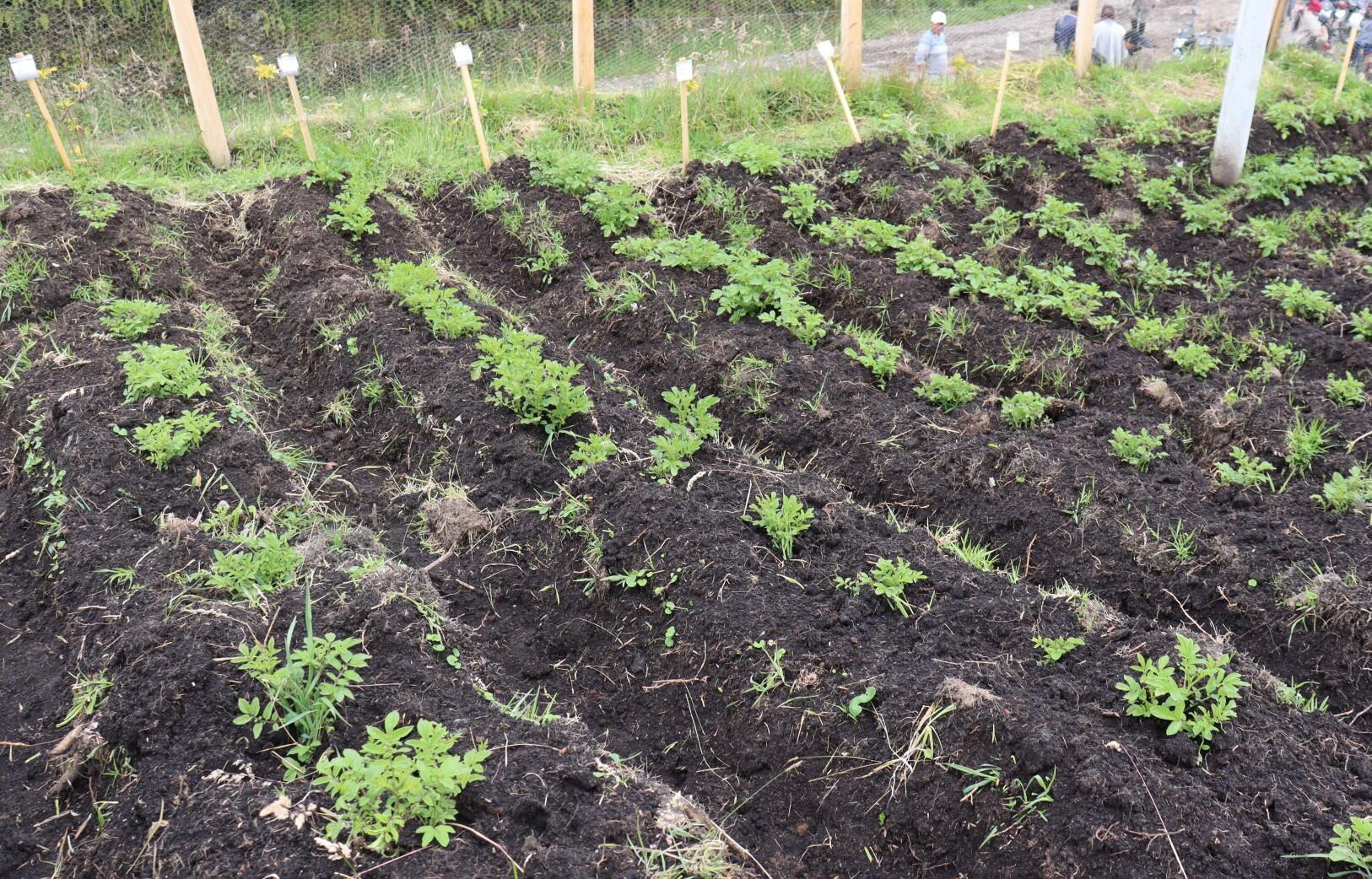
Photos: The El Romerillo shagra in its first year (75 m²) and second year (350 m²). Credit: R. Vernooy
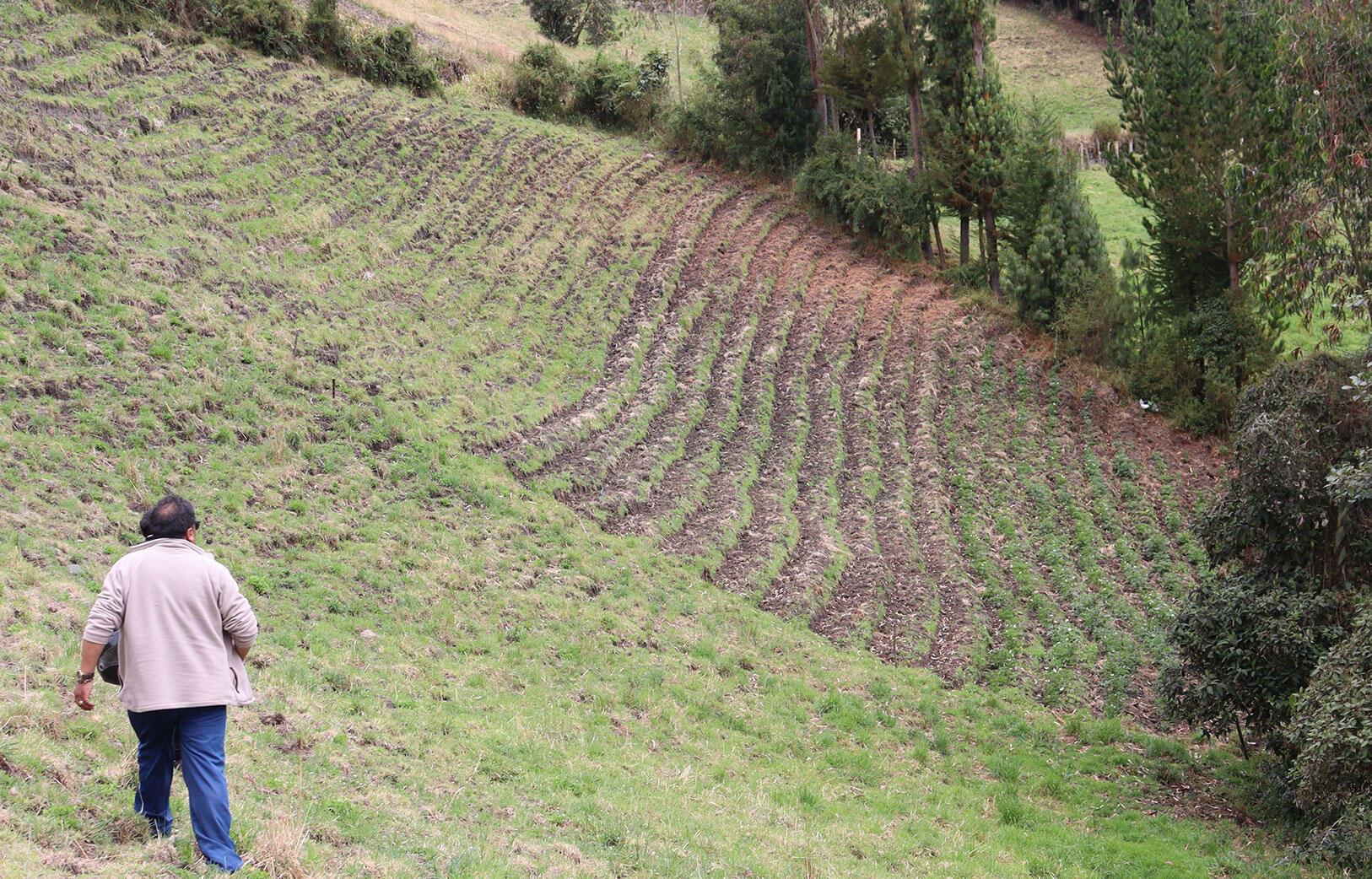
Plans: Strengthening the Network’s Leadership within the Reserve
During the workshop, participants identified priorities for strengthening the Network’s organization and operations. These include increasing the quantity and diversity of seeds conserved, multiplied and distributed; promoting the marketing of seeds and processed products in local markets and across the Andean region; and securing greater support from the Reserve’s Indigenous authorities, communities, government agencies and other partner organizations.
To improve the Network’s operations, participants proposed establishing mechanisms to monitor activities regularly, strengthening internal and external communication, and formalizing coordination through a committee made up of representatives elected by Network members. As a first step toward putting these agreements into practice, the Network elected its first coordinating committee during the workshop.
The vision for the future expressed by one participant captures the spirit of the discussion:
“Where are we headed? Toward a shared achievement built through resistance, unity and cooperation, understanding and strengthening the bonds rooted in the principles of duality and reciprocity, so that every household has its own shagra. So that we no longer speak of little seed banks, but of a chain of mother seed banks in every rural district of the Reserve.”
Table: Crops and Varieties in the Network, October 2026
| Community seed bank | Crops and varieties |
| Yar Pue Cumbe |
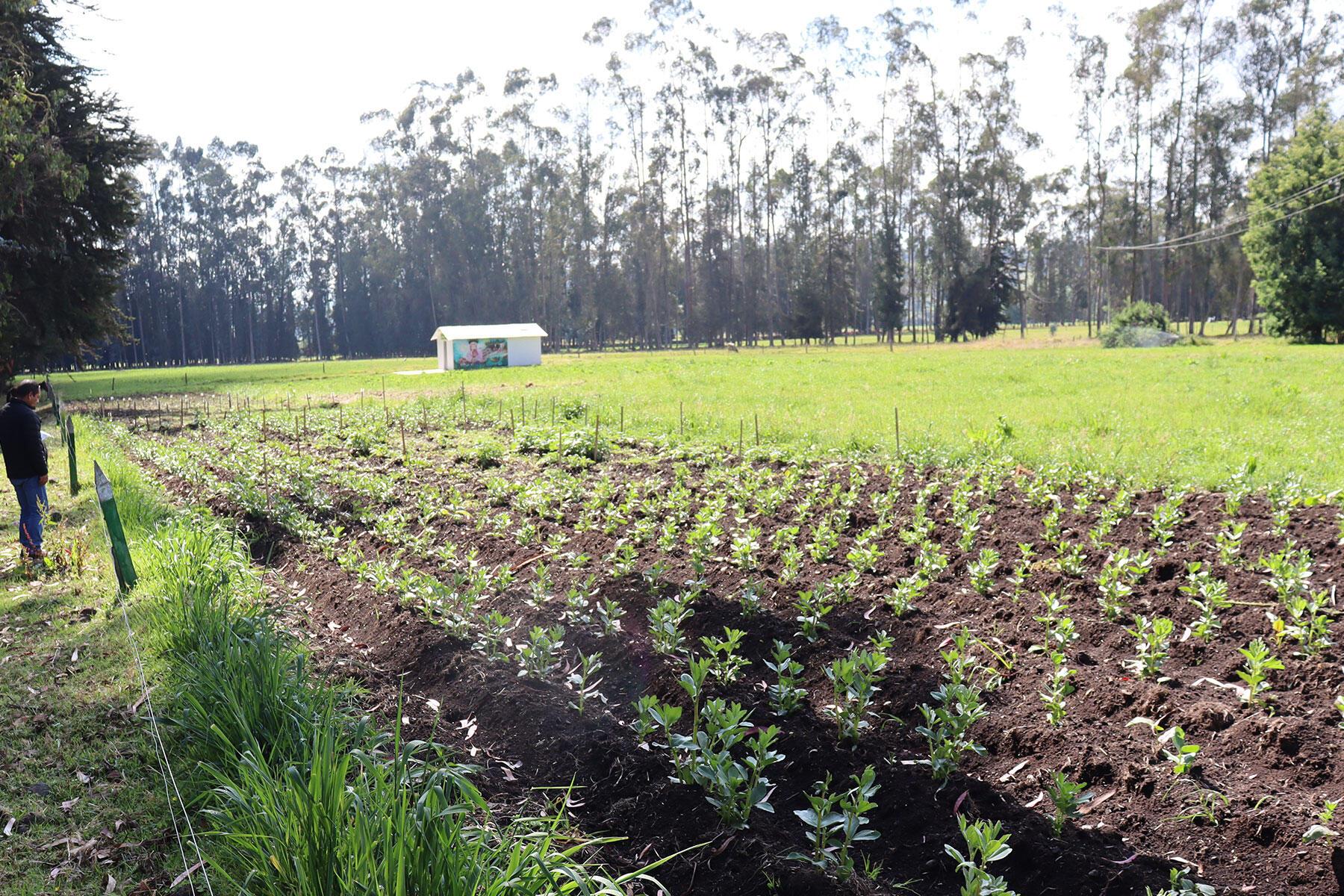
Yar Pue mother seed bank — On display: peas (1), squash (1), Andean lupin (2), cilantro (1), beans (2), faba beans (14), maize (26), quinoa (6), wheat (5) In the field: peas (2), faba beans (5), maize (4), mashua (1), turnip (1), oca (1), ulluco (3), native potatoes (54), high-Andean forest plants (17), medicinal plants (20), quinoa (1) |
| El Romerillo Educational Center |
On display: beans, Andean lupin (2), faba beans, maize (5), quinoa (2), wheat (2) In the field: broccoli, lemon verbena, Andean lupin (2), faba beans (5), cabbage (2), mashua (1), potatoes (8), quinoa (2), lavender, rosemary, rue, thyme, carrots |
| San Martín Miraflores Educational Center |
On display: maize (13) In the field: strawberries (1), maize (3), chayote (1), aromatic herbs (1) |
| Huasipungo, San Martín, and Miraflores Community Seed Bank – Mundo Nuevo sector |
On display: coffee (1), beans (3), maize (10) In the field: achocha (1), maize (3). |
| Cumbal Indigenous IPS* |
In the field: faba beans (5), oca, maize (3), ulluco (2), potatoes (8) |
| Sagrado Corazón de Jesús Agroecological Educational Institution: Micuy Yachay |
On display: Andean lupin (2), faba beans (4), quinoa (2), assorted vegetables In the field: peas (1), oats (1), Swiss chard (1), broccoli (1), onions (2), cilantro (1), faba beans (4), cabbage (1), oca (2), potatoes (10), quinoa (2), wheat, ulluco (2), carrots (1) |
| Divino Niño Jesús de Cumbal Educational Institution |
On display: chili peppers (2), peas (1), squash (1), calendula (1), cilantro (1), mountain papaya (1), leafy cabbage (1), banana passionfruit (1), spinach (1), beans (6), faba beans (4), flaxseed (1), turnips (2), maize (2), paico (1), wheat (1), dill (1), parsley (1), radish (1), head cabbage (1), pumpkin (1) In the field: faba beans (4), potatoes (10) |
| Loma de Kamur, Tasmag (Shagra Payácua) |
On display: faba beans (4) In the field: beans (1), faba beans (4), maize (3), ulluco (3), potatoes (10) |
| Yo Reinaré Boyera Educational Institution |
On display: faba beans (4), quinoa (1) In the field: faba beans (4), potatoes (16), ulluco (1) |
| Las Playas Educational Center |
In the field: faba beans (4), potatoes (14), ulluco (1) |
| Cuaspud Centro Educational Center |
In the field: faba beans (4), mashua (1), potatoes (13) |
*Removed from the Network (September 2026)
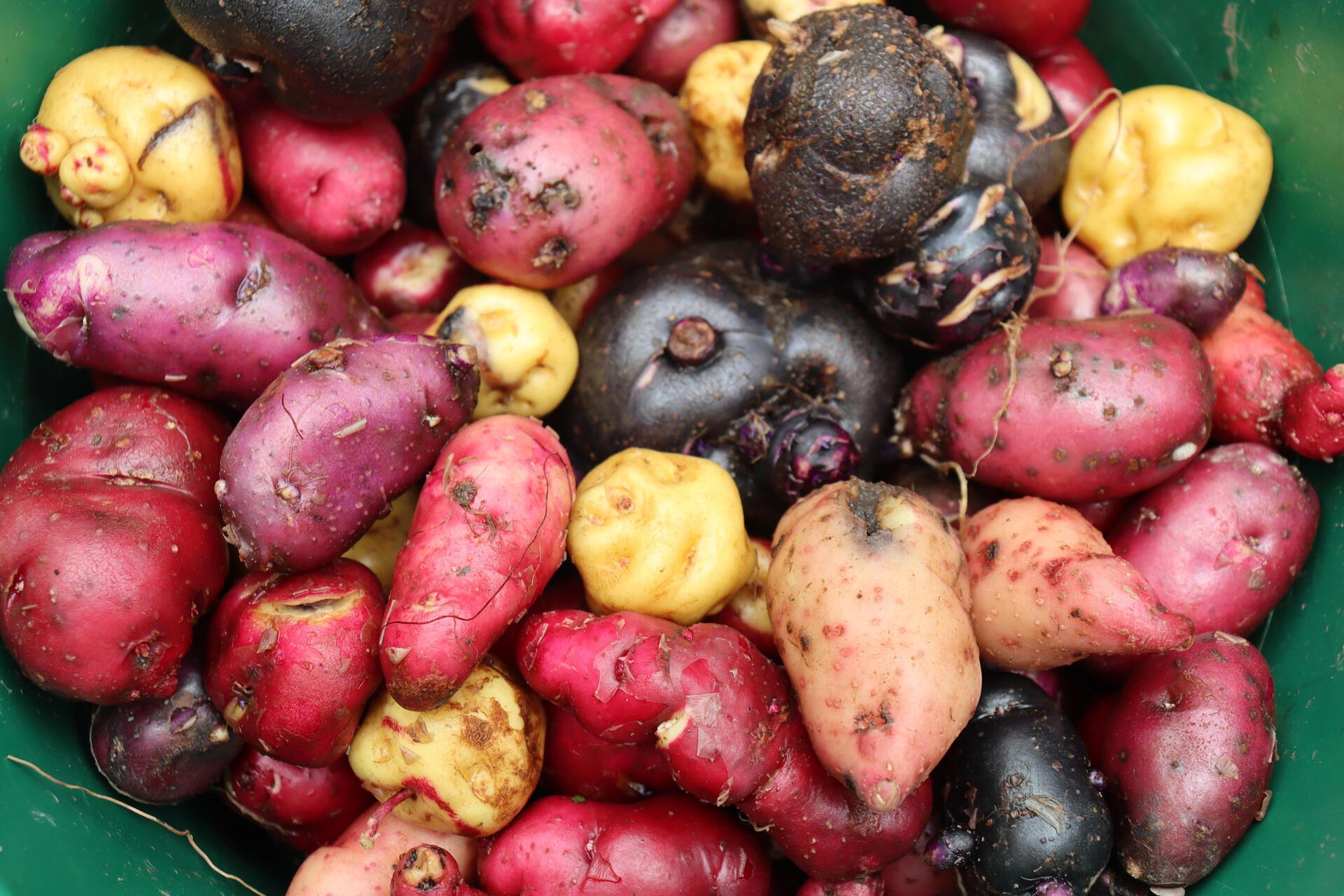
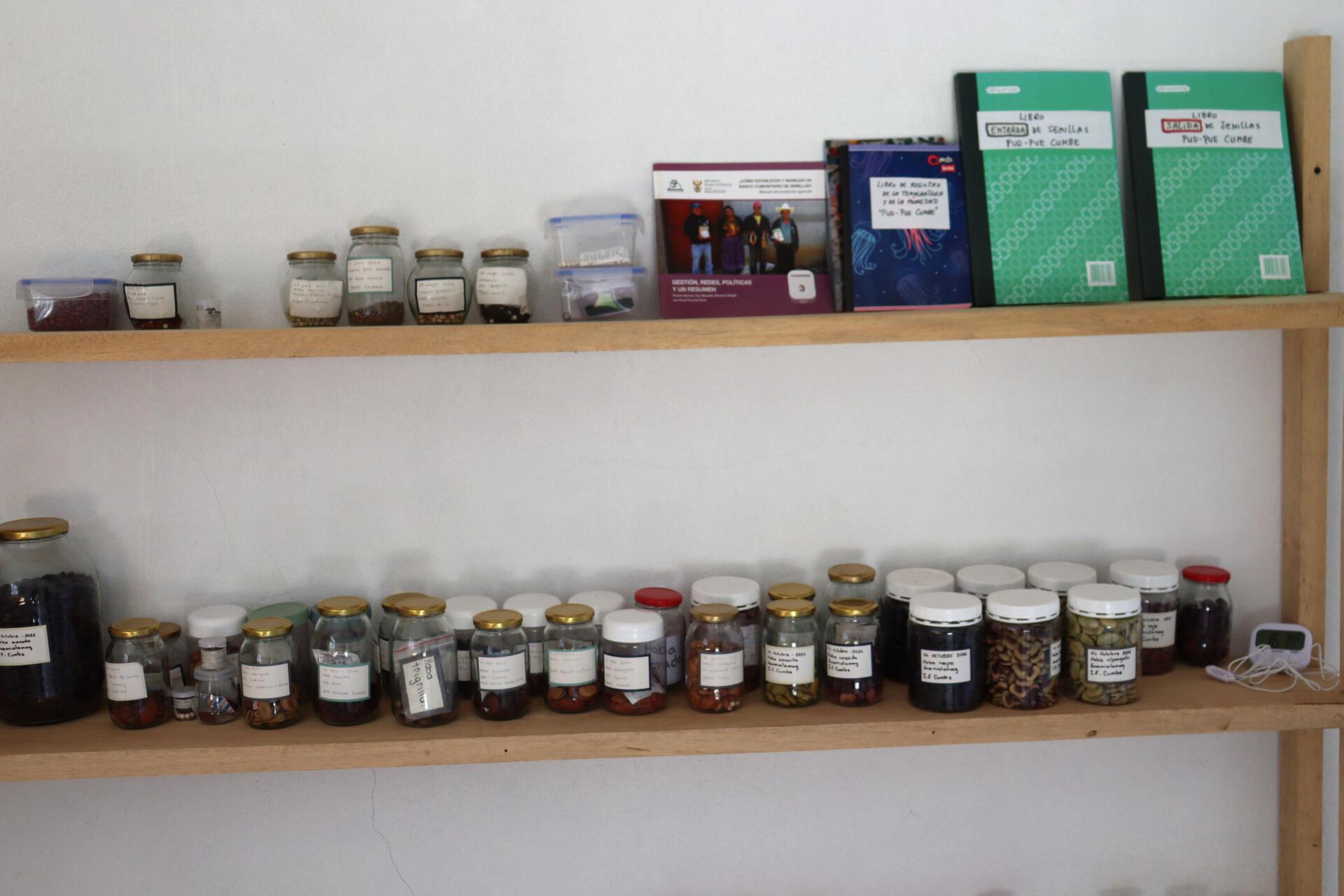
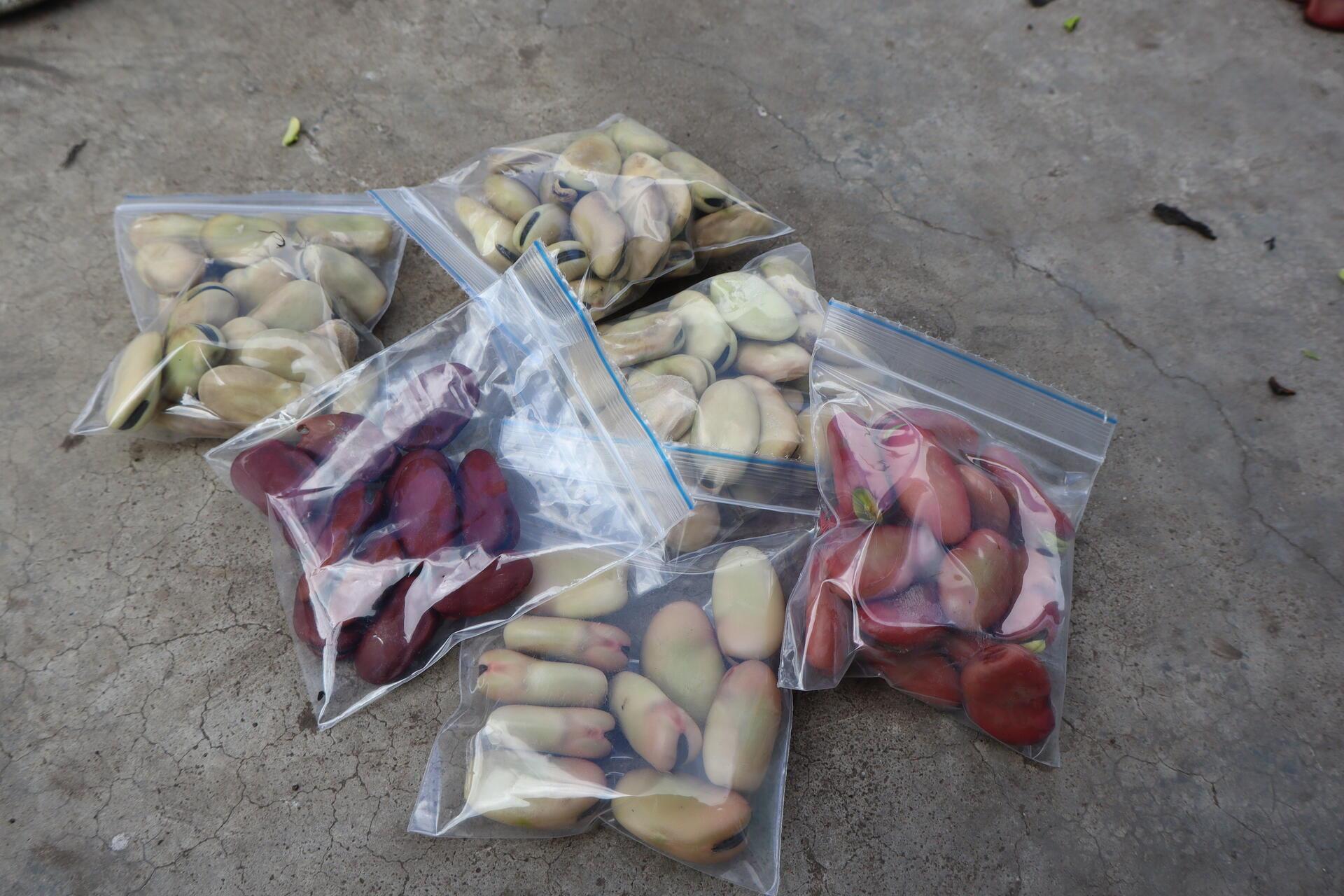
Photos: Yar Pue Cumbe’s seed collection (on display and in the field). Credit: R. Vernooy
Related content