From the Field Behavior change approaches in the cropping calendar: A transformative tool for climate-smart agriculture in Ghana

CGIAR and partners in Ghana are using a climate-smart cropping calendar to help farmers make timely, informed decisions. At a recent Kumasi workshop, they refined the tool to boost behavior change and climate resilience in smallholder agriculture.
As climate variability intensifies and agricultural systems grow more complex, the imperative to bridge scientific research with real-time, actionable farmer insights becomes increasingly urgent. The cropping calendar, as showcased in our recent stakeholder workshop in Kumasi (see workshop highlights), represents a bold and innovative step toward embedding behavior change science within a technically robust, farmer-responsive decision-support tool. This brief outlines the behavior change strategies that underpin the system's success, and the science-based refinements needed to accelerate its adoption and impact.
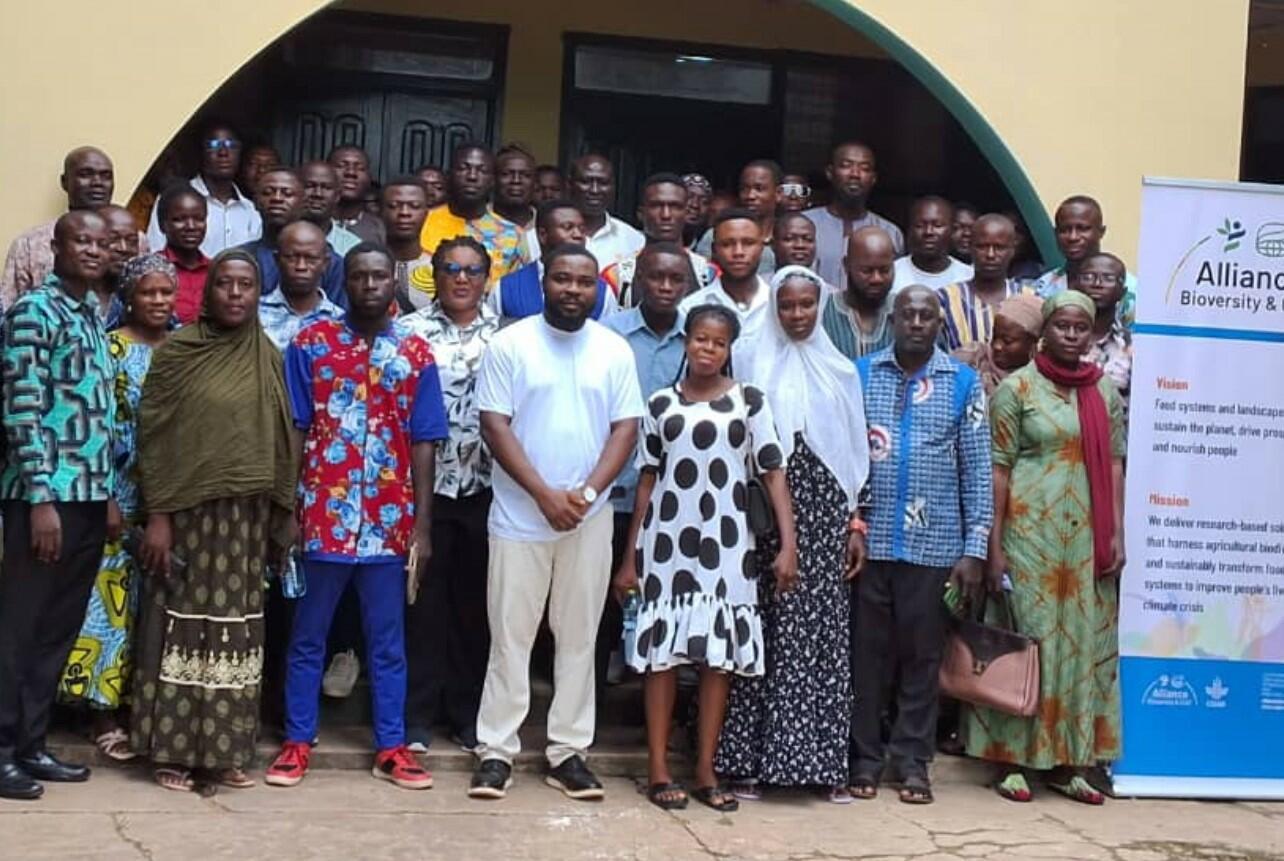
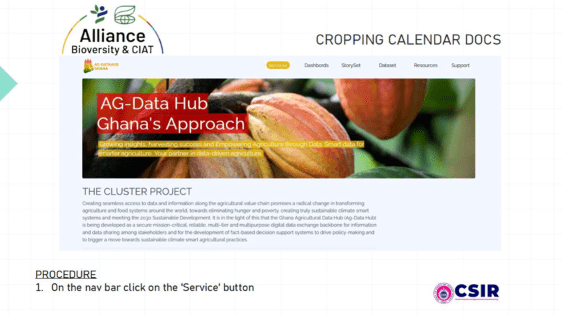
Fig 1. Cropping calendar interface
Farmer-Centered Design: Foundation of Behavior Change
The most consistent message across all workshop sessions was clear: to change farmer behavior, the advisory system must first reflect the behaviors, needs, and constraints of farmers themselves. As emphasized by CSIR-CRI scientists, farmer-centered design is not merely an ethical imperative; it is the cornerstone of the system’s effectiveness. Feedback from the workshop validated this, urging that messages must be contextually grounded, culturally relevant, and delivered in formats that align with local literacy levels, language preferences, and daily routines.
Behavior change literature consistently shows that trust, relatability, and perceived usefulness are key drivers of adoption. The Cropping Calendar leverages these by co-developing content with farmers, enabling local language translations, and incorporating visual and audio content to bridge literacy and digital divides. This human-centered approach aligns with global behavior change frameworks such as the COM-B model, focusing on Capability (access to understandable advice), Opportunity (timely, tailored delivery), and Motivation (demonstrated success and peer validation).
Science-Based Precision with Local Flexibility
One of the system’s most notable strengths lies in its integration of climate-smart data and good agronomic practices (GAPs). The advisory system synthesizes seasonal forecasts, crop-stage specific advice, and site-based management recommendations into a calendar format that evolves dynamically. This ensures that farmers are equipped with “the right message at the right time,” enhancing both the relevance and impact of the advice.
Importantly, the calendar is not rigid. Partners emphasized the need to move away from fixed-date advisories, as these can misalign with local weather shifts. Instead, incorporating decision-support triggers, such as the first effective rainfall or soil moisture thresholds, allows the system to reflect real-time environmental cues. This design feature aligns with behavioral science insights, which suggest that timely cues and clear next steps greatly increase the likelihood of action.
Participatory Validation as a Behavior Change Catalyst
Validation of maize, soy beans, and newly incorporated cowpea advisories was not a technical exercise alone; it was a participatory behavior change intervention in itself. Extension agents, farmers and research institutions (CSIR-INSTI AND CSIR-CRI) jointly reviewed and refined each recommendation, making the process itself a vehicle for knowledge exchange, social proof, and empowerment. This participatory process builds the credibility of the system and fosters a sense of ownership that is essential for sustained use.
For example, validation led to refinements like synchronizing maize fertilizer application with rainfall patterns, including rhizobium inoculants in soybean protocols for northern Ghana, and issuing timely pest management alerts for cowpea pod borers. These science-backed, field-tested insights are now ready for integration into digital platforms in ways that reflect both agronomic precision and behavioral receptivity.
Multi-Channel Dissemination: Meeting Farmers Where They Are
To ensure uptake, the system is evolving beyond traditional extension. Partners proposed an ecosystem of communication formats, short videos, voice messages, localised translations, and interactive apps. For rural populations with limited connectivity or literacy, this diversity of channels is essential. Behaviourally, this ensures that information is available through trusted networks and familiar tools, such as community radio, WhatsApp groups, or cooperative associations.
One of the most promising suggestions was the development of a mobile app with a feedback loop and analytics dashboard. Such tools not only provide personalised advisories but also enable users to report back, offering continuous feedback that strengthens the adaptive learning cycle.
Embedding Demonstration and Feedback into Institutional Systems
Real behavior change requires reinforcement through observation, iteration, and community validation. To this end, the system includes field demonstrations co-hosted by lead farmers and extension officers. These demonstrations serve both as learning platforms and as social reinforcement mechanisms. Embedding them within Ghana’s existing extension structures—such as Regional Extension Linkage Committees (RELCs), ensures scale, institutional buy-in, and long-term sustainability.
Partners also endorsed real-time monitoring using farmer field books, photo documentation, and mobile surveys to assess how well advisories translate into practice. These monitoring tools not only inform technical improvements but also generate evidence of impact that can further motivate adoption.
Conclusion: Toward a Responsive and Scalable Behavior Change Platform
The cropping calendar exemplifies how behaviorally informed design can drive agricultural innovation. By grounding science in farmer realities, simplifying complex information, and delivering it in accessible formats, the system contributes to food security, digital inclusion, and climate resilience.
As CGIAR and partners look for scalable, high-impact interventions, this farmer-centered, behavior change-driven model stands out. Continued investment in its refinement and expansion will be a strategic contribution to climate-smart agriculture—not just in Ghana, but across the continent.
Acknowledgments
We are grateful to the immense support from CGIAR fund, Sustainable Farming Program (SFP), AiCCRA and implementing partners – CSIR-INSTI, CSIR-CRI, CGIAR and others for this successful agro-advisory development in Ghana.