Research Articles Why behavioral science holds the key to advancing sustainable farming practices
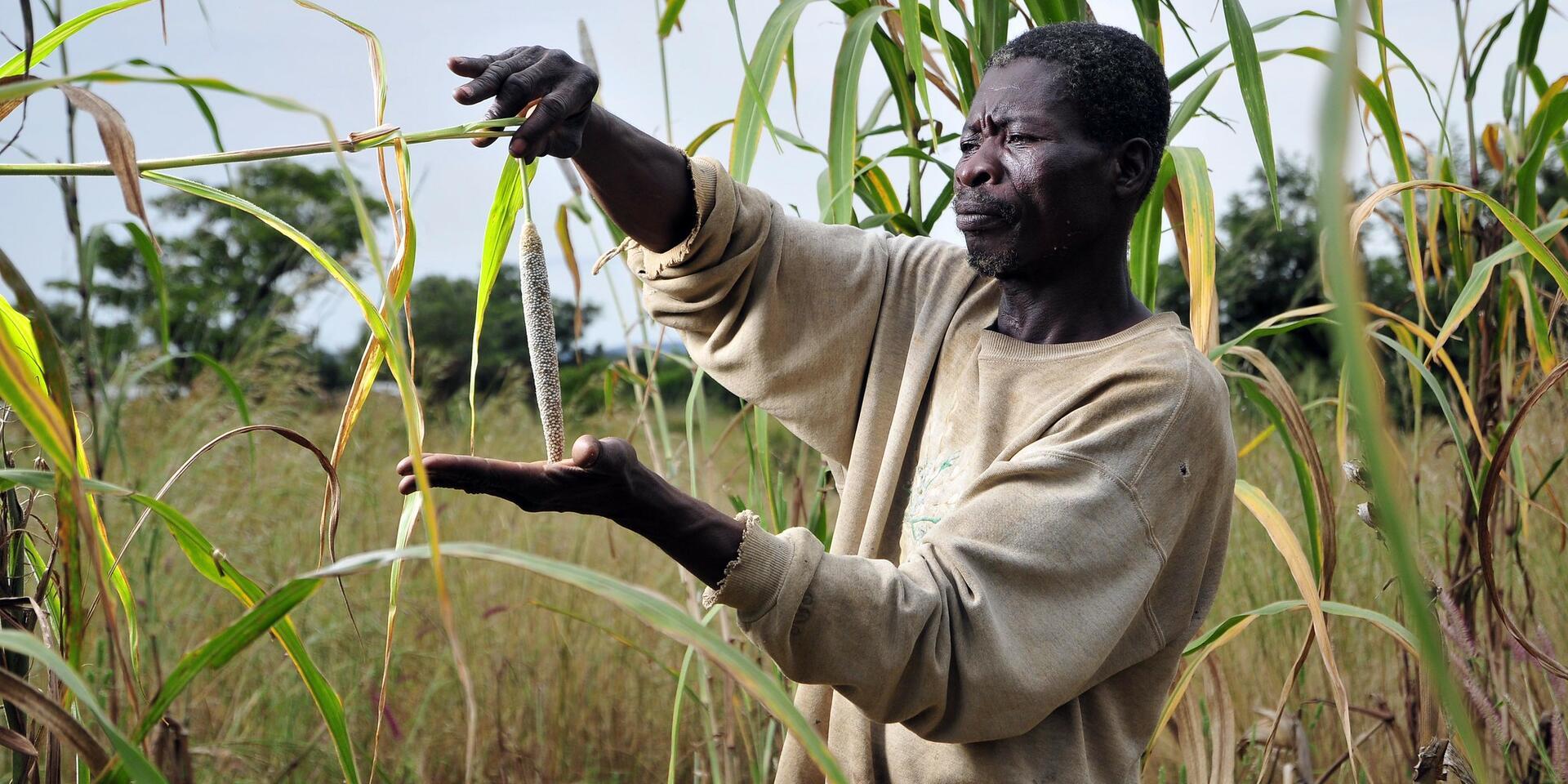

Behavioral science experts are exploring how farmers’ decisions globally impact sustainable farming, revealing that understanding human behavior - not just technology - is crucial to driving lasting change in agriculture.
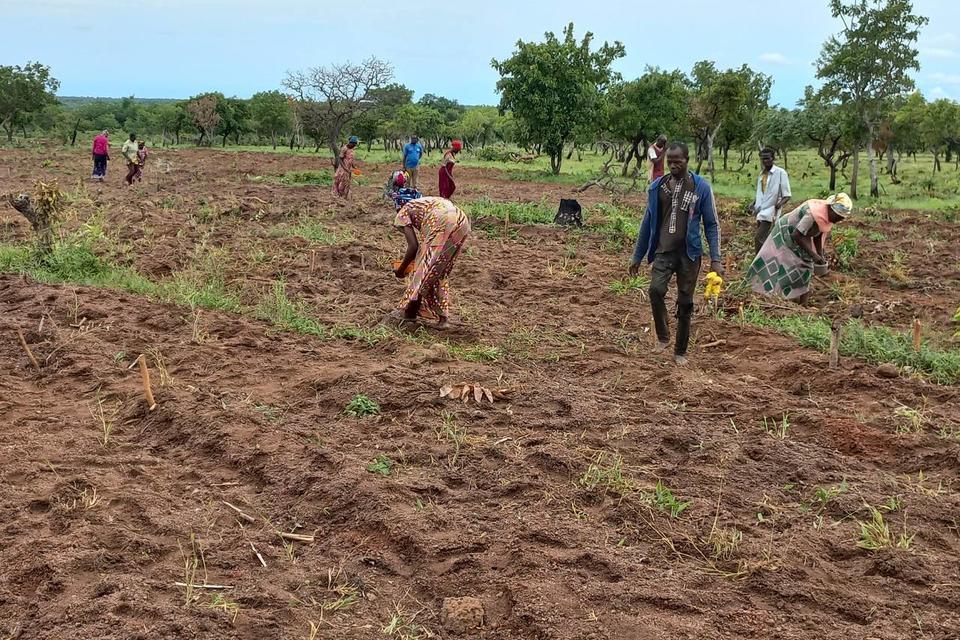
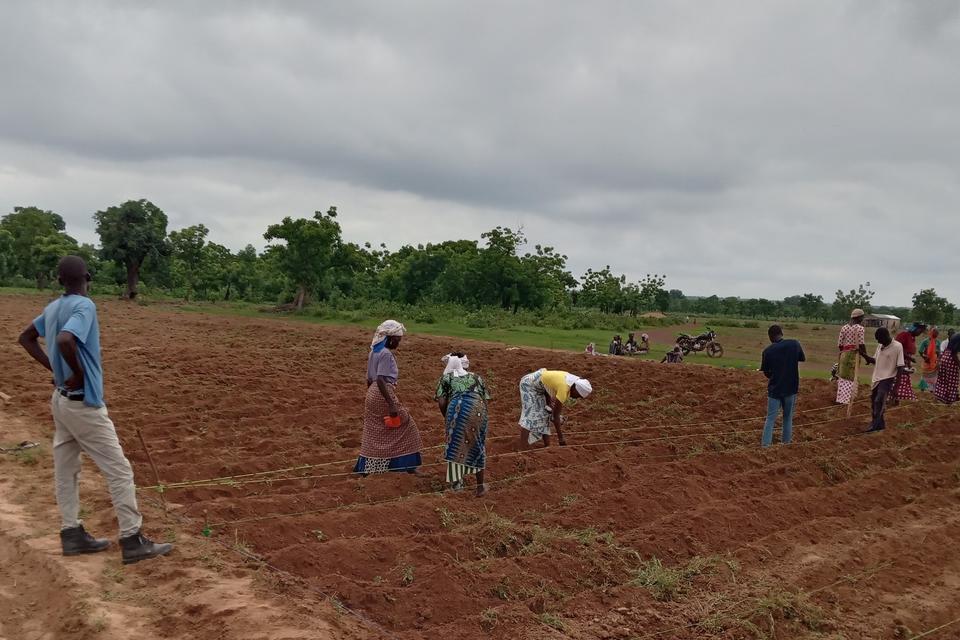
Behavioral science is the systematic study of human actions and decision-making processes. In agriculture, it seeks to understand how farmers’ decisions are influenced by a range of internal and external factors. Behavioral scientists draw and integrate insights from multiple disciplines—including psychology, sociology, economics, information systems, anthropology and others—to understand why people behave the way they do and how their behaviors can be influenced or changed.
As global efforts to promote sustainable agriculture intensify, understanding the human behaviors that drive or hinder adoption of sustainable practices has become increasingly important. Behavioral science offers essential insights into these dynamics.
Why Behavioral Science Matters for Sustainable Farming
Sustainable farming is critically dependent on human decision-making and behavioral change. Despite the clear environmental benefits, many farmers remain reluctant to adopt new sustainable practices. This reluctance isn't simply a matter of insufficient information or inadequate technology.
Farming practices are often deeply rooted in intergenerational knowledge and established routines. Improving advocacy on environmental benefits or introducing new farming technologies alone won't necessarily improve outcomes for farmer productivity or sustainability. Technological solutions and financial incentives alone are unlikely to deliver the transformational change needed in agriculture.
Getting to the Root of Resistance
Behavioral scientists explore the complexity of human behavior in agricultural contexts, asking questions such as: How do farmers perceive the risks associated with adopting new sustainable practices compared to conventional methods? What factors influence their risk tolerance? How do cultural traditions and social norms shape farming decisions? How do farmers' personal and professional identities influence their willingness to adopt sustainable practices? What values (economic, environmental, cultural) drive their decisions? How do farmers filter, interpret and apply information about sustainable practices? What sources do they trust?
'Getting to the Root of Resistance' emphasizes the need to understand farmers’ motivations, social norms, and decision-making contexts to design effective interventions that encourage long-term adoption of environmentally sustainable behaviors and policies.
From Behaviors to Habits: The Key to Lasting Change
One critical insight from behavioral change is understanding how deliberate behaviors turn into automatic habits. A behavior typically becomes a habit when it is: repeated consistently in a stable context or environment, rewarded either immediately or consistently over time, integrated into existing routines and daily workflow, and simplified enough to require minimal conscious effort
For sustainable farming initiatives to succeed long-term, we must focus not just on changing immediate behaviors but on supporting the formation of new habits. This often means designing human-centered interventions that provide immediate benefits alongside long-term sustainability gains, and ensuring new practices fit seamlessly into farmers' existing work patterns. The most successful sustainable practices are those that become so ingrained that they no longer require deliberate decision-making.
When behavioral factors are at play—such as farmers' longstanding beliefs in traditional ceremonies tied to planting and harvest seasons, or their nuanced perception of risks—sustainable farming programs must get to the root of these issues to design solutions that actually work.
Traditional beliefs are not obstacles to be overcome but rather important aspects of farming identity that must be understood and integrated into new approaches. For example, ceremonies that mark planting and harvesting seasons not only serve spiritual purposes but also strengthen community bonds and intergenerational knowledge transfer.
Building Better Agricultural Programs
By incorporating behavioral insights, agricultural development programs can:
-
Design interventions that acknowledge both the rational and emotional aspects of farming decisions
-
Create messaging that resonates with farmers' existing values rather than challenging them
-
Develop implementation strategies that account for social dynamics within farming communities
-
Build trust by demonstrating respect for traditional knowledge while introducing scientific innovations
Behavioral science offers powerful tools to bridge the gap between knowing what is sustainable and putting sustainable practices into action at scale. While it provides valuable insights into human decision-making, behavioral science is not a one-size-fits-all solution. Achieving sustainable agriculture requires an integrated approach—addressing technological innovations like climate adaptation and precision nutrient management, while also engaging communities and aligning interventions with farmers’ behavioral drivers and cultural values. By integrating these elements, we can build farming systems that are not only environmentally sound and economically viable, but also socially acceptable—ensuring resilience and equity for current and future generations.
Keep exploring