Blog Agriculture needs to keep its home in the UNFCCC. But its next chapter must be about implementation
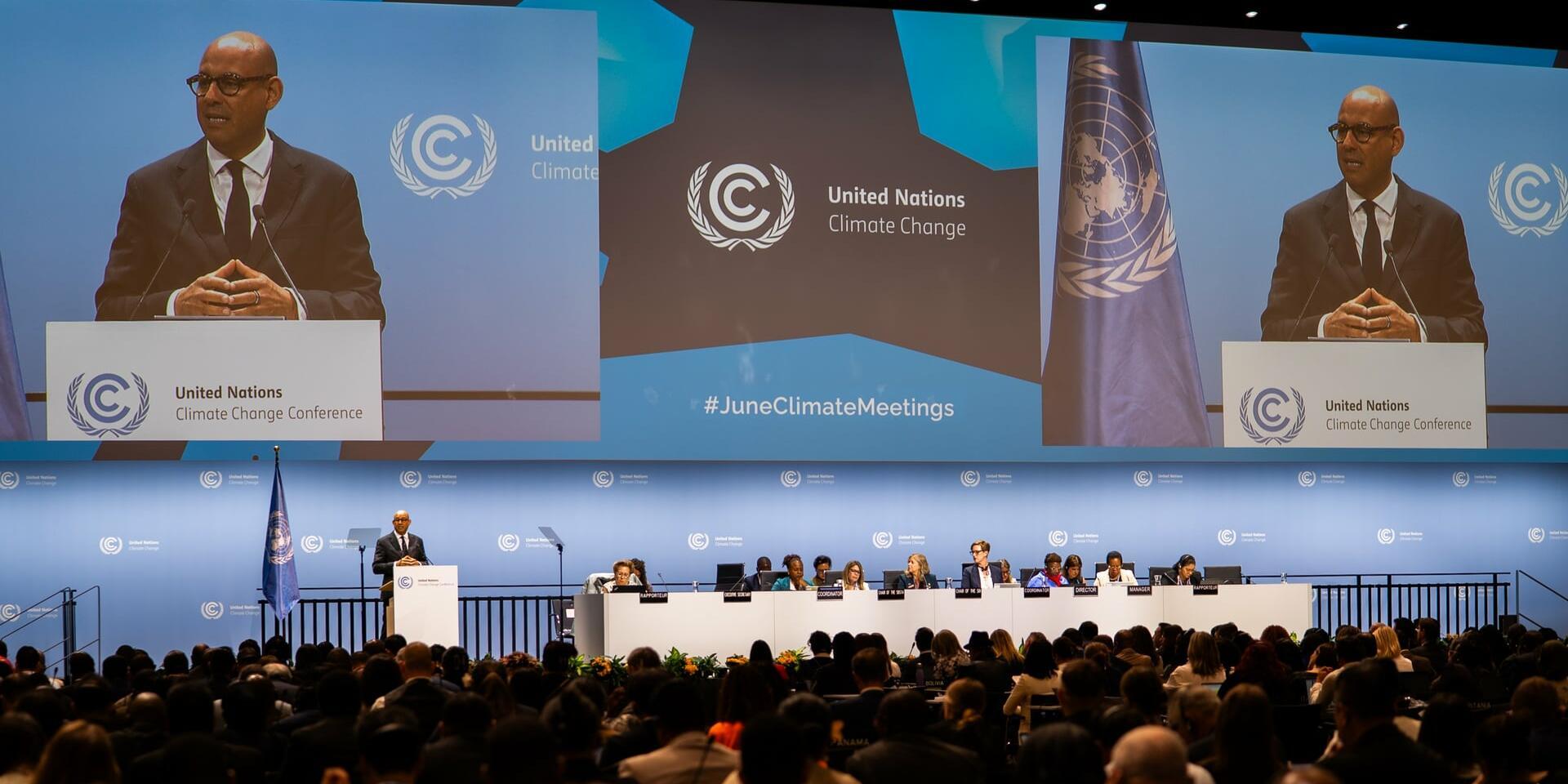

As SB64 wraps up in Bonn, one message emerged clearly from initial discussions on the future of the Sharm el-Sheikh Joint Work on Agriculture and Food (SJWA): countries continue to see strong value in maintaining a dedicated space Security for agriculture under the UNFCCC. At the same time, there was a strong sense that this work now needs to evolve towards translating past recommendations into implementation and action on the ground.
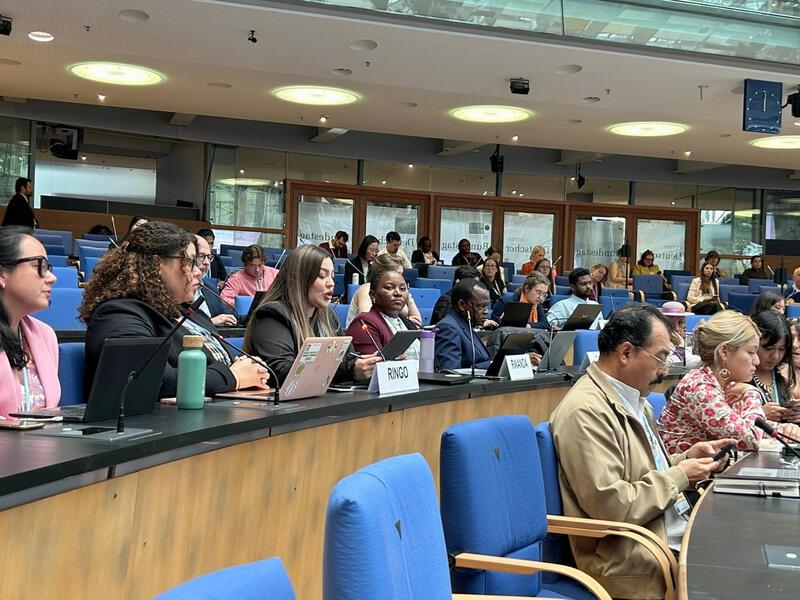

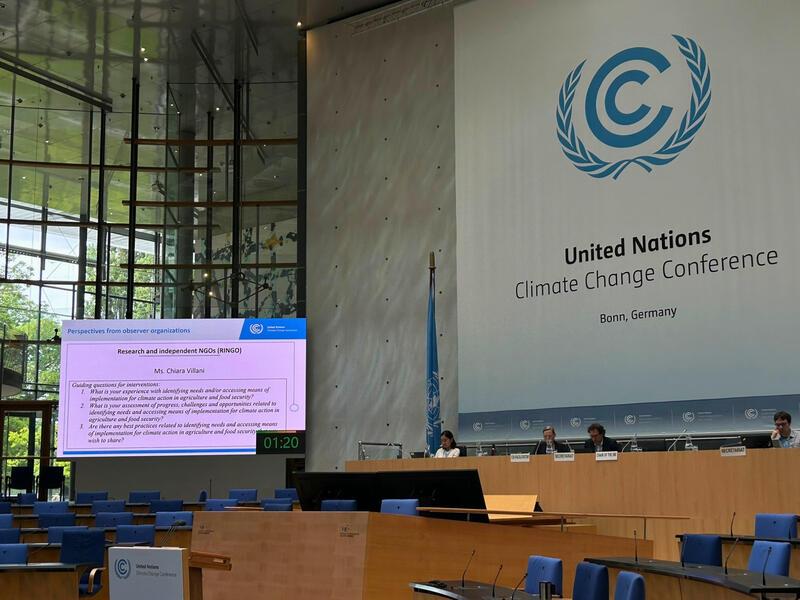
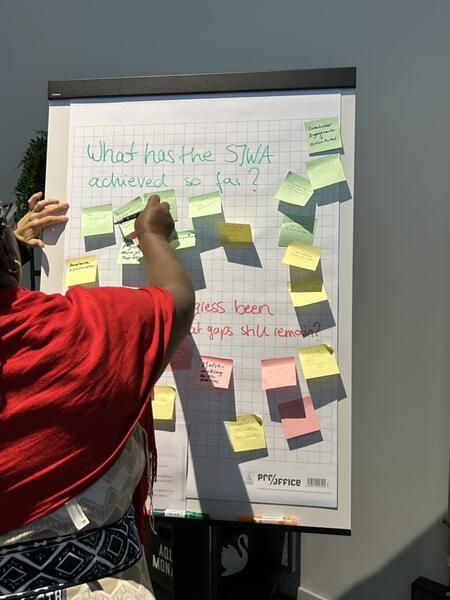
Over the past decade, first through the Koronivia Joint Work on Agriculture (KJWA) and now through the SJWA, agriculture and food security have secured a dedicated space under the UNFCCC where countries can discuss how to build climate-resilient and sustainable agri-food systems. In a Convention with many competing priorities, this should not be taken for granted.
There is no doubt that the Joint Work has kept agriculture high on the climate negotiations agenda, but the discussions in Bonn also made clear that the next phase cannot simply be about continuing the process as it is today.
The KJWA first and then the SJWA have both generated valuable recommendations to accelerate adaptation and mitigation co-benefits in agriculture, but these have not sufficiently translated into implementation on the ground. The challenge is not only the lack of financial resources, which remain limited, but also the absence of a shared understanding of what implementation actually looks like in practice.
One idea that is gaining traction is that the next chapter of the SJWA could focus on helping countries integrate the KJWA and SJWA recommendations into Nationally Determined Contributions (NDCs), National Adaptation Plans (NAPs), and other national planning frameworks to stimulate concrete action on the ground and create pathways for delivery.
Perhaps one of the most encouraging aspects of the discussions was the recognition that agriculture sits at the intersection of multiple global agendas and the role that the next version of the SJWA could play in better connecting the biodiversity, land restoration, and climate agendas. More integrated approaches could help countries identify synergies, avoid trade-offs, and deliver multiple benefits simultaneously for people and the planet.
This is where science has an essential role to play. From locally led adaptation to climate-smart and nature-positive solutions, countries need evidence, tools, and knowledge exchange mechanisms that can help navigate increasingly complex decisions and support implementation at scale. This is particularly important given the often politically sensitive discussions around adaptation and mitigation in agriculture. For many countries, adaptation rightly remains the immediate priority, reflecting the Common but Differentiated Responsibilities principle and the imperative of safeguarding food security, rural livelihoods, and economic development in the face of growing climate impacts.
At the same time, science increasingly shows that the relationship between mitigation and food security does not need to be a zero-sum game. With the right evidence, technologies, and policies, countries can pursue development pathways that enhance resilience and productivity, strengthen food security and livelihoods, and deliver mitigation co-benefits at the same time.
Ultimately, maintaining healthy soils, resilient landscapes, and productive agricultural systems is not simply an environmental objective; it is a prerequisite for long-term prosperity and stability. Climate change and land degradation do not stop at national borders. If agricultural systems fail, the repercussions will be felt far beyond the countries on the frontline, affecting food security, economies, and stability globally.
This is not about preserving an agenda item. It is about whether the UNFCCC can help countries turn years of technical discussions into resilient agricultural systems, healthy soils, and secure livelihoods.
If climate action does not work for agriculture, it is unlikely to work for people.
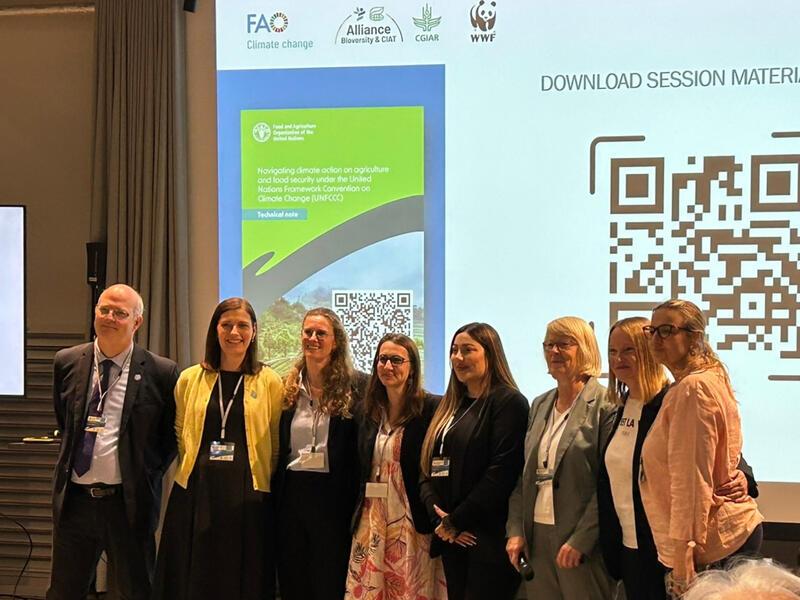
***This blog was developed as a direct outcome of a workshop convened by the Food and Agriculture Organization of the United Nations, World Wide Fund for Nature, and the Alliance of Bioversity International and CIAT, held at SB64 on 8 June 2026, which brought together negotiators and experts to reflect on the future of the Sharm el-Sheikh Joint Work on Agriculture and Food Security (#SSJW). The author also gratefully acknowledges the partners and participants who contributed their time, insights, and expertise to the discussions that informed this piece.
Cover Photo Credit: Climate Acceptance Studios
Keep exploring
The Alliance at the Bonn Climate Change Conference (SB64)