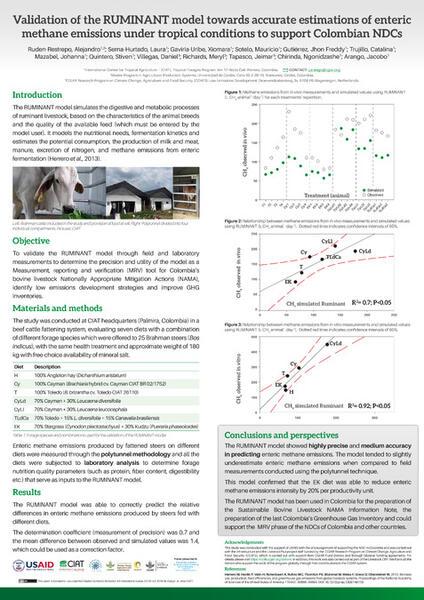
From the Field Let’s talk about NDCs: What are they and why are they important for climate action?

The term NDC has become increasingly relevant in the context of climate change. However, as with many acronyms, people's understanding of its meaning is often taken for granted, leaving many people out of the conversation. If you’ve ever wondered what NDCs are and why they matter, this blog is for you.
What are NDCs?
First, let’s be clear: NDC does not stand for “National Donut Council”, nor is it shorthand for “Napping During Class” in WhatsApp slang. NDC stands for Nationally Determined Contribution. In simple terms, these are the commitments that each country makes to address climate change and contribute to the global goal of limiting the increase in the planet’s average temperature to 1.5°C.
These commitments arise from the 2015 Paris Agreement, an international treaty signed by almost every country in the world (195 in total), which marked a milestone in the fight against climate change. The main objective of the Paris Agreement is to keep the global temperature increase well below 2°C, and preferably limit it to 1.5°C.
With this goal in mind, NDCs are the mechanism through which each country analyzes its situation and sets concrete targets for adaptation and reduction of greenhouse gas (GHG) emissions. In other words, NDCs are the promise each country makes to care for the planet, with actions such as increasing the use of clean energy, protecting forests, promoting sustainable agriculture, or improving water management.
Why are they so important?
Imagine the goal of limiting global warming as a giant puzzle with 195 pieces, where each country contributes one piece: its targets and commitments. The sum of all NDCs defines the global path to address climate change. If the commitments are ambitious and fulfilled, we will be closer to avoiding the worst impacts of climate change. If not, the future will be much more uncertain for everyone.
NDCs are supported by a framework of instruments that broaden their scope, such as long-term strategies towards 2050 and Biennial Transparency Reports, which allow us to measure each country’s progress and ambition. NDCs are public, transparent, and updated every five years, in a cycle designed to increase ambition and impact.
Additionally, in most cases, NDCs are linked to national climate change laws, plans, and strategies, and are even integrated into national development plans. In this way, NDCs become a roadmap that guides each country’s priority actions to adapt to climate change and reduce GHG emissions.
What do NDCs include and why are they updated?
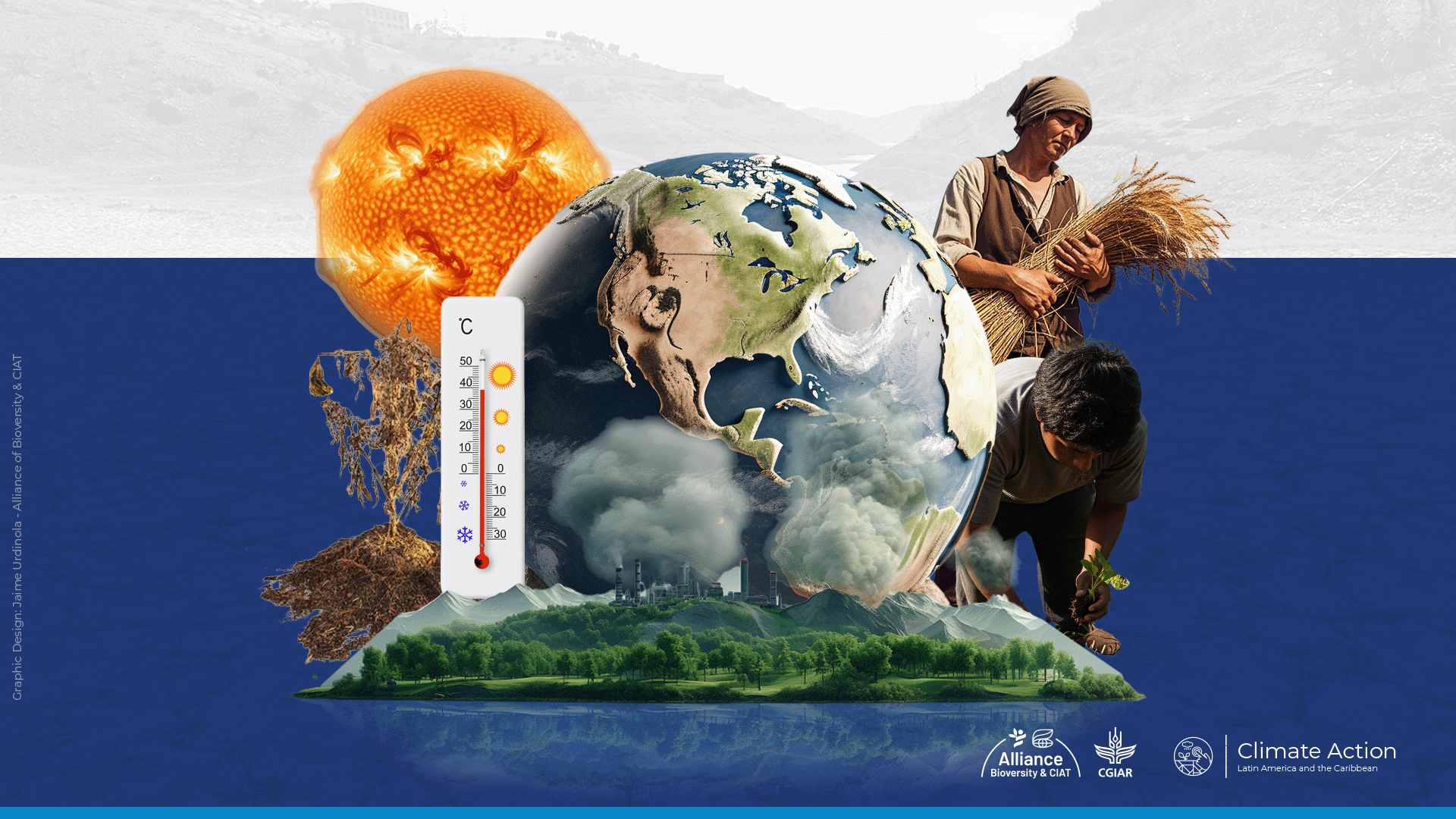
Each NDC is different, as it responds to the reality and priorities of each country. However, all include mitigation targets (the reduction of GHG emissions, calculated in CO2 equivalent2) and adaptation actions (measures to prepare for the impacts of climate change). Many also address issues such as financing, technology transfer and capacity building.
In Latin America, for example, several countries have made commitments to protect the Amazon forests, promote climate-resilient agriculture, and increase renewable energy generation. These actions not only benefit the planet, but also improve quality of life, create jobs, and protect rural livelihoods.
To remain relevant and effective, NDCs must be updated periodically and respond to new challenges. That’s why the Paris Agreement establishes that NDCs are updated every five years, in a process known as the “ambition cycle.” We are currently in the third round of updates, known as NDC 3.0 (the first—the initial submission, not an update—was in 2015, the second in 2020), where countries are expected to present even more ambitious targets aligned with the latest science (IPCC, 2023).

What is the role of science in these processes?
Science is fundamental at every stage of an NDC: from the diagnostic phase, where critical areas and sectors for adaptation and mitigation are analyzed; to scenario modeling, where projections are made about what would happen if we continue as we are or take certain measures; to the formulation, prioritization, validation, and strengthening of measures—a key element of the process, as much of the effectiveness of solutions depends on this; and finally, the monitoring and evaluation phase.
The Alliance's Climate Action research area provides research and evidence that help countries formulate and strengthen their climate targets, especially in the agricultural sector. Agriculture is not only key for food security and rural development, but it is also particularly vulnerable to climate change and, at the same time, is responsible for a significant share of emissions. That’s why providing science-based solutions is fundamental to achieving more ambitious and effective NDCs.
And you, what can you do?
Climate action is not just the task of governments or scientists. As citizens, we can get informed, participate (in many countries, the NDC is subject to public consultation), demand transparency, and support actions that bring us closer to a more sustainable future.
Do you know your country’s commitments? Now is the time to find out and be part of the change.
References
Intergovernmental Panel on Climate Change (IPCC). (2023). *Synthesis Report of the Sixth Assessment Report*. https://www.ipcc.ch/report/ar6/syr/
United Nations Framework Convention on Climate Change (UNFCCC). (2015). *Paris Agreement*. https://unfccc.int/process-and-meetings/the-paris-agreement/the-paris-agreement
United Nations Framework Convention on Climate Change (UNFCCC). (n.d.). *NDC Registry*. https://www4.unfccc.int/sites/NDCStaging/Pages/All.aspx
Further reading