EPINER
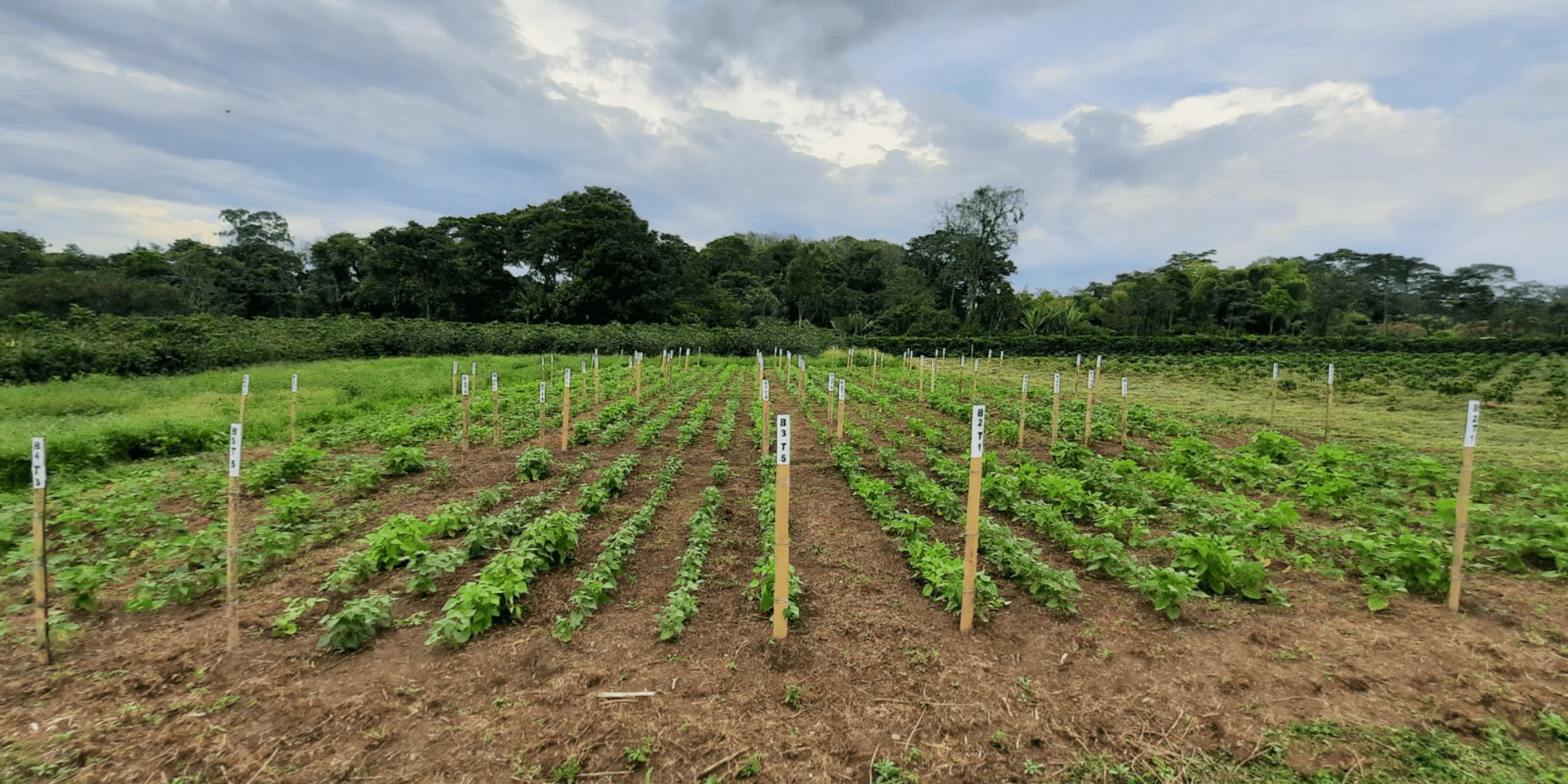
EPINER is an innovative project that integrates environmental peacebuilding with climate action and nutrition to achieve sustainable development based on resilient, low-emission food systems in the Colombian Massif.
Project description
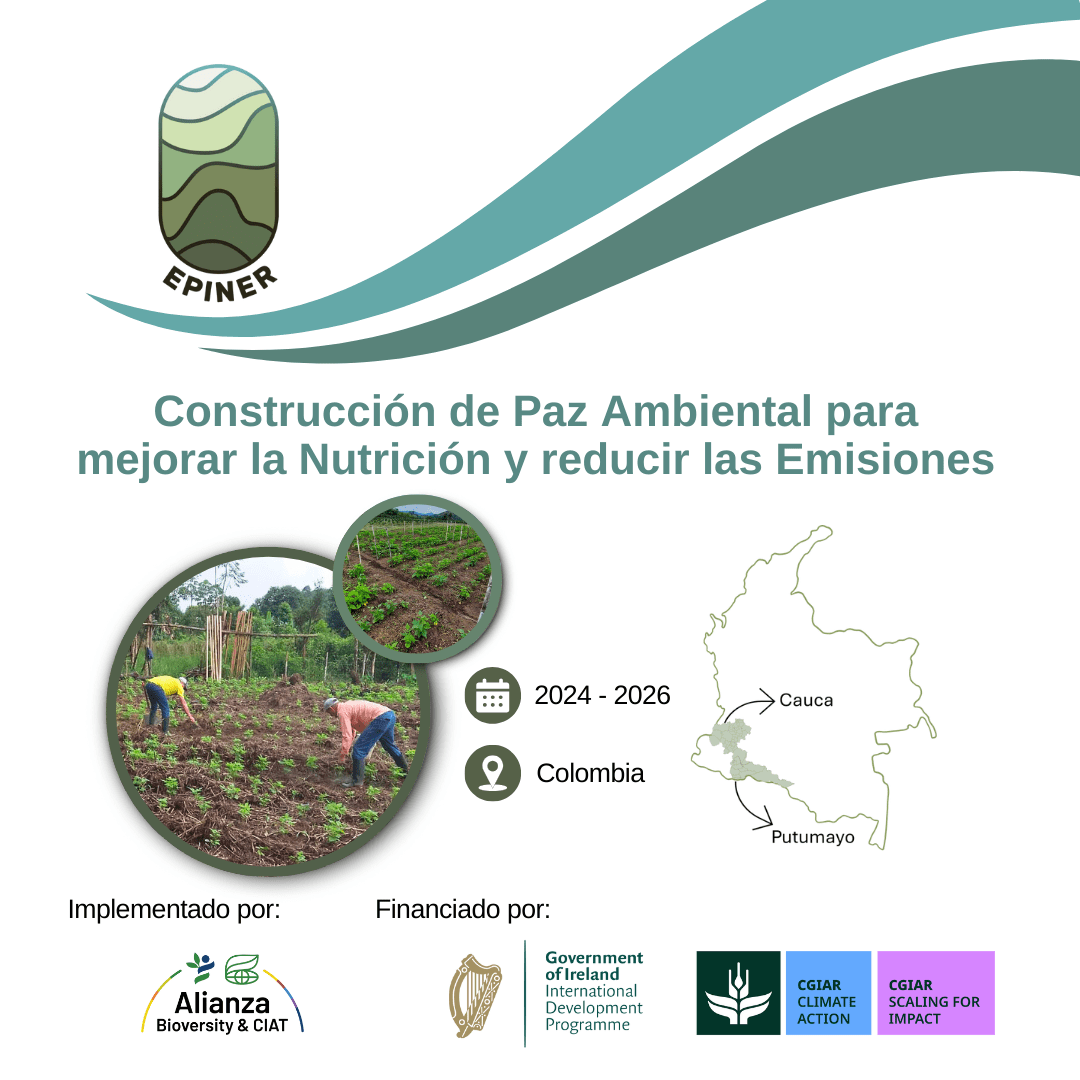
EPINER is transforming the relationship between food production, environmental sustainability and peace building in conflict-affected regions of Colombia. Its impact is focused on Cauca and Putumayo, strategic areas within the Colombian Massif, recognized by UNESCO as a Biosphere Reserve. The project seeks to reduce greenhouse gas (GHG) emissions from agricultural production and improve the nutrition of local communities by promoting sustainable agricultural practices. A key focus is the introduction of biofortified beans, a resilient and highly nutritious crop that diversifies diets and strengthens food security in livestock farming communities. EPINER is unique because it integrates environmental peacebuilding with climate action and nutrition, addressing socioeconomic and ecological challenges simultaneously. In addition, the project is developed in collaboration with the Alliance of Bioversity International and CIAT, with support from the Irish Department of Foreign Affairs. Its evidence-based approach allows the implemented solutions to be replicable and sustainable in the long term.
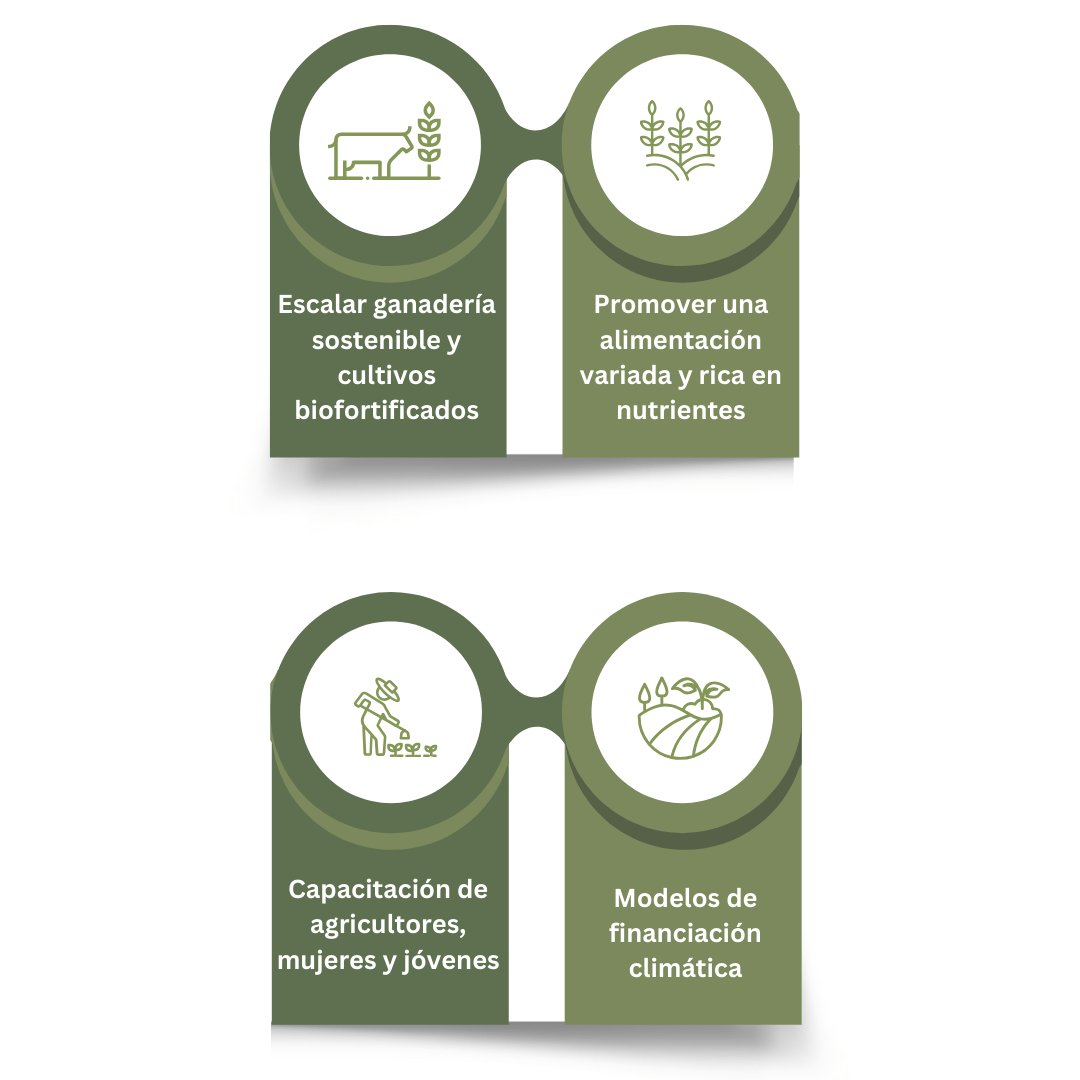
EPINER is implementing a series of key activities to achieve its objectives:
- Promote a resilient, low-emission food system in municipalities affected by conflict in Cauca and Putumayo, integrating nutrition goals and a zero-deforestation approach.
- Train agricultural producers in the production, marketing, and consumption of nutritious, low-emission foods through at least 120 pilot farms and on-site training sessions.
- Analyze the relationship between the food system, deforestation, malnutrition, and conflict, involving stakeholders from the livestock and dairy value chains, local communities, and governments, to generate accessible and transparent information.
- Co-design innovative solutions and business models for nutritious, deforestation-free foods, including biofortified beans and sustainable livestock farming, with strategies tailored to local needs.
- Measure the project’s climate and social benefits by developing monitoring tools and recommendations for future initiatives and public policies that integrate nutrition and emissions reduction.
Capacity Building
EPINER is implementing a series of key activities to achieve its objectives:
- Promote a resilient, low-emission food system in municipalities affected by conflict in Cauca and Putumayo, integrating nutrition goals and a zero-deforestation approach.
- Train agricultural producers in the production, marketing, and consumption of nutritious, low-emission foods through at least 120 pilot farms and on-site training sessions.
- Analyze the relationship between the food system, deforestation, malnutrition, and conflict, involving stakeholders from the livestock and dairy value chains, local communities, and governments, to generate accessible and transparent information.
- Co-design innovative solutions and business models for nutritious, deforestation-free foods, including biofortified beans and sustainable livestock farming, with strategies tailored to local needs.
- Measure the project’s climate and social benefits by developing monitoring tools and recommendations for future initiatives and public policies that integrate nutrition and emissions reduction.
Desarrollo de Capacidades

Project leaders

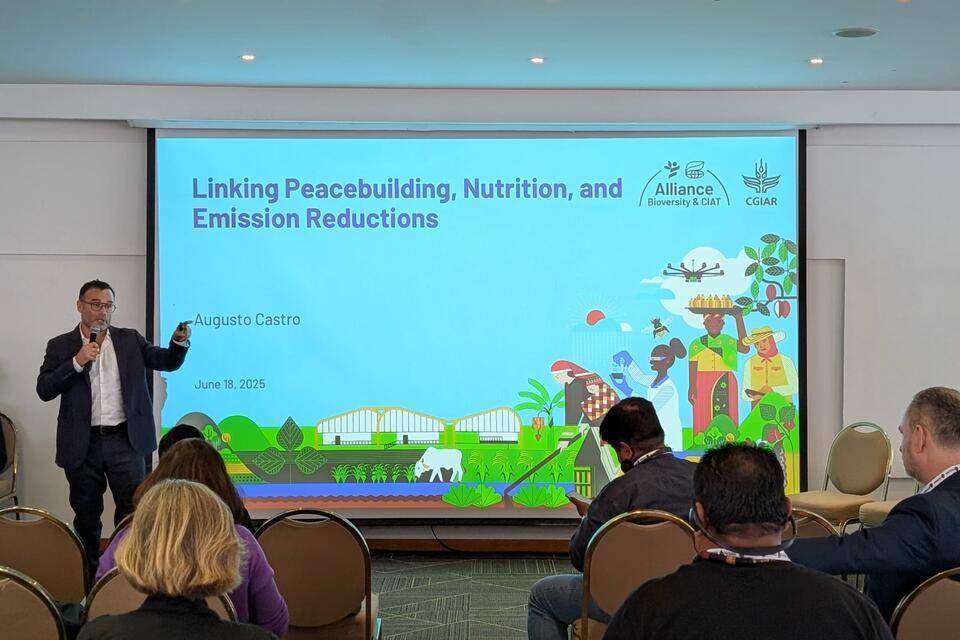
Augusto Castro-Nunez
Senior Scientist Low-Emissions Food Systems
Jhon Jairo Hurtado
Senior Research Associate, Food Environment and Consumer Behavior (FECB).
Karoll Valentina Yomayuza
Research Associate
Diana Gutierrez
Senior Research Associate