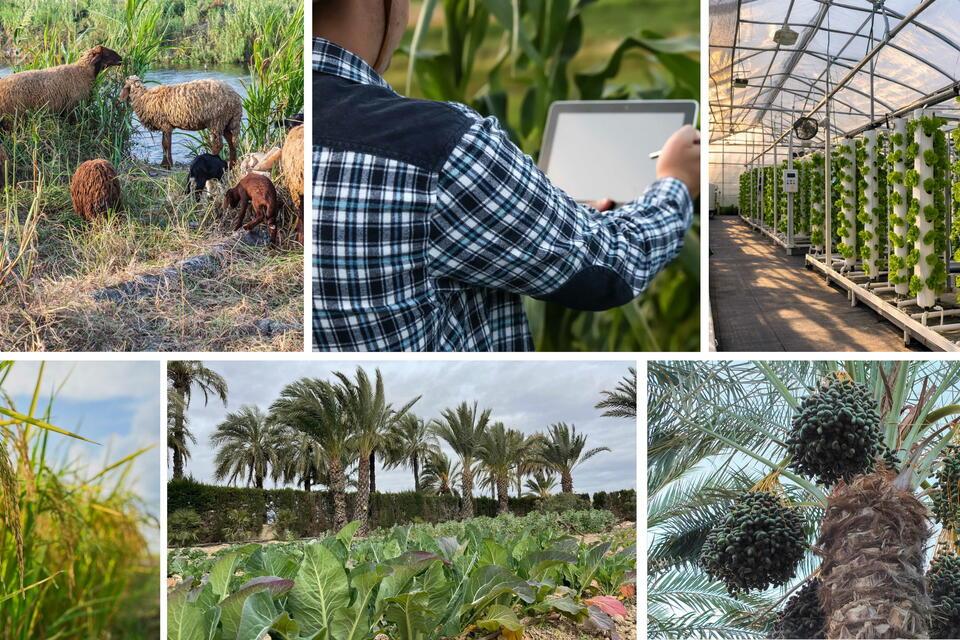
Consultation workshop: How to build a high-performing ecosystem for food sovereignty in Senegal?
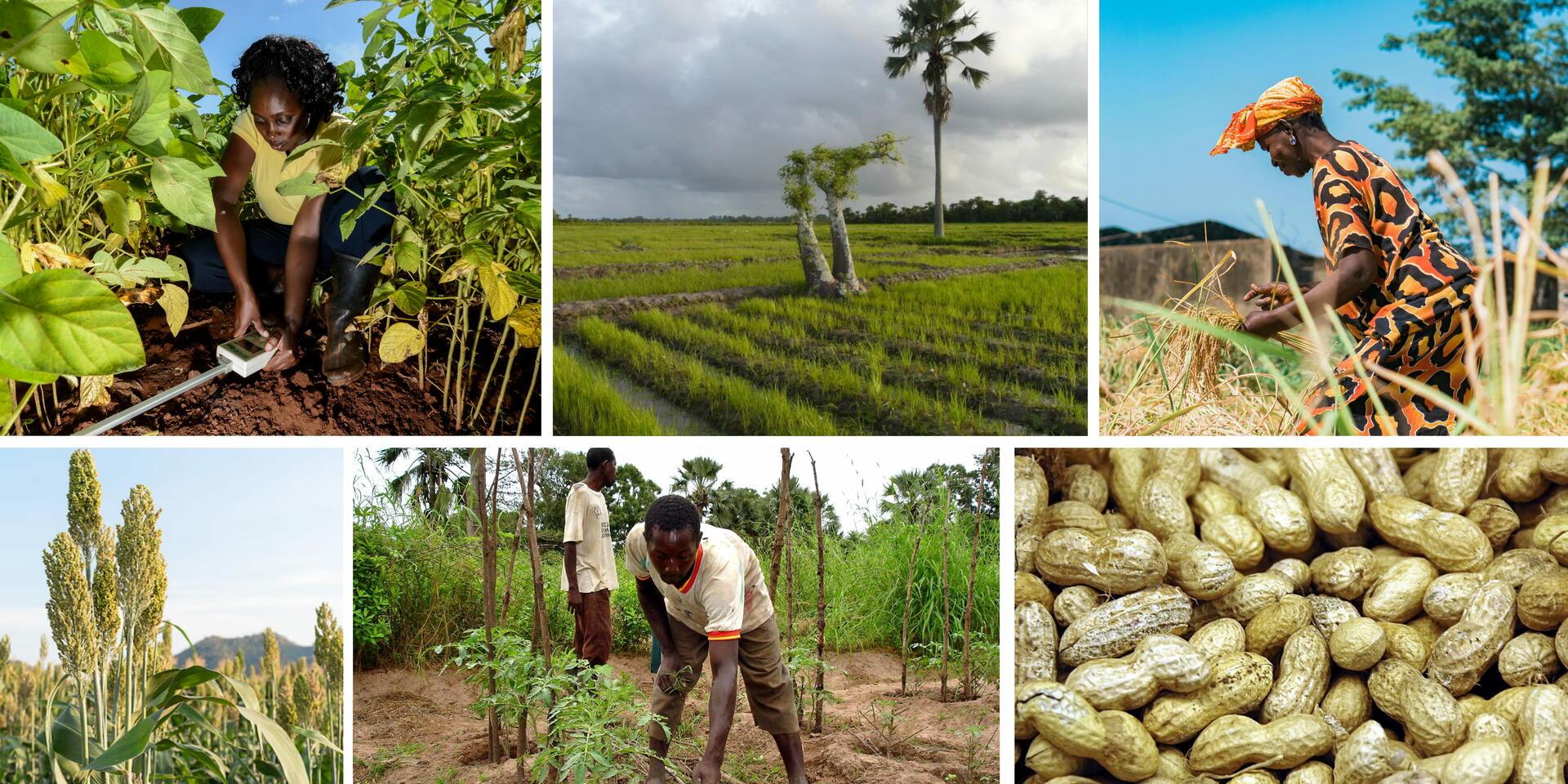
The agricultural sector plays a central role in Senegal’s economy and is a key pillar of food security, employment, and rural development. However, despite its economic and social importance, the sector’s contribution to GDP is estimated at between 16% and 17%, which remains well below its full potential.
Several factors explain the underperformance of Senegalese agriculture, including strong dependence on climate conditions, the predominance of traditional production systems, low levels of mechanization, and limited access to quality inputs (improved seeds, fertilizers), among others.
Despite these constraints, Senegal has significant assets for agricultural development. The country’s agroecological diversity—ranging from Sahelian zones in the north to more humid areas in the south—enables the production of a wide range of food and cash crops, such as groundnuts, rice, millet, sorghum, maize, fruits, and vegetables. In addition, growing demand for locally produced agricultural products, driven by urbanization and food sovereignty policies, represents a major economic opportunity.
This potential and the opportunities offered by Senegal’s agricultural context are well recognized by government policy, which has, in recent years, established research and training institutions to improve agricultural productivity. The agricultural innovation ecosystem in Senegal is indeed rapidly developing and is supported by a diverse range of public and private actors involved in both the creation and dissemination of innovations.
It is in this context that the Senegal Consultation Workshop, “Agricultural Innovation and Climate Resilience: How to Build a High-Performing Ecosystem for Food Sovereignty in Senegal?”, is being organized. The event will bring together researchers, entrepreneurs, policymakers, and representatives of agricultural cooperatives to explore how innovations in food systems can foster sustainable and environmentally responsible agricultural growth.
About the consultation workshop
This strategic event will provide an opportunity to assess the challenges and needs of Senegal’s agricultural sector, as well as to identify the priority themes of the West Africa Agri-Food Challenge.
Drawing on the methodology of the Accelerate for Impact Platform (A4IP), the outcomes of the workshop will guide the development of a regional program designed to identify, support, and scale science-based solutions that can enhance agricultural productivity while preserving natural resources and ecosystems.
This workshop is organized by the University of Sine Saloum El Hadj Ibrahima NIASS (USSEIN) as part of the Fonds Équipe France project “International Innovation Hub – West Africa”, an initiative aimed at building an ecosystem of Entrepreneurship and Innovation Support Structures (SAEI) to address the challenges of transforming and developing food systems.
This two-year project brings together a consortium of twelve research and innovation organizations, led by universities in Senegal, Benin, and Côte d’Ivoire (USSEIN, University of Abomey-Calavi, INP-HB/ESA), along with Agropolis International, Institut Agro Montpellier, CGIAR, the Alliance of Bioversity International and CIAT through the CGIAR Accelerate for Impact platform, CIRAD, IRD, Gaston Berger University, DER/FJ, and Afric’Innov.
Specific objectives
- Facilitate multi-stakeholder dialogue to explore the role of innovation in strengthening food security, climate resilience, and economic sustainability in Senegal. Discussions will focus on current challenges, emerging trends, and investment opportunities in the agri-food sector.
- Build bridges between research, technology, and entrepreneurship by fostering synergies between scientific research, innovation, and business development to accelerate the adoption of high-impact solutions.
- Refine the scope of the regional West Africa Agri-Food Challenge by validating key insights from the project design phase. The workshop will help define priority areas for the challenge, which will be implemented across three countries: Benin, Senegal, and Côte d’Ivoire.
- Promote a participatory approach by placing farmers, startups, and sector experts at the center of discussions to ensure that proposed solutions are demand-driven, practical, and scalable.
- Assess stakeholder interest and strengthen regional and international cooperation by exploring their engagement in the next phases of the project and fostering connections between West African agri-food startups and regional or international markets.
If you would like to participate in the workshop in person or collaborate on this initiative, please contact Malick Sarr, Director of the Dekkal Yaakaar incubator at USSEIN, at: [email protected]
Learn more about the International Innovation Hub – West Africa
Follow the International Innovation Hub on LinkedIn
Photo credits: Eyelit Studio, Unsplash
Keep exploring
Strengthening the Innovation Ecosystem for Climate-Resilient Agriculture in Benin
Landing big ideas in agtech: The Alliance at the World Agri-Tech Innovation Summit in San Francisco