The Alliance at Brussels Climate Week

 The Alliance of Bioversity International and CIAT will join Brussels Climate Week 2026 as a Theme Partner and co-sponsor of Nature Day, contributing to discussions on how science can help turn climate and nature commitments into action across food and land systems.
Throughout the day, the Alliance will contribute to the Nature Day programme, host the Food & Nature Forum, and showcase its work at the Nature Day Expo. Discussions will bring together policymakers, researchers, development partners, investors, private sector actors and innovators around soil health, agrobiodiversity and opportunity crops, deforestation-free value chains, finance for nature and the scaling of science-based innovation.
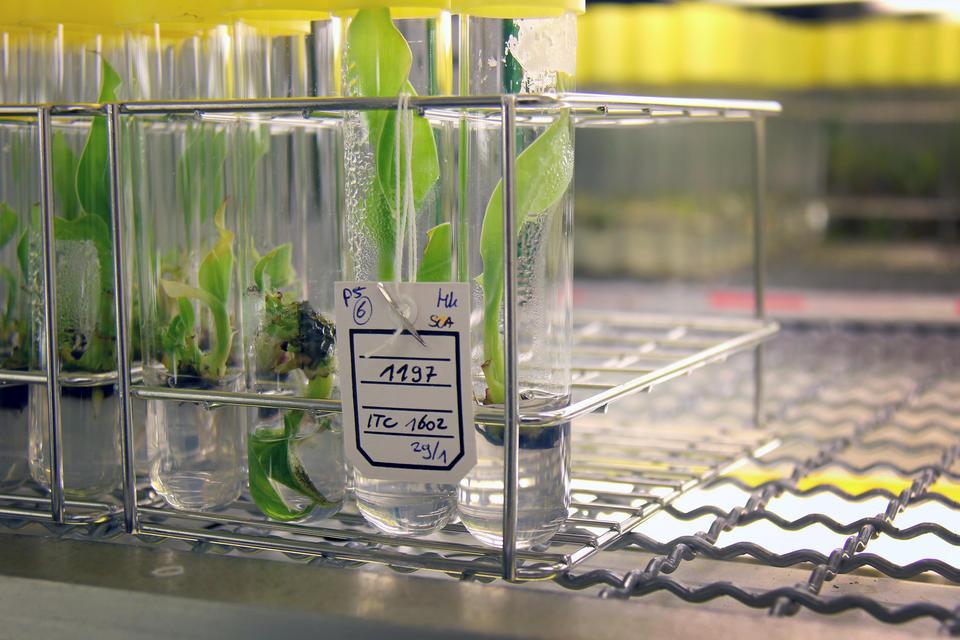
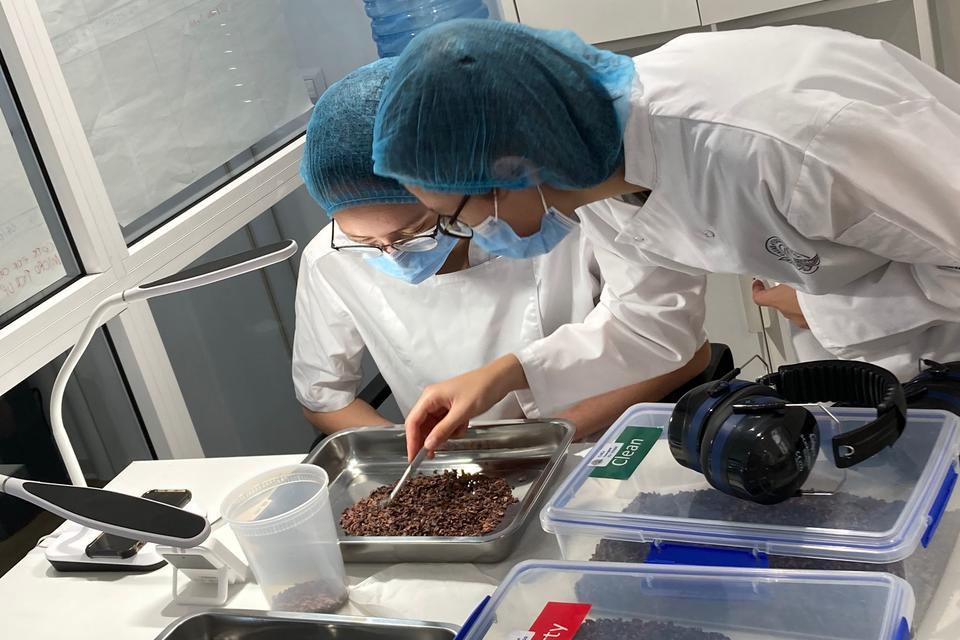
The Alliance's Expo booth will also feature two examples of its work on crop diversity and sustainable value chains: the Belgium-based International Musa Germplasm Transit Centre, home to the world's largest collection of banana germplasm, and the Cacao of Excellence programme.
Main areas of expertise: Climate resilience; soil health; regenerative and agroecological agriculture; agrobiodiversity and opportunity crops; deforestation-free value chains and EUDR; sustainable finance; agrifood innovation; crop genetic diversity; cacao and banana research.
Our involvement
October 15, 2026
Nature Day plenary: Agriculture, Land & Food Systems
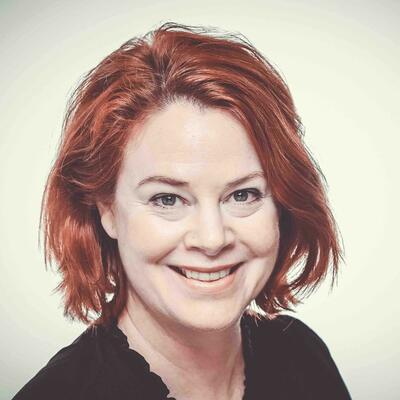
Stephanie Speck
Global Director, Strategic Partnerships, Engagement & Communications and Trustee, Bioversity International UKAgriculture and food systems sit at the intersection of climate action, nature restoration and economic resilience. This Nature Day session will explore approaches ranging from regenerative and smart agriculture and land restoration to water resilience, traceability, digital solutions and financing for sustainable and resilient food systems.
The session will bring together perspectives from European institutions and other actors working across agriculture, land use and food systems.
Organised by: Brussels Climate Week
October 15, 2026
Nature Day Expo
Visit the Alliance at the Nature Day Expo to discover how crop diversity and science can contribute to food security, resilience and more sustainable value chains.
The booth will feature two Alliance initiatives during the day.
Part/Focus 1: Conserving banana diversity for the future (09:00-12:30)
The International Musa Germplasm Transit Centre, hosted at KU Leuven in Belgium, holds the world's largest collection of banana germplasm, with more than 1,700 accessions of edible and wild banana species.
The exhibition will introduce how this global collection conserves banana diversity and makes it available for research and future use. It will also show why crop diversity matters for responding to pests and diseases, climate stress and changing production conditions, and for strengthening the long-term resilience of banana production.
Part 2: From cacao diversity to quality and market recognition (14:00-17:30)
Cacao of Excellence, led by the Alliance, works to recognize cacao quality and flavour diversity while strengthening producer knowledge, visibility and opportunities in higher-value markets.
The exhibition will show how science, quality assessment, standards and market recognition can help translate cacao diversity into value for producers and the wider sector, connecting biodiversity conservation with more sustainable and inclusive cacao value chains.
Food & Nature Forum: Turning science into action for food systems transformation
How can science help move climate and nature solutions from evidence and pilots to implementation at scale? The Food & Nature Forum will bring together EU institutions, development partners, researchers, investors, private sector actors and implementation partners to discuss practical approaches across the food system, from healthy soils and crop diversity to deforestation-free value chains, finance and innovation.
Time: 8:30-18:30
Venue: Machine Room, Maison de la Poste, Tour & Taxis
Organized by: Alliance of Bioversity International and CIAT
Alliance Speakers: Stephanie Speck and Juan Lucas Restrepo
Programme
October 15, 2026
Opening and keynote

Juan Lucas Restrepo
Director General, and Trustee, Bioversity International UK/USAOpening reflections will set the context for the day and examine the role of science, partnerships and investment in building more resilient, diverse and sustainable food and land systems.
Other Speakers:
- Annemarie Van der Avort, Director of Environment and Climate, Belgian Federal Public Service for Foreign Affairs, Foreign Trade and Development Cooperation
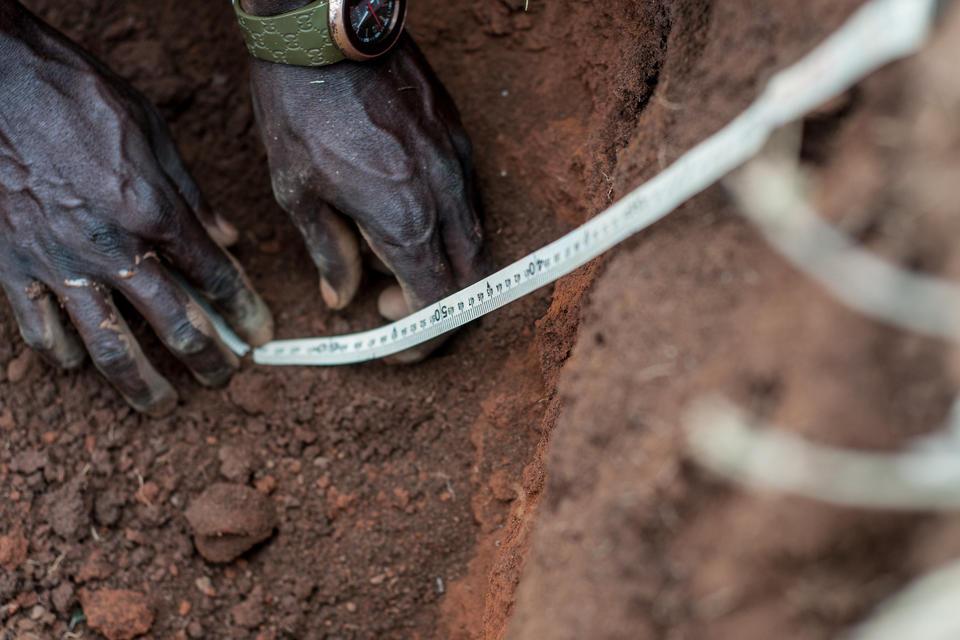
Panel - From soil knowledge to action: turning evidence into locally adapted solutions
Stephanie Speck
Global Director, Strategic Partnerships, Engagement & Communications and Trustee, Bioversity International UK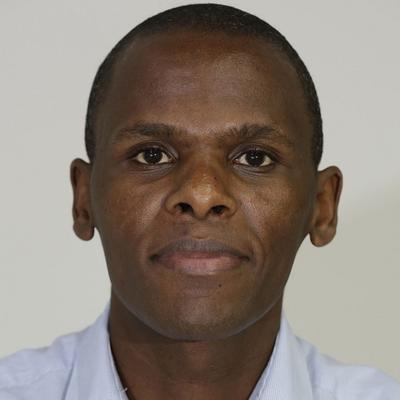
Job Kihara
Principal Scientist, Soil and Water ManagementSoils across regions are under increasing pressure from degradation, erosion, declining fertility, climate shocks, rising input costs and fertilizer dependency.
This session will take a comparative perspective across Europe, Africa, Latin America and Asia, examining how soil health approaches can move beyond fragmented evidence and isolated pilots. The discussion will consider what is needed to adapt, finance and scale effective solutions across different farming systems and policy contexts.
Scene-setting: KU Leuven
Other Speakers:
- Luis Sánchez Álvarez, DG Agriculture and Rural Development, European Commission
- Dr. Ellen Desie, Professor, KU Leuven
Closed-door roundtable - Advancing traceable and deforestation-free agricultural value chains
Using EUDR implementation as a starting point, this roundtable will bring together a selected group of public, private and research actors to discuss practical challenges around data, traceability, interoperability and smallholder inclusion in complex agricultural supply chains, with particular attention to coffee and cocoa. The discussion will also look beyond compliance to consider how trusted data and traceability systems can support more resilient and sustainable value chains, demonstrate ecosystem-service delivery, including climate mitigation by smallholders, and create greater value for producers.
Panel: Opportunity crops for agrobiodiversity-based food systems
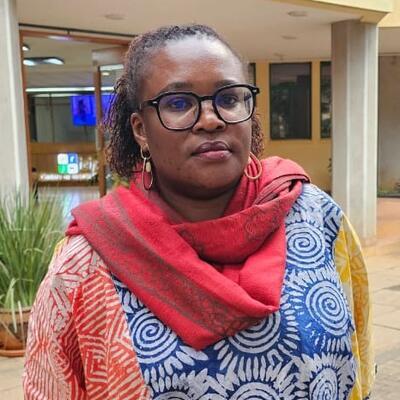
Opportunity crops can contribute to more resilient, diversified and lower-input food systems while supporting healthier diets, farmer livelihoods and local market opportunities.
The session will examine what is needed to move beyond small-scale initiatives by better connecting crop diversity with farmer knowledge, seed systems, processing, consumer demand, private sector engagement and investment. It will also look at how policy and research can help create the conditions for these crops to reach wider markets and contribute to more diverse food systems.
Other Speakers:
- Filip Vandelook, Director of Science, Meise Botanic Garden
- Christophe Larose, Head of Sector, Sustainable Agriculture, DG International Partnerships, European Commission
- Beatrice Egulu, Policy Officer, Agriculture and Rural Development Directorate African Union Commission representative
- Thomas Lopes, Research and Innovation Brokerage Manager COLEAD
Panel: Using science to mobilize finance for nature
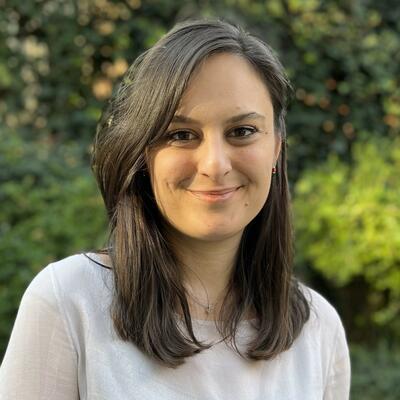
Martina Melchiori
Senior Impact Officer, CGIAR Hub for Sustainable Finance (Impact SF)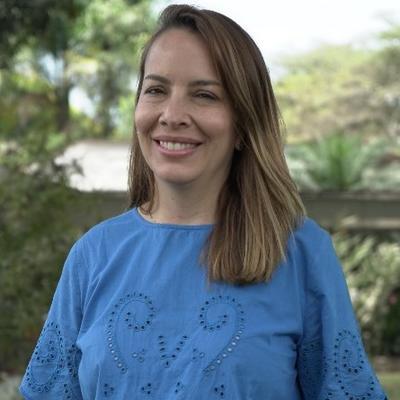
Marcela Quintero
Associate Director General, Research Strategy, and Innovation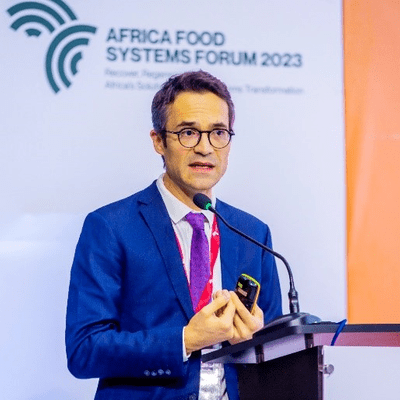
Godefroy Grosjean
CGIAR Sustainable Finance (ImpactSF) Co-LeadSmallholder farmers manage a significant share of the world's agricultural landscapes and are central to climate, biodiversity and food security goals, yet they remain underserved by many financial systems.
Led by ImpactSF, his session will explore how science and evidence can help reduce investment risk, identify nature-positive opportunities and strengthen the case for investment in smallholder agriculture and landscapes. It will consider how financial institutions, researchers and implementation partners can work together to channel more capital towards solutions that deliver measurable benefits for nature and livelihoods.
Other speakers
- Noémie Renier, Chief Commercial Officer, Incofin
- Julie Loyson, ESG Risk & Impact Lead, AGRI3
- Julius Kalulu, CEO, Just Know Your Coffee Cup (JKCC), FAF portfolio company
- Koen Van Troos, Manager, International Partnerships & Communication, BIO
- Maike Möllers, Head of the CompensACTION Secretariat
Panel - scaling science based innovations: From lab to market
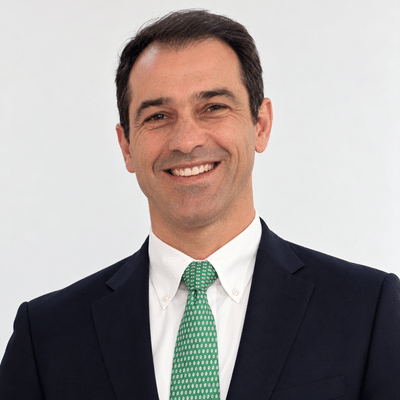
Gianpiero Menza
Senior Manager, Partnerships & Innovative FinanceMoving an agrifood innovation from research or pilot stage to widespread use requires more than a promising technology. Validation, market readiness, financing, partnerships and clear adoption pathways all influence whether an innovation can scale.
Led by the Accelerate for Impact Platform (A4IP), this session will bring together perspectives from research organizations, startups, investors, industry, public actors and innovation intermediaries. It will examine barriers to scaling science-based agritech and explore how stronger links between research, entrepreneurship, markets and finance can help innovations reach farmers and other end users.
Other speakers
- Koen Dekeyser, Policy Analyst, ECDPM
- Vincenco Lorusso, Policy Officer, International Cooperation, DG Research & Innovation, European Commission
- Frida Koslowski, Co-Founder and Director, Kindling Venture
- Aziza Inoubli, Innovation and venture ecosystem advisor
Registration
Participation in the Food & Nature Forum will be subject to room capacity. Please use the link below to indicate which sessions you are most interested in attending:
We will follow up with confirmation of your participation in the selected sessions, together with practical information ahead of the Forum.
For further information about the events, please contact: [email protected]