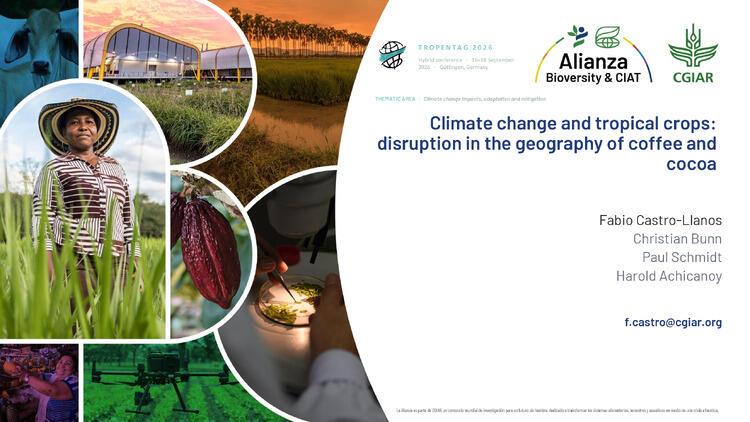
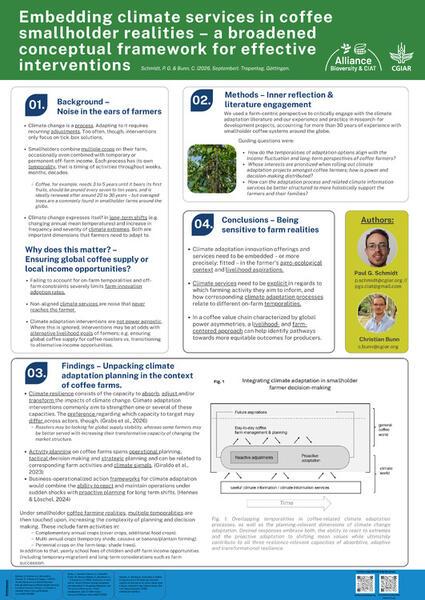
Embedding climate services in coffee smallholder realities: A broadened conceptual framework for effective interventions
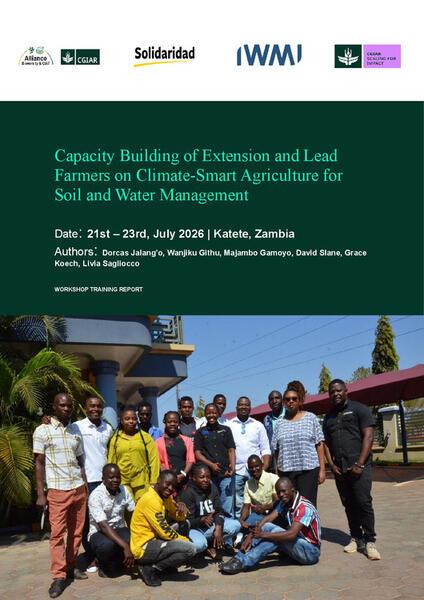
Capacity building of extension and lead farmers on climate-smart agriculture for soil and water management
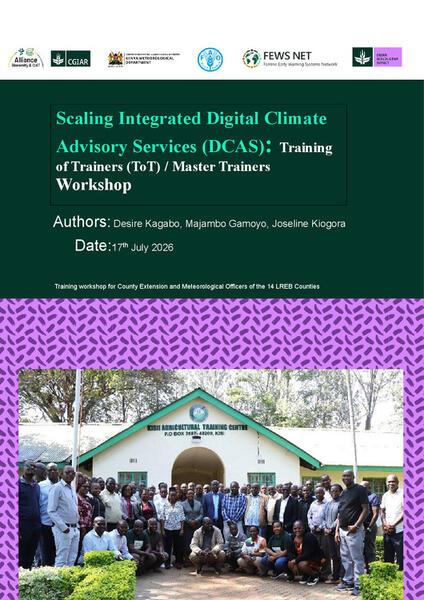
Scaling integrated Digital Climate Advisory Services (DCAS): Training of Trainers (ToT) / Master Trainers Workshop
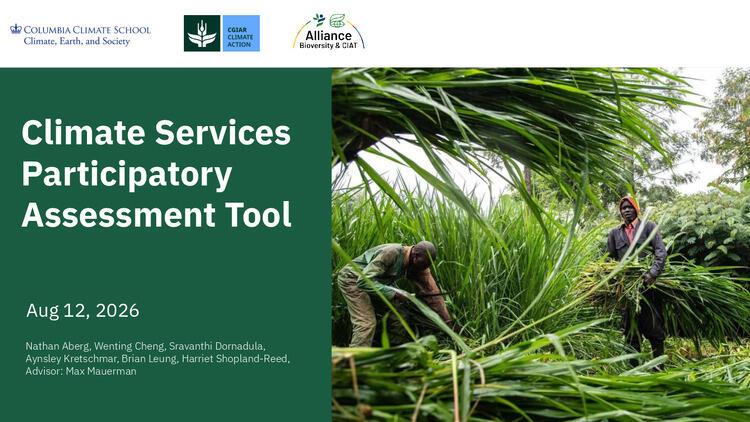
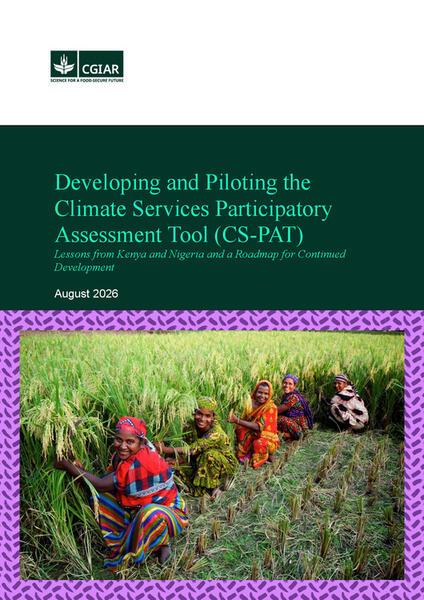
Developing and piloting the Climate Services Participatory Assessment Tool (CS-PAT): Lessons from Kenya and Nigeria and a roadmap for continued development
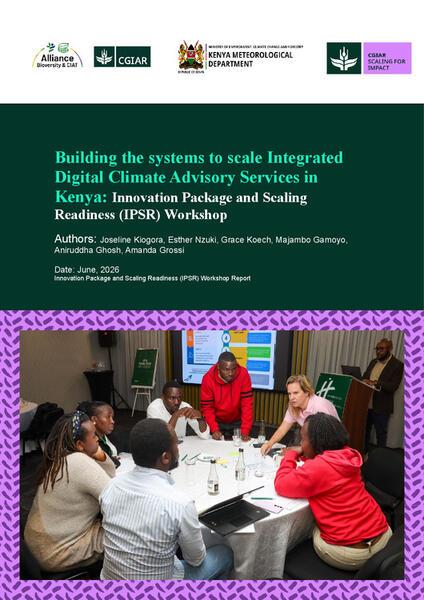
Building the systems to scale integrated digital climate advisory services in Kenya: Innovation Package and Scaling Readiness (IPSR) Workshop
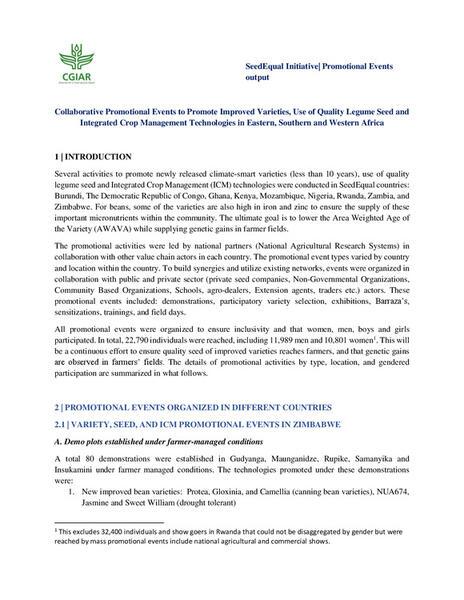
Collaborative promotional events to promote improved varieties, use of quality legume seed and integrated crop management technologies in Eastern, Southern and Western Africa
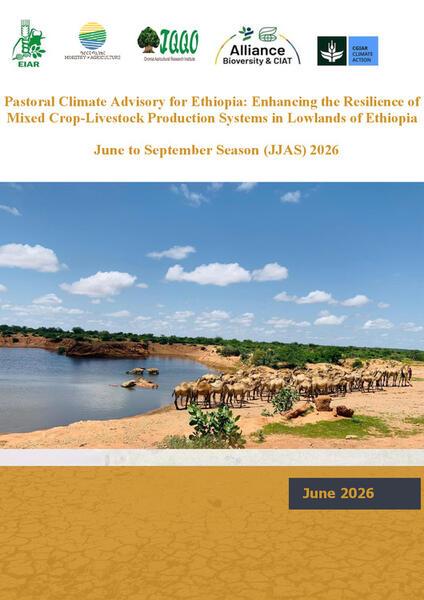
Pastoral climate advisory for Ethiopia: Enhancing adaptation of mixed crop-livestock production systems in lowlands of Ethiopia June-September Season (JJAS) 2026
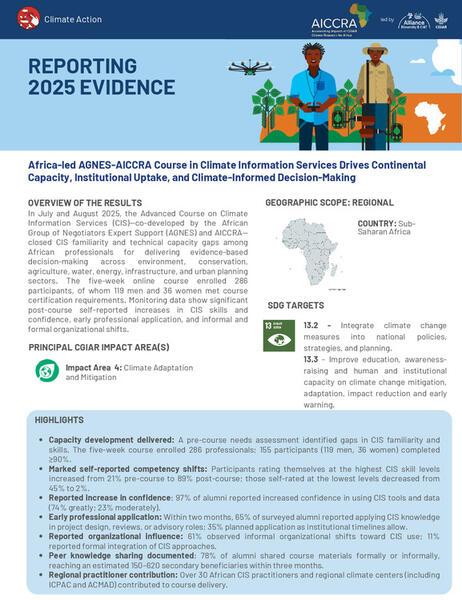
Africa-led AGNES-AICCRA course in climate information services drives continental capacity, institutional uptake, and climate-informed decision-making
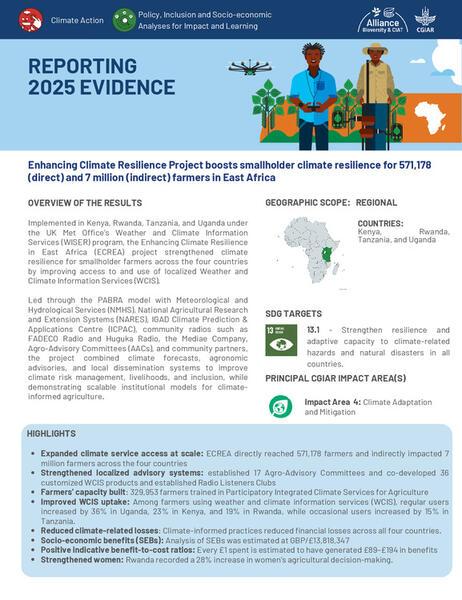
Enhancing climate resilience project boosts smallholder climate resilience for 571,178 (direct) and 7 million (indirect) farmers in East Africa
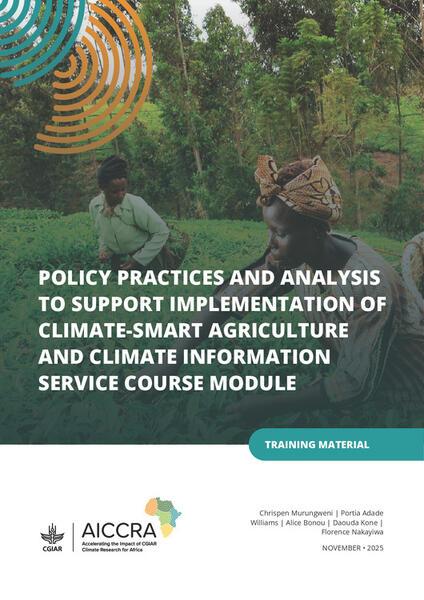
Policy practices and analysis to support implementation of climate-smart agriculture and climate information service course module
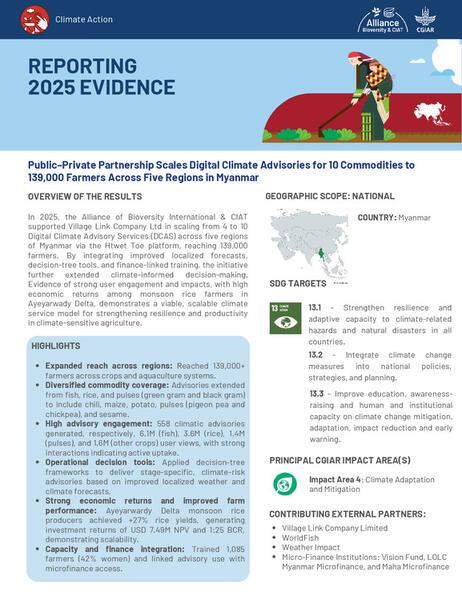
Public–private partnership scales digital climate advisories for 10 commodities to 139,000 farmers across five regions in Myanmar
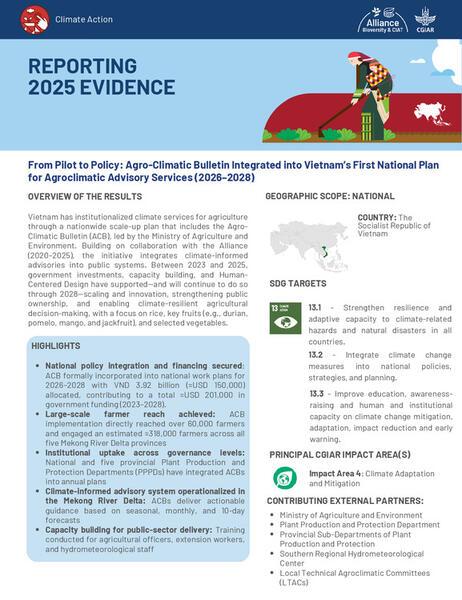
From pilot to policy: Agro-climatic bulletin integrated into Vietnam’s first national plan for Agroclimatic Advisory Services (2026–2028)
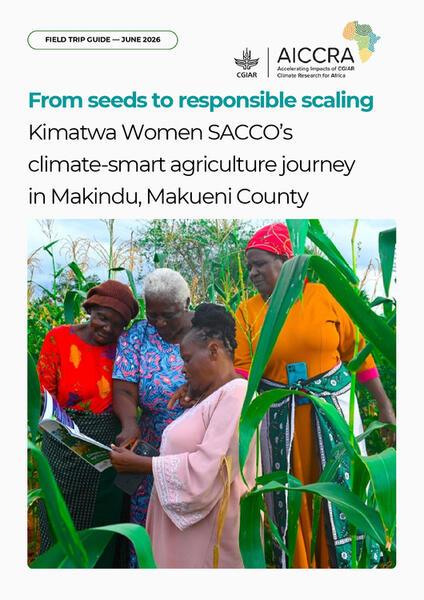
From seeds to responsible scaling: Kimatwa women SACCO’s climate-smart agriculture journey in Makindu, Makueni County
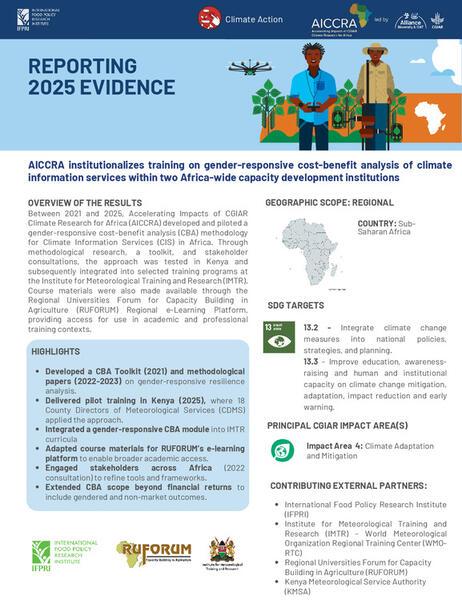
AICCRA institutionalizes training on gender-responsive cost-benefit analysis of climate information services within two Africa-wide capacity development institutions
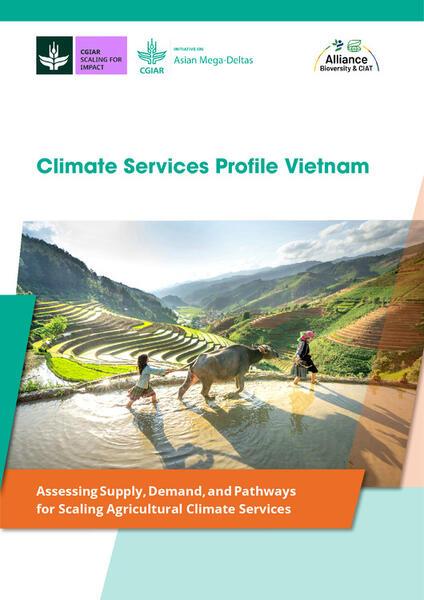
Climate services profile Vietnam: Assessing supply, demand, and pathways for scaling agricultural climate services
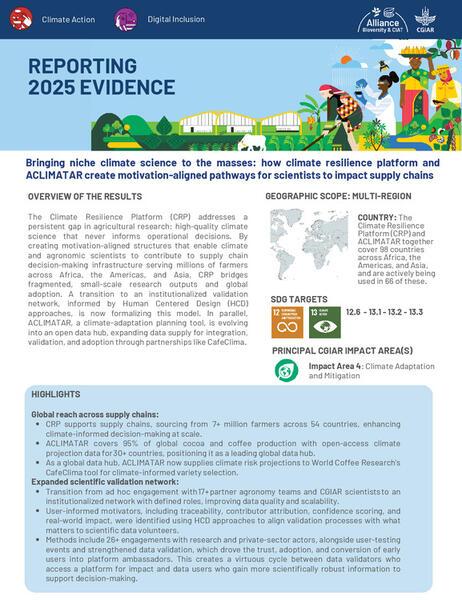
Bringing niche climate science to the masses: How climate resilience platform and ACLIMATAR create motivation-aligned pathways for scientists to impact supply chains