Blog Women at the center of the future of sustainable food systems

Women-led seed conservation in Kenya is reshaping food security. See how the Kabudi Agoro Community Seedbank turns indigenous seeds into climate resilience and income.
Food systems are not simply about production and consumption. They are deeply connected to climate resilience, biodiversity conservation, public health, economic justice, and social inclusion. Therefore, sustainable food systems cannot be achieved through isolated interventions. Instead, they require collaboration across sectors, meaningful inclusion of communities, and innovation that is both practical and accessible.
As the world focuses towards 2050, one pressing question continues to shape global conversations: how can food systems become more resilient, equitable, and sustainable in the face of climate change, biodiversity loss, and growing food insecurity? Increasingly, the answer is being found in the leadership, innovation, and lived experiences of women working across agriculture and food systems.
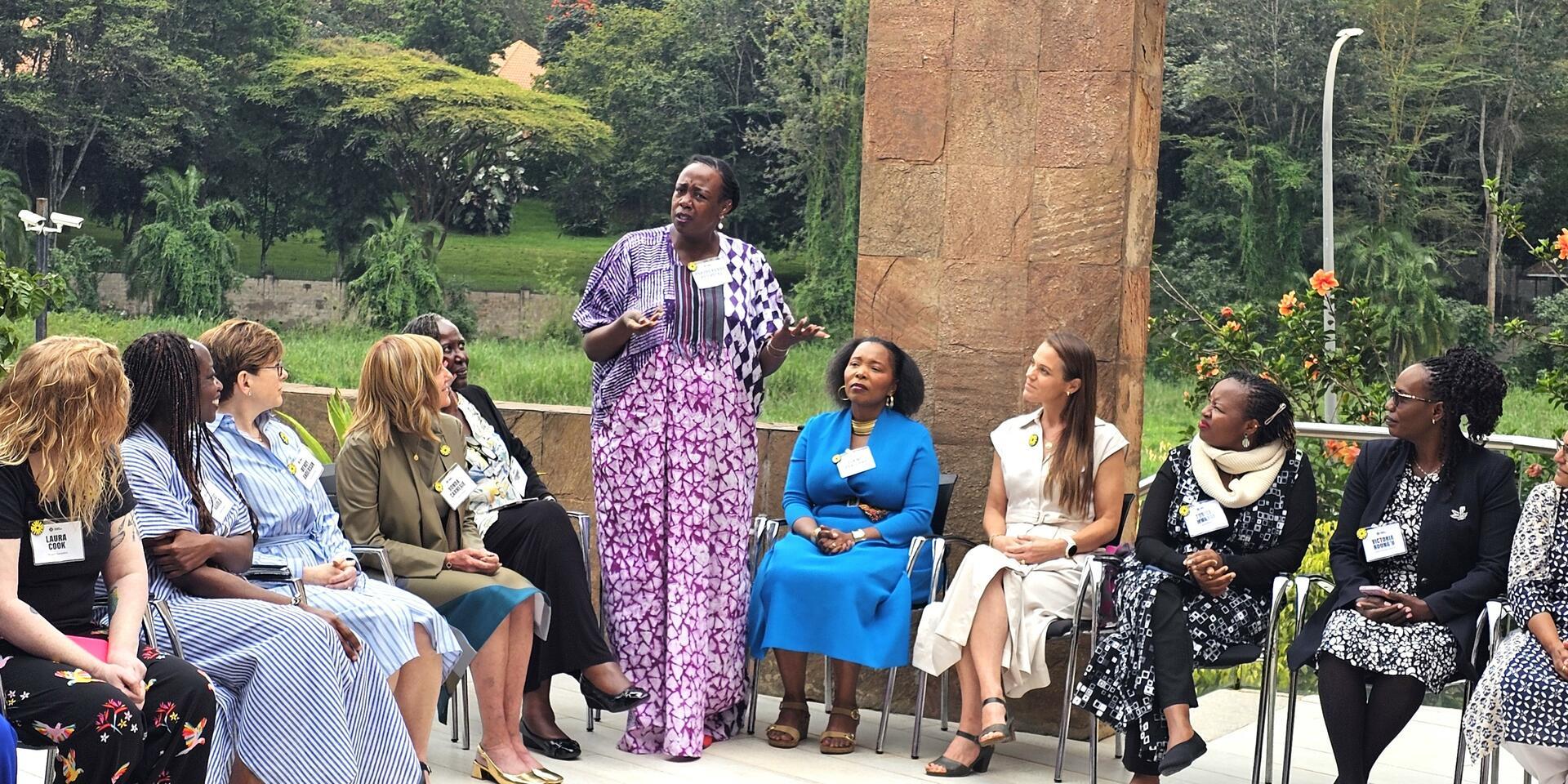
This reality came into sharp focus during the Nairobi Dialogue on Women, Food & Agriculture, hosted by Project Dandelion and graced by former Ireland President and United Nations High Commissioner for Human Rights, Mary Robinson. The gathering brought together women leaders from diverse sectors including science, policy, research, academia, farming, communication, and development, to reflect on the future of sustainable food systems and the role women must play in shaping that future. The Alliance was represented by Africa Managing Director, Dr. Wanjiru Kamau-Rutenberg, underscoring the organization's commitment to advancing sustainable and equitable food systems.
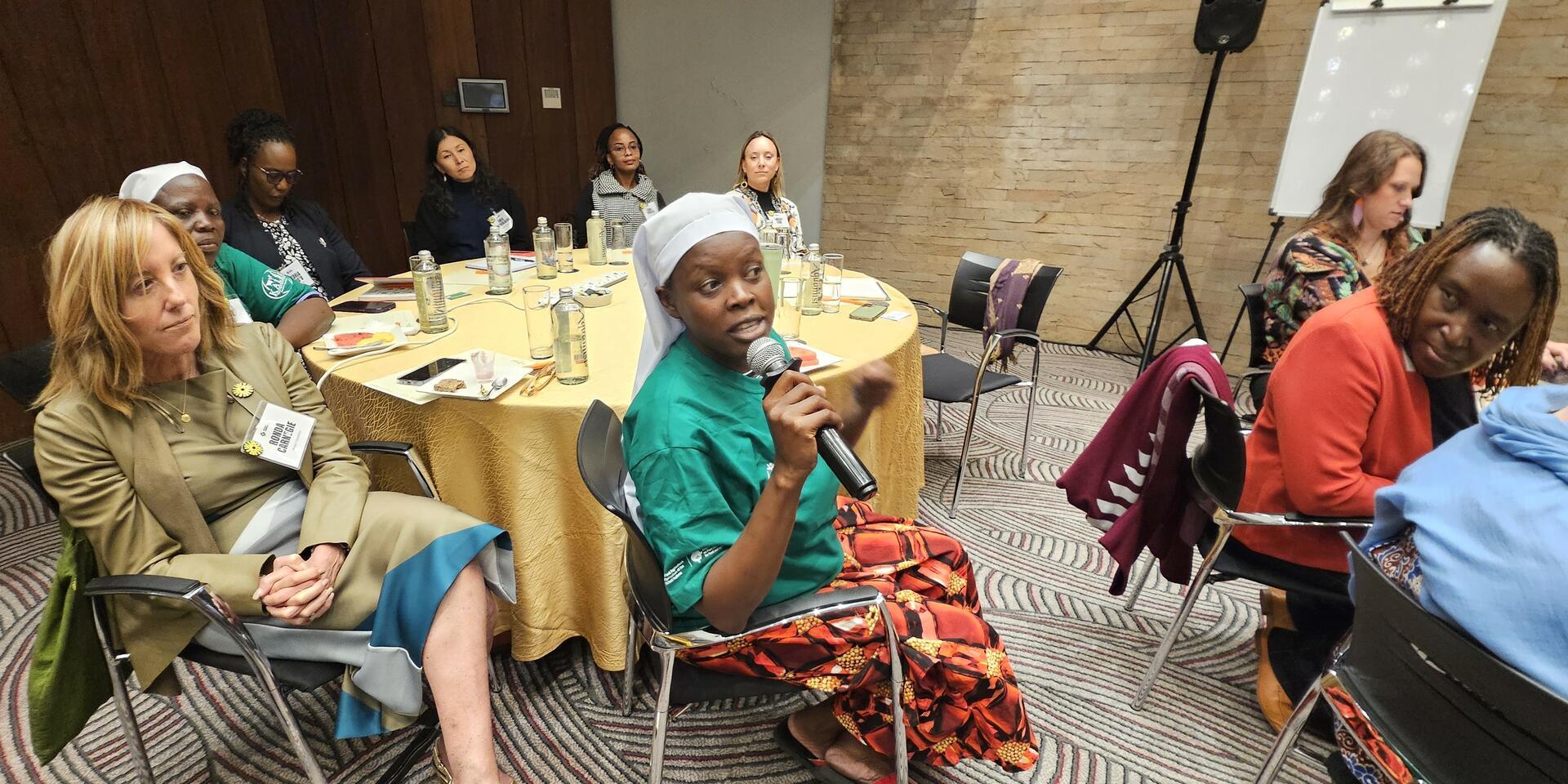
Ms. Evelyn Okoth, a farmer from Kabudi Agoro in Kisumu County and a passionate seed-saving champion, shares her sentiments during the high-level forum in Nairobi, underscoring the importance of preserving indigenous seeds for food security, biodiversity conservation, and community resilience. Photo credit: Rachel Kibui
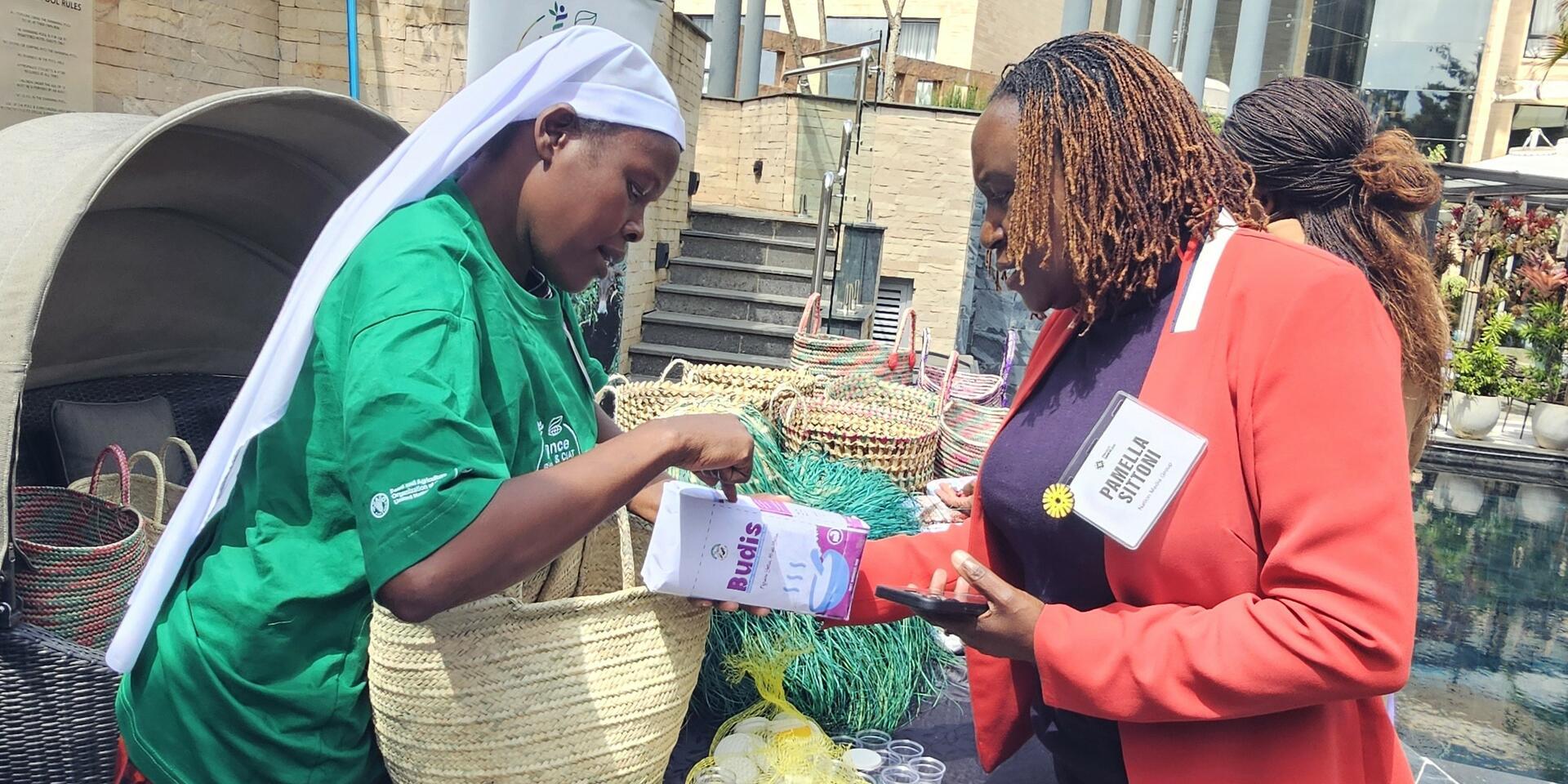
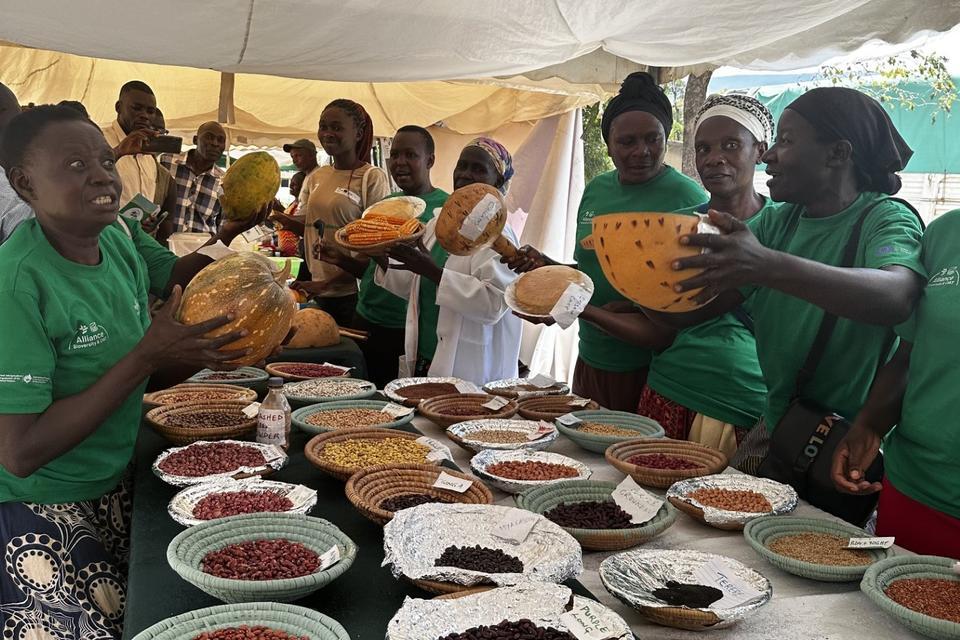
Ms. Phoebe Okoth, a member of the Kabudi Agoro Community Seedbank, engages with a customer at the exhibition space in Nairobi, showcasing locally produced food products and demonstrating the growing economic opportunities emerging from community-led seed conservation initiatives. Photo credit: Rachel Kibui
Sustainable food systems require collaboration
Food systems are not simply about production and consumption. They are deeply connected to climate resilience, biodiversity conservation, public health, economic justice, and social inclusion. Therefore, sustainable food systems cannot be achieved through isolated interventions. Instead, they require collaboration across sectors, meaningful inclusion of communities, and innovation that is both practical and accessible.
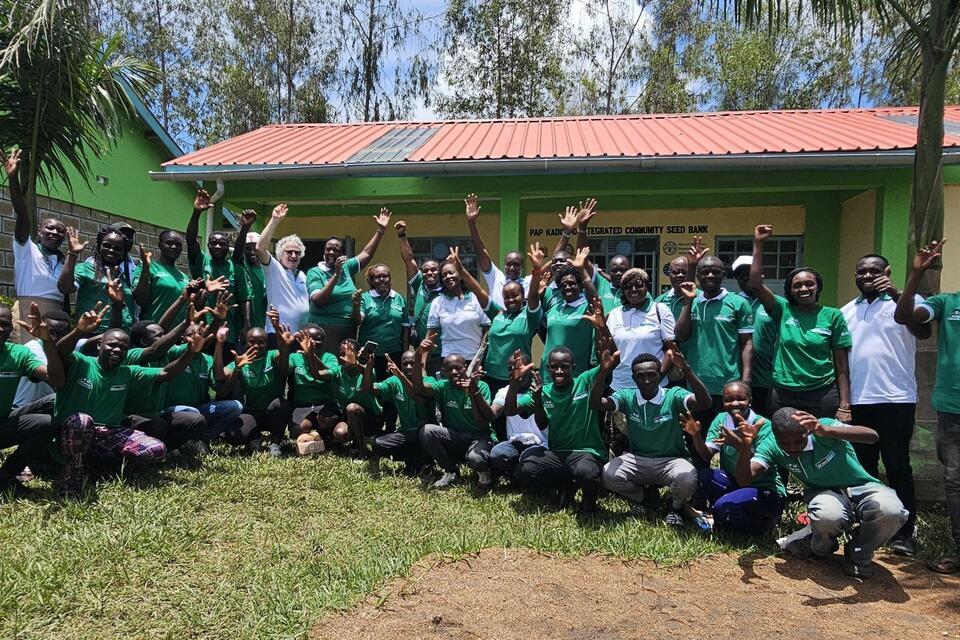
One of the most compelling examples of collaboration in action is the Kisumu-based Kabudi Agoro Community Seedbank. During the event’s mini-market session, the farmers showcased and sold locally produced products and produce derived from indigenous and climate-resilient crops. Their participation demonstrated the growing importance of Farmer-Managed Seed Systems (FMSS) towards protecting biodiversity while strengthening household livelihoods and food security.
The initiative is supported through the FAO-funded project Enabling and Scaling Farmer Managed Seed Systems for Climate Change Adaptation in Kenya, Uganda, and Tanzania under the CGIAR Multifunctional Landscapes Program, implemented by Alliance of Bioversity International and CIAT.
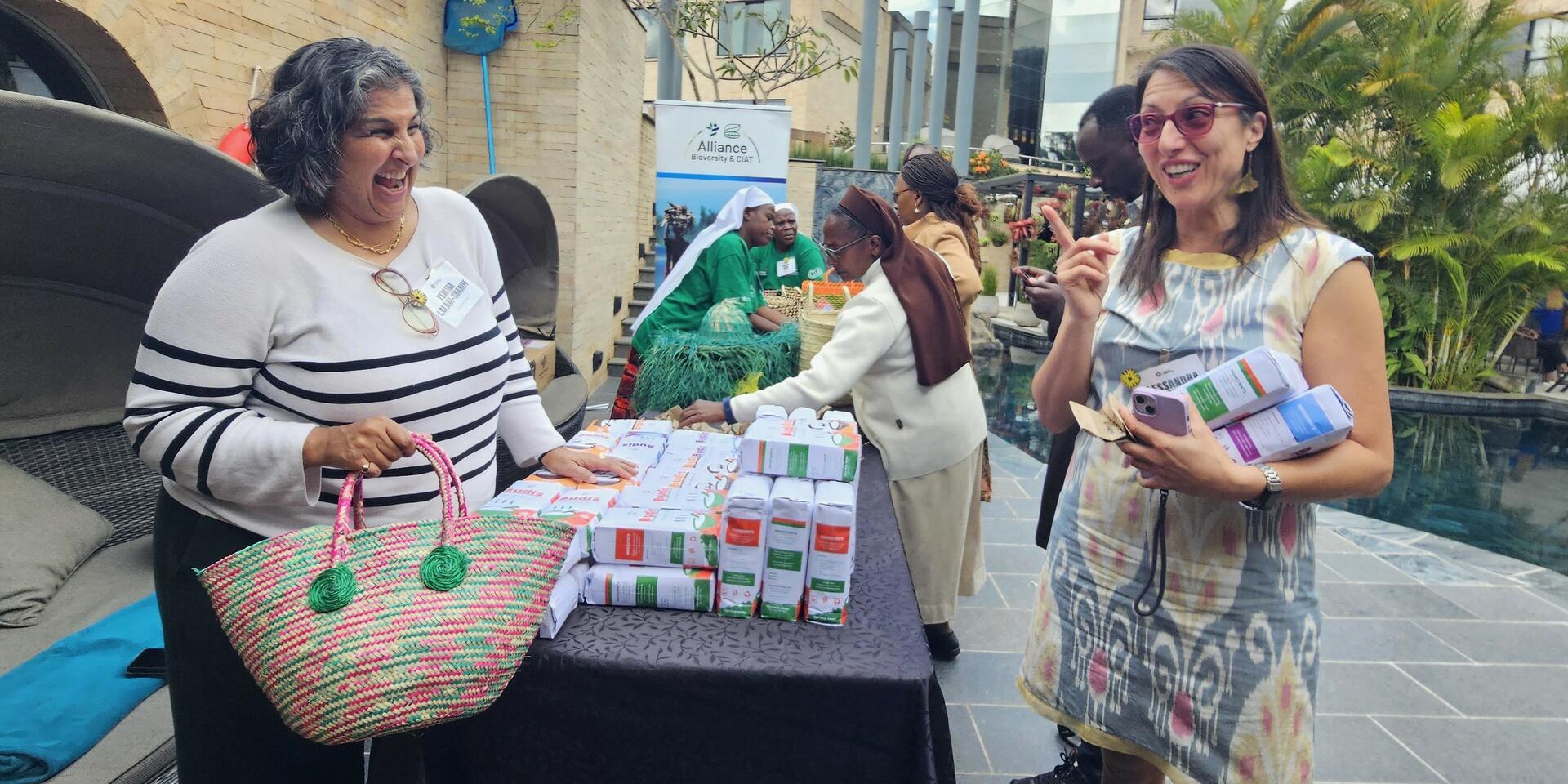
Visitors display their purchases after supporting women farmers from the Kabudi Agoro Community Seedbank. The showcase provided an opportunity for consumers to access nutritious, locally produced foods while directly supporting community livelihoods and indigenous seed conservation efforts. Photo credit: Rachel Kibui
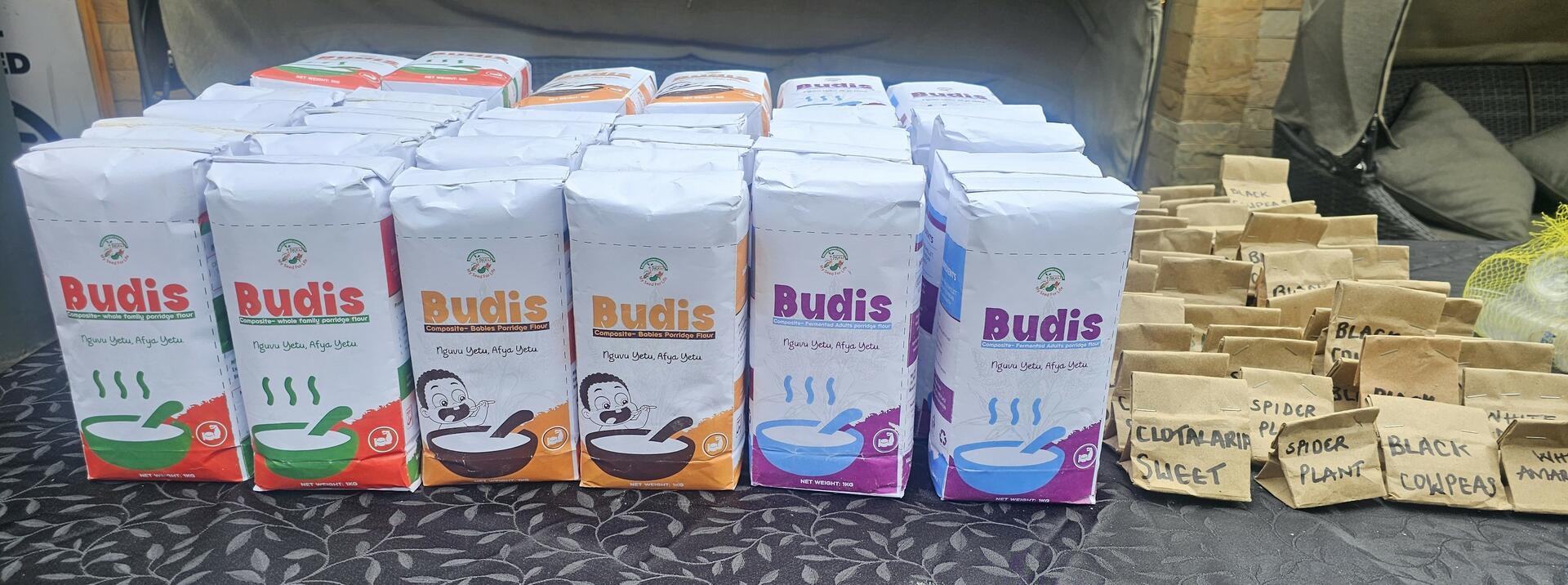
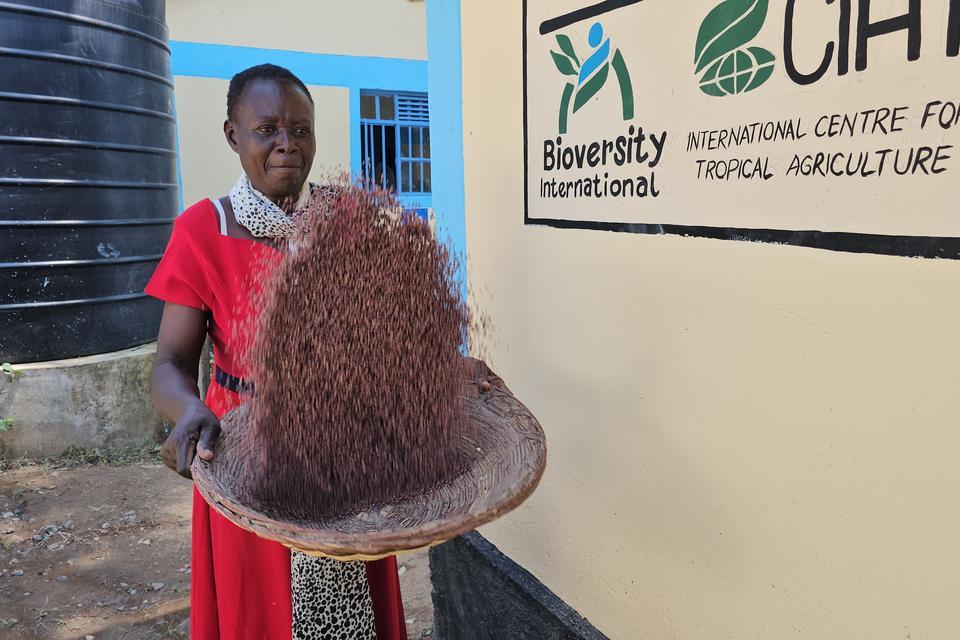
What began as a community effort to preserve indigenous seeds is gradually evolving into a thriving enterprise. The Kabudi Agoro Community Seedbank now produces a range of nutritious composite flours and other value-added products, demonstrating how seed conservation can create income opportunities, strengthen food systems, and empower rural women. Photo credit: Rachel Kibui
Connecting science to communities
Beyond the products on display, the farmers represented something larger: the power of connecting science to communities. Too often, agricultural research remains confined to laboratories, academic journals, and policy discussions far removed from the realities faced by farmers. Yet sustainable transformation depends on ensuring that knowledge, innovation, and technology reach the people who need them most.
The work being undertaken through the farmer-managed seed systems demonstrates how research can translate into practical action. Communities are not only conserving biodiversity but also improving resilience against climate shocks, preserving traditional knowledge, and creating economic opportunities. Indigenous crops and locally adapted seed varieties are increasingly proving essential in regions facing drought, erratic rainfall, and declining soil fertility.
Women are the backbone of food production
Across Africa and much of the developing world, women remain the backbone of food production, seed preservation, nutrition, and local agricultural economies. Despite this, they continue to face barriers related to land ownership, financing, access to technology, and participation in decision-making spaces.
The Nairobi Dialogue reinforced the urgent need to move beyond symbolic inclusion towards intentional investment in women-led solutions. This includes strengthening women’s access to resources, supporting grassroots innovation, amplifying women’s voices in policy spaces, and recognizing the expertise that exists within communities themselves.
Building resilient food systems therefore, requires partnerships that bridge science, policy, and community action while remaining grounded in local realities.
As the global population continues to grow and climate pressures intensify, the choices being made today will define the future of agriculture and food security for generations. Sustainable food systems call for long-term commitment, inclusive leadership, and the courage to rethink how food is produced, distributed, prepared, consumed and valued.
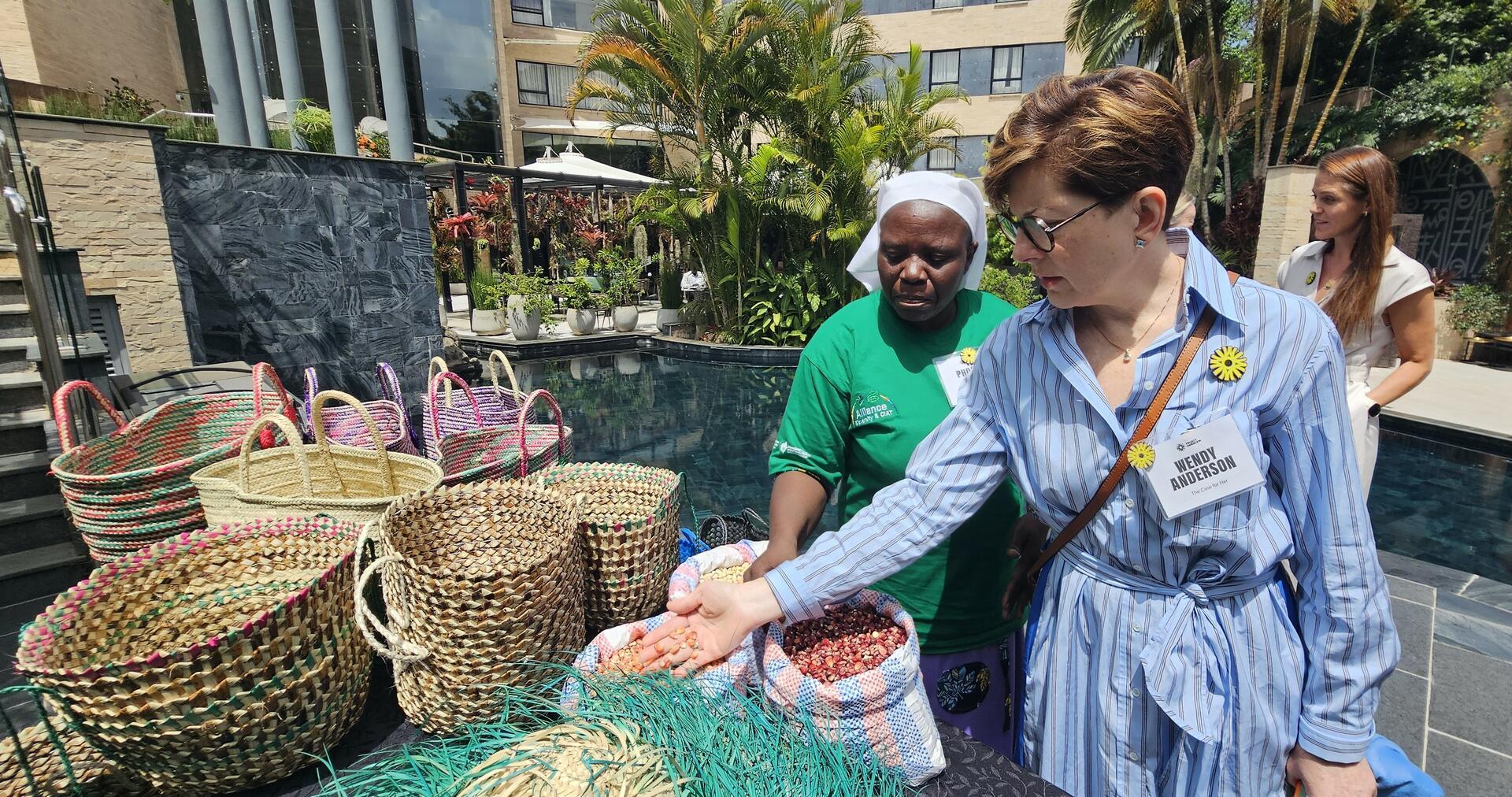
A visitor admires indigenous maize seed varieties displayed by women from the Kabudi Agoro Community Seedbank during the Nairobi Dialogue. The seeds represent generations of farmer-led conservation, local knowledge, and efforts to safeguard agricultural biodiversity for future generations. Photo credit: Rachel Kibui
The team

Wanjiru Kamau-Rutenberg
Managing Director, Africa, and Trustee, Bioversity International USA