Blog Planting with precision: How weather and climate information is changing bean farming in Rwanda
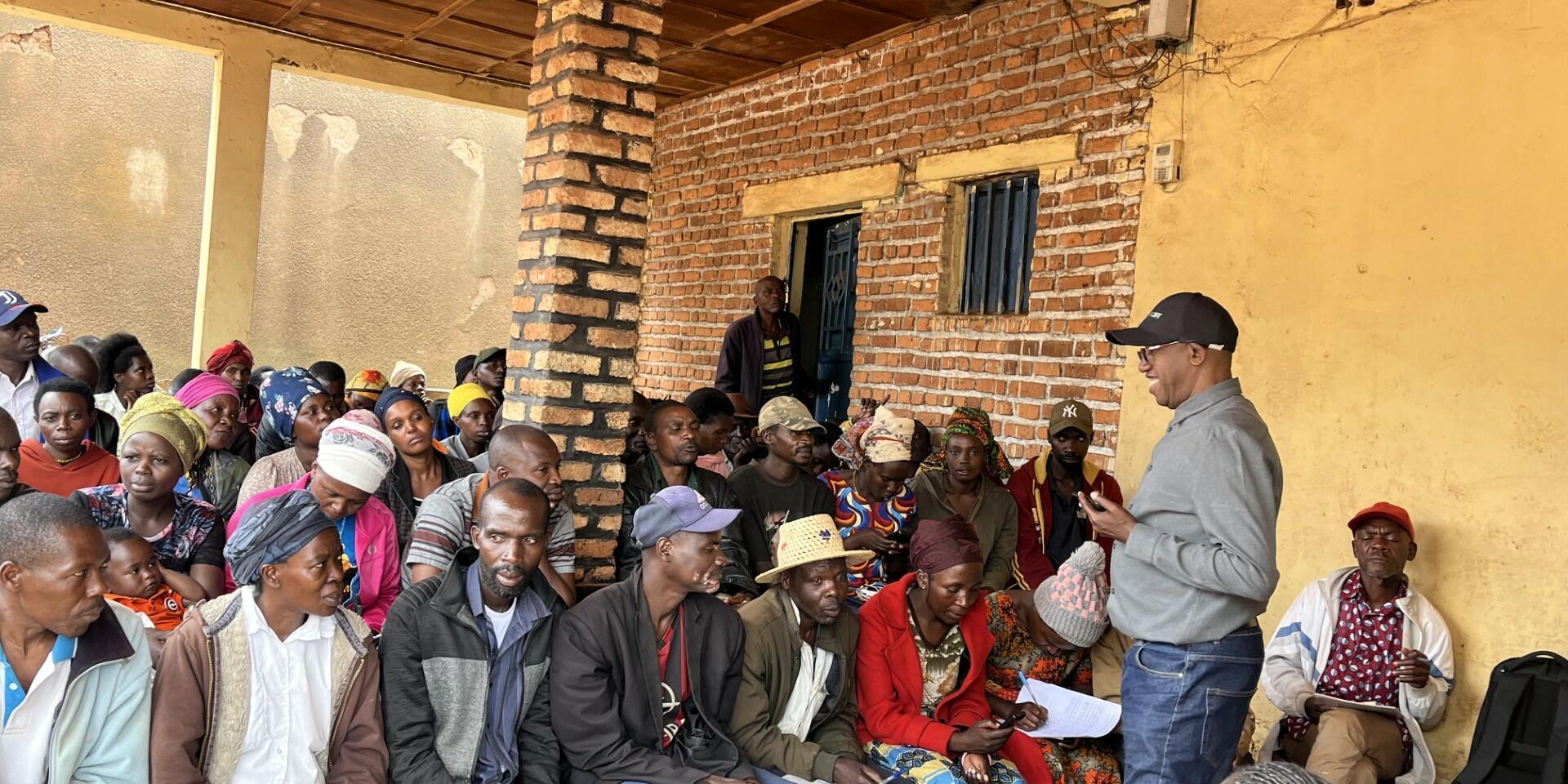

Lead farmers in Rusiga Sector, Rulindo District, received climate training from the Alliance of Bioversity International and CIAT, RAB and partners to improve decision-making and farming outcomes, supporting ECREA’s goal of climate-resilient agriculture in Rwanda.
Imagine weather information as a GPS for farmers. Without it, the journey becomes uncertain, filled with wrong turns and delays. But with it, farmers can navigate their seasons with confidence, planting at the right time, avoiding risks and reaping better harvests.
In Rwanda’s Rulindo District, a hands-on capacity-building training in Rusiga Sector, Kirenge Cell, brought this concept to life. As one of the key beneficiary areas under the ECREA project, the community welcomed a collaborative effort led by the Alliance, alongside the Rwanda Agriculture and Animal Resources Development Board (RAB).
The training targeted lead farmers who are trusted to share knowledge with others, equipping them with a practical understanding of climate and weather terminology and building their ability to make informed farming decisions. Drawing on the strong foundation laid by the Pan-Africa Bean Research Alliance (PABRA) and the BRAINS Project, this initiative continues to strengthen climate-smart agriculture in the region by empowering those at the heart of the food system.
The training session focused on demystifying climate-related terminologies using practical examples and local language to ensure clarity and relevance. Key concepts such as 'climate change', 'weather variability', 'weather forecasts', 'meteorology', and 'impact-based early warnings' were explained in simple, relatable terms. The aim was to help farmers connect scientific language to their day-to-day experiences.
Short-term forecasts were shown to be crucial for preventing immediate losses and managing daily tasks, while long-term forecasts supported broader seasonal planning and informed crop variety selection. Trainers emphasized that both types of forecasts are complementary, and the farmers unanimously agreed on their usefulness.
There was also robust discussion around the importance of historical climate data versus future predictions. While initial opinions varied, trainers clarified that historical data serves as the foundation for generating accurate forecasts, making both types of information indispensable.
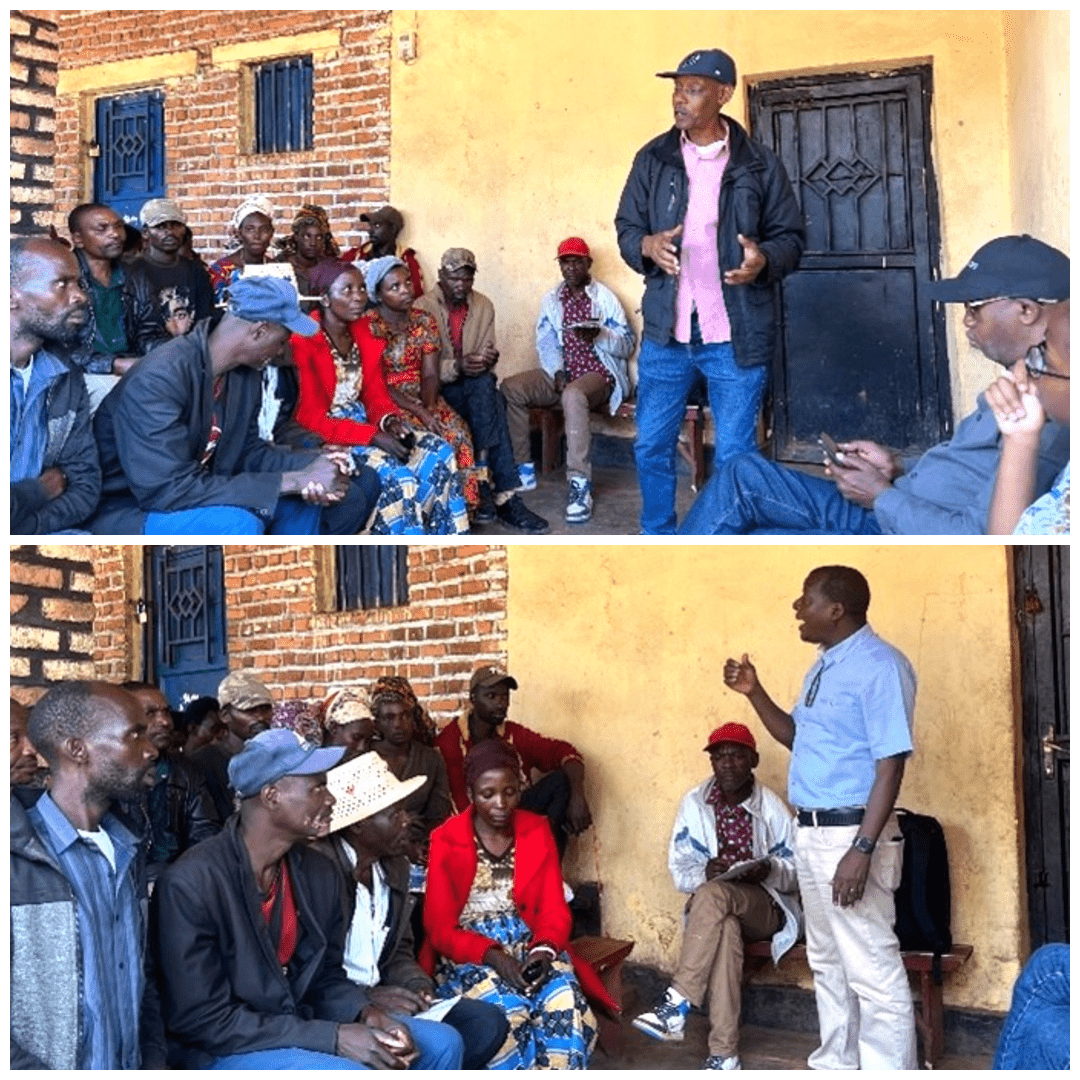
Facilitators supporting farmers during the training to strengthen their understanding of climate-smart agriculture.
Integrating Knowledge into Practice
Throughout the session, farmers shared how they already use weather and climate information. For example, many described how seasonal forecasts from Meteo Rwanda influence their choice of crop varieties. This reflective practice was encouraged as it validated the practical utility of climate services.
Participants also learned about alternative sources for weather updates, such as calling the toll-free number 6080, to access timely information beyond the WhatsApp-based PICSA group.
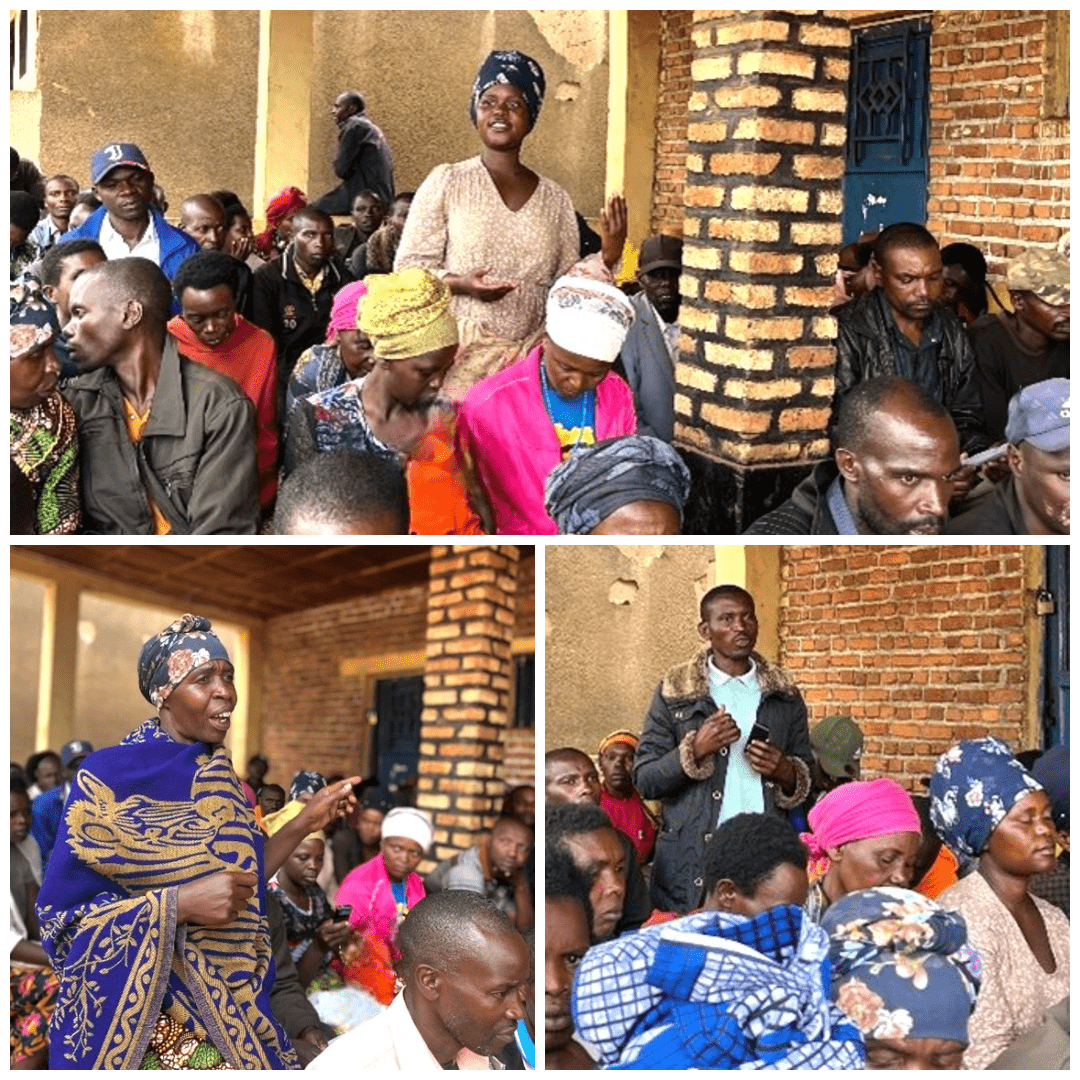
Farmers sharing their opinions during the training session
Real-Life Impact: Stories from the Field
The impact of these training courses is best illustrated through the experiences of trained farmers:
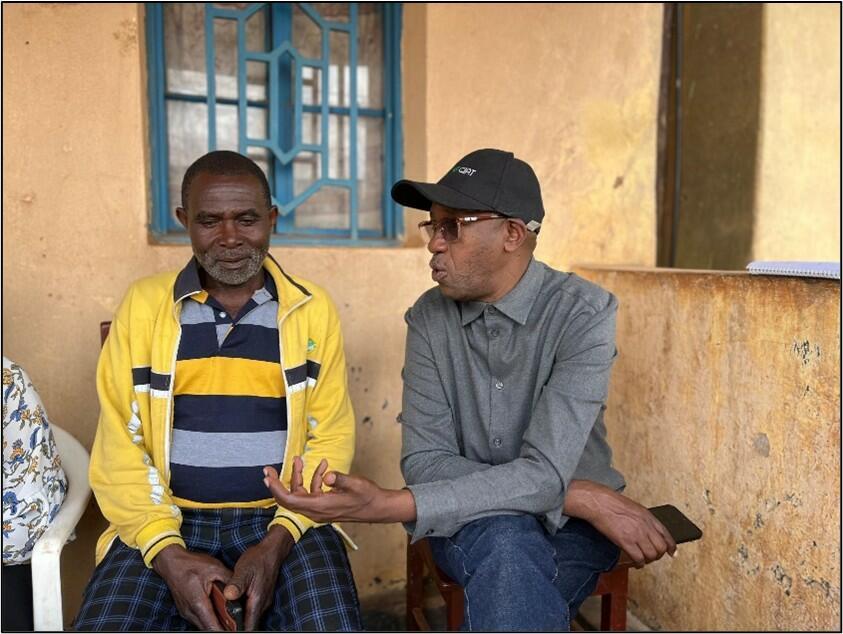
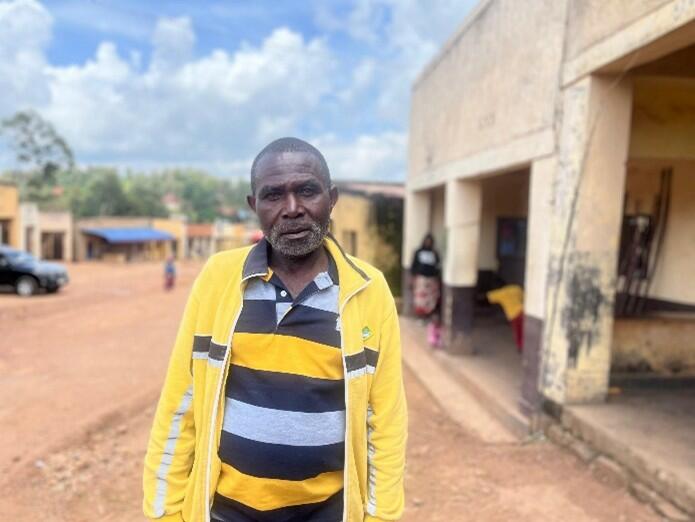
1. SHIRIMPAKA Jean Bosco (Mbogo Sector, Bukomo Cell, Kibangu Village)
"I am a 60-year-old experienced farmer, promoter and trainer who resides in Rulindo District, Mbogo Sector, Bukomo Cell, Kibangu Village. I grow Irish potatoes, beans, and maize.
Before joining the training which happened at Hilltop in 2022, I planted in no order (in a disorganized way), without knowing what I was doing, without basing decisions on climate and weather forecasts provided by Meteo Rwanda.
After being trained on how to use climate and weather information within my agricultural activities, I started applying the knowledge I gained from there and started basing decisions on the given forecasts while choosing the variety of beans to plant within that agricultural season. For example: If Meteo Rwanda has said that the rainy days will be few within the new agricultural season we are going to start, I start by searching the variety with few days to be harvested. Otherwise, I used to plant without relying on climate information but mostly relying on the market demand without considering what it cost. But, as of today, I no longer do that, because after using the weather forecasts and other information provided to us daily, I was able to overcome a loss of over 90%, which was due to lack of planning and proper decision-making.
After integrating weather and climate information in agriculture, my overall yield increased, as I was able to minimize all sorts of loss. Firstly, on a 0.5 hectare piece of land, I used to get less than 100kg of bean yield, but as of last season, I got around 400kg of bean yield. This increase in yield was mainly due to proper decision-making and planning, which was done as a result of knowing the seasonal forecast. For example, this season, there is a bean variety locally known as Kiryuwize, which is a good variety but requires ample rainfall. However, instead of planting that variety, I chose to plant Gihoro Ntoya, as it matures more quickly than Kiryuwize, requiring fewer rainy days to thrive. As a result of using climate and weather-related information, I only planted bush beans instead of planting climbing beans, as the season was having few rainy days. Also, we did not plant vegetables as they require a lot more water.
I also contribute to the dissemination of the use of weather and climate information within agriculture, as I am the trainer. So far, I have reached up to 260 trainees, where 120 people belong to cooperatives, and I am sure that 40% of them have adapted their daily activities using this information, as I have. Additionally, I have learned that we should not wait for the weather information provided on the PICSA WhatsApp group only. I am allowed to call 6080, which is toll-free, and be given the weather information as I need it without waiting. I am also aiming at a target of training 1,000 farmers by June 2025."
2. Elias BAKINAHE (Rusiga Sector, Kirenge Cell, Kigarama Village)
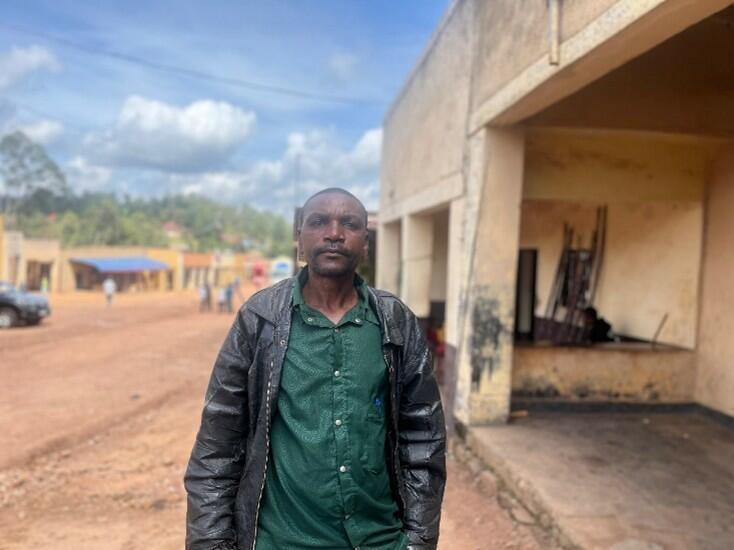
Elias shared how, before the training, poor planning led to a financial loss of Rwf 200,000. Post-training, he adopted timely land preparation and crop selection based on seasonal forecasts. For example, he strategically planted three different bean varieties—Forora, Gihoro Ntoya, and Mutiki—based on the moisture levels of different field areas. Elias expects a yield increase from 500kg to 700kg, and has trained 200 farmers, with 150 already adopting the knowledge.
“Before being trained, I used to plant any crop without considering how the future weather would look like, which led me to a loss of 200,000 Rwf I invested, just by guessing how the agricultural season would unfold”.
3. NYABENDA Marie Chantal
"I was first trained in May 2024. At that time, I wasn’t fully convinced about using weather forecasts in my daily agricultural activities. However, later, I attended another training in Musanze District. This time, the training helped me understand the importance and practical use of weather and climate forecasts in agriculture. From that moment, I realized how valuable this information was, and I felt motivated to share it with other farmers.
During the Musanze training, we were informed about the number of rainy days expected in the new agricultural season (Season B, 2024-2025). We were also given the forecast for when the rain would begin and when it might stop. Armed with this information, I was able to prepare in advance, ensuring I was ready for planting when the rain arrived. Given the forecast that the rains might end in the last week of May, I decided to plant the Gihoro variety of climbing beans, which takes just 90 days to mature. This variety was ideal as it requires fewer rainy days compared to other bean varieties.
Thanks to the training provided by the ECREA project on how to use climate and weather information, I was able to plant on time and select the most suitable variety, minimizing potential losses caused by climate and weather variability. As a result, I am projecting a 30% increase in my yield this season due to timely planting.
So far, I have trained 140 farmers on how to use and apply weather and climate information in their daily agricultural activities. All of them have adopted this approach, using the information for planning and decision-making."
"By June 2025 I aim to train 250 more farmers, as I believe this information is extremely beneficial. I conduct these training sessions after community work, using demonstration plots to make the lessons more practical and easier to understand, showing real-world results."
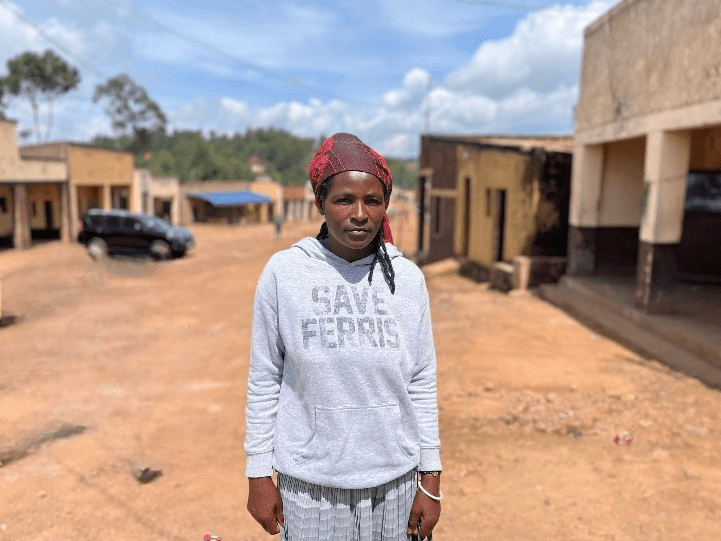
4. NYIRAHABIHIRWE Madeleine
"I live in Rulindo District, Rusiga Sector, Gako Cell, Kabuye Village. The training I received has been of great importance to me.
Before being trained, I would see the rain drops on the first day, and on the second day, I would take my hoe and go directly to my plot to start planting without considering anything else.
During that time, my losses were significant. However, after receiving training on how to use climate and weather information in agriculture, I began applying what I had learned. This allowed me to plant on time and choose the best variety based on the forecast.
Knowing when the rainy season would begin helped me prepare by keeping manure and seeds ready, ensuring that I was well-prepared when the rain arrived. Additionally, I started doing financial analysis to assess what investments I needed to make in advance, so that I wouldn’t plant late. As a result, my overall yield increased. I usually cultivate two traditional plot units, which are approximately 800 square meters in total. Previously, I harvested around 50kg from that land, but now I am able to harvest 150kg, tripling my yield. This boost in production allowed me to sell the extra produce at the market, ensuring that I could provide enough food for my family and cover all their basic needs.
With this income, I’ve been able to pay for some family members' health insurance, cover school fees for my children, and buy clothes. Additionally, I was able to purchase two pigs and two goats, all from the money I earned from selling the extra produce.
The weather information I received also helped with post-harvest handling. Before applying this knowledge, 20kg of my 50kg harvest was often destroyed due to heavy rainfall or hail during the harvest period."
"Currently, I have trained 200 farmers to also use climate and weather information in their agricultural activities. Among these 200 farmers, 150 are now proficient in using this information to make better decisions for their crops."
The climate information training in Rulindo District marks a transformative chapter in Rwanda’s agricultural journey. By equipping farmers with the tools to understand and act on climate and weather data, the ECREA project is fostering resilience, productivity, and informed decision-making. The stories of Jean Bosco, Elias, Marie Chantal and Madeleine serve as powerful examples of how the right information presented in the right way can empower farmers to navigate uncertainty and thrive.
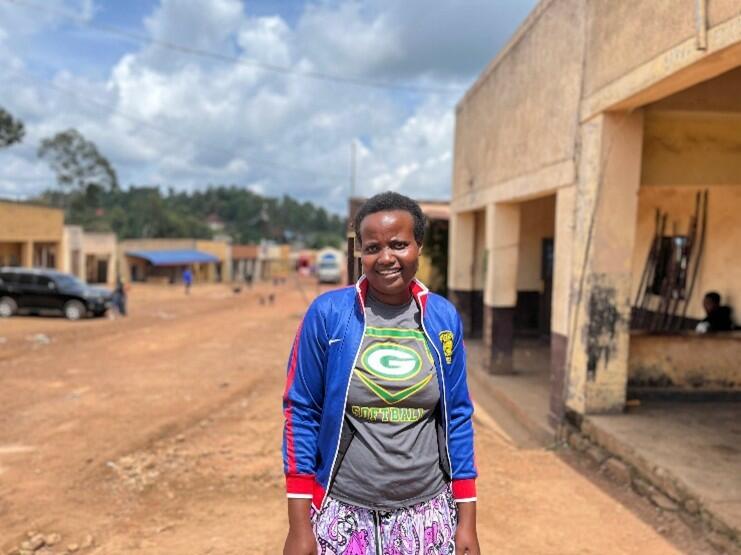
The Team
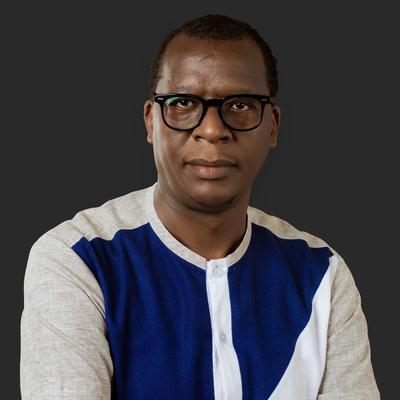
Desire Kagabo
Project Leader
Livingstone Byandaga
Research Specialist
Mvuyibwami Patrick
Senior Research Associate