Blog Unlocking Tanzania’s agritech potential: Building an inclusive, sustainable and climate-resilient agri-food system

Tanzania’s agricultural sector holds immense potential for economic transformation. Often cited as one of East Africa's most promising investment frontiers—the country has one of the world’s youngest populations, with most youth involved in farming. However, the sector faces persistent challenges including climate risks, outdated agricultural practices, and limited access to finance and technology.
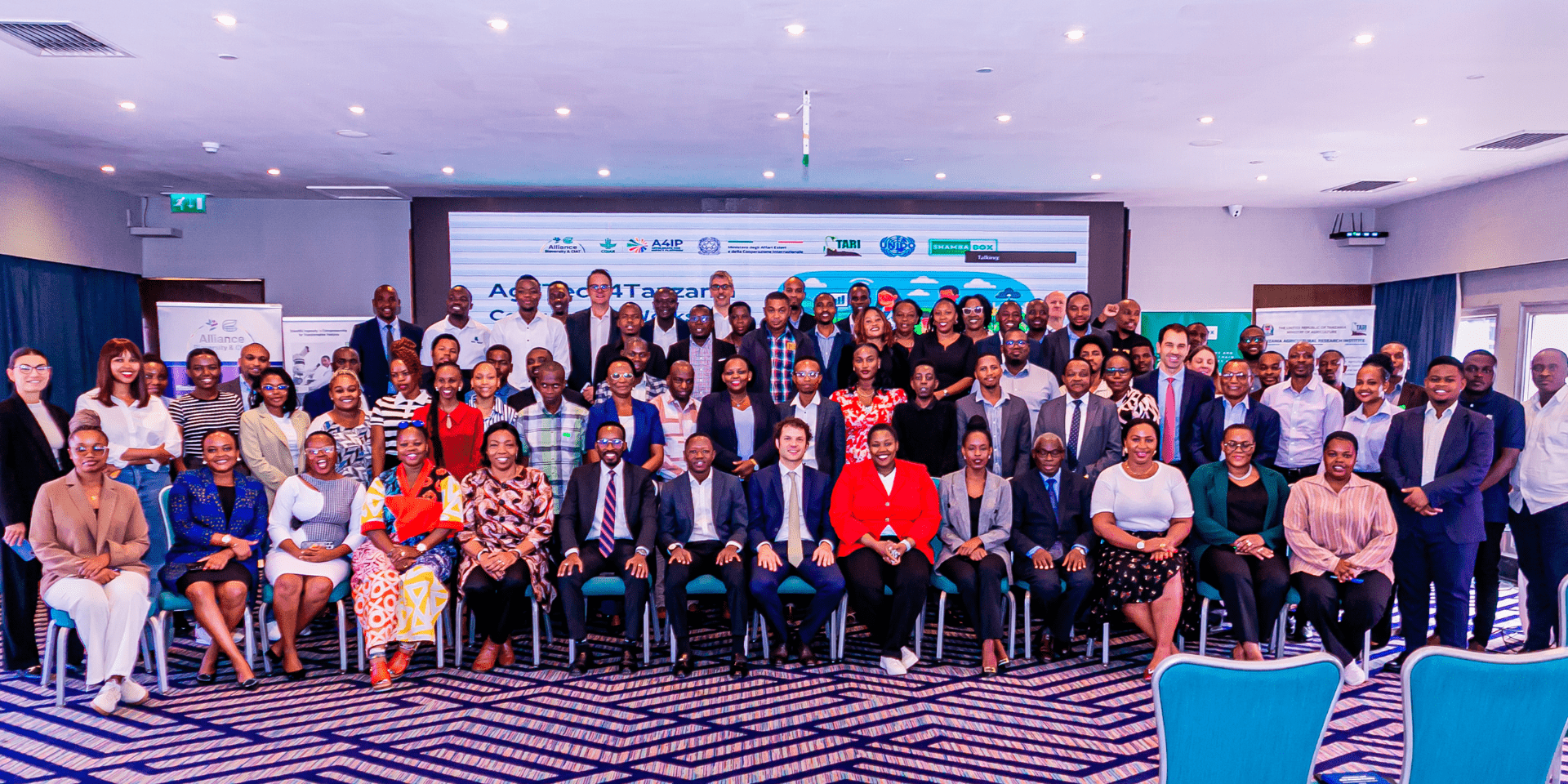
In response to these issues and as part of ongoing efforts to foster a more resilient, inclusive, and innovation-driven agricultural sector, key stakeholders came together for the Agritech4Tanzania Consultation Workshop held on 17 June 2025 in Dar es Salaam.
The event was co-hosted by the Alliance of Bioversity International and CIAT and CGIAR Accelerate for Impact Platform (A4IP), in collaboration with Tanzania Agricultural Research Institute (TARI), United Nations Industrial Development Organization (UNIDO), and Shamba Box. It marked a pivotal moment in Tanzania’s journey toward a more inclusive, resilient, and innovation-driven agricultural sector.
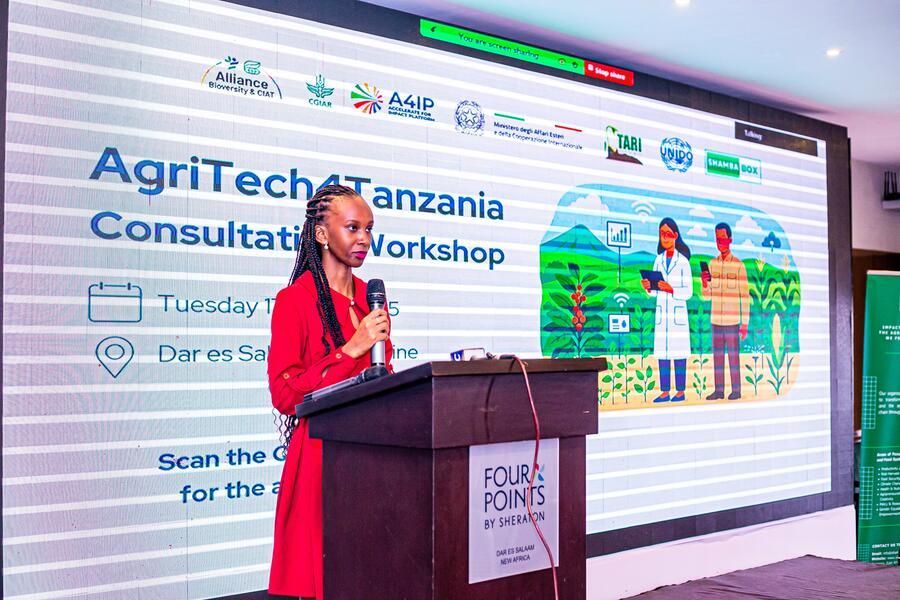


The in-person workshop brought together over 100 stakeholders from across the agricultural innovation ecosystem, including government officials, academia, researchers, private sector experts, startups, and development partners. Together, they explored strategies to bridge the gap between scientific research and real-world agricultural challenges through the development and scaling of context-specific and market-ready agritech solutions.
Event highlights:
- An early-stage ecosystem: Nearly 75% of agritech startups in Tanzania are still at the early or pre-revenue stage. Few have reached the exit phase—highlighting the urgent need to strengthen growth and exit pathways with structured acceleration programs.
- Support gaps persist: While funding and mentorship are essential, they’re not enough. Startups tackling smallholder farmer challenges need greater exposure, hands-on technical assistance, and meaningful collaboration with industry partners.
- Tech transfer challenges: Translational research remains under-supported. Bridging the gap between research and market-ready solutions should become a priority.
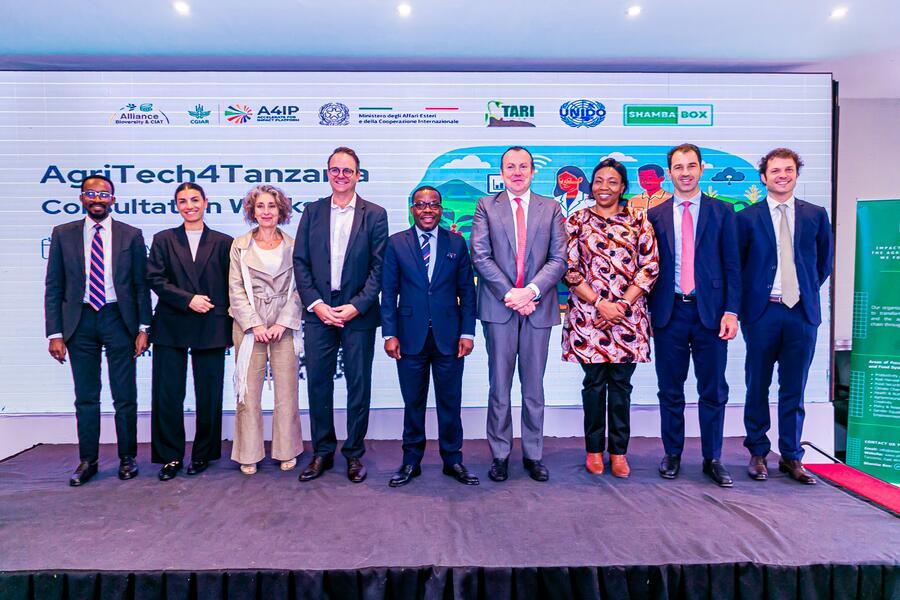
The workshop opened with powerful messages from key leaders committed to transforming Tanzanian agriculture. Dr. Lennart Woltering Project Leader in Digital Inclusion at the Alliance highlighted the organization’s collaboration with TARI to deliver research-based solutions at the nexus of agriculture, environment, and nutrition. Dr. Sophia Kashenge Kilenga, Director of Technology Transfer and Partnerships at TARI underscored the urgency of innovation to tackle youth unemployment and climate change, while Hon. Ambassador Giuseppe Sean Coppola reaffirmed Italy’s support for Tanzania’s agricultural transformation through technical cooperation, market access, and technology transfer. Dr. Stephen Justice Nindi Deputy Permanent Secretary of the Ministry of Agriculture reiterated the government’s backing for science-driven, home-grown innovations, citing national programs such as the Agricultural Sector Development Programme II, the Agricultural Master Plan 2050, and the Vision 2030 Agenda.
A dynamic panel, titled 'Unlocking Tanzania’s agritech potential: Building inclusive value chains through innovation, investment, and collaboration' followed, featuring insights from UNIDO, ANSAF, AltitudeX, and Mazao Hub on financing, farmer-centered innovation, digital infrastructure, and ecosystem visibility. Afternoon breakout sessions generated concrete actions to align innovation with policy, strengthen public-private partnerships, and prioritize value chains. Closing the day, Dr. Gianpiero Menza, Senior Manager, Partnerships and Innovative Finance at the Alliance stressed co-creation, inclusivity, and sustainability as the keys to a resilient agri-food system.
The workshop concluded with a clear call to action: only coordinated efforts among local institutions, international partners, and the private sector can unlock Tanzania’s agritech potential and build a more sustainable, youth-empowered future.
Interested in collaborating? Contact [email protected]
Learn more about the Accelerate for Impact Platform AgriTech Innovation Challenges