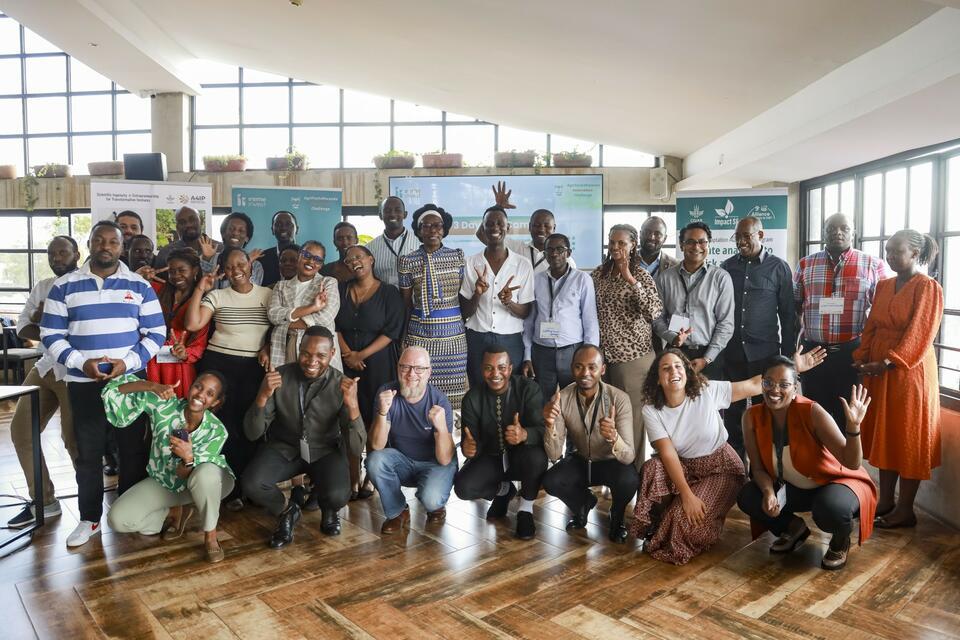
Blog AgriTech4Rwanda demo day: Scaling science-based solutions for climate-smart agriculture

Rwanda’s agriculture sector—responsible for roughly 25 % of national GDP and employing about 65 % of the population—faces mounting climate pressures. Erratic rainfall, soil degradation, and limited financial services threaten the livelihoods of smallholder farmers who make up more than 90 % of the country’s agricultural households. The AgriTech4Rwanda Innovation Challenge was created to help turn those risks into opportunities.
A challenge built for climate resilience
Powered by the Rwanda Green Fund through Ireme Invest in collaboration with the CGIAR Hub for Sustainable Finance (ImpactSF), the CGIAR Accelerate for Impact Platform (A4IP), and Impact Hub Kigali—with funding from the Gates Foundation—the challenge scouts and supports agritech ventures that can:
- strengthen climate-resilient value chains (maize, beans, coffee, cattle and more)
- empower smallholder farmers through technology transfer, training, and community engagement
- attract investment for adaptation solutions by linking innovators with both public and private financiers.
The design was validated at a national consultation workshop in February 2025, followed by a five-week call for applications that drew 263 proposals. After a competitive three-day bootcamp in June, 12 ventures entered a three-month accelerator, receiving more than 180 hours of tailored technical support, masterclasses on climate-smart agriculture, and investor-readiness training.
Demo day highlights
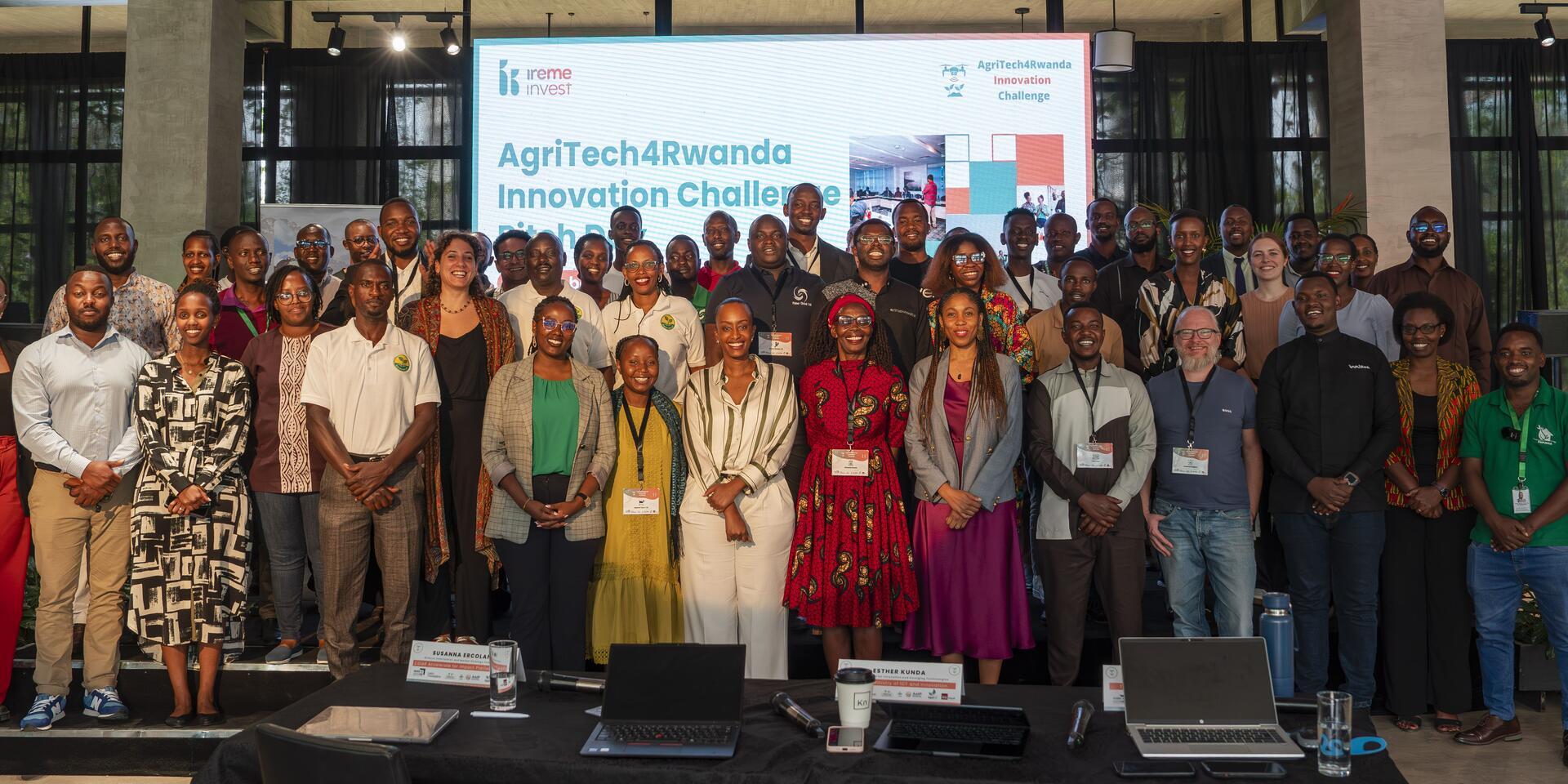
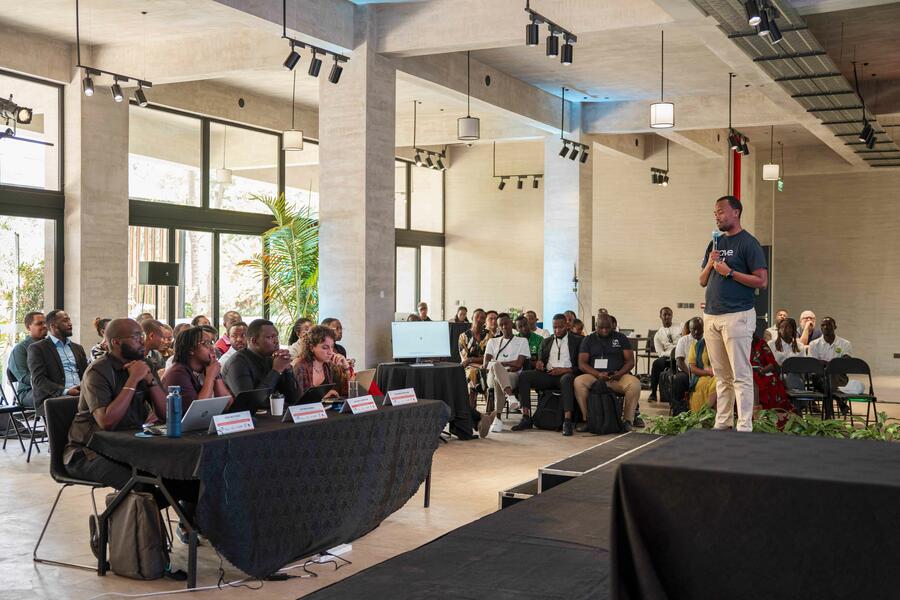
On 12 September 2025, the program culminated in a high-energy Demo Day at Norrsken House, Kigali, where 12 teams pitched to a full room of investors, policy makers, and development partners.
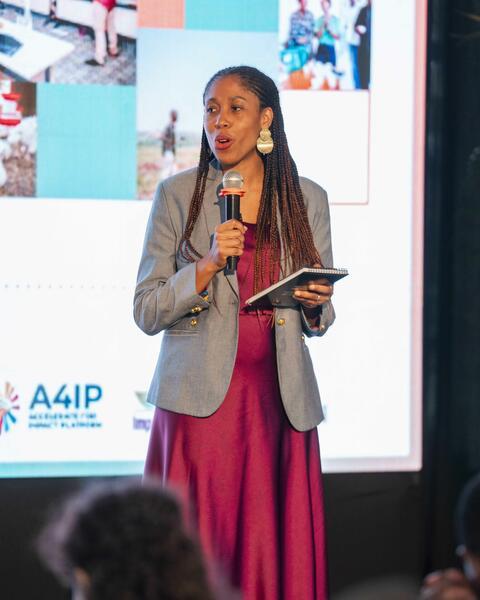
Opening remarks set the tone with Teddy Mugabo, CEO of the Rwanda Green Fund, hailed the initiative as:
“a launching pad for ventures that prove Rwanda’s agricultural transformation can be inclusive, sustainable, and innovation-driven.”
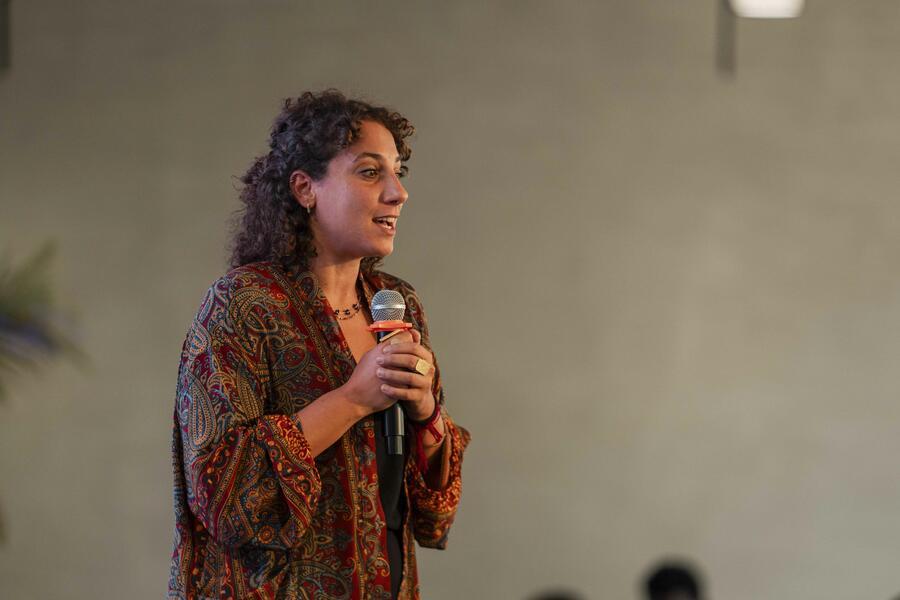
Ena Derencourt, Senior Engagement and Origination Officer at CGIAR ImpactSF, emphasized that:
“these entrepreneurs show climate adaptation can be both practical and investable, from smart water use to climate-resilient production and processing.”
The ventures demonstrated that adaptation is more than incremental—it is science-led and market-ready. Distilled by Ms. Derencourt: If adequately financed, they could collectively:
- generate over USD 700,000 in farmer sales or input-cost savings
- reach 165,000 farmers—67% women
- enable 8,000 farmers to adopt climate-smart practices across 3,000+ hectares.
The 12 climate-smart ventures
The Demo Day showcased a diverse mix of climate-smart agri-food innovations—from AI-powered drone spraying, precision-farming platforms, and digital finance tools to sustainable livestock feed, solar-driven cold chains, and value-added food processing. Together, these solutions tackled challenges across the entire agricultural value chain, improving productivity, market access, and climate resilience for smallholder farmers.
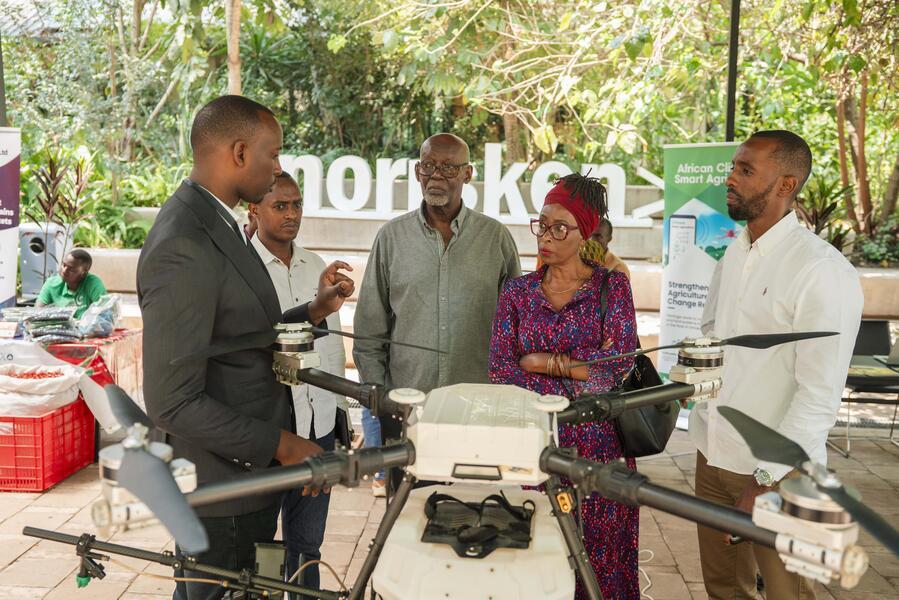
- Charis UAS – provides an AI-powered drone spraying service that helps Rwandan smallholder farmers increase yields and reduce costs by detecting crop stress and applying treatments only where needed—offering a more efficient, eco-friendly alternative to manual spraying.
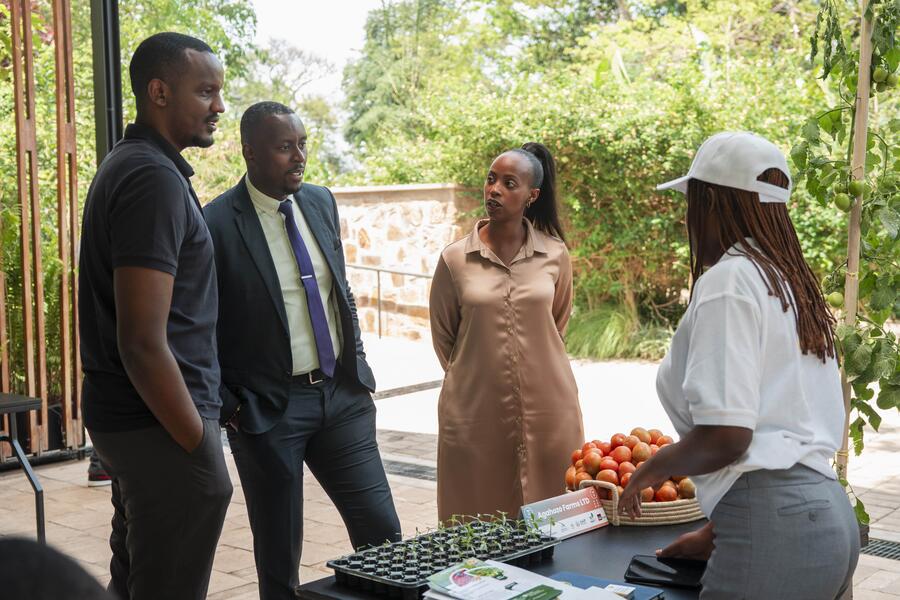
- Agahozo Farm Ltd –provides an integrated, climate-smart tomato production system that combines smart greenhouses, solar-powered cold rooms, and electric transport to help smallholder farmers boost yields, cut post-harvest losses, and access markets sustainably.
- Exuus Ltd – enables unbanked smallholder farmers across Rwanda to access affordable, climate-smart financing through its AI-powered SAVE platform, which offers alternative credit scoring, digital micro-loans with climate insurance, and Kinyarwanda voice-based financial education—accessible via USSD and local agent networks.
- Faminga Ltd – provides a smart farming platform that helps smallholder farmers in Rwanda boost productivity and adapt to climate change through real-time insights, AI-powered disease detection, and localized farm management tools—all accessible via an intuitive mobile app in Kinyarwanda, even offline.
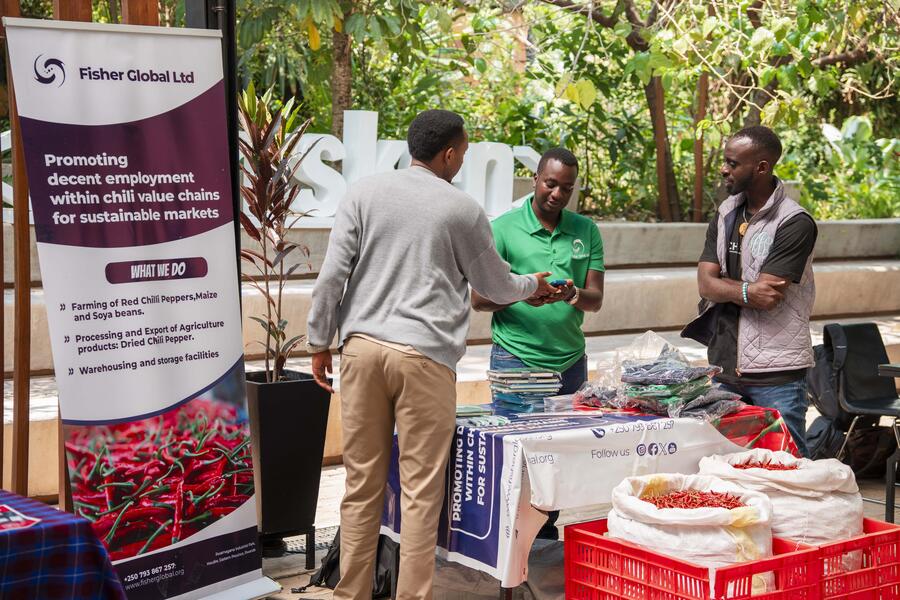
- Fisher Global – enhancing Rwanda’s chili export value chain by introducing a solar-powered cold storage and transport system to reduce post-harvest losses, preserve quality, and stabilize farmer incomes.
- Isaro Econext – enables transparent, data-driven tree planting through EcoForest—a digital platform connecting organizations with smallholder farmers. By combining satellite data, mobile tools, and real-time monitoring, it ensures tree survival, measures carbon impact, and empowers farmers with guidance and market access.
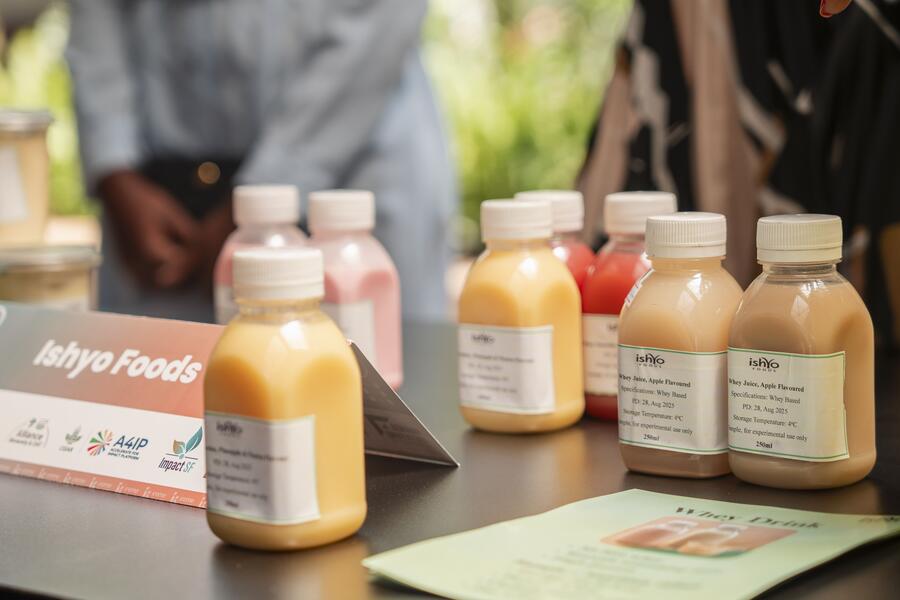
- Ishyo Foods – transforms nutrient-rich whey waste from Greek yogurt production into shelf-stable, fortified beverages—reducing environmental harm, cutting dairy waste, and creating a new revenue stream.
- Kumva Insights – provides tailored, localized IoT solutions and real-time data to help Rwandan farmers and agribusinesses improve irrigation, greenhouse management, poultry health, and cold storage—enabling smarter, climate-resilient decision-making through its Kumva Data Platform.
- Mahwi Tech – provides the M-LIMA Platform, a digital marketplace that connects smallholder farmers to competitive buyers, financial services, and market information.
- SOUK Farms Limited – partners with smallholder farmers to grow premium horticultural crops for export, using solar-powered cold storage and ERP systems to reduce post-harvest losses, improve traceability, and boost farmer livelihoods—advancing climate-smart, data-driven agriculture in Rwanda.
- Victoria Seeds – aims to improve livestock productivity and climate resilience in Rwanda by producing and processing pasture into green pellet feed—offering a sustainable alternative to rain-fed grazing that boosts milk yields, reduces greenhouse gas emissions, and ensures year-round feed availability.
- Virunga Biotech Limited – processes ready-to-eat fruits and vegetables using high-care systems and renewable energy to improve food safety, extend shelf life, and reduce environmental impact—helping distributors and retailers deliver safer, longer-lasting produce that meet global standards.

Investor engagement and next steps
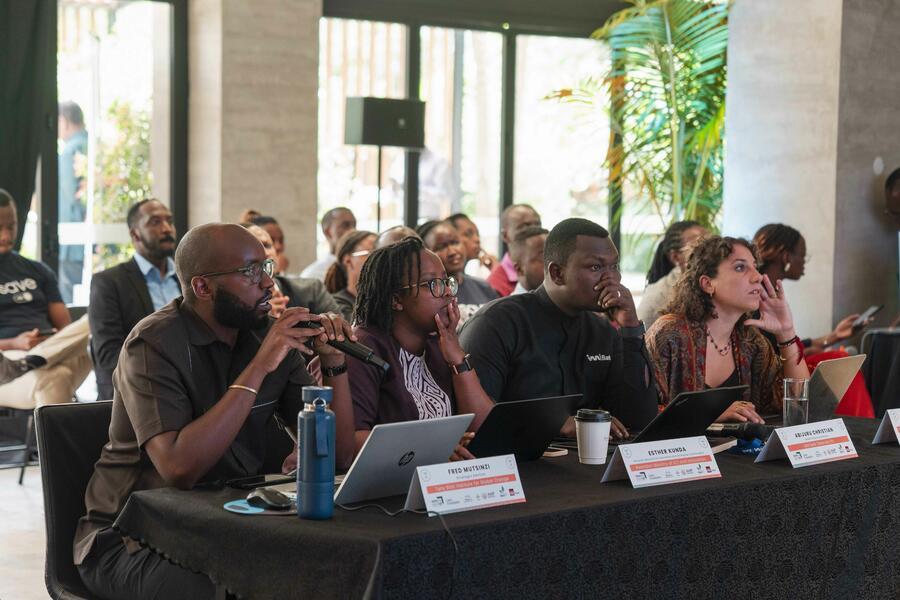
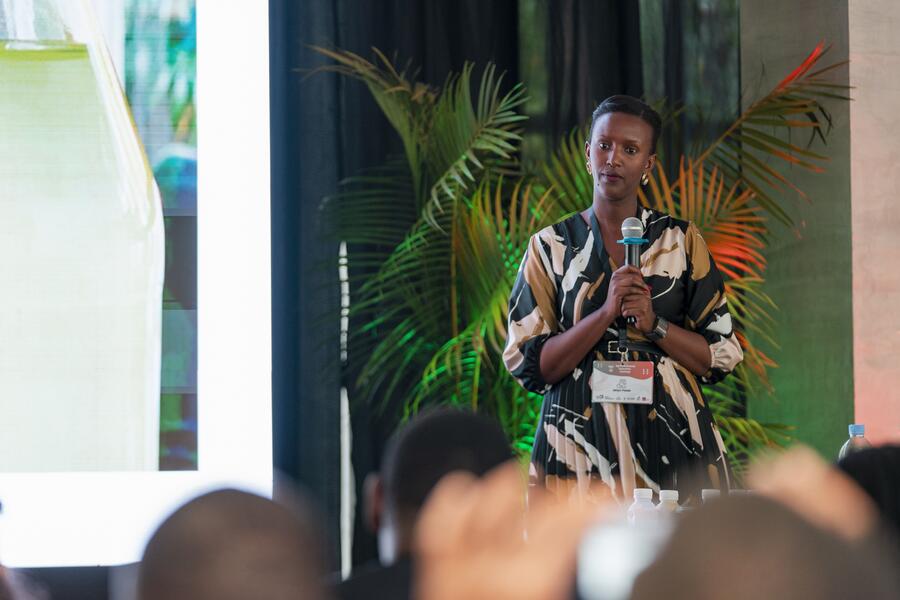
Each team had three minutes to pitch, followed by a four-minute Q&A with judges representing finance, government, and science. After the pitches, innovators met directly with investors at the Challenge Marketplace to explore partnerships and funding.
The next milestone is the awarding of repayable grants of up to 300 million RWF (zero-interest loans). Final selections—based on due-diligence scores, funding proposals, and Demo Day performance—will be announced in the upcoming weeks.
Closing reflections
In her closing remarks, Susanne Ercolani from the CGIAR Accelerate for Impact Platform - led by the Alliance of Bioversity International and CIAT - offered key lessons for the entrepreneurs: clarity of value proposition, evidence of traction, confidence in the pitch, and the power of networks.
The AgriTech4Rwanda Demo Day proved that when science, entrepreneurship, and finance converge, climate-resilient agriculture can thrive. These 12 ventures are ready to scale—inviting investors, partners, and policymakers to join them in building a food-secure and climate-resilient Rwanda.