From the Field Turning grass into gold: How farmers are profiting from Brachiaria
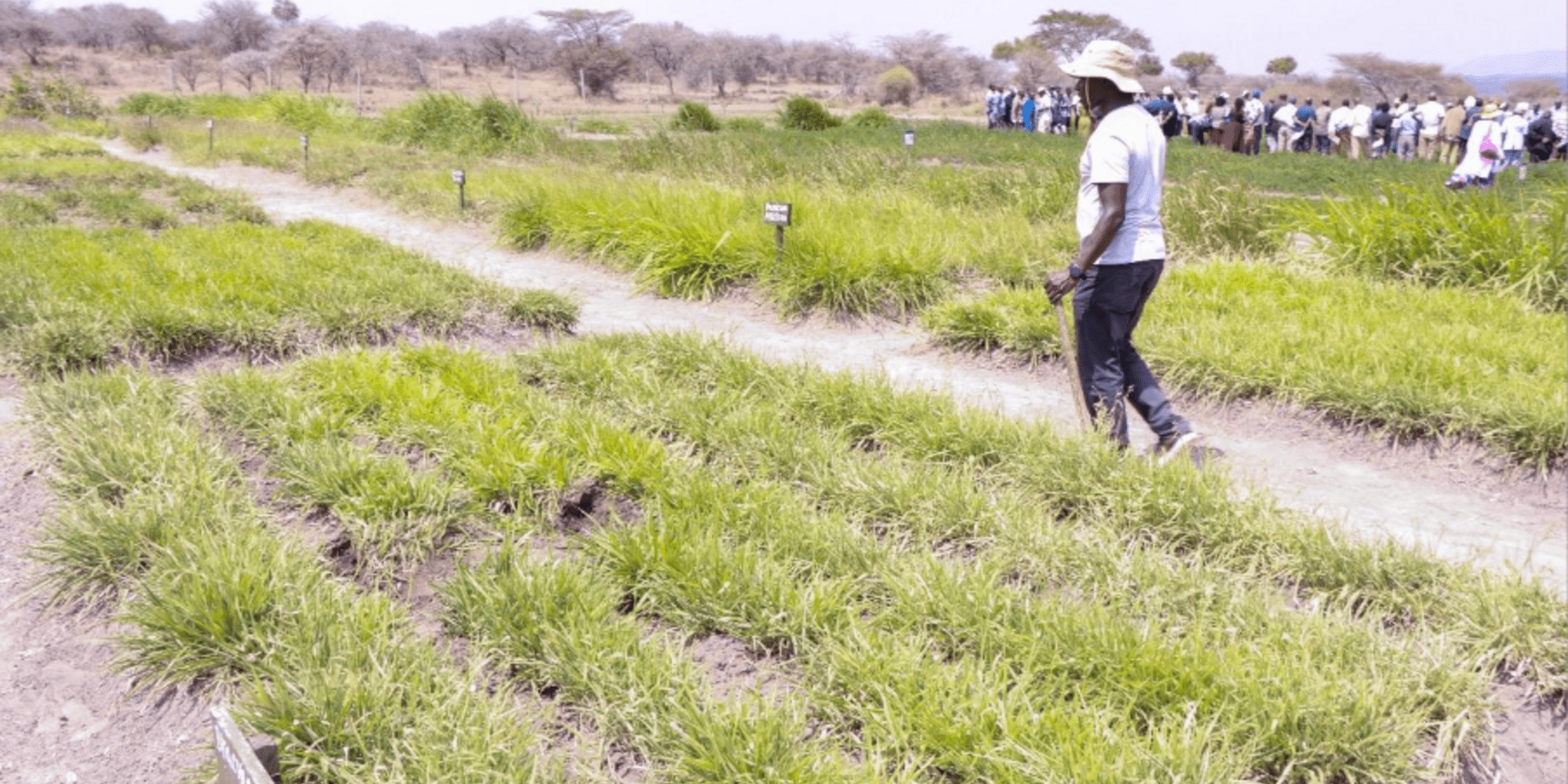
Farmer John Malika and experts from the Alliance of Bioversity International and CIAT showcased how Brachiaria grass is boosting incomes and livestock resilience in Makueni, Kenya, proving that livestock forage can be a profitable and sustainable alternative to traditional crops.
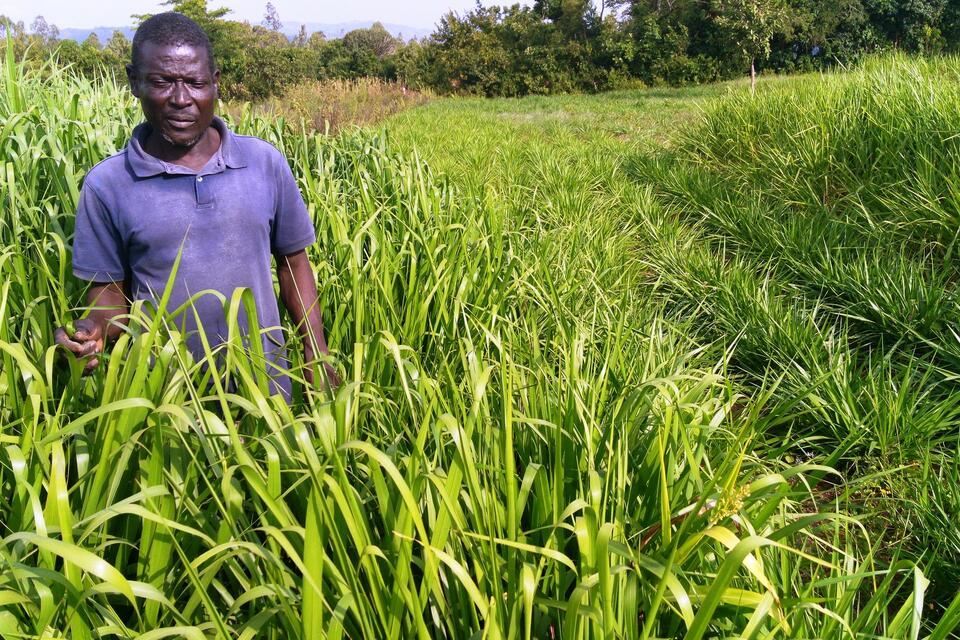
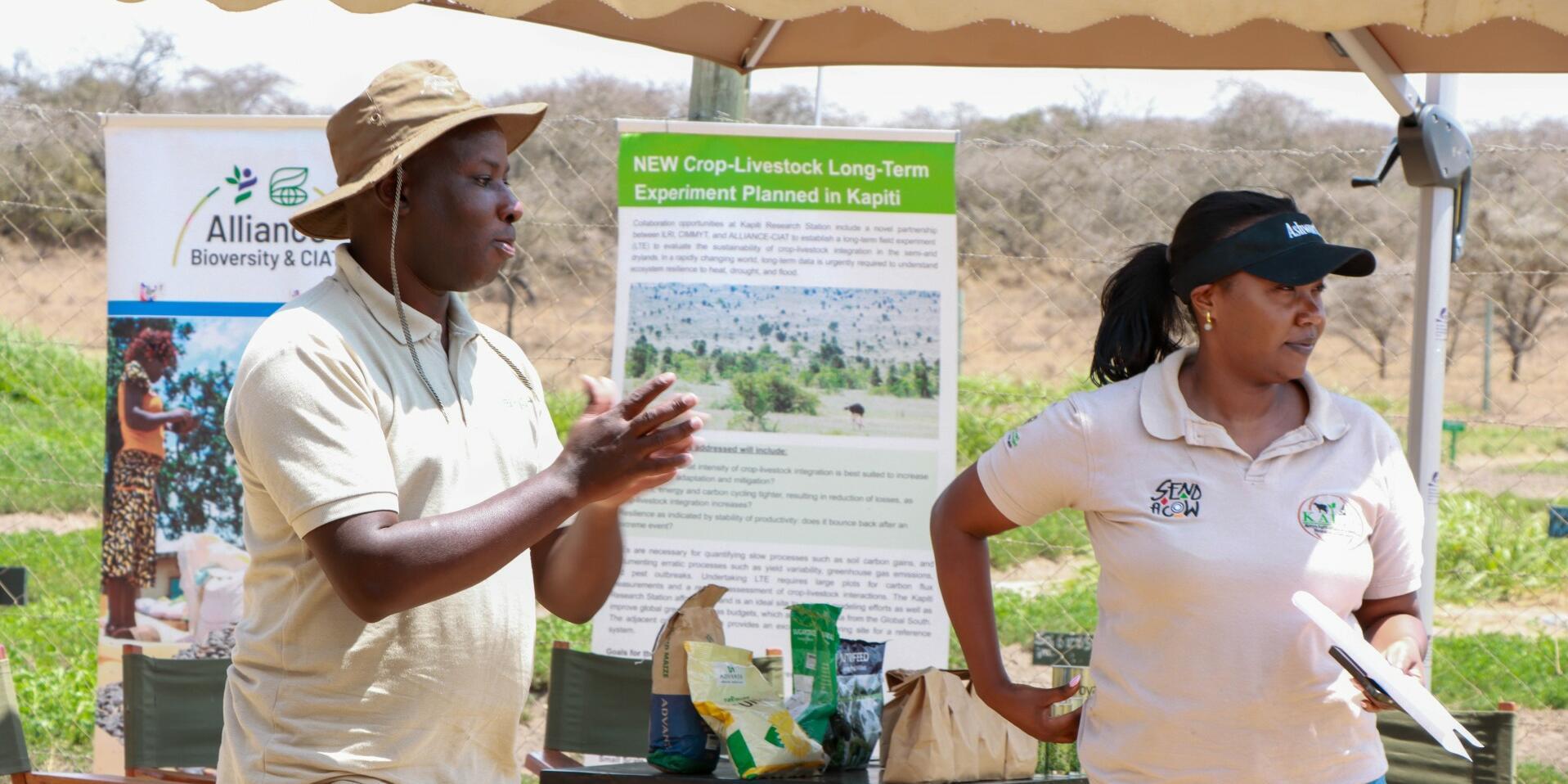
Forget traditional cash crops for a moment. In Makueni County, farmer John Malika champions a surprising source of wealth: grass. His conviction is clear: "Brachiaria grass is not just grass; this is money. You could even say it's like you are selling gold." That powerful message resonated deeply during a recent field day where beef, dairy and other small non-ruminant farmers gathered to explore the transformative potential of improved livestock feeding practices. The gathering focused on turning forage cultivation and utilization into both a profitable enterprise and a pillar of agricultural resilience especially in arid and semi arid regions of Makueni, Machakos, and Kajiado.
The economic potential of these forage grasses represents more than just a seasonal opportunity. As explained by Solomon Mwendia, a Forage Agronomist with the Alliance, "with proper management, the grass can go up to eight years". This insight highlights a critical advantage: investing in quality forage isn't a short-term expense but a long-term asset that delivers reliable feed and income for nearly a decade.
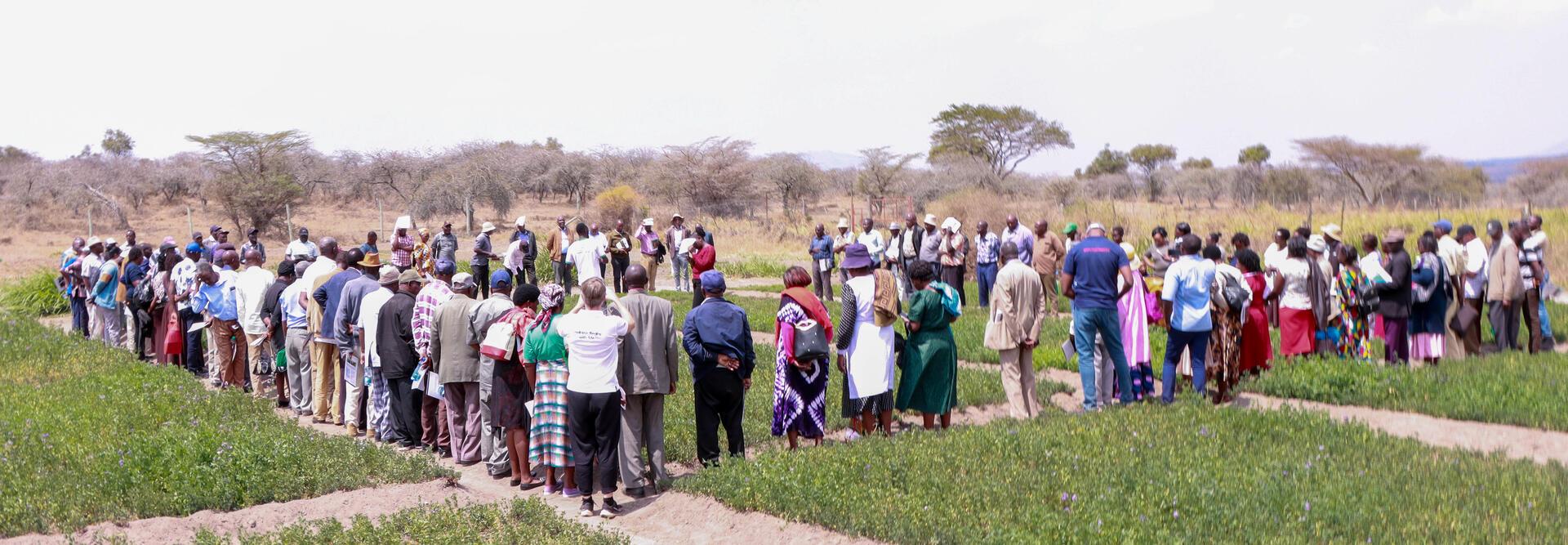
During the field day, farmers engaged in hands-on learning, moving beyond theory to practice. They gained practical skills in selecting high-yielding, drought-resistant varieties like Brachiaria and Panicumgrasses that are revolutionizing livestock nutrition in semi-arid regions. Experts guided participants through complete forage management cycles, covering optimal planting techniques, soil-specific fertilization strategies, and harvesting methods that preserve nutritional value while protecting the plant's root system for long-term productivity. Moreover, farmers learnt the importance of utilizing local resources for livestock feeds such as Buffel grass (Cenchrus Ciliaris) and Masai love grass (Eragratis Superba).
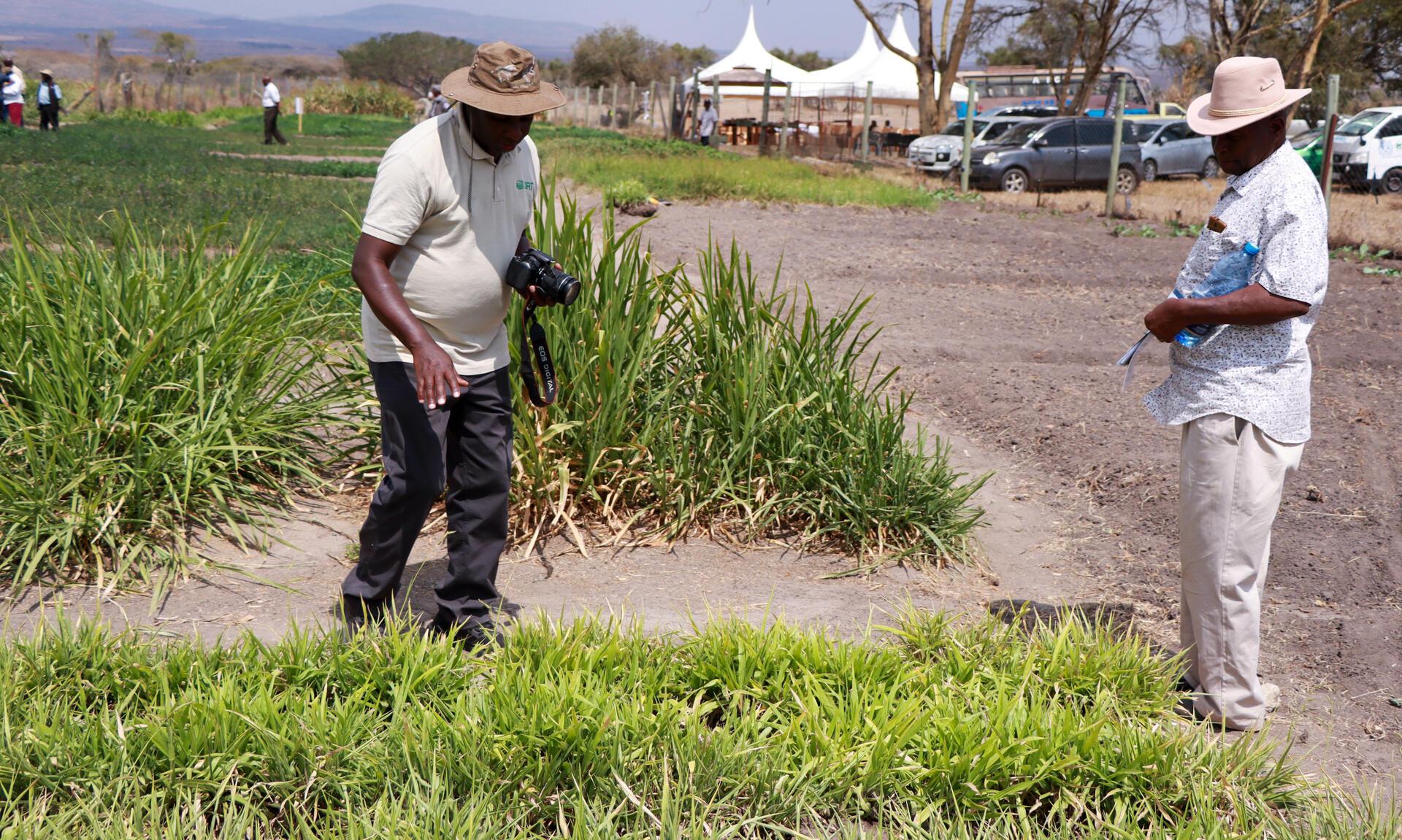
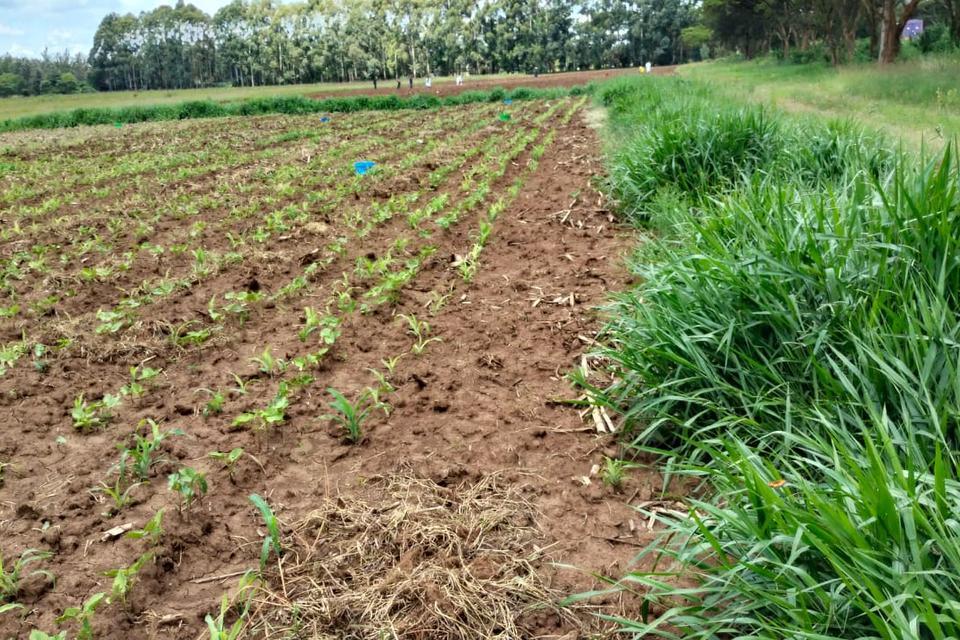
John, who operates a registered demonstration farm, illustrated the immediate economic benefits. From just one acre of Brachiaria, he harvests 300 bales selling at KES 300 each. "So if you look at the money, it's there per acre... it's more than the money you could get from maize," he noted. Beyond baling, he also profits from selling grass 'splits' or planting materials to other farmers and county governments, demonstrating that forage itself can become a high-value cash crop.
This important work is made possible through collaboration with key stakeholders across the forage and feeds value chain, including Advanta Seeds, Highland Seeds, Corteva, and Land O'Lakes Venture37. Their expertise in forage seed technology and farmer support ensures participants access the best available resources and knowledge, while scientific partners such as the Alliance provide the research backbone ensuring these practices are both effective and sustainable.
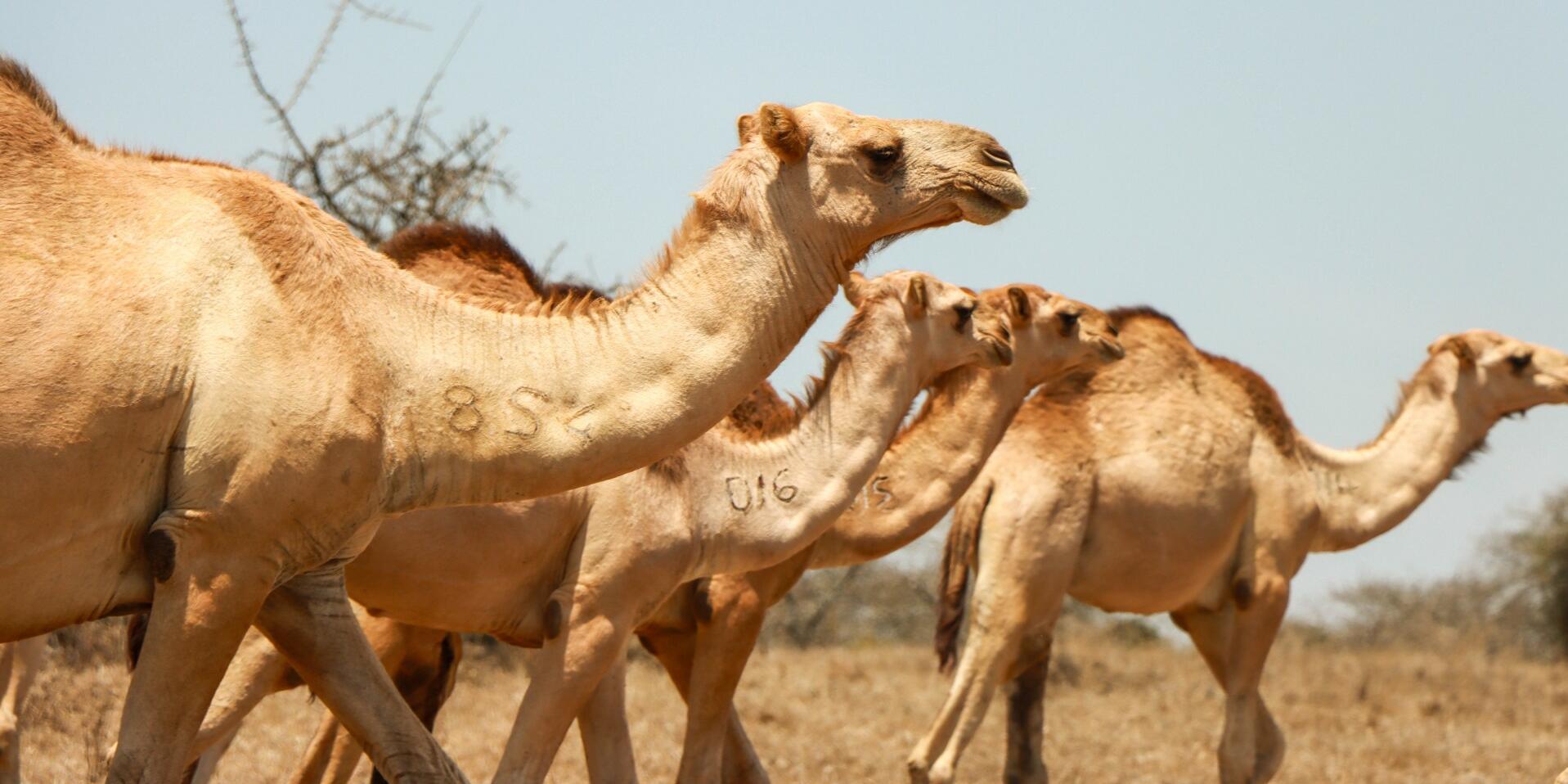
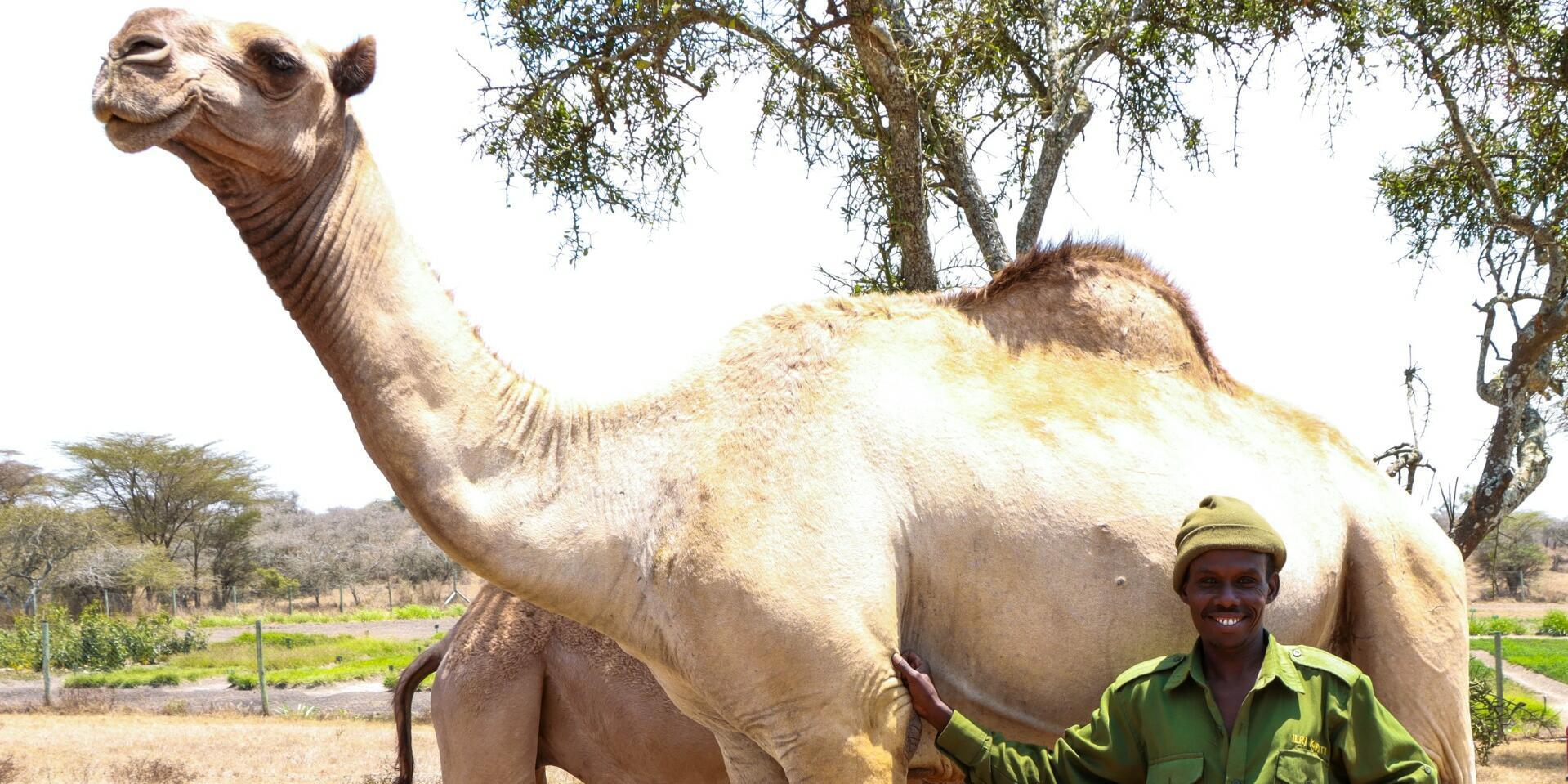
All activities fall under the Sustainable Animal Agriculture For Development Science Program (SAAF), which is dedicated to enhancing livestock productivity and farmer livelihoods through innovation and education. By equipping farmers with skills to grow high-quality forages, the program builds climate resilience, lowers production costs, and increases milk and meat yields.
A recurring challenge, as John observed, involves shifting mindsets. He encouraged farmers to become risk-takers, advising, "Don't just give up when you encounter a small problem. If you continue, that's where the benefit is." Solomon Mwendia's emphasis on the eight-year lifespan reinforces this message—initial effort yields returns for years to come.
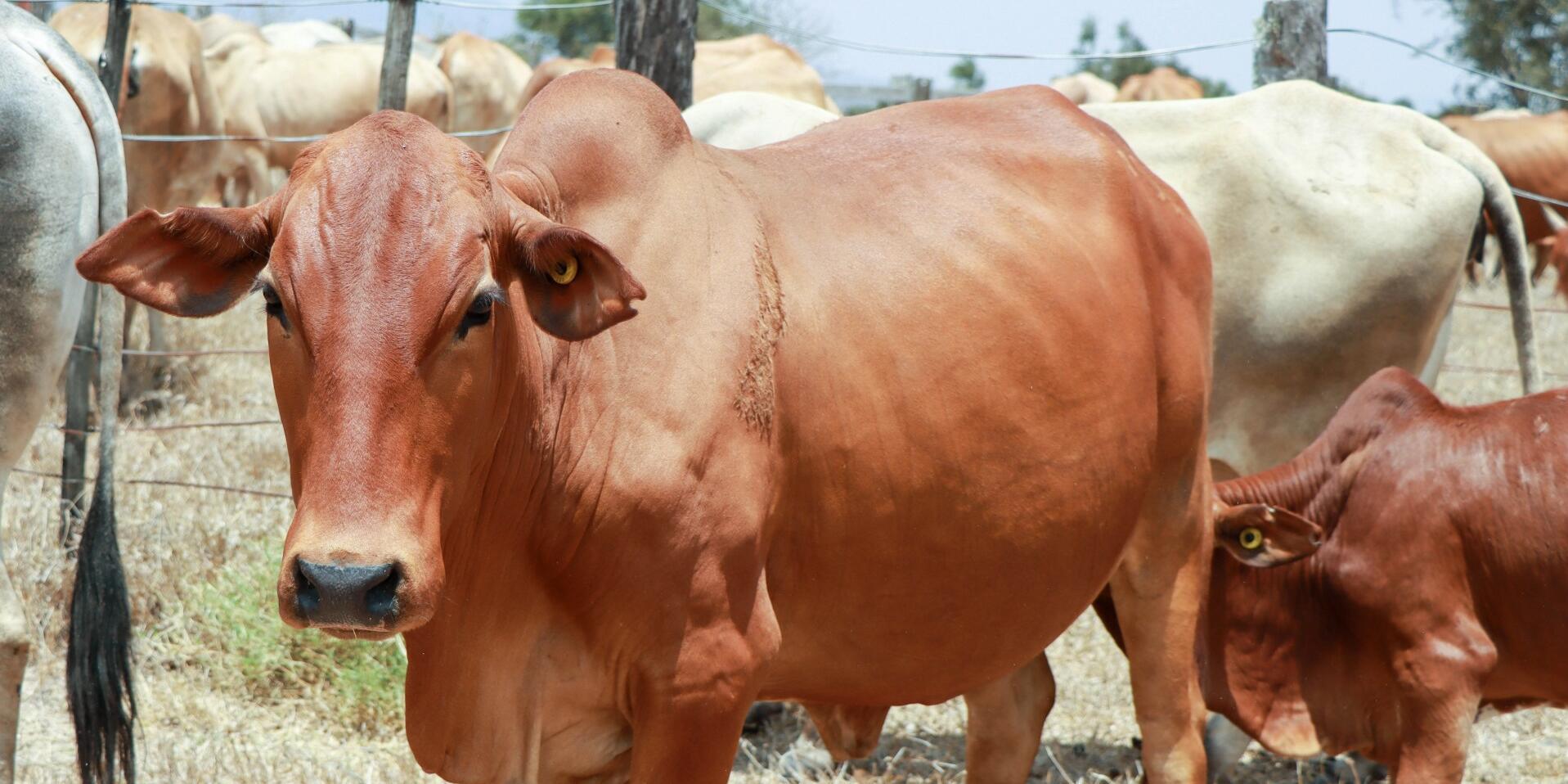
The event successfully demonstrated that with appropriate knowledge, support, and collaboration, farmers can truly transform ordinary grass into a source of enduring wealth, worthy of being compared to gold.