Blog Tropical forages in Africa: an integrated solution for soil carbon storage, livestock productivity, and improved rural livelihoods
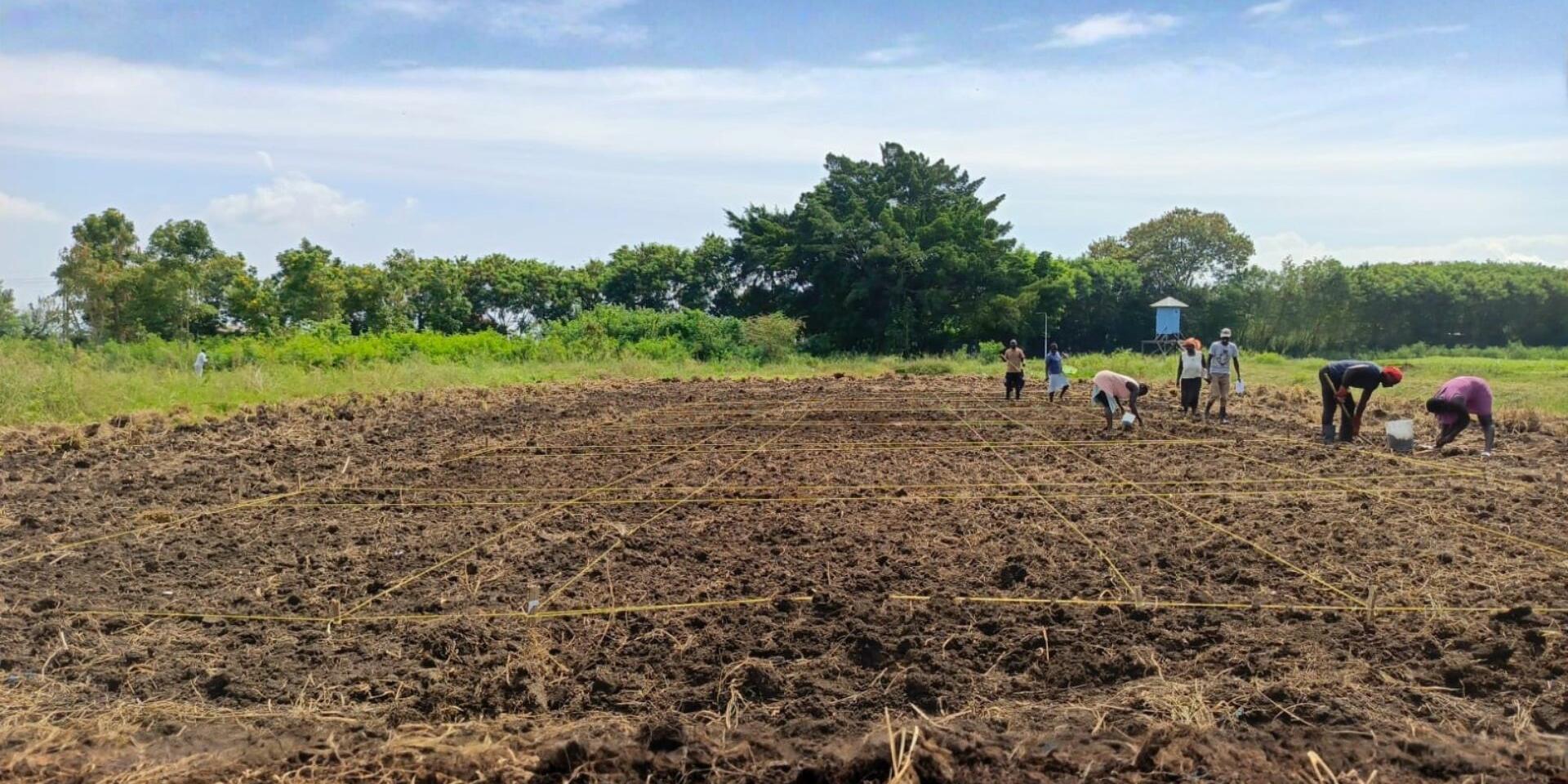

In East Africa, particularly in Kenya, Ethiopia, Rwanda, Uganda and Tanzania, scientific teams are conducting research aimed at identifying tropical forage species with the potential to improve animal nutrition, increase soil carbon sequestration, and enhance agricultural productivity. These initiatives seek to support smallholder farmers’ adaptation to climate change and contribute to the development of more sustainable farming systems.
The work is also connected to broader research efforts in Southern Africa, including Zambia and Malawi, and in West Africa, particularly Senegal, Ghana, and Mali, where researchers are exploring how tropical forages can strengthen crop-livestock systems under different agroecological conditions.
In many parts of Africa, families depend on integrated crop-livestock systems for income generation and food security, making soil quality and forage availability critical factors. However, increasing drought frequency, greater variability in rainfall patterns, and land degradation have intensified the need for solutions that simultaneously address productivity, resilience, and sustainability.
For decades, much of the evidence on the benefits of improved tropical forages has been generated in Latin America, mainly in extensive livestock production systems. However, production conditions in Africa differ significantly: smallholder farms dominate, where crops and livestock share space, resources, and functions. This highlights the need to generate local evidence to design strategies tailored to regional contexts.
As Sylvia Nyawira, a researcher at the Alliance of Bioversity International and CIAT specializing in soils and agricultural carbon, explains: “While valuable evidence exists from other tropical regions, Africa requires solutions built on its own production realities. In many areas, smallholder farms dominate, where farmers must carefully allocate land and resources among food crops, animal feed, and income generation—requiring context-specific approaches.”
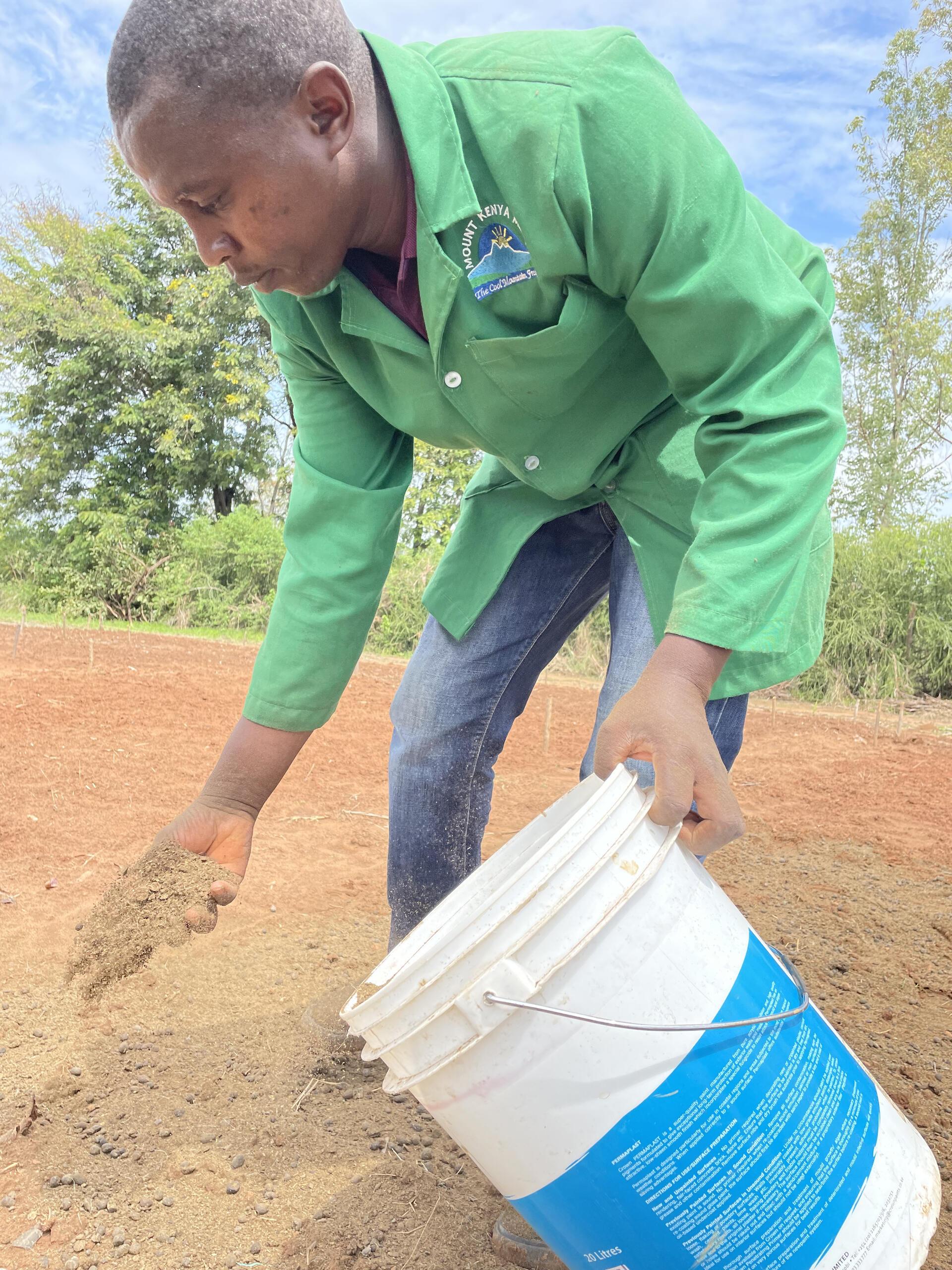
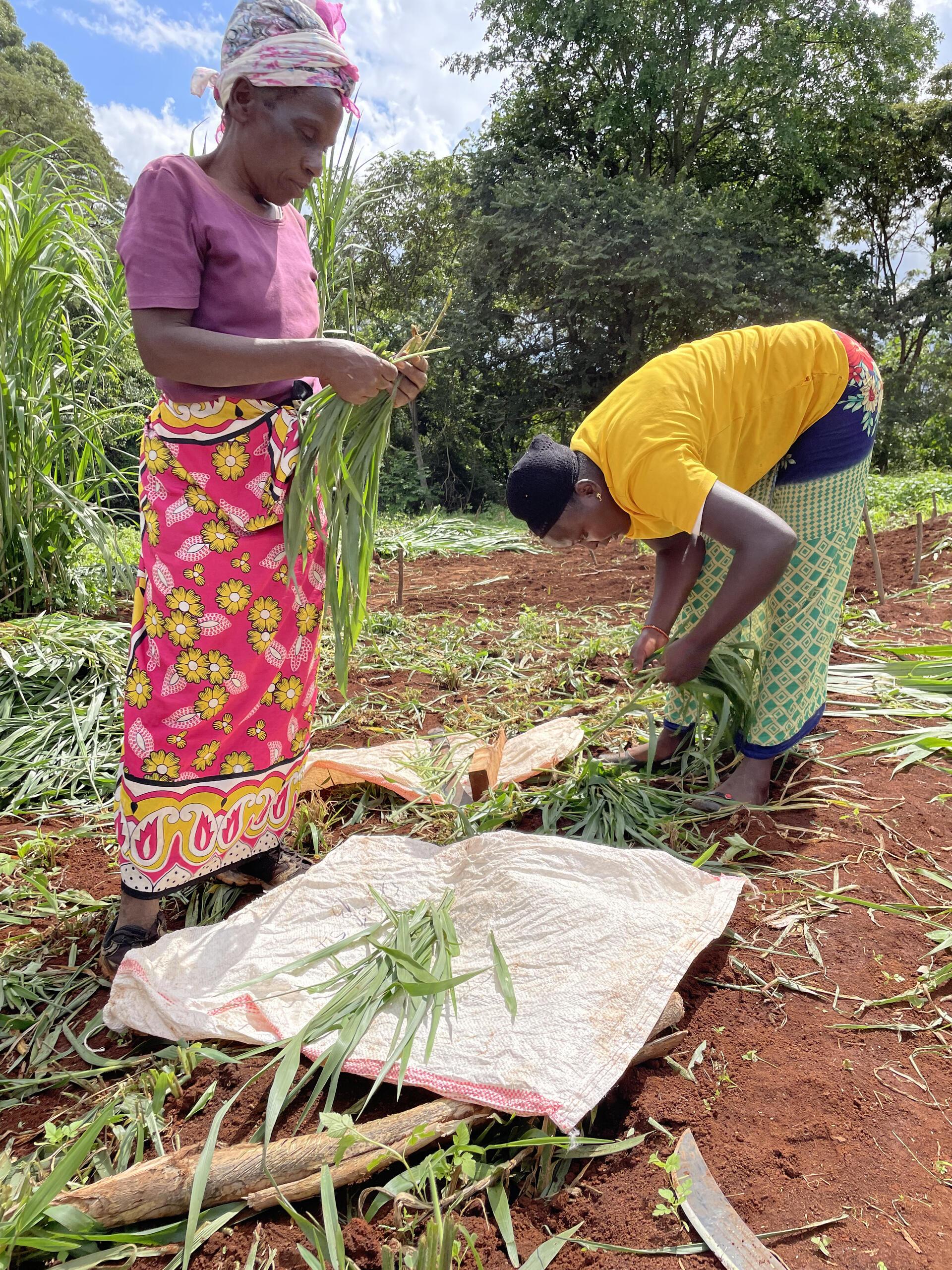
With this perspective, the Alliance of Bioversity International and CIAT is leading research to evaluate how different forage grasses can contribute to soil carbon sequestration, improve livestock productivity, and strengthen the resilience of farming systems in the face of increasing climate variability.
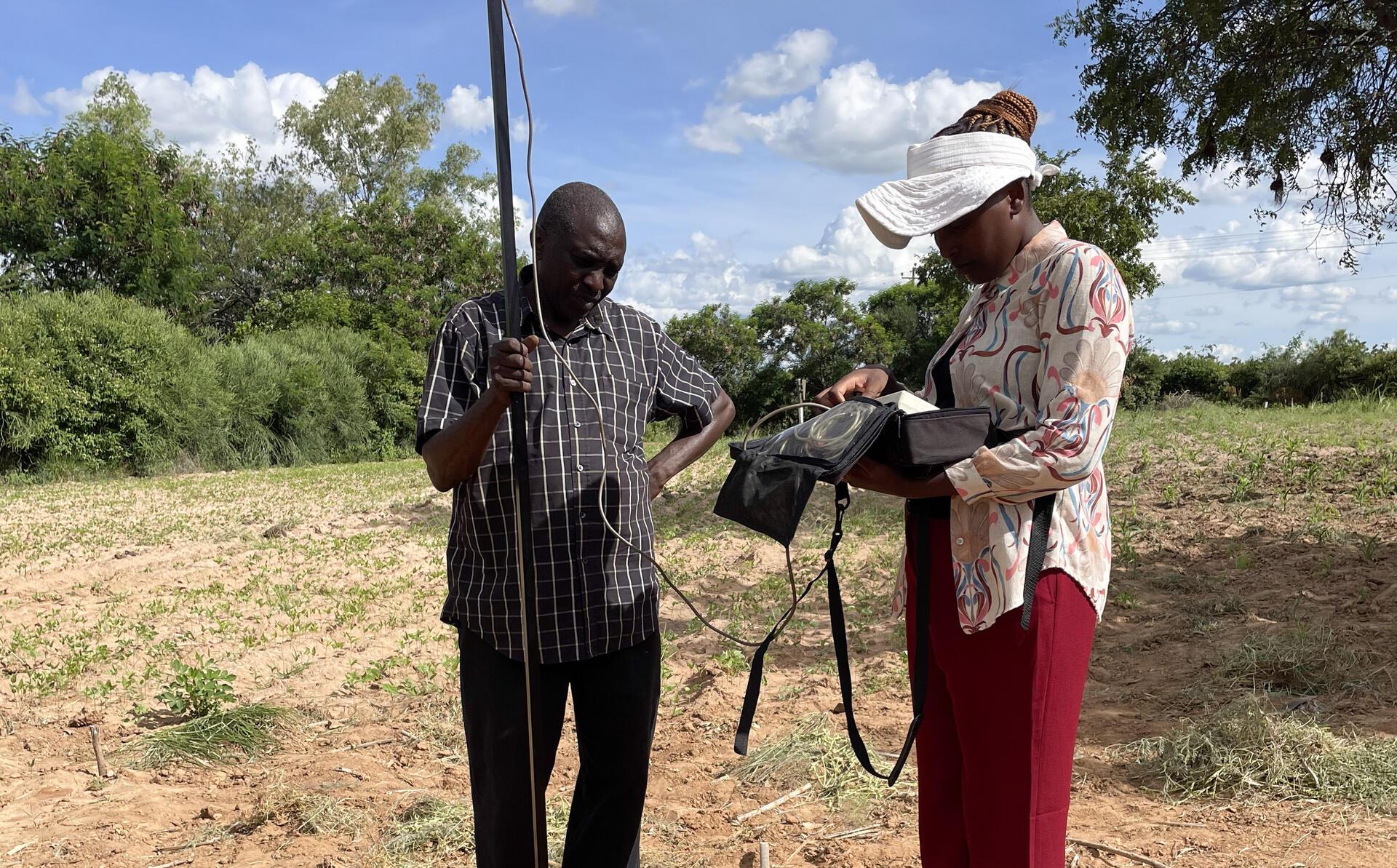
As a starting point, one of the initial phases of the study involved comparing forage grass plots with maize crop plots using paired designs under similar agroecological conditions. Preliminary results indicated no significant differences in soil organic carbon storage (0–100 cm soil depth) between the two systems.
Rather than representing a setback, this finding highlighted a key factor: agronomic management can be just as influential as the crop species in shaping soil carbon dynamics.
“System management is critical for soil carbon sequestration,” emphasizes Nyawira.
In many cases, mixed crop-livestock farmers prioritize maize, applying fertilizers and manure due to its importance for household food security. In contrast, forage grasses typically receive lower investment and management intensity.
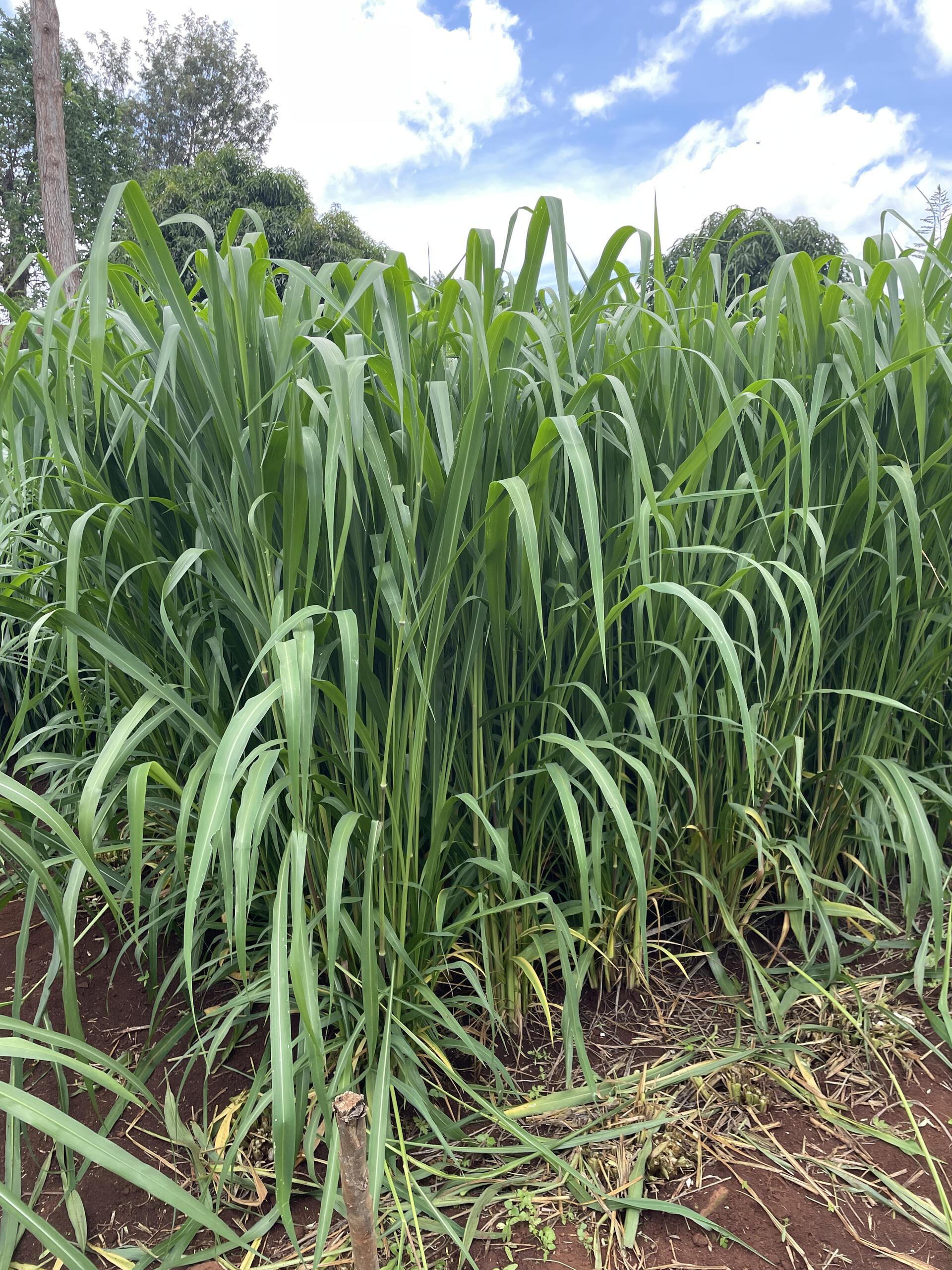
To better understand these dynamics and generate more precise insights, the Alliance established four long-term experimental trials in Kenya. These trials compare Brachiaria and Panicum species with different root systems, alongside Napier grass, which is widely used by local farmers.
The sites were strategically selected to represent diverse agroecological contexts, including sandy and clay soils, humid and sub-humid zones, varying rainfall levels, and different production systems.
The objective is to identify which forage species perform best in each environment and which provide simultaneous benefits for soil carbon storage, livestock productivity, and income generation for farmers.
However, carbon sequestration alone does not guarantee adoption of improved forage technologies in the field. The research is grounded in a key premise: forage innovation will only be sustainable if it improves the productive livelihoods of rural families.
For this reason, in addition to soil carbon storage, the study also evaluates key variables that inform on-farm decision-making.
“It’s not only about the soil carbon storage; we also need to consider the additional benefits associated with forages,” says Nyawira.
These benefits include:
- Increased forage biomass production
- Improved feed quality for livestock
- Greater resistance to drought and climate stress
- Improved buffering capacity against seasonal feed deficits
- Stabilized feed availability and livestock productivity across seasons
- Higher profitability for rural households
In other words, the challenge is not only to identify forage species that capture carbon in soil, but also those that strengthen rural livelihoods.
In regions where crop and livestock systems are closely interconnected, forage grasses can become a key tool for transforming production systems. Better animal nutrition can translate into higher milk or meat production; stronger and deeper root systems can improve not only soil carbon storage but also overall soil health; and increased climate resilience can reduce production losses during adverse seasons.
Team

An Maria Omer Notenbaert
Team Lead, Africa Tropical Forages Program
Sylvia Nyawira
Researcher