
Research Articles Sustainable cattle ranching transforming Colombia’s Orinoquía region
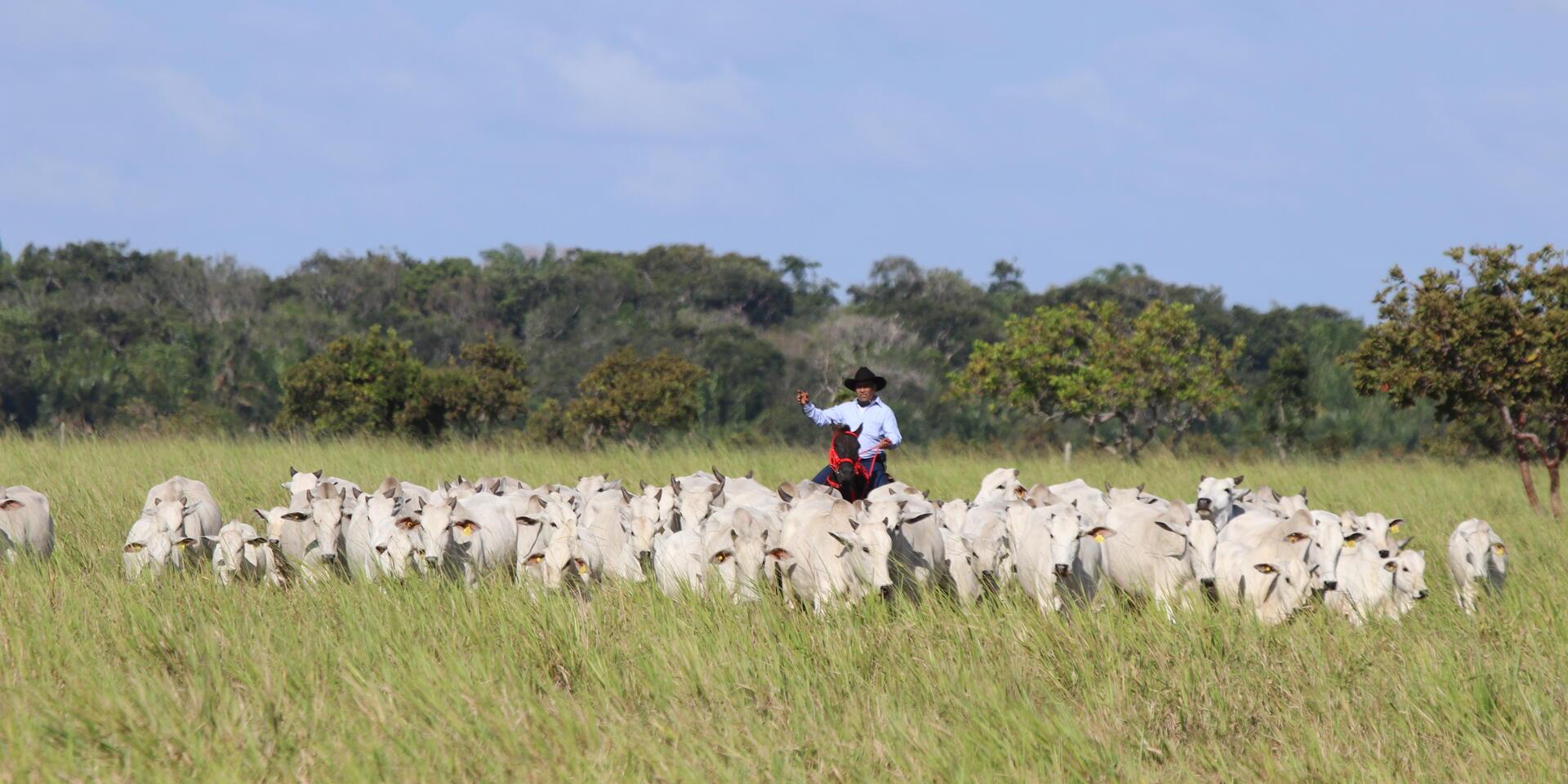

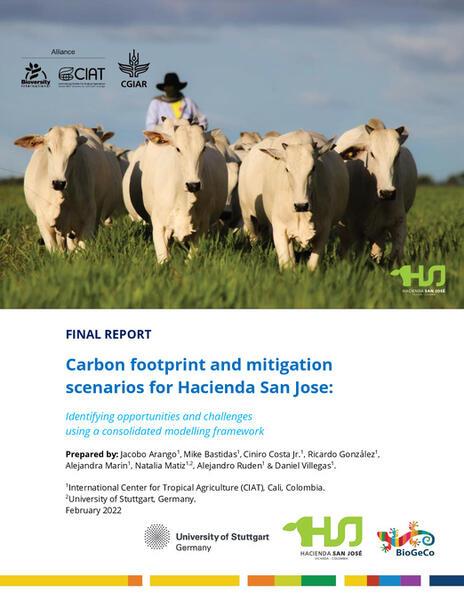
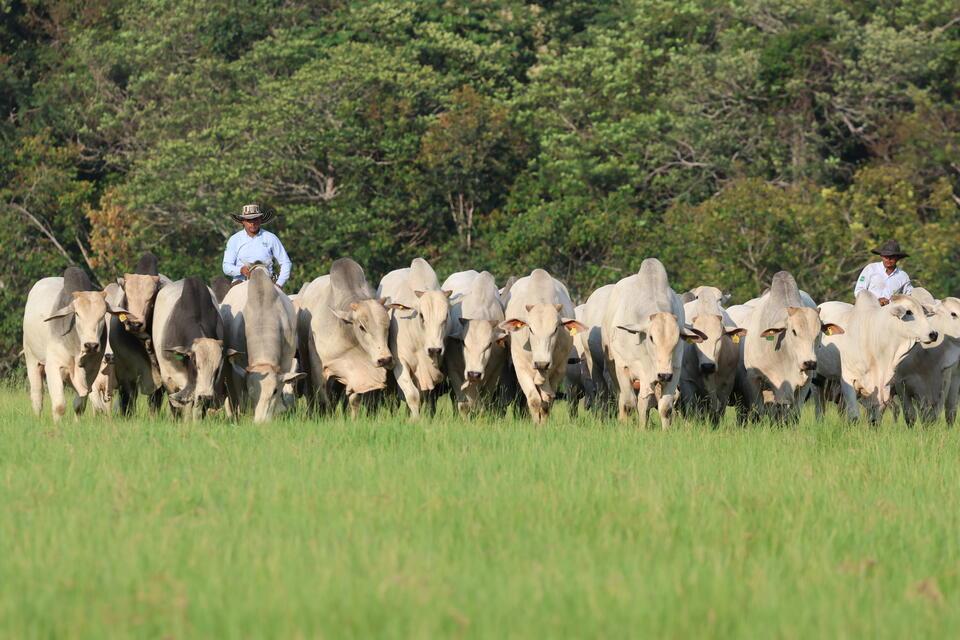
Colombia’s Orinoquía region, one of the country’s areas with the greatest productive potential, is proving that it is possible to produce more beef with a lower environmental impact. In the department of Vichada, Hacienda San José, with the support of the Tropical Forages Program of the Alianza Bioversity y CIAT, transformed a traditional cattle production system into a sustainable model that now increases productivity, reduces emissions, and strengthens resilience to climate change.
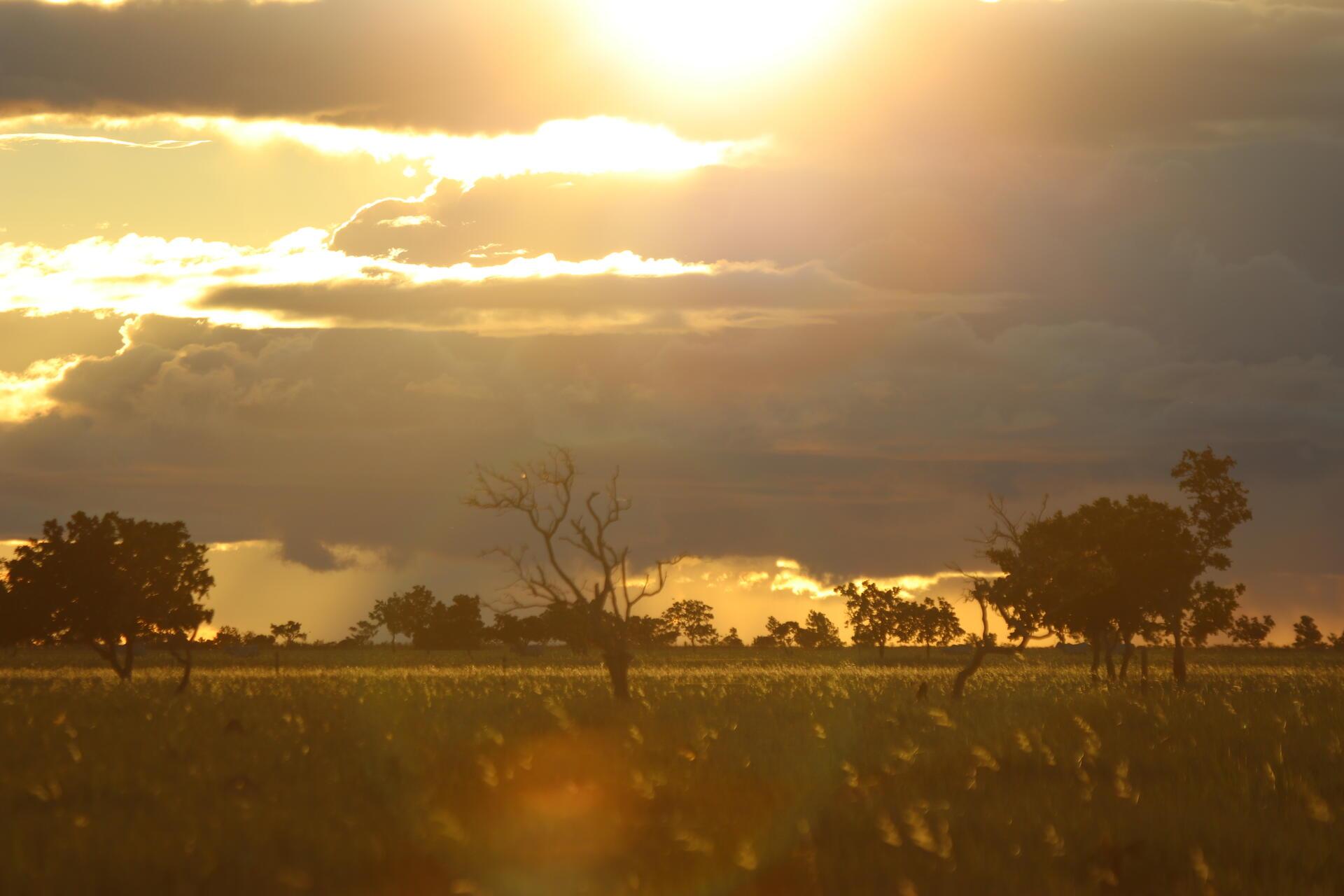
This region, which includes departments such as Arauca, Casanare, Meta, and Vichada, faces complex conditions: acidic soils, low fertility, high temperatures, and marked climate variability, with prolonged droughts and intense rainfall. In this context, practices such as savanna burning have been used for decades to renew pastures and sustain production during dry seasons. However, they have also been associated with soil degradation, biodiversity loss, and low productive efficiency.
The results reflected the limitations of this production model. In areas such as Vichada, nearly 18 hectares were needed to sustain a single animal, with average daily weight gains of only 540 grams and annual production close to 11 kilograms per hectare. This low efficiency not only restricted the productive potential of the region but also increased the vulnerability of livestock systems to climate change.
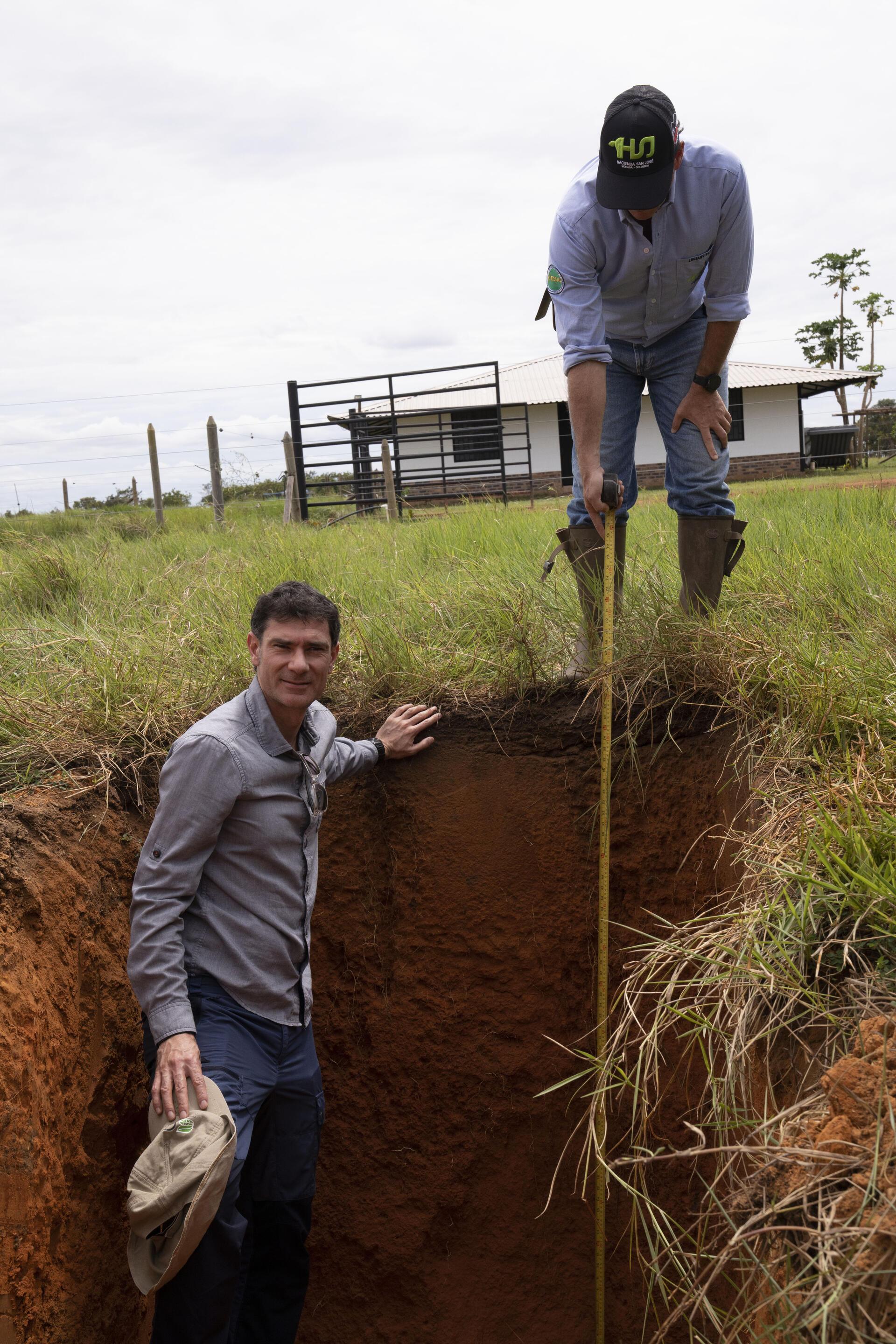
As Jacobo Arango, leader of the Tropical Forages Program, explains, the problem originated at the very foundation of the system: “it was based on degraded pastures, with low productivity and limited carrying capacity, which resulted in poor animal performance and long production cycles.” From a technical perspective, Juan Andrés Cardoso, ecologist and plant physiologist at the Alianza Bioversity y CIAT, points out that poor pasture quality is one of the main factors limiting productivity in tropical livestock systems, as it reduces both carrying capacity and the nutritional and productive performance of animals.
Faced with this scenario, Hacienda San José decided to rethink its production model. On an 8,670-hectare farm established on low-fertility soils, a system was implemented to improve the cattle’s feed base, accompanied by more efficient soil and pasture management.
The transformation was built on four pillars: eliminating burning practices, implementing rotational grazing, introducing improved forages, and environmental monitoring. The most significant change was the incorporation of Urochloa humidicola, a tropical forage grass adapted to the conditions of the Orinoquía region, capable of growing in acidic soils, resisting drought periods, and contributing to soil restoration thanks to its deep root system.
But the change was not limited to the type of grass; it also involved how it was managed. In practice, the system consists of moving cattle between paddocks in a planned manner. This allows the grass to recover, improves animal nutrition, and optimizes land use. As a result, forage availability increases and production is maintained even under adverse climatic conditions.
The results show a significant improvement in productivity. The amount of available forage increased sixfold, rising from 0.4 to 2.4 tons per hectare. This improved cattle nutrition, with daily weight gain increasing from approximately 540 grams to nearly 1 kilogram per day.
Together, these changes translated into a major increase in production: from approximately 11 to 365 kilograms of beef per hectare per year. In other words, much more is now produced on the same area of land.
This not only improves the system’s efficiency but also reduces the need to expand the agricultural frontier into new ecosystems. From an environmental perspective, the benefits are also evident. Greenhouse gas emissions per kilogram produced were reduced by between 46% and 64%. In addition, the system achieved a negative carbon footprint, meaning that it captures more carbon than it emits, storing nearly 2 additional tons of carbon per hectare each year.
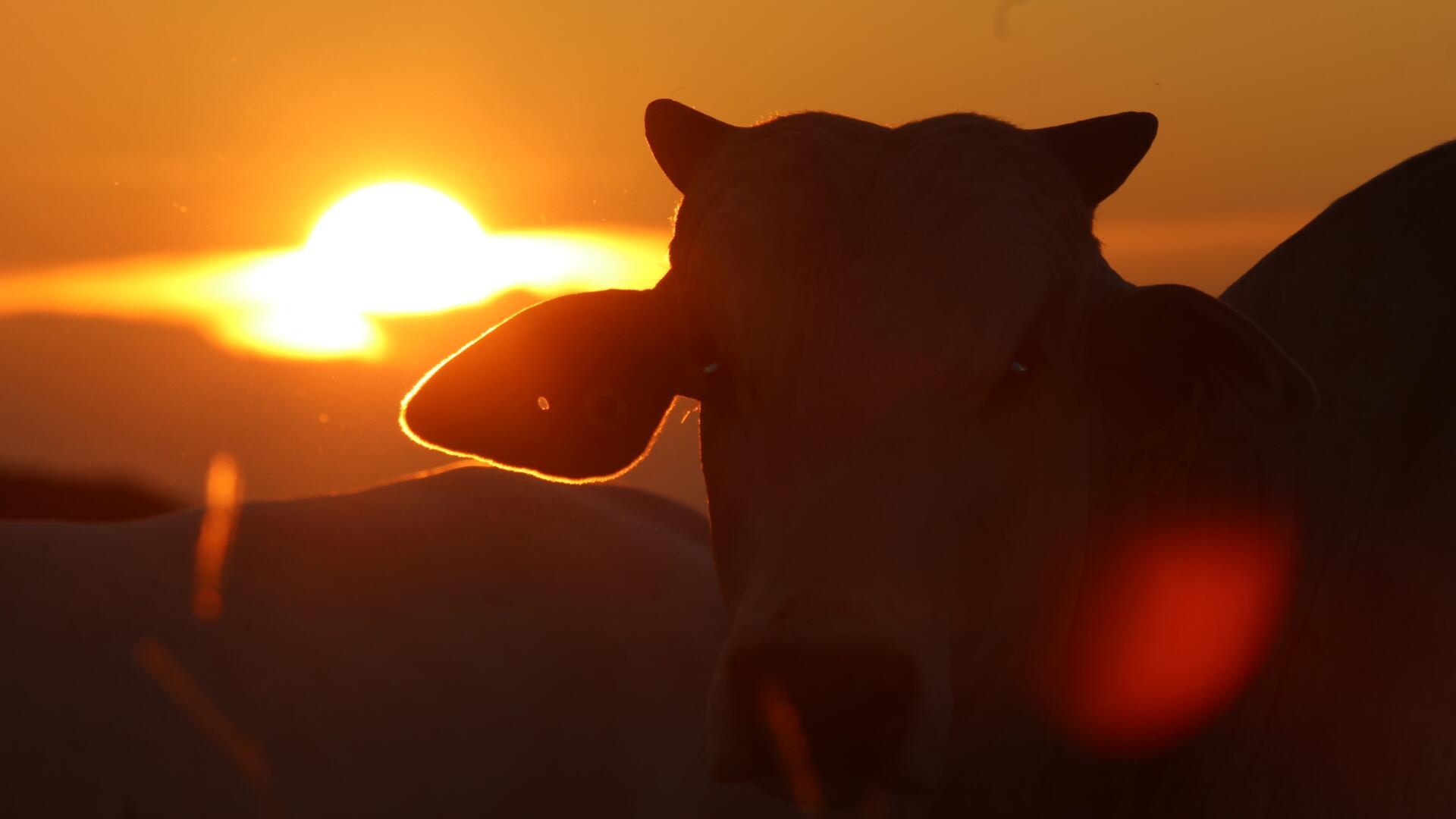
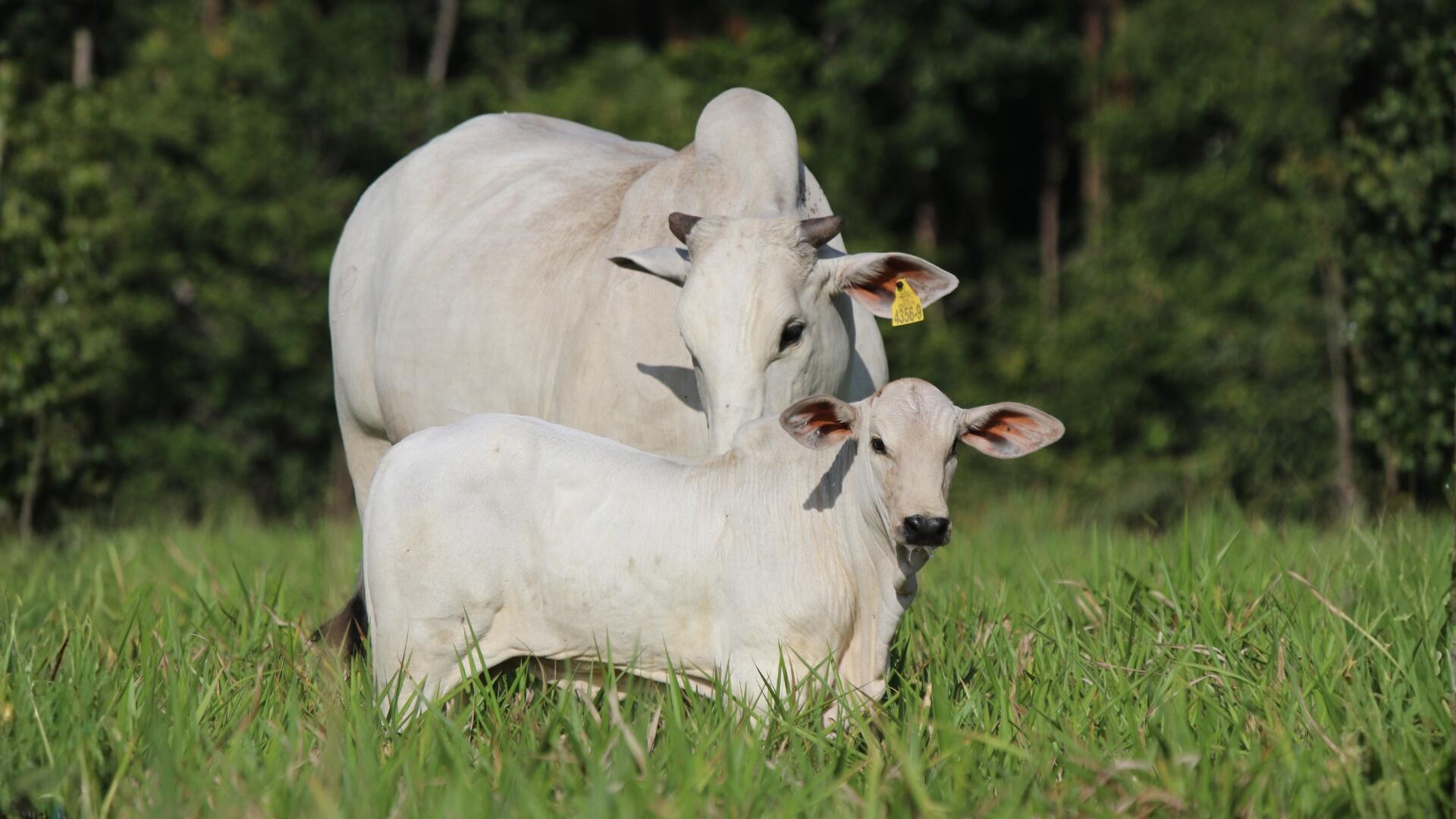
Another key element is resilience. The improved pastures used can tolerate extreme conditions, including flooding periods of up to 30 days, allowing productivity to be maintained in contexts of high climate variability. This adaptive capacity is essential not only for the system to function on a single farm, but also for it to be replicated across the region.
In this sense, the impact of this experience is already extending beyond Hacienda San José, reaching approximately 200,000 hectares in nearby farms and demonstrating its scaling potential. To achieve this, it will be essential to ensure seed availability, as well as technical assistance and support for producers during implementation.
What is happening in Vichada goes beyond a single case study. It demonstrates that the Orinoquía region is not only a cattle-producing area, but also a strategic territory for the development of sustainable production systems. Beyond increasing production, this transformation responds to a global challenge: producing more food without increasing pressure on ecosystems or greenhouse gas emissions.
The evidence is clear: the key does not lie in expanding the agricultural frontier, but in transforming the way production is carried out. What is happening today in Vichada shows that well-managed livestock production can shift from being part of the problem to becoming part of the solution.
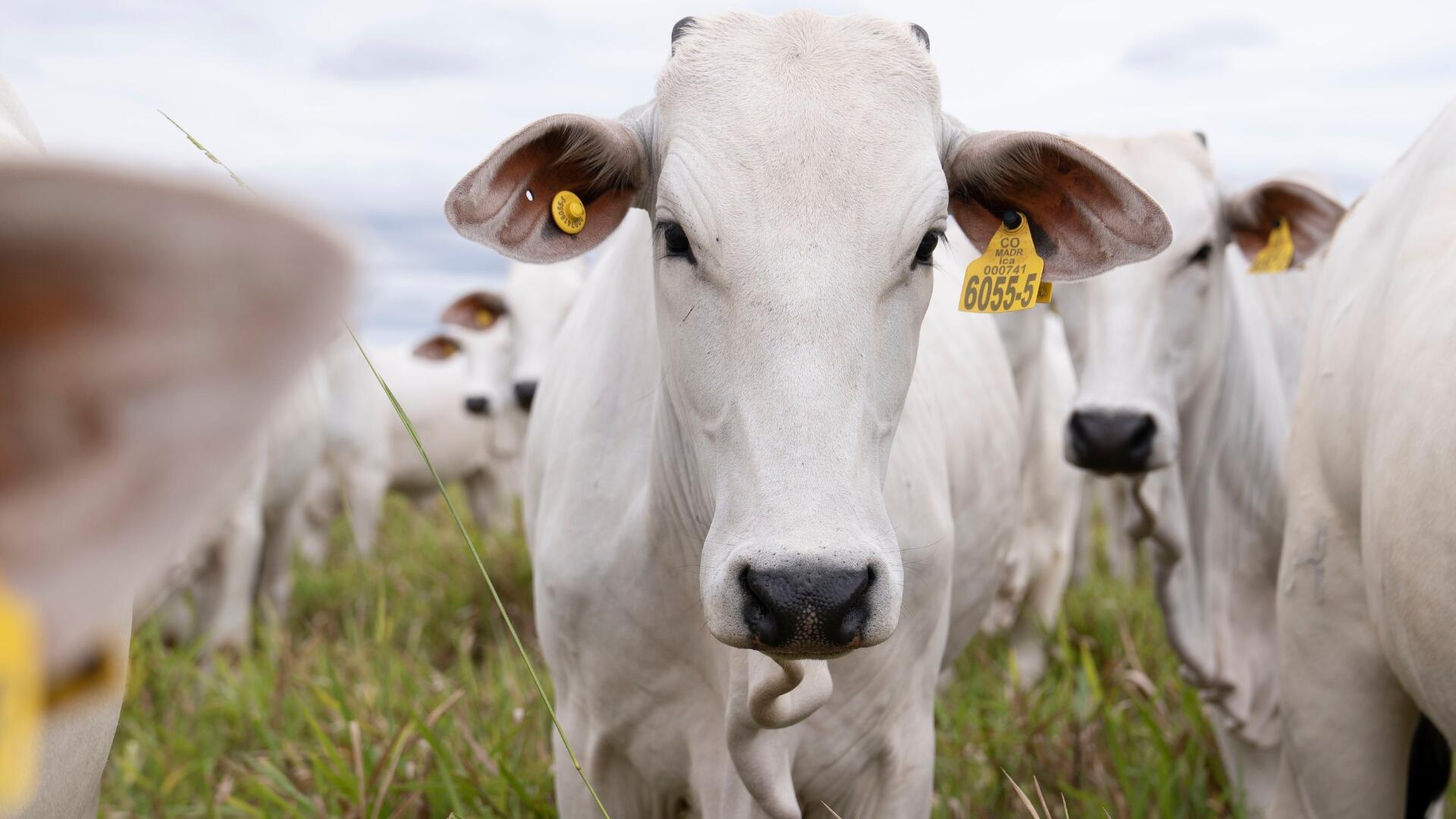
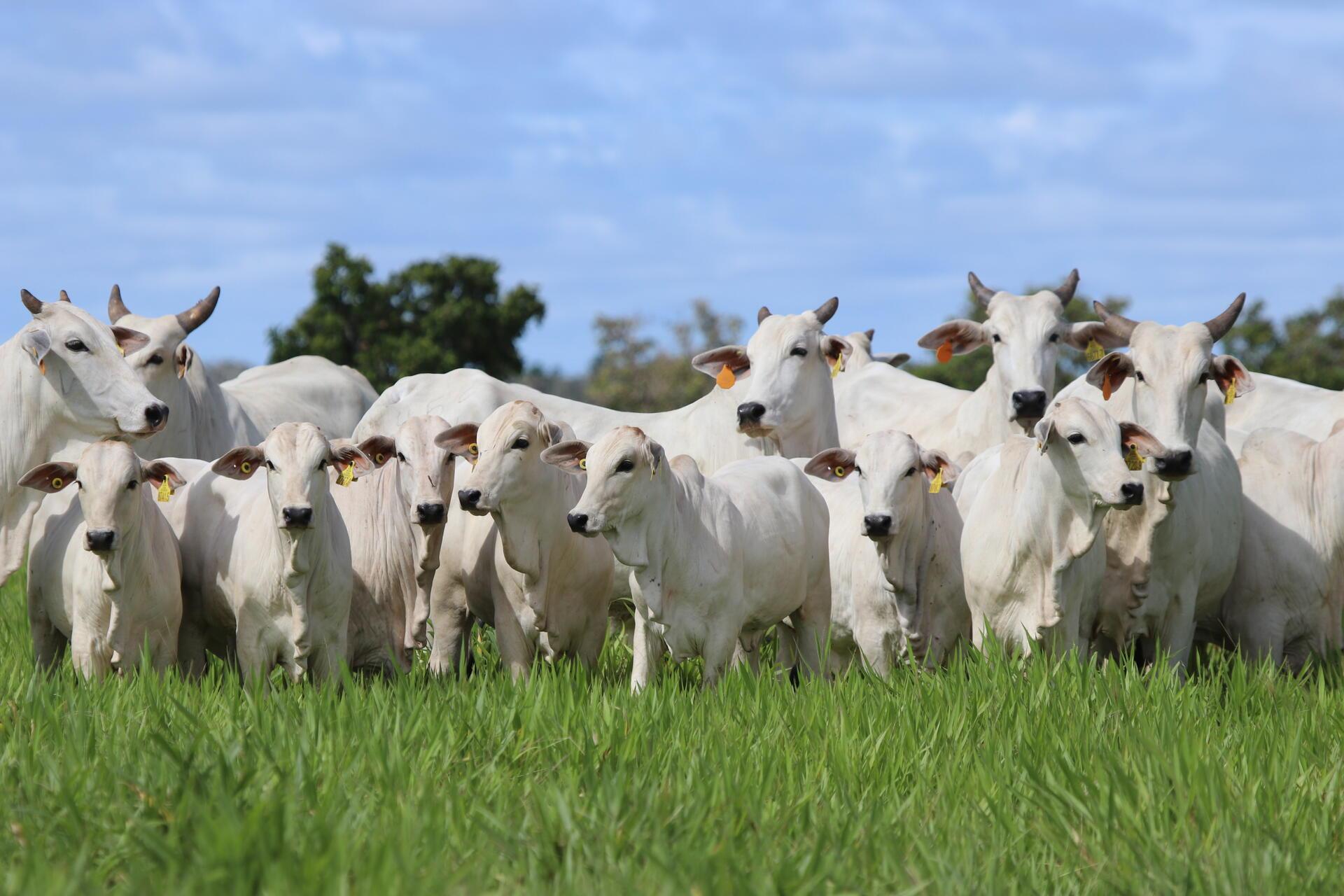
Thus, in a region historically marked by the use of fire and low productivity, an alternative is beginning to take shape—one that combines higher production, better soil management, and a concrete response to climate change. As Jacobo Arango and Juan Andrés Cardoso agree, improving the cattle feed base not only transforms productivity, but also opens the path toward more resilient and sustainable livestock systems in the tropics.
What is happening today in Vichada demonstrates that it is possible to produce more on the same land area, reduce emissions, and better adapt to an increasingly variable climate. More than an isolated experience, this model integrates productivity, sustainability, and resilience, offering a concrete pathway for transforming livestock production in Colombia and in other tropical regions facing similar challenges.
Further reading
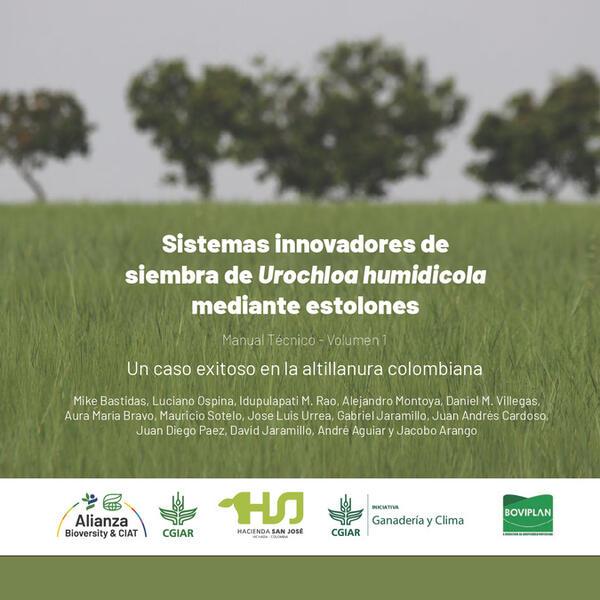
- Soil carbon stocks and nitrous oxide emissions of pasture systems in Orinoquía …
- Natural silvopastoral systems in the Colombian Orinoquia region
- Landscape-scale assessment of the contribution of improved Urochloa humidicola …
- Forage production and nitrogen dynamics in silvopastoral systems with Leucaena …