Blog Strengthening ties for sustainable agriculture: The Alliance meets with Ethiopia’s state minister of agriculture
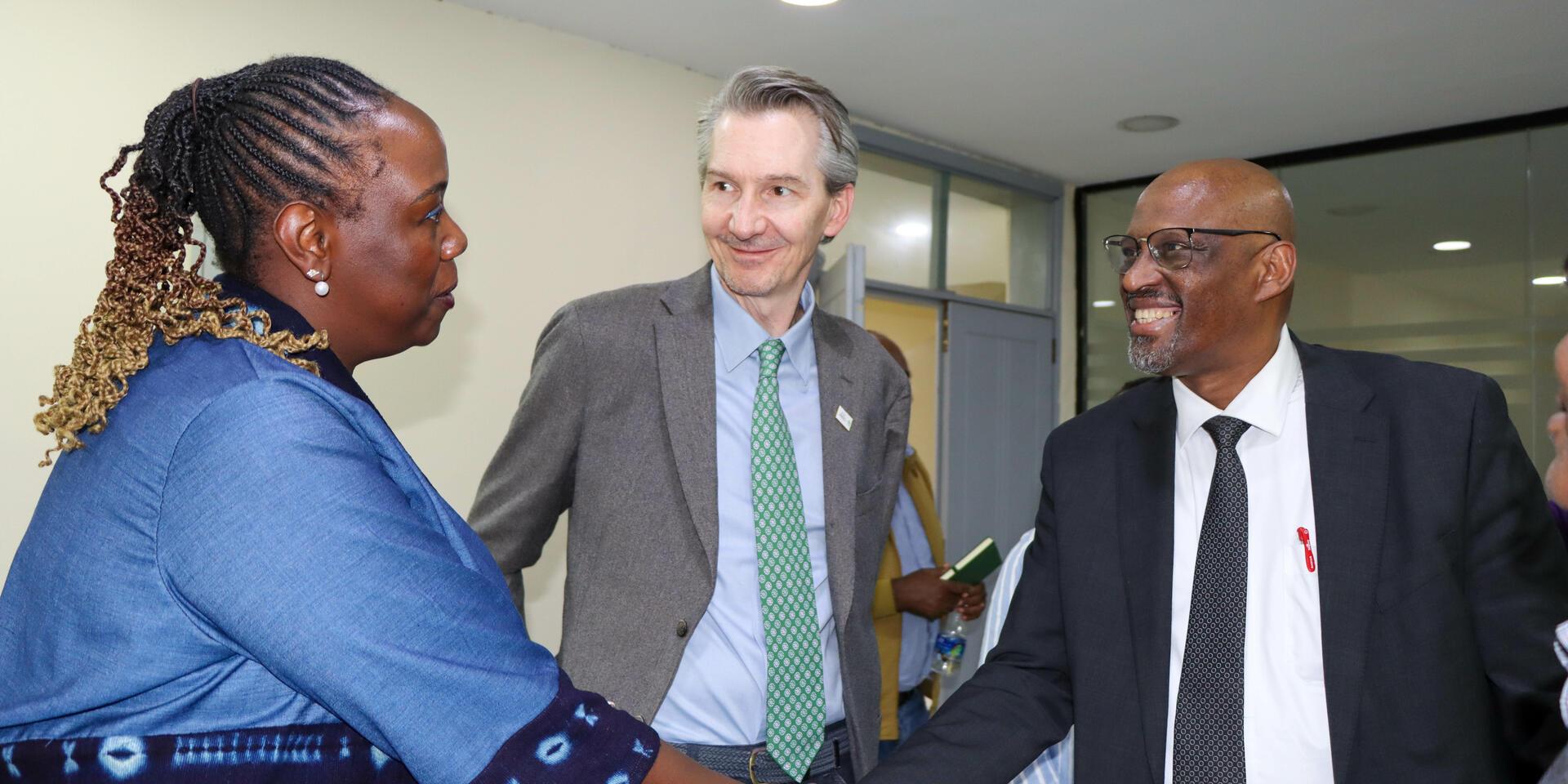

Representatives from the Alliance of Bioversity International and CIAT met Ethiopia’s State Minister of Agriculture in Addis Ababa to strengthen collaboration on land restoration, soil health, agroecology, and data-driven agricultural transformation.
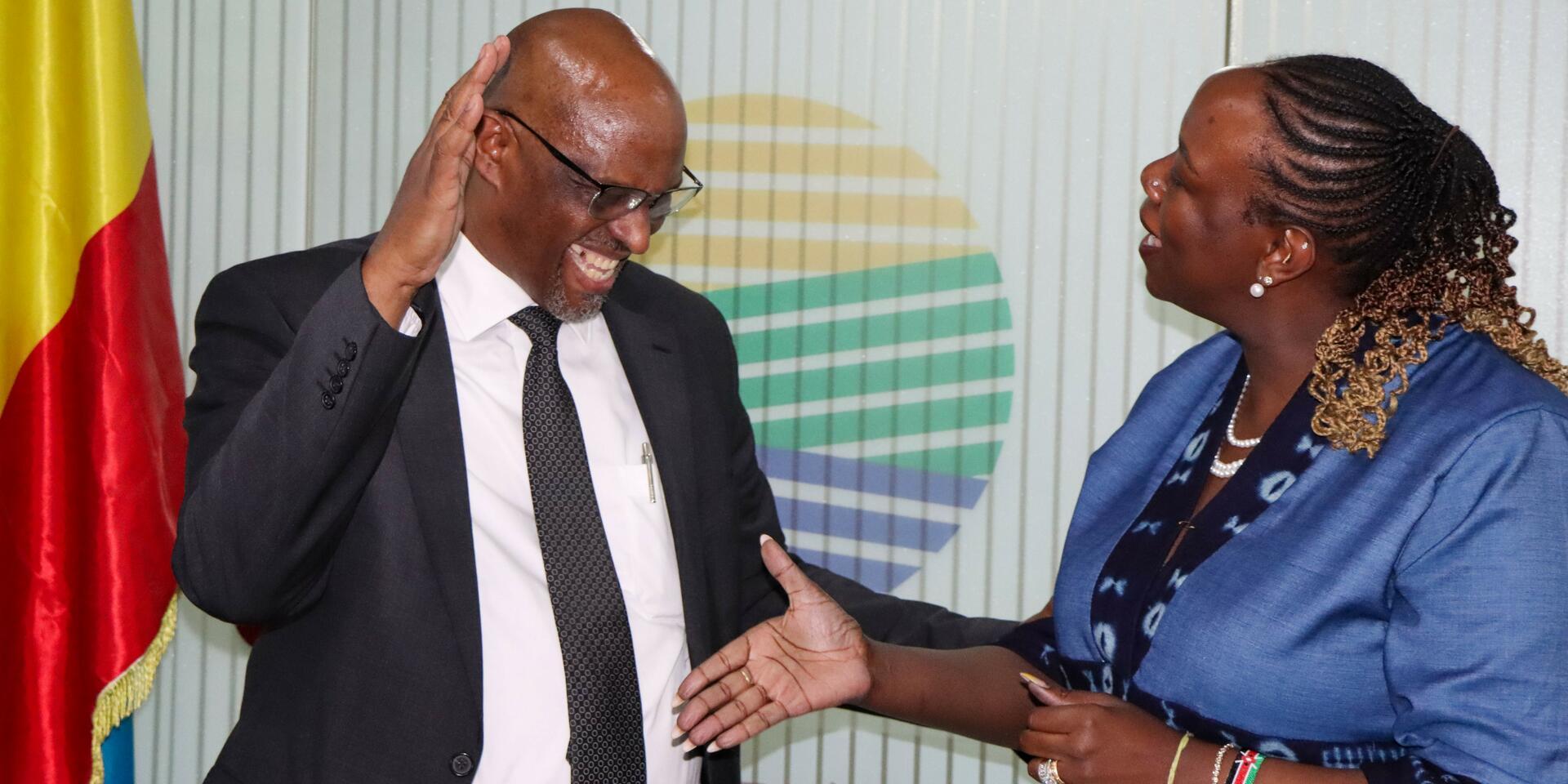
In a high-level meeting held in Addis Ababa, a delegation from the Alliance - led by Director General Juan Lucas Restrepo, Africa Managing Director Dr. Wanjiru Kamau-Rutenberg, and Dr. Lulseged Tamene, Director of Multifunctional Landscapes and Interim Director of the Multifunctional Landscapes Science Program of CGIAR - met with H.E. Prof. Eyasu Elias, State Minister for the Natural Resources Sector at Ethiopia’s Ministry of Agriculture. The dialogue marked a significant step toward deepening strategic collaboration to reduce land degradation, accelerate sustainable land use, agroecological transformation, and data-driven agricultural development in Ethiopia.
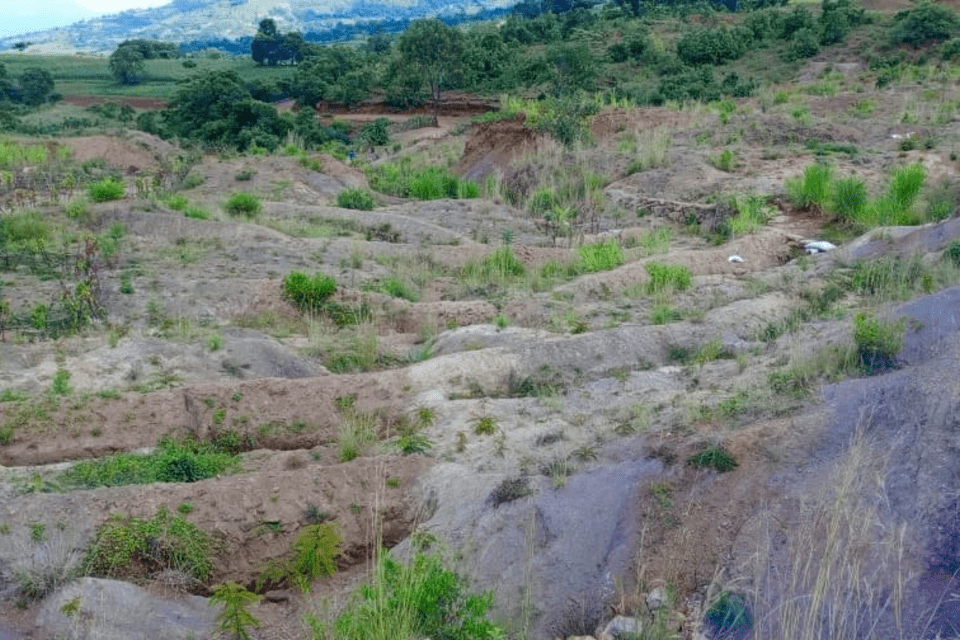
Addressing land degradation
Prof. Eyasu provided an in-depth overview of the country’s agricultural landscape, outlining both its opportunities and critical challenges. He emphasized the urgent need to combat land degradation and tackle food insecurity, which remains one of the highest in sub-Saharan Africa. Despite these challenges, the state minister highlighted Ethiopia’s remarkable progress in landscape restoration, noting that more than 2 million hectares have been rehabilitated through national initiatives and community-driven efforts.
Advancing the Green Legacy Initiative
A central point of discussion was Ethiopia’s Green Legacy Initiative (GLI), an ambitious national program focused on large-scale tree planting and ecosystem restoration. Prof. Eyasu underscored the government’s commitment to this flagship initiative, explaining that a dedicated share of Ethiopia’s GDP is allocated to support GLI activities. This demonstrates the country’s determination to enhance environmental sustainability, mitigate climate change, and secure ecosystem services for future generations.
Boosting Wheat Production and Soil Health
The meeting also covered Ethiopia’s rapid scale-up of dry season (irrigated) wheat production, which has become a cornerstone strategy for strengthening domestic grain supply and reducing dependence on imports. Prof. Eyasu further highlighted soil health as the foundation of long-term agricultural productivity, calling for integrated soil fertility management and innovative approaches to maintain ecosystem balance while meeting the food demands of a growing population.
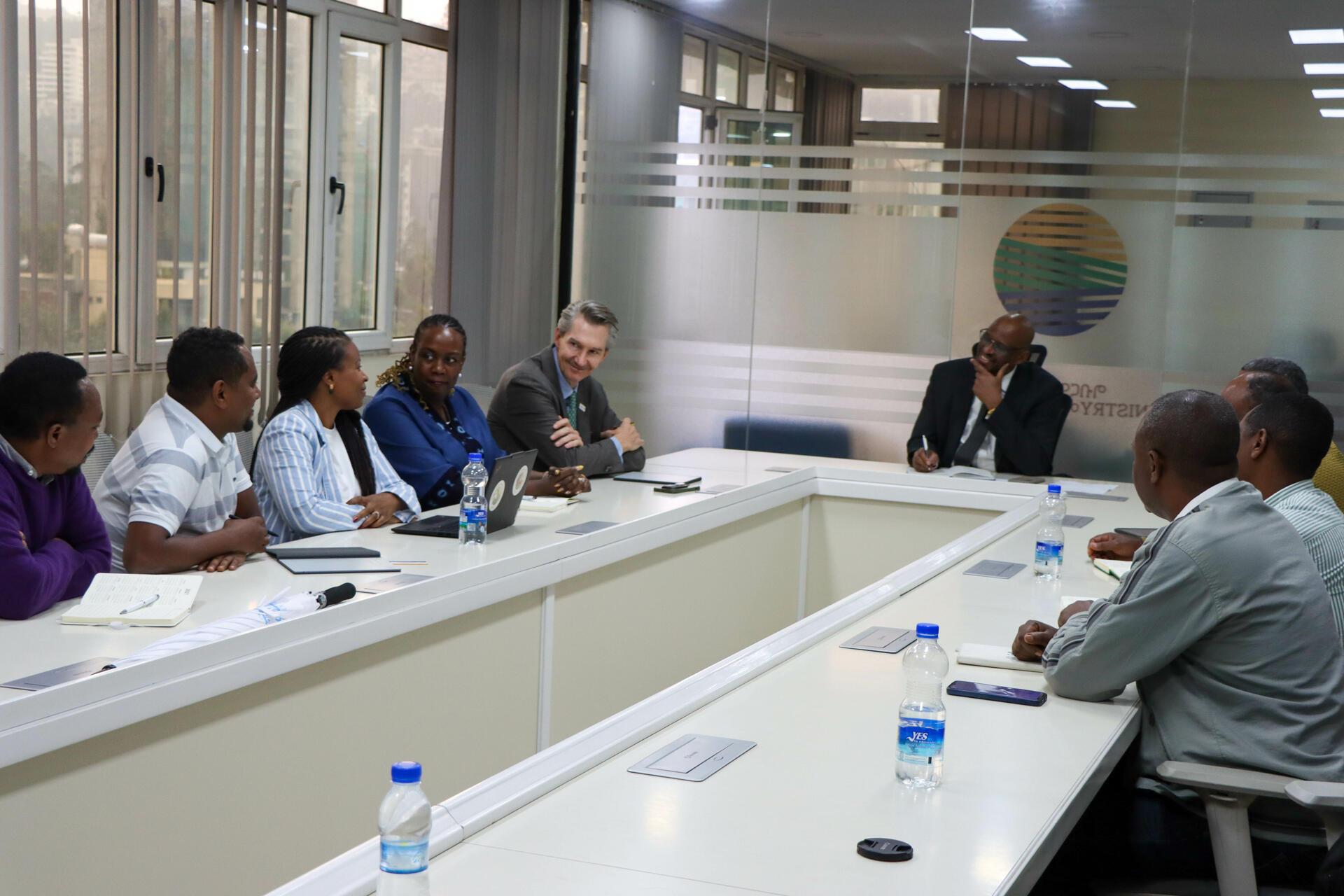
Advancing Shared Goals for Monitoring of Restoration Efforts in Ethiopia
The discussion centered on restoring degraded landscapes and promoting sustainable land use, with soil health identified as a foundation for resilient farming systems. Both parties emphasized developing national soil health strategies and mapping initiatives to guide interventions. Synergies around agroecology were also explored, with Ethiopia’s National Agroecology Strategy set to benefit from technical support and evidence-based insights.
The meeting underscored the need for science-based monitoring to assess the long-term impacts of restoration. The State Minister highlighted collaboration with CGIAR’s Multifunctional Landscapes Science Program to co-develop tools that ensure restoration efforts deliver measurable benefits for ecosystems and livelihoods.
Empowering Decision-Making with Data
A key priority was advancing Ethiopia’s National Agricultural Data Hub to enhance data collection, sharing, and evidence-based decision-making. The Alliance pledged continued support to make the Hub a central tool for planning and policy and reaffirmed its backing for the Coalition of the Willing on Data Management.
This meeting reflects our shared goal to co-create solutions that put farmers, ecosystems, and evidence at the center of agricultural transformation,” said Juan Lucas Restrepo.
Prof. Eyasu Elias added, “Through this partnership, we can scale science-based solutions and build a sustainable, climate-resilient agricultural system for Ethiopia.
Strengthening Partnerships for Impact
In response, Juan Lucas Restrepo reaffirmed the Alliance’s commitment to supporting Ethiopia’s transition toward a climate-smart, sustainable, and inclusive agricultural sector. Both parties agreed to deepen research collaborations, foster innovation, and scale up joint initiatives that link science, policy, and community engagement.
Dr. Wanjiru Kamau-Rutenberg - Africa Managing Director of the Alliance - highlighted the need for Africans to co-learn and co-develop solutions to the continent’s challenges. She stressed that true transformation comes when nations share knowledge, innovate together, and take ownership of their development. Initiatives like Ethiopia’s Green Legacy Initiative must be documented and shared across borders, turning local successes into continent-wide impact. By fostering homegrown systems of learning and innovation, Africa can drive scalable progress and build lasting resilience.
Dr. Lulseged Tamene - Director of the Multifunctional Landscape Lever and Interim Director of the Multifunctional Landscapes Science Program at CGIAR - highlighted the program’s close collaboration with Ethiopia’s Ministry of Agriculture to address landscape management and agricultural productivity challenges. Key priorities include enhancing landscape restoration, improving soil health through integrated solutions and digital advisories, developing a national fertilizer and soil health roadmap, and creating tools to address soil acidity and salinity. The program is also building a high-resolution soil grid map to guide crop selection, erosion control, and land suitability modeling, alongside supporting Ethiopia’s national agroecology strategy as a pathway to sustainable food systems. He also emphasized the need for partnership co-learning, leveraging Ethiopia’s successes in Sustainable Land Management and the Green Legacy Initiative. Plans include integrating AI and data analytics for real-time monitoring and scaling lessons from the Coalition of the Willing to strengthen restoration efforts and capacity building across regions.
Looking ahead
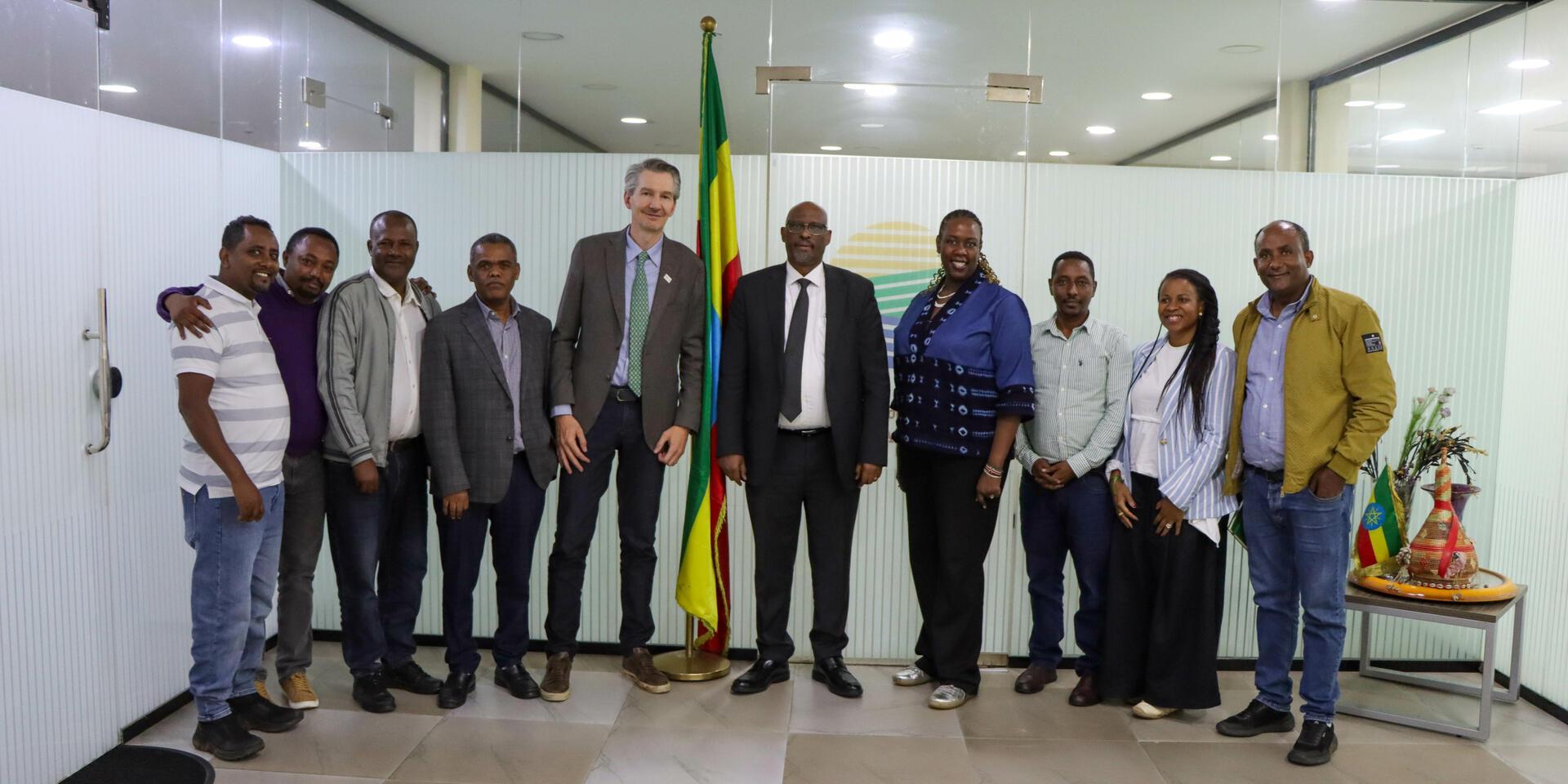
As climate change and land degradation intensify, partnerships such as this are vital to building resilient agricultural systems. The Alliance’s work in Ethiopia is rooted in long-standing collaboration and a shared commitment to ensuring food and nutrition security, safeguarding natural resources, and equipping communities with the tools to adapt and thrive.
This high-level dialogue reaffirmed that future progress depends on integrated, farmer-centered, and science-based solutions that are co-created and locally owned. It highlighted the shared vision of the Ministry of Agriculture and the Alliance of Bioversity-CIAT to harness research and evidence-based policy to achieve food security, restore ecosystems, and strengthen climate resilience in Ethiopia.
Key priorities include jointly developing robust frameworks and digital systems to track landscape restoration, soil health, biodiversity and agricultural productivity, while integrating artificial intelligence and data analytics for near real-time monitoring to enable evidence-driven decisions and adaptive management. This meeting represents a critical step towards aligning national priorities with global expertise to deliver sustainable solutions for millions of farmers and communities nationwide.
The Team

Juan Lucas Restrepo
Director General, and Trustee, Bioversity International UK/USA
Wanjiru Kamau-Rutenberg
Managing Director, Africa, and Trustee, Bioversity International USA
Lulseged Tamene Desta
Director, Multifunctional Landscape
Dessalegn Molla Ketema
Postdoctoral Fellow-Social Scientist, Country Representative for Ethiopia
Mengistu Dejene Kassahun
Scientist-II
Degefie Tibebe
Research SpecialistKeep exploring