Research Articles How spatial analytics can inform policy decisions in Kenya: knowledge exchange and dialogue between the Alliance and KIPPRA
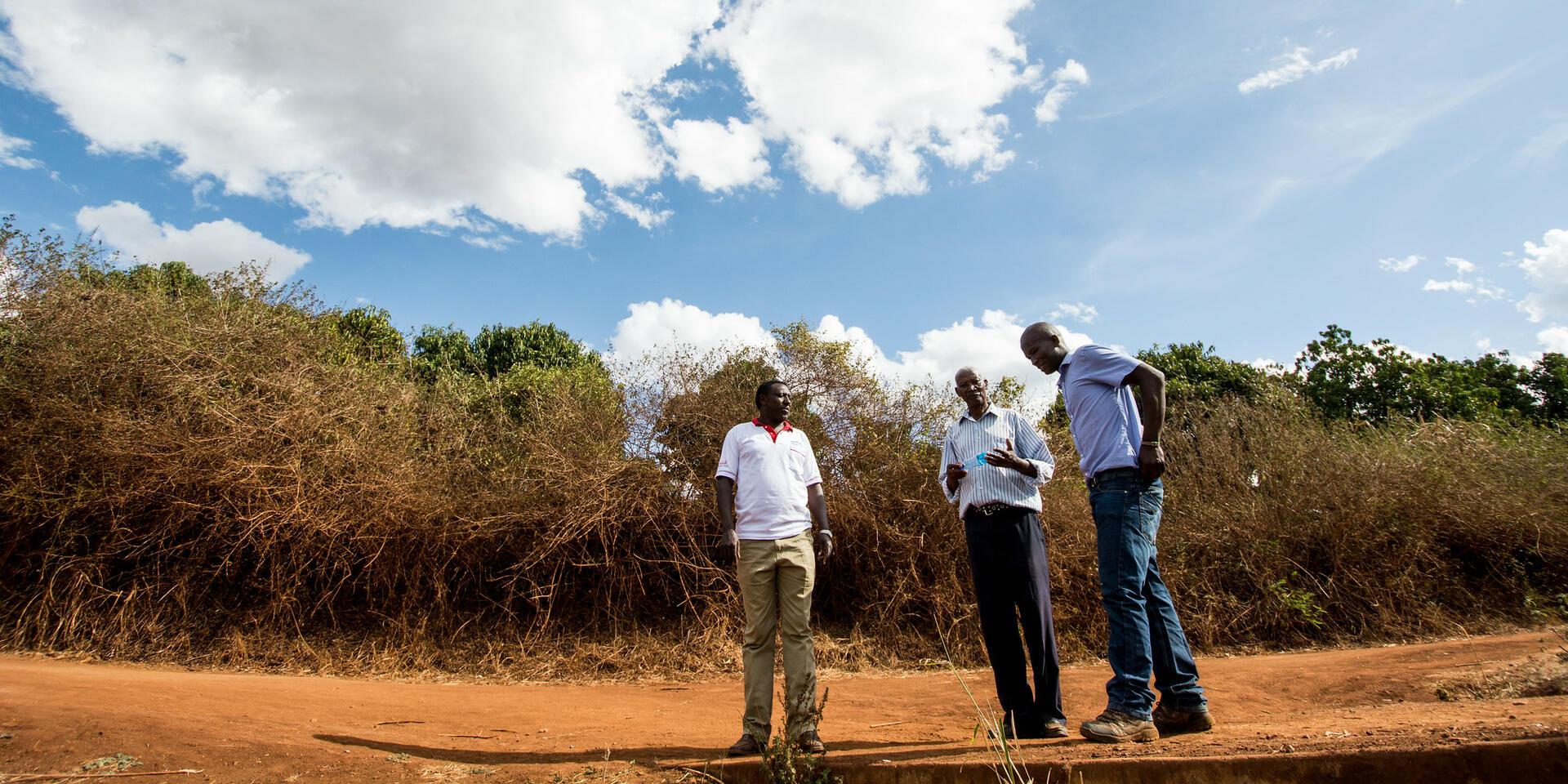

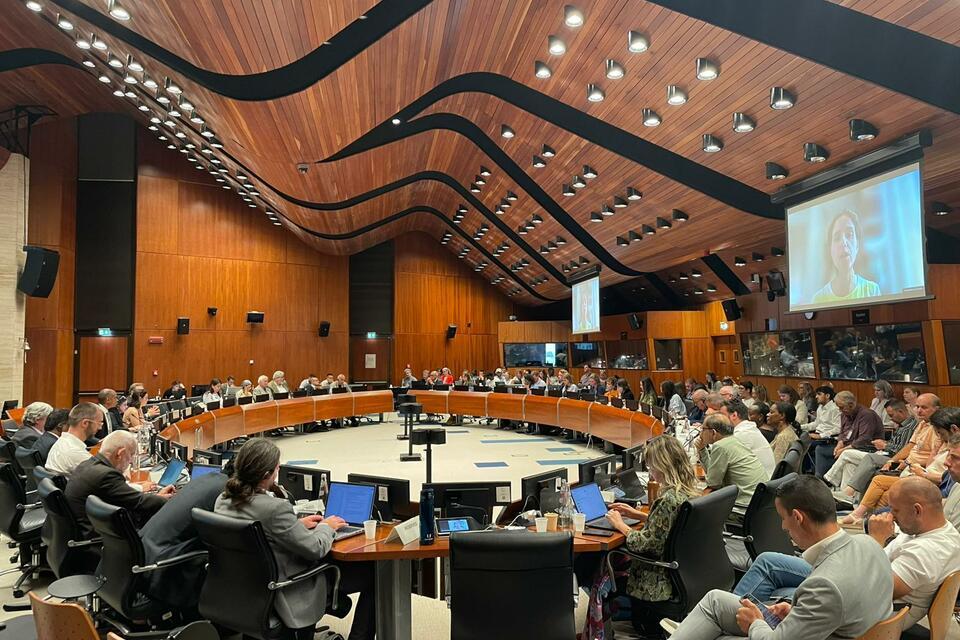
In Kenya, in 2026, experts from KIPPRA and the Alliance met to explore how spatial analytics and foresight tools can support evidence-based policymaking. The dialogue aimed to better align national development priorities with local realities.
How can policymakers ensure that national development plans translate into meaningful impact for local communities on the ground?
This question was at the center of a recent dialogue between the Kenya Institute for Public Policy Research and Analysis (KIPPRA) and the Alliance of Bioversity International and CIAT.
Bringing together experts in spatial analytics, economic modelling, and policy, the meeting explored how emerging data and analytical tools can help bridge the gap between national priorities and local realities.
Why place matters in evidence-based policymaking
National statistics and economic projections provide critical guidance, but development challenges rarely unfold evenly across a country. Food insecurity, malnutrition, climate vulnerability, and agricultural productivity can vary significantly between regions, counties, and even neighboring communities; differences that aggregate data often mask.
This is where spatial analytics can make a difference. Dr. Elisabetta Gotor, Principal Scientist at the Alliance and Lead of the Area of Work on Market-Led Transformation under the CGIAR Policy Innovations Program, opened the discussion by introducing ongoing efforts to apply foresight modelling and spatial analysis to support policy prioritization in the Global South, work in which Kenya has been a key partner country. Current Alliance work includes downscaling subnational food demand projections, assessing climate-conflict interactions, pest and disease, evaluating climate-smart agriculture adoption, and identifying areas where existing policies may fall short as environments change.
KIPPRA: building Kenya's analytical foundations
KIPPRA has been investing significantly in its own analytical capabilities.
Dr. Eldah Onsomu, Executive Director of KIPPRA, highlighted the institute’s growing engagement in foresight and spatial analysis, as well as the establishment of a new Predictive Analytics Division to integrate emerging technologies across its research departments.
Dr. James Gachanja presented work on spatial econometrics, machine learning, and small area estimation, reflecting Kenya’s increasing focus on wards as units of economic planning. His team is developing ward-level estimates using Bayesian geostatistical methods, georeferenced survey data, and Earth observation datasets, including ward-level estimates of child stunting and malnutrition across the country. Such granular analysis provides policymakers with insights that are often hidden within national or county averages, helping reveal localized development challenges and opportunities.
Gideon Nyakundi from the Predictive Analytics Division further illustrated how spatial approaches can help policymakers visualize and respond to geographic disparities in food security and nutrition.
Connecting the dots: from macro models to local contexts
The conversation revealed a strong convergence between the two institutions.
While the Alliance works to translate macro foresight models into subnational insights, KIPPRA is building increasingly detailed local indicators at the ward level. Linking these two streams of evidence could give policymakers a significantly richer basis for understanding future food system challenges and where actions will be needed.
Consider a practical example: macro projections may indicate rising demand for nutritious foods over the coming decades, but spatial analysis can identify where that demand is likely to emerge, which area face the greatest nutritional vulnerabilities, and where investments in value chains, infrastructure, or agricultural innovation would have the most impact.
The dialogue also touched on how advances in Machine Learning and AI can complement policy work, helping policymakers interact with complex datasets, synthesize evidence, and generate insights more efficiently.
The beginning of new collaborations
Participants agreed to strengthen engagement through more technical discussions and joint knowledge generation, with mutual interest topics including the integration of ward-level indicators with subnational food demand projections for supporting policy. As Kenya continues to pursue more localized and evidence-based policy planning, collaborations like this, connecting national foresight with on the ground realities will be essential to ensuring that data translates into decisions that reach the communities that need them most.
The team

Elisabetta Gotor
Director, Land Resource Economics Unit, and Program Leader, Performance, Innovation and Strategic Analysis for Impact
Chun Song
Spatial Econometrician