Blog Young researchers from West Africa shape the next generation of Nationally Determined Contributions
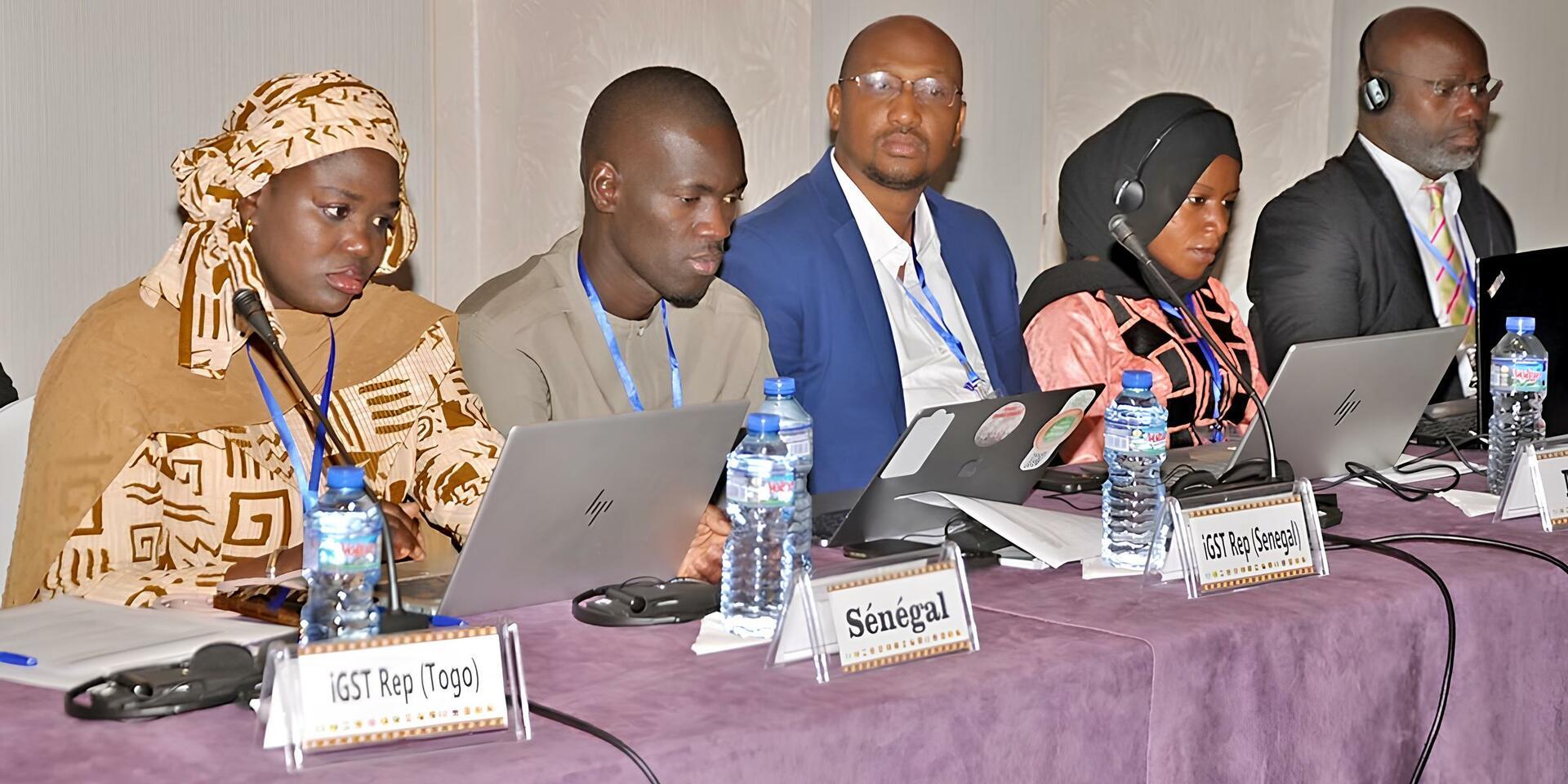

A regional workshop disseminated the findings of a youth-led analysis of the Nationally Determined Contributions (NDCs) of West African Parties to the Paris Agreement.
The analysis report highlights that the next generation of NDCs (NDC 3.0), due in 2025, should align closely with the outcomes of the first Global Stocktake (GST1) to enhance global climate ambition and action.
As countries across West Africa revise their climate commitments, national leads are working to ensure that the next generation of NDCs is evidence-based, context-specific, and inclusive of the perspectives of youth, women, and civil society. This growing engagement of young researchers and advocates reflects a regional shift toward more participatory and science-informed climate policymaking.
Nationally Determined Contributions (NDCs) lay out how countries will contribute to reducing greenhouse gas (GHG) emissions and contribute to the goals outlined in the Paris Agreement. These committments embody the efforts of each country to adapt to the impacts of climate change.
Through the iGST West Africa Young Fellowship Program, six early-career researchers and climate advocates from across the region were selected, trained, and mentored to analyze the NDCs of West African countries. Their technical report - disseminated and validated during the workshop - goes beyond a desk review, offering combined data desk, regional insights, and concrete recommendations for shaping NDC 3.0.
What the youth-led analysis revealed
The regional assessment revealed that while West African countries have made commendable progress in enhancing climate ambition, current NDCs still fall short of the expectations outlined in GST1 outcomes, particularly on adaptation and mitigation targets.
The youth researchers also identified several gaps, including limited national data on climate impacts and underreported progress on adaptation actions which are critical insights now feeding into the policy conversation around NDC 3.0. Their analysis assessed the ambition of mitigation and adaptation targets, the inclusion of civil society and non-state actors, and how existing commitments align with GST1 recommendations. By conducting this assessment, the fellows actively paved the way for shaping policy dialogue.