Press and News Let’s talk about NDCs: The role of science and innovation in agricultural adaptation and mitigation
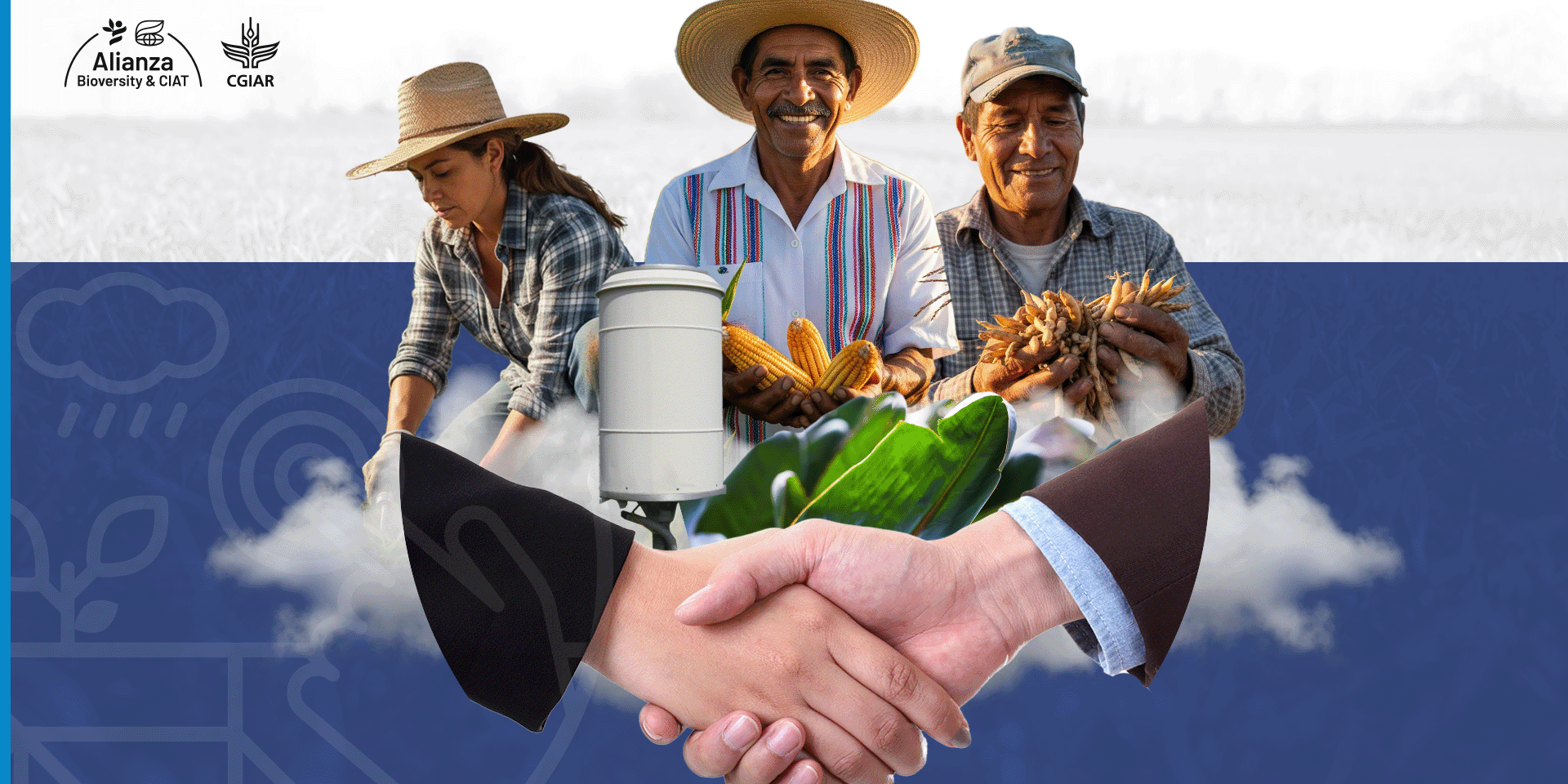

In a previous blog, we explored what Nationally Determined Contributions (NDCs) are, and why they are essential for global climate action. Here we take a deeper look at one of the most strategic and vulnerable sectors in the face of climate change: agriculture and livestock production. In this blog, we explain how adaptation and mitigation in the agricultural sector have become priorities in the NDCs of Latin America and the Caribbean, and how science, innovation, and the work of the Alliance of Bioversity International and CIAT are supporting countries in achieving their climate goals.
Why is agriculture key in the NDCs?
In Latin America and the Caribbean, agriculture and livestock provide the livelihoods of millions of rural families. However, climate change has not been kind to them: droughts, floods, and other extreme events have affected agricultural productivity to the point that productivity growth in the region has slowed in recent years. In fact, since 1961, agricultural productivity has grown an estimated 13% less than it would have without climate pressures (World Bank, 2022). This situation is directly reflected in food security: in 2022, more than 133 million people in the region could not afford a healthy diet and 6.5% of the population suffered from hunger, partly due to the climate crisis affecting food availability and access (FAO et al., 2023).
An important fact is that in Latin America, agriculture, livestock, forestry, and other land uses (AFOLU) generate around 46% of total greenhouse gas (GHG) emissions—much higher than the global average of 22% (ECLAC, 2022). Most of these emissions come from livestock, land-use change, and the use of synthetic fertilizers. However, despite these challenges, the region has demonstrated great capacity for innovation. Between 1961 and 2021, nearly 80% of agricultural production growth was due to improvements in efficiency and technology, not to the expansion of the agricultural frontier (USDA ERS, 2023). This means science and innovation are already making a difference and are the foundation for future-proofing agriculture.
An analysis carried out by the CGIAR Research Program on Climate Change, Agriculture and Food Security (CCAFS), which examined the NDCs submitted up to November 2024 (149 documents representing 176 countries), confirms the importance of the agricultural sector in global climate strategies. The results show that 118 countries referred to soil carbon management or conservation-related practices, 99 included measures related to livestock, and 41 considered rice cultivation in their actions, either for adaptation, mitigation, or both. These data reflect how, at the international level, agriculture is increasingly recognized as a fundamental pillar for meeting climate commitments (CCAFS, 2024).
Adaptation in agriculture: What does it mean and why is it urgent?
Adapting agriculture essentially means helping production systems and rural communities prepare for and better respond to climate impacts. This involves everything from diversifying crops and improving water management to strengthening early warning systems and promoting sustainable farming practices. However, climate change is advancing faster than many systems can adapt, and agricultural productivity in the region has shown signs of stagnation in the last decade, partly due to these new challenges (USDA ERS, 2023).
This is where science and innovation play a crucial role. For example, the Alliance has promoted Agroclimatic Technical Tables: spaces where farmers, technicians, and scientists come together to analyze climate information and make informed decisions about what, how, and when to plant (Hansen et al., 2019). In addition, participatory tools such as the PICSA methodology help farmers better understand forecasts and use them in their daily lives (Dorward et al., 2015).
Other innovations, such as climate-smart agriculture (CSA), promote scientifically validated and locally adapted practices like water harvesting, rooftop gardens, and crop rotation (the Alliance of Bioversity-CIAT, 2023). Agroclimatic and watershed modeling, in turn, allow anticipation of future scenarios and the design of more effective public policies, while technological innovations such as early-warning systems and mobile applications bring scientific information closer to farmers, enabling them to make more informed and timely decisions (Hansen et al., 2019).
Mitigation in agriculture: Opportunities and challenges
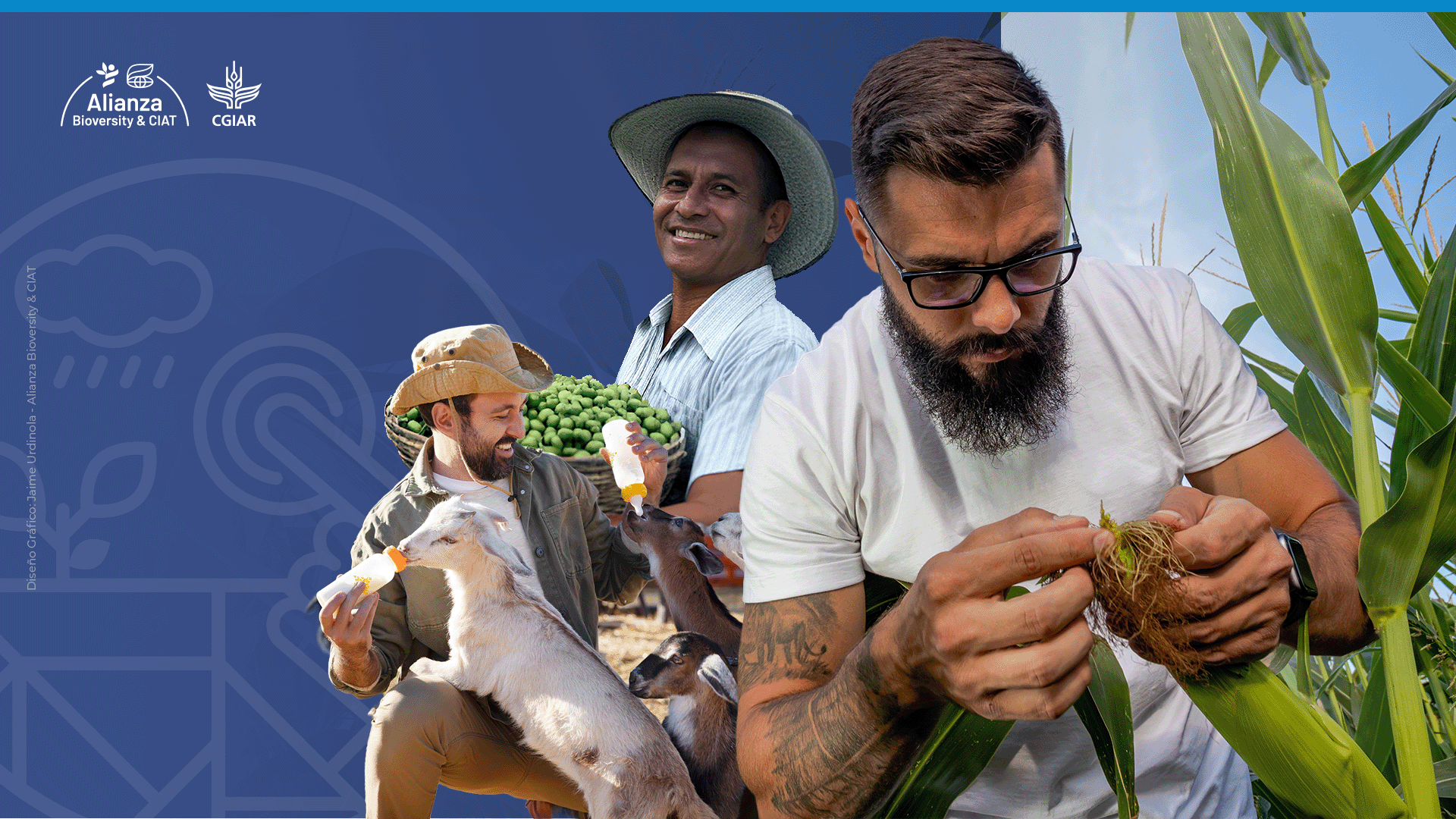
Mitigation in agriculture seeks to reduce GHG emissions and increase carbon sequestration in production systems. In the region, this means transforming livestock systems, improving soil management (particularly regarding fertilizer use), and preventing deforestation. The NDCs of Latin American countries already include goals to promote silvopastoral systems, regenerative livestock, crop rotation, and improved pastures—practices that not only help the climate but also improve productivity and system resilience (FAO, 2021).
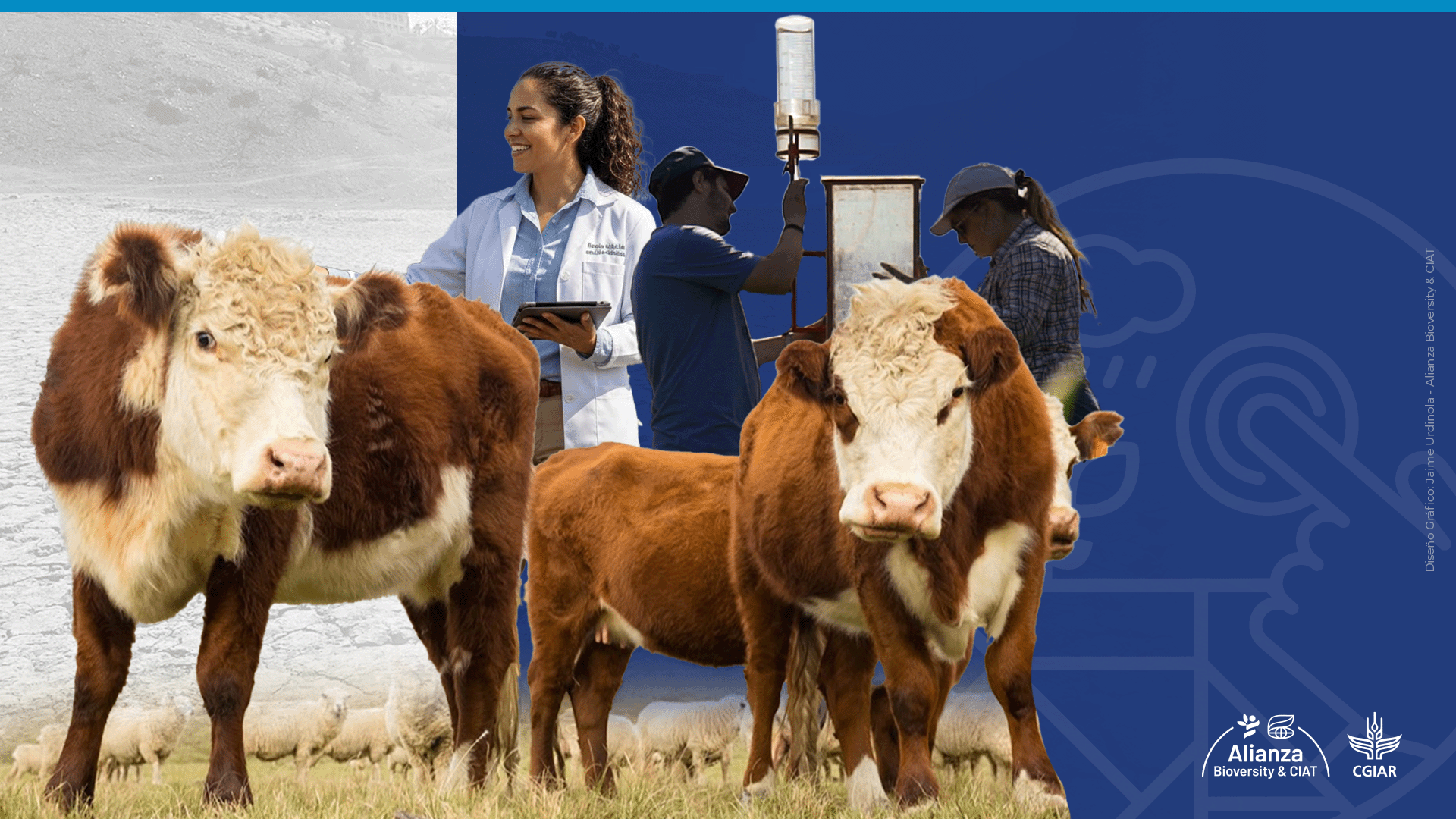
Science has been key to validating and scaling these solutions. For example, research led by the Alliance has shown that silvopastoral systems can sequester carbon, improve biodiversity, and increase farmers’ profitability (Rao et al., 2015). In addition, the development of CSA practice manuals, which include innovations such as biological nitrogen fixation through legumes, enables farmers to adopt low-cost, high-impact environmental technologies (Alliance of Bioversity-CIAT, 2023).
Where are agricultural NDC targets headed?
The NDCs of Latin America show a clear trend: integrating adaptation and mitigation in the agricultural sector by investing in innovation, technology transfer, and strengthening local capacities. However, public investment in agricultural research and development remains low: on average, only 1.15% of the value generated by the agricultural sector is invested in science and technology for farming (USDA ERS, 2023). That is why the work of organizations such as the Alliance is key to filling that gap and bringing science and innovation to the field.
Concrete examples of this approach include the promotion of agroforestry systems in Brazil, the implementation of Agroclimatic Technical Tables in Colombia, Guatemala, and Honduras, and the development and application of CSA practice manuals in several Central American countries. These actions demonstrate that collaboration among scientists, governments, and farmers is essential to meet climate goals and build more resilient and sustainable agriculture.
And, what can you do?
Transforming agriculture is a collective challenge that requires everyone’s commitment and collaboration. We can start by learning more about the sector’s challenges and opportunities and by recognizing the enormous value of agriculture and the additional effort required from farmers to adapt to a changing climate. Supporting our farmers and producers, promoting research and innovation in the countryside, and accompanying our governments in creating policies and projects that strengthen agricultural resilience and sustainability are fundamental steps to move forward together.
It is also important to remember that the agricultural sector, although central to NDCs, does not operate in isolation. It is part of something much larger: food systems. This approach, which goes beyond production in the field and includes how food is processed, distributed, consumed, and how waste is managed, is the most comprehensive and strategic vision promoted by the Alliance. By understanding agriculture within these systems, we can better connect science to people’s daily lives and develop more integrated and sustainable solutions to address climate change.
More about NDCs:
This year is the third NDC update cycle, and many countries have open consultation processes (workshops, public consultations, surveys) in which the public can participate and contribute.
In 2024, countries published their first Biennial Transparency Reports (BTRs), to be submitted every two years, informing on the progress made regarding their NDC targets.
References
• Alianza Bioversity CIAT. (2023). Manual de prácticas ASAC.
• Banco Mundial. (2022). Informe sobre el clima y el desarrollo de los países del Grupo del Banco Mundial. Banco Mundial.
• CCAFS. (2024). Agriculture sub-sectors in the NDCs: 2020-2024 Data & maps. CGIAR Research Program on Climate Change, Agriculture and Food Security (CCAFS). Recuperado de: https://ccafs.cgiar.org/resources/tools/agriculture-in-the-ndcs-data-maps-2021
• CEPAL (Comisión Económica para América Latina y el Caribe). (2022). Panorama del Financiamiento Climático en América Latina y el Caribe 2022. Naciones Unidas.
• Dorward, P., Clarkson, G., & Stern, R. (2015). Participatory Integrated Climate Services for Agriculture (PICSA): Field Manual. University of Reading.
• FAO. (2021). El estado de la agricultura y la alimentación 2021.
• FAO, FIDA, OMS, PMA y UNICEF. (2023). El estado de la seguridad alimentaria y la nutrición en el mundo 2023. FAO.
• Hansen, J. W., Mason, S. J., Sun, L., & Tall, A. (2019). Climate services for society: origins, institutional arrangements, and design elements for an evaluation framework. Climate Services, 13, 1-13.
• IPCC. (2022). Sixth Assessment Report.
• Rao, I. M., et al. (2015). LivestockPlus: The sustainable intensification of forage-based agricultural systems to improve livelihoods and ecosystem services in the tropics. Tropical Grasslands-Forrajes Tropicales, 3(2), 59-82.
• UNFCCC. (2023). NDC Synthesis Report.
• USDA Economic Research Service (ERS). (2023). Agricultural Productivity in the Latin America and Caribbean Region, 1961-2021.
Further reading