Blog The power behind a fruit: Bringing chayote to Colombians’ tables
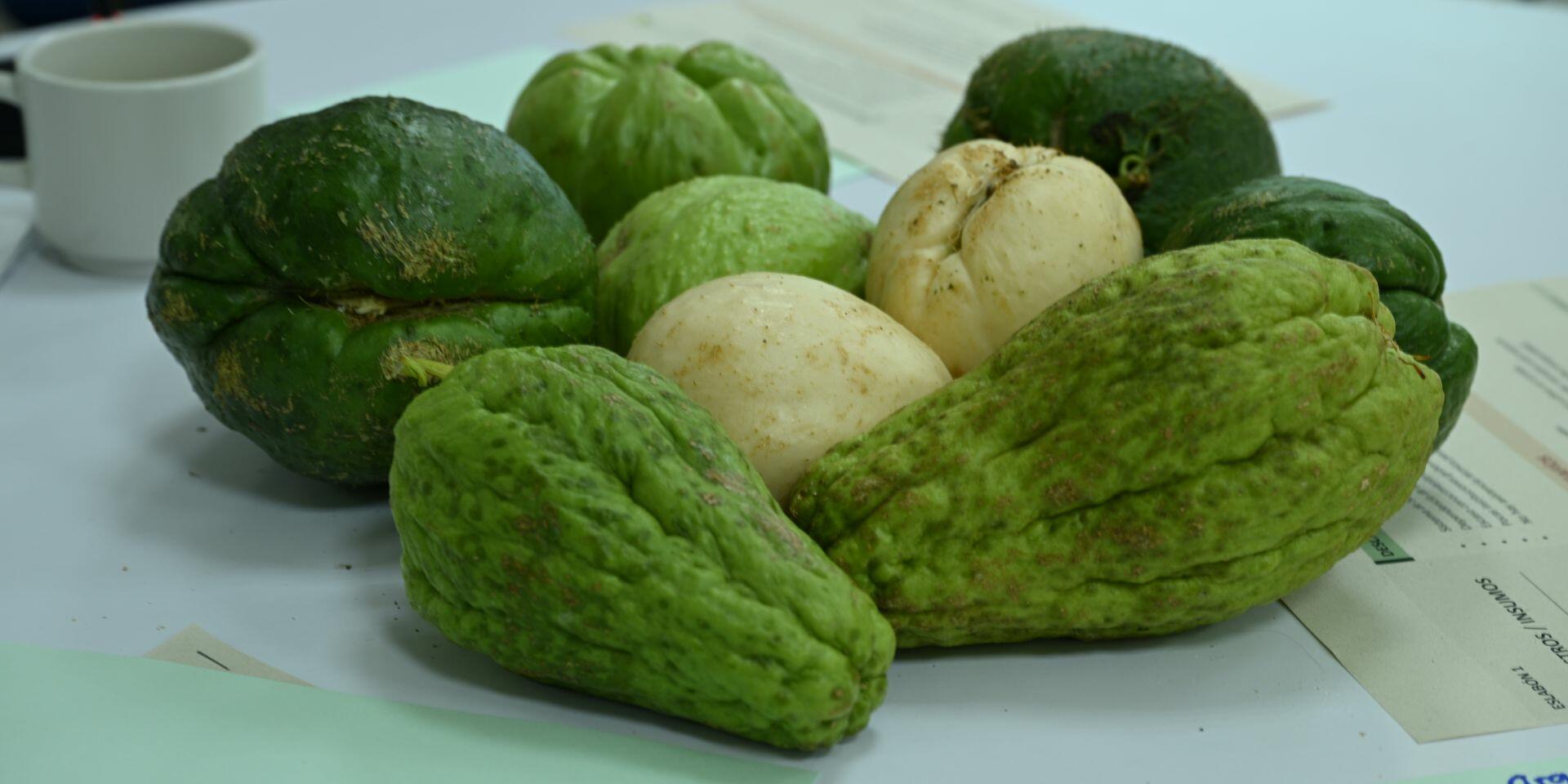
Could a fruit often considered “pig feed” or “crop residue” improve nutrition, protect biodiversity, generate income for farming households, and strengthen cultural identity? Discover here the case of chayote or guatila (Sechium edule) in Colombia.
When I was a child, it was common to hear my grandmother talk about sapote, sugar apple, loquat, guama, badea… fruits that I barely know and, in some cases, have never even tasted. But there was another fruit she often mentioned – one that only she, having lived with diabetes for many years, regularly consumed at home: chayote (or guatila). Apparently, no one else liked it… yet she had added it to the soup on several occasions. And since I loved everything my grandmother cooked, I have always thought that I liked chayote too… though I could never say so with certainty.
Today, I am taking part in a workshop of the Power of Diversity Funding Facility project, where chayote takes center stage, and I can finally say with certainty that I do like this fruit. Not only because it connects me to my grandmother, who has since passed away, but also because I have just discovered that it represents one of the best-kept treasures – until now – of my homeland: megadiverse Colombia!
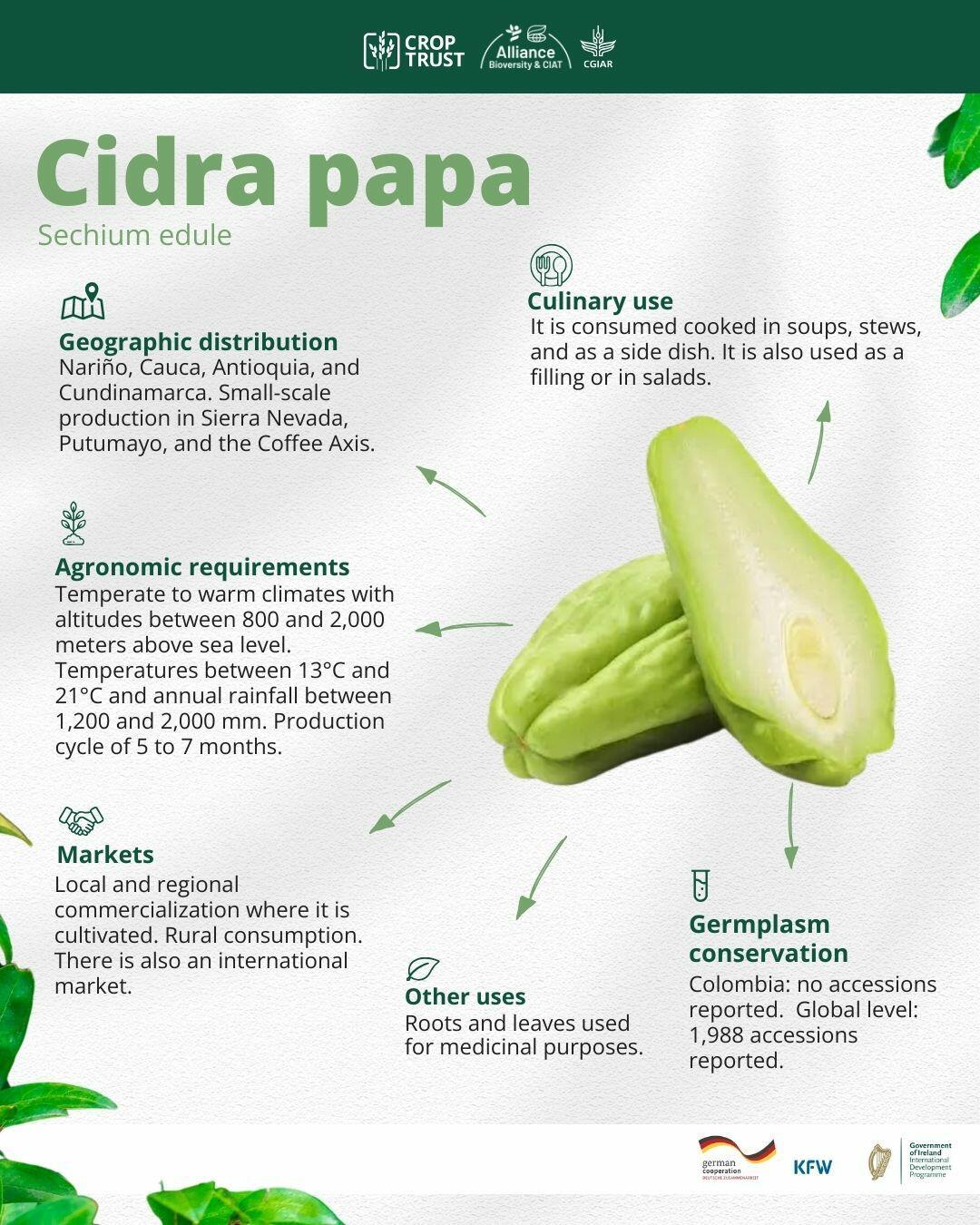
I understood why my grandmother considered it a staple in her diet. It has exceptional nutritional properties. For those familiar with the subject: it contains high levels of antioxidants, as well as significant amounts of protein and fiber, and it can help people with diabetes manage their blood glucose levels. Many people consume it because it helps lower cholesterol, but it is also one of those opportunity crops from which farmers can derive their livelihoods – and that consumers love: tasty, nutritious, and affordable. It even holds potential for the food industry, as its mild, neutral flavor makes it easy to incorporate into the development of a wide range of products.
Dialogue tables to better nourish Colombians’ plates
Today, around the discussion table, we have producers, processors, traders, researchers, educators, and even a Secretary of Agriculture. They have accepted the invitation to join a network of people in Colombia committed to promoting chayote. They come from Nariño, Cundinamarca, and Valle del Cauca, bringing with them diverse experiences and perspectives in their relationship with this crop. We engaged them in conversations about chayote production, the development of a wide range of innovative products derived from it, the valorization of its by-products and residues, as well as the roles of seed custodians and biodiversity stewards. We also discussed policies and regulations that either support or hinder the use of this crop, along with the challenges and opportunities that lie ahead.

The main challenges? The widespread lack of awareness about the benefits of this fruit, which people sometimes mistake for “crop residue” (a low-value plant material left in the field after harvest). It is often fed to chickens and pigs – and that’s good, because they are well nourished! – but in doing so, a food that could help nourish the tables of many Colombians is being overlooked.
A food as a driver of enterprise, culture, and nutrition
However, it was also inspiring to discover that in Colombia there is already an epicenter of guatila (or chayote, as it is known in Central America). A place – coincidentally located near the center of the country – where this fruit is highly concentrated, and where guatila is both a cultural driver and a symbol of local identity. So much so that people born there refer to themselves as “guatilos” or “guatileros”, and their regional peasant music competition is called “La Guatila de Oro” (The Golden Guatila). It is therefore no surprise that one of the brands producing a wide range of guatila-based products is named “Soy Guatilo”. In San Bernardo, a municipality in the department of Cundinamarca, products such as wines, gummies, yogurts, cream liqueurs, pound cakes (mantecadas), and arequipe are made from chayote. Many restaurants offering set lunch menus (corrientazos) include guatila at least once a week. They even have a recipe book dedicated entirely to guatila.
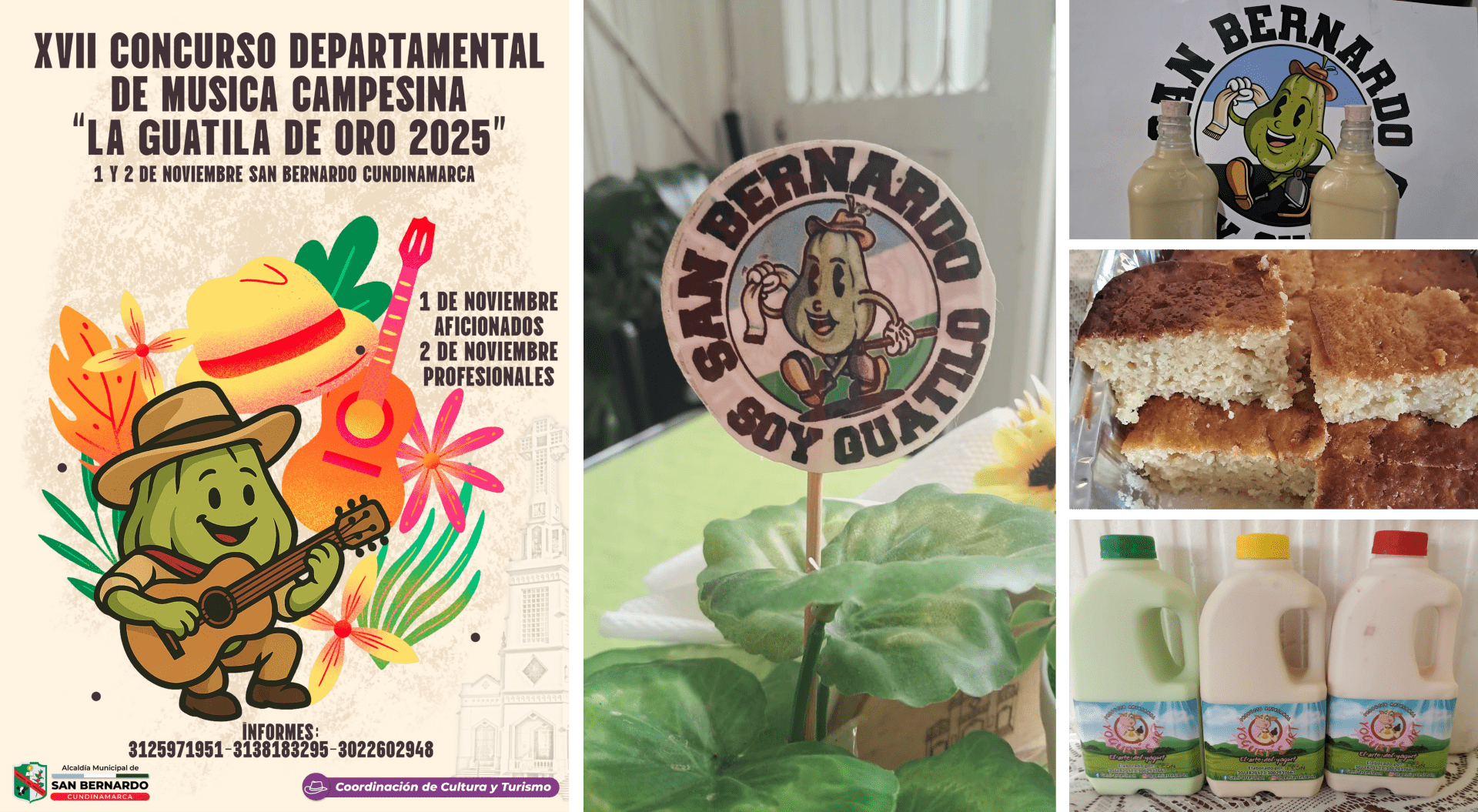
Experiences like those of San Bernardo, and of each person who joined us in conversation over those two days, are what can make it possible for an underappreciated fruit to fully express the potential contained within its seed. And you too – whether you are a chef, nutritionist, producer, processor, student, teacher, doctor, homemaker, or from any other trade or profession – can take part in the challenge of rediscovering these well-kept treasures of our land and our diets, so that they are not lost to the next generation.
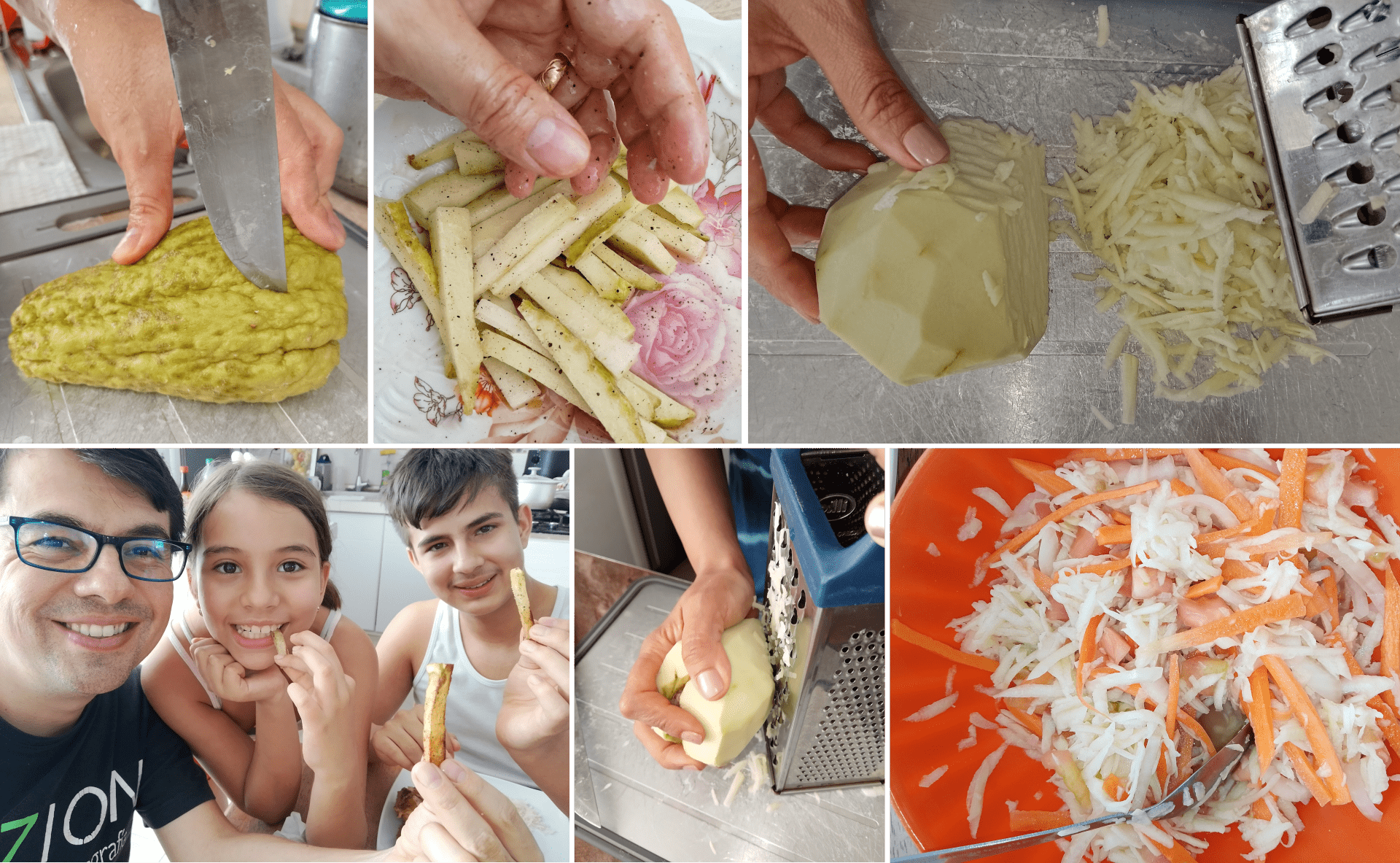
I already did. The very same day I wrote this story, after the conversation, I took home a guatila that someone gave me. With half of it, we made a salad with grated chayote and plenty of lime juice; and with the other half, we prepared what looked like French fries – and the kids loved them!
We invite you to join the community of people who grow, use, and enjoy chayote – also known as papa cidra, cidra, or guatila. It’s a truly wonderful food!
Chayote (cidra papa/guatila) and chontaduro were selected in Colombia – among 48 foods – for their high nutritional value, their potential to generate income, and their capacity to diversify food systems, address climate change, strengthen national food security, and scale their impact nationwide. The selection was made by a representative group of stakeholders – including the national government, producers, researchers, environmental organizations, international cooperation agencies, agricultural associations, and private-sector entrepreneurs – during an event held in Bogotá (July 15–16, 2025). This took place as part of the international project The Power of Diversity (Power of Diversity Funding Facility), led by the Crop Trust, with financial support from the German Federal Ministry for Economic Cooperation and Development (BMZ) through the KfW Development Bank, and the Department of Foreign Affairs of Ireland. This project promotes the recovery, conservation, production, and consumption of opportunity crops across Africa, Asia, the Pacific, Latin America, and the Caribbean. The workshop described in this blog aimed to gather key inputs to define strategies for the promotion, conservation, and strengthening of chayote (cidra papa/guatila) in Colombia.