From the Field Nurturing a shared vision for sustainable food systems in Tanzania

The Growing Together program empowers Tanzanian small and medium-sized enterprises (SMEs) and smallholder farmers with regenerative agriculture and business skills to build climate-resilient, profitable food systems.
Across Tanzania’s agricultural heartlands—from Iringa to Mbeya, Morogoro, and Dodoma—smallholder farmers are the cornerstone of national food security. Yet, for years, their potential has been constrained by climate unpredictability, declining soil health, and fragmented markets.
While improved agronomic practices are often shared, one critical element is frequently overlooked: the business mindset. Farming is not just about growing crops; it is about cultivating viable enterprises.
SMEs at the center of transforming the agricultural landscape
“SMEs are at the center of Africa’s agrifood landscape, and as such, they can be the vehicle to achieve sustainable growth”, noted Boaz Waswa, Alliance 'Growing Together' Program Lead
The Growing Together program - a NORAD-funded initiative implemented by IDH in collaboration with the Alliance of Bioversity International and CIAT, Rikolto, and the East African Grain Council (EAGC) - is designed to tackle this gap. The program aims to strengthen local food markets, enhance food security, and increase smallholder farmers' incomes. A key strategy is partnering with and mobilizing finance for SMEs that work directly with farmers. The program will support over 60,000 smallholder farmers (50% women) to adopt more climate adaptive and regenerative agriculture practices, and achieve 30% higher yield per hectare.
To create lasting, scalable impact, the project has targeted 10 local SMEs that have deep roots in Tanzania’s agricultural value chains. Currently, six SMEs are on board: Khebhandza Marketing Company, AKM Glitters (AKMG), GMT Super Rice, Ruaha Milling, Stegrafet, and Kibaigwa Flour Supplies. These SMEs are working side by side with farmer groups across the regions of Iringa, Mbeya, Dodoma and Morogoro.
Training farmers to train others
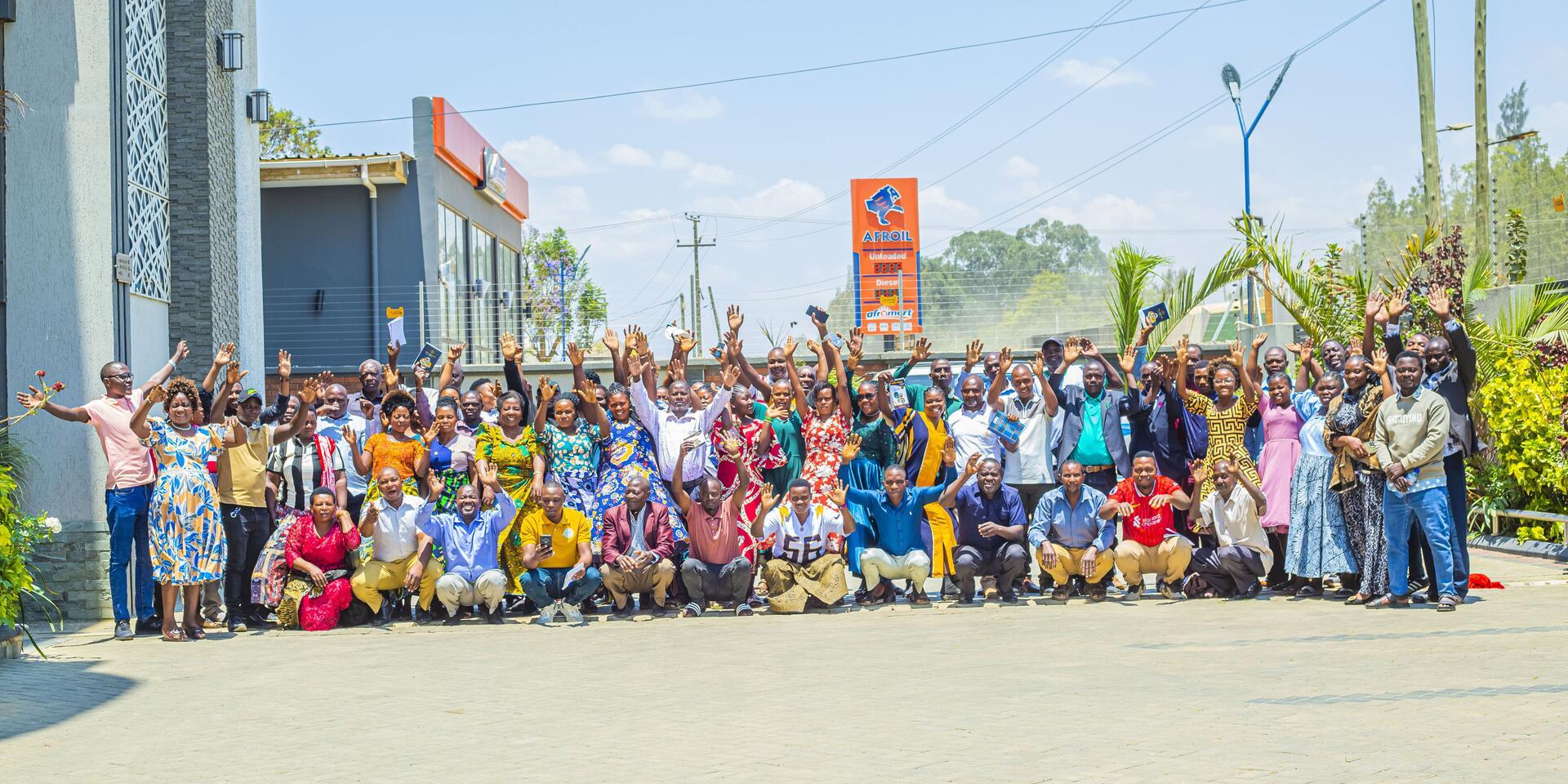
The Alliance Bioversity International and CIAT has partnered with SMEs, rolling out a series of trainings empowering producers in climate resilience, regenerative agriculture, gender and inclusion. Seven training sessions were conducted in Iringa, Mbeya, Morogoro, and Dodoma. The trainings benefited 274 lead farmers, of whom 41% were women. This gender-inclusive engagement demonstrates a strong commitment to engaging both men and women in sustainable agricultural practices and building community capacity for climate-resilient farming.
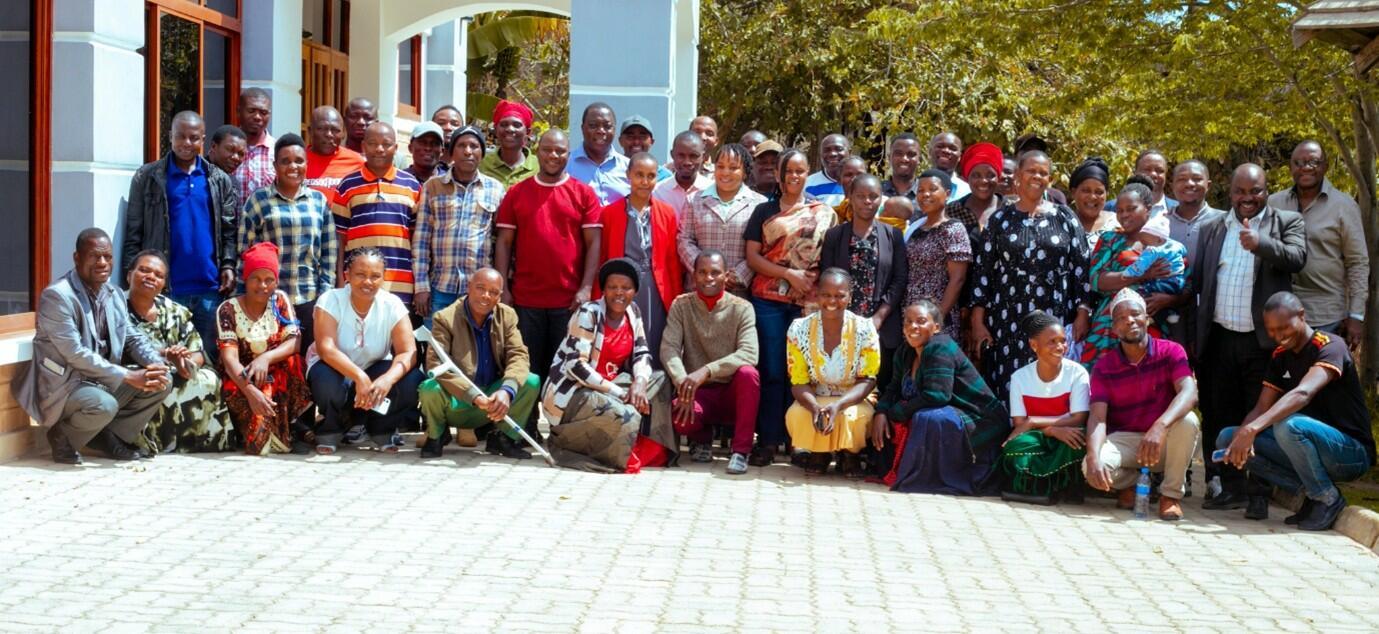
AKM Glitters lead farmers training in Iringa Tanzania
The trainings were conducted in collaboration with value chain experts from Tanzania Agricultural Research Institute (TARI). Over two intensive days, participants from each SME had the opportunity to dive into practical lessons across major value chains: rice, maize, common beans, soy beans and sunflower, blending technical agronomy with solid agribusiness principles. What made the sessions lively was the practical group work: mapping crops, identifying local constraints, and drafting partial budgets to evaluate their profitability and efficiency.
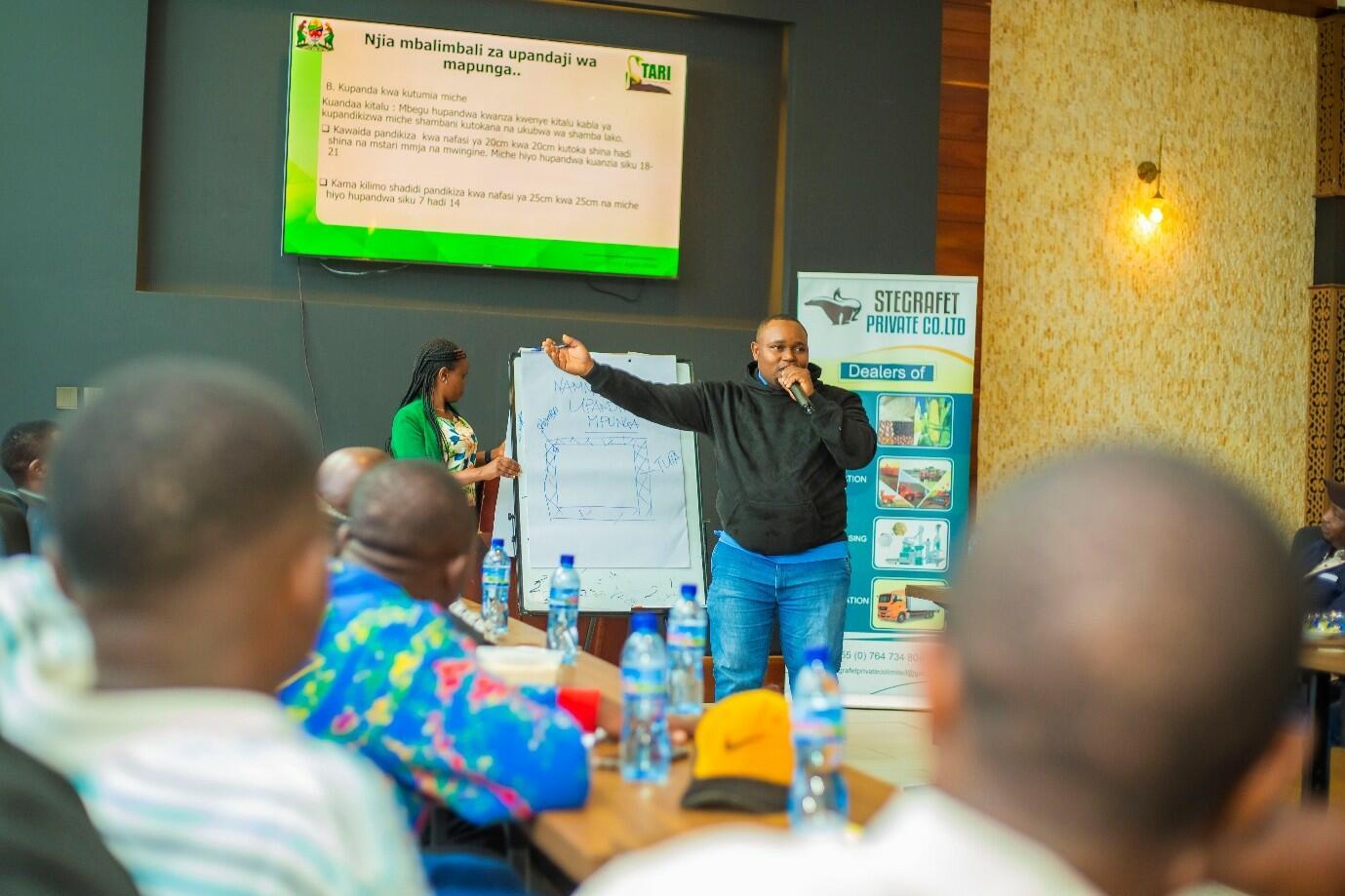
Vicent Juma Marwa, an expert from TARI DAKAWA facilitating rice production training
The trainings explored topics such as: Climate change and its impact on agricultural production using certified, climate information services and seasonal weather forecasting; bundling 'integrated soil fertility management (ISFM)' and regenerative agriculture practices and making the most of fertilizer subsidies; accessing and using certified, seasonal seeds; applying good agricultural practices for higher yields; farming as a business; and promoting gender and youth inclusion for equitable participation in agricultural production.
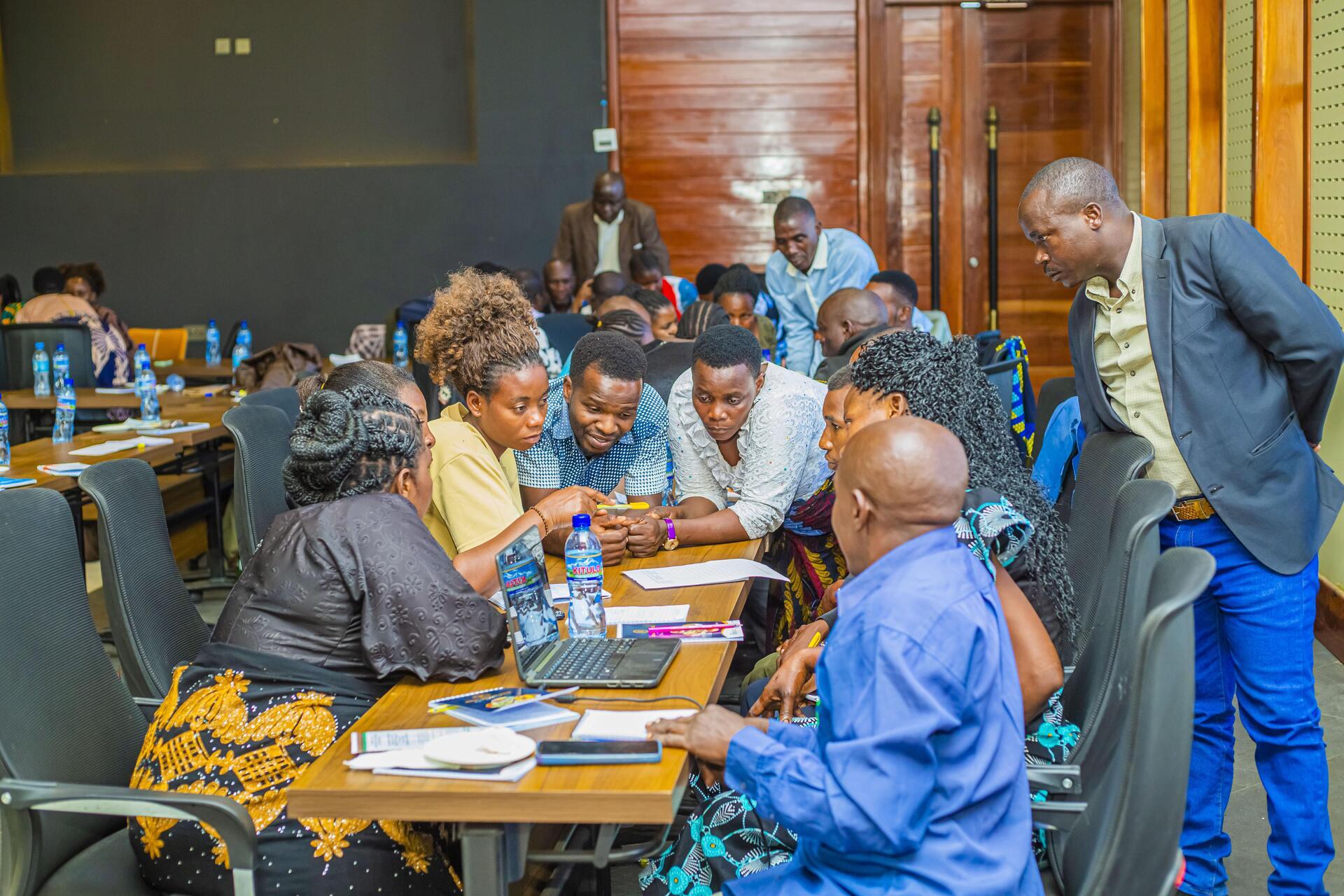
Farmers group discussion around cost benefit analysis of the value chain.
Challenges and key learnings
During the training sessions, participants shared their lived experiences, the highs and lows of working the land amid a changing climate. They openly reflected on the challenges facing agriculture and the urgent need for sustainable, practical solutions, for example:
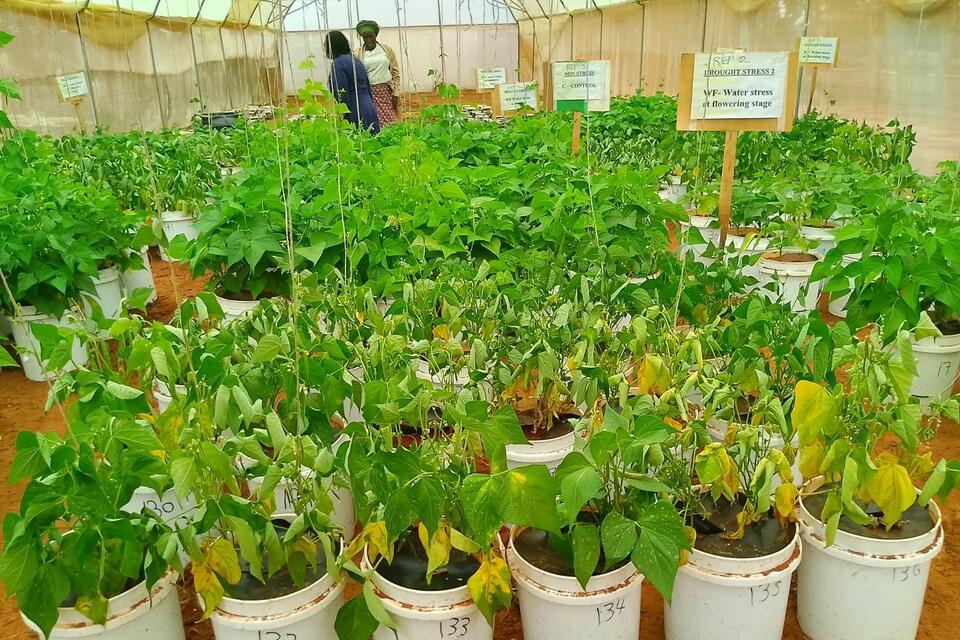
Climate: Key among the challenge were drought, floods, and heat resulting in crop failure, frequency in occurrence and resistance to pests and diseases, and an unpredictable cropping calendar. Diverse climate resilience and mitigation strategies ranging from adjusting planting times to diversifying crops were discussed, to make farmers more adaptive amidst climate adversity.
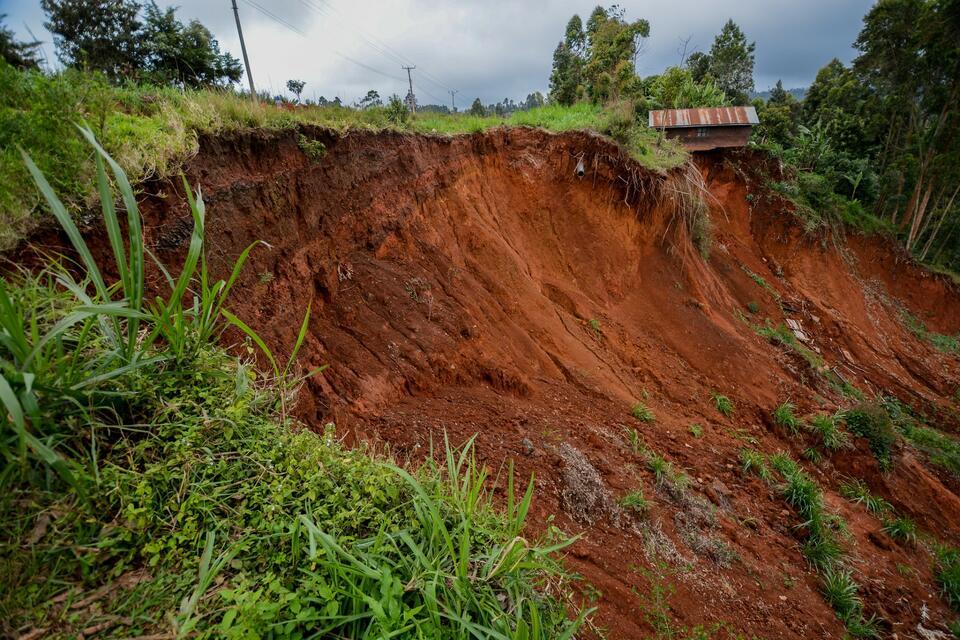
Land degradation: The participants indicated a notable decline in soil health as a major challenge to reducing productivity. This was attributed to in-field grazing and residue removal after crop harvest, sub-optimal use of nutrient inputs, and low adoption of innovative soil and water management techniques. The group explored how bundling regenerative agriculture and good agronomic practices (GAPs), can be used to restore degraded lands for optimal and sustainable production.
Gender and inclusion: Gender discussions elicited interesting discussions among the participants. Ultimately, it was agreed that all stakeholders need to have a mindset shift and become conscious and deliberate to include everyone in production decisions, while seeking equity and addressing barriers hindering inclusion.
Regenerative agriculture: A game changer
Regenerative agriculture is fast emerging as the driver of climate-smart agriculture (CSA). By blending soil health restoration with climate resilience, farmers will unlock new opportunities, from richer soils and thriving biodiversity to better water retention and higher yields. Beyond the farm, these practices open doors to fair markets that reward those who care for the land. In addition, access to improved seeds, regular soil testing, reliable irrigation systems, affordable mechanization and timely access to chemical inputs is vital. These are not mere requests but critical blueprints for transformation.
Counting costs and benefits
“Farming as a business requires proper budgeting and keeping good records of cost and returns”, challenged Juma Kapiligi, the Alliance's Growing Together coordinator in Tanzania.
To achieve this, participants computed and presented their production costs and benefits to enable them to visualize whether their enterprises were profitable. Many farmers realized that there are nodes on the value chain that can be adjusted to reduce costs or increase productivity, thus achieving higher profitability.
“Often, we farm without taking into consideration the importance of assessing costs and returns. Today I have learnt a lot and hope to keep records”, shared Isack Mwalugali, one of the rice farmers under GMT super rice.
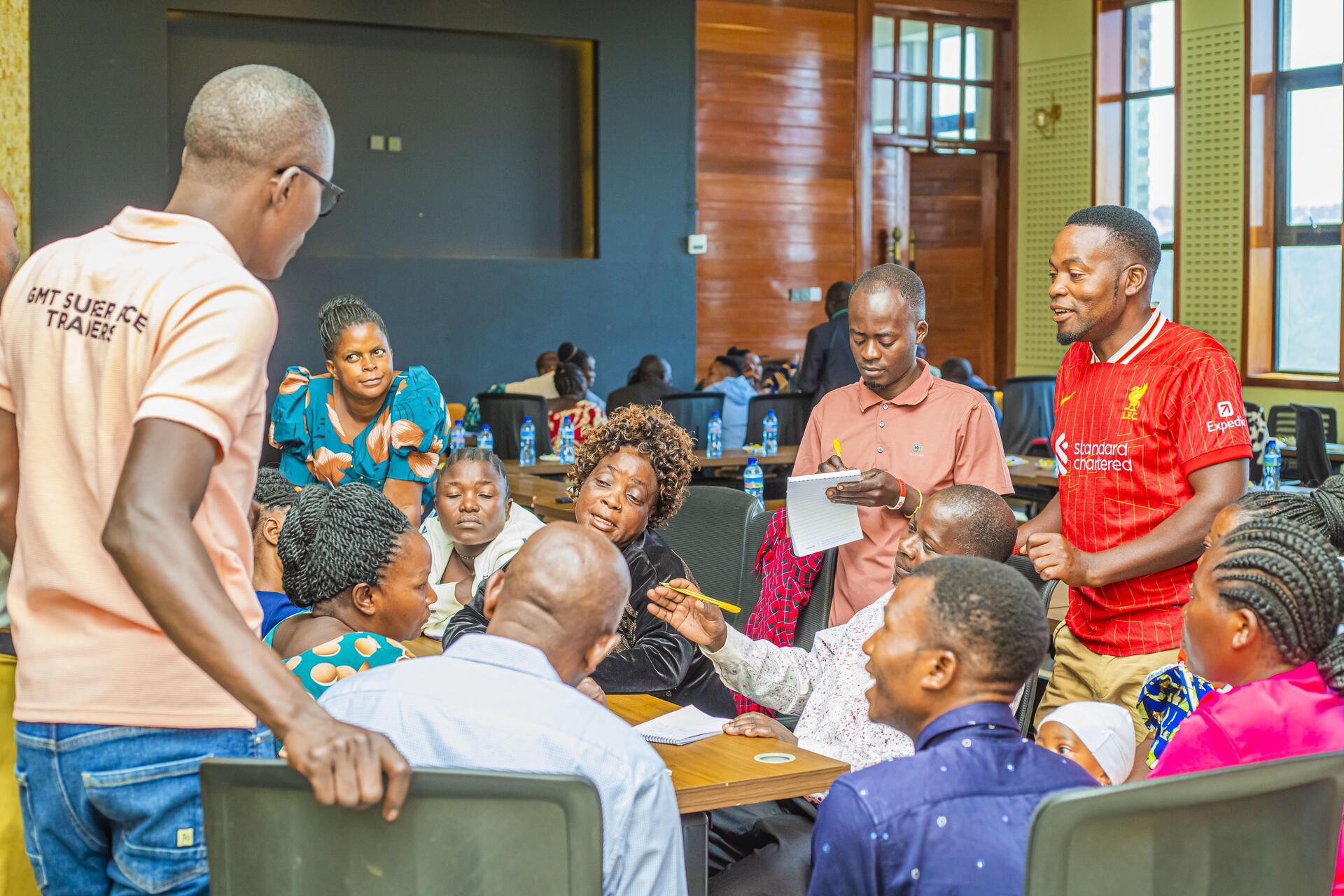
Farmers under GMT animatedly participating in a climate risk assessment group session
When knowledge sparks innovation
The power of peer-to-peer learning became clear during the sessions. One farmer, Richard Mwajungwa from Stegrafet, shared that by shelling rice, he earns an extra Tsh 20,000-24,000 from rice polish and Tsh 90,000 from broken rice per bag.
The room fell silent, followed by surprised murmurs as peers realized they had been giving away these by-products for free. This single insight opened eyes to the untapped value within their existing practices.
Growing together, growing forward
Through the Growing Together program, Tanzania’s smallholder farmers are rediscovering how to drive their farming as a sustainable business. By merging agronomy and agribusiness, they are learning that every seed planted is more than a crop: it is a business decision, a pathway to a secure livelihood, and a legacy for the future.
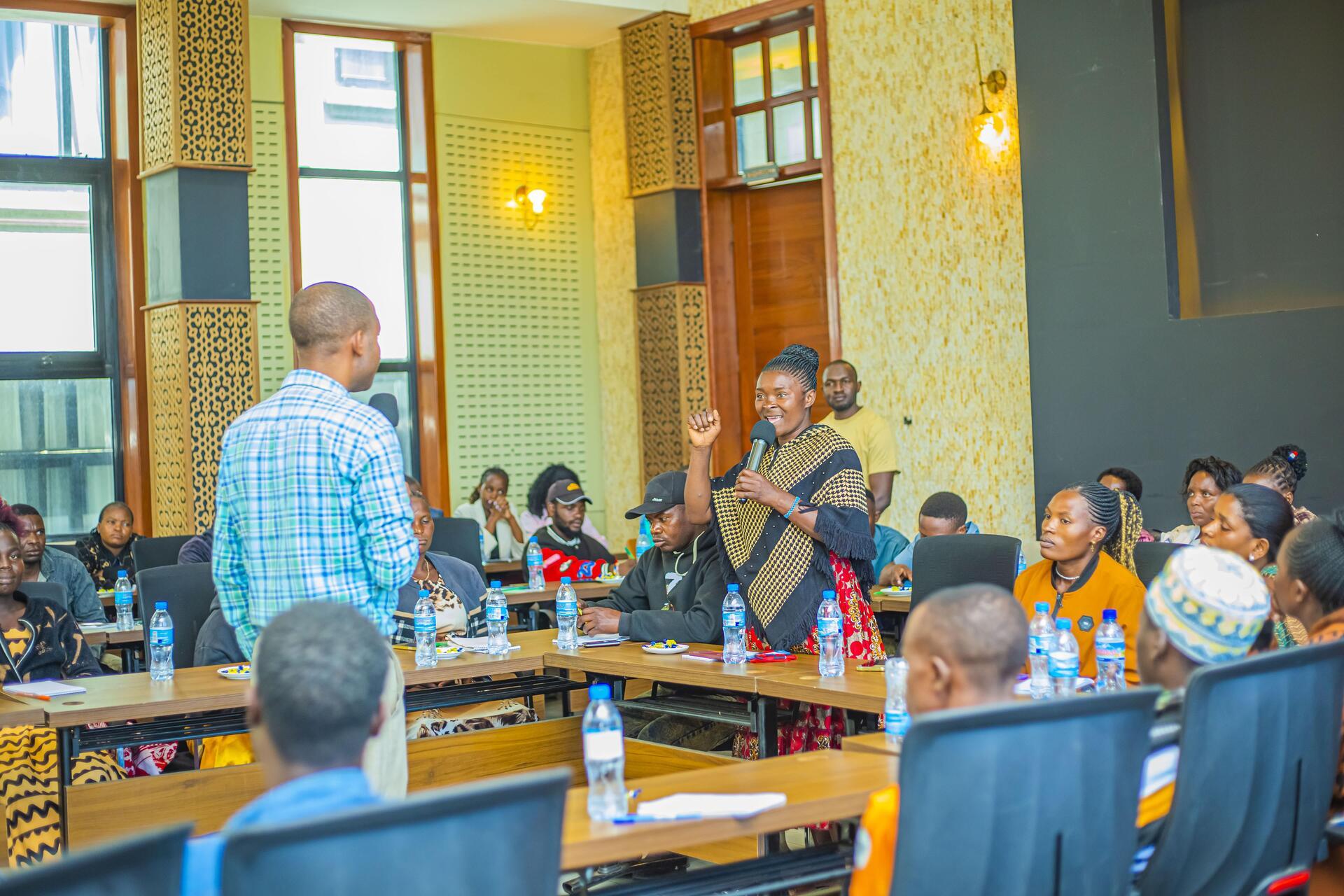
A farmer interacting with Mr. Sabula, TARI maize expert during the Khebandza training in Mbeya