Research Articles The cost of soil erosion in sub-Saharan Africa: Why the time to act is now
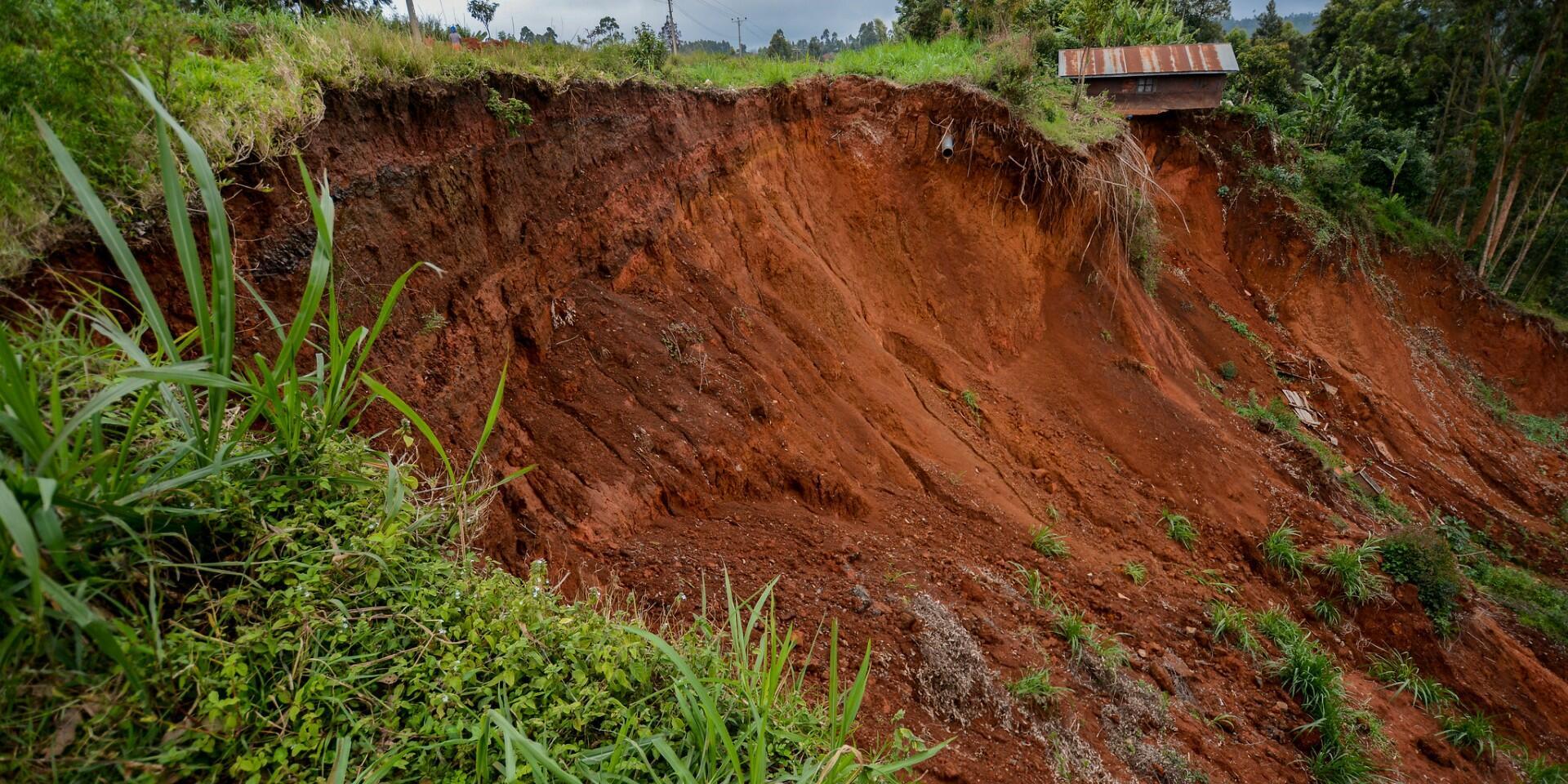

Soil erosion is a silent crisis eroding Africa’s future. In sub-Saharan Africa (SSA), nearly half a billion hectares of land (494 million ha - an area larger than the entire European Union) is being degraded. The main culprit is soil erosion, stripping away vital nutrients from farmlands, threatening food production, and robbing the continent of billions of dollars every year. This document, based on the latest evidence reported in a recent policy brief, lays out the true cost of soil erosion, and what can be done to reverse it: a call for a “zero erosion campaign.”
The scale of loss caused by soil erosion in sub-Saharan Africa is alarming. Each year, farmers lose about 50 kilograms of essential nutrients—nitrogen, phosphorus, and potassium—from every hectare of land they cultivate. These nutrients are critical for plant growth and food production. When we add up these losses across the entire SSA region, it amounts to more than 9 million tons of nutrients lost every year. Replacing them with fertilizers would cost over $4 billion USD per year. But for most farmers and many governments in the SSA region, this is simply too expensive. Even when fertilizers are used, they often come with some hidden costs. For instance, their production, transportation, and application in the farms release large amounts of greenhouse gases. In fact, the emissions from fertilizer use linked to erosion are estimated to be between 28 and 59 million tons of CO₂ each year, which contributes to climate change and further damages the environment.
Beyond the economic burden, erosion has far-reaching implications for yield stability, food security, and human nutrition. Soils affected by erosion can exhibit 9–34% lower yields on some crops like teff and wheat. The nutrients lost from the soil are also lost from our food, worsening malnutrition and contributing to the "hidden hunger" affecting over 2 billion people globally. Besides, soil erosion can also reduce the soil’s ability to retain water by up to 93%, increasing the risk of droughts and crop failure.
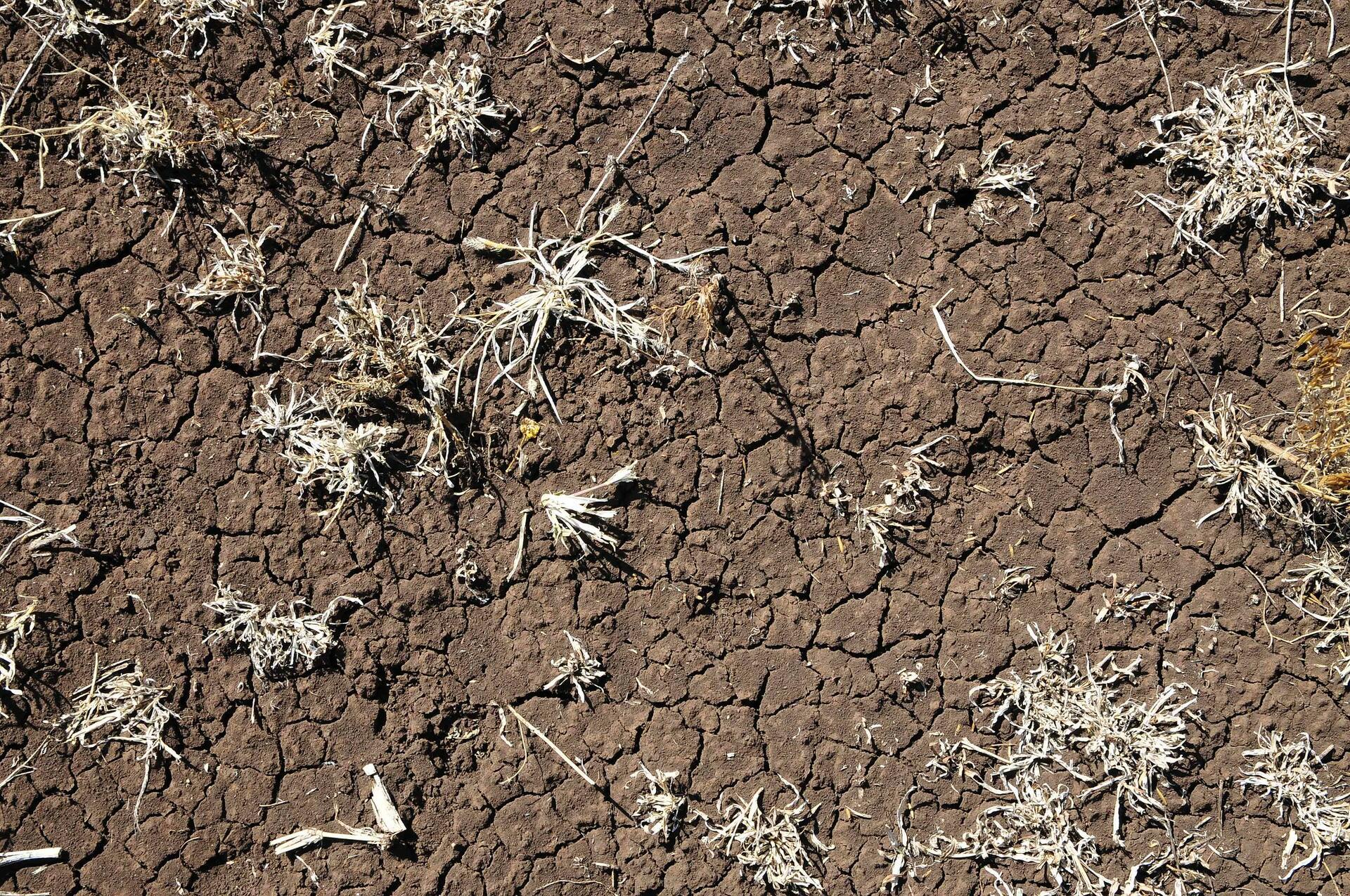
But this is not just an agricultural issue—it is an economic, environmental, and humanitarian issue. Left unchecked, soil erosion will make achieving Africa’s food security goals impossible, undermine climate action, and deepen rural poverty.
Fortunately, solutions exist—and they work. Conservation agriculture, integrated soil fertility management, agroforestry, and low-cost erosion control structures like terraces and soil bunds can cut nutrient losses, improve yields, and restore degraded lands. When adopted in the right combinations and supported by the right policies, these practices offer real returns on investment. In Ethiopia, for example, soil conservation measures delivered benefit-cost ratios of up to 1.51, proving that nature-based solutions can be both effective and economical.
To make meaningful change, we must go beyond farms and take a landscape-wide, systems-based approach. This includes aligning efforts with Africa’s own goals, like the Nairobi Declaration on Fertilizer and Soil Health and the African Union’s Agenda 2063. The time is now for governments, donors, and development partners to invest boldly in Africa’s soil health—because healthy soil is not just the foundation of agriculture; it is the foundation of life, livelihoods, and a sustainable future for the continent.
The Team

Job Kihara
Principal Scientist, Soil and Water Management
Boaz S. Waswa
Scientist
Michael Kinyua
Postdoctoral Fellow
Peter Bolo
Postdoctoral FellowKeep exploring
The Alliance at the Africa Fertilizer and Soil Health Summit 2024