Research Articles Can monitoring emissions unlock the finance smallholder farmers need to adopt sustainable practices?

A new MRV system helps farmers in Africa track sustainable practices and emissions, laying the groundwork to access climate finance and improve soil health, productivity, and resilience to climate change.
Millions of farmers need billions of dollars to adapt to the fast-changing climate and extreme weather that threaten their soils and livelihoods. Climate finance offers them a pathway to build resilience through sustainable practices while earning financial rewards for proven environmental benefits.
By documenting how their actions improve soil health and reduce emissions, farmers can access funds to invest in better inputs, training and technologies that enhance productivity and sustainability. To support this, a new Monitoring, Reporting and Verification (MRV) approach is being implemented across 15 Sub-Saharan countries, where 2,300 farmers are already participating and helping build the foundation for broader climate finance access.
Monitoring, Reporting and Verification (MRV) is a structured three step process designed to document, measure and verify climate change mitigation efforts. It works by systematically tracking on- farm activities and their impact on greenhouse gas emissions.
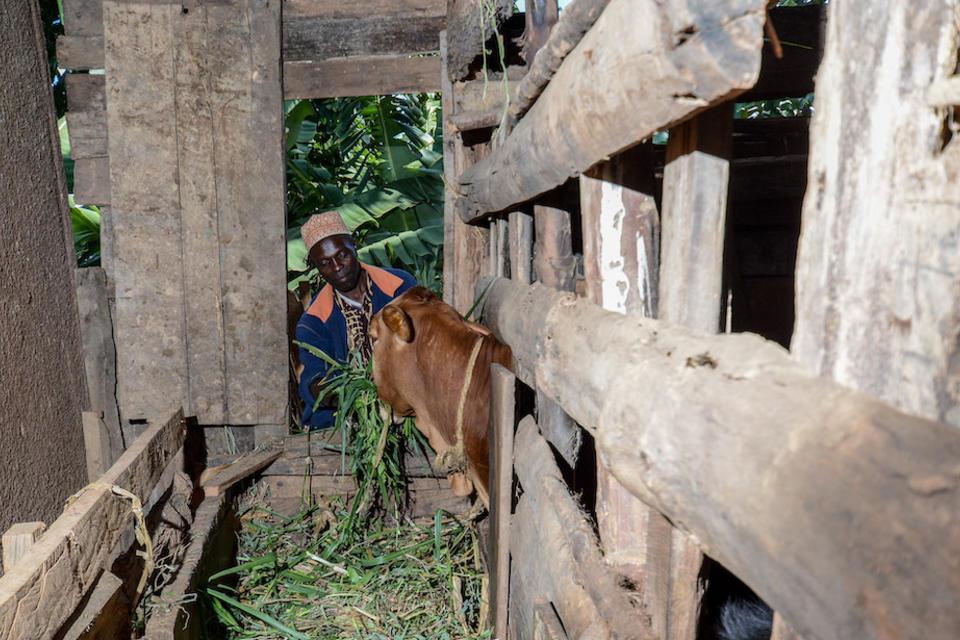
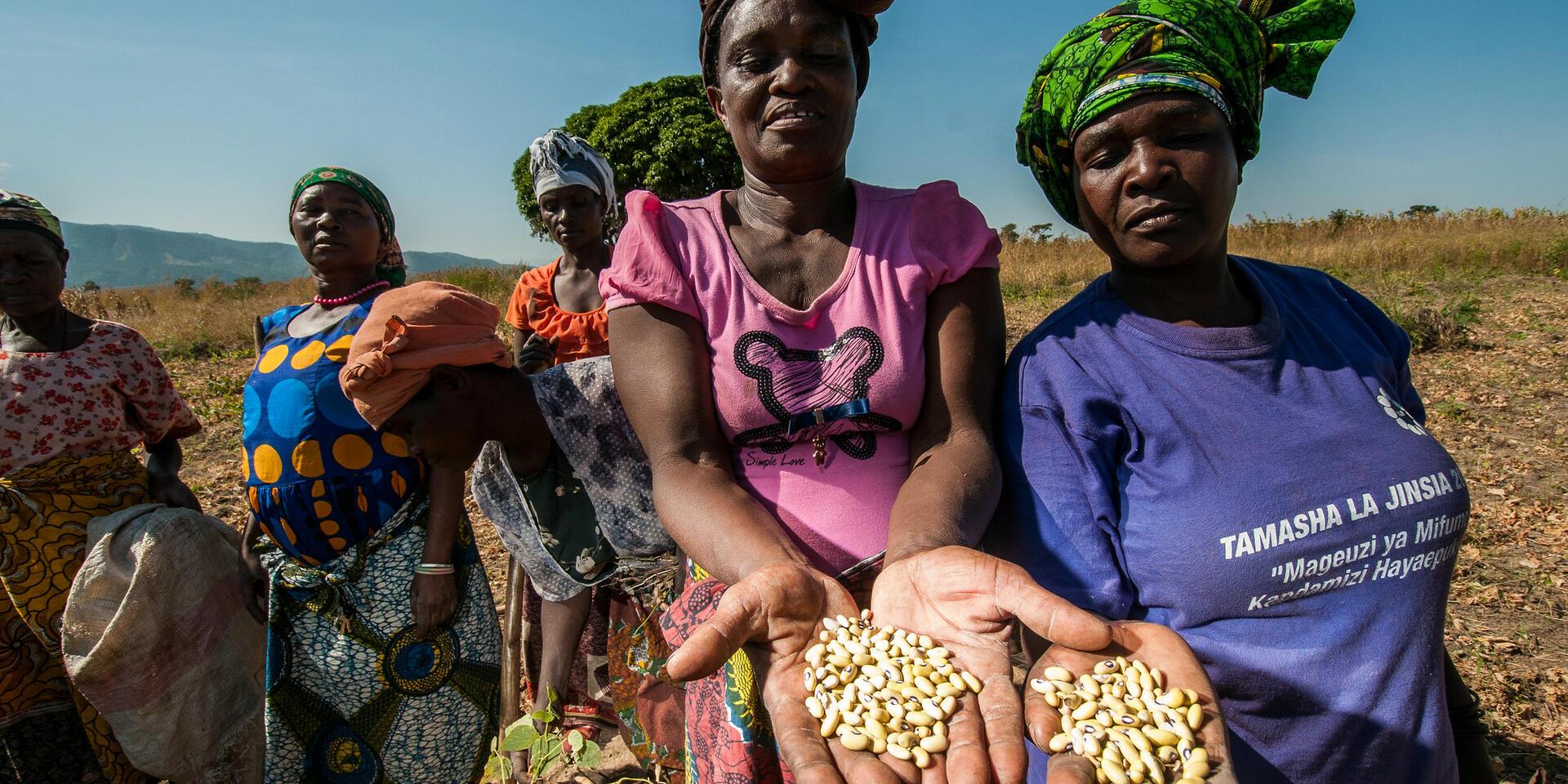
To better understand how the MRV process works in practice, consider the example of Amina, a bean farmer in western Kenya. Amina has adopted sustainable practices like intercropping, growing beans alongside maize, and mulching, covering her soil with dry leaves to protect it from heat and retain moisture. These practices not only improve her yields but also contribute to reducing emissions and increasing carbon storage in the soil.
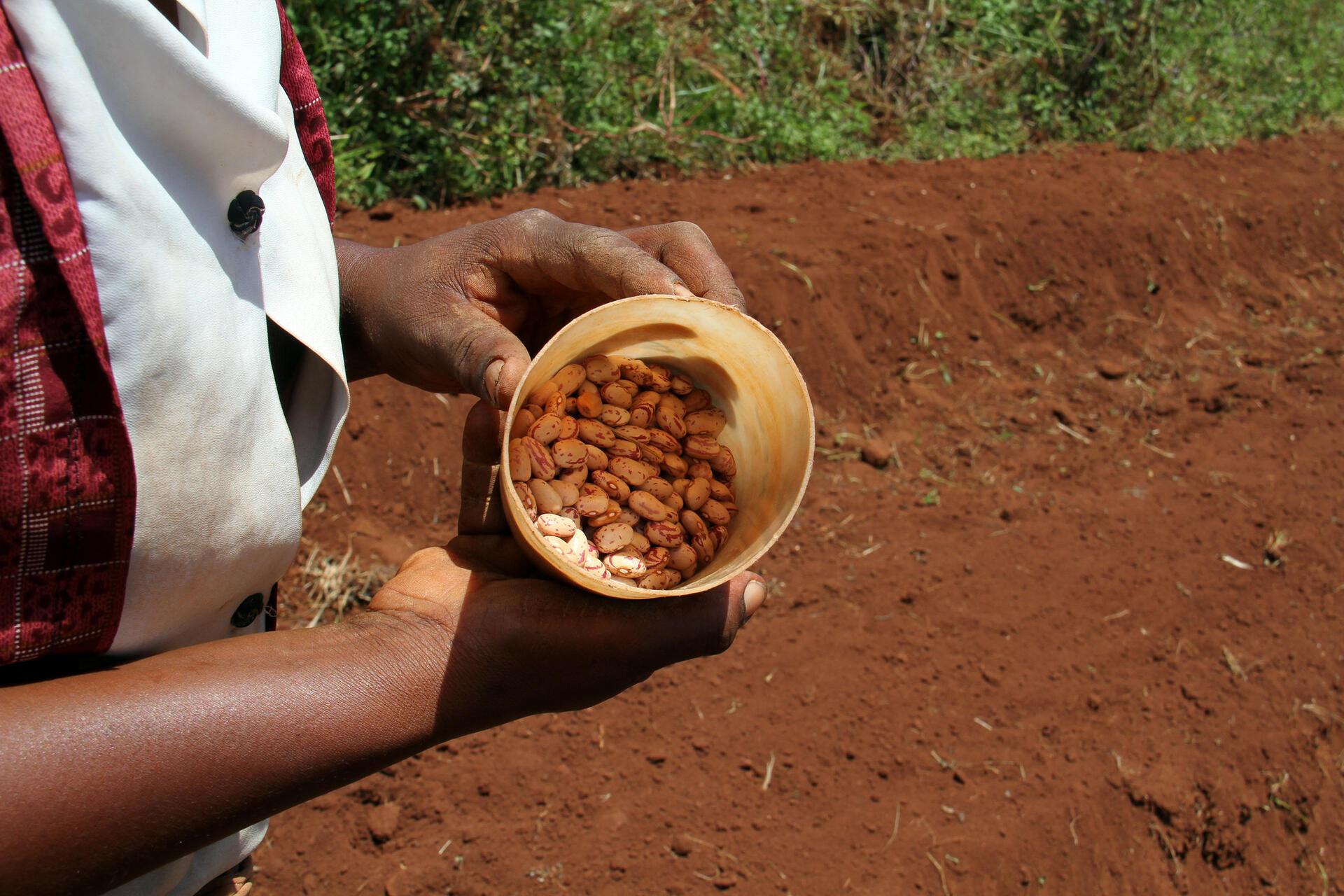
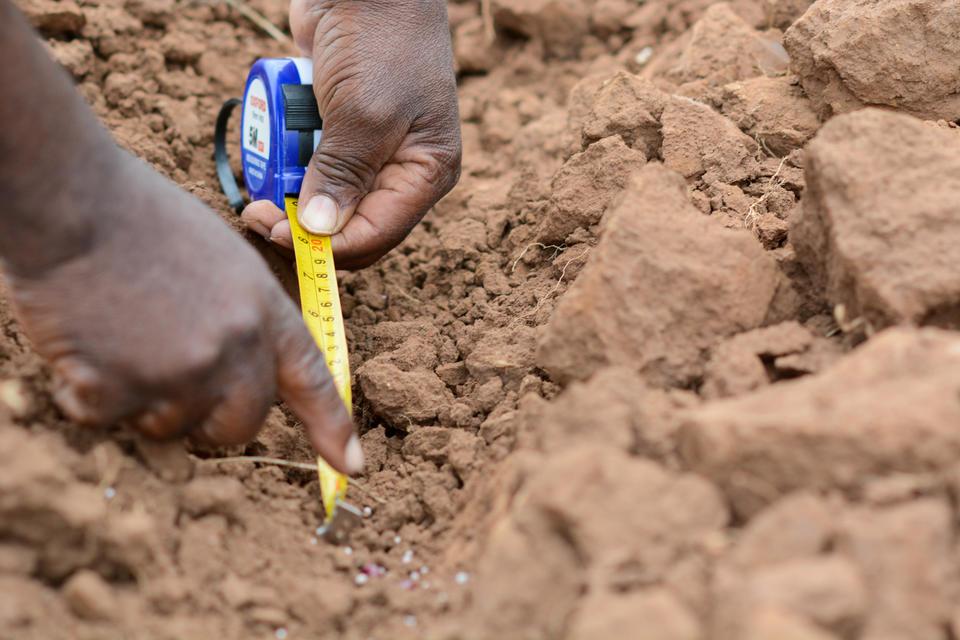
In the monitoring stage, local technicians visit Amina’s farm to record her practices and collect data on fertilizer use, soil conditions and productivity. This information helps quantify how much carbon is stored and how farming methods affect emissions. During reporting, the results from Amina’s farm are compiled and organized into standardized formats alongside those from other farmers. This makes the data clear and comparable, showing which practices are most effective in improving soil health and lowering emissions.
In the verification stage, independent experts review the records and visit selected farms, including Amina’s, to ensure that the reported practices match what is happening on the ground. Once the information is verified, it becomes credible evidence that can be used to access climate finance, such as results-based payments or carbon credits, channeling funds directly back to farmers.
A flexible MRV framework for climate finance
Amina’s example shows how MRV works on a single farm, but scaling this impact requires a structured system. The Alliance of Bioversity International and CIAT has developed a flexible MRV framework that aligns farmers’ practices with broader climate finance systems.
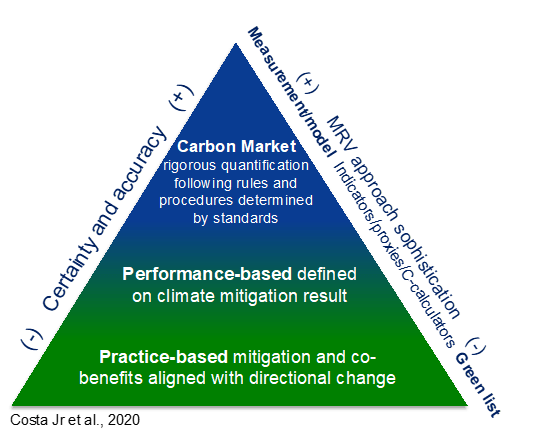
This framework includes three levels of rigor: practiced based, performance based and carbon credit markets. This progression allows communities to start with simple documentation methods and advance toward high-accuracy systems as their data and capacity grow. With each step, data quality improves, transparency increases and more opportunities for accessing climate finance become available.
This flexible MRV framework is already showing results in Cameroon, Kenya and Zambia, where 2,300 farmers have helped build a baseline for measuring future progress. This baseline groups farmers by the crops they grow, the size of their farms and the practices they use such as intercropping, crop rotation or fertilizer management. It gives a clear picture of how farmers currently manage their land. For example, Kenya shows more diverse and organic practices, Cameroon uses more synthetic fertilizers, and Zambia relies mostly on single practices. This information creates a solid foundation for tracking changes in soil health, emissions and productivity over time.
These early results are part of a broader initiative, the Building Equitable Climate-Resilient African Bean and Insect Sectors (BRAINS) project, funded by Global Affairs Canada, which seeks to build low-carbon, climate-resilient economies through participatory and sustainable land use innovations.
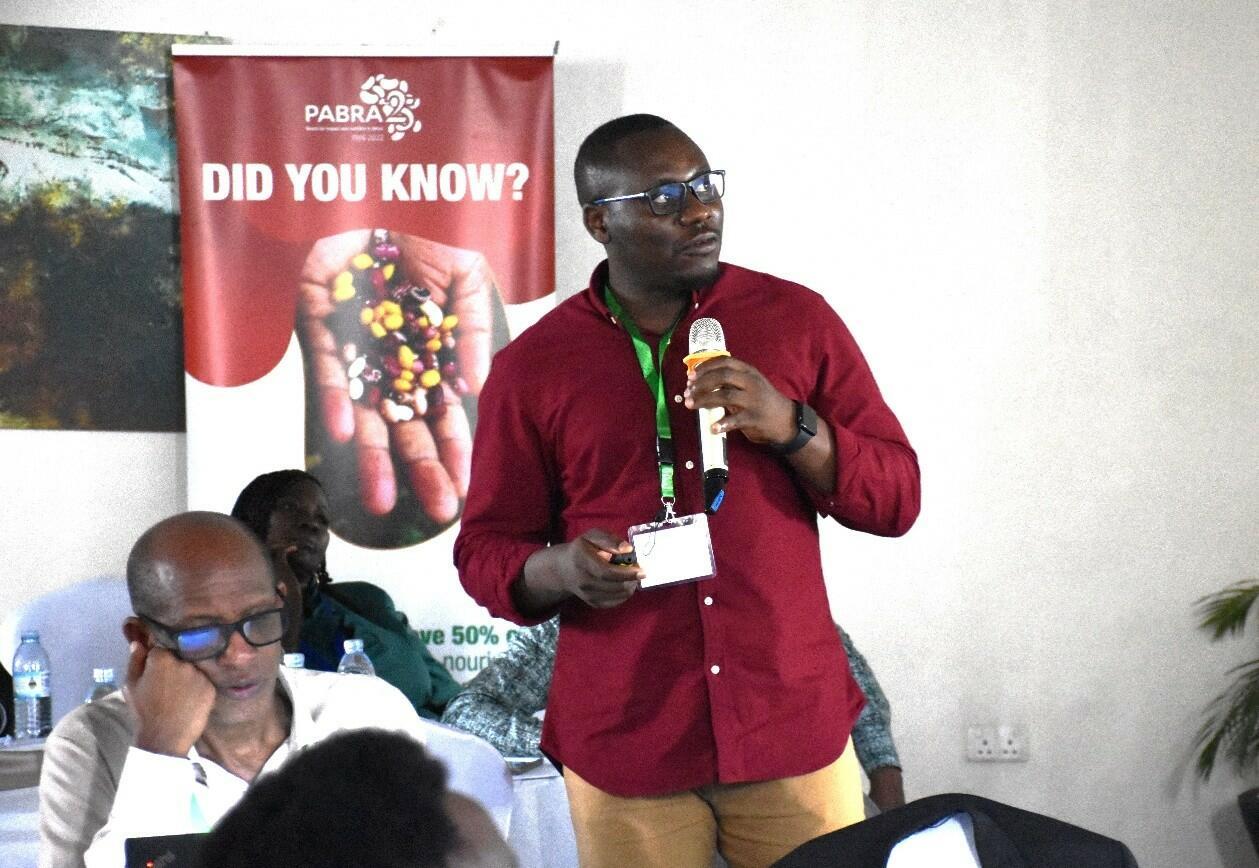
The importance of MRV was emphasized by BRAINS project partners when they recently met up in Kampala, Uganda. These partners include national research and agricultural institutions of participating countries, working alongside their ministries of agriculture, environment and climate change offices.
The meet-up saw the partners forge new priorities off the back of the initial results:
- Improving fertilizer and practice data
- Harmonize methods across sites
- Focusing on interventions with the strongest potential for reduced emissions or more carbon storage
- Training field officers in participatory MRV with farmers
- Systematic monitoring by 2026 to evaluate the feasibility of accessing climate finance with MRV
“Strengthening MRV within BRAINS not only enhances credibility for climate finance but also supports countries in meeting their policy and reporting commitments” explained Dr. George Amenchwi Amahnui, scientist leading the MRV approach at the Alliance Bioversity & CIAT.
“By aligning project data with national and international frameworks, the evidence generated can serve both local decision making and global climate accountability” he added.
Early results from BRAINS are setting the stage for greater impact, testing how early results can translate into credible pathways for more smallholder farmers to access climate finance , toward the initiative’s goal of reaching 10 million people. Nearly 2,300 farmers in Cameroon, Kenya and Zambia have helped establish the MRV baseline, forming the foundation for expansionMRV across 15 Sub-Saharan African countries (Burundi, Cameroon, The Democratic Republic of Congo, Ethiopia, Ghana, Guinea, Kenya, Madagascar, Malawi, Mozambique, Rwanda, Tanzania, Uganda, Zambia and Zimbabwe). By 2026, the project aims to standardize MRV protocols, trains partners and deploy a digital platform. Scaled practices could deliver 10-15 MtCO₂e (greenhouse gases measured as equivalent carbon dioxide) mitigation annually, unlocking USD 100-150 million in potential climate finance.