Blog From market waste to green wealth: Creating opportunities for Nairobi’s youth and women
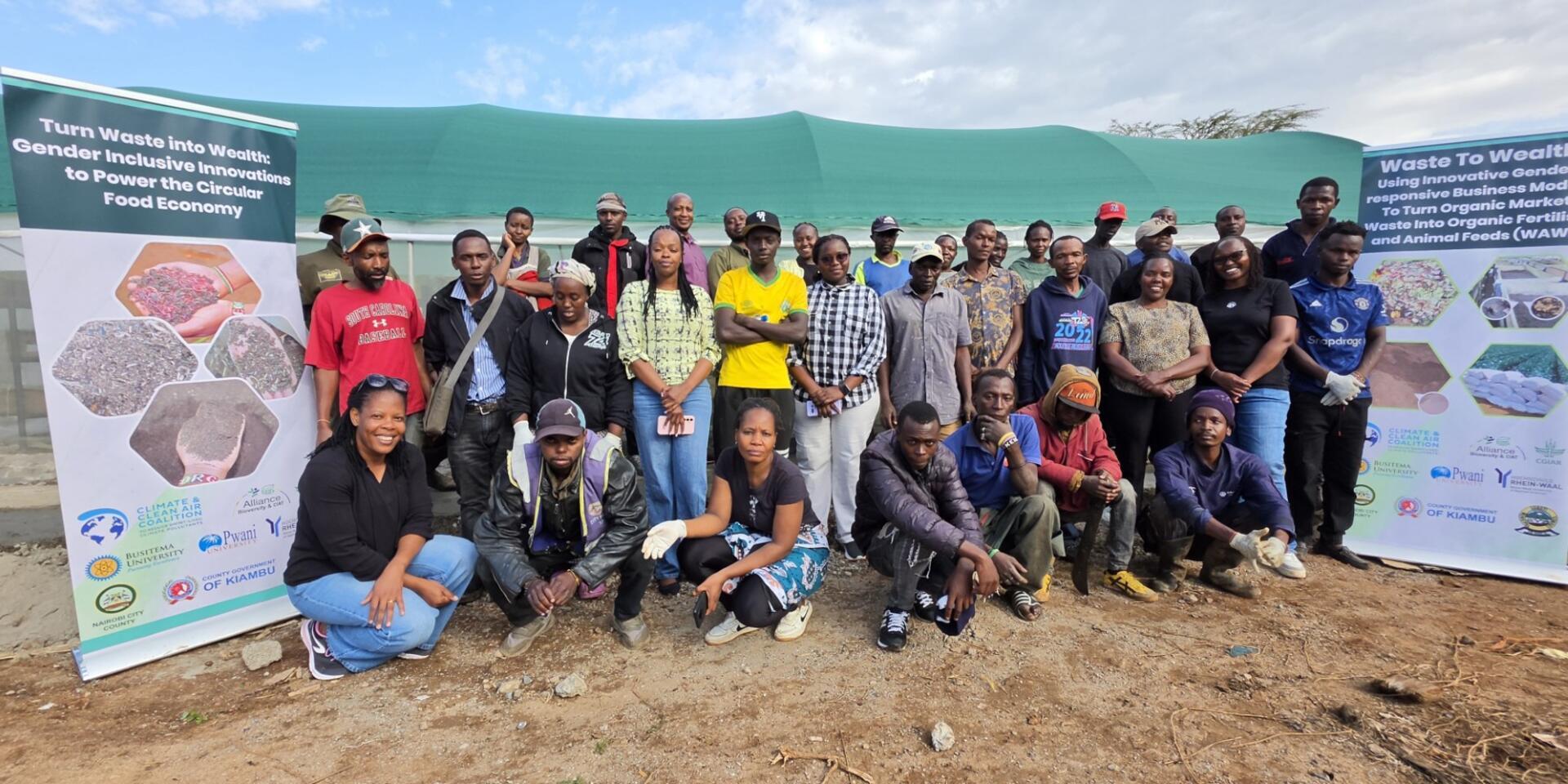

For fresh produce traders in Nairobi’s urban markets, spoiled fruits and discarded vegetables represent more than lost sales. They also attract disposal costs and sanitation challenges. Yet with the right skills, infrastructure and market connections, these materials can become resources for new investments, creating value beyond the market stall.
Through the Waste to Wealth (WAWE) project, the Alliance of Bioversity International and CIAT and partners (County Government of Nairobi, Kiambu County, Pwani University, Busitema University, Soroti City County, Hochschule Rhein-Waal University and private-sector partners), is helping young people and women explore opportunities for creating wealth from trash. Funded by the Climate and Clean Air Coalition, WAWE uses innovative, gender-responsive business models to turn organic market waste into organic fertiliser and animal feed.
Equipping youth with skills, transforming market waste
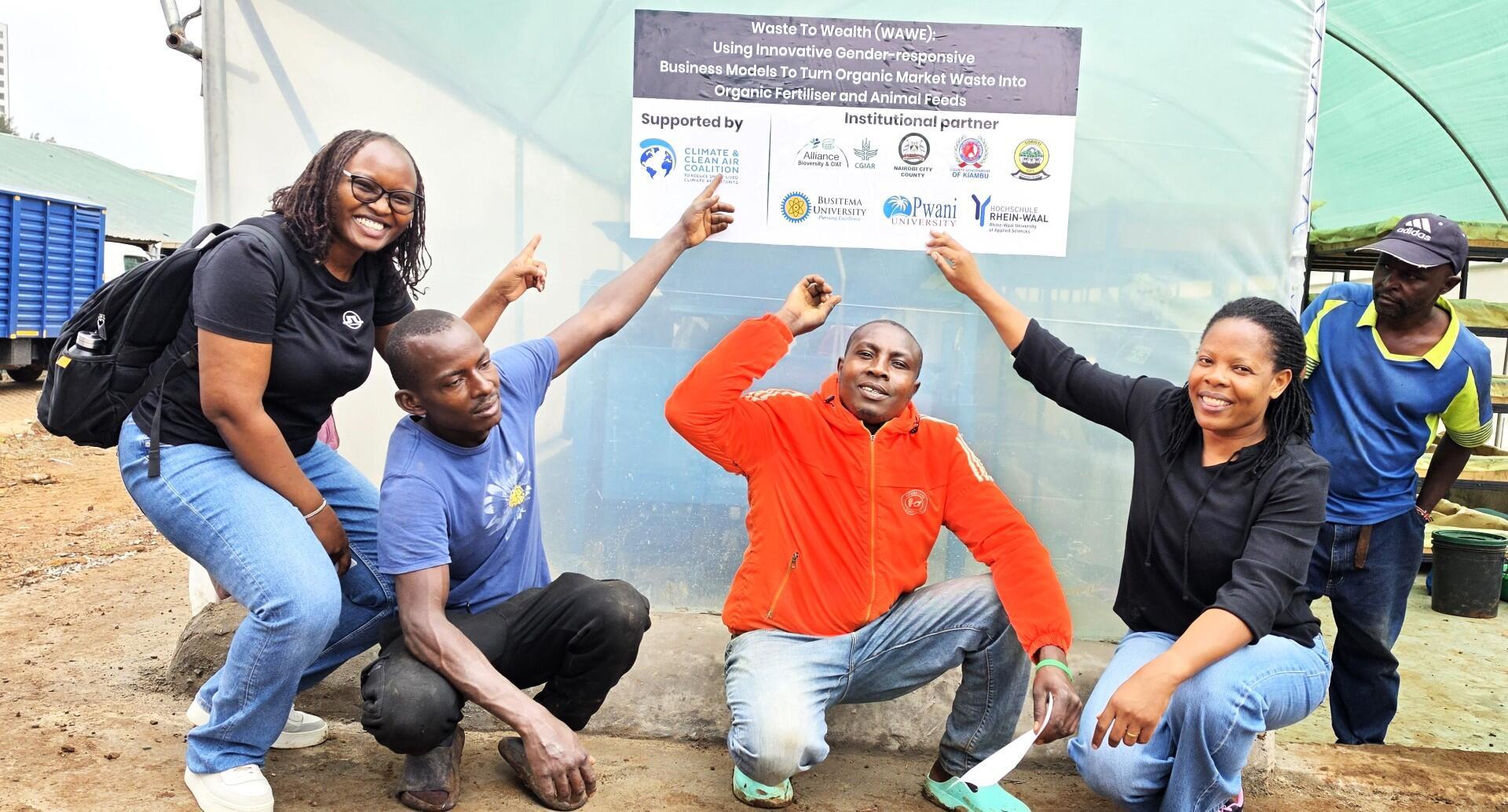
Through WAWE, a youth group from Nairobi’s City Park Market has received training on Black Soldier Fly (BSF) farming and vermicomposting, equipping members with skills to transform organic market waste into animal feed and organic fertiliser.
The group also received equipment and infrastructure to put these skills into practice. With direct connections to the market and its traders, the young people and women are well placed to support better waste management while developing livelihood opportunities.
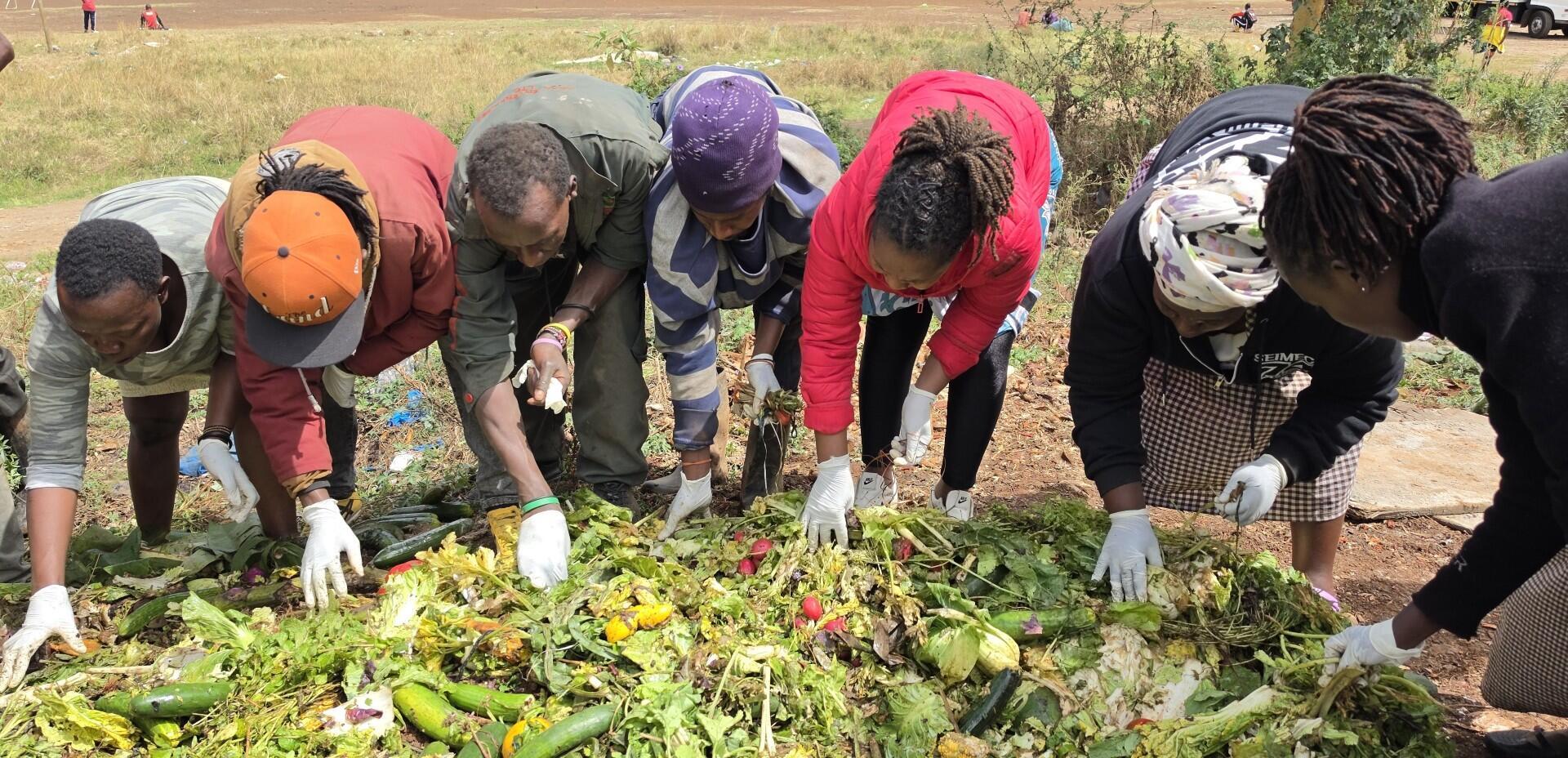
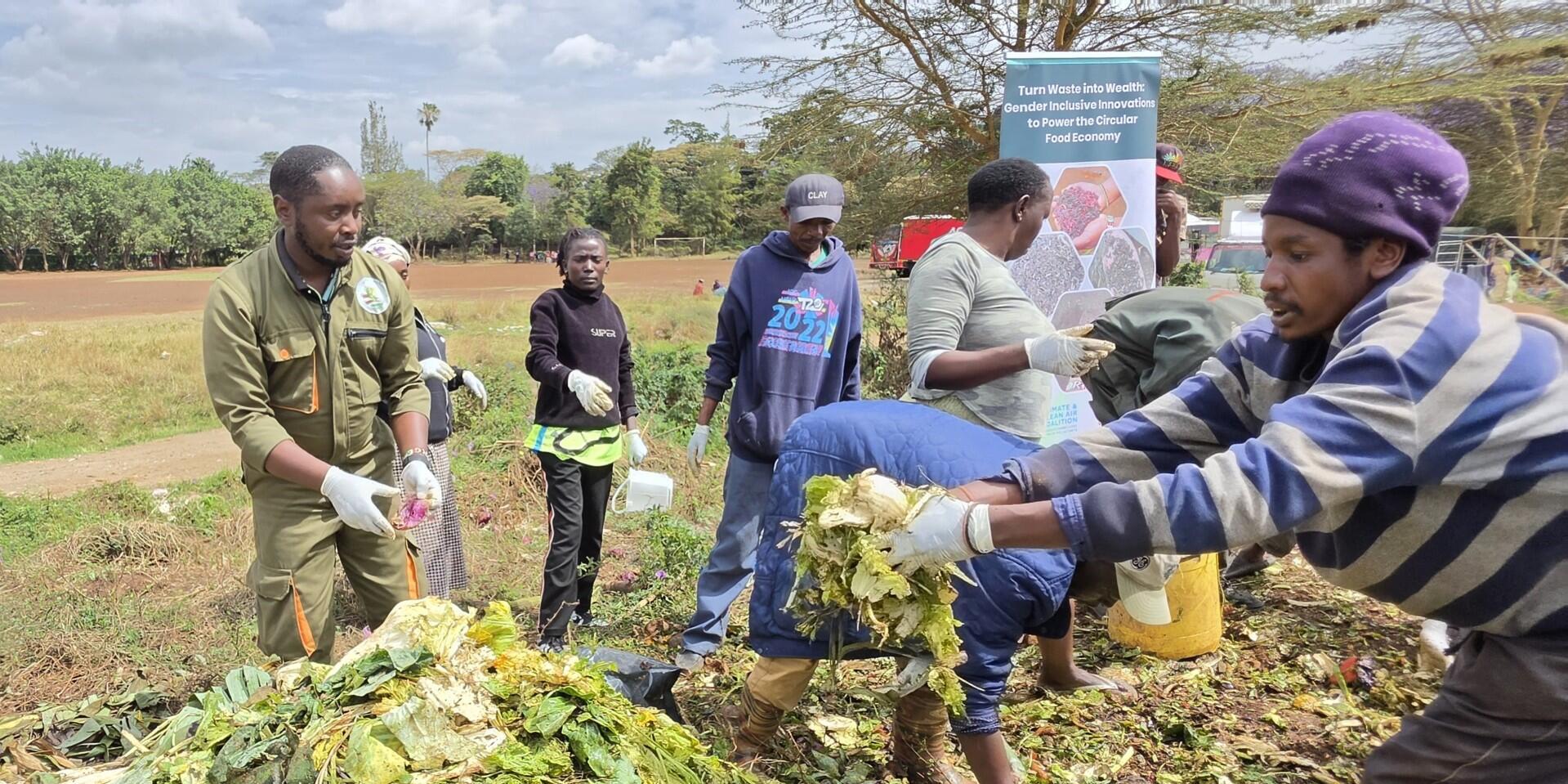
Youths participate in waste sorting as part of the training.
Addressing a growing market challenge
Poorly managed organic waste affects both the people working in markets and the communities around them, as it is a public health risk, and it contributes to lost businesses by market traders. Recovering and processing it offers an opportunity to address local sanitation challenges while contributing to climate action.
“Poorly managed waste creates unpleasant odours, attracts pests and poses sanitation and health risks to traders and surrounding communities. At the same time, if waste accumulates near market vendors, it can deter customers from buying from them leading to business loss for the vendors. Furthermore, when organic waste is dumped in landfills and decomposes without proper management, it releases methane, a potent short-lived climate pollutant that significantly contributes to global warming,” Dr. Christine Chege, Senior Scientist and WAWE Project Lead.
For City and market stakeholders, connecting waste separation and collection with enterprises that can process organic materials is a significant part of making this approach work. Traders, waste handlers, young entrepreneurs and County Authorities each have a role in ensuring that suitable materials reach processing facilities.
“These youths have already been trained on group dynamics and I am optimistic that with this background, and the hands-on training on BSF and vermicomposting, they have the potential to create and build a sustainable economy while enhancing a cleaner market,”Patrick Muiruri,Food Systems Officer, Nairobi City County.
The youths have welcomed the initiative, expressing optimism that it will improve their livelihoods. “As a woman, I encourage other women to get involved. I am particularly interested in the BSF egg handling and look forward to actively participating in this aspect of the initiative,” Evelyne Ondari, Youth Group Member, City Park Market.
Turning willingness into participation
A baseline survey conducted under WAWE found strong interest in recovering value from market waste. 92 percent of traders surveyed from two Nairobi markets were willing to participate in market-linked recycling, vermicomposting, aerobic composting or black soldier fly initiatives.
For Samuel Maina, a fresh produce trader and chairman of City Park Market, this offers a way to address a daily challenge while supporting young people’s livelihoods.
“As a trader I am 100 percent willing to participate in waste management because the waste will be utilized so that instead of going to the garbage site, it will help some youths in earning a living through making fertilizer.” Samuel Maina, Chairman, City Park Market.
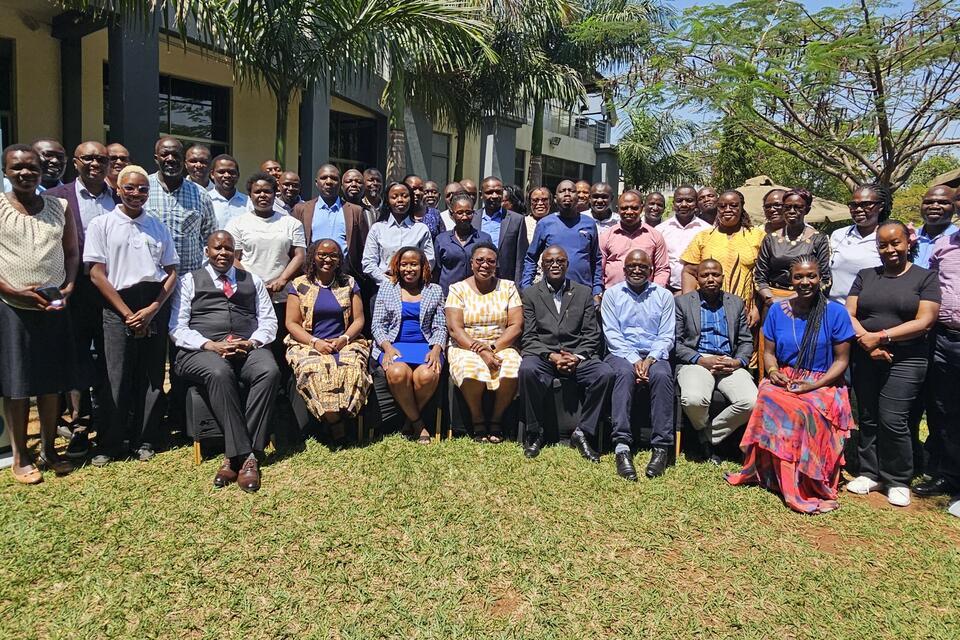
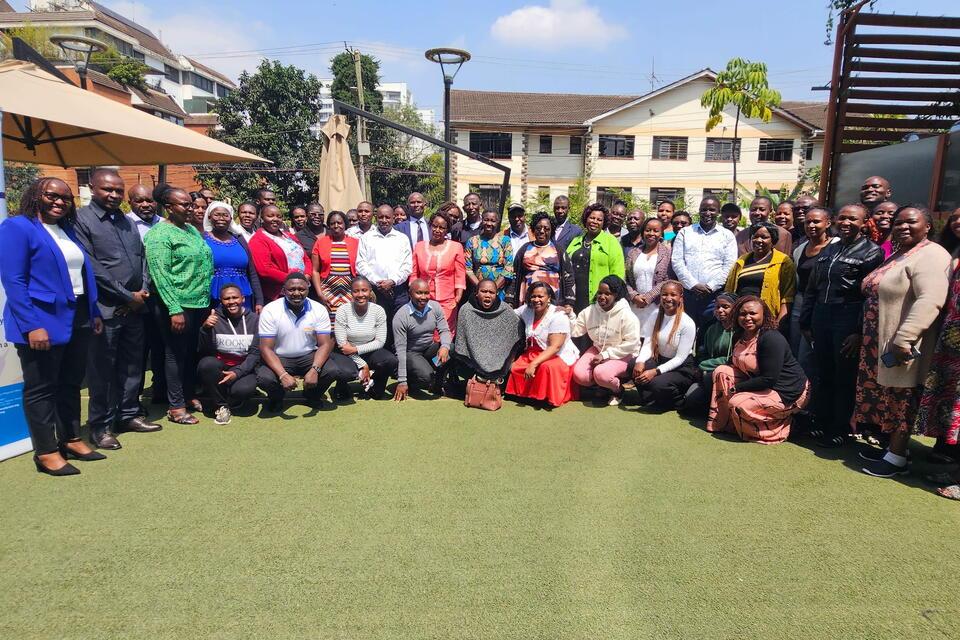
The WAWE project is helping young people and women explore opportunities for creating wealth from trash.
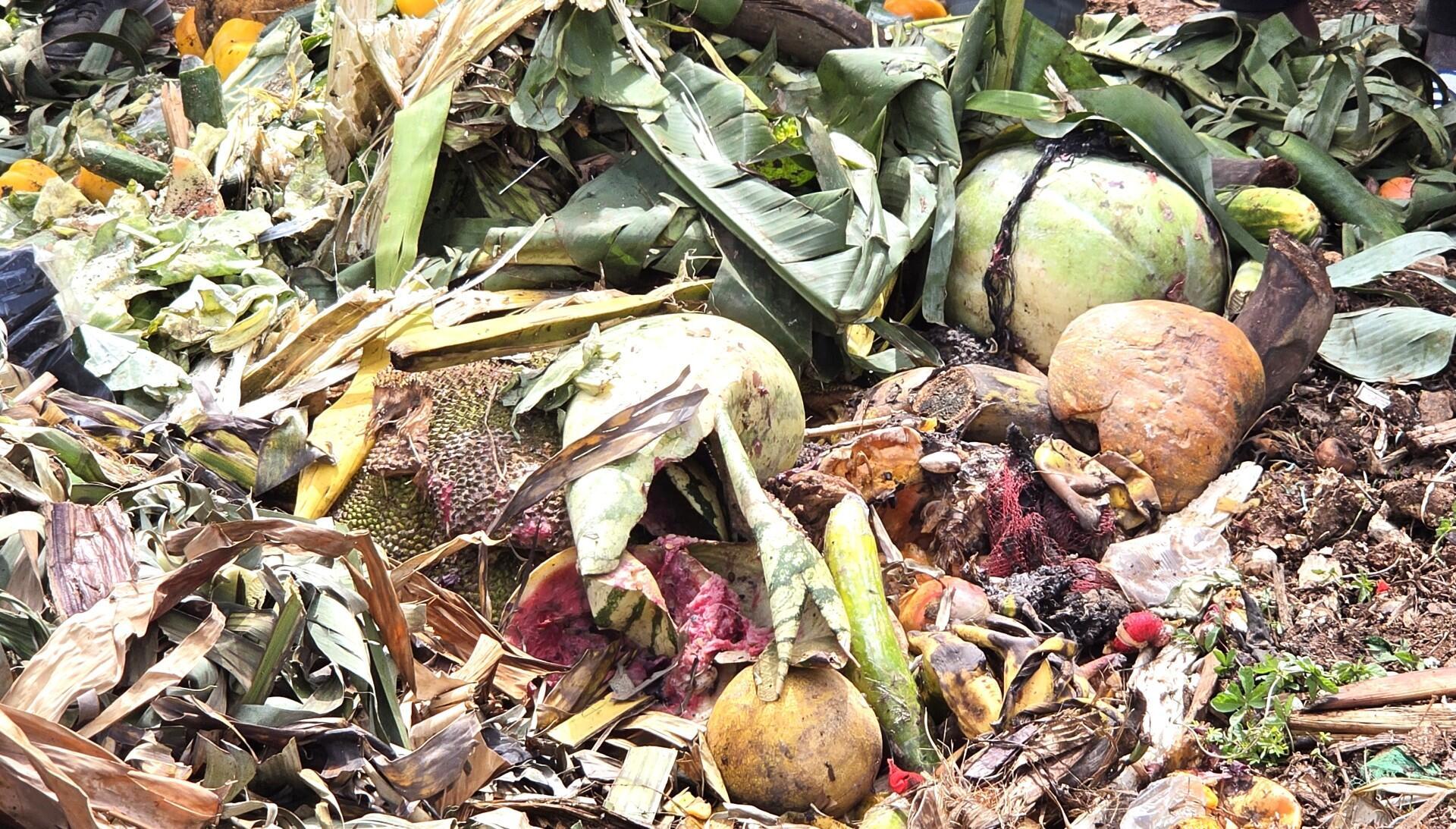
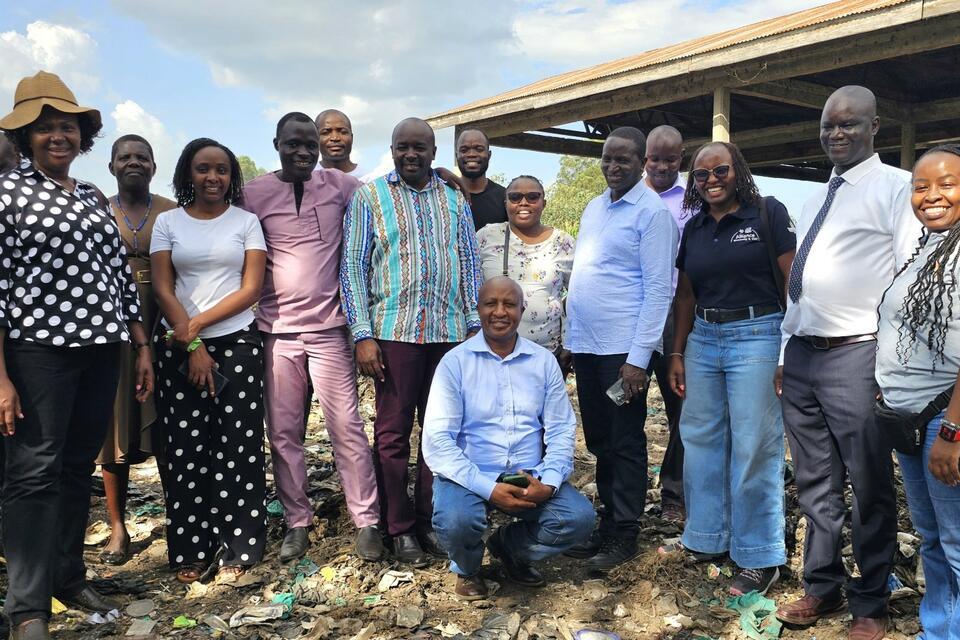
Some market waste before being turned to wealth.
Building skills for new businesses
BSF farming and vermiculture offer different ways to recover value from suitable organic materials. For the City Park Market youth group, learning these techniques creates an entry point into enterprises that connect urban waste management with agricultural demand.
“Beyond the initial training, we will offer follow-up technical support that will ensure the group is able to sustainably run this project independently,” George Muturi, the project’s BSF and vermicompost lead trainer and the CEO of Comfort Worms and Insects ltd
As young people and women put their skills to work, organic market waste will potentially become the starting point for new livelihoods, cleaner markets, cleaner air and climate action.