Blog Did you know that LAC has one of the highest gender gaps in food security globally, and one of the sweetest diets in the world?

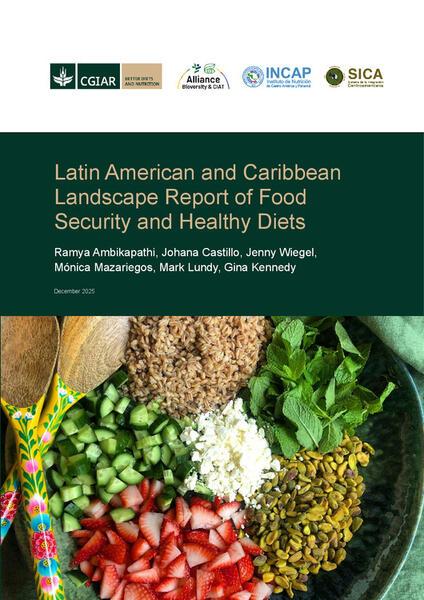
Latin America feeds the world, yet healthy diets are out of reach for most in the region, and the region also has the widest gender gap in food insecurity, with women facing much higher food insecurity than men as compared to other regions of the world. At the same time, the region produces significantly more sugar than needed as compared to the recommended dietary guidelines. What is the state of diets in LAC and what are we doing about it?
A new landscape report, compiled by a team from the Alliance of Bioversity International and CIAT and the Nutrition Institute of Central America and Panama (INCAP), reframes how we understand food security and diets in Latin America and the Caribbean, and how these factors are contributing to health inequities in the region. In LAC, the economic burden of multiple forms of malnutrition is substantial (5-15% of gross domestic product) so it’s very important we understand how food and health systems can be integrated to increase wellbeing and reduce economic burdens.
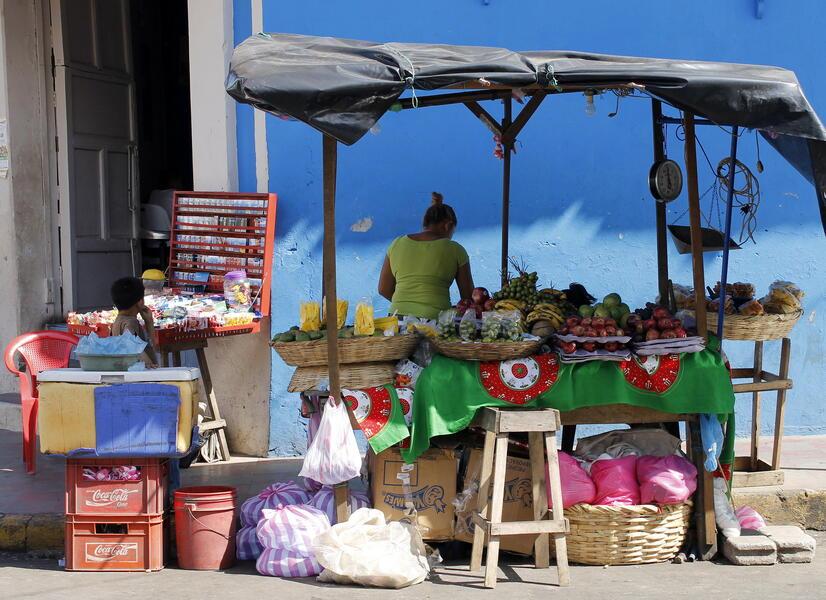
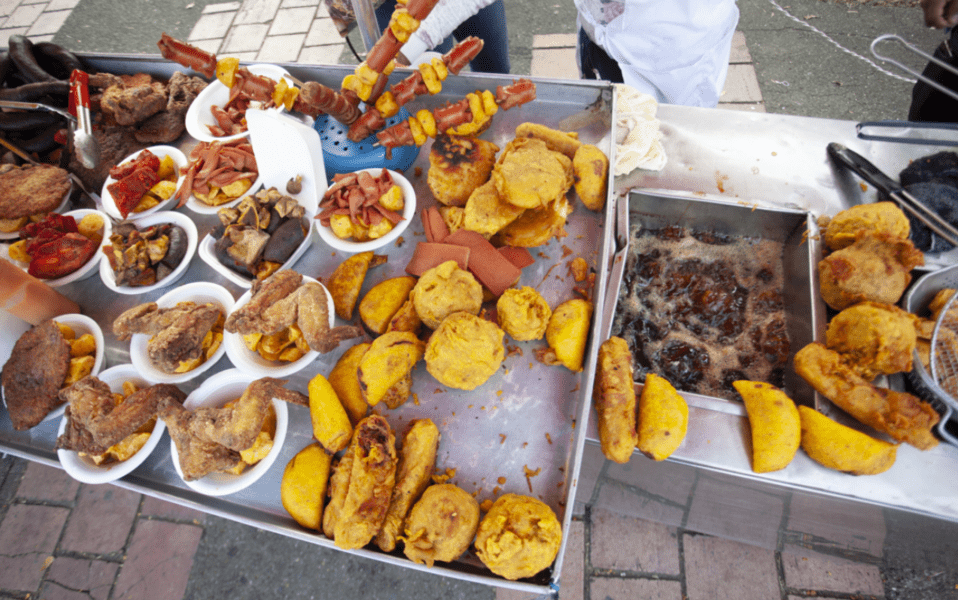
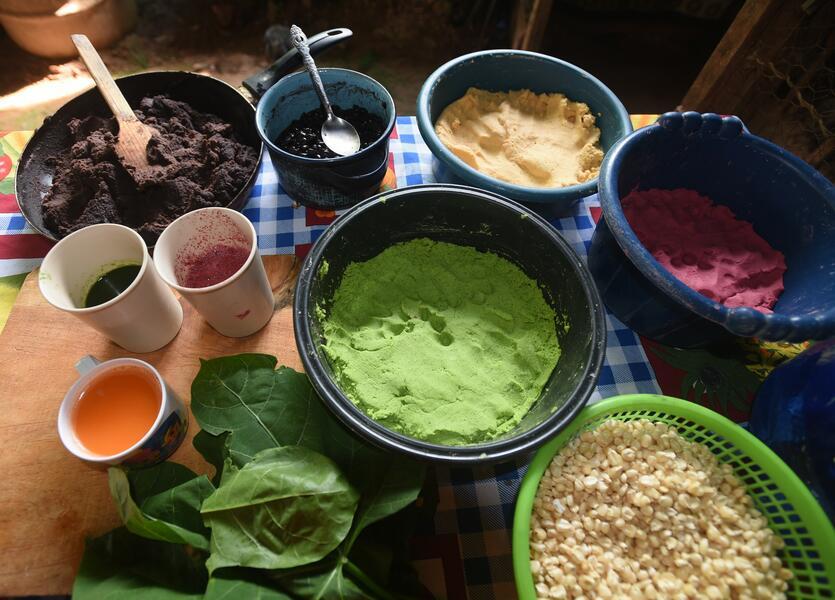
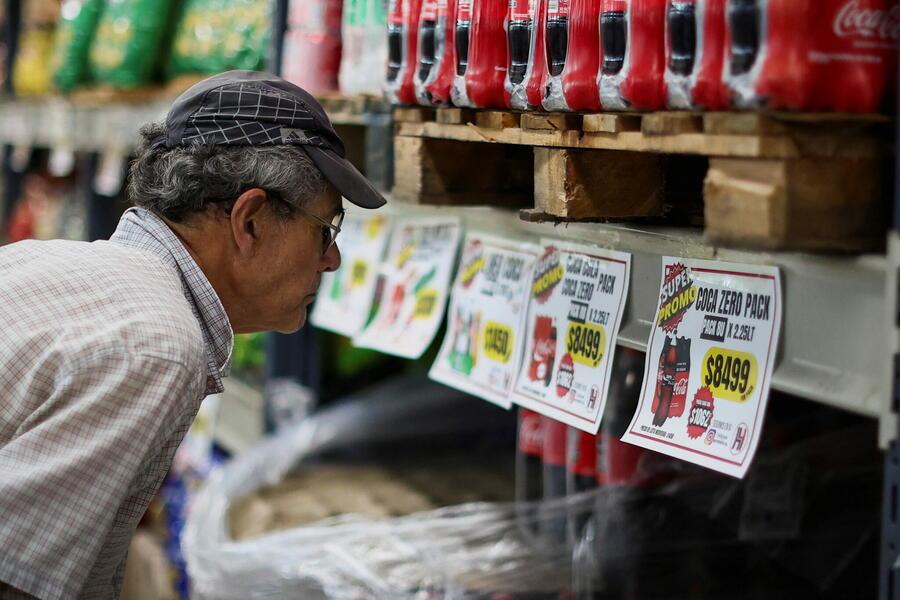
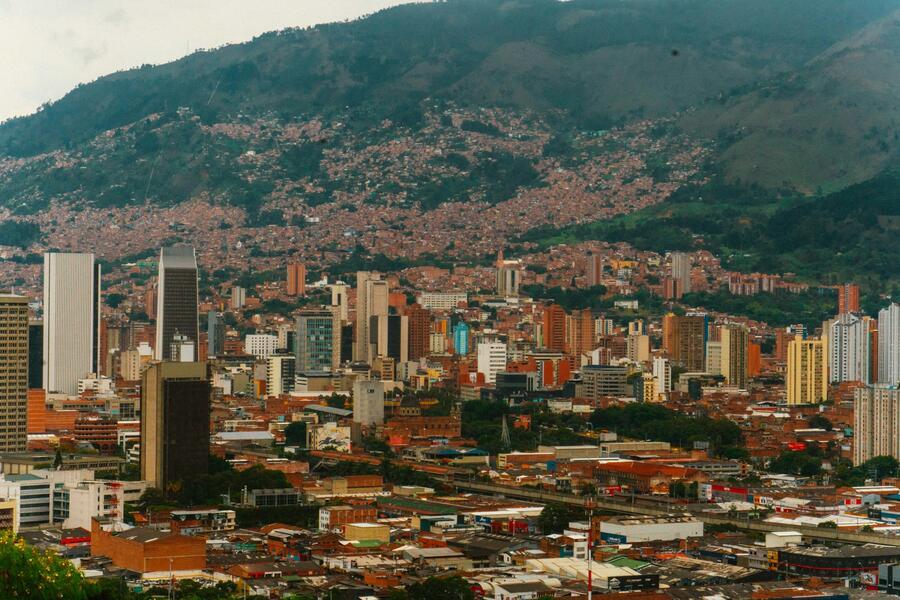
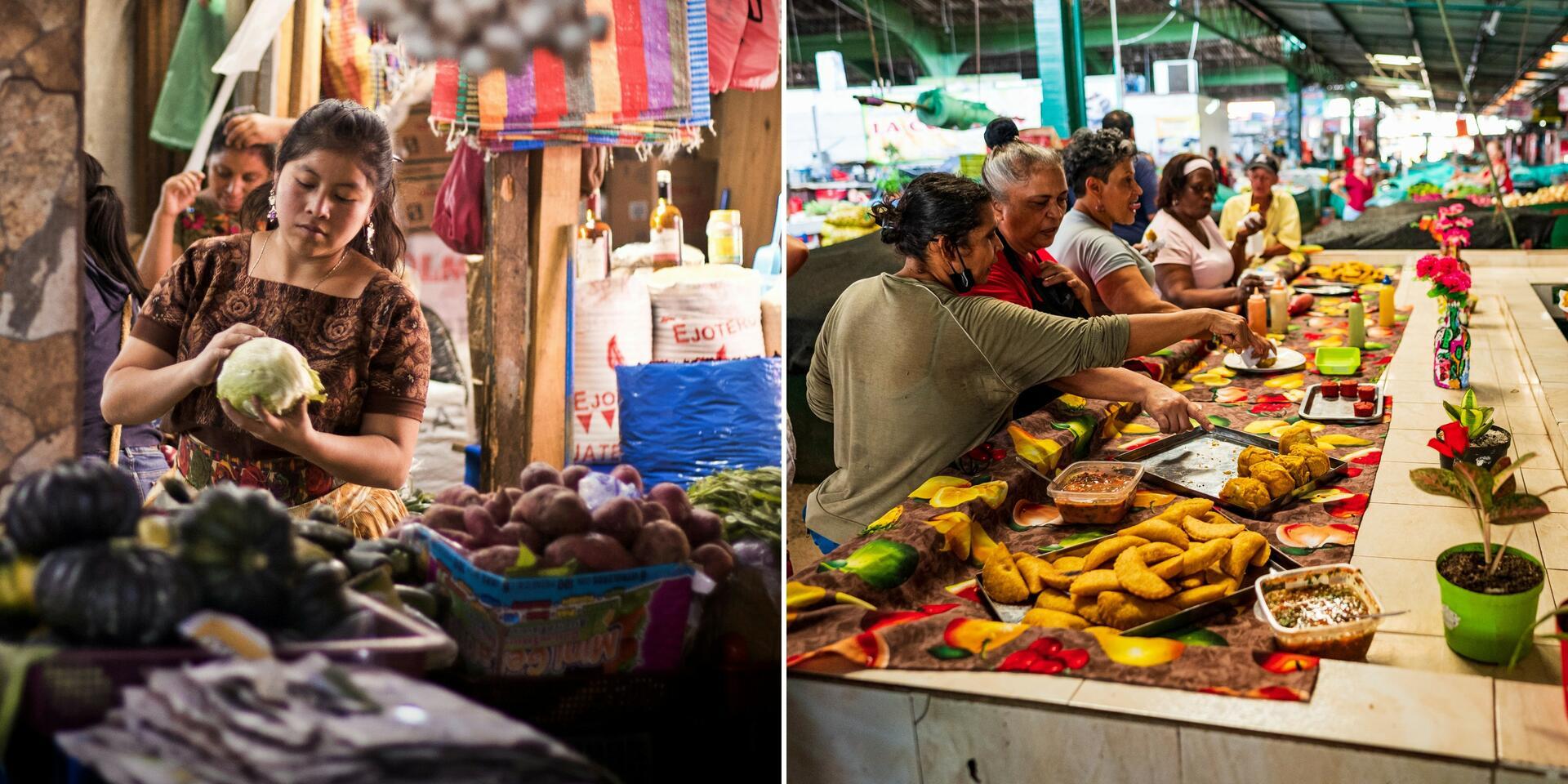
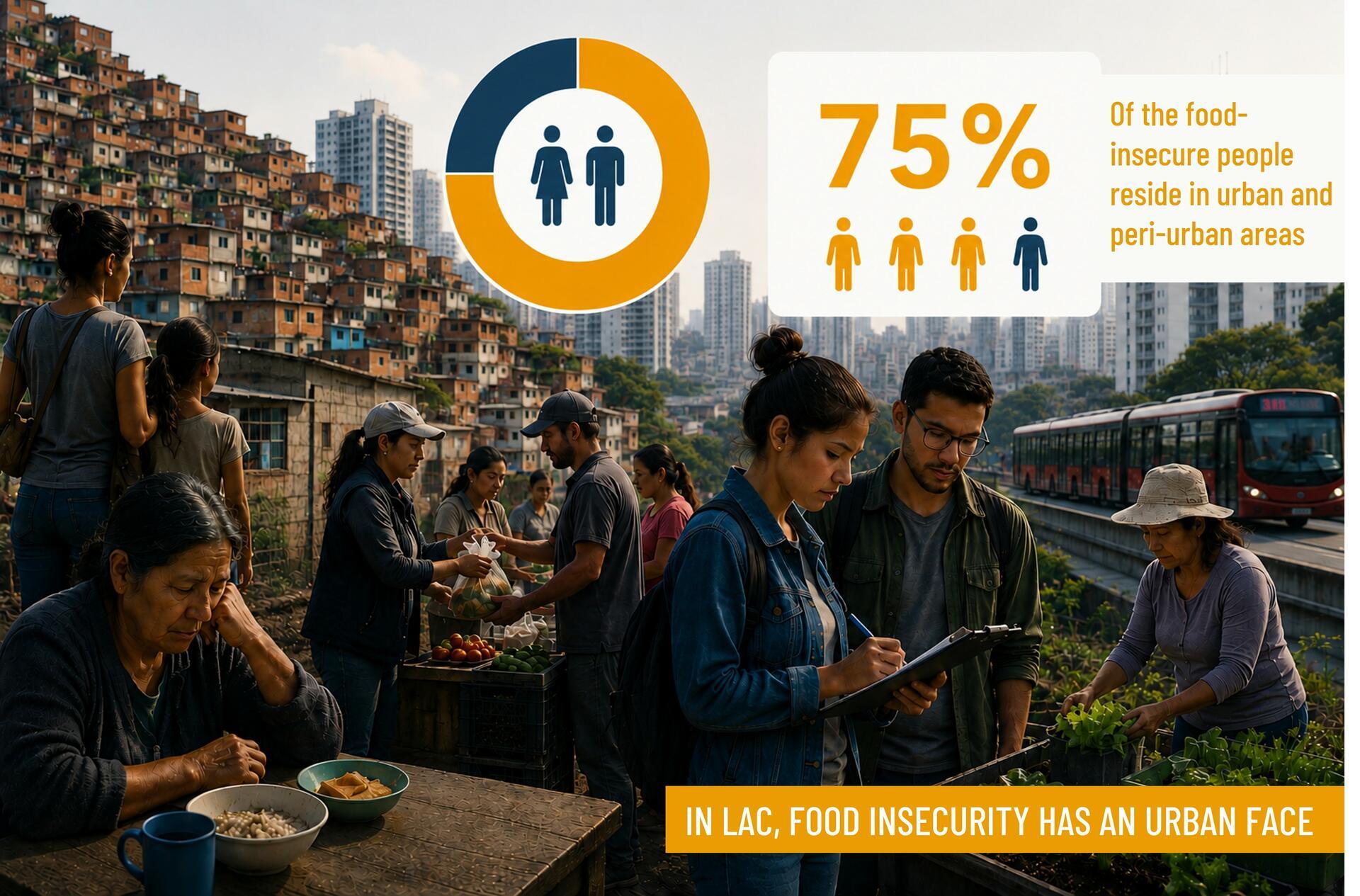
First, we examined food security by gender and by location (urban/rural). In line with the HLPE urban and peri-urban food systems report, 75% of the food-insecure people in LAC reside in urban and peri-urban areas. This has both measurement implications (the need to measure male and female food security) and the need to revisit current governmental and development programs to better address peri-urban/urban food security. Our colleague, Susan Lopez, from Honduras’s Technical Unit for Food and Nutrition Security, discusses the government’s approach to addressing food insecurity.
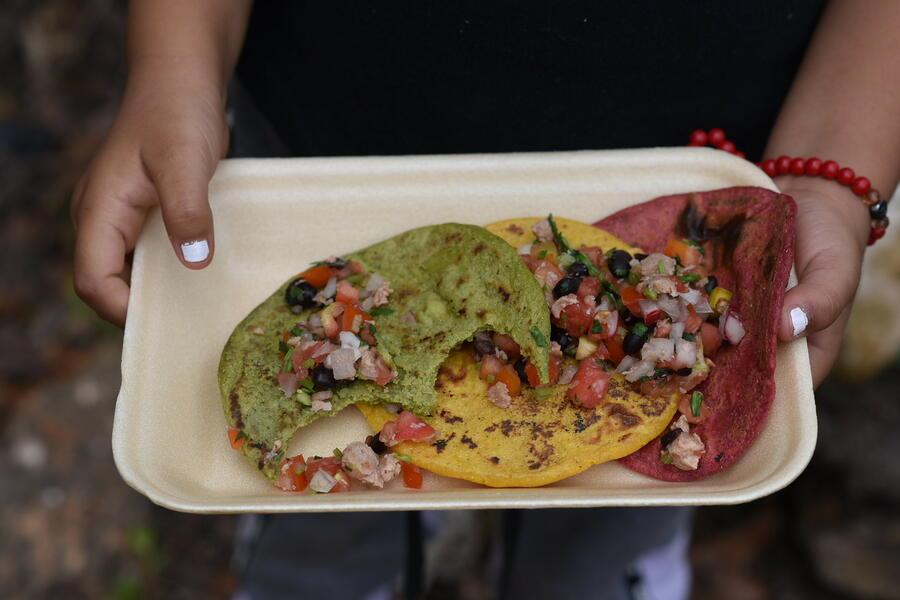
Second, using the newly developed framing of healthy diets, which has four principles, namely adequacy, balance, diversity, and moderation, we assess the diets in LAC. The adult population in the LAC region met only one of the principles (diversity). So, what policies and programmatic efforts are being implemented to improve meeting the other principles? Our colleagues, Elisa M. Cadena, Irieleth Gallo & Victoria Eugenia Soto from PROESA show the impact of front-of-package labeling; meanwhile, Elizabeth Valoyes Bejarano from UNAL has done fantastic work operationalizing food-based dietary guidelines based on different biodiversity profiles in Colombia, and our team member Sara Rankin shared her insights from the analyses on the cost of healthy diets in Cali, Colombia done jointly with PUJ.
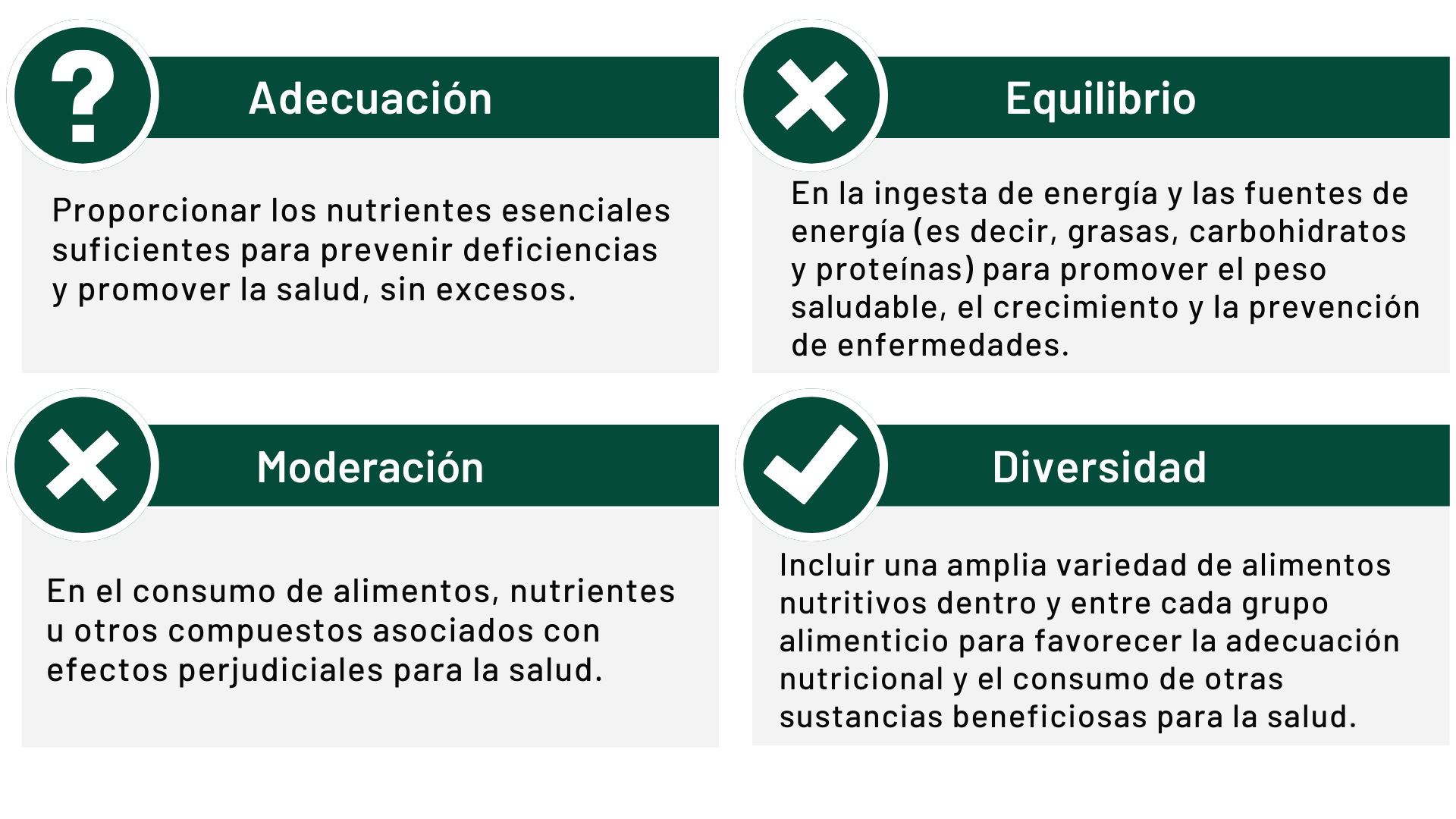
Our assessment of the four principles of a healthy diet in Latin America. Source: Adapted from FAO & WHO, 2024.
Our team shares a few reflections from putting together this report:
Ramya Ambikapathi,
Scientist at the Alliance of Bioversity & CIAT.
The region's gender gaps in food security are among the highest globally, surpassing even Africa and Asia, where we typically see this narrative centered. This warrants deeper investigation, and there's a fundamental data problem: only a few datasets capture food insecurity from both men and women, and these data only go back ten years. Second, men consume more of the unhealthy foods, yet interventions rarely examine their specific impact on men or how men respond to tools like front-of-package labels. This gap in policy attention matters because diet-related deaths from cardiovascular disease and diabetes disproportionately affect men across the region.

Ramya Ambikapathi
Scientist II
Johana Marcela Castillo Rivera
Research AssociateJohana Marcela Castillo Rivera,
Research Associate at the Alliance of Bioversity & CIAT.
What caught my attention was the pronounced gap between what Latin America and the Caribbean produce and what they consume. The region is an agricultural powerhouse, producing fruits, vegetables, and legumes, yet paradoxically, due to export-focused policies, most of its population does not reach the minimum recommended levels of consumption for these foods. In addition, there is a high consumption of sugary beverages, present in up to 92% of adults in Honduras and 74% in Colombia, and ultra-processed snacks. This contradiction reflects not only failures in food systems but also policies that prioritize exports over local nutrition. Another concern is the low levels of physical activity and the high rates of excess weight. In countries such as Bolivia, 89% of women and 82% of men are physically inactive. In contrast, regionally, 67% of adults are overweight or obese, and 37% of children and adolescents (ages 5–19) face the same problem. The real challenge for the region is not to produce more, but to eat better: to redirect production, public policies, and urban environments toward sustainable nutrition aligned with the real needs of its populations.
Monica Mazariegos,
Researcher at the Nutrition Institute of Central America and Panama (INCAP).
The report left me reflecting on how food insecurity in Latin America and the Caribbean remains urban, unequal, and deeply gendered, and how even in a region rich in food diversity, many face barriers to accessing diets that support their health, especially when unhealthy products are so widely consumed, reminding us that transforming food systems means putting these inequalities at the center of the agenda.


Gina Kennedy
Principal ScientistGina Kennedy,
Principal Scientist at the Alliance of Bioversity & CIAT.
First, the four principles of a healthy diet offer a valuable communication tool that clearly explains what healthy diets are, especially to non-nutrition audiences. I was thrilled to apply this framework to the work we are doing in LAC. What I found interesting is that while LAC shows impressive dietary diversity overall (6 out of 10 food groups on average), legumes remain under-consumed despite their cultural acceptance. The sugar intake is another striking finding. Currently, 20-30% of calories are coming from sugar, and there is a gross misalignment of sugar recommendations (20-50g a day), the domestic supply of sugar (12 times the recommended level), and the average consumption (99 grams a day). I was also surprised to see adequate intakes of iron, vitamin A, and zinc in this population, though these nutrient intakes are inadequate in low-income communities of LAC, especially among children and women with different physiological needs.
Jenny Wiegel,
Americas Lead at the Alliance of Bioversity & CIAT.
What stood out most was how urban and peri-urban the food security challenge is. We typically think of food security as a rural problem. Still, the data show it's increasingly an urban and peri-urban issue, where many people rely on markets to purchase food. This raises important questions about how we address these challenges in Latin America, particularly given the region's export-oriented food systems. Different sectors need to develop policies that improve nutrition security. For example, are there policies addressing gender wage gaps in production and value chains? How are food environments shaping diets in communities where export-oriented agricultural activities dominate? We have presented this work to government food security councils and international development organizations – and they are still very much shocked (like us) to see such high gendered food security gaps in LAC.

Jenny Wiegel
Americas Lead, Food Environment and Consumer Behavior
Mark Lundy
Director, Food Environment and Consumer BehaviorMark Lundy,
Director of the Food Environment and Consumer Behavior Research Area at the Alliance of Bioversity & CIAT.
People are always shocked by the persistence of food insecurity in the Americas. It’s an old problem with multiple dimensions. Even within the Alliance, the CG, the development and policy communities, there is this thinking that we have solved food security in the region, that it's all about calories for rural communities. This report shows a major disconnect between this paradigm and reality in the region. Perceptions and actions need to follow evidence and reframe food insecurity much more holistically for the Americas.
What are your reflections? Did you find anything surprising in the report? We would love to hear from you!

We would like to thank all funders who supported this research through their contributions to the CGIAR Trust Fund.