Blog From ideas to impact: Co-creating IGAD’s innovation hub for pastoralist resilience
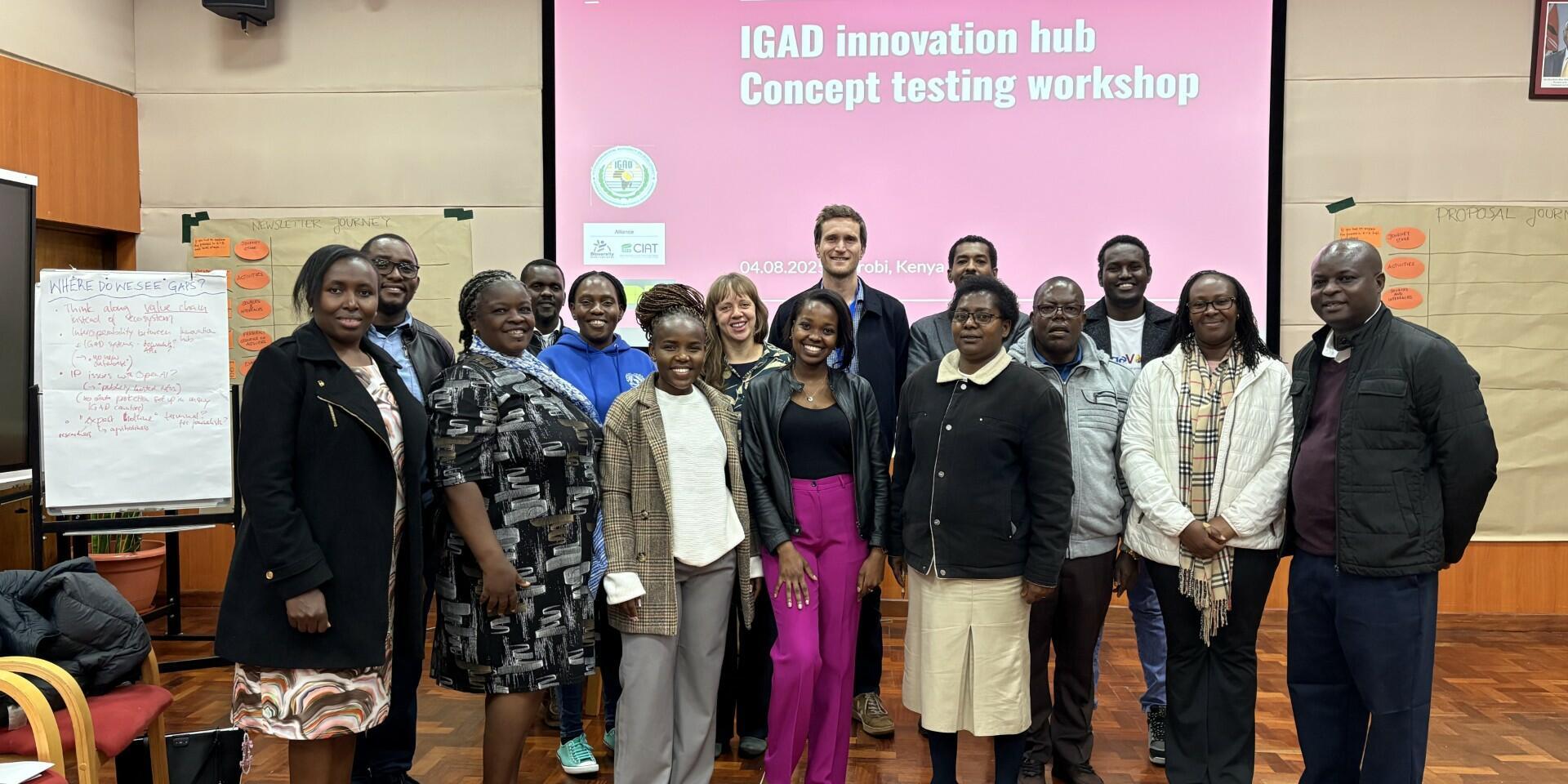

IGAD, with the Alliance of Bioversity International and CIAT, is co-creating an AI-powered innovation hub under BREFONS to help pastoralist communities in the Horn of Africa build resilience to climate, market, and livestock challenges.
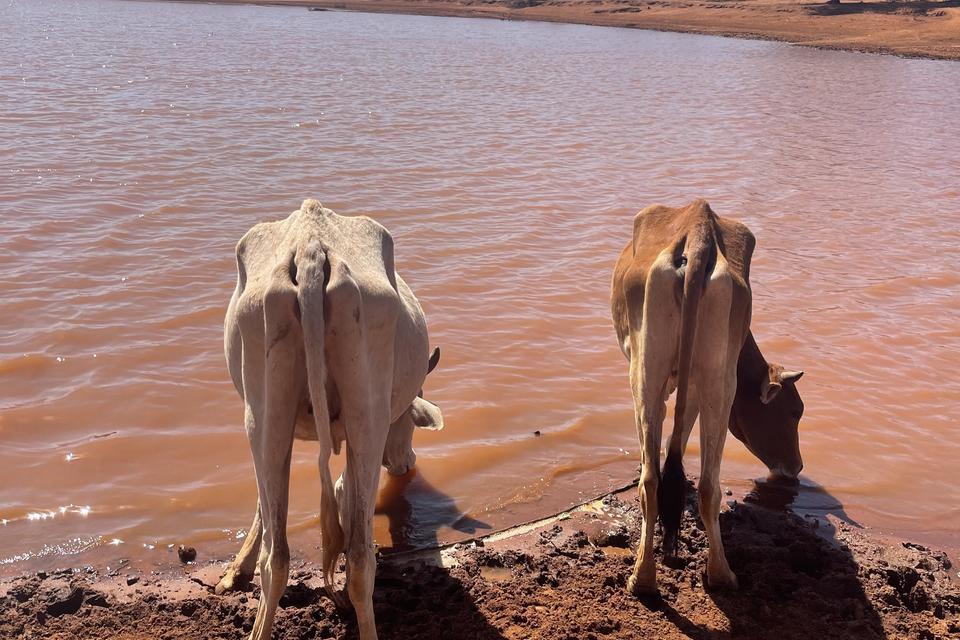
Pastoralist communities across the Horn of Africa live and work in some of the world’s most challenging environments. Their livelihoods depend on adapting to shifting climate patterns, navigating cross-border mobility, and sustaining livestock-based economies that feed millions. The Intergovernmental Authority on Development (IGAD), with the Alliance of Bioversity and CIAT as a technical partner, is working to strengthen the tools, partnerships, and knowledge systems that can help these communities thrive in a changing world.
This vision is at the heart of BREFONS – Building Resilience for Food and Nutrition Security in the Horn of Africa – a regional programme funded by the African Development Bank and implemented in Djibouti, Ethiopia, Kenya, Somalia, and South Sudan. Within BREFONS, the IGAD Innovation Hub is being developed as a collaborative platform to connect innovators, researchers, policymakers, and practitioners, enabling them to co-design, test, and scale solutions for climate resilience, market access, and livestock health.
Designing with people, not just for them
The Innovation Hub is anchored in BREFONS’ Component 2, Strengthening Institutions and Innovation Systems, and is envisioned as an AI-powered assistant that bridges the gap between research and practice: It will will selectively retrieve, synthesise, and contextualise key data - from climate advisories to livestock disease surveillance - from IGAD’s specialized institutions and partner organizations. This will make it easier for users to access the right information, at the right time, for informed decision-making.
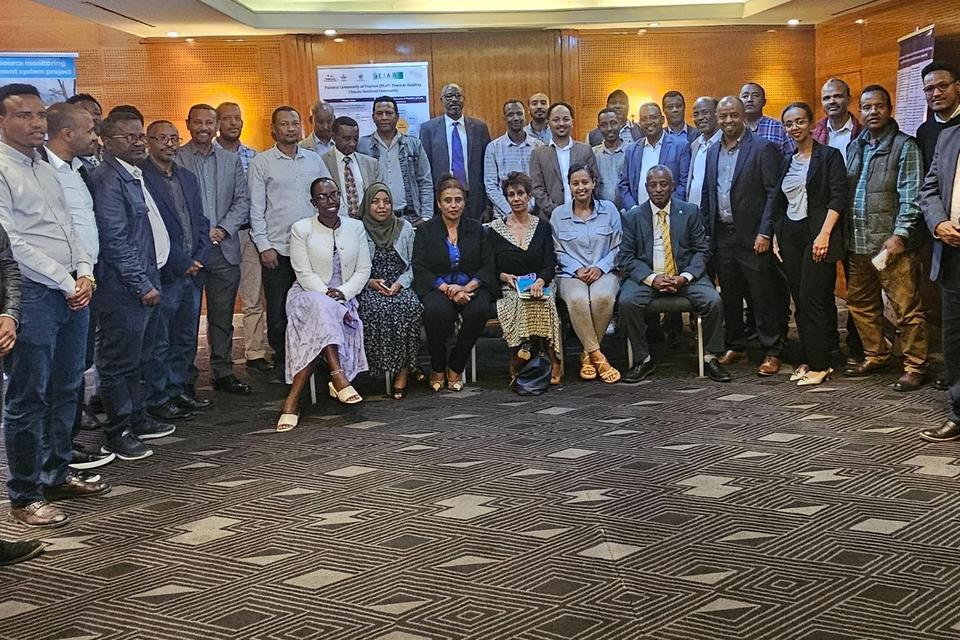
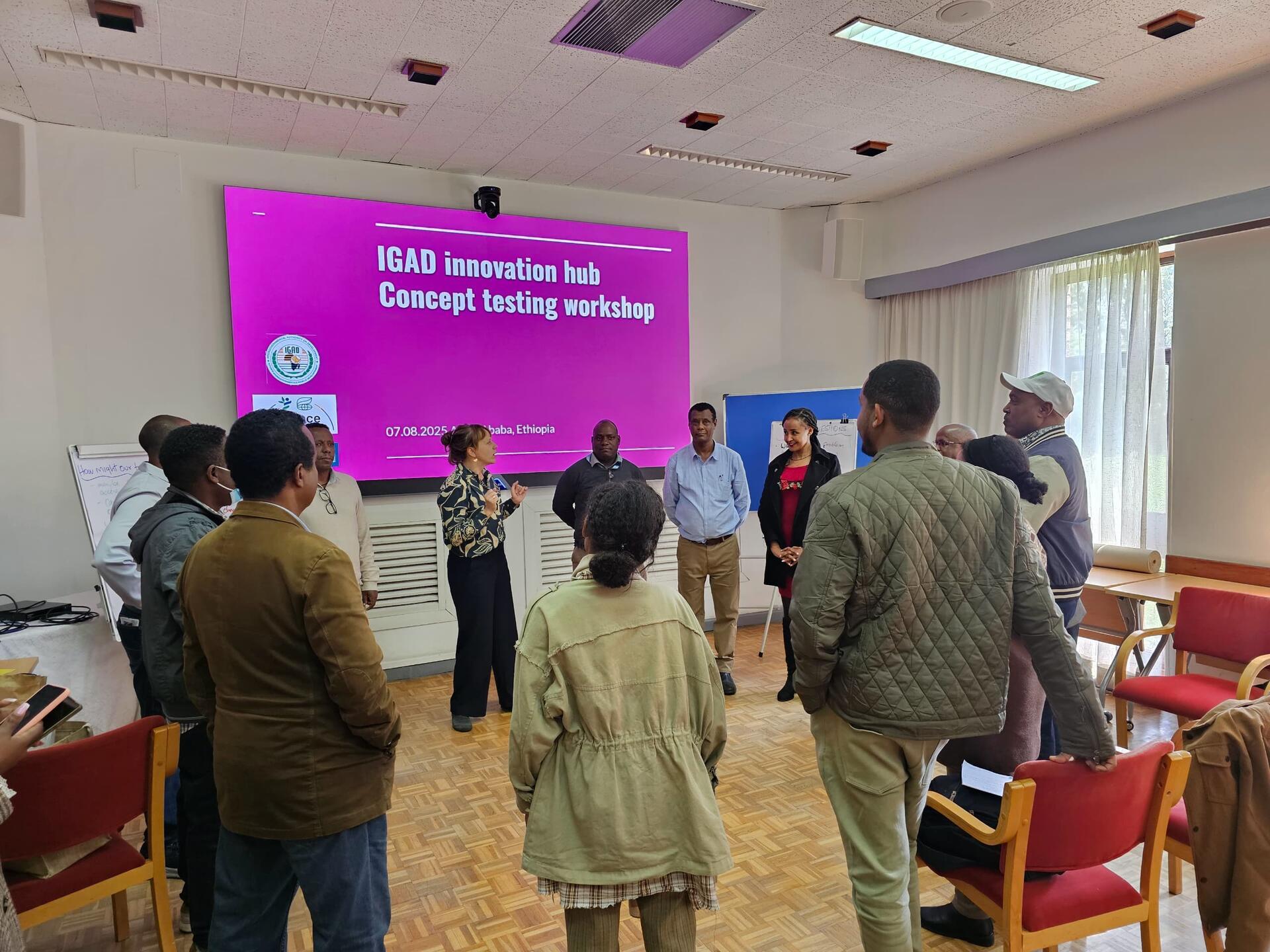
But building such a tool is not just a technical exercise. To ensure the Hub’s design is grounded in the realities, priorities, and workflows of its future users, the design process has been rooted in Human-Centered Design (HCD) principles. Drawing on its extensive experience in the agri-food sector, the user research and design agency Glashaus Innovation led the co-design and concept testing process. In August 2025, workshops in Nairobi and Addis Ababa brought together government representatives, researchers, and regional partners to explore the Hub’s potential from the perspective of its future users.
Listening, testing, and learning
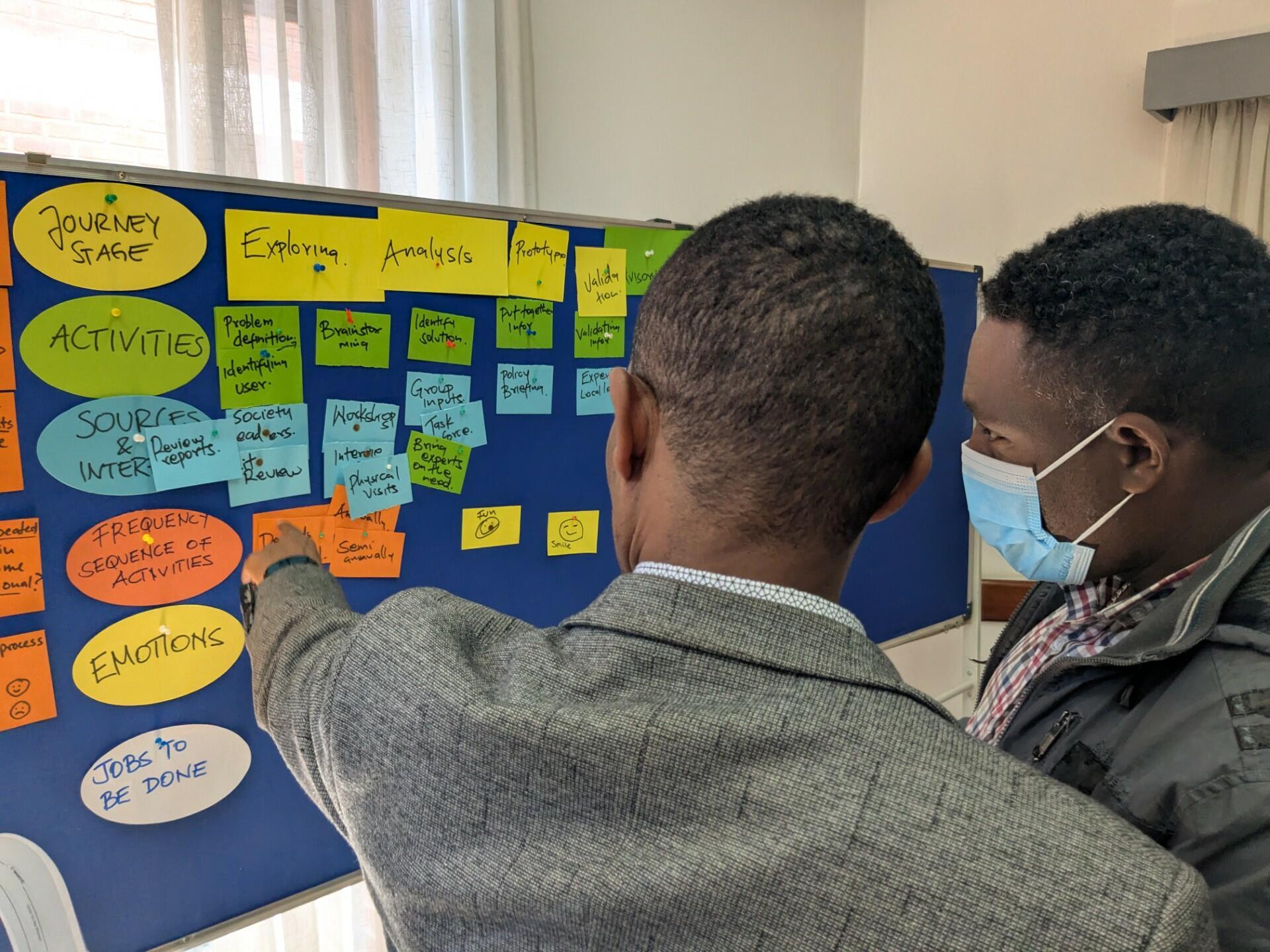
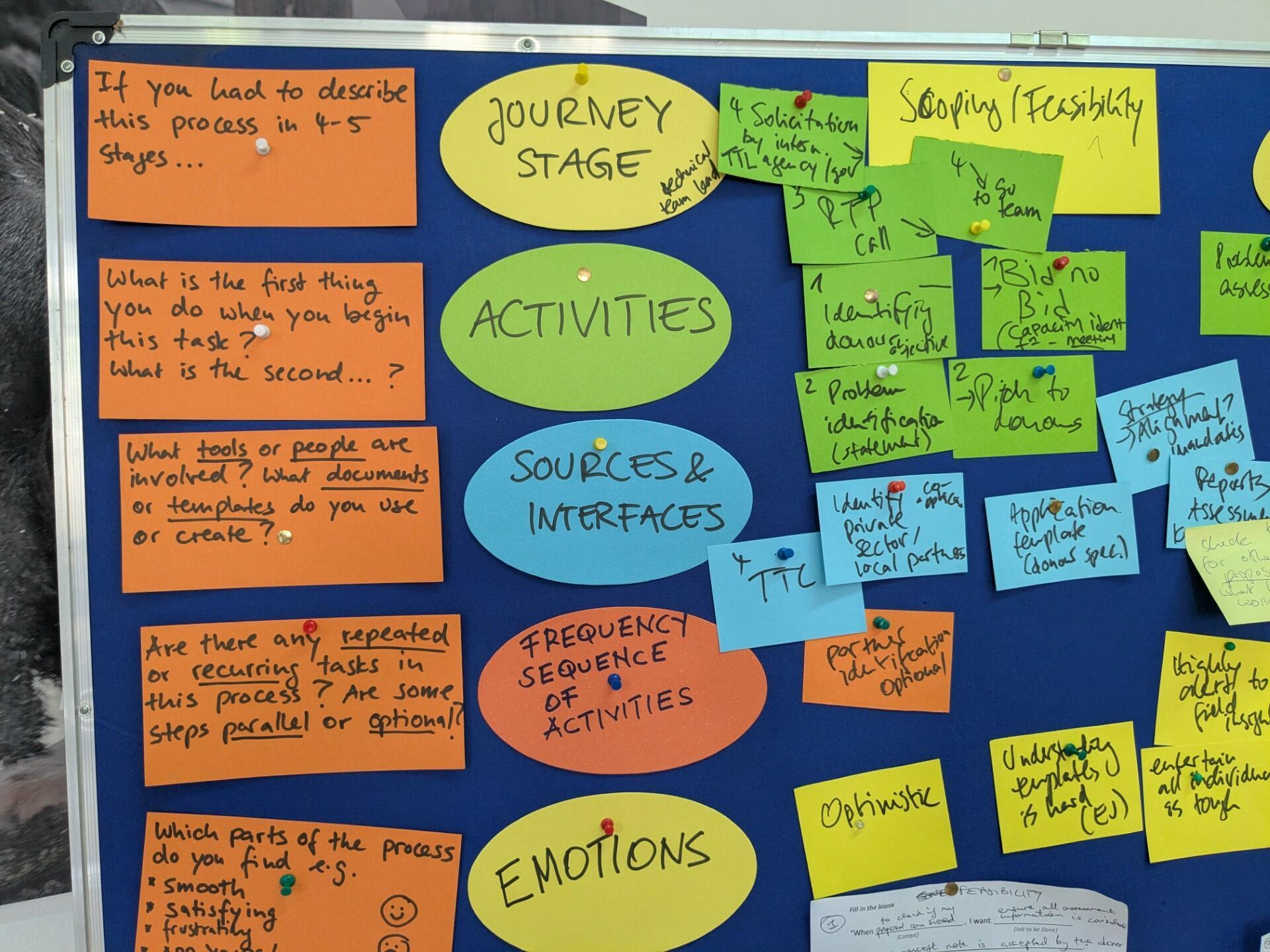
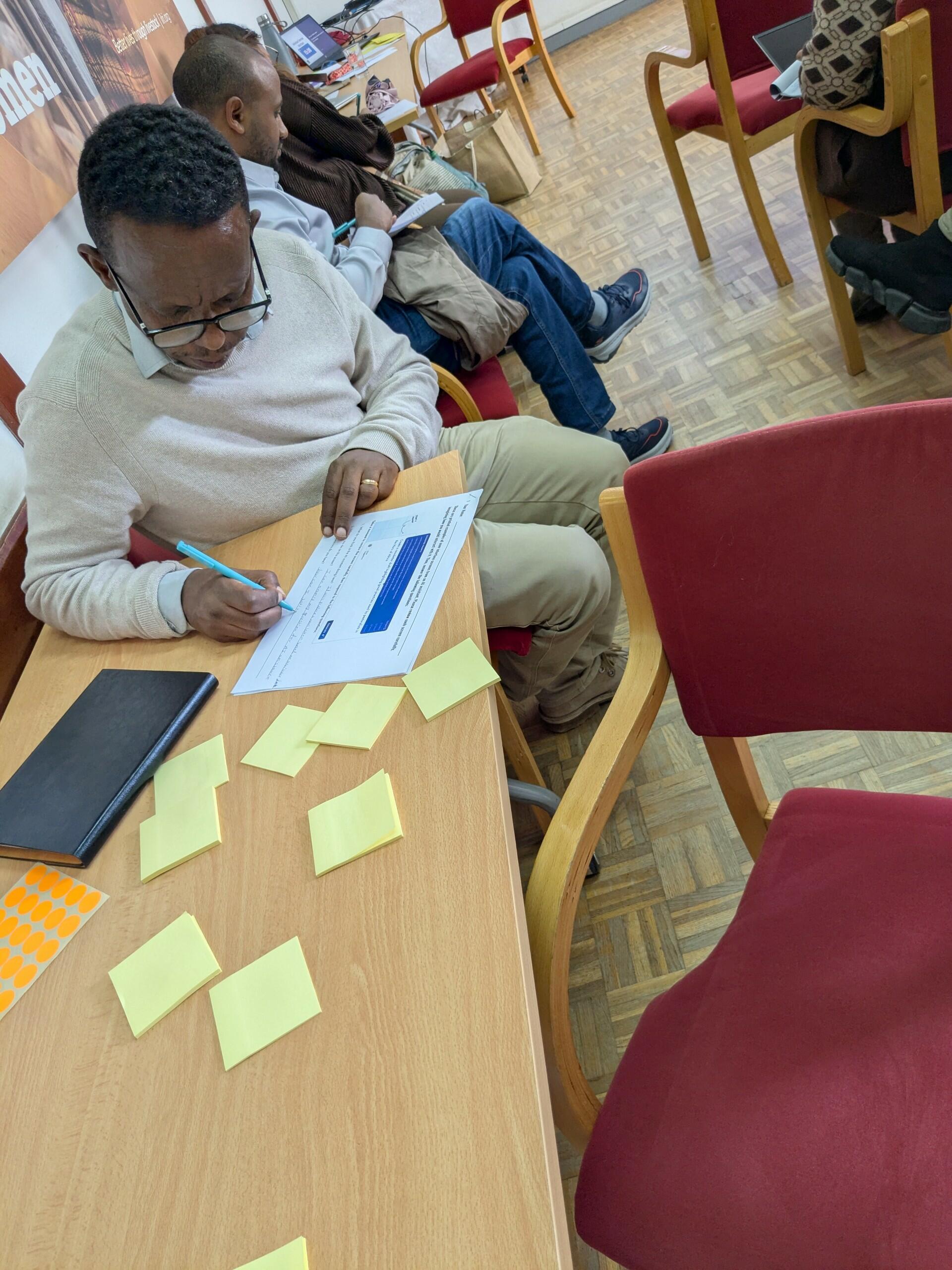
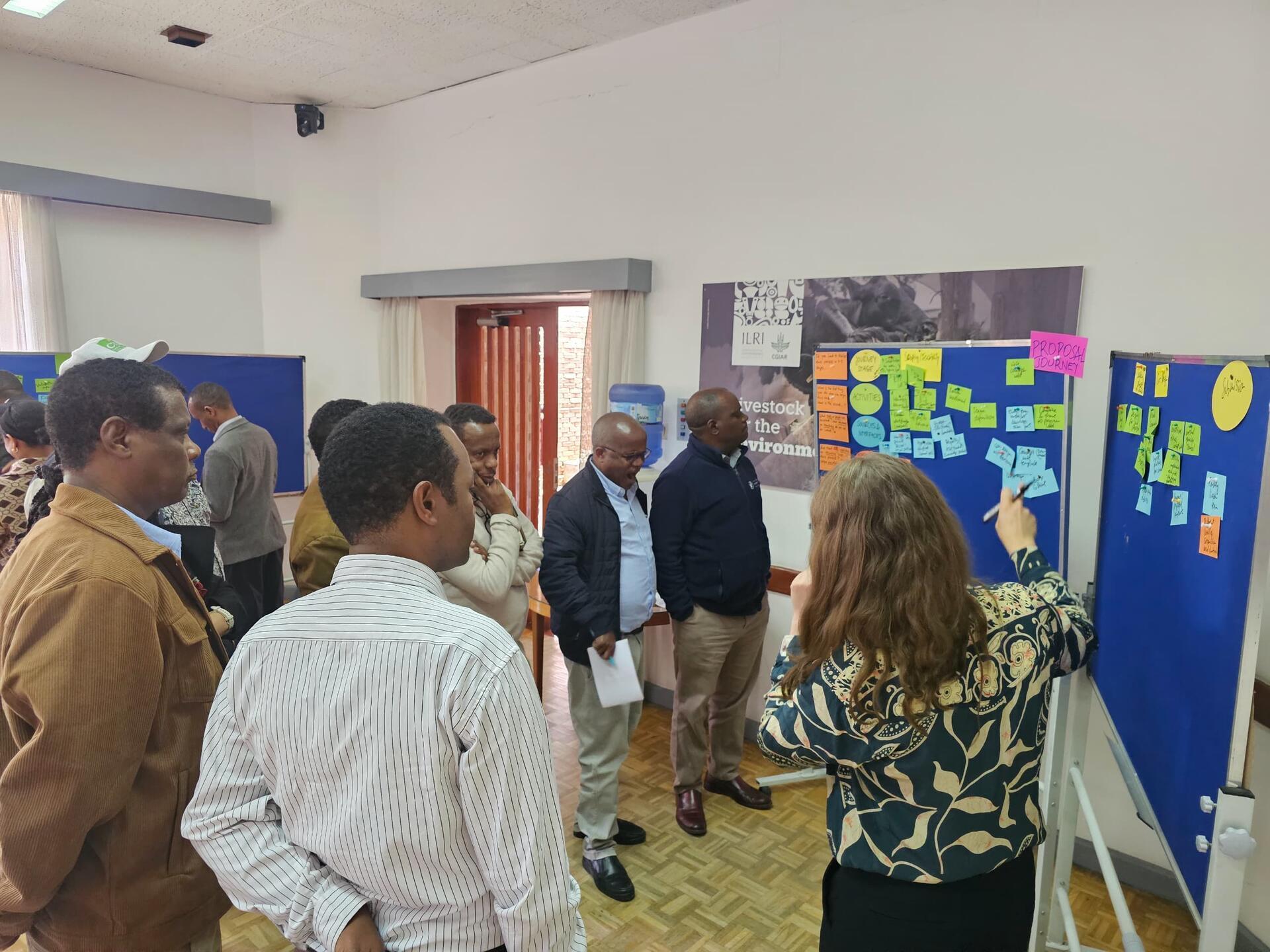
Participants began by mapping their current information journeys – identifying what works, where bottlenecks occur, and what’s missing. They then explored “jobs to be done” – the essential tasks, goals, and problems they aim to address in their daily work – tested potential interface designs, and debated the role of AI in pastoralist support systems.
The conversations were candid and constructive:
“A game changer… it will bridge information gaps and raise regional awareness,” said one participant in Nairobi.
“AI is overrated – it misses capturing local nuances,” cautioned another in Addis Ababa.
“AI is underrated – with one click you can get complex data sets analysed,” countered a third.
These perspectives highlighted both optimism and healthy scepticism – reinforcing that trust, transparency, and context-specific design must remain central as the Hub evolves. For the further design, this has technical implications, e.g. to invest in a system of checks and feedback loops via vetting mechanisms where AI models review each other to ensure authentic results. On the other hand, it also became clear that a larger, ongoing conversation is needed about the working and usability of AI-generated outputs (not replacing workflows, but making them more efficient) to create safe use case scenarios.
By placing users at the centre of the process, the Innovation Hub is being shaped not just as a service point for retrieving information, but as a trusted partner in decision-making. HCD ensures that complex technology – like AI – is applied in ways that respect the need for verified, reliable and safe information and deliver tangible value to those who need it most.
What’s next
Insights from the workshops are now guiding the development of the Hub’s first minimum viable products (MVPs). Initial “access terminals” - digital entry points for interacting with the Hub’s AI-powered knowledge tools - will include:
- IGAD Proposal Writer – supporting IGAD affiliates, researchers and development organizations in the rapid development of funding proposals
- IGAD Newsletter – personalized access to updates on research results regarding topics of interest within pastoralism
Each feature will be tested with users, refined based on feedback, and rolled out with training and support to encourage uptake. Continuous iteration will ensure the Hub grows in step with user needs and technological opportunities.
As the Hub moves towards launch, it carries forward the collective vision shaped in Nairobi and Addis Ababa: a regional platform that amplifies research results and connects them to local expertise, strengthens collaboration, and equips pastoralist communities with the knowledge they need to adapt, innovate, and prosper.