Blog How digital agriculture boosts crop yields and efficiency

Digital agriculture is revolutionizing how we produce food. By integrating advanced technologies such as data analytics, machine learning, sensors, drones, GPS, and satellite imagery into traditional farming practices, digital agriculture aims to optimize crop production and resource use. As the global population increases and climate change pressures intensify, leveraging technology to improve agricultural productivity and sustainability is not just beneficial—it's essential. This article explores the multifaceted ways in which digital agriculture enhances crop yields and operational efficiency across the agricultural sector.
Precision agriculture: tailoring inputs to needs
Precision agriculture is a cornerstone of digital agriculture. This approach involves collecting and analyzing data to apply the right amount of inputs (such as water, fertilizers, and pesticides) at the right time and place. This method minimizes waste, reduces costs, and maximizes yield. To gather the necessary data, soil and crop sensors provide real-time data on soil moisture, nutrient levels, and crop health, enabling farmers to apply fertilizers more efficiently.
Key precision agriculture tools include:
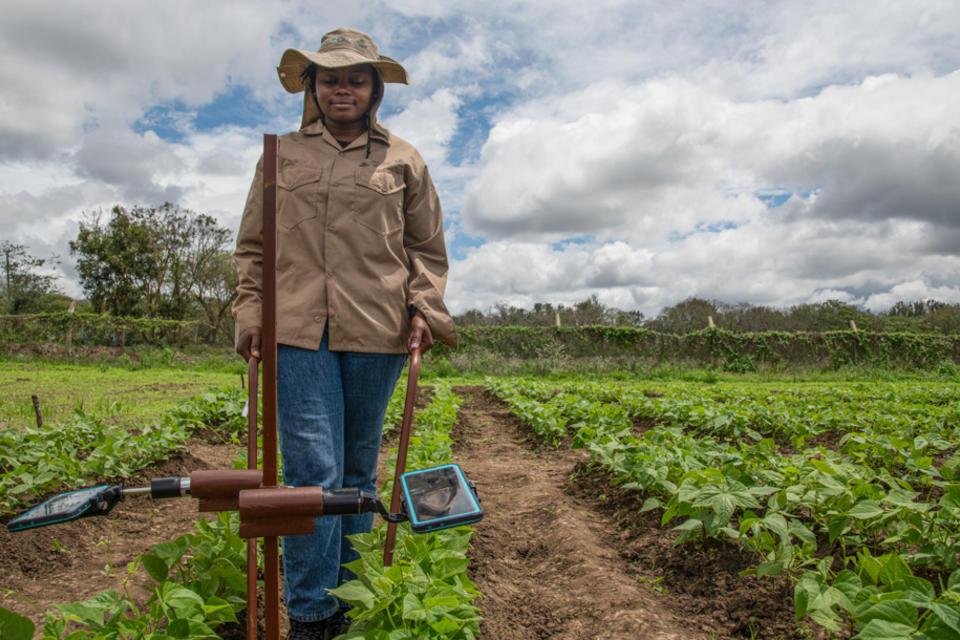
- Soil and crop sensors: These are embedded in the field to gather real-time data on soil moisture, pH levels, temperature, and nutrient content. Plant-based sensors can assess chlorophyll content and stress indicators. For instance, a nitrogen sensor mounted on a tractor can detect areas of nutrient deficiency and adjust fertilizer application accordingly.
- Variable rate technology (VRT): VRT allows for site-specific application of inputs. Through GPS mapping and sensor input, the system creates prescription maps that guide farm equipment to apply inputs variably across the field. This ensures that resources are used where they are most needed, avoiding overuse in areas of low productivity and enhancing yields in fertile zones.
- GPS-guided machinery: Tractor guidance systems use Real-Time Kinematic GPS with centimeter-level accuracy. This technology ensures precise planting, spraying, and harvesting, significantly reducing overlaps and gaps. It also enables practices such as controlled traffic farming, which minimizes soil compaction and preserves field structure.
- Aerial and satellite imagery: Remote sensing through UAVs or satellites helps detect variability in crop vigor and soil characteristics. Multispectral imaging provides early warnings of pest infestation or disease, while thermal imaging highlights water stress zones.
- Farm management software: These platforms integrate all the above inputs and offer actionable insights. Farmers can monitor field operations in real time, analyze historical performance, and simulate different agronomic scenarios for better planning.
Precision agriculture has demonstrated up to 20% yield improvements in cereal crops, 30% reduction in input usage, and notable gains in profitability and sustainability. It allows for better control of field variability, optimized input use, and enhanced environmental stewardship.
Data Analytics and Decision Support Systems (DSS)
Digital agriculture requires the generation and analysis of vast amounts of data. Decision Support Systems combine weather forecasts, historical yield data, market trends, and real-time field information to help farmers make data-driven decisions. Important examples include:
- Predictive analytics to forecast pest outbreaks, irrigation needs, and harvest timings: For example, in India, start-ups like CropIn offer predictive models that help smallholder farmers reduce crop losses by anticipating weather and disease threats.
- Cloud platforms centralize data from multiple sources, allowing for comprehensive farm management. Platforms such as John Deere Operations Center and Climate FieldView provide farmers with dashboards to monitor and control all aspects of their farm in one place.
- Mobile apps offer user-friendly interfaces for monitoring and adjusting farming operations remotely. In Sub-Saharan Africa, apps like FarmCrowdy and AgriWallet empower farmers with accessible digital tools, improving productivity and financial inclusion.
DSS tools not only help in tactical decisions but also contribute to strategic planning by analyzing long-term trends in soil fertility, yield performance and climate variability.
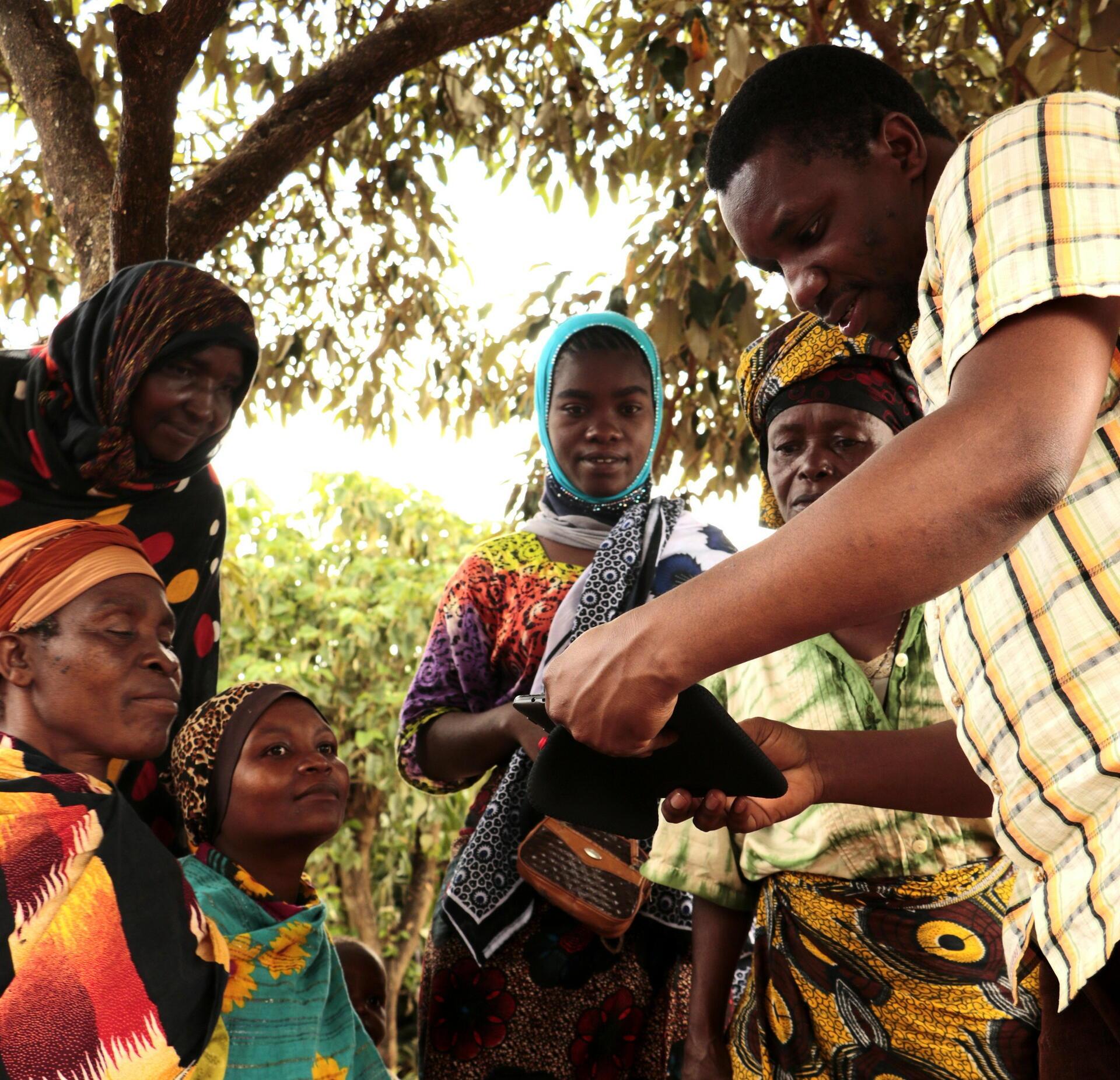
Members from a farming community in Tanzania look at a tracking tool. Credit: CIAT/Manon Koningstein
Drones and remote sensing
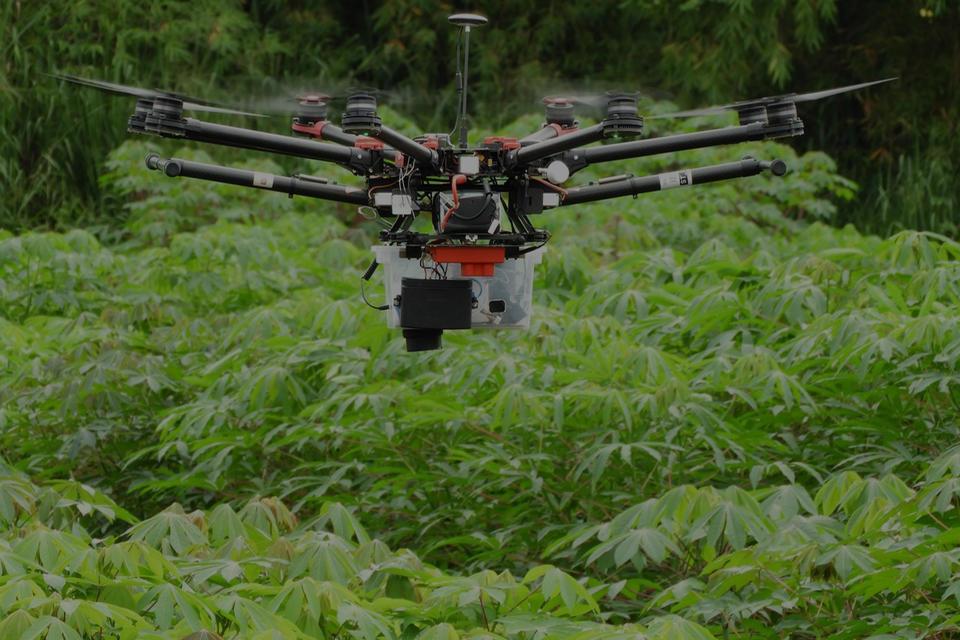
Drones equipped with multispectral cameras and remote sensing technologies are reshaping crop monitoring. These tools provide high-resolution imagery that reveals plant stress, pest infestations, and nutrient deficiencies long before they are visible to the naked eye. Three examples include:
- Aerial imagery that allows for early intervention, reducing crop losses. For example, vineyards in France use drones to detect mildew infestations early, preventing spread and minimizing chemical use.
- NDVI (normalized difference vegetation index) maps identify areas of poor plant health. These insights guide targeted interventions such as re-seeding, spot fertilizing, or drainage improvements.
- Thermal imaging detects water stress and irrigation needs. For example, farmers in California's Central Valley use thermal data to schedule irrigation precisely, conserving water in a drought-prone region.
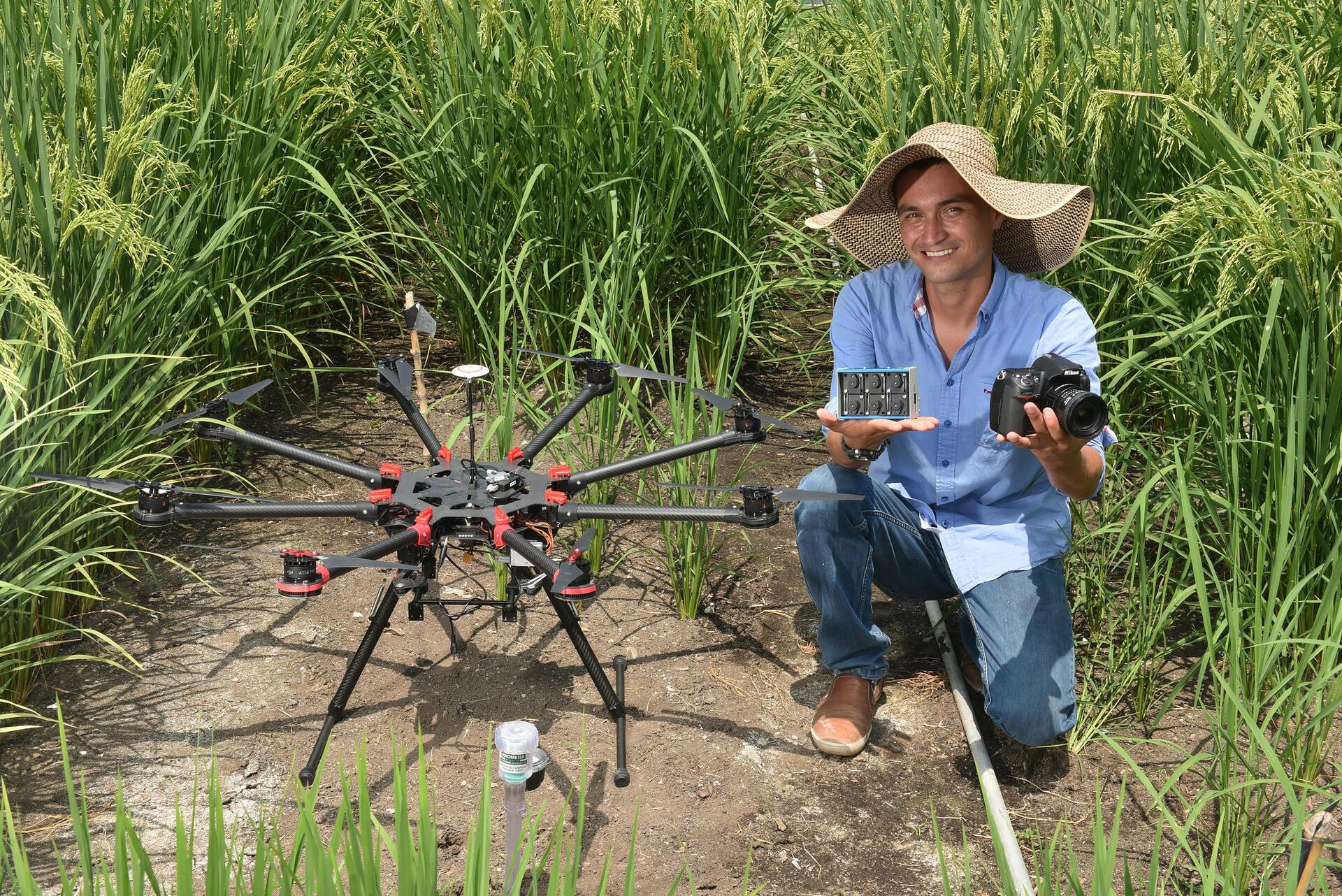
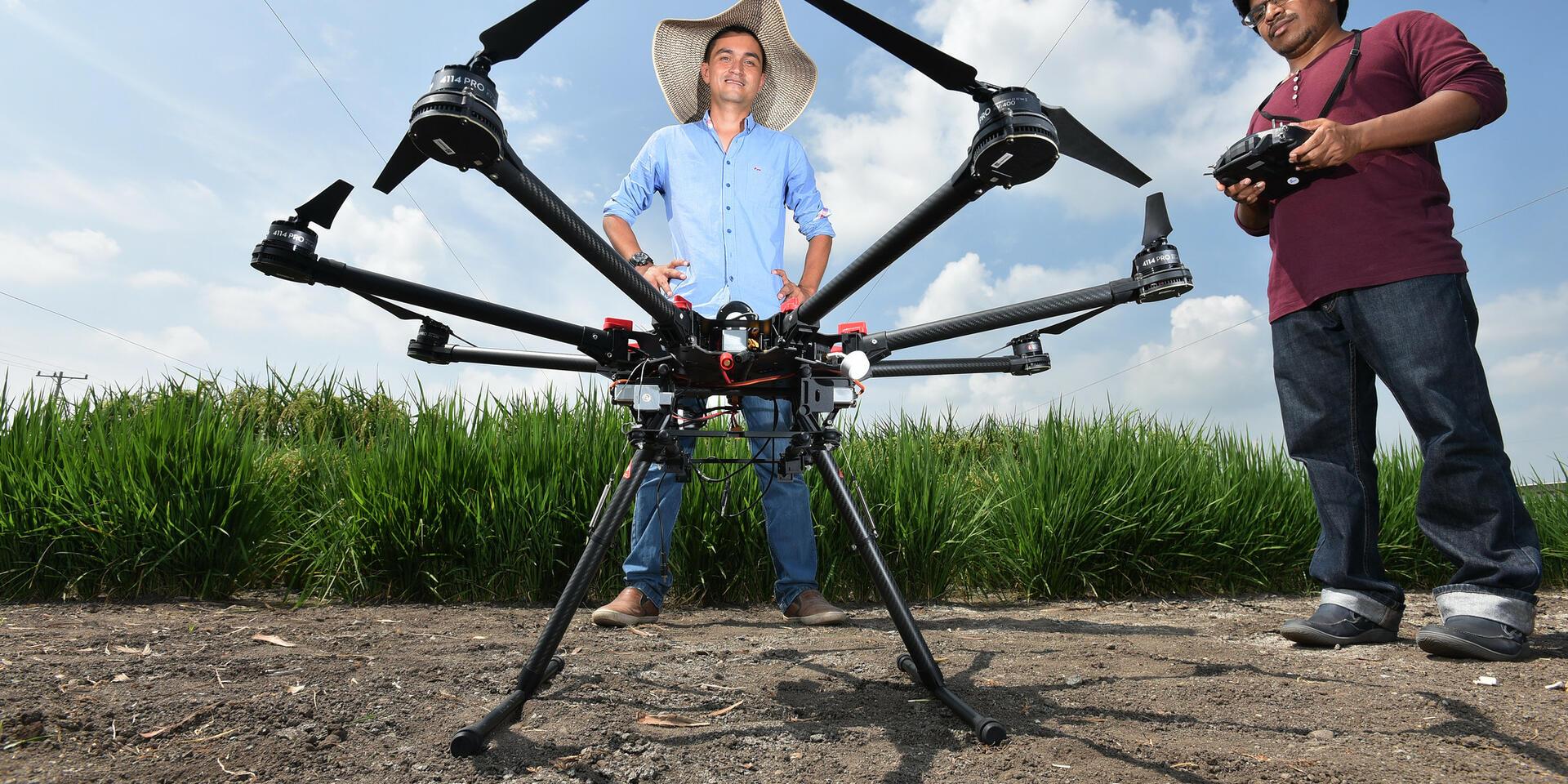
The use of drones for monitoring rice crops at CIAT's headquarters in Colombia. Credit: CIAT/NeilPalmer
IoT and smart farming equipment
The Internet of Things (IoT) refers to the interconnected network of sensors, machines and devices that collect and exchange data over the internet. In agriculture, IoT is revolutionizing how farms are managed—improving input efficiency, reducing labor, enhancing monitoring, and enabling automated decision-making. Examples include:
- Smart irrigation systems: IoT-powered irrigation systems are a game-changer for water management. By integrating data from soil moisture sensors, weather forecasts, and crop type databases, these systems deliver just the right amount of water where and when it's needed.
- Soil health monitoring: Ground-embedded sensors track parameters such as pH, salinity, nutrient levels, and moisture content. These sensors transmit real-time data to cloud platforms where AI systems analyze it to provide recommendations for fertilizer application or drainage improvements. This enables a transition from reactive to proactive soil management.
- Livestock and aquaculture monitoring: Wearable devices for cattle, poultry, and fish track health metrics like body temperature, movement, heart rate, and feeding patterns. In dairy farming, smart collars and ear tags help detect heat cycles and early signs of disease. In aquaculture, IoT devices monitor water quality and oxygen levels to prevent mass fish mortality.
- Smart greenhouses: Greenhouses outfitted with IoT devices automatically adjust temperature, humidity, CO2 levels and lighting. These systems also notify managers of anomalies, improving crop quality and reducing waste.
- Autonomous machinery: Tractors, planters and harvesters embedded with IoT sensors and GPS can operate autonomously. These machines adjust their behavior based on environmental inputs, ensuring uniform seed distribution, optimized harvesting and fuel efficiency.
- Supply chain optimization: IoT devices also monitor post-harvest conditions during storage and transport. Sensors track temperature, humidity, and shock exposure in storage bins or shipping containers to ensure produce quality and prevent spoilage. Real-time alerts help logistics providers take corrective action immediately.
- Farm management integration: IoT devices feed data into integrated farm management systems, which allow farmers to monitor all operations from a smartphone or dashboard. This integration facilitates precision timing for irrigation, fertilization, and harvesting, resulting in higher efficiency and reduced costs.
IoT technologies empower farmers to make faster, data-driven decisions, reduce dependency on manual labor, optimize resource use, and enhance traceability across the agricultural value chain. With greater automation and data flow, IoT facilitates scalable, resilient, and sustainable agricultural operations.
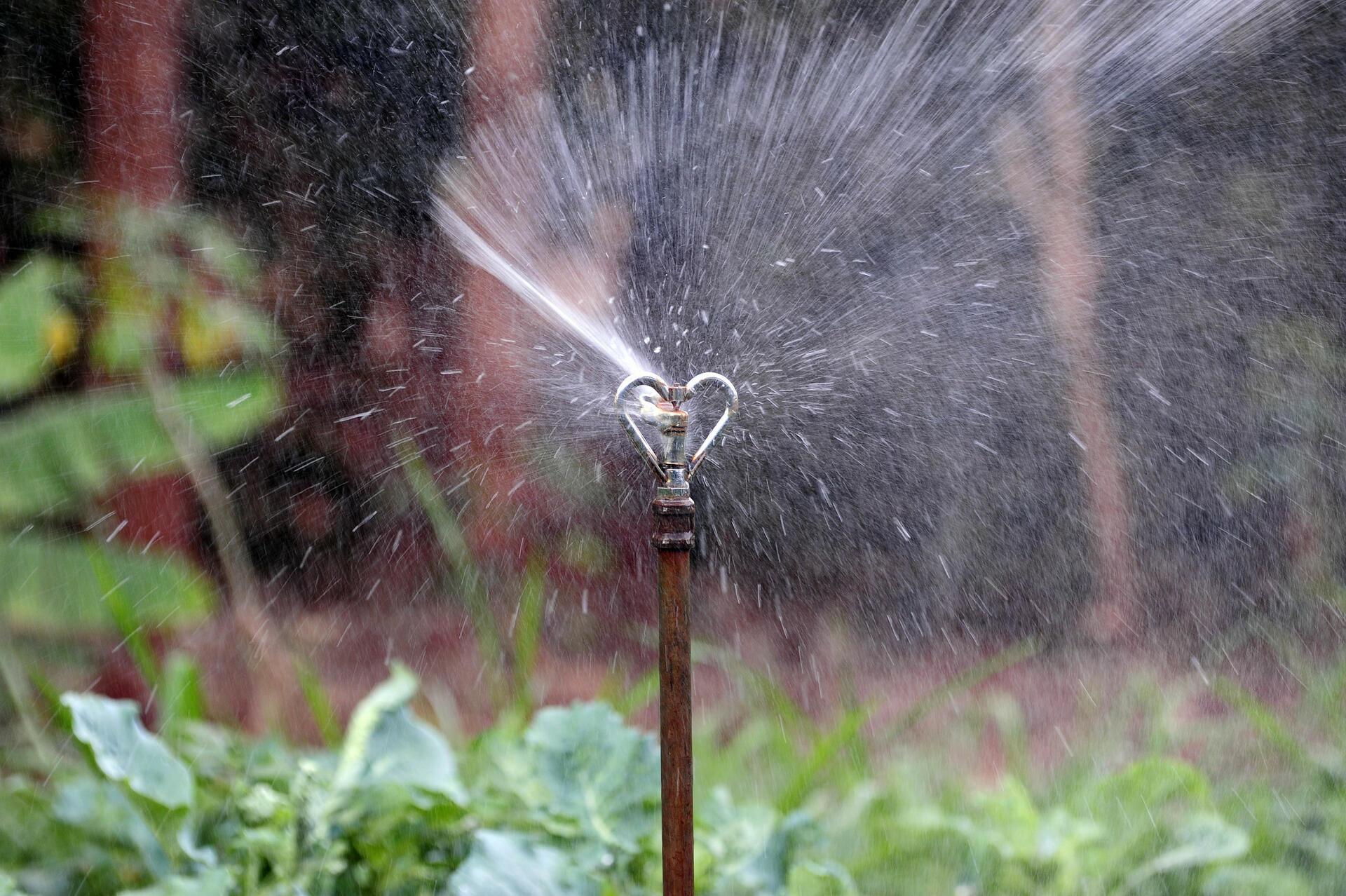
Vegetable irrigation in Mount Kenya. Credit: Neil Palmer/CIAT
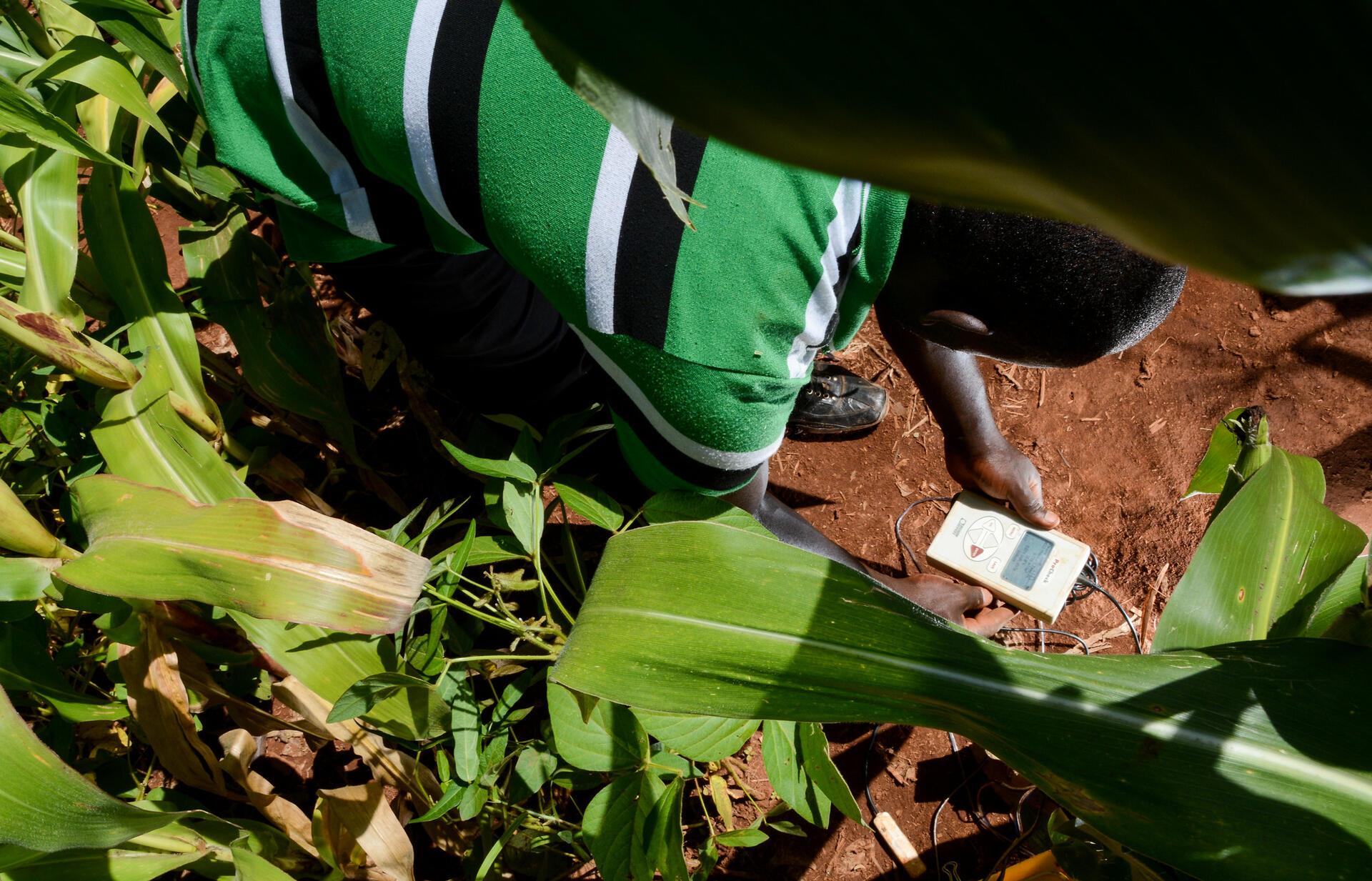
Climate-smart soils: testing soil health in Western Kenya. Credit: CIAT/GeorginaSmith
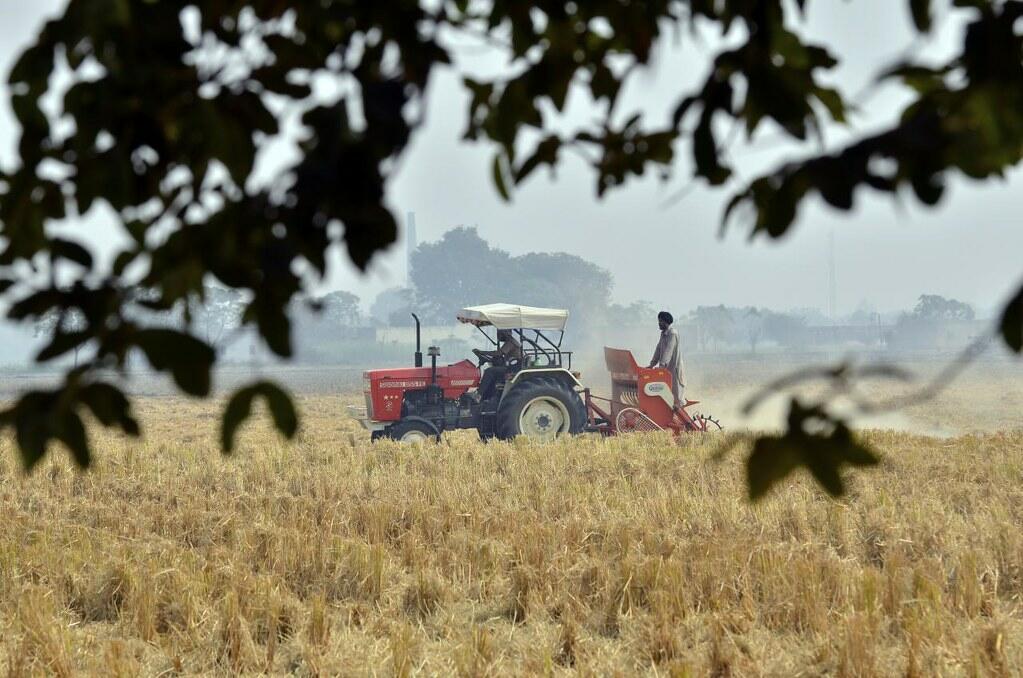
Wheat planting in a field of rice stubble, using the tractor-pulled Happy Seeder, eliminates the need to burn rice residues after harvest. Near Sangrur, SE Punjab, India. Credit: CIAT/NeilPalmer
Artificial intelligence and machine learning
Artificial intelligence (AI) and machine learning (ML) are revolutionizing decision-making in agriculture by analyzing vast datasets to reveal patterns, make predictions, and optimize interventions in real-time. These technologies are increasingly being deployed to address complex agricultural challenges such as pest and disease detection, yield forecasting, and climate adaptation. Important examples include:
- Predictive modelling for crop yields: AI-driven models use historical climate data, satellite imagery and in-field sensor data to forecast crop performance and guide planting decisions. For example, the Alliance of Bioversity International and CIAT developed machine learning models that integrate soil, weather, and remote sensing data to predict cassava yields in Africa. These tools help farmers decide when and where to plant for maximum output.
- Pest and disease surveillance: In Colombia, the Alliance of Bioversity International and CIAT collaborated with local stakeholders to create the PestDisPlace platform, which uses AI and geospatial data to track the spread of pests such as the fall armyworm. By identifying at-risk zones early, farmers and policymakers can act preemptively, reducing crop losses.
- Decision support tools: AI also powers decision-support platforms that recommend specific actions based on real-time conditions. One such tool from the Alliance leverages satellite data and ML algorithms to recommend climate-resilient crop varieties and farming practices tailored to specific microclimates in Central America.
- Image-based diagnostics: AI systems trained on large image datasets can diagnose plant diseases through smartphone photos. These applications are especially valuable in remote regions with limited access to extension services. A notable initiative by the Alliance includes training convolutional neural networks to identify diseases in beans, bananas, and cassava with high accuracy.
These AI applications enable more targeted, timely, and data-driven decisions, leading to reduced input waste, minimized crop losses, and enhanced productivity. They are especially powerful when integrated with mobile platforms, empowering smallholder farmers with insights that were previously inaccessible.
Blockchain and supply chain transparency
Blockchain technology plays a pivotal role in improving traceability, transparency and operational efficiency across agricultural supply chains. Although it does not directly affect crop yields, it significantly enhances the quality and marketability of agricultural produce. For example:
- Traceability and food safety: Blockchain records immutable data about the origin, handling, and processing of farm produce. Consumers can scan QR codes on product packaging to access detailed information about where and how their food was grown. This builds consumer trust and supports premium pricing for certified products.
- Smart Contracts: Blockchain-enabled smart contracts automate and verify transactions without intermediaries. For instance, payments can be released automatically once produce reaches a certain quality standard or delivery milestone, improving efficiency and reducing disputes.
- Regulatory compliance and the EUDR: The European Union Deforestation Regulation (EUDR), which came into force in 2023, requires companies placing agricultural commodities on the EU market to prove that their production did not contribute to deforestation. Blockchain technology offers a viable solution for compliance by providing verifiable, time-stamped data on land use, supply chain steps, and geolocation of production areas. Digital platforms integrated with blockchain—such as those piloted in cocoa and palm oil supply chains—allow exporters and producers to demonstrate compliance with EUDR requirements, opening access to critical European markets.
- Farmer empowerment and market access: By participating in blockchain-based traceability systems, smallholder farmers can gain visibility in global value chains. This improves their credibility with buyers and financial institutions, potentially unlocking better prices and credit opportunities.
Blockchain increases accountability across the value chain, enhances compliance with evolving international standards like the EUDR, and reduces inefficiencies associated with traditional record-keeping. For farmers and agribusinesses alike, it represents a foundational technology for sustainable and transparent agriculture.
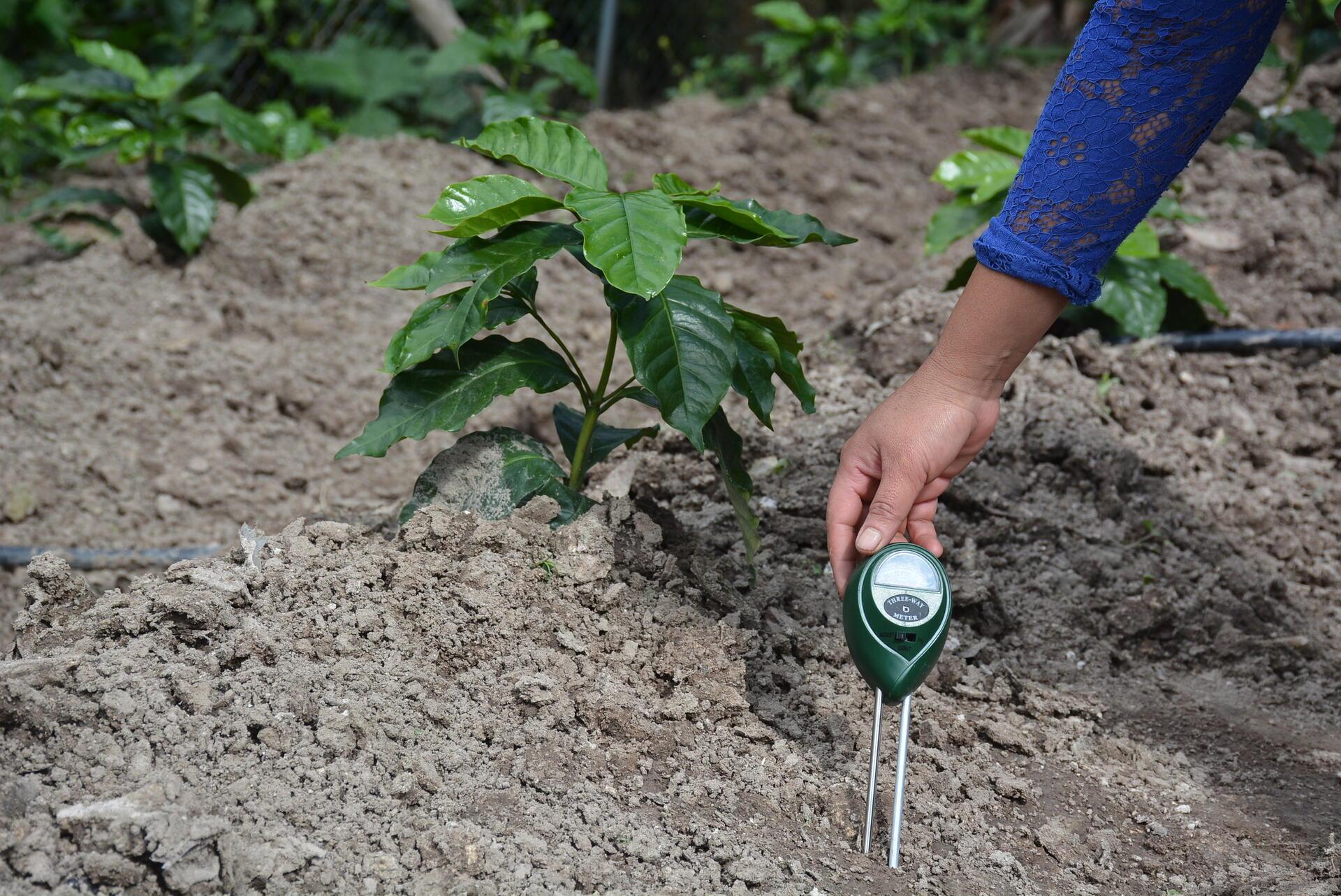
A farmer uses a soil meter to monitor conditions for coffee plants in Central America, supporting efforts to boost crop yields, efficiency, and climate resilience through data, innovation, and sustainable practices. Credit: Daniela Arce/CIAT
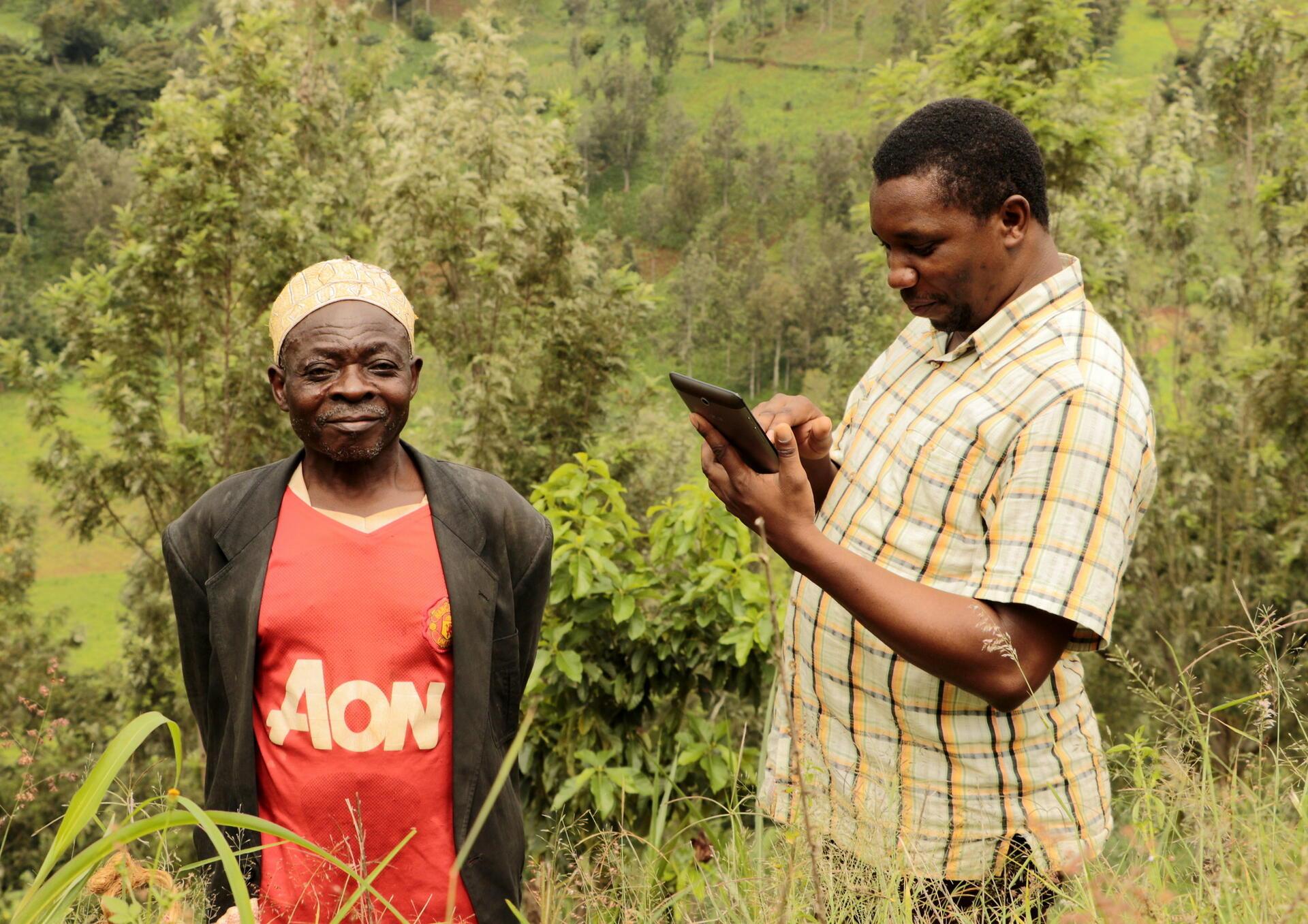
Farmers use a tablet to track on-farm activities. Credit: CIAT/Manon Koningstein
Climate-smart farming and sustainability
Climate-smart agriculture (CSA) seeks to increase agricultural productivity sustainably, build resilience to climate change, and reduce greenhouse gas emissions where possible. Digital agriculture is instrumental in implementing CSA by providing the tools needed to adapt, mitigate, and respond to environmental challenges in real-time. Digital tools for climate-smart agriculture include:
- Adaptive weather-based decision making: IoT weather stations and satellite data feed predictive models that enable farmers to make informed decisions regarding planting, irrigation, and harvesting based on short- and long-term climate forecasts. These tools help mitigate losses from extreme weather events such as droughts, floods, or unseasonal frosts.
- Carbon farming and emissions tracking: Digital platforms now allow for the measurement and verification of carbon sequestration in soils and biomass, facilitating participation in carbon credit markets. Remote sensing and AI-driven modeling tools help track emissions and soil health, enabling farmers to adopt practices like reduced tillage, cover cropping and agroforestry with measurable outcomes.
- Water and resource efficiency: Digital irrigation systems (such as drip irrigation controlled by soil moisture sensors), drastically improve water use efficiency. In water-scarce regions, this is not only essential for productivity but also for long-term sustainability.
- Crop diversification and resilience: Climate-resilient seed varieties, selected based on location-specific weather and soil data, can be promoted through digital advisory platforms. For example, mobile-based extension services can recommend drought-resistant crops or intercropping practices tailored to specific microclimates.
- Monitoring ecosystem health: Remote sensing technologies and drones allow for landscape-level monitoring of land use, biodiversity indicators, and ecosystem services. This supports sustainable land management practices and helps ensure that farming does not come at the expense of ecological degradation.
Climate-smart digital agriculture not only helps buffer the negative impacts of climate change but also supports long-term sustainability goals. It enables adaptive management, promotes ecological stewardship, and fosters resilience at both farm and landscape levels.
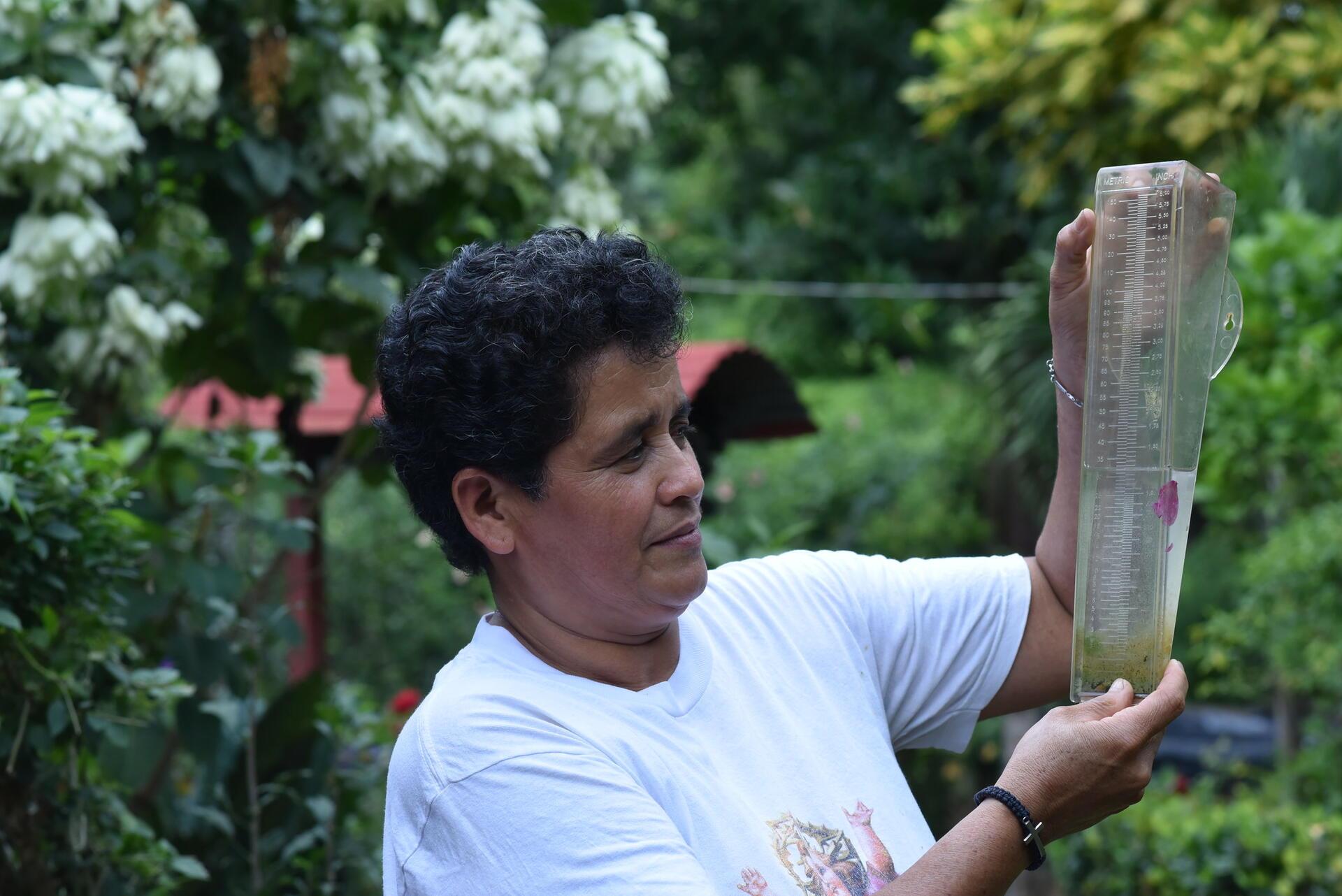
A woman measures rainfall using a rain gauge in Central America. Credit: Elizabeth Ramirez Perez/CIAT
Challenges and considerations of digital agriculture
Despite its benefits, digital agriculture faces several challenges that must be addressed to unlock its full potential. For example:
- High initial investment and maintenance costs deter adoption, especially among smallholder farmers. Public subsidies, financing options, and cooperatives can help mitigate these barriers.
- Limited digital literacy among farmers in certain regions can make it difficult for farmers to make equal use of these technologies. Training programs, extension services, and mobile-friendly tools are essential to ensure inclusivity.
- Data privacy and ownership concerns must be addressed through clear regulations and transparent data governance models.
- Infrastructure gaps such as internet connectivity and power supply - particularly in rural areas - limit the scalability of digital solutions.
To overcome these challenges and make the best use of digital agriculture tools, governments, NGOs and the private sector must collaborate to build an enabling ecosystem that supports the equitable adoption of digital agriculture.
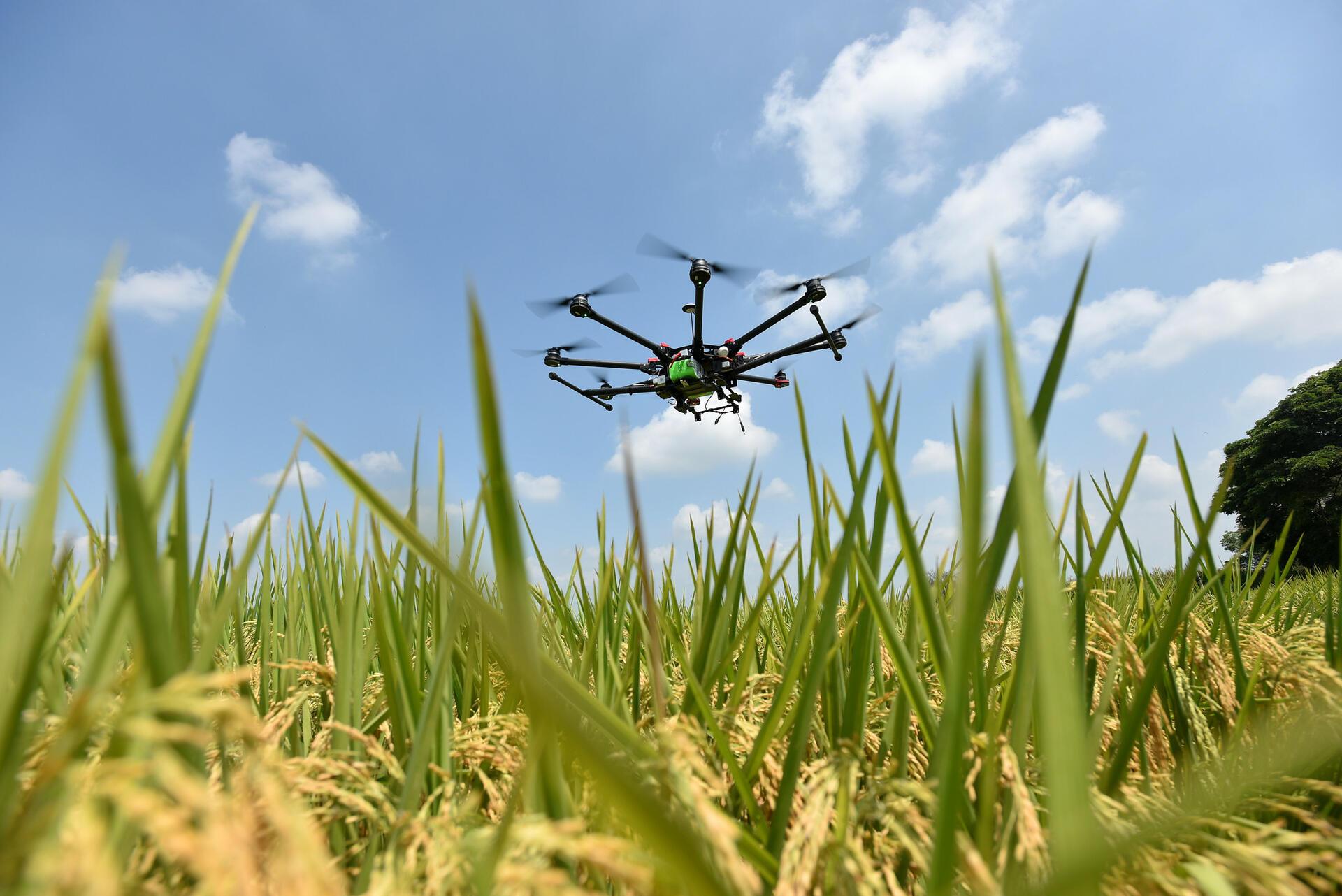
The use of drones for monitoring crops in Colombia. Credit: CIAT/NeilPalmer
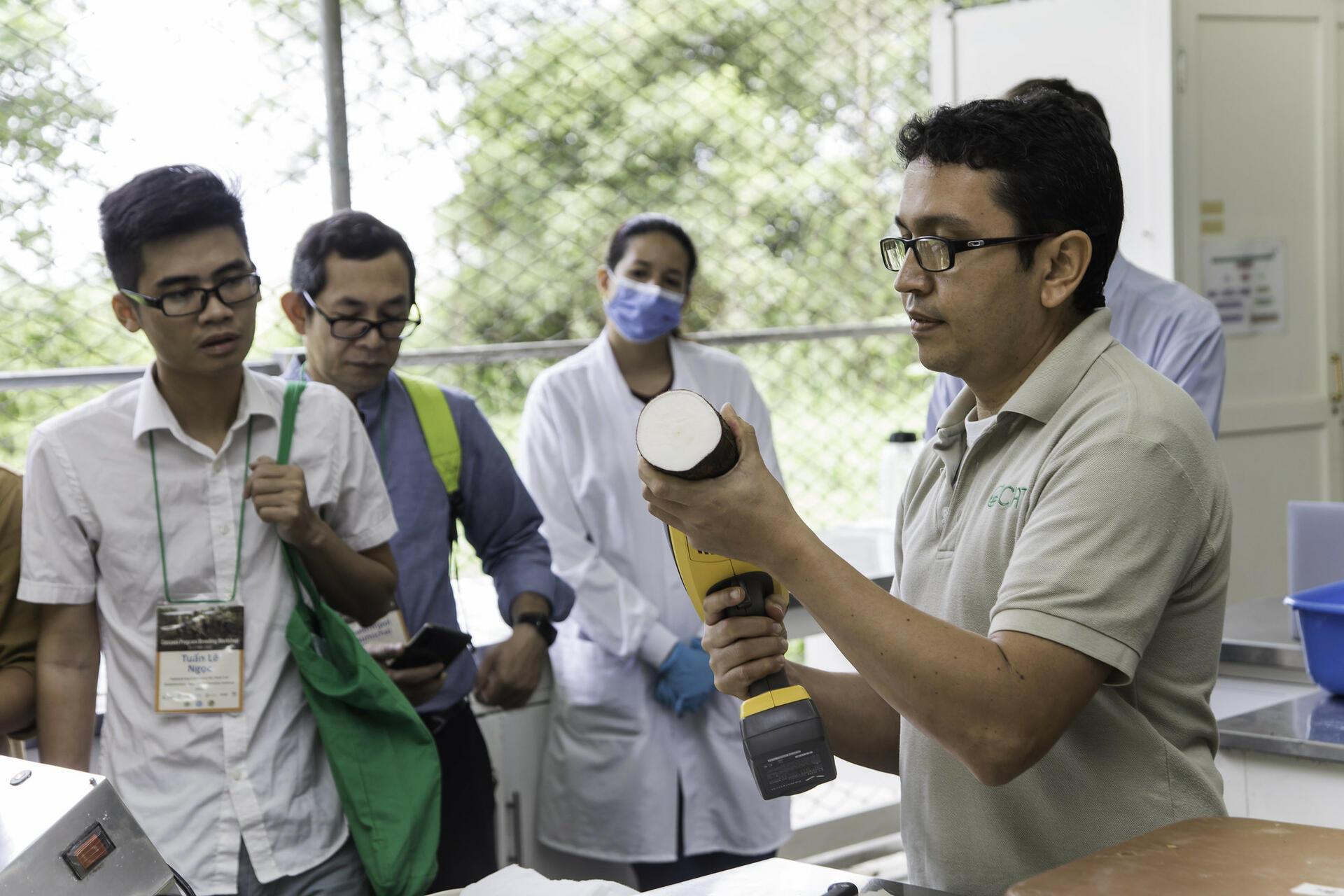
Cassava Breeding Workshop on new concepts and best practices, and hands-on training on breeding tools. Credit: CIAT/Juan Pablo Marín García
Conclusion
Digital agriculture is more than just a technological upgrade: it represents a paradigm shift in how we cultivate crops and manage farm operations. By harnessing the power of data, automation, and connectivity, digital tools enable farmers to grow more with less, adapt to changing climates, and meet the rising demand for food in a more sustainable way. Real-world case studies across diverse geographies affirm that these innovations are already delivering tangible results. While challenges remain, the continued evolution and adoption of digital agriculture holds the promise of a more productive, efficient, and resilient agricultural future. Embracing this transformation is not merely a choice; it is a necessity for global food security and environmental stewardship.