Blog From data to territory: This is where the journey toward ownership of the Zero Deforestation MRV Protocol begins
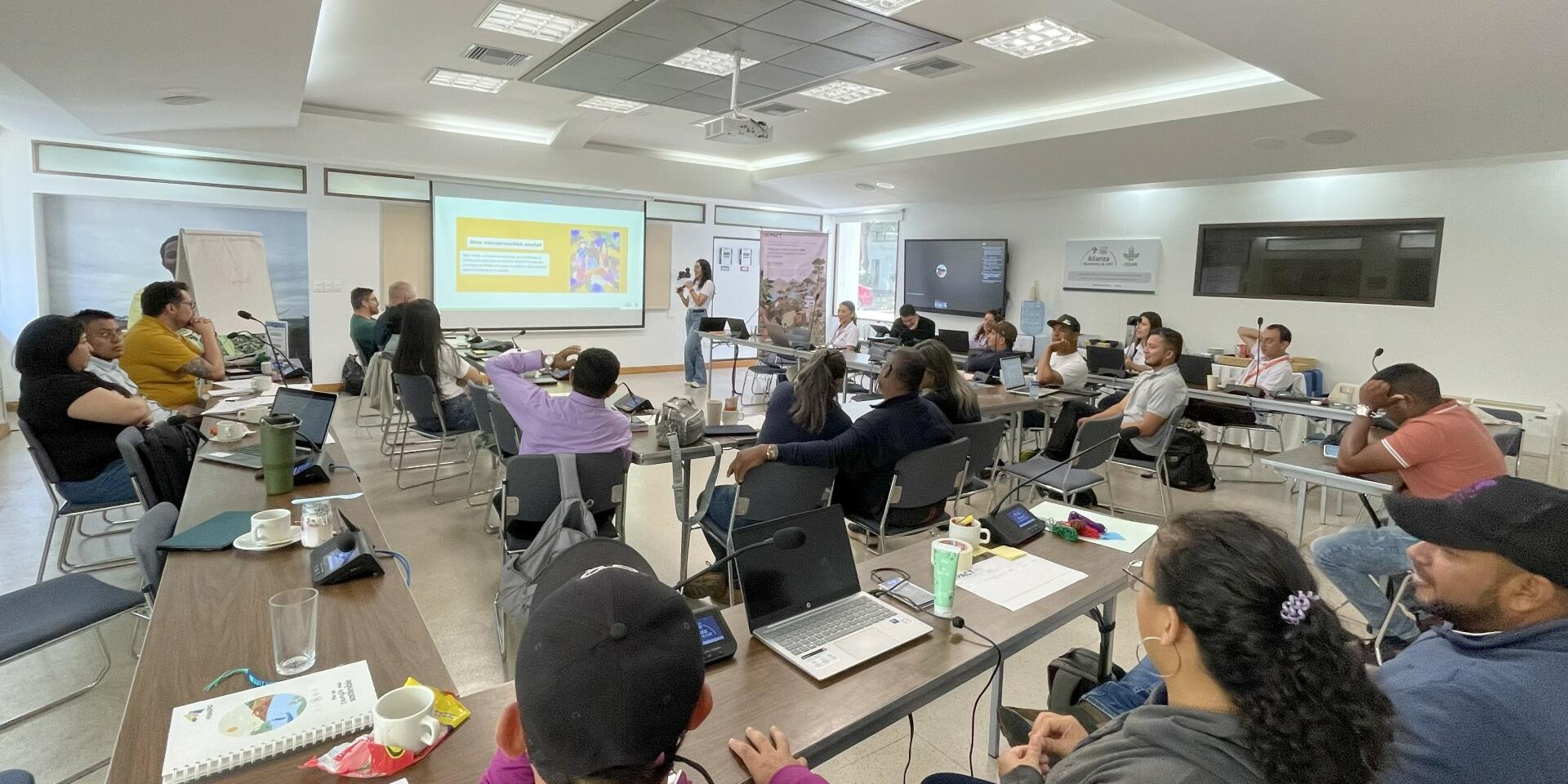

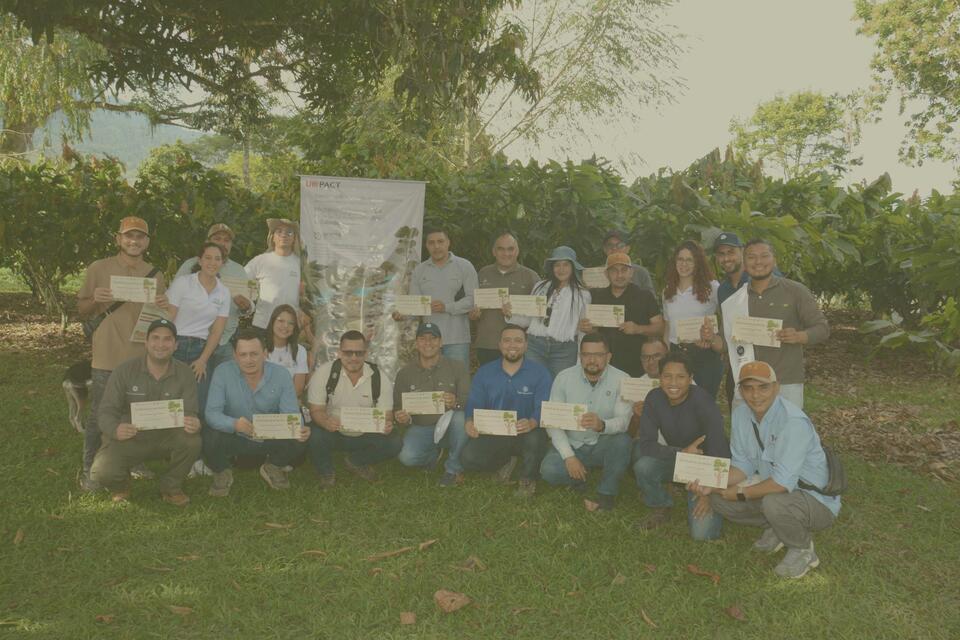
In June, a group of technicians walked through the campus of the Alliance of Bioversity International and CIAT with a clear idea in mind: data matters, but what we do with it in the territory matters even more.
In the agricultural heart of Valle del Cauca, the first workshop of the national training program on the Zero Deforestation MRV Protocol kicked off – a technical tool that seeks much more than data collection. Its goal is to serve as a bridge between productive monitoring, traceability in livestock and crop supply chains, and the conservation of the country’s strategic ecosystems.
The protocol, developed by scientists from the Alliance and implemented with the support of UK PACT, seeks to leave behind isolated and technical approaches to become an understandable, useful, and adoptable tool for those working in the field on a daily basis. For this reason, this workshop was not just another event: it was the beginning of an articulated training process, with a focus on gender, inclusion, and local relevance.
An opening with a vision for impact
Sandra Durango, the project lead, opened the event with a statement that set the tone for the entire workshop:
"This workshop is not just a training, it is a bet to consolidate a technical community that understands the importance of its role to transform the territory from evidence and inclusion."
From that moment on, it was clear that the MRV protocol won’t succeed if it remains on paper or in digital codes. Its success lies in the hands of those who know the rural roads, the names of the producers, and the stories behind each farm.
Tools that connect data to decision-making
During the first sessions, the teams immersed themselves in tools such as GeoFarmer, CropPie, and ODK. They didn't just learn how to take polygons or categorize coverages – they came to understand how this data can translate into better decisions, greater transparency, and new opportunities for producers.
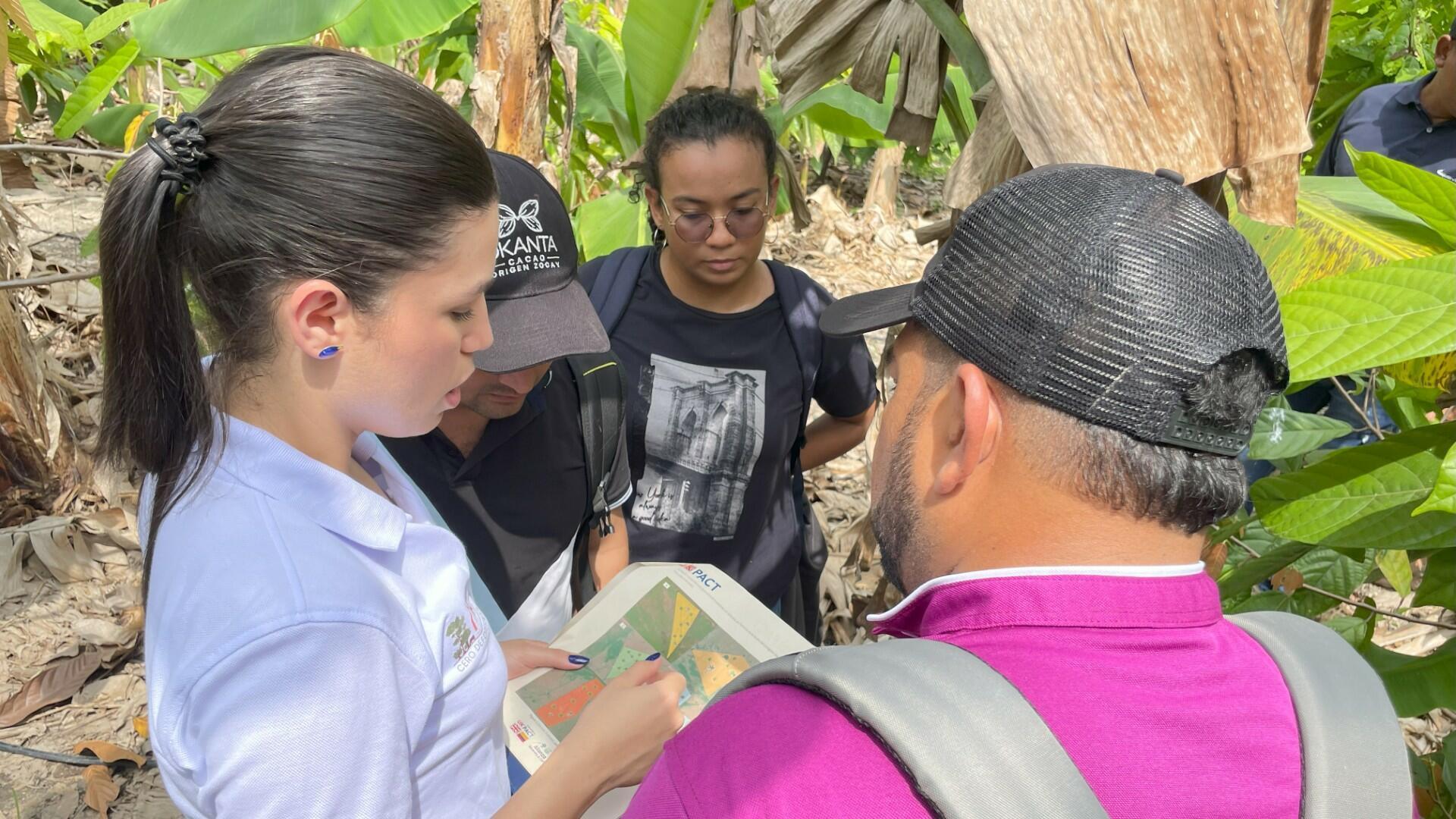
The group exercises allowed simulating real scenarios; many technicians highlighted how these platforms can also be used to share knowledge with communities.
Inclusion is not an add-on, it is a requirement
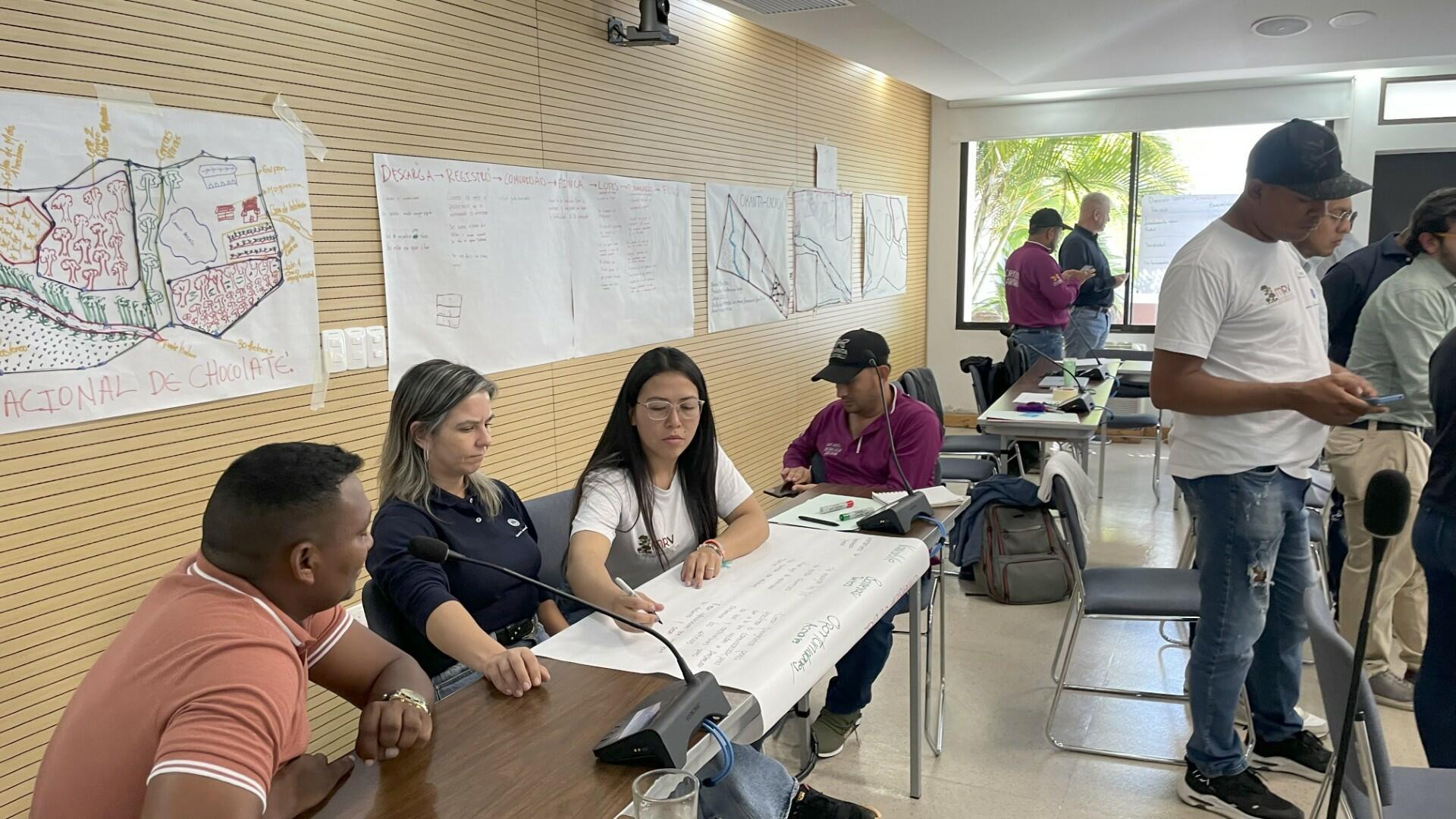
One of the most powerful moments of the workshop was the collective reflection on the GEDSI (Gender, Disability, and Social Inclusion) approach. How to make monitoring also a tool for equity?
The technicians identified people who are often left out: women heads of farms, young people without access to land, people with disabilities, and Indigenous communities with traditional leadership. With that awareness, they committed to making their contributions visible and ensuring their participation in territorial decision-making.
"Behind every piece of data we collect, there is a story, a family, a community that deserves to be recognized," said Ana Fernanda Bueno, a member of the project's GEDSI team.
Voices from the field: What the protocol implementers think
Jessica Estrada, from Colácteos' technical team, said that although men are usually the ones who deliver the data to the farms, women are the ones who keep the household records and handle much of the key information for monitoring.
"The inclusion of gender is important because they are also data managers," she said.
Oscar Ostos, from Carnatural, spoke about the challenges of collecting information in contexts of conflict and distrust.
"Trust is key. But when producers understand that this information can open doors to more sustainable markets, the conversation shifts," he explained.
Towards a common agenda for territorial transformation
This first workshop is just the beginning of a more ambitious journey: bringing the MRV protocol to each territory, with tools that work and a deeply human perspective. The upcoming training sessions will address everything from efficient land use practices in crops like cacao to opportunities in the voluntary carbon market, including soil health, genetic improvement, conservation frameworks, and food strategies to reduce emissions.
But beyond the technical topics, the message is clear: sustainability is not decreed, it is built from the field, with and by the people who live in the territory.
"This workshop not only allows us to reinforce tools," concluded Sandra Durango, "but also allows us to listen to those who are transforming the territories from knowledge, commitment, and innovation."
The road to a Colombia free of deforestation does not start at the desks. It starts here: with a technical community empowered, connected, and determined to take care of life from the data... and from the root.
Do you want to follow the MRV protocol process in the field? Soon we will share more stories, learnings, and tools for more territories to join this transformation path.
The Team

José Luis Urrea-Benítez
Communications Specialist
Sandra Guisela Durango Morales
Scientist I