From the Field Lacteos del Hogar Dairy Suppliers Align with Zero-Deforestation Agreements

During two sessions in Morelia and Florencia (Caquetá), suppliers of Lácteos del Hogar were trained in MyGeoFarm and ZDA MRV systems to certify deforestation-free dairy products and safeguard forests
Last October, in the Caquetá foothills, more than a technical training session took place: it was a gathering to understand how to produce milk while caring for the forest and the future of Caquetá, Colombia. Nearly 60 suppliers from the company Lácteos del Hogar came together to learn and practice with a key tool—MyGeoFarm—and to understand, in a simple and participatory way, what the Zero-Deforestation Agreements (ZDAs) mean for the dairy sector and how to comply with them at the farm level.
Producing well also means producing without deforestation. Lácteos del Hogar, a leading company in the region, is taking a decisive step: certifying that its network of suppliers complies with the Zero-Deforestation Agreements (ZDAs) for the dairy value chain. This involves demonstrating, through clear and verifiable data, that forest cover is protected on their farms and that progress is being made toward more sustainable, competitive production systems with high environmental value. This effort is especially meaningful in a department like Caquetá—one of the country’s lungs—where balancing production and conservation is both a present and future commitment.
The training was conducted within the framework of the project Transforming supply chains for a deforestation-free future: integrating the MRV protocol in Colombia's agri-food sectors, funded by UK PACT Colombia of the United Kingdom. This project is implementing the Monitoring, Reporting and Verification (MRV) Protocol for non-deforestation associated with agricultural value chains, with Lácteos del Hogar as a strategic counterpart and its network of suppliers in the Caquetá municipalities of Florencia, Morelia, and Belén de los Andaquíes. In simple terms, MRV is the ‘common language’ that makes it possible to demonstrate, with evidence, that what has been promised is being delivered: producing without deforestation
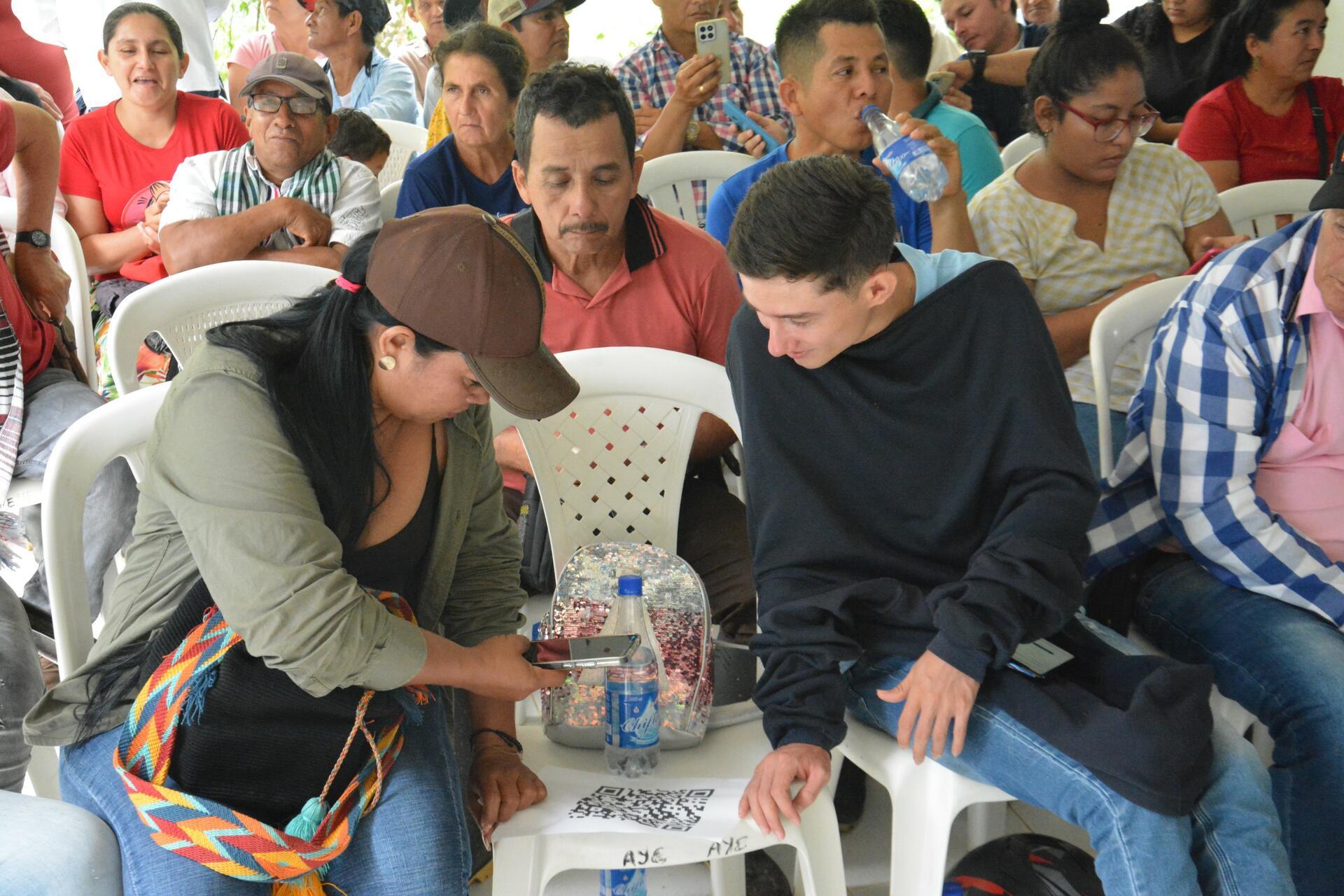
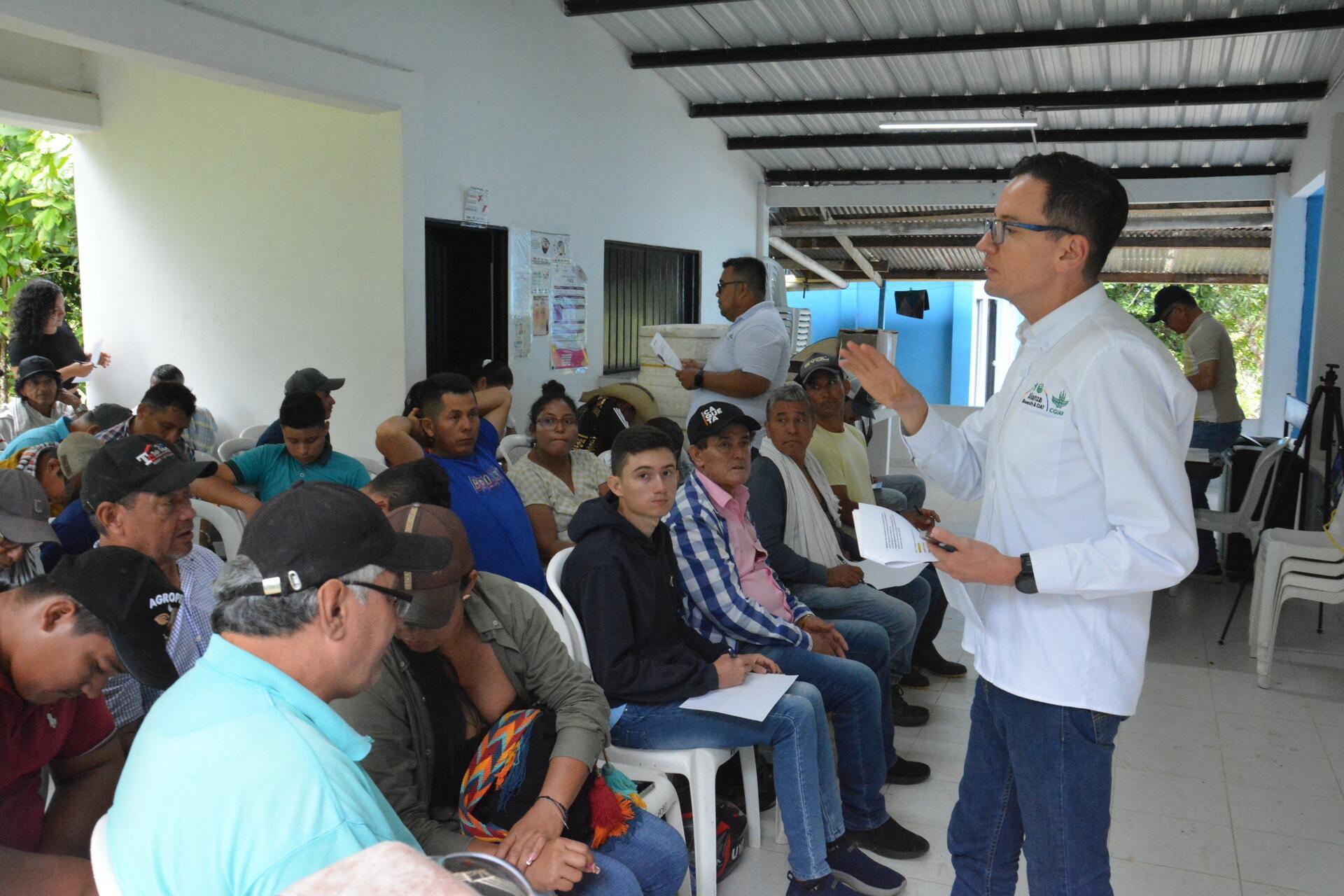
Training day at the San Marcos school, rural area of Morelia, Caquetá.
From context to practice: getting to know and using MyGeoFarm
The session began by presenting the context of the project and its objectives, clarifying the “what for” and the “why now.” Then, a brief knowledge assessment was conducted to build on what the producers already know and fine-tune the content.
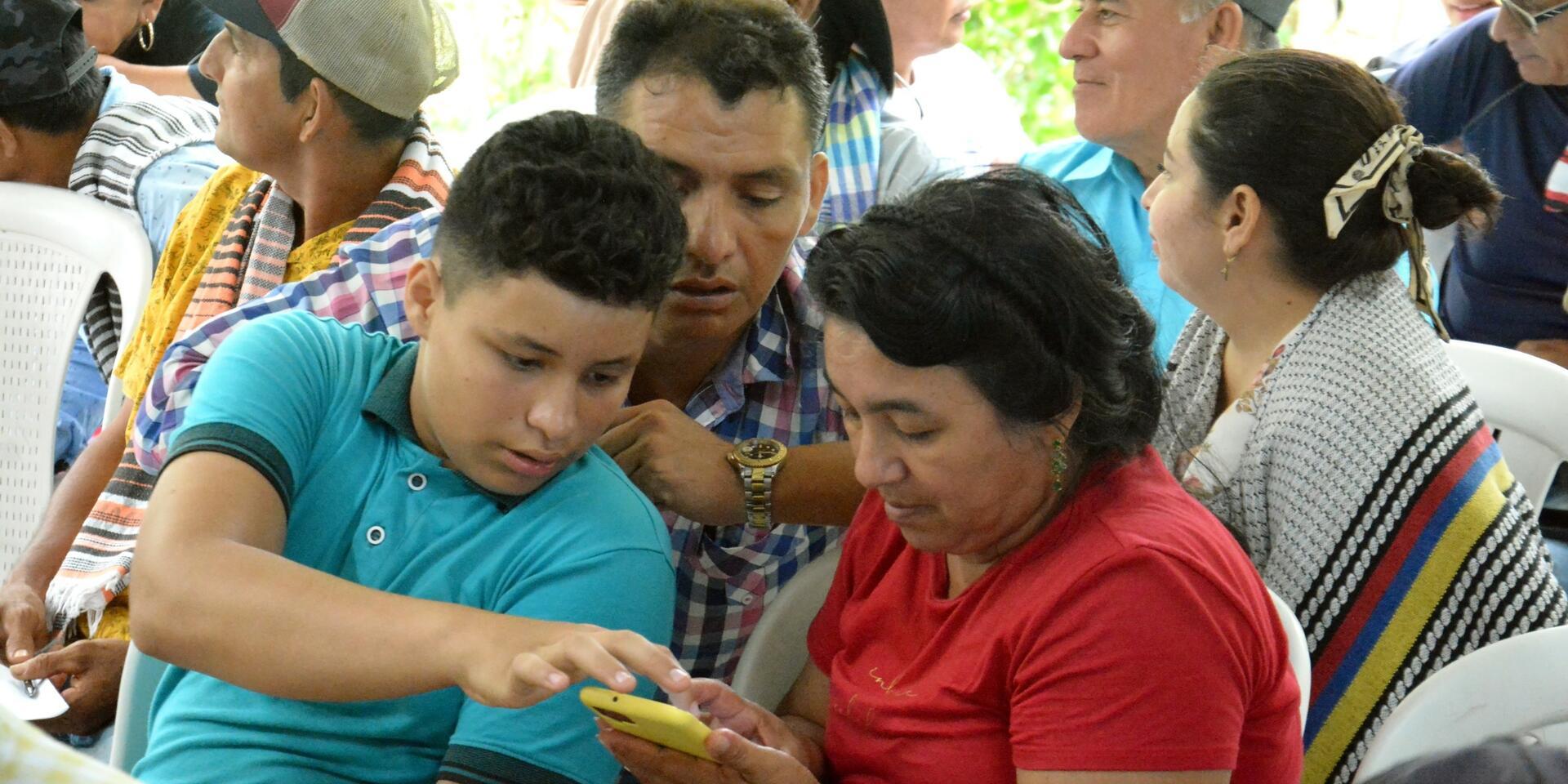
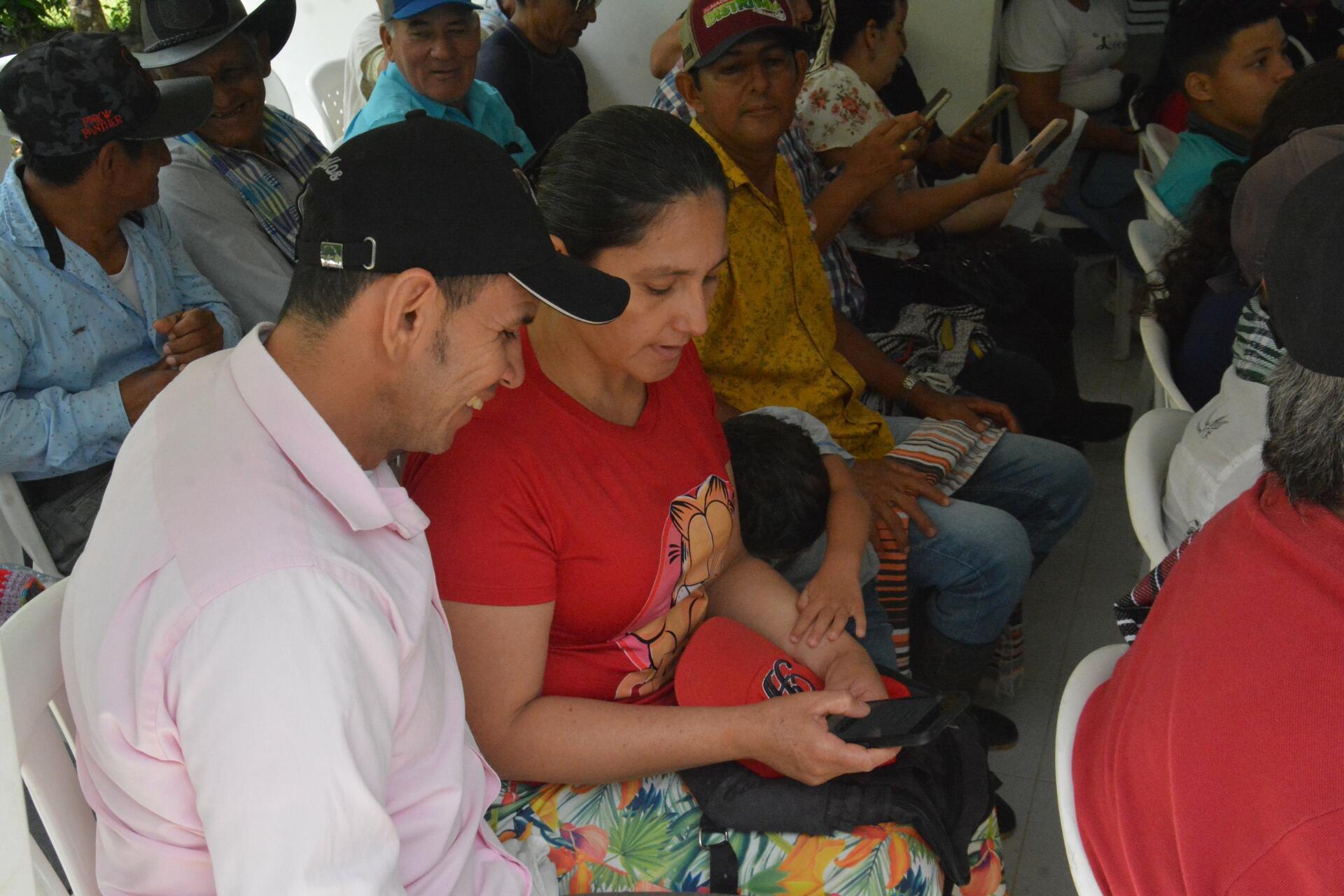
The core of the first part focused on MyGeoFarm: what it is, where it comes from, and why we use it. MyGeoFarm is a platform designed for real farms that enables producers to monitor forest cover and record productive practices in a simple, practical way. With the technical team's support, participants installed the application directly from the Play Store and completed a guided exercise.
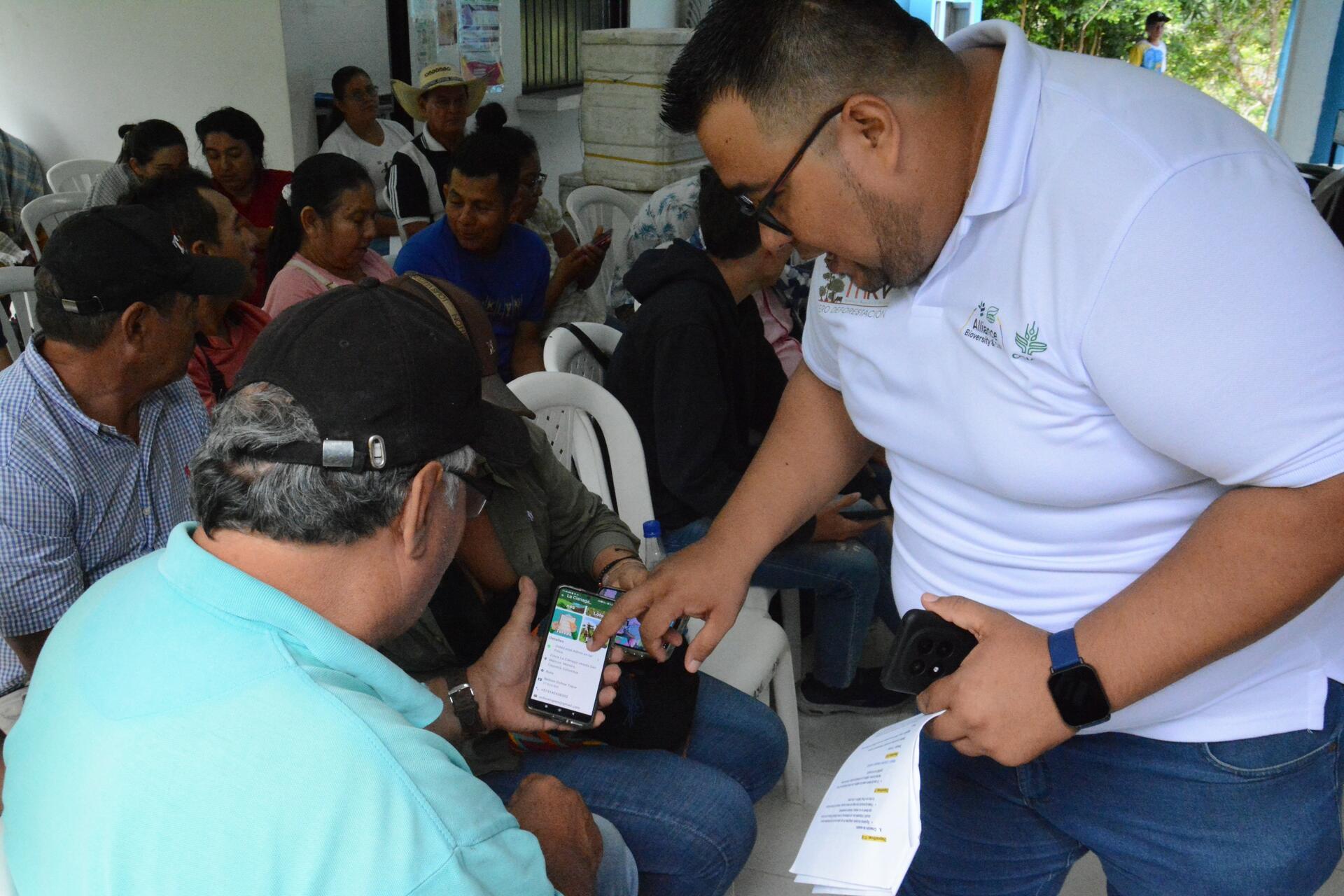
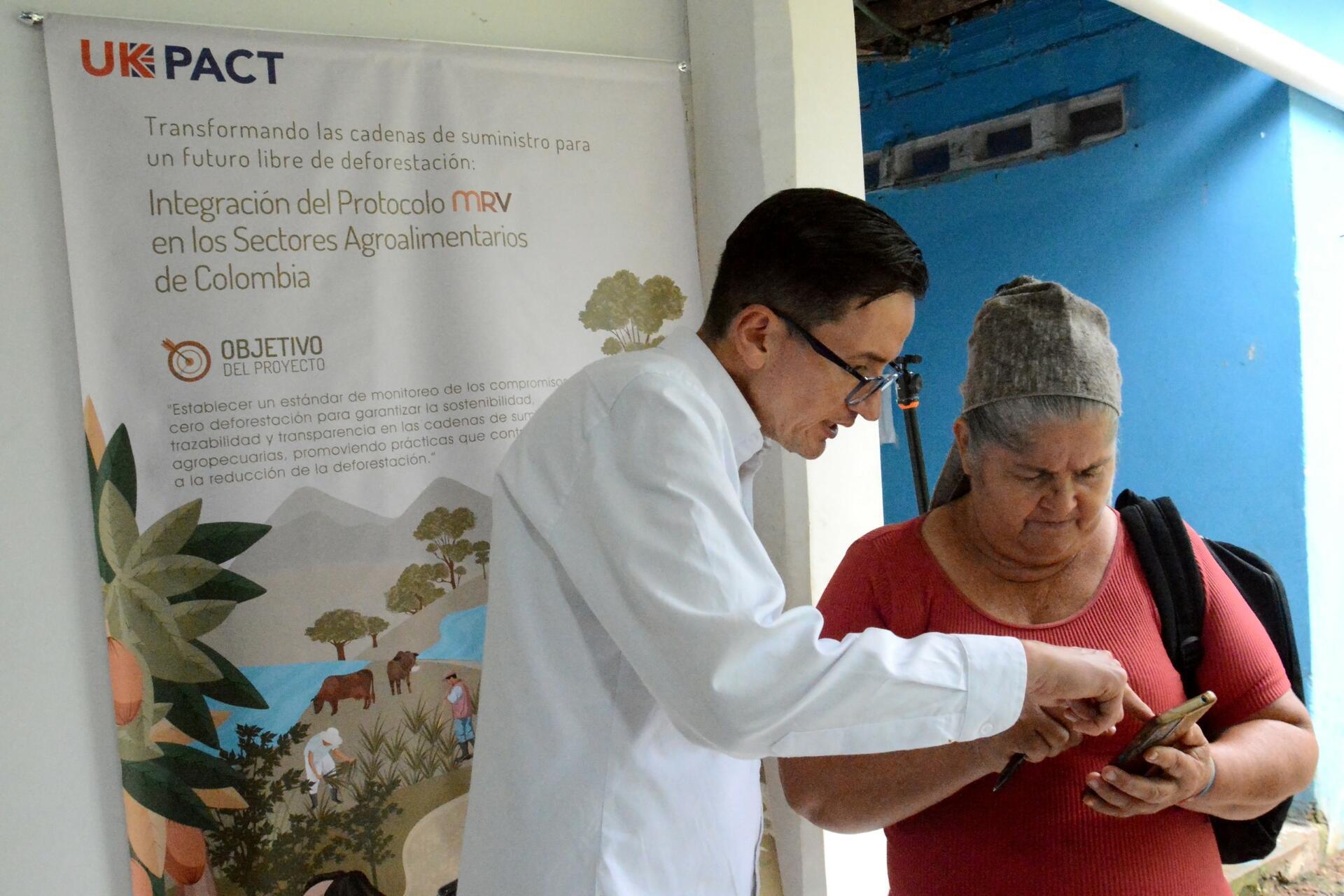
Being in a rural area was not an obstacle: high-speed satellite internet was available to ensure the installation and practice. In addition, an internet connection is not required to record information; data are stored on the phone and automatically synchronized once the connection is restored. This way, each producer can move forward at their own pace, without depending on real-time connectivity.
During the practical exercise, participants worked step by step: creating the farm profile, delineating paddocks and forest areas, reporting water springs, uploading evidence such as georeferenced photos, and reviewing simple reports that help verify whether the farm maintains its forest cover intact. The idea is not to “fill out forms,” but to generate useful information: for producers, because it improves farm management and decision-making; for the company, because it demonstrates commitment and streamlines processes; and for the country, because it enables deforestation-free value chains.
Understanding ZDAs.... on stage
The second part of the training focused on raising awareness of the Zero Deforestation Agreements (ZDAs) for the dairy chain. Far from being a formal lecture, a “live theater” dynamic was used: the producers themselves took on different roles (extension technicians, representatives of ministries and organizations, and, of course, producers) to portray the full journey milk takes until it becomes a certified deforestation-free product.
This role-play made it possible to understand the steps and stakeholders involved in the process: from on-farm monitoring and reporting using tools such as MyGeoFarm, to verification and recognition that open doors in the marketplace. Through humor, questions, and everyday examples, the responsibilities of each link in the chain were clarified, as well as the strategic role of Lácteos del Hogar’s suppliers in ensuring that the entire system works effectively.
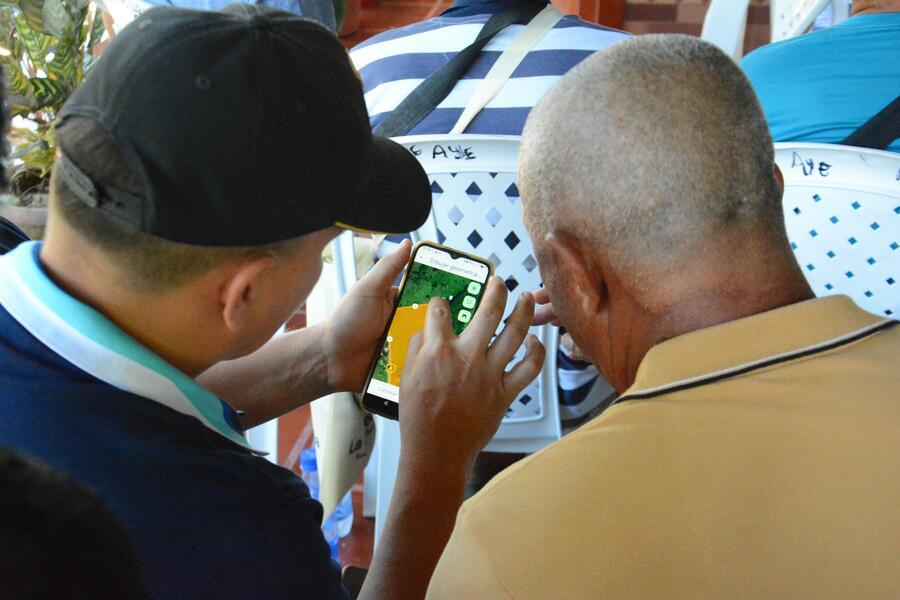
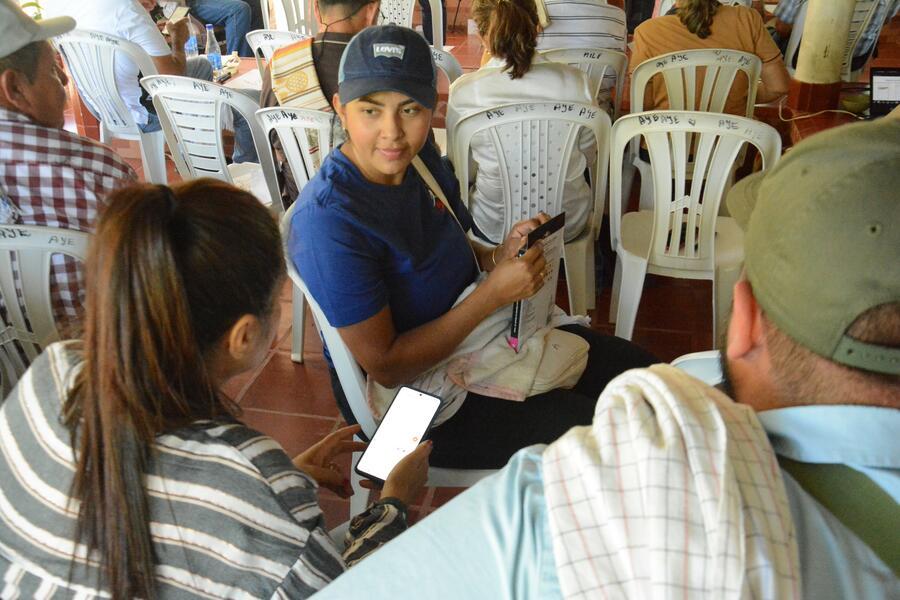
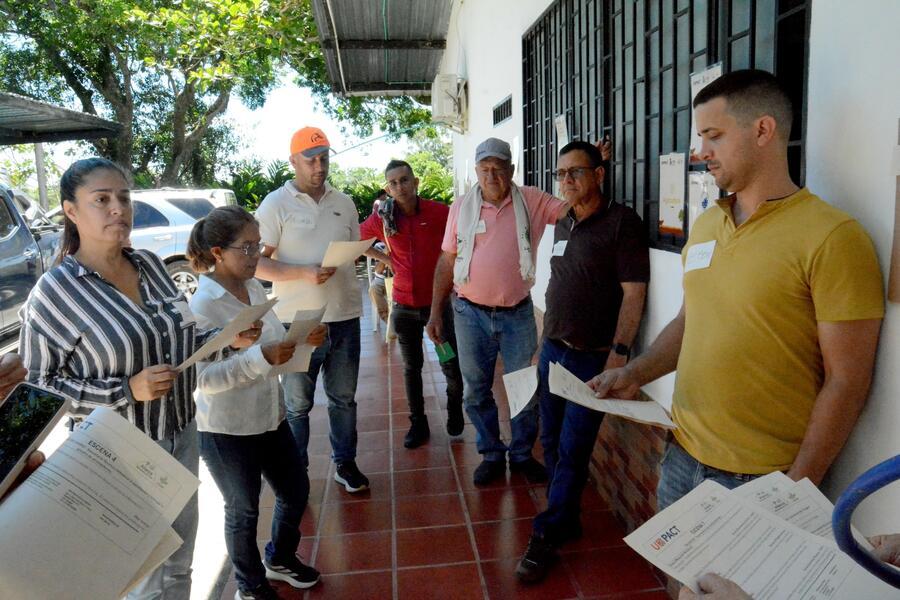
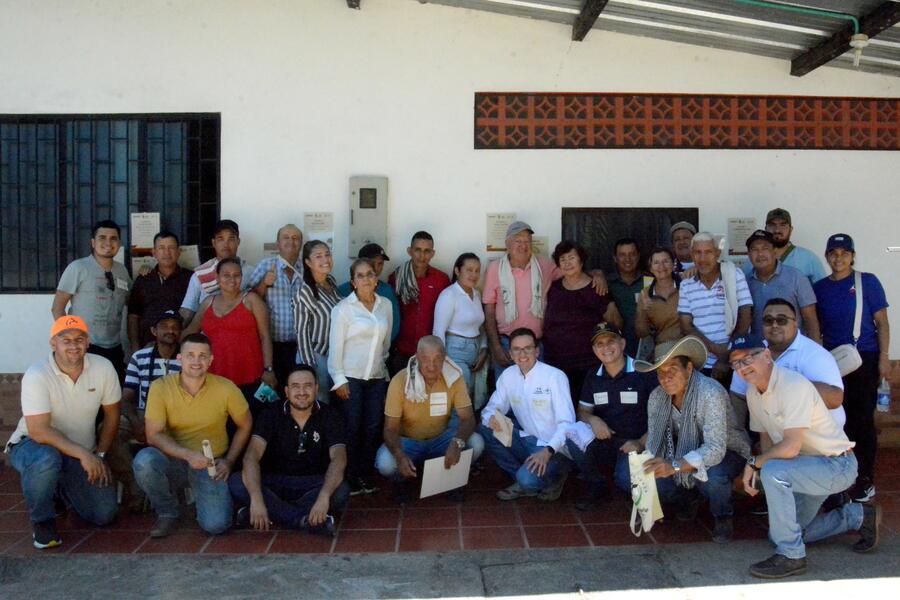
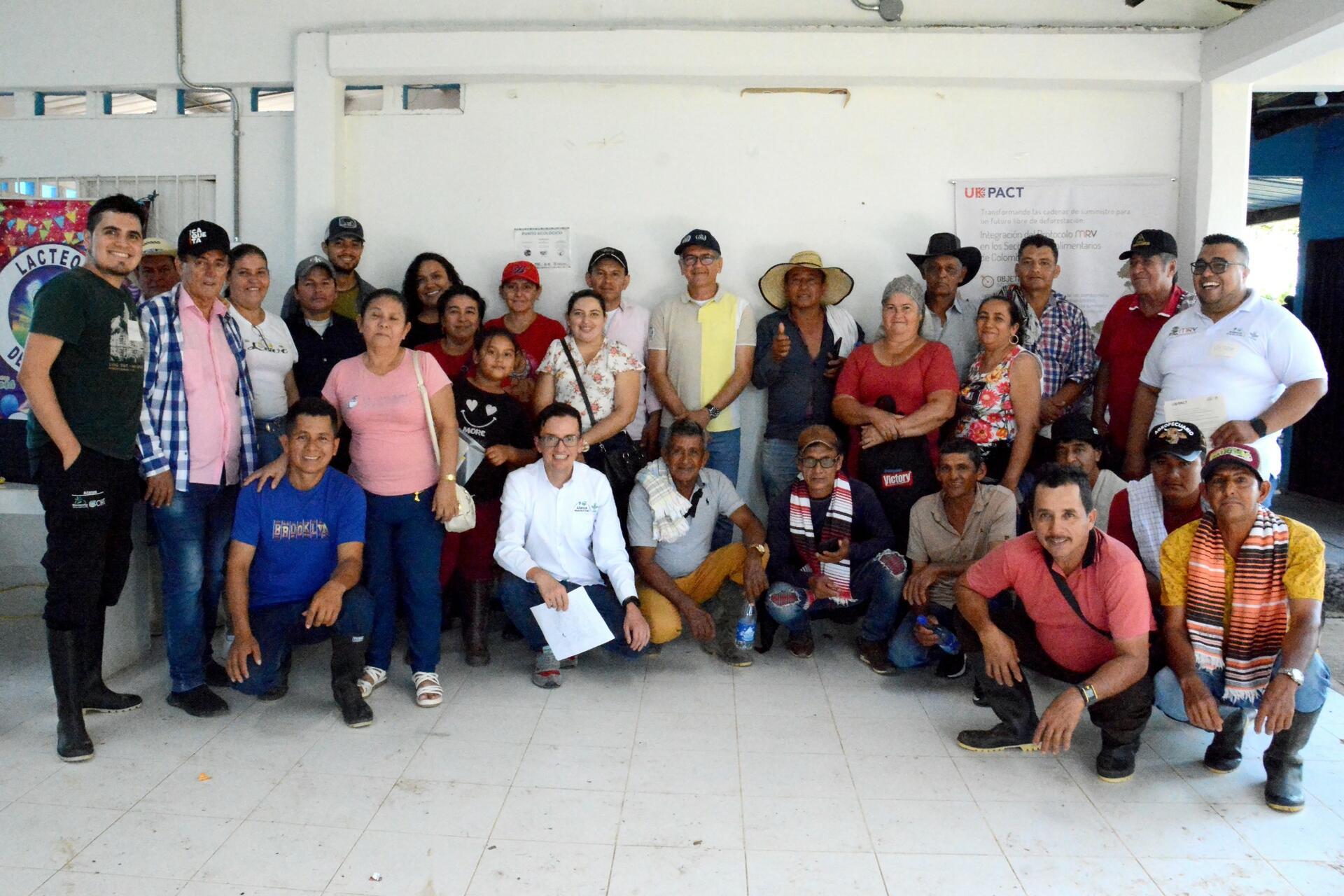
Training day at the La Guajira farm, rural area of Florencia, Caquetá
A commitment that benefits everyone
In addition to the hands-on practice with the app, participants received learning materials to strengthen their production systems, as well as a key input: the territorialization of the ZDAs—that is, how these national agreements are translated into the reality of Caquetá and each local community. Because complying with the ZDAs is not a mere formality, it is a pathway of continuous improvement that takes place in the paddock, on the farm, in the forest, and in every daily decision.
The training was conducted over two sessions, held at the San Marcos village school (Morelia) and at La Guajira farm (Florencia). At the end, a concrete work plan was established: to continue providing technical support to consolidate the use of MyGeoFarm, carry out field visits to address questions in context, and expand its adoption. The goal is ambitious yet achievable: a network of suppliers who are both efficient producers and guardians of the forest.
For producers, this path means improving their competitiveness, accessing new markets, and adding value to what they already protect: the forest as both a natural and productive asset. For Lácteos del Hogar, it means consolidating regional leadership grounded in quality and sustainability. And for Colombia, it represents progress toward a model in which the dairy products that reach the table also tell a story of stewardship, innovation, and rural pride.
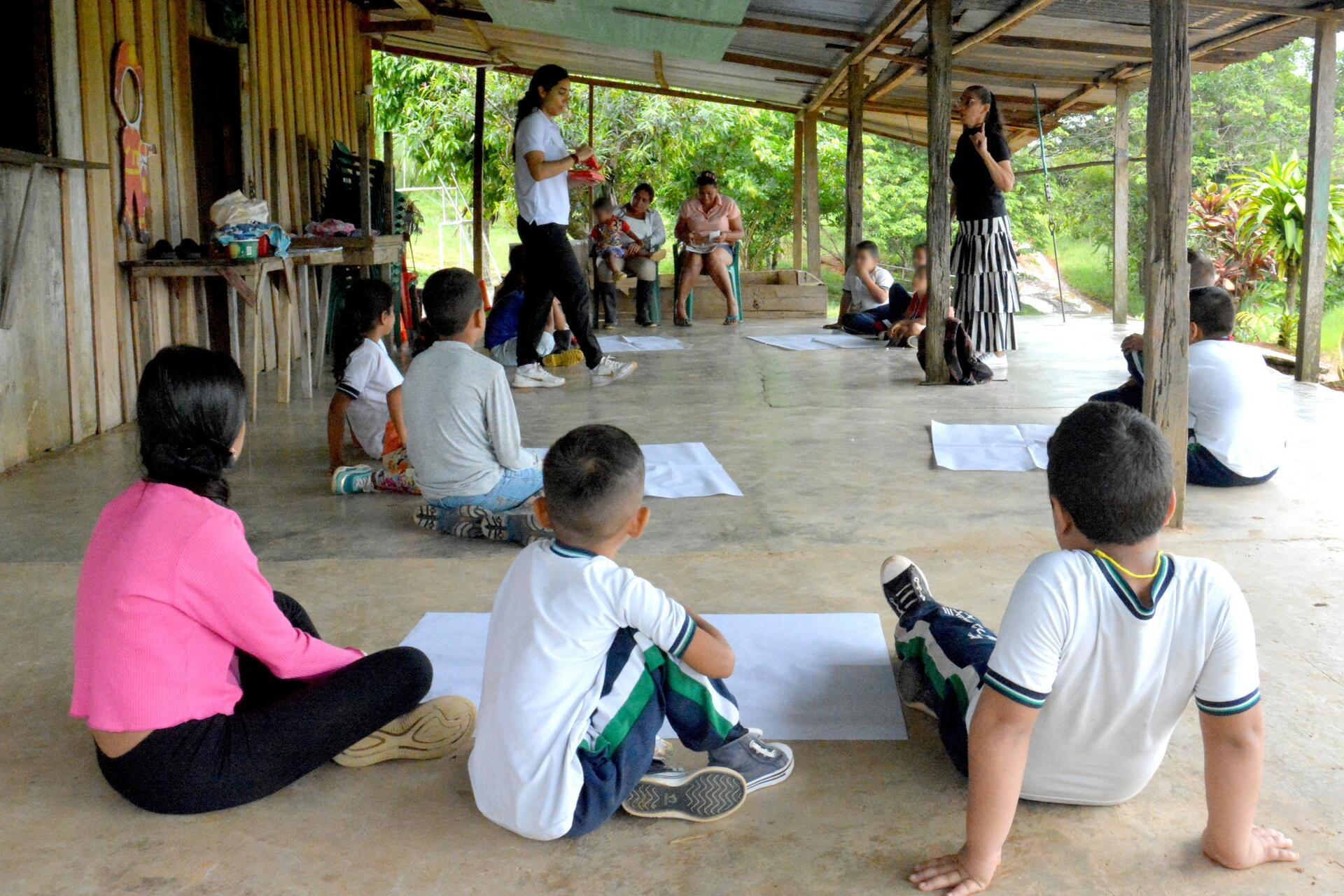
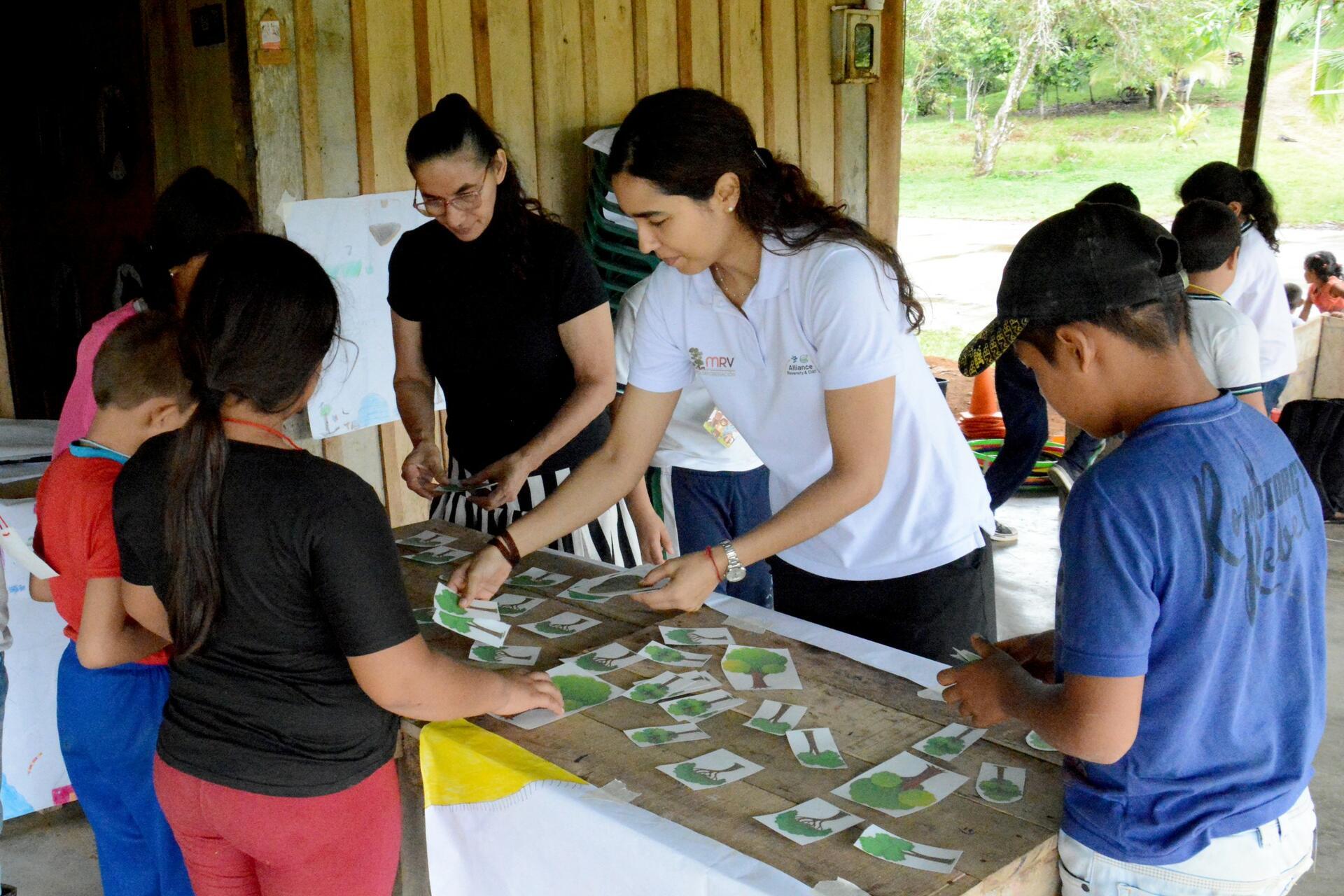
The children of the producers who accompanied their parents and guardians took part in a playful and educational session, where they also learned about the importance of protecting forests and fostering a sense of ownership and connection to their territory.
Related content