Blog Connecting the dots: Turning evidence into action for finger millet and amaranth
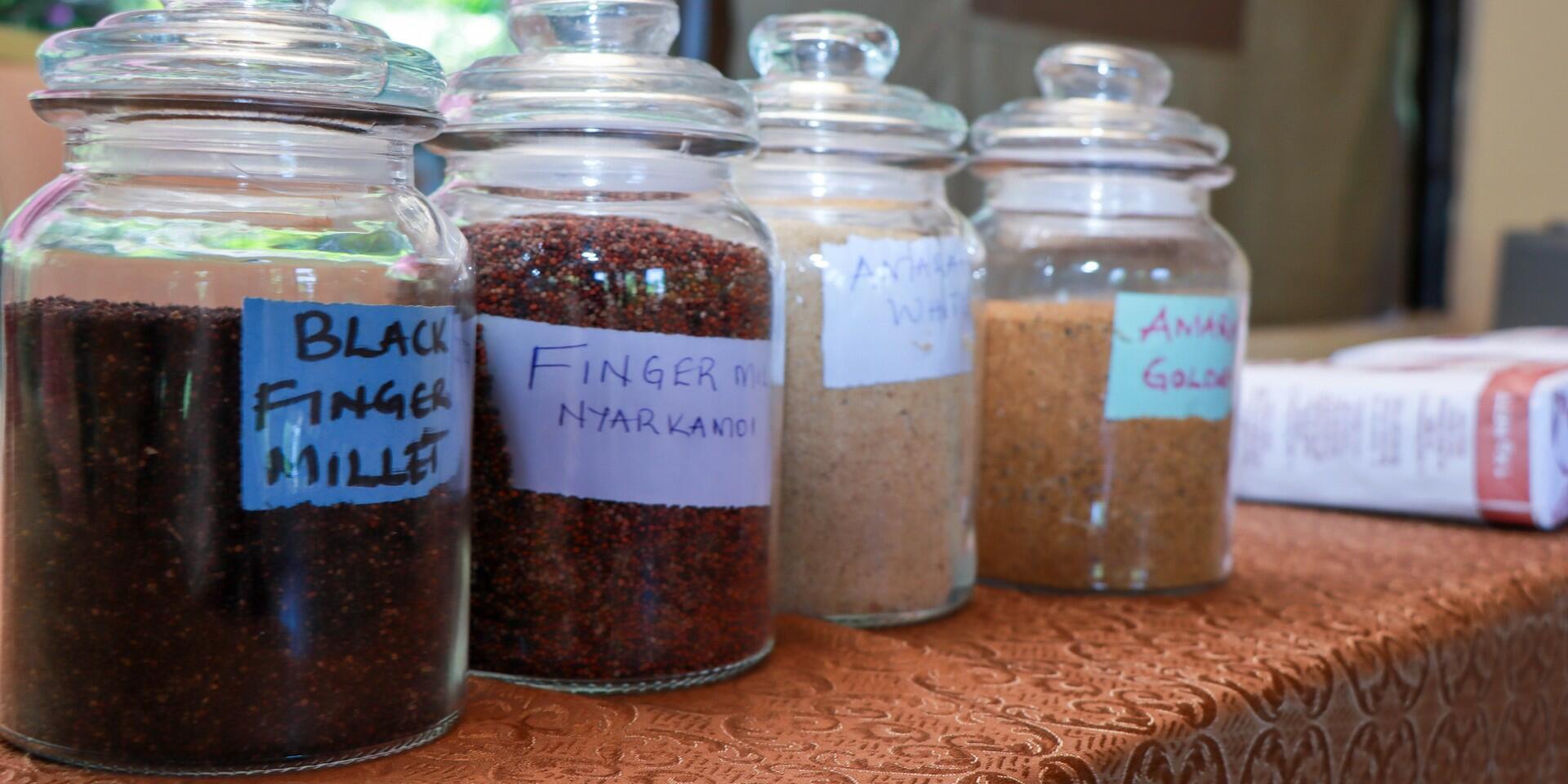

In Kisumu, stakeholders convened by the Alliance of Bioversity International and CIAT explored how stronger coordination across finger millet and amaranth value chains can improve nutrition, resilience, and livelihoods in Kenya.
In Kenya’s food systems, the challenge is often not a lack of solutions, but a lack of connections.
In April 2026, the Alliance of Bioversity International and CIAT convened national stakeholders in Kisumu to validate findings from food system and value chain analyses of finger millet and amaranth. What emerged was clear: the system is fragmented, and that fragmentation is holding back progress.
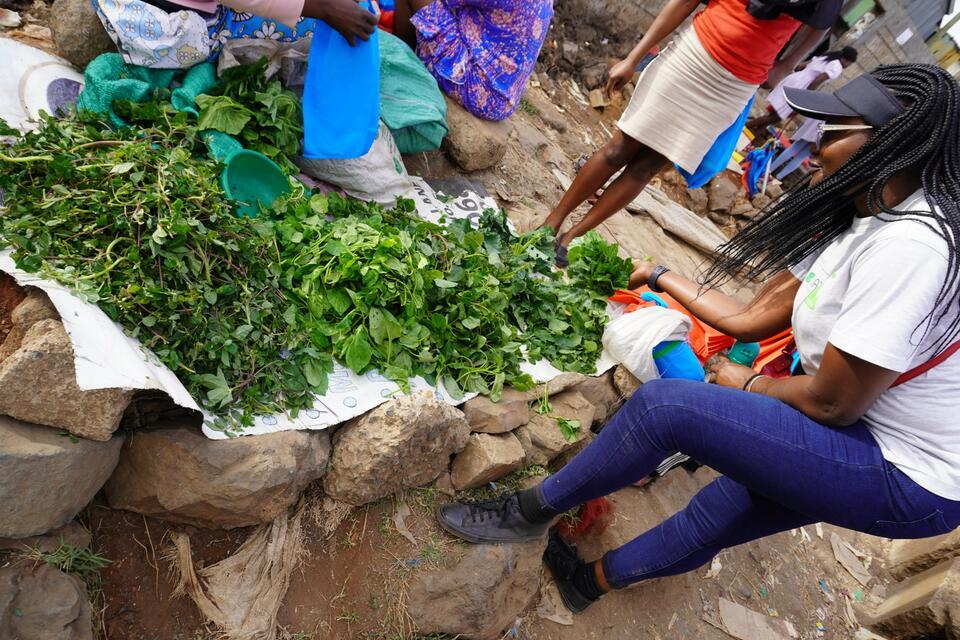
Drawing on fieldwork from Busia and Kisumu counties, the workshops examined how these crops move from farm to plate, across consumption, food environments, and value chains. The evidence pointed to a critical gap: weak interaction between actors across the system.
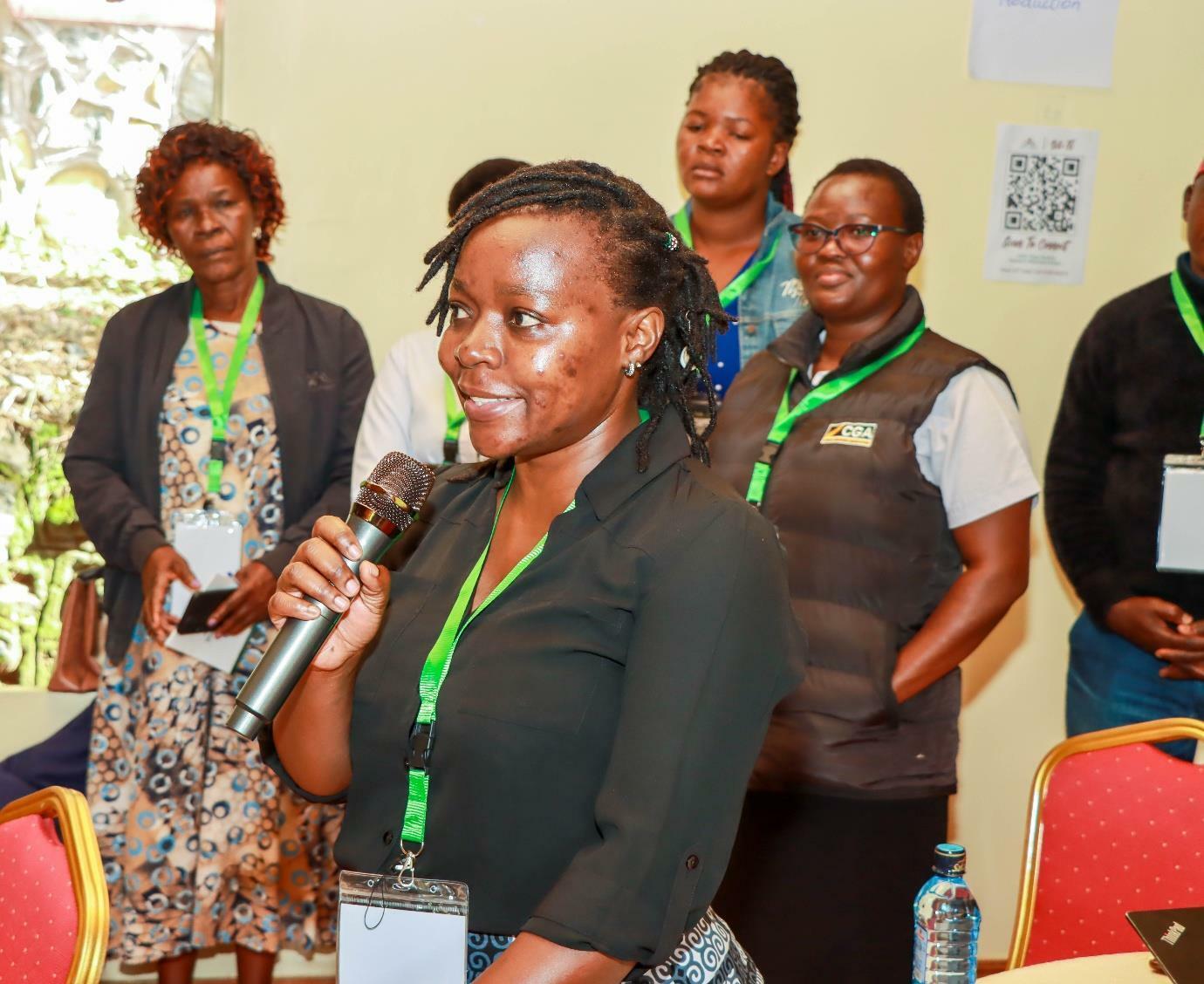
As Consolata Musita explained, “The major issue we identified was the lack of interactivity between actors across the value chain. That disconnect is what informed the interventions we are now proposing.”
Farmers, traders, processors, and consumers are part of the same system, but they are not working together effectively. The result is missed opportunities, inefficient markets, and underutilization of these crops that are both highly nutritious and climate-resilient.
The workshops moved beyond validation to direction. Stakeholders aligned on the need to strengthen coordination across value chains, improve access to quality inputs and markets, and create food environments that make nutritious crops more accessible and desirable. Approaches such as TRICOT, alongside insights into nutritional value, reinforced the importance of solutions that are grounded in both science and real-world application.
Implemented under the Crop Trust’s Power of Diversity Funding Facility, with support from Federal Ministry for Economic Cooperation and KfW Development Bank and the Department of Foreign Affairs Ireland, this work highlights the growing recognition of underutilized crops as central to Africa’s food systems transformation.
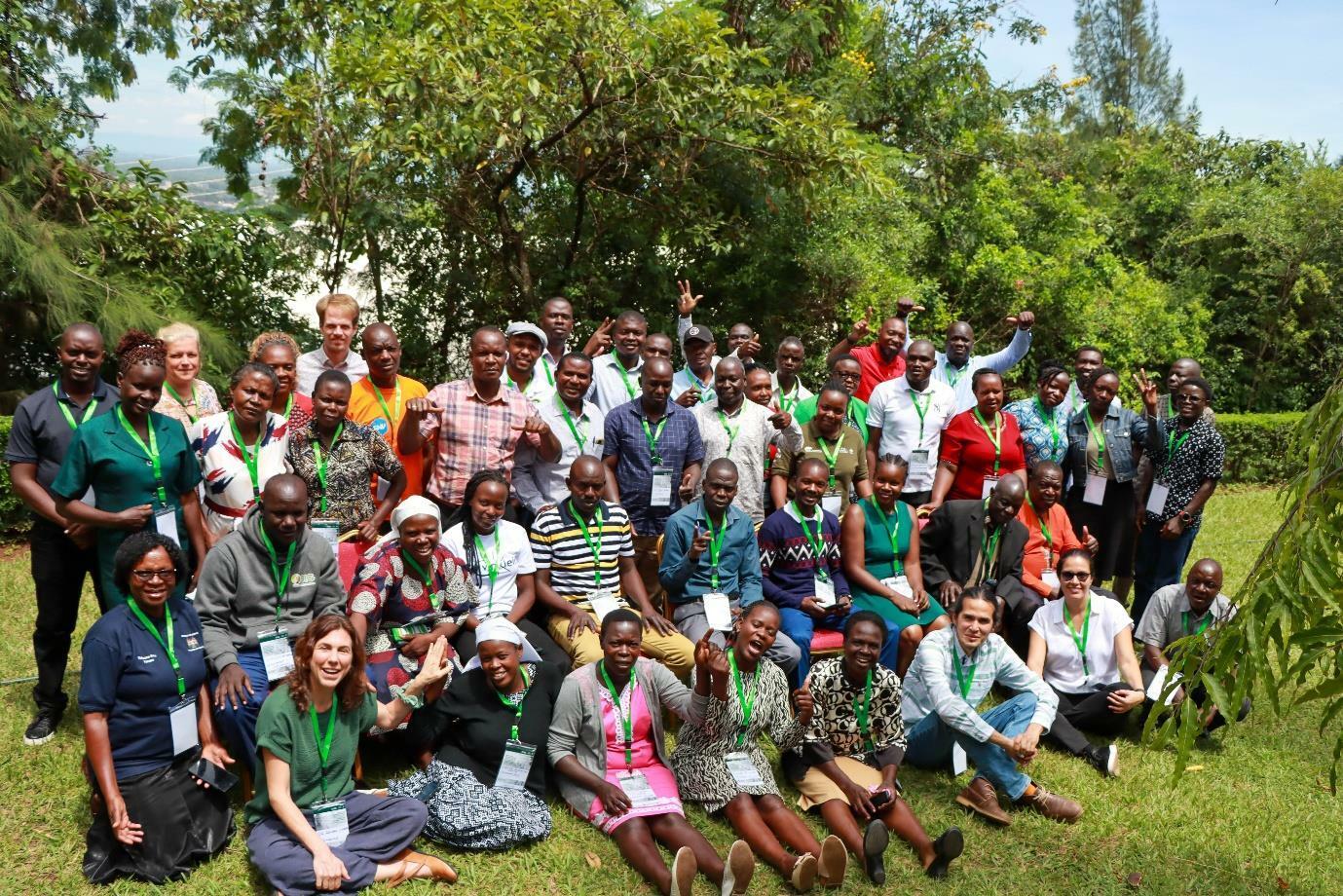
Finger millet and amaranth are not just traditional crops. They are strategic opportunities for improving nutrition, strengthening resilience to climate change, and supporting livelihoods. But unlocking that potential requires one fundamental shift: building food systems that are connected.
At the Alliance of Bioversity International and CIAT, the focus is now on moving from evidence to implementation. The priorities are clear, the partnerships are forming, and the next step is to deliver solutions that work at scale.
Because real transformation happens when systems start to work together.
The Team

Céline Termote
Senior Scientist - Africa Regional Team leader Food Environment and Consumer Behavior
Consolata Nolega Musita
Research FellowKeep exploring