Blog Christophe Béné: 1 in 1,000 researchers for a third year in a row
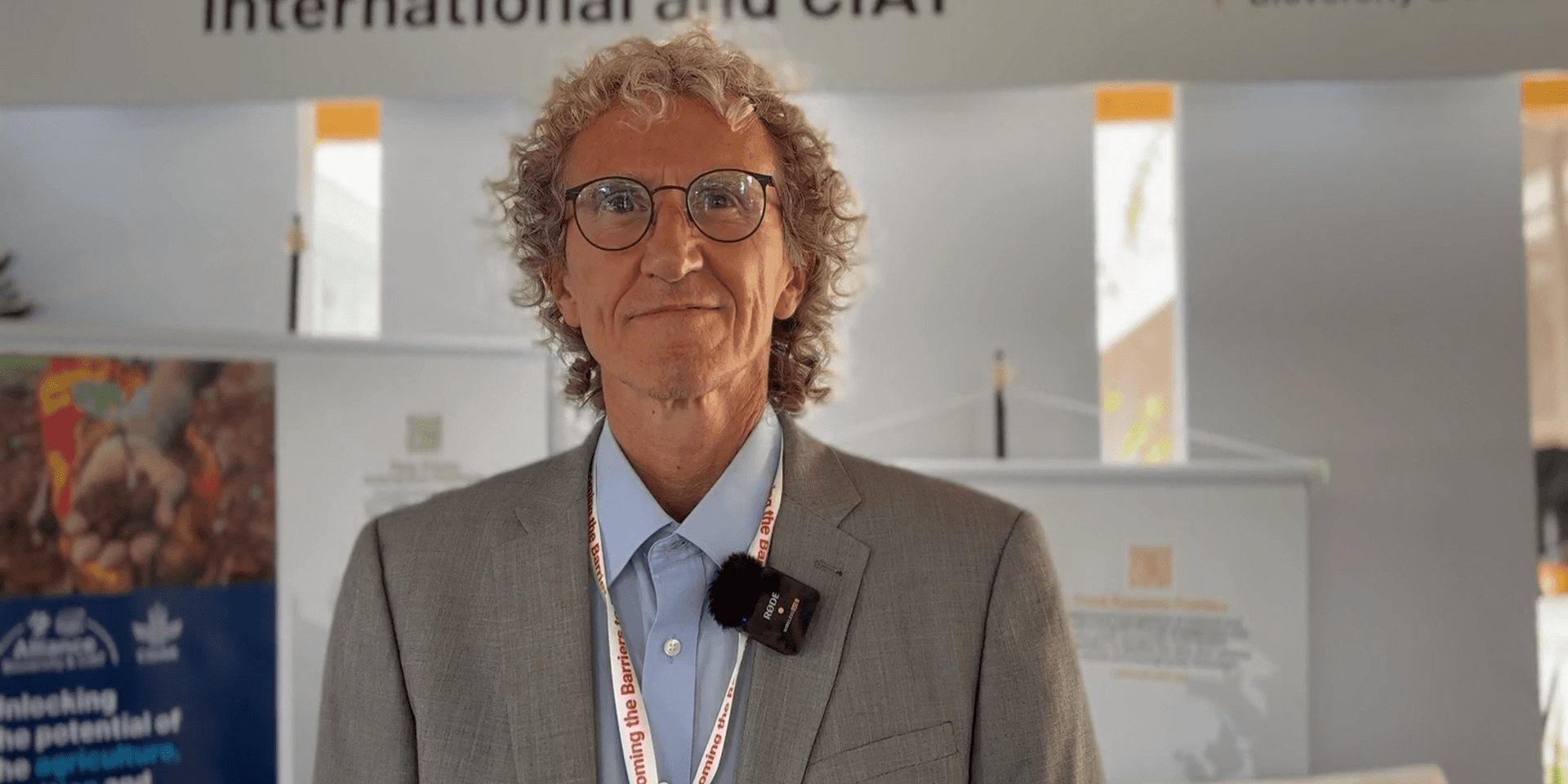

Clarivate/Web of Science has recognized the Alliance scientist Christophe Béné as a Highly Cited Researcher for the third year in a row. Highly Cited Researchers have demonstrated significant and broad influence in their field of research, in this case cross-field.
«Each researcher selected has authored multiple Highly Cited Papers™ which rank in the top 1% by citations for their field(s) and publication year in the Web of Science™ over the past decade. However, citation activity is not the sole selection indicator. This list, based on citation activity is then refined using qualitative analysis and expert judgment as we observe for evidence of community-wide recognition from an international and wide-ranging network of citing authors.
Of the world’s population of scientists and social scientists, Highly Cited Researchers are 1 in 1,000.» explained Clarivate.
This is well-deserved recognition for a scientist whose work is notable for being bold, direct, accurate, innovative, and comprehensive. Some of his most recent publications include: Top-down vs bottom-up processes: A systematic review clarifying roles and patterns of interactions in food system transformation; Navigating the politics and processes of food systems transformation: Guidance from a holistic framework; Political economy of protein transition: Battles of power, framings and narratives around a false wicked problem; Why the Great Food Transformation may not happen – A deep-dive into our food systems’ political economy, controversies and politics of evidence; and Why building participatory dashboards is key for sustainable food system transformation. This last publication presents a replicable yet rigorous methodology for developing food system dashboards that integrate comprehensive and multi-sectoral inputs from national stakeholders while ensuring these dashboards are functional, evidence-based, and reflective of the country’s specific features.
«Christophe Béné is widely recognized as one of the leading thinkers in the field of food systems. His influential research spans a broad range of critical topics — from blue foods and small-scale fisheries to the sustainability, resilience, and equity of food systems. Through his work, Chris has fundamentally shaped the way we understand and approach the management and governance of food systems, particularly in low- and middle-income countries. His contributions continue to inspire more integrated, inclusive, and evidence-based solutions to some of the most pressing challenges in global food security.» Jessica Fanzo, Professor of Climate and Director of the Food for Humanity Action Collaborative at Columbia University’s Climate School in New York City, is the co-author of several publications with Chris. She is also a member of the Alliance Board of Trustees.
Chris Béné is also the editor of books such as Resilience and food security in a food systems context and How to achieve a planetary health diet through system and paradigm change?. Is part of a new CSIRO initiative on ‘Overcoming resistance to enable sustainability transformations’, and has been invited to join the Editorial Board of the “Must-Knows in Resilience Science” report, which bring together sustainability researchers from across the world and will inform UN agencies, governments, civil society, and businesses to build resilience to safeguard the planet. The first outcome of this science-policy initiative will be presented at COP30 in Brazil in 2025.
As evidenced by his publications and initiatives, an important facet of Chris's work is his passion for translating findings into clear, practical knowledge. This knowledge helps public and private policymakers identify and address sensitive and controversial issues that hinder progress toward real solutions, but that no one wants to talk about because they are disturbing or uncomfortable. This is the case with political economy, for example. On the website of its Fifth Global Conference, held in Brazil from May 27-29, the One Planet Network’s Sustainable Food Systems (SFS) Programme recognized that political economy dynamics hampered the implementation of commitments toward food systems transformation. At the conference, Dr. Béné explained to the audience what political economy is and why it is important for transforming food systems through practical examples.
Dr. Béné's efforts to educate and train others extend beyond his team. These efforts also reach classrooms through initiatives such as Food EDU, an open-access educational platform that empowers leaders across the globe to advance human and planetary health.
«Chris is a really great mentor. He always makes time for us and pushes us to grow as better researchers. He emphasizes that, to be a good writer, each word should be written with intention. No word should be misleading or non-deliberate. Working with someone with such a strong enthusiasm for what he does is inspiring and motivating, especially when I lose sight of what our work means.» Casey Tokeshi, Research Fellow on Chris's team at the Alliance.
«Chris is not just an excellent researcher but also a mentor and leader who takes the success of emerging researchers to heart. His attention to detail, focus on learning research instead of just doing it, and ability to explain ideas in simple and understandable language have been a hallmark of my learning experience with him. I believe these qualities also make his research accessible to many and explain why he continues to feature as a highly cited scholar globally.» Abdul-Rahim Abdulai, postdoctoral research fellow on Chris's team at the Alliance and co-author with Chris of Navigating the politics and processes of food systems transformation: Guidance from a holistic framework.
In the Module 2 of Foodomics and Society, the inaugural course of Food EDU, Chris Béné presents the e-learning Lesson 2, “Aligning Science with Sustainability: The Politics of Evidence and Innovation in Food Systems”. He explains that science and innovation will be insufficient to drive the necessary change unless they address the root causes of food system challenges, such as inequality.

Christophe Béné
Principal Scientist - Senior Policy AdvisorChris Béné is a Principal Scientist and Senior Policy Advisor at the Alliance of Bioversity International and CIAT, affiliated with the Food Environment and Consumer Behavior team, and seconded to the Food System Transition Group at Wageningen University in the Netherlands.
Keep exploring