Blog Cashew apples into plant protein: Segniore Mendy reinvents Casamance’s cashew chain
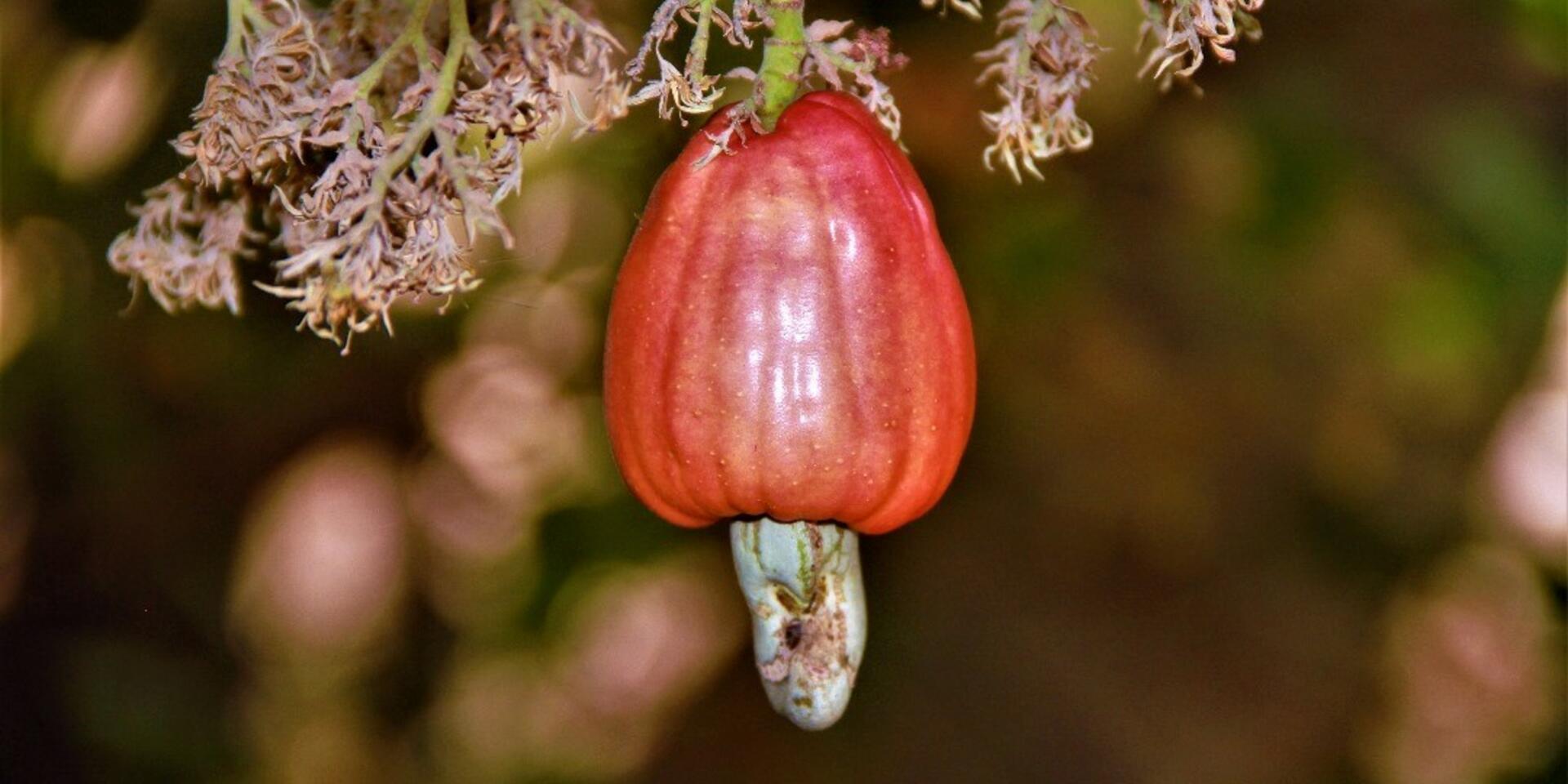

Attached to every cashew nut is a fleshy, brightly colored false fruit – the cashew apple – which often ends up rotting on the ground. In Agnack, Ziguinchor region of Senegal, producer Segniore Mendy is transforming this neglected by-product into a sought-after raw material for plant-based “meat” now gaining traction in the national market.
Backed by Nutrivies – a local enterprise and winner of the AICCRA Gender Smart Accelerator Challenge (GSAC) and the Netherlands Trust Fund V (NTFV) – her initiative highlights how Senegalese farmers are converting cashew by-products into a nutritious, income-generating, and climate-resilient solution.
A thriving cashew sector, caught between lost value and circular opportunities
In 2023, Senegal harvested an estimated 160,000 tons of cashew nuts, generating around 95 billion West African Francs (XOF) (approximately $155 million USD) across the value chain. The Casamance region alone, which accounts for more than 95% of the national production, remains the epicenter of this booming yet under-leveraged sector. During the 2024 export season, about 79,000 tons of raw nuts were shipped via the port of Ziguinchor, mostly to India and Vietnam, for a total value close to 52 billion CFA francs (about $85 million USD). Despite this impressive volume, only around 3% of the harvest is currently processed locally, highlighting a persistent and costly gap in value addition.
This economic imbalance has both social and environmental consequences. On the one hand, the cashew apple—the juicy, brightly colored fruit attached to the nut—represents up to 90% of the fresh fruit’s weight but is largely discarded. Each year, tens of thousands of tons of cashew apples rot on the ground, releasing methane, a potent greenhouse gas, and wasting a fruit exceptionally rich in vitamin C—up to five times more than orange juice. On the other hand, climate-related stress—including droughts, erratic rainfall, and increasing pest pressure—continues to degrade orchard productivity and lower nut quality, affecting both yields and farmer incomes. The human dimension is just as critical. Women, who play a central role in shelling and primary processing, remain concentrated in the least profitable stages of the value chain. With limited access to credit, technology, and decision-making roles, they are largely excluded from the sector’s potential for transformation and growth.
To tackle these interconnected challenges, the Alliance of Bioversity International & CIAT—through AICCRA’s Gender-Smart Accelerator Challenge (GSAC) and in collaboration with the International Trade Centre (ITC)—is unlocking circular opportunities.
Two Incomes per Tree: A Sustainable Farming Vision
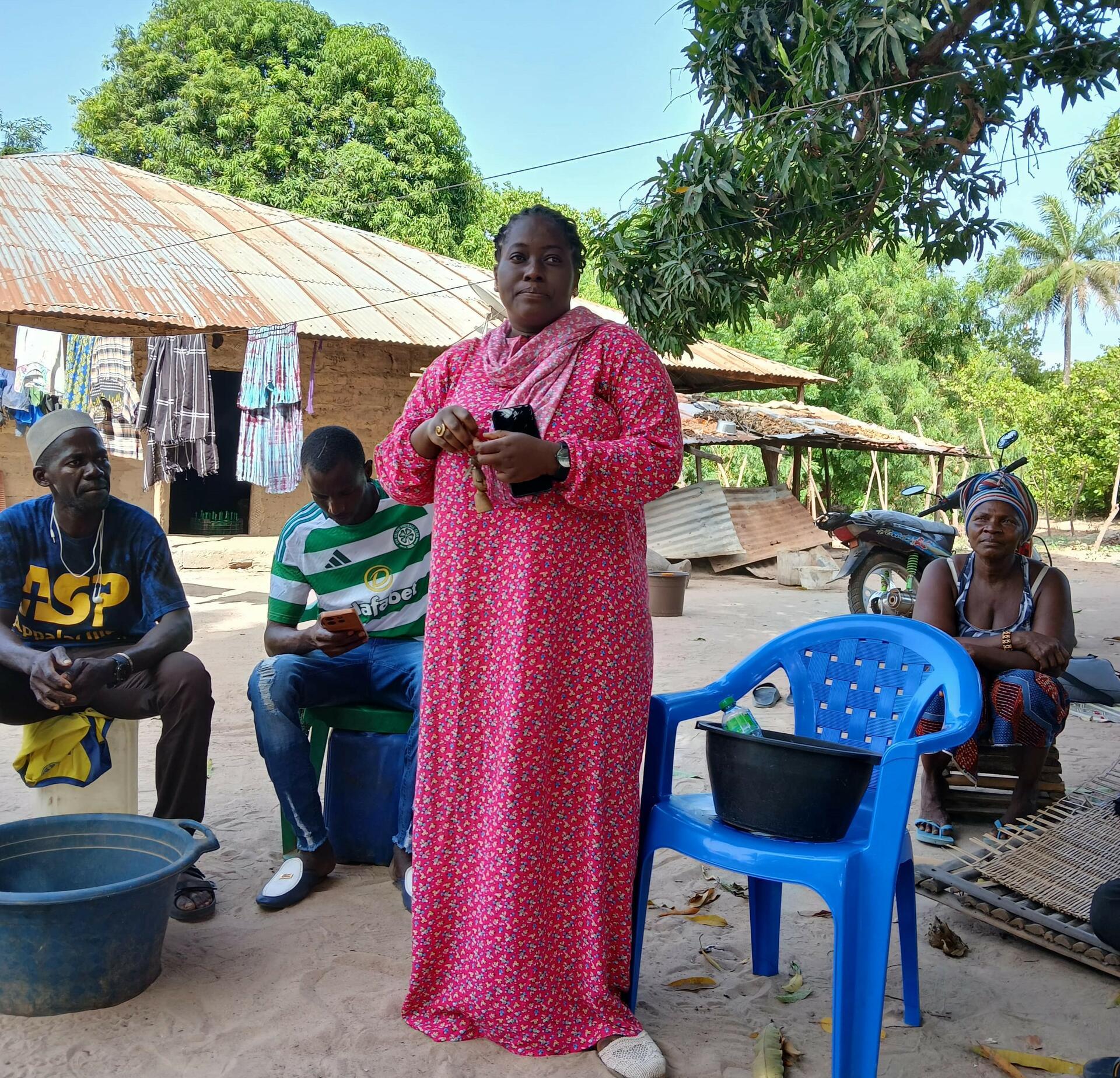
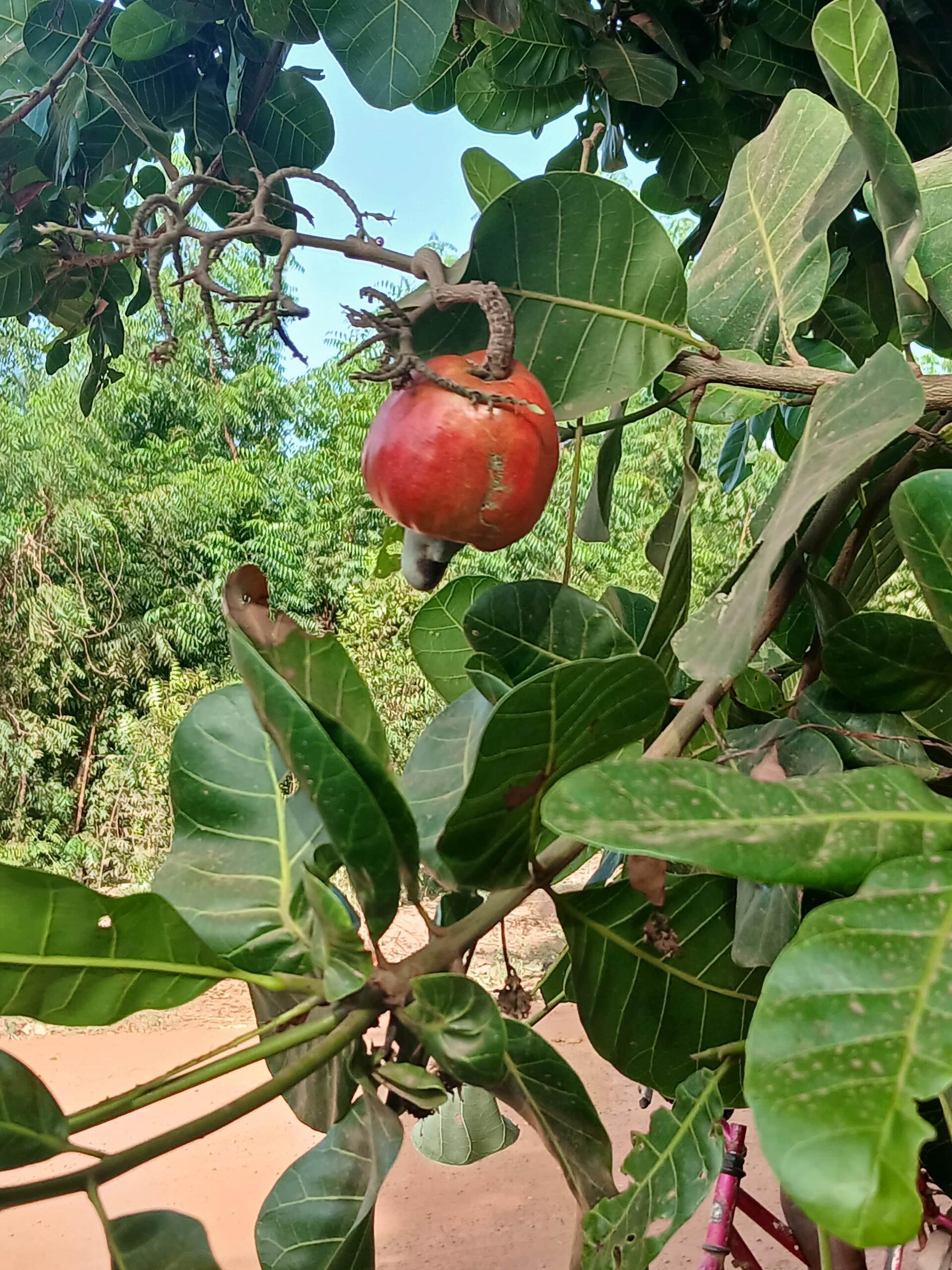
Every morning, Segniore Mendy walks through her six-hectare cashew orchard in Agnack, Casamance—a land she inherited from her late husband more than 25 years ago. Over the years, she has transformed this plot into a productive, resilient agroecosystem. Through meticulous practices like organic mulching, sorting nuts on ventilated tarpaulins, and storing them in breathable jute sacks, she consistently achieves yields of 8 to 10 tons of premium “48 lbs” graded cashew nuts each season.
As the president of the Agnack Cooperative, Segniore plays a key leadership role. She coordinates around 50 smallholder farmers; all aligned under a shared quality charter that emphasizes best practices in harvesting and post-harvest handling. Her leadership extends to organizing bulk purchasing, collective price negotiations, and shared transport logistics to strengthen the bargaining power and efficiency of the group.
Yet, year after year, a persistent issue lingered: mountains of cashew apples—bright red, yellow, and purple—were left to rot beneath the trees. Despite representing a significant portion of the fruit’s biomass, these apples were discarded, leading to both nutritional and financial losses. “We were letting money and nutrients go to waste,” Segniore reflects.
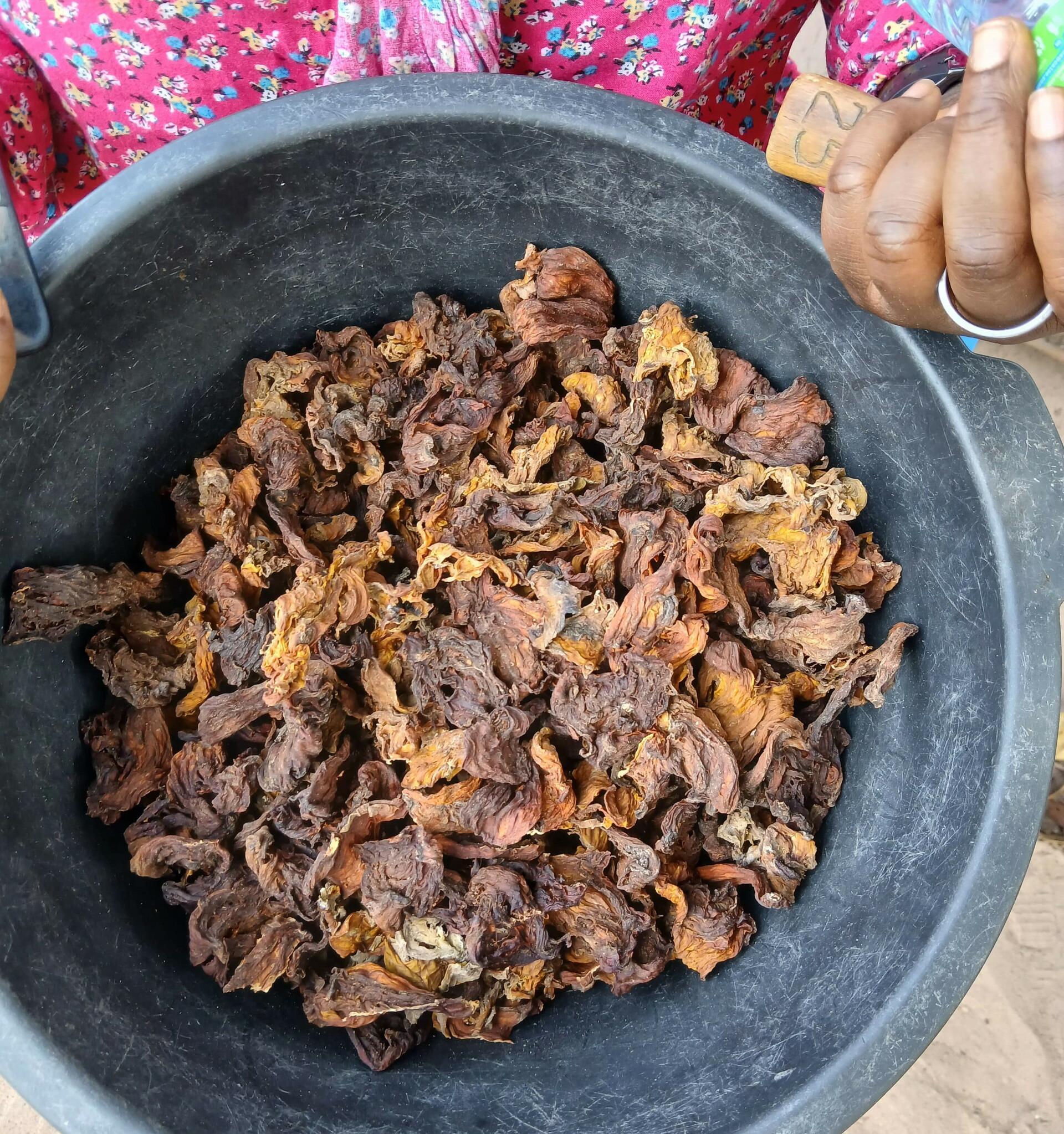
This began to change when she met the team from Nutrivies, a young food innovation company based in Casamance. The startup was seeking local, plant-based ingredients for a meat alternative, and the cashew apple offered promising potential. Together, they implemented a strict transformation protocol: only collect intact fruits, sort by color and firmness, wash three times, and dry in the sun until they reach 10% moisture content.
The impact was transformative. Within a single season, Segniore’s income per hectare tripled, post-harvest waste was drastically reduced, and new seasonal jobs were created, particularly for women involved in sorting and packaging. What was once considered waste became a source of income and pride, especially for female members of the community. This also helped stabilize revenues, even when the nuts themselves were smaller due to climatic variations.
Segniore now speaks of a new philosophy: “two incomes from one tree.” This mindset has reshaped the governance of the cooperative, putting a renewed focus on full resource use, circularity, and women’s economic empowerment in the cashew value chain.
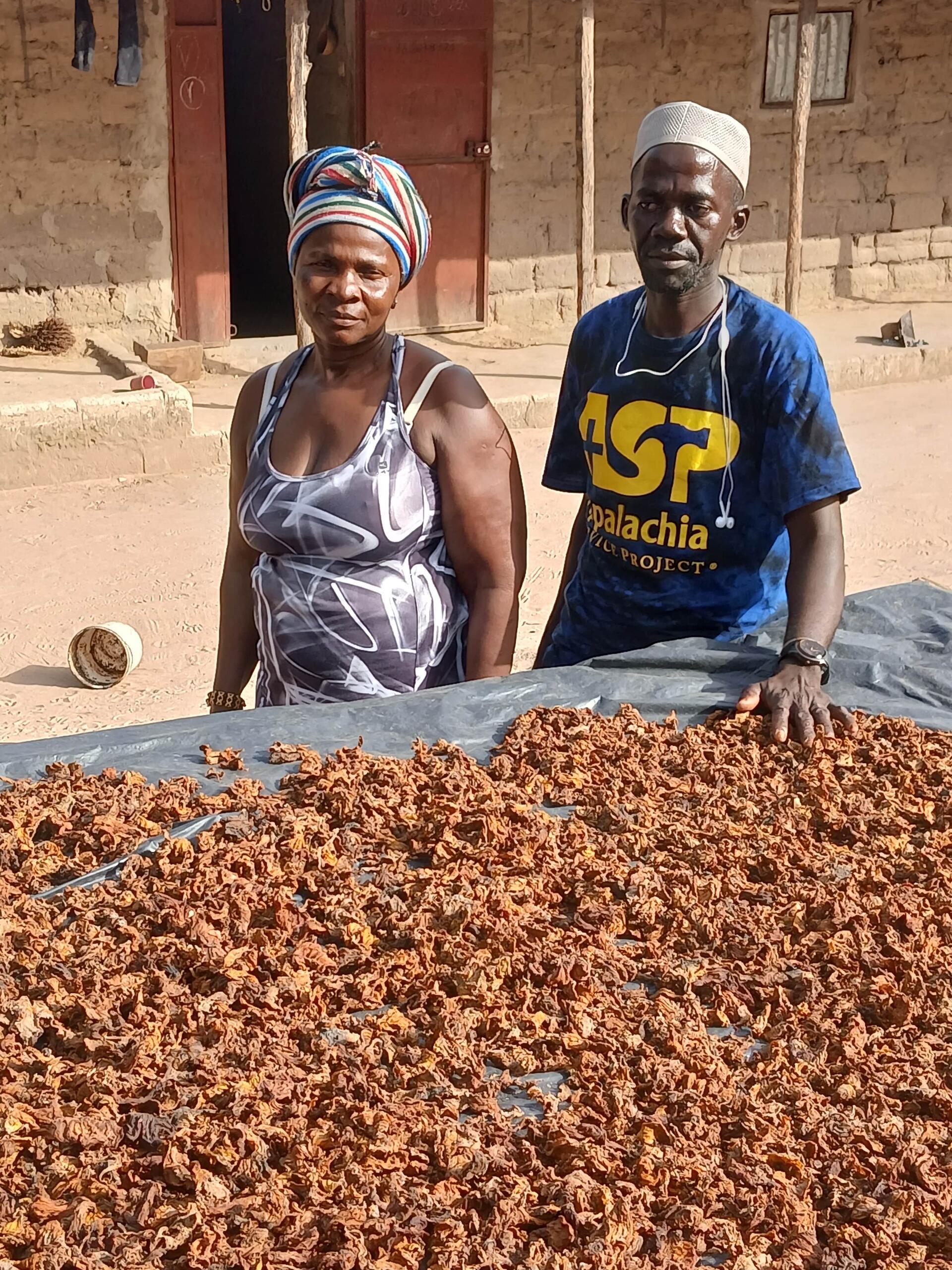
Segniore Mendy (Left)
Nutrivies: From dried cashew apple to plant-based protein – a food innovation rooted in Ziguinchor
Founded in 2023 in Ziguinchor, Nutrivies develops plant-based meat alternatives from cashew apples – a once-overlooked local ingredient. The company’s approach emphasizes artisanal processing and local nutrition. The apples, harvested at full maturity and sun-dried by members of the Agnack cooperative, are rehydrated, textured using a soy-free plant binder, and seasoned with spices inspired by Senegalese cuisine, including yassa. The final products come in various formats: strips ready to stir-fry, skewer balls, veggie burgers, and artisanal sausages. This range broadens culinary use and meets the needs of households, school canteens, and urban youth adopting flexitarian or vegetarian diets. Each ton of raw material comes from farms like Segniore Mendy’s, with multi-year contracts guaranteeing price and volume stability. This ensures reliable income and economic empowerment for producers. Nutritionally, cashew apples retain high vitamin C levels, are rich in dietary fiber, and provide an amino acid profile that complements grains like millet and rice. According to the final report from the AICCRA-ITC Bootcamp, initial sensory tests in Dakar showed an 83% approval rate from consumers, thanks to the product’s tender texture reminiscent of white meat and its local origin.
Nutrivies plans to expand its line to include child-friendly plant nuggets and a protein powder for bakeries and institutional meals. In line with AICCRA-ITC values, the company commits to reinvesting part of its profits into promoting sustainable agriculture, circular economy practices, and access to affordable processing tools for rural cooperatives.
The AICCRA-ITC Bootcamp: Where climate and nutrition converge through cashews
Led by the Alliance of Bioversity International and CIAT through the World Bank backed Accelerate Impacts of CGIAR Climate Research in Africa (AICCRA) in partnership with the International Trade Center (ITC) with the support of the Netherlands Ministry of Foreign Affairs, the AICCRA-ITC Bootcamp helps small businesses and cashew producers access climate-smart agriculture and weather information services. It supports eleven SMEs – including Nutrivies – in designing “green” business models integrating seasonal forecasts, product diversification, by-product utilization, and women’s inclusion. In practice, Segniore’s cooperative receives easy-to-use technical factsheets on mulching, rainfall-adjusted harvest calendars, and agroforestry, while Nutrivies benefits from a business model framework that includes waste reduction, green finance, and social impact. Looking ahead, Segniore aims to expand cashew apple collection to 15 villages and establish a resilience fund backed by plant-based meat profits. In her vision, cashew farming is no longer limited to raw nut exports—it becomes a circular economy ecosystem where every part of the tree—nut, shell, and cashew apple—has a profitable and climate-conscious use. By combining grassroots experience, SME innovation, and strategic development support, Casamance is proving that an agricultural value chain can generate income, feed communities, and reduce its environmental footprint—simply by making better use of what nature already provides.