Blog Replicating agri-SME success across West Africa and the Sahel: Scaling gender-smart agribusiness accelerators

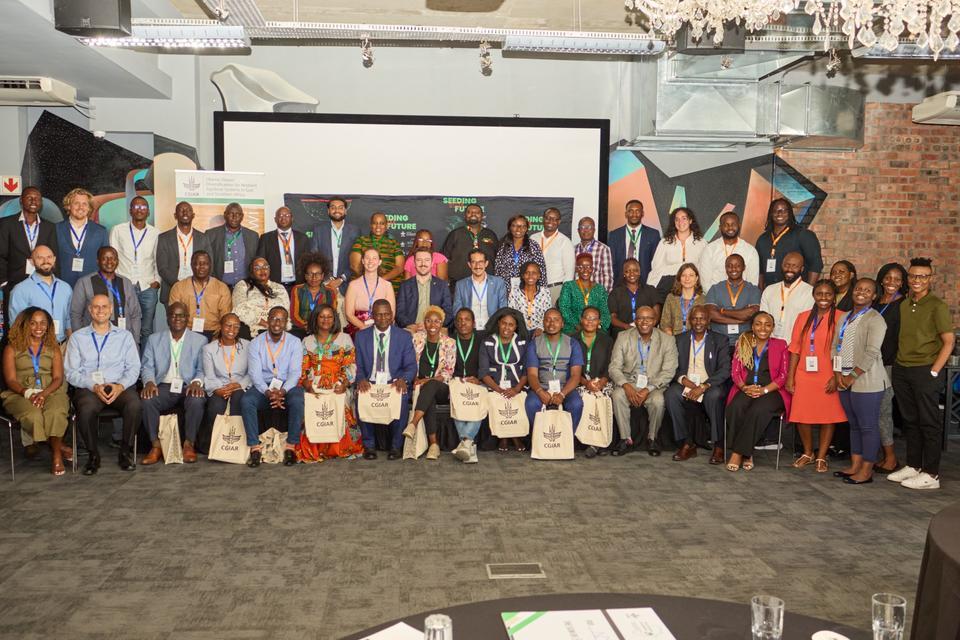
A small and medium-sized enterprise (SME) accelerator program for women-led and women-focused businesses in Senegal is demonstrating how the agriculture sector can address financial barriers that hinder women in accessing and using climate-smart innovations. AICCRA, the World Bank Food System Resilience Program (FSRP), the Alliance of Bioversity International and CIAT and the West and Central African Council for Agricultural Research and Development (CORAF) came together to identify pathways and actions needed for successfully replicating and scaling similar gender-focused accelerator programs in West Africa.
In West Africa and the Sahel, there is a productivity gap between men and women farmers because women face more challenges in accessing resources, including finance. At the same time, climate change affects women-led agricultural activities disproportionately, making them particularly vulnerable.
Women play significant roles across agricultural value chains, acting as producers, processors, sellers, and consumers. With their expertise, resourcefulness and lived experience, women are important determinants of and contributors to households’ resilience to climate change.
Targeted investments can shift more capital towards women farmers and women agri-entrepreneurs, whose participation is crucial for scaling climate-smart agriculture innovations and solutions, making them ‘gender-smart’.
Tackling the funding gaps faced by women smallholder farmers and women-owned agricultural SMEs can unlock significant opportunities to strengthen climate innovation and deliver more robust and equitable socio-environmental outcomes, giving gender-smart accelerator programs game-changing potential.
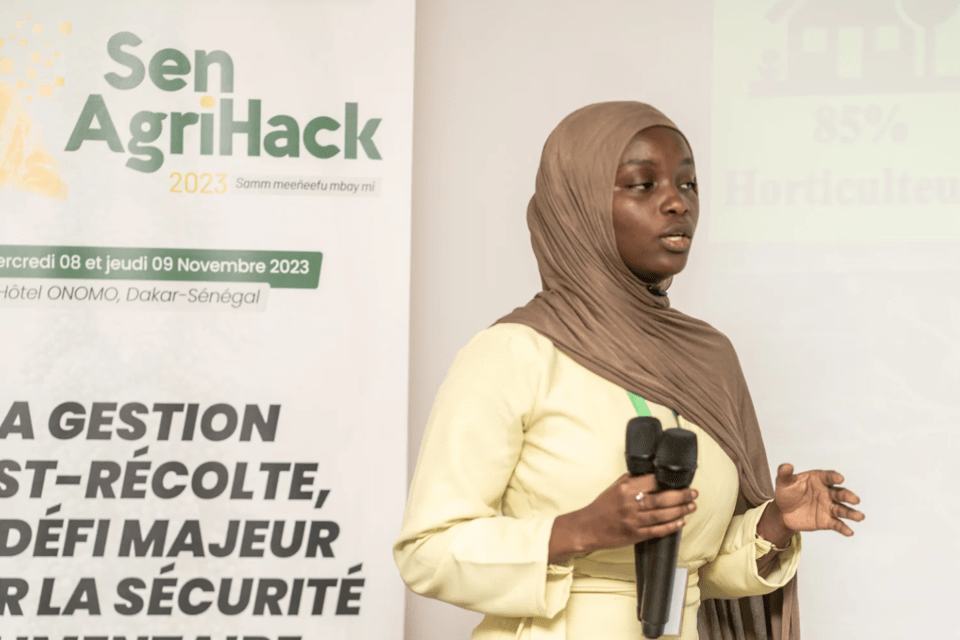
In Senegal, an accelerator led by AICCRA called the Gender-Smart Accelerator Challenge brought together 20 women-led SMEs (selected from over 250 applications) to participate in an acceleration program that included capacity building, technical assistance and economic grants. It achieved significant outcomes:
85% of the women-led SMEs gained new customers, 69% signed at least five new partnership agreements, and nearly half began discussions with investors to scale their businesses. In one case, the accelerator even led to matched funding four times the value of the original grant investment from AICCRA.
According to Ena Derenoncourt - Gender-Smart Investment Specialist for AICCRA: “The Gender-Smart Accelerator leverages CGIAR science-based approaches to tailor CSA capacity building and de-risking mechanisms, curating opportunities and enhancing bankability to attract impactful investments for women-led agri-SMEs".
A remarkable success story is ACASEN, a Senegalese family business specializing in the production and marketing of cashew nuts, peanuts, and other food products. ACASEN sources its raw materials from small-scale producers in Senegal, with over 80% of their employees being women. Reflecting on the impact of the program during the regional workshop, ACASEN's CEO Hermione Awounou said:
“The Gender-Smart Accelerator Program has been a catalyst for my business. Thanks to training in financial management, advice on legal procedures and investment preparation, I was able not only to structure my project but also to raise 10 times more resources after partnering with WIC Capital. This program is central for SMEs, as it propels us towards upscaling sustainable practices that can help our businesses expand in the face of climate change."
Scaling innovation from Senegal to West Africa
"We must prioritize these workshops where all stakeholders come together, because success is only possible if we combine our efforts. Among FSRP countries, we need to learn from each other and take recommendations into account to ensure the effective scaling of the gender-smart accelerator program." - Sadio Cisse, Country Coordinator of FSRP in Mali
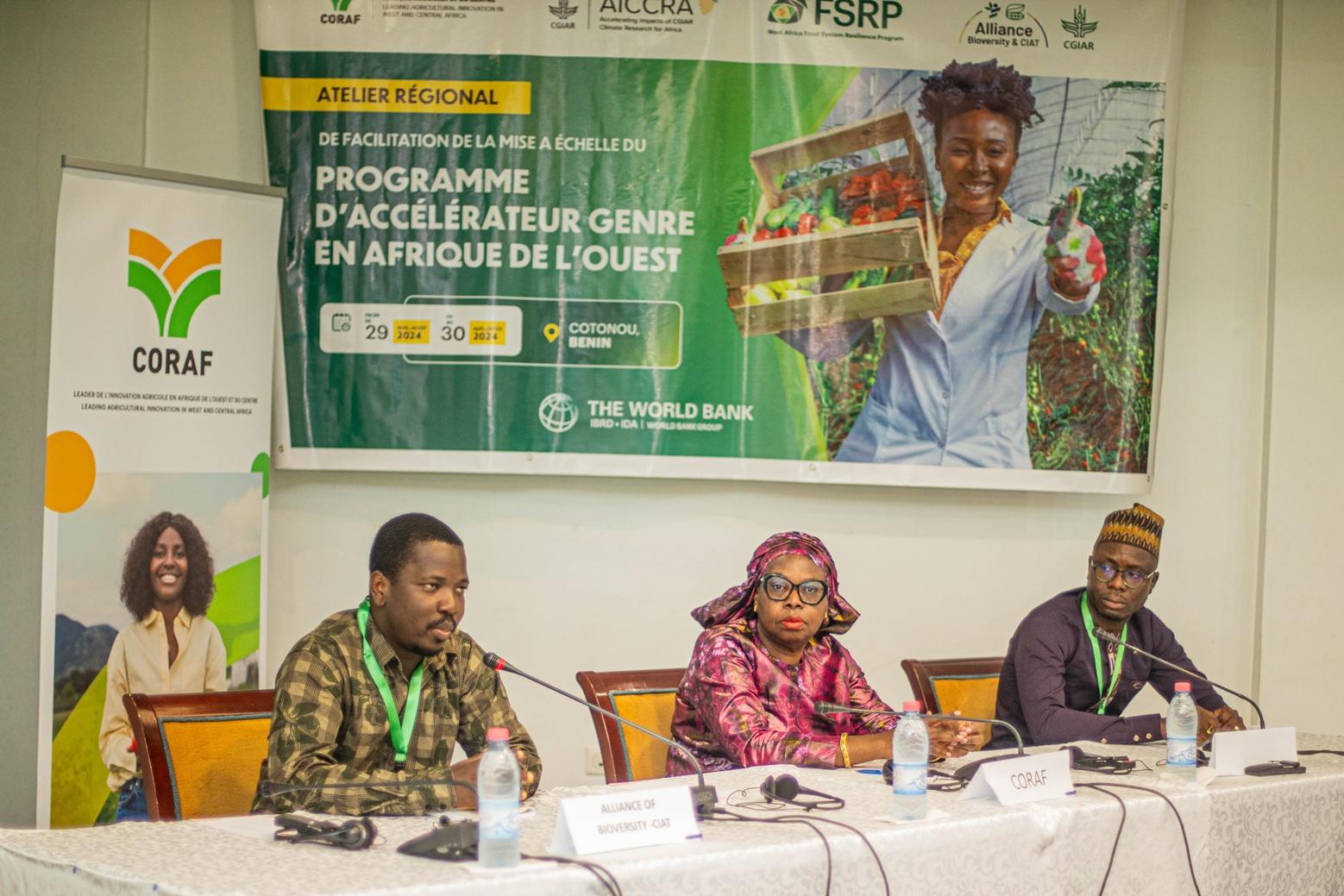
As part of its mandate to ensure the ‘spillover’ of AICCRA-led innovations from countries like Senegal to benefit others in the region, AICCRA’s West Africa regional team collaborated with CORAF and the World Bank’s Food System Resilience Program (FSRP) in hosting a regional workshop to introduce the Gender-Smart Accelerator Program to stakeholders from FSRP countries.
"This workshop served as an excellent platform to explore with our partners CORAF and FSRP's country teams, the scaling opportunities and mechanisms to ensure that innovations benefit all communities equitably." - Alcade Segnon, Science Officer for AICCRA in West Africa.
What is the FRSP?
The World Bank West Africa Food System Resilience Program (FSRP) is a multi-phase program which aims to increase preparedness against food insecurity and improve the resilience of food systems in participating countries.
The FSRP is structured around five components:
- Component 1: strengthening digital advisory services for the prevention and management of regional agricultural and food crises,
- Component 2: strengthening the sustainability and adaptive capacity of the food system’s productive base to enhance the resilience of the food system’s productive base,
- Component 3: regional food market integration and trade will serve as a low-carbon climate adaptation mechanism by balancing food production across intra-regional spatial production volatility driven by climate change and increasing the pace of response to these climate-induced food shortages,
- Component 4: contingent emergency response component (CERC) is a mechanism for financing eligible expenditures in the event of an emergency precipitated by a natural disaster, and
- Component 5: project management will focus on all aspects of project management.
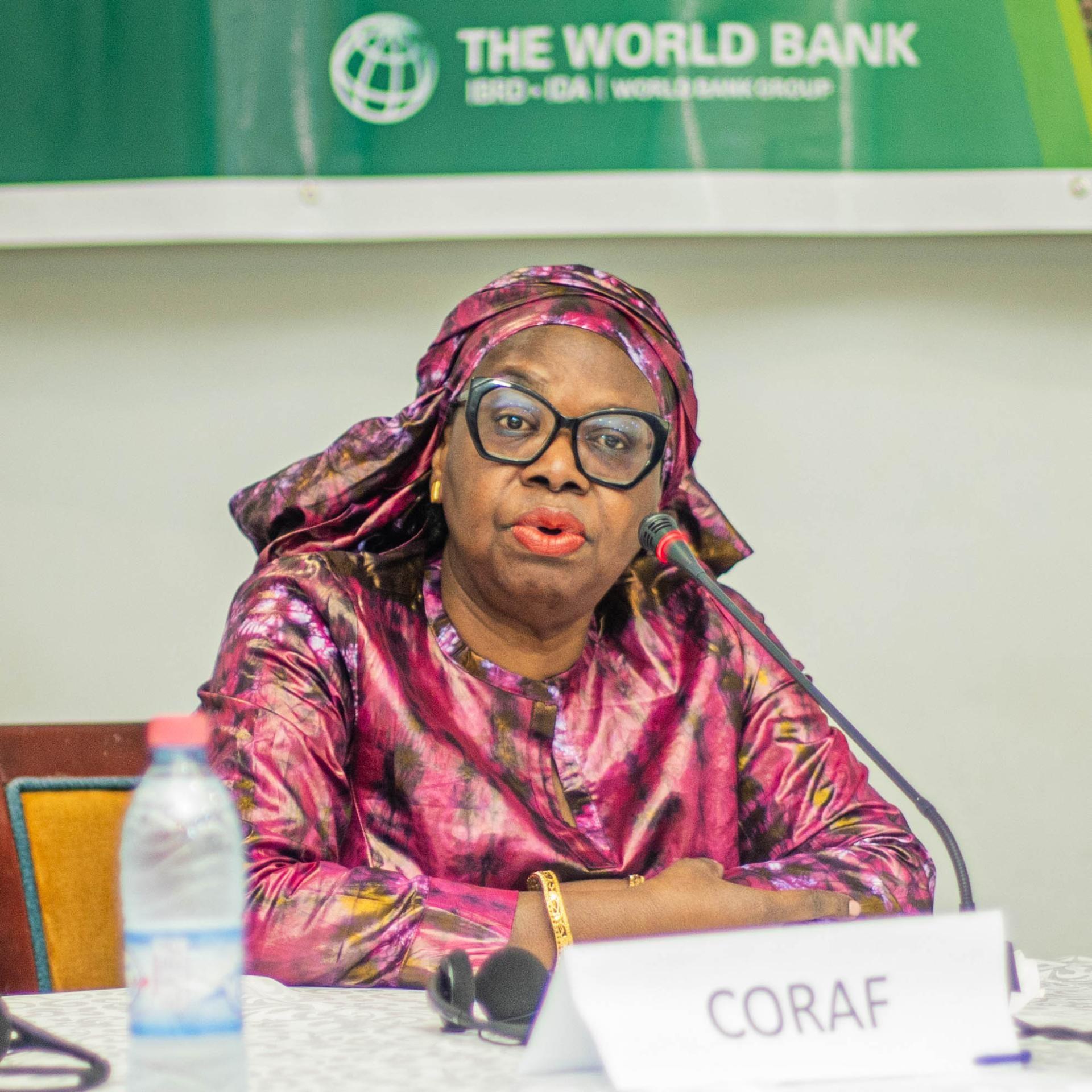
Dr Mariame Maiga, Regional Gender and Social Development Adviser, CORAF.
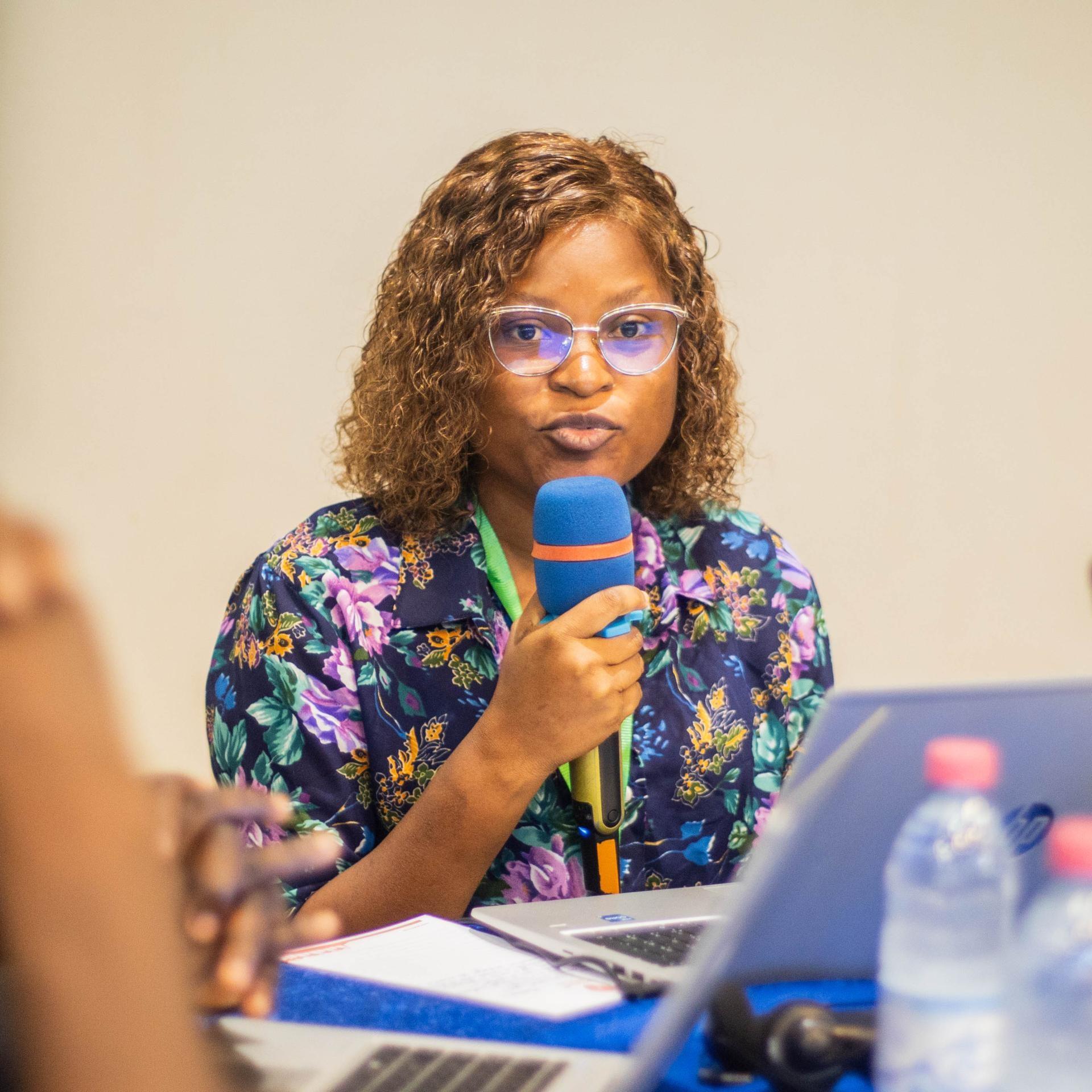
Aledji Essosimna from FSRP-Togo
Connecting the dots: From enabling access to identifying scaling mechanisms of gender-sensitive innovations
At the 2023 Market for Agricultural Innovations and Technologies (MITA 2023) organized under the theme “Facilitating access to gender- and nutrition-sensitive agricultural technologies and innovations’’, a key recommendation was to strengthen the efforts of regional organizations to effectively spill over gender-smart climate solutions and innovations to benefit all ECOWAS countries. This current workshop addresses key recommendations from the MITA event, particularly the need to facilitate and coordinate the transfer of gender-sensitive innovations and technologies.
“CORAF has long recognized the importance of integrating gender into agricultural innovation. We commend this collaboration with the Alliance of Bioversity International and CIAT through the AICCRA project.” said Dr Mariame Maïga, Regional Gender and Social Development Adviser at CORAF.
She added: “Our experience during MITA 2023 provided insights into how collaboration between CORAF and other regional institutions can scale gender-sensitive technologies to foster broader regional adoption. This workshop is a starting point for scaling up and using the gender accelerator program in West Africa."
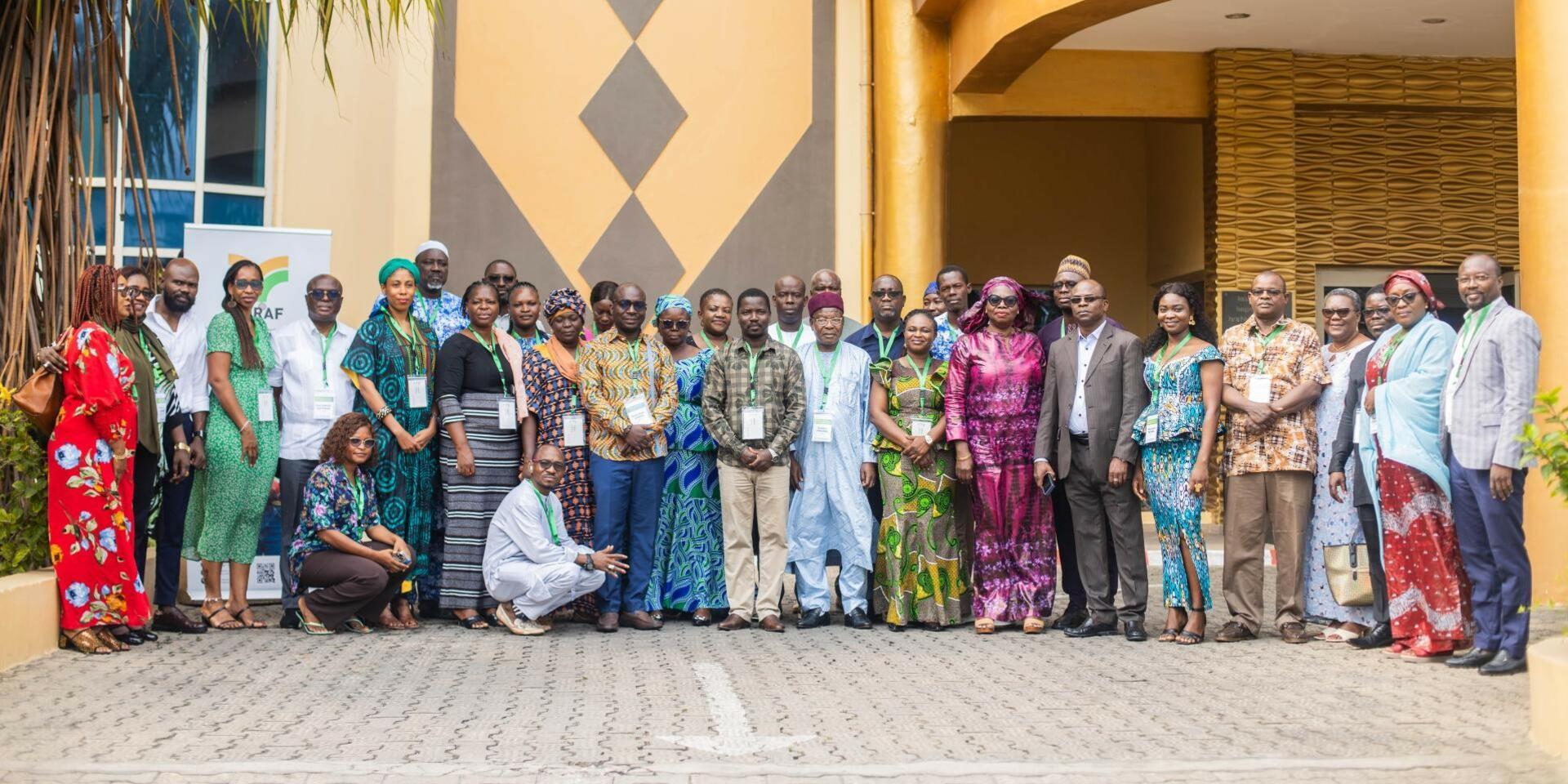
After sharing insights on the accelerator, participants in the workshop were divided into smaller groups by country with representatives from Burkina Faso, Chad, Ghana, Mali, Niger, Senegal, Sierra Leone and Togo – all countries where the FSRP operates.
In these groups, participants brainstormed actionable steps to replicate the program’s success in their own countries.
The regional workshop on scaling the gender-smart accelerator in West Africa and the Sahel proved an exceptional opportunity to strengthen synergies between AICCRA and the countries and regional partners involved in the FSRP such as CORAF and AGRHYMET Regional Center.
Subsequently, all the participants voiced their support in scaling the gender-smart accelerator program in their country, noting that such accelerators could enhance the outcomes of existing FSRP efforts in their country in value chains such as rice, maize, cowpea, tomato, onion, papaya, moringa, mango and citruses.
Follow-up discussions formulated recommendations for successfully scaling the gender-smart accelerator, such as country-by-country bilateral meetings and capacity building in gender and social inclusion.
“The gender-smart accelerator program is timely because it truly empowers women-led businesses. Through this initiative, microprojects belonging to women and youth enterprises will benefit from tailored coaching and be connected with potential investors.’’ - Ms Bengaly-Compaoré Placide, FSRP focal point at the Directorate General of Studies and Sectoral Statistics (DGESS), Ministry of Agriculture in Burkina Faso.