From the Field From carbon market ambition to smallholder benefits in Ethiopia
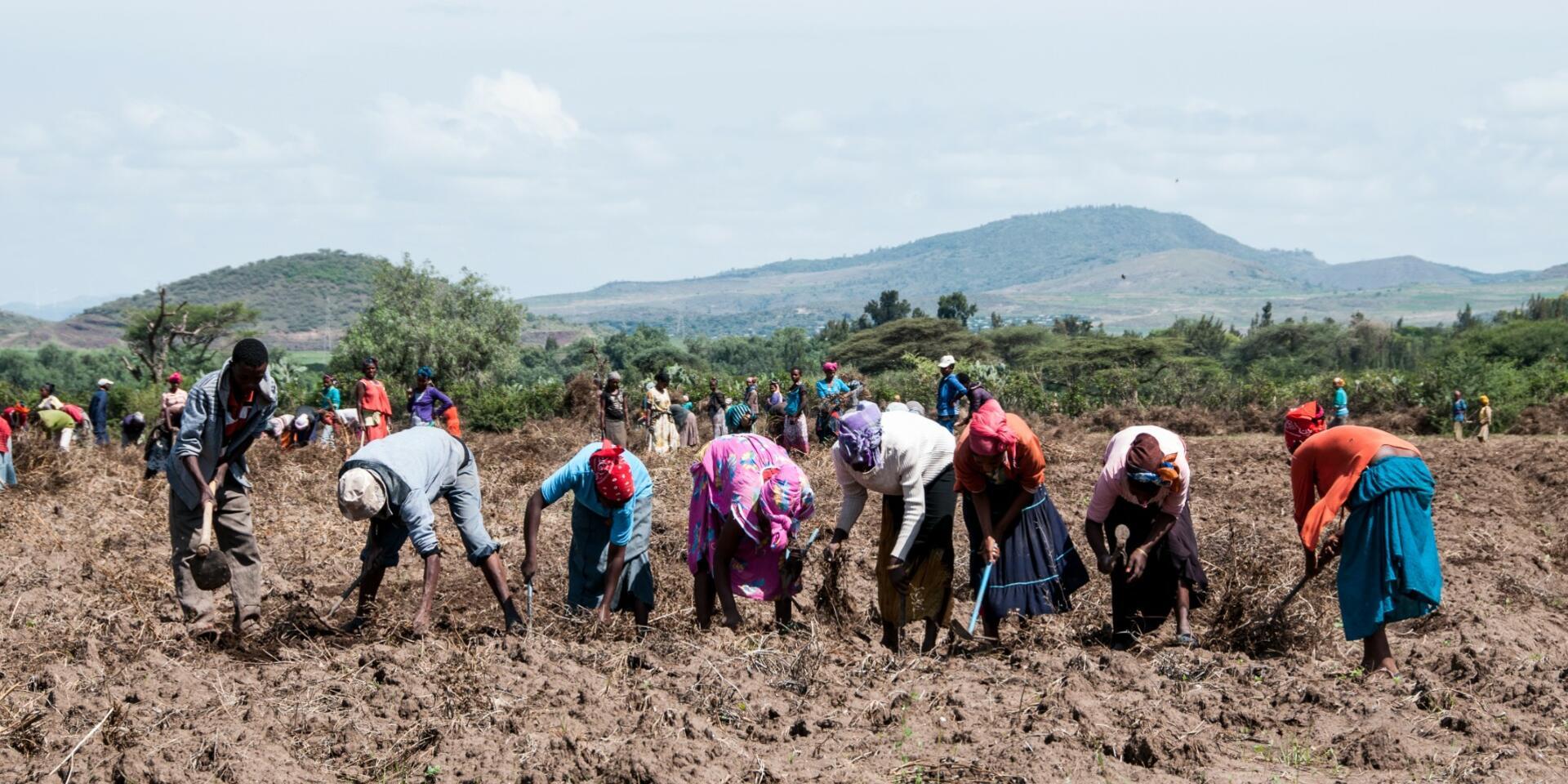

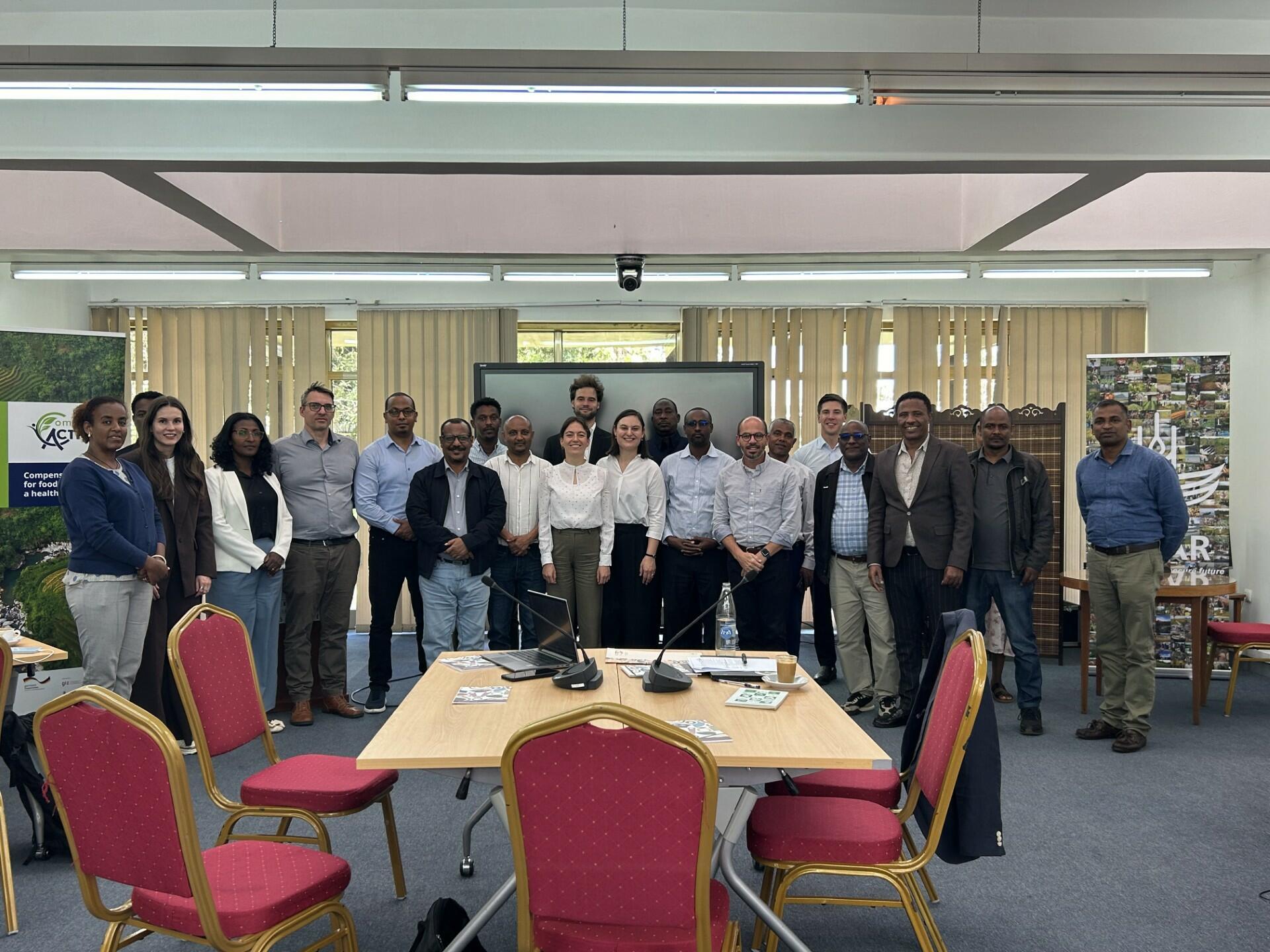
On May 4, 2026, the Alliance of Bioversity International and CIAT convened stakeholders in Addis Ababa, Ethiopia, to explore how the country’s emerging carbon market framework can translate climate finance into tangible benefits for smallholder farmers.
Convening the discussion
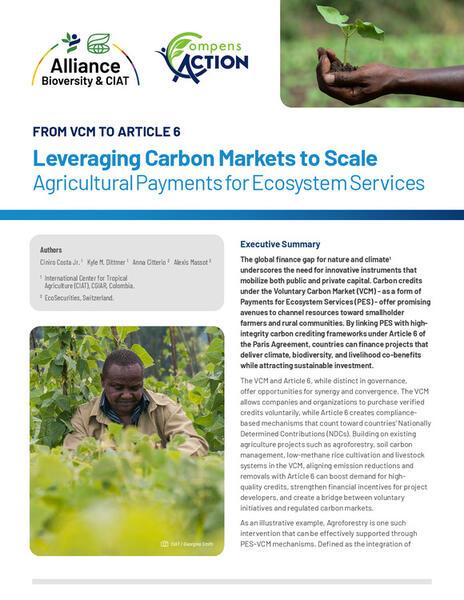
As part of its research support to CompensACTION, an international multi-partner initiative launched by the German Federal Ministry for Economic Cooperation and Development (BMZ) to advance innovative financing mechanisms that reward sustainable agricultural practices and land management contributing to ecosystem services, the Alliance of Bioversity International and CIAT convened a workshop in Addis Ababa on 4 May 2026. The workshop supported CompensACTION’s implementation in Ethiopia through the International Fund for Agricultural Development (IFAD) and explored how Ethiopia’s emerging carbon market framework could translate into opportunities for smallholder agriculture. It built on a recent CGIAR report examining how voluntary carbon markets and Article 6 can help scale agricultural payments for ecosystem services.
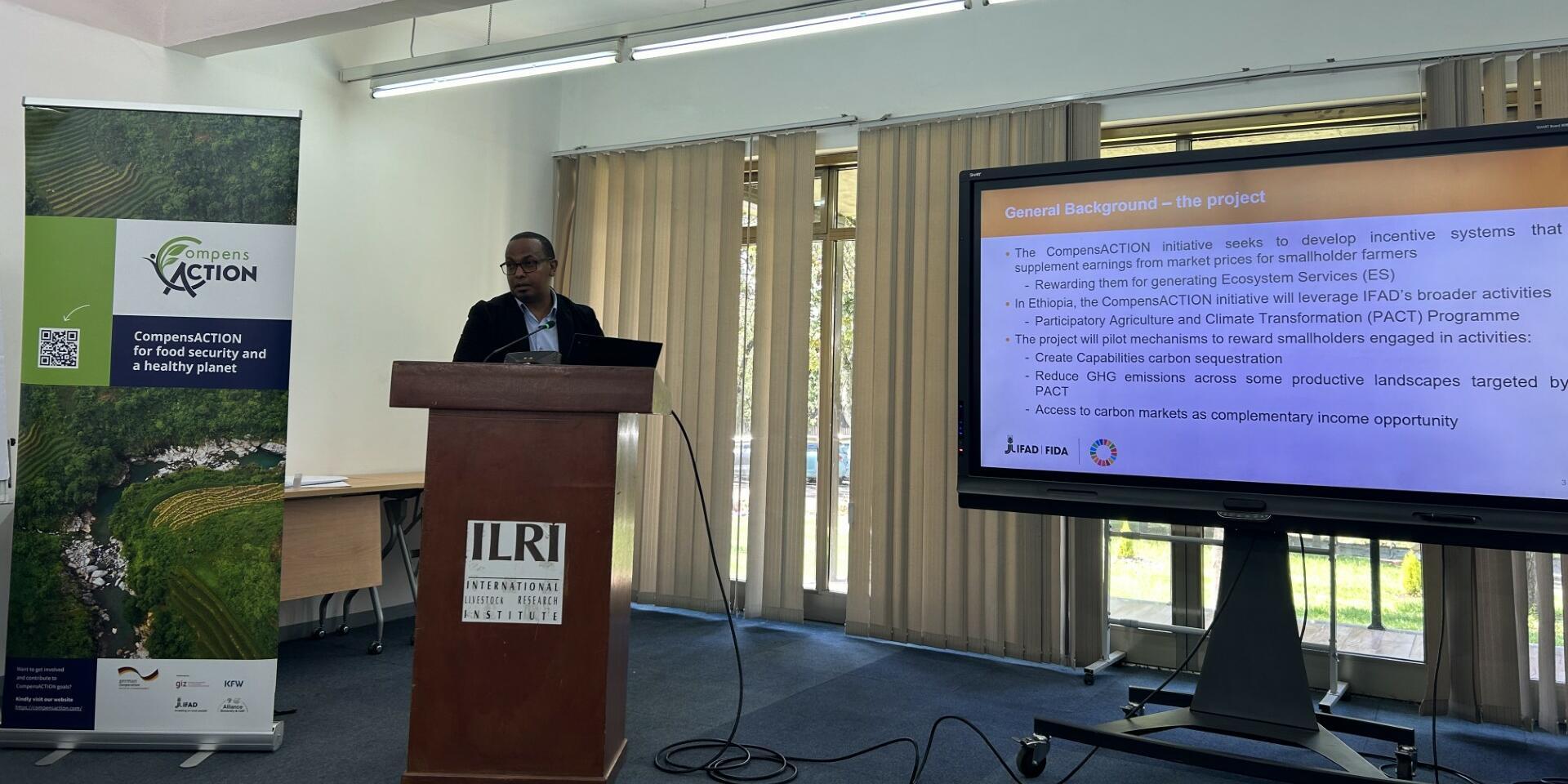
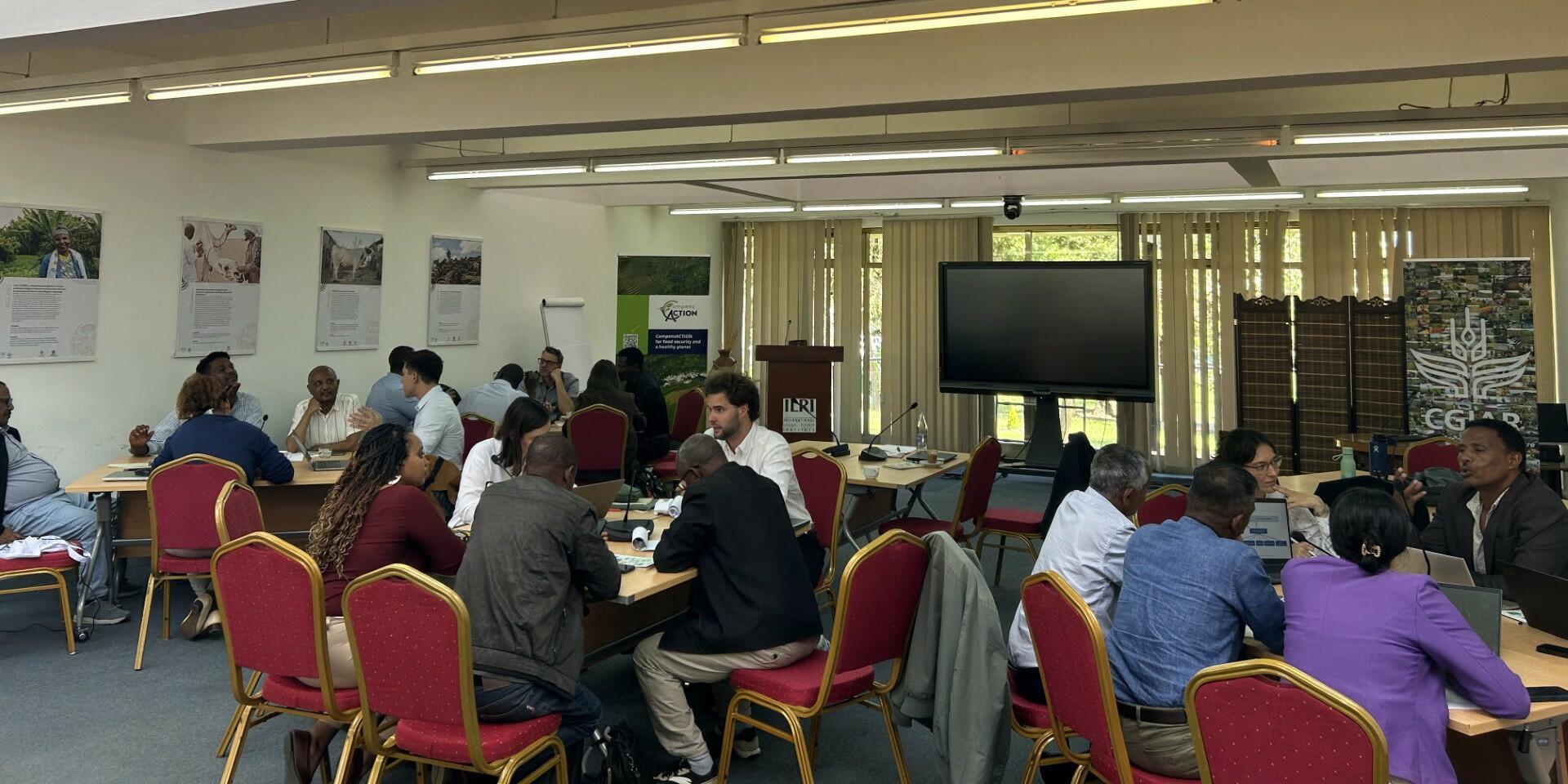
The workshop brought together 26 participants, about one third of whom were women, from Ethiopia’s Ministries of Agriculture and Planning and Development, IFAD, Deutsche Gesellschaft für Internationale Zusammenarbeit (GIZ) GmbH, Vita Impact, and partner organizations. Discussions connected Ethiopia’s carbon market ambitions with the practical requirements for implementing activities, mobilizing finance, measuring climate outcomes, and delivering meaningful benefits to farmers.
The opportunity identified
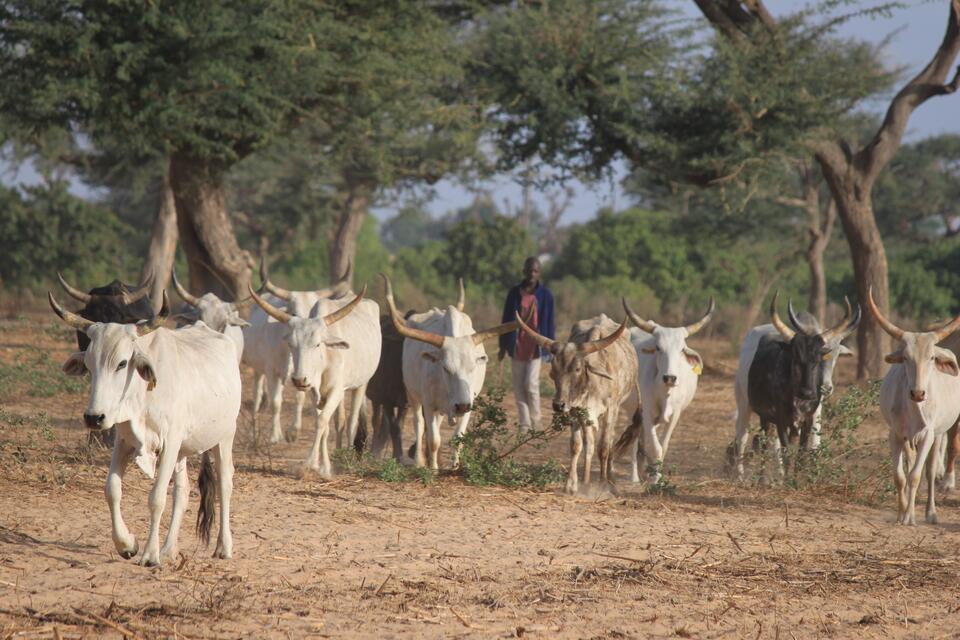
Ethiopia’s Nationally Determined Contribution (NDC) 3.0 and National Carbon Market Strategy 2025–2035 provide a framework for mobilizing carbon finance in support of the country’s climate and development priorities, including future engagement under Article 6 of the Paris Agreement. For agriculture and land use, priority areas include agroforestry, regenerative/climate-smart agriculture, sustainable land management, and landscape restoration. NDC 3.0 identifies mitigation potentials by 2035 of 9.5 MtCO₂e from livestock, 1.4 MtCO₂e from managed soils, and 128.7 MtCO₂e from land use and forestry, while targeting climate-smart practices across 37 million ha of rain-fed cropland.
Building on IFAD's flagship Enhanced Adaptation for Smallholder Agriculture Programme (ASAP+), CompensACTION is exploring carbon-finance opportunities through the Voluntary Carbon Market (VCM) for agroforestry and improved cookstoves. The pilots use existing delivery systems and smallholder networks to assess whether ecosystem-service and carbon payments can complement other sources of finance. Under the project's formal results framework, 8,150 households are targeted under Outcome 1 for adoption of environmentally sustainable and climate-resilient technologies and practices. Agroforestry activities are planned across 44 targeted landscapes, providing an opportunity to test approaches for carbon finance, smallholder participation and future scaling.
The opportunity extends beyond carbon credits. It lies in combining complementary sources of finance to scale effective practices and support income, productivity, resilience and energy-access benefits for smallholder households.
Key barriers to implementation and scaling smallholder carbon projects
Workshop participants emphasized that carbon market potential alone does not ensure viable programmes or smallholder benefits. Agricultural and household-energy projects involve high upfront costs, dispersed participants, modest mitigation outcomes, and complex monitoring requirements. Development, aggregation, monitoring, reporting and verification (MRV), and certification costs can be high relative to carbon revenues.
A central challenge is the timing mismatch between investment and results-based revenue. Agroforestry requires early financing for organization, establishment, and monitoring, while cookstove programmes require investment in technology deployment and user engagement. Carbon revenues arise only after mitigation outcomes are verified, while timing and value remain uncertain. Upfront and complementary finance is therefore necessary.
Financial viability must be demonstrated rather than assumed. It depends on mitigation potential and scale, implementation and MRV costs, certification requirements, carbon prices, revenue timing and risk, and benefits reaching households. MRV must balance environmental integrity with practicality and affordability. Carbon revenues should reinforce—not substitute for—the productivity, resilience, energy-access, and livelihood benefits of these activities. Safeguards, transparent benefit-sharing, and trusted farmer engagement are essential to equitable participation of women and other potentially marginalized groups.
VCM activities do not automatically qualify for Article 6. Any future transition or scaling would require government authorization, alignment with Ethiopia’s NDC and carbon market framework, appropriate accounting, and compliance with the relevant mechanism or bilateral agreement.
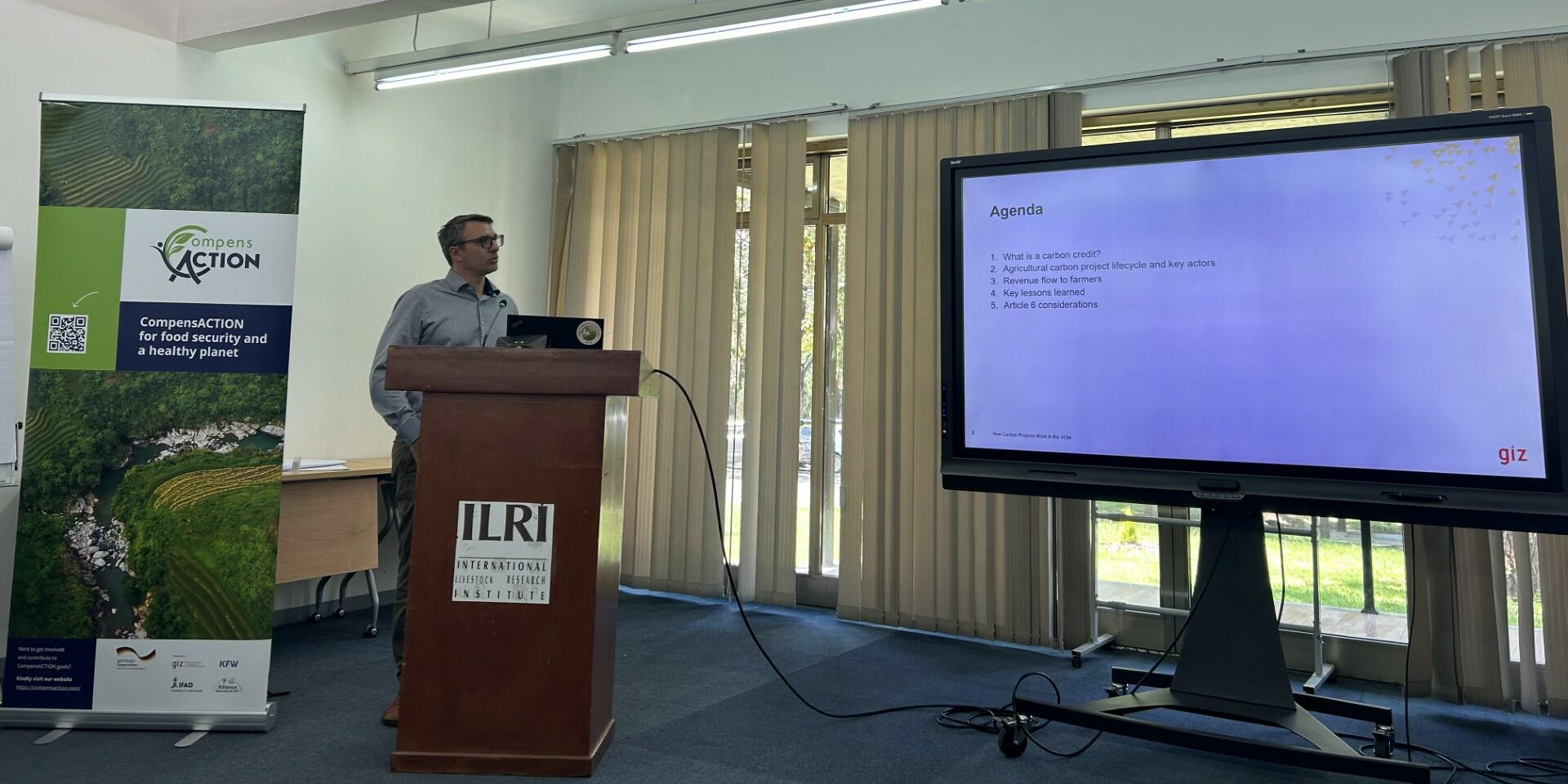
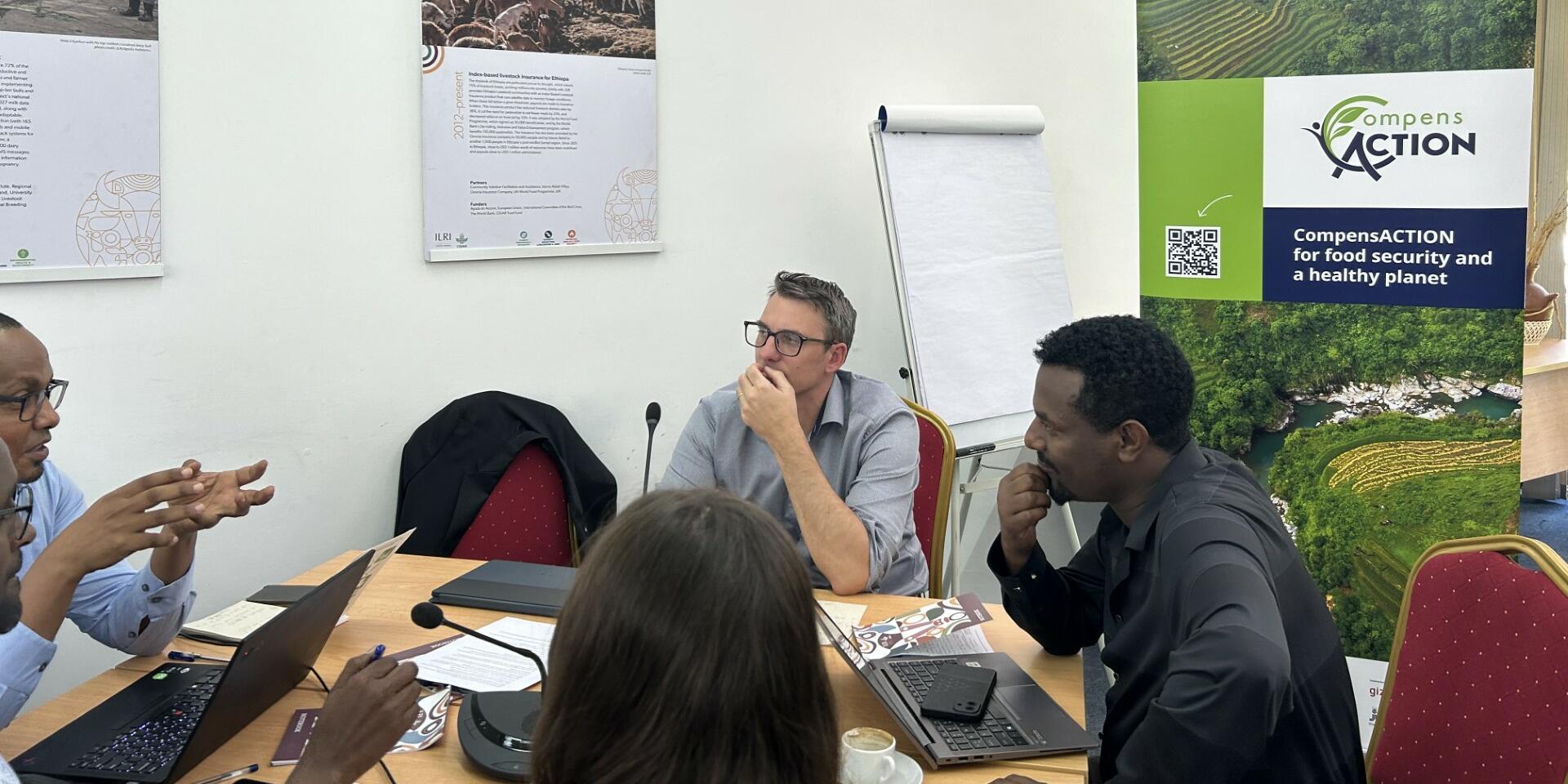
How CompensACTION in Ethiopia is bridging gaps and supporting pathways to scale
CompensACTION is using its agroforestry and improved cookstove activities to investigate these challenges under Ethiopian smallholder conditions. The work is led by IFAD, with the Alliance providing accompanying research, and Acorn and Vita Impact contributing implementation experience. First, the assessment will examine mitigation potential, methodological eligibility, scale, implementation and certification costs, revenues, and household benefits. Smallholder perspectives will be incorporated through consultations on feasibility, incentives, benefit sharing, and participation barriers.
Second, it will evaluate fit-for-purpose MRV options for smallholder activities, drawing on Acorn and Vita Impact’s experience. The assessment will compare MRV approaches, data requirements, institutional arrangements, and costs to identify affordable options that maintain environmental integrity.
Third, the work will assess how carbon revenues could be combined with payments for ecosystem services (PES), public investment, grants, and concessional or blended finance, recognizing that sources may be needed at different stages.
Finally, the findings and stakeholder perspectives will support IFAD’s engagement with government institutions on whether viable activities could align with Ethiopia’s NDC and carbon market framework and support future Article 6 engagement, subject to priorities, decisions, and authorization. Where sufficient potential is demonstrated, the findings could inform investment cases and engagement with development partners, investors, carbon market service providers, and credit buyers.
Multistakeholder dialogue for joint implementation, learning, and action
The workshop established a dialogue for continued collaboration among the Government of Ethiopia, IFAD, GIZ, the Alliance, and other partners to connect CompensACTION’s work with Ethiopia’s evolving carbon market framework and national priorities. Based on the discussions in Addis Ababa, three priority actions were identified:
- Assess how carbon crediting could strengthen support to smallholders through CompensACTION’s agroforestry and improved-cookstove activities.
- Use the findings to inform government consideration of Article 6, subject to national priorities, decisions, and authorization.
- Mobilize finance and technical support for viable activities by developing investment cases and engaging relevant public, development, market, and financial partners.
Lessons can also inform CompensACTION’s efforts in other countries and contribute to broader learning on linking smallholder programmes with high-integrity voluntary carbon markets and potential Article 6 opportunities.
Acknowledgements
This brief was prepared by Ciniro Costa Junior, Kyle Dittmer, Martina Melchiori, and Yodit Balcha (Alliance), Paraskevi Peglidou (IFAD), and the CompensACTION Secretariat (Simone Gotthardt, Arne Brandschwede, Julia Bosshard, Elisa Romanato, Maike Moellers). The workshop was supported by the Alliance, CompensACTION Secretariat, Jack Rossiter, Paraskevi Peglidou, Elias Tedla Shiferaw, Kadei Kadre, and Metadel Fentahun Asmare of IFAD, Louisa Pahlenkemper and Alexis Brakhan of GIZ; Alexis Massot and Anna Citterio of EcoSecurities. The authors gratefully acknowledge the contributions of Ethiopian government representatives Benti Firdissa, Mecheal Hordofa, Nuredin Asaro, and Yeshiwork Assefa, as well as all other participants who contributed to the workshop discussions. The workshop and this brief were made possible through funding from BMZ.
The Alliance team
Ciniro Costa Junior
Scientist
Kyle Dittmer
Researcher
Martina Melchiori
Senior Impact Officer, CGIAR Hub for Sustainable Finance (Impact SF)
Yodit Balcha
Climate Change Adaptation| Research Officer IIFurther reading