Blog Breaking down the weather story: Training media for farmer-centered communication
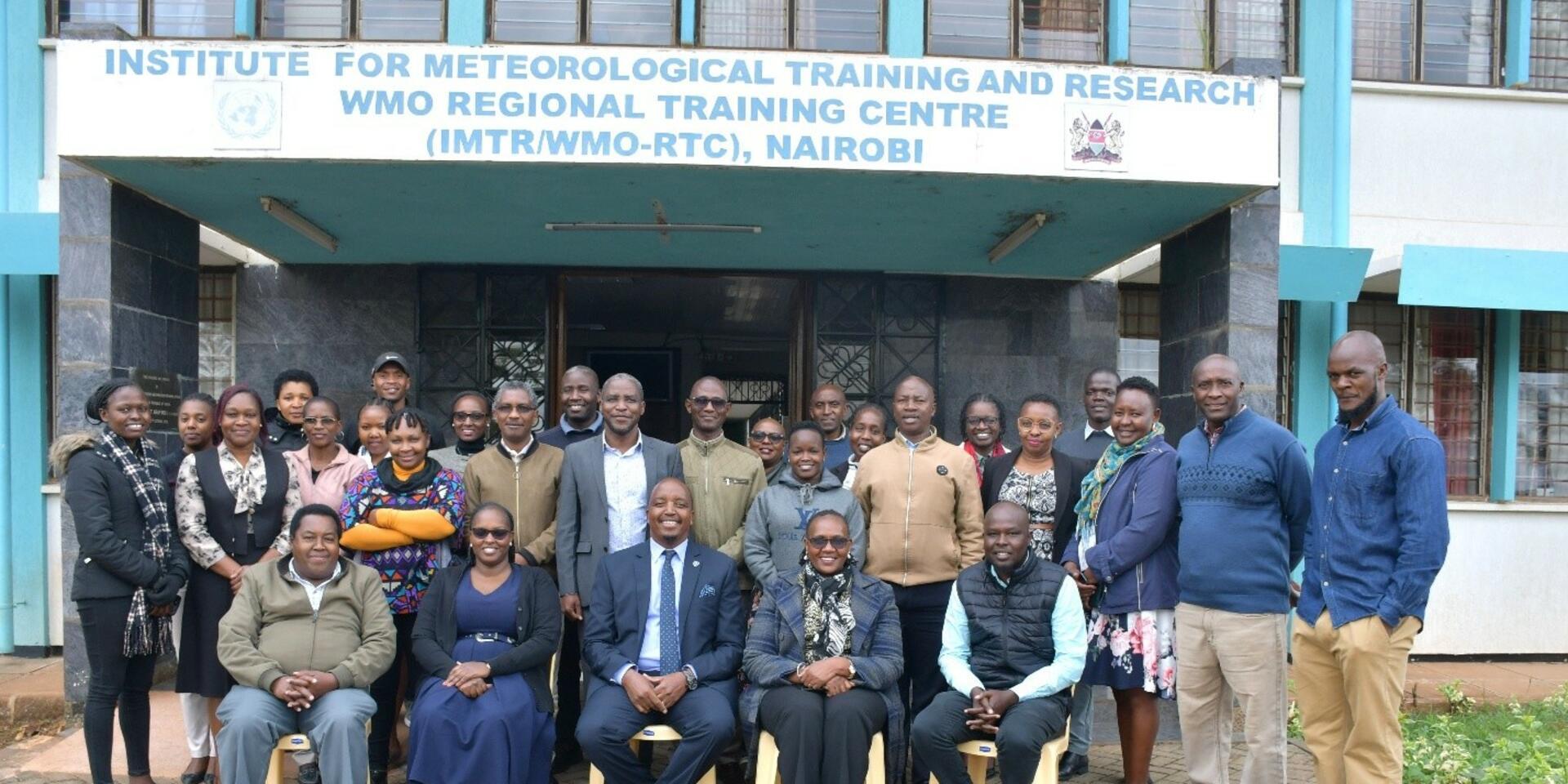

In August 2025, we came together with colleagues from the Kenya Meteorological Department (KMD), the Kenya Agricultural and Livestock Research Organization (KALRO), and the IGAD Climate Prediction and Applications Centre (ICPAC) for two days of hands-on media training under the Enhancing Climate Resilience in East Africa (ECREA) project.
More than 40 participants took part in the training, which focused on strengthening communication skills to better share climate information with the public and stakeholders. At the heart of these sessions was a simple but urgent goal, which was to get better at interpreting and communicating weather and climate information, so it does not stay as technical jargon but instead reaches farmers, journalists, and communities in ways that are accurate, clear, and useful.
Why this matters
In East Africa, weather is never just background noise. It often decides whether a season ends in harvest or hunger. Farmers want forecasts they can rely on. Journalists want the tools to tell these stories responsibly. And through ECREA, we hold the responsibility of making sure weather and climate services do not just exist but empower people.
As Felicity Gitonga, a journalist with Africa Business News, put it during the introductions, “When we tell the story of the weather, we are really telling the story of livelihoods.”
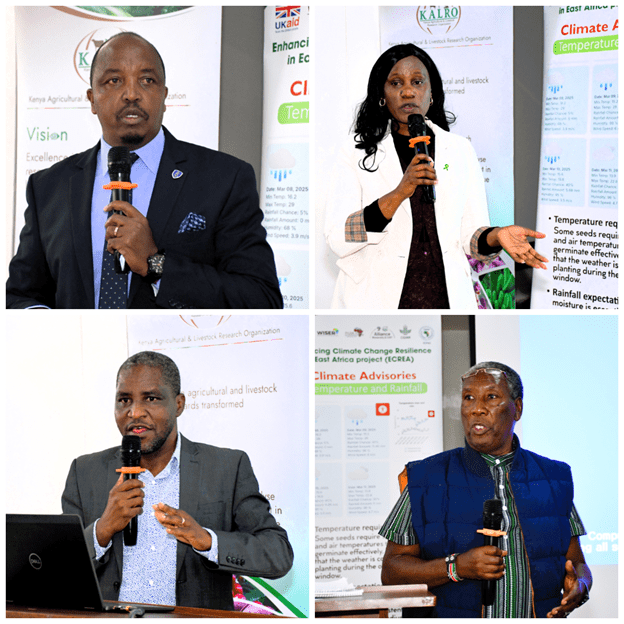
Facilitators led by Edward M. Muriuki Ag. Director of Kenya Meteorological Department in action at the media training sharing tools and skills to turn weather and climate data into powerful stories.
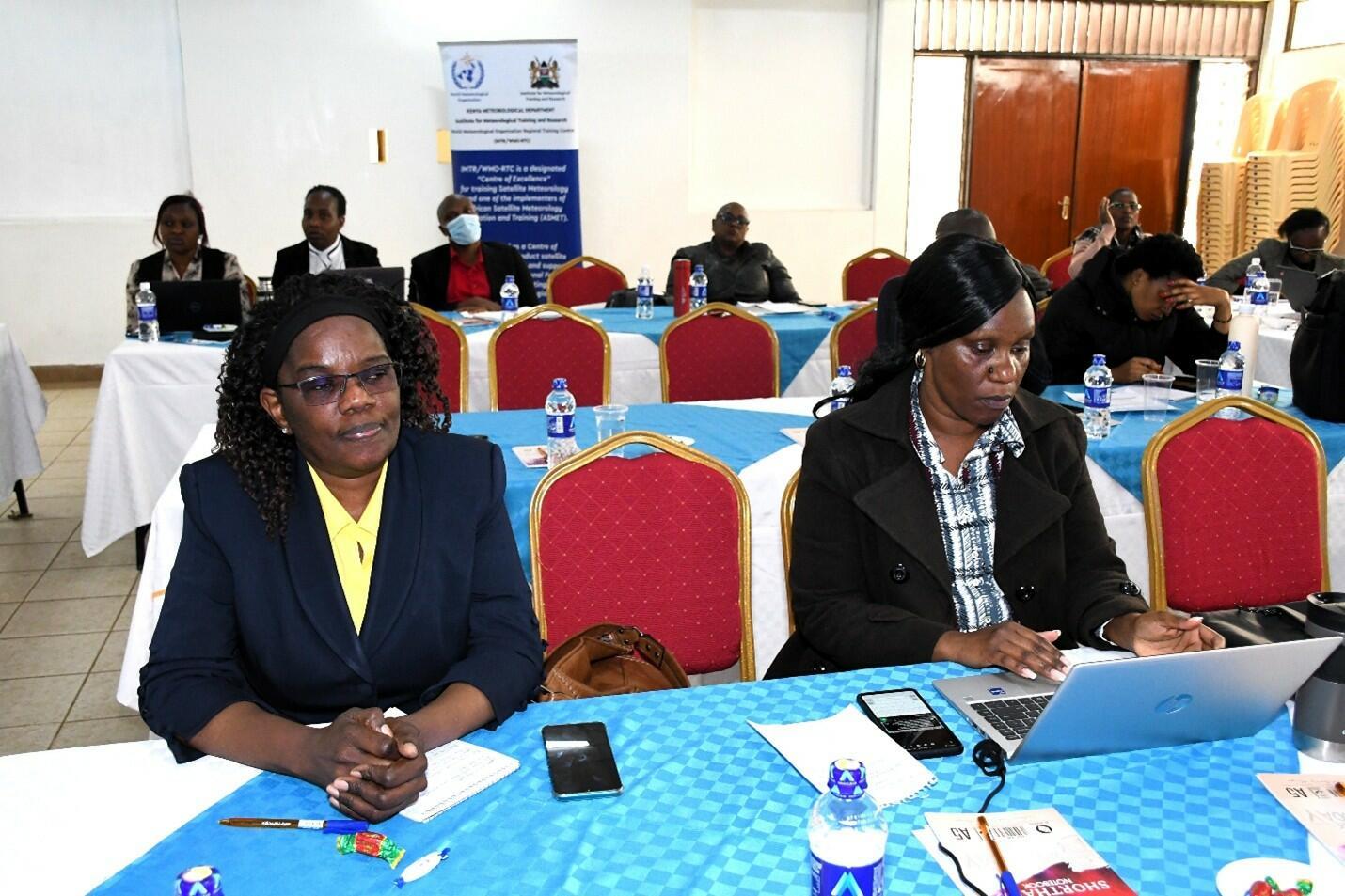
Participants at the ECREA media training engaging in hands-on sessions to strengthen how weather and climate stories are told
KALRO and the Alliance opened the training with reminders of why agriculture and climate communication must move hand in hand. “Without context, even the best forecast remains a number,” said Florida Maritim of KALRO, grounding us in the farmer’s perspective.
KMD then walked us through the science: how weather systems work, the difference between seasonal forecasts and shorter outlooks (short time weather forecasts), and what makes a forecast reliable.
We explored case studies of past weather events, looking at how forecasts had held up, and then shifted to something practical using graphics to tell weather stories. “Sometimes, the chart says more than the paragraph,” a facilitator reminded us.
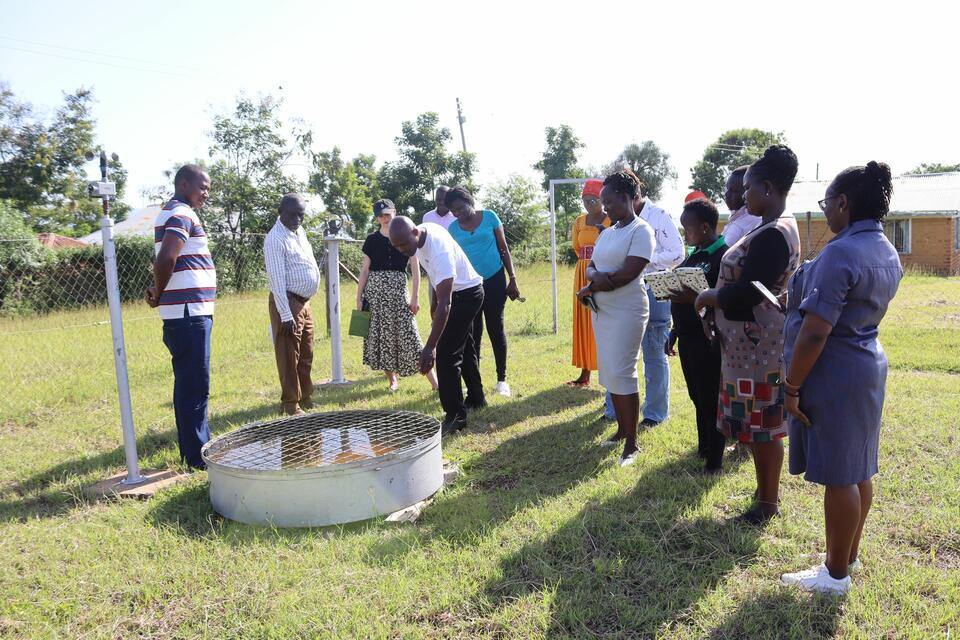
The day ended with a field visit to the Meteorology Observatory, where we saw the instruments that keep watch on the skies. One colleague said quietly as we left: “Every symbol on that weather map begins here.”
On the second day, ICPAC introduced regional tools and the Season Media Action Plan (SMAP). These tools, as Oliver from ICPAC put it, are about scale: “A forecast has no borders, and neither should the way we report it.”
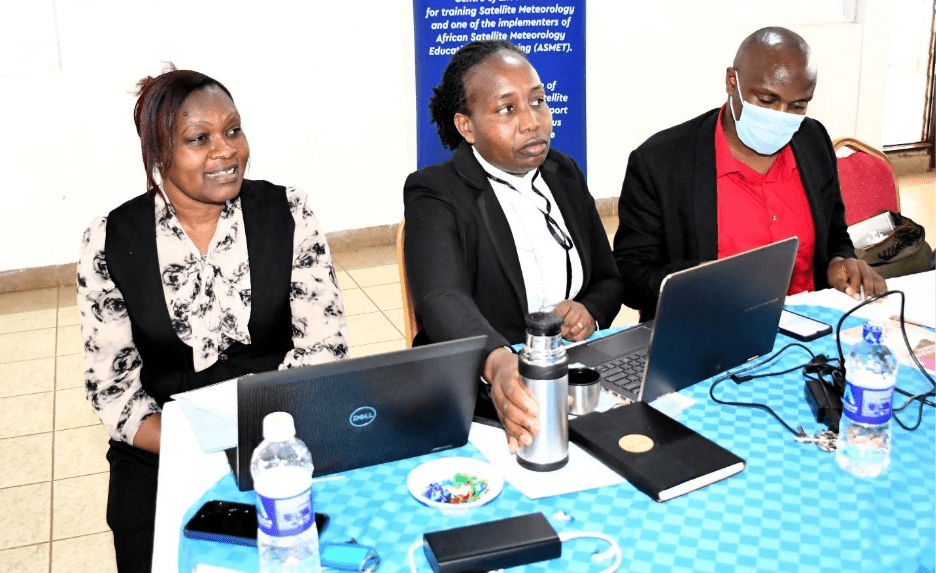
KMD staff providing technical backstopping during the media training
The discussion then shifted to communication challenges, focusing on the interpretation of weather symbols and the misconceptions they can create. Participants examined strategies to counter misinformation and avoid sensationalism. As Bahati from the Kenya Meteorological Department (KMD) noted, “Misinformation spreads faster than a storm. Our job is to slow it down with facts.”
Judith Akolo from KBC emphasized the responsibility of the media in shaping public perception, stating, “Accuracy is not negotiable, but empathy is just as essential.”
The session concluded with a role-play exercise simulating an emergency weather reporting scenario. The exercise highlighted the complexity of balancing speed, accuracy, and compassion in crisis communication.
By the closing session, one truth stood out that communicating weather and climate information is not just about technical skill. It is also about translation, taking science and shaping it into stories that people can understand and act on.
KMD anchored us with their technical depth, KALRO reminded us of the farmer’s reality, and ICPAC offered the regional perspective. Through ECREA, these strengths come together—linking weather science to agriculture, media, and communities—and showing how partnerships can transform data into action and forecasts into trust. Ultimately, this collaboration ensures that farmers, the people at the heart of our work, benefit from the best of regional expertise working as one.
At its core, ECREA proves that when institutions pool their expertise—scientists, agricultural researchers, journalists, and communicators—the impact extends far beyond the training room. It reaches the farmer deciding when to plant, the journalist shaping tomorrow’s headline, and the community preparing for the season ahead. By investing in partnerships like these, donors are not just funding projects; they are fueling resilience and ensuring that climate services become tools of empowerment for those whose livelihoods depend on them most. As Wendy Keziah, a journalist with the Mt. Kenya Times, reminded us during the plenary: “We don’t just report on the weather—we give people a way to prepare, to act, and to hope.”
The team
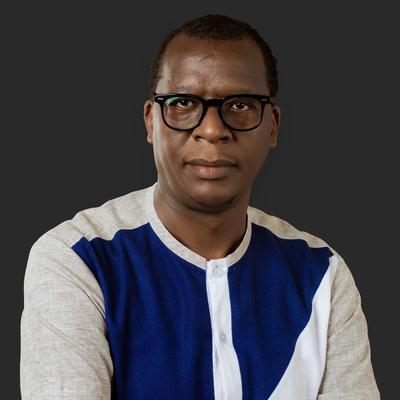
Desire Kagabo
Project Leader