From the Field Why better intelligence is key to strong agrifood partnerships
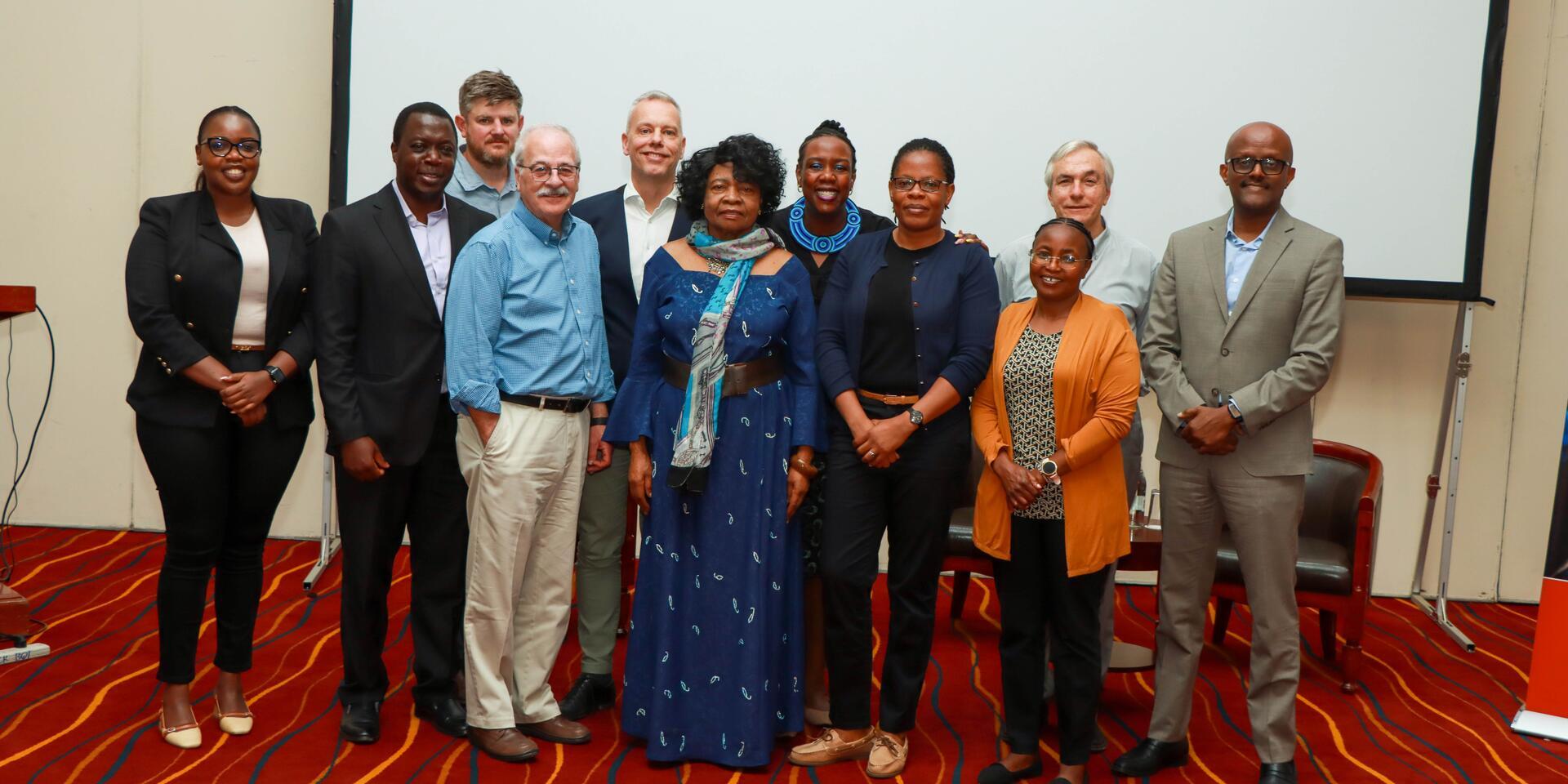
The Alliance of Bioversity International and CIAT, in collaboration with the University of Minnesota’s GEMS Informatics and the Gates Foundation, recently convened a series of events in Kenya and Ethiopia to introduce the Agrifood Innovation Intelligence (AFII) initiative.
Strong agrifood innovation depends on well-connected actors. Across Africa, public researchers and private-sector actors are continuously working on promising solutions, yet many opportunities to collaborate and scale impact are missed simply because it is difficult to see who is doing what.
To help bridge this gap, the Alliance of Bioversity International and CIAT, in collaboration with the University of Minnesota’s GEMS Informatics and the Gates Foundation, recently convened a series of events in Kenya and Ethiopia to introduce the Agrifood Innovation Intelligence (AFII) initiative.
AFII uses a machine-learning approach to provide a comprehensive, 360-degree view of private-sector agrifood actors and their innovative activities. By turning complex data into practical insights, the platform is designed to support research, partnership, and scaling decisions for public research institutions, national agricultural research systems, and private-sector stakeholders.
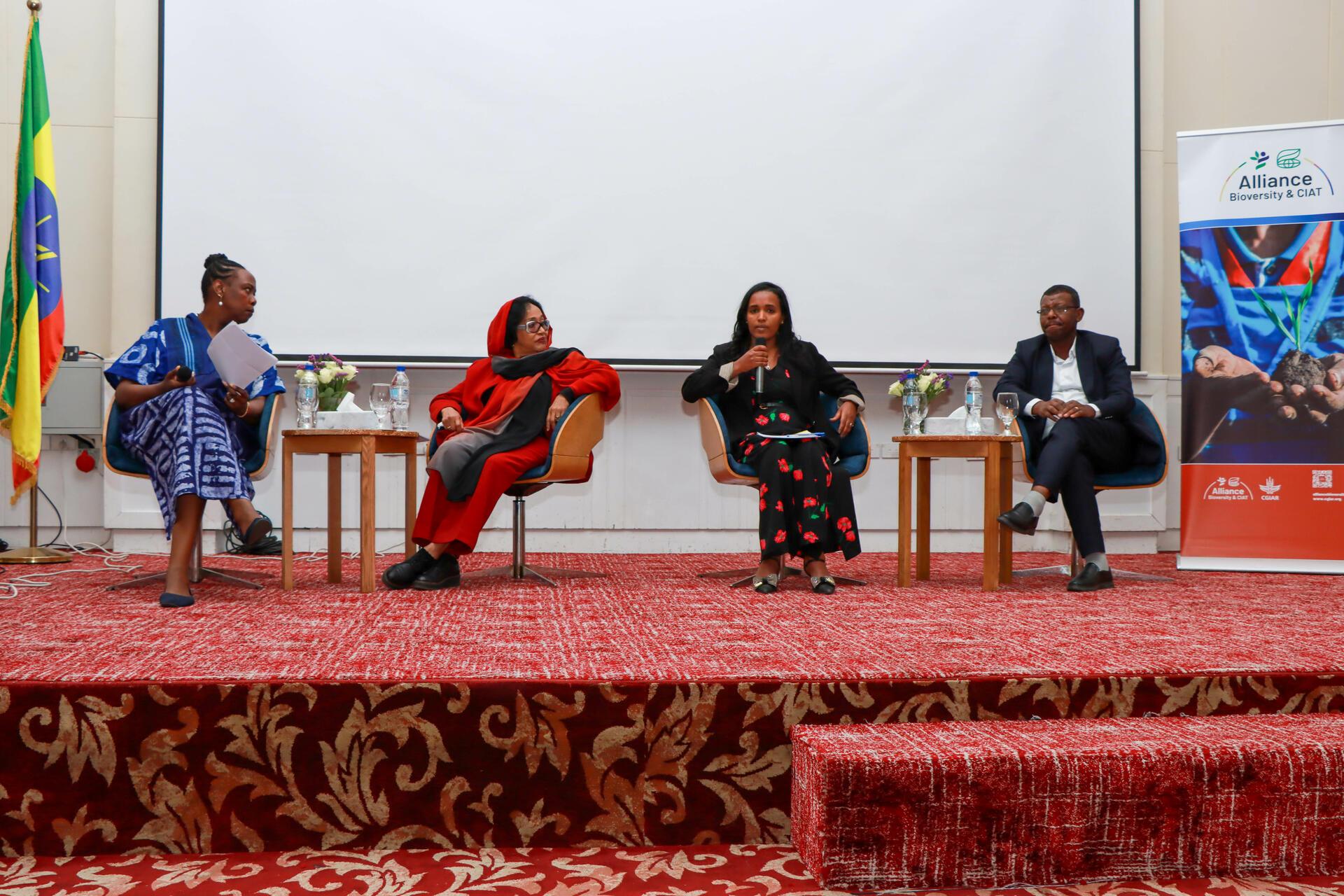
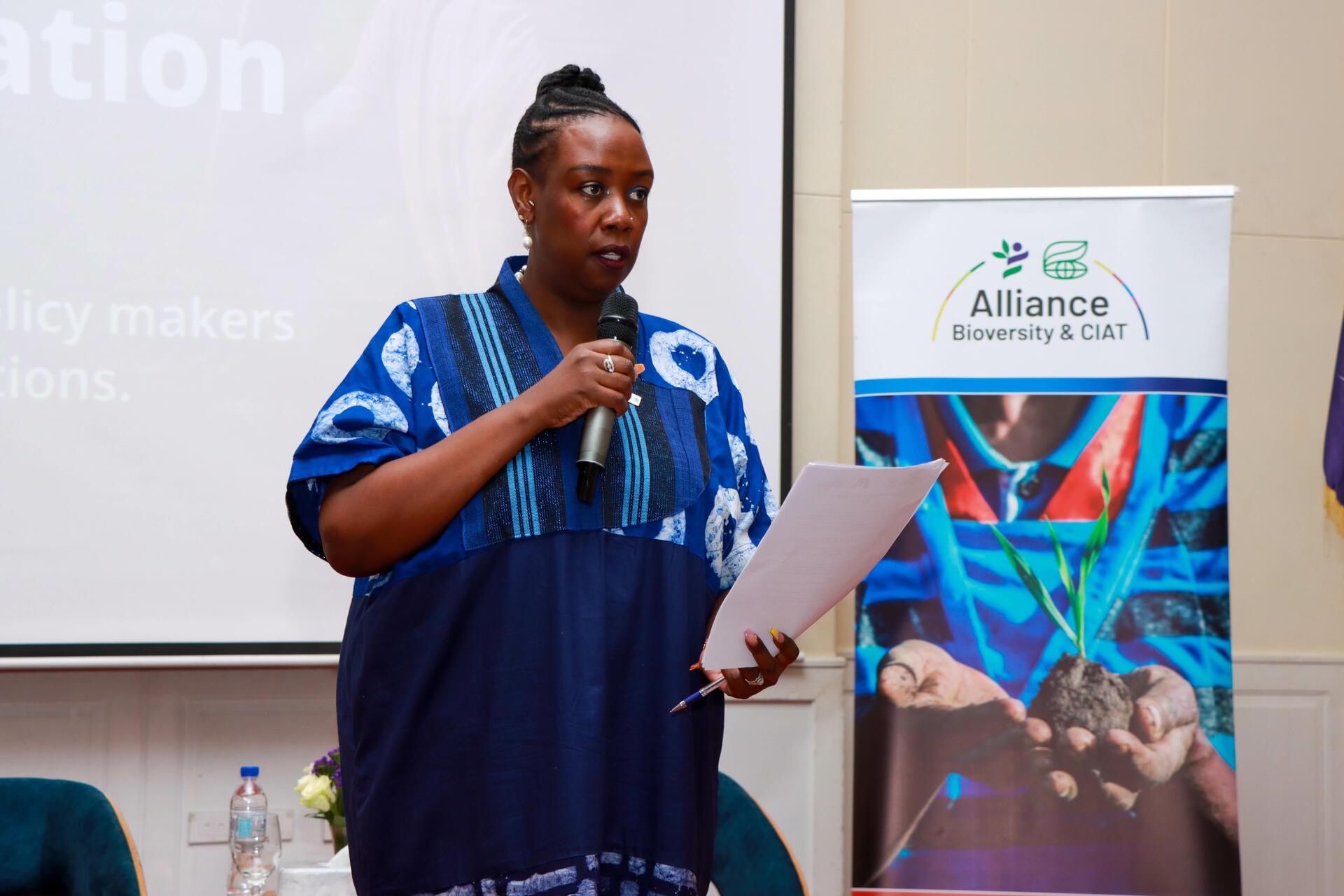
In Kenya, the event brought together stakeholders from government, development sector, private sector, research institutions and multilateral stakeholders.
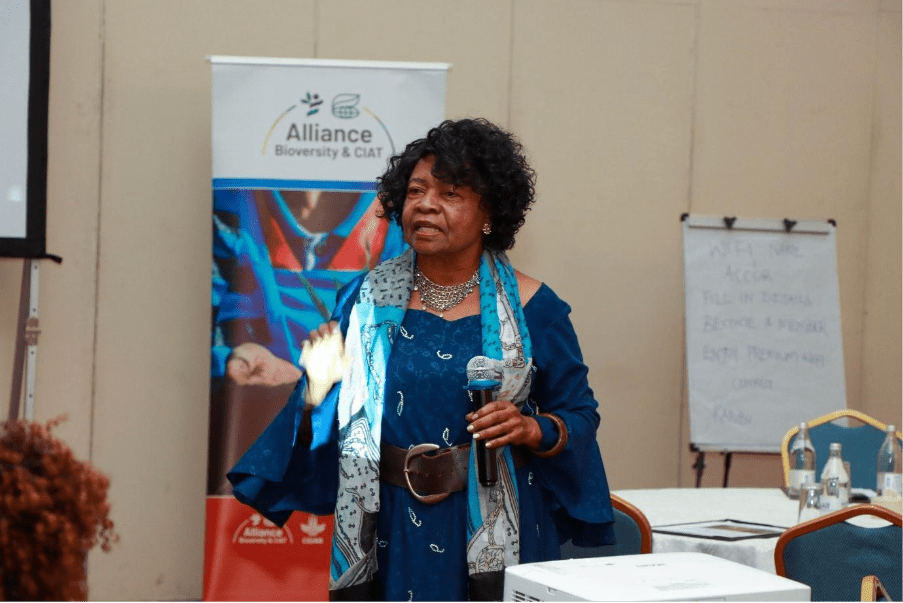
In her keynote address, Prof. Ruth Oniango, Editor in Chief and Founder, African Journal of Food, Agriculture, Nutrition and Development (AJFAND), called for partnerships in ensuring technology trickles down to the lowest levels. She sited use of mobile money for money transactions as a technology that has evolved and become part and parcel of business including in the food systems sector.
"We are currently talking about artificial intelligence while even basic mobile money is still not accessible among some rural women," she said, adding, “Yet it is these women who largely work in the farms and feed Africa."
She called on stakeholders to invent solution-based technologies that would not only be useful towards the food systems sector, but also create employment, especially among the youth who form the bulk of Africa population.
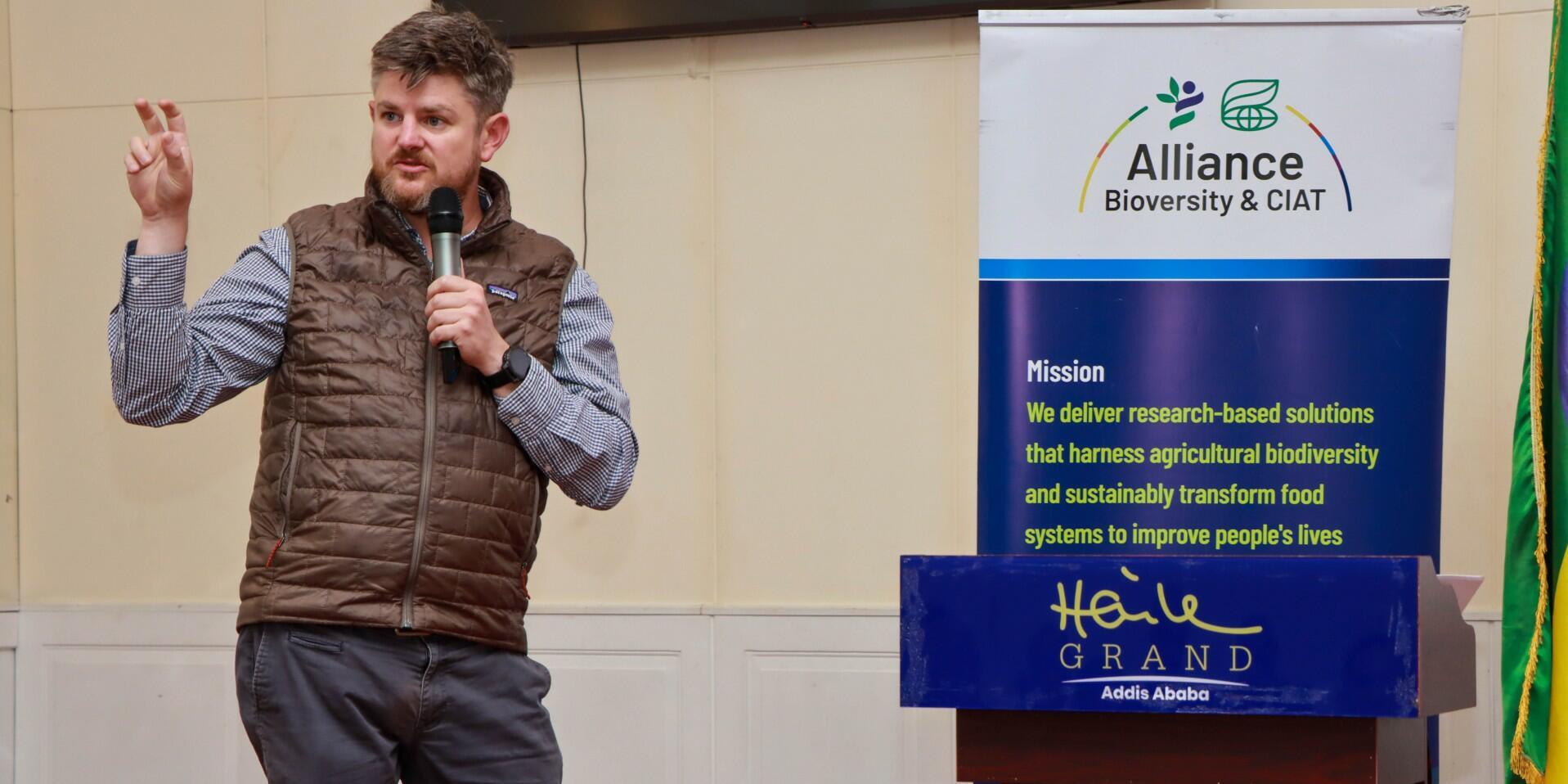
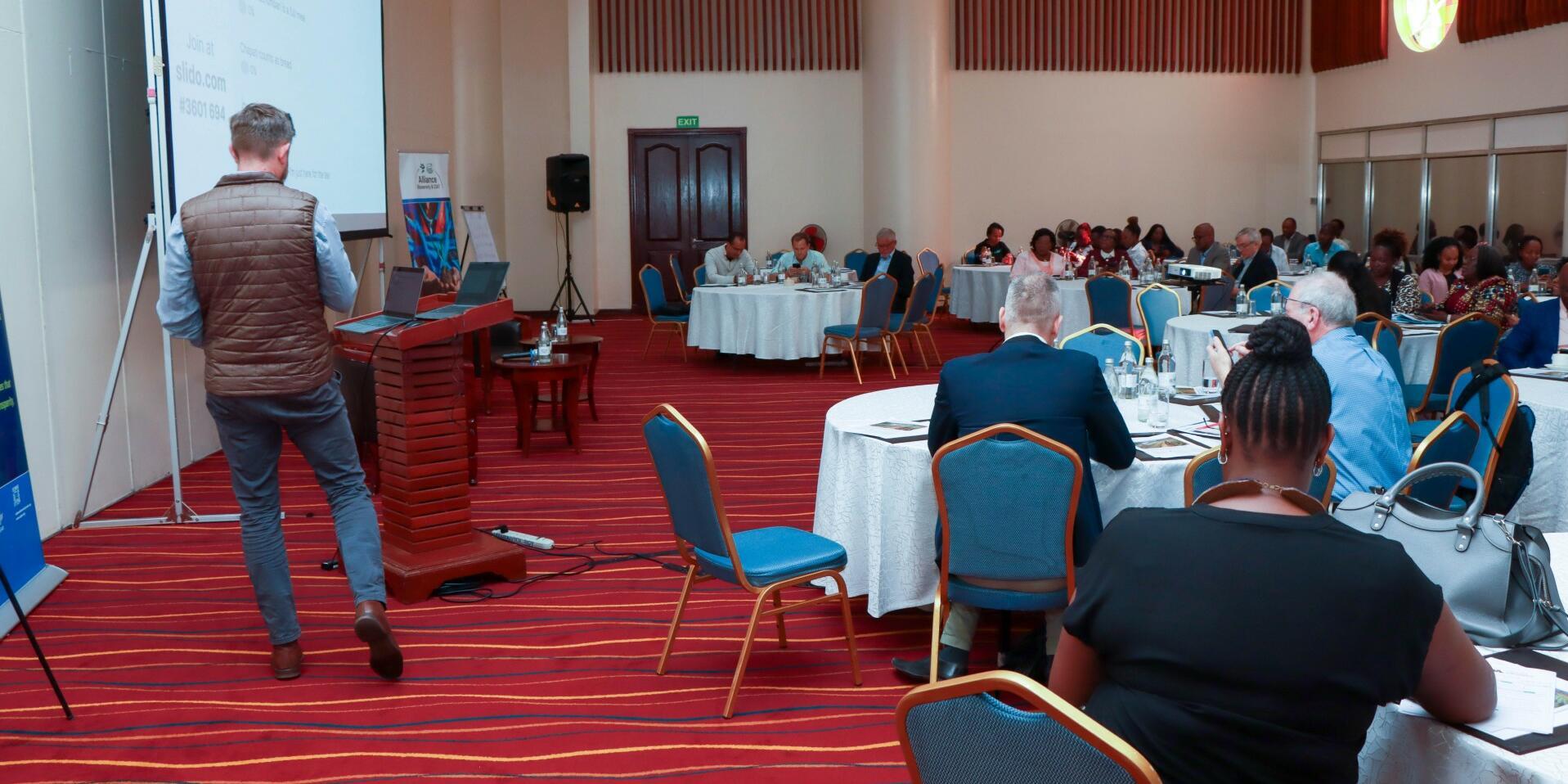
Dr. Jan Greyling, Senior Lecturer from the University of Stellenbosch and a GEMS Informatics Researcher noted that innovation efforts often fail when they become overly fixated on tools rather than outcomes. While advanced technologies such as AI are powerful, he noted, the can only be useful when applied deliberately and grounded in real-world needs.
“We don’t need to understand exactly how large language models work. What matters is whether the system helps solve a real problem,” he said.
By combining manual research with AI-enabled workflows that access public data and verified sources, AFII system captures detailed company profiles, technologies, products, and relationships. The goal, Dr. Greyling explained, is not just to collect data, but to understand how companies fit together within ecosystems, value chains, and markets, while continuously refining classifications as new information is added:
“This is about enabling people to find each other more intelligently, doing meaningful searches and making evidence-based partnership decisions.”
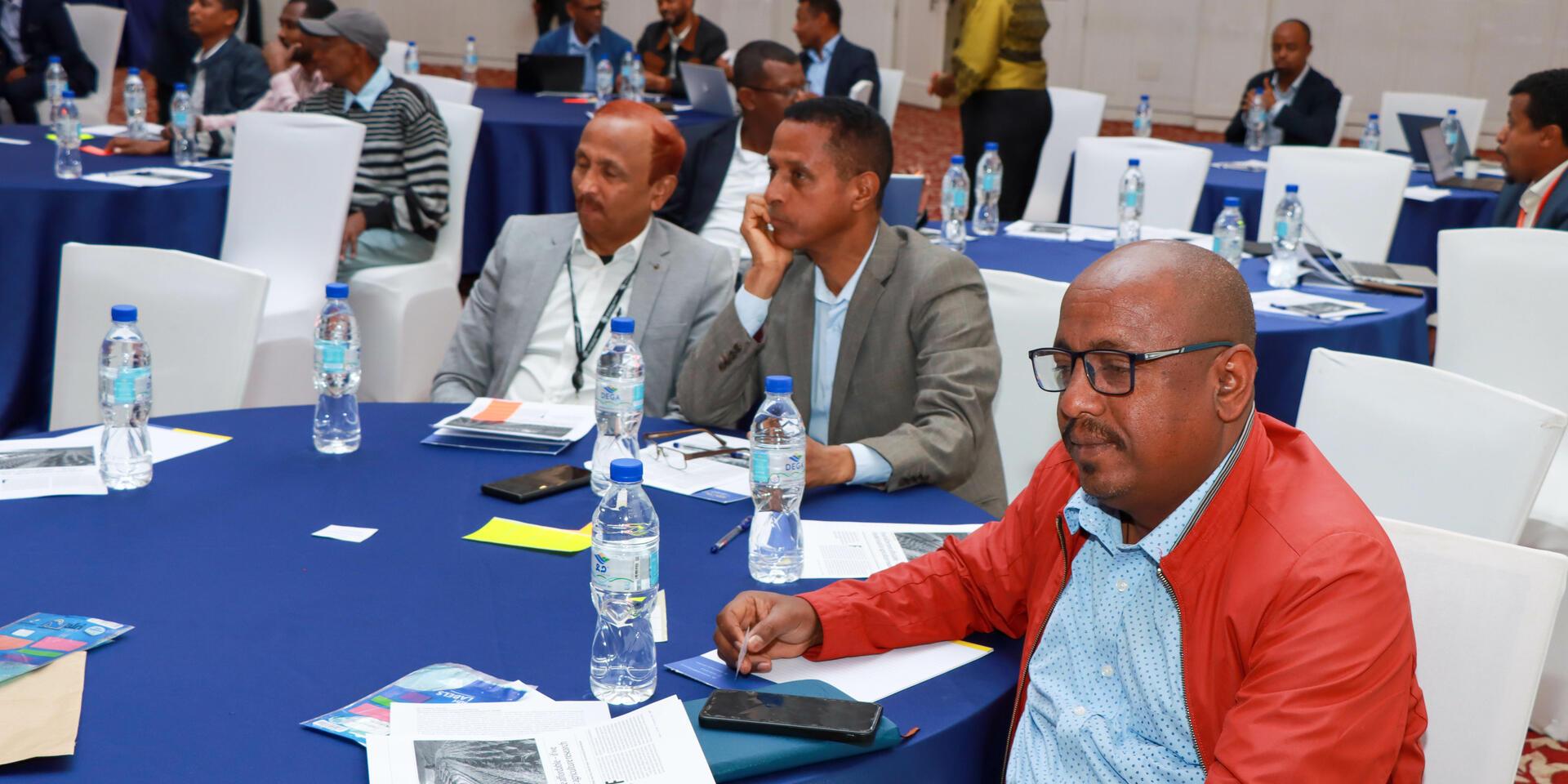
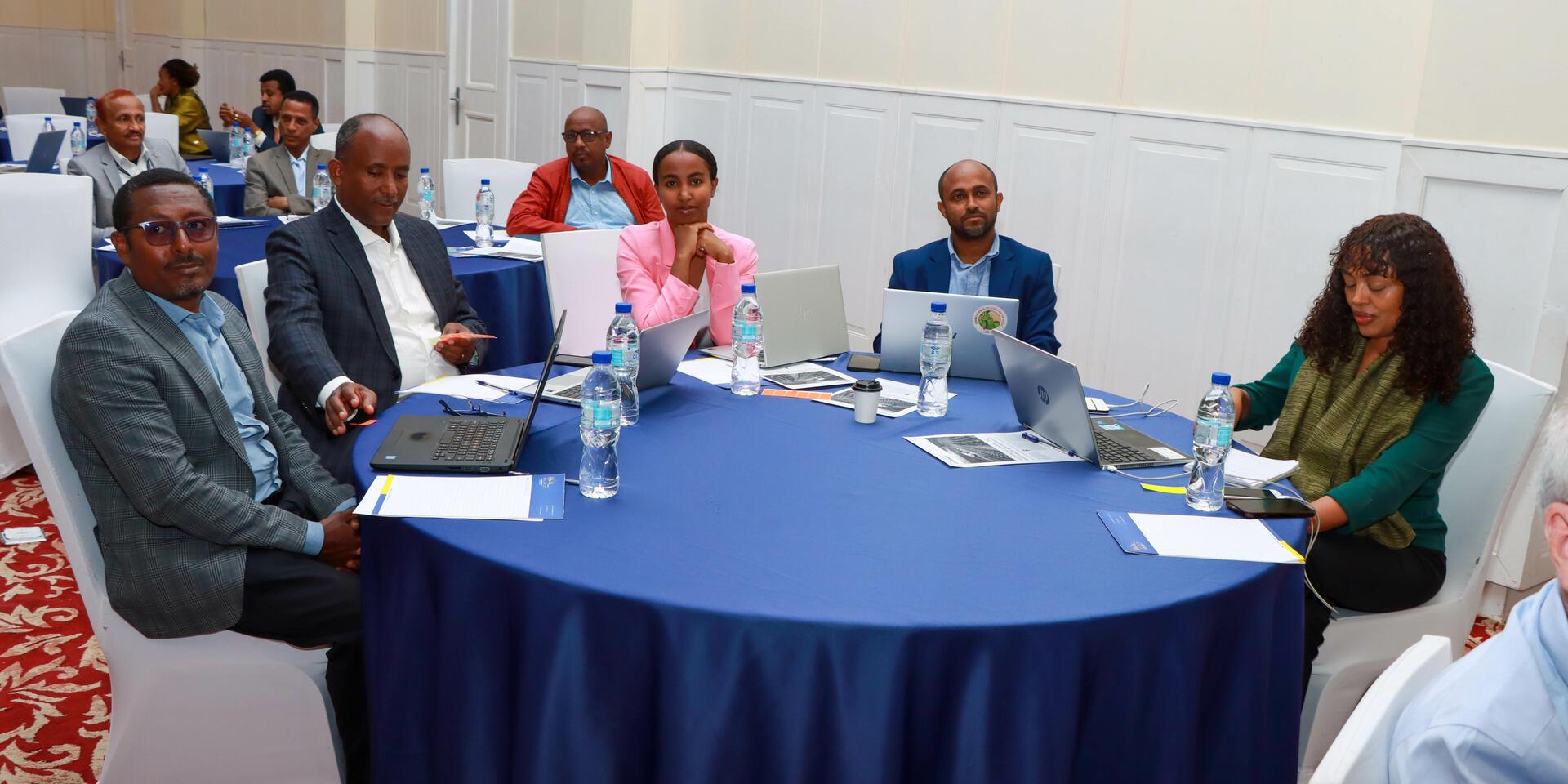
The events offered participants a chance to interact directly with a live AFII prototype featuring up-to-date data from Kenya and Ethiopia. More importantly, they created space for dialogue and feedback to ensure the tool reflects real-world needs and supports meaningful collaboration. Rather than presenting a finished product, the sessions are designed as opportunities to co-create and learn together.
By bringing together CGIAR scientists, national research institutions, universities, and agrifood companies, the events aimed to strengthen connections across the agrifood ecosystem and spark conversations around future research, commercialization, and scaling partnerships.
The events in Nairobi and Addis Ababa were designed to deliver a clear understanding of user needs for private-sector intelligence, generate targeted feedback to strengthen the prototype’s relevance and usability for CGIAR, NARS, and private-sector stakeholders, and foster stronger connections for research, partnership, and scaling collaborations. Together, these outcomes will also lay the groundwork for expanding the AFII approach to other countries and regions
As interest grows in more evidence-driven approaches to collaboration, these events mark an important step toward building shared understanding and stronger partnerships that can accelerate agrifood innovation across the region.