Blog Three steps for climate-ready investment across Africa
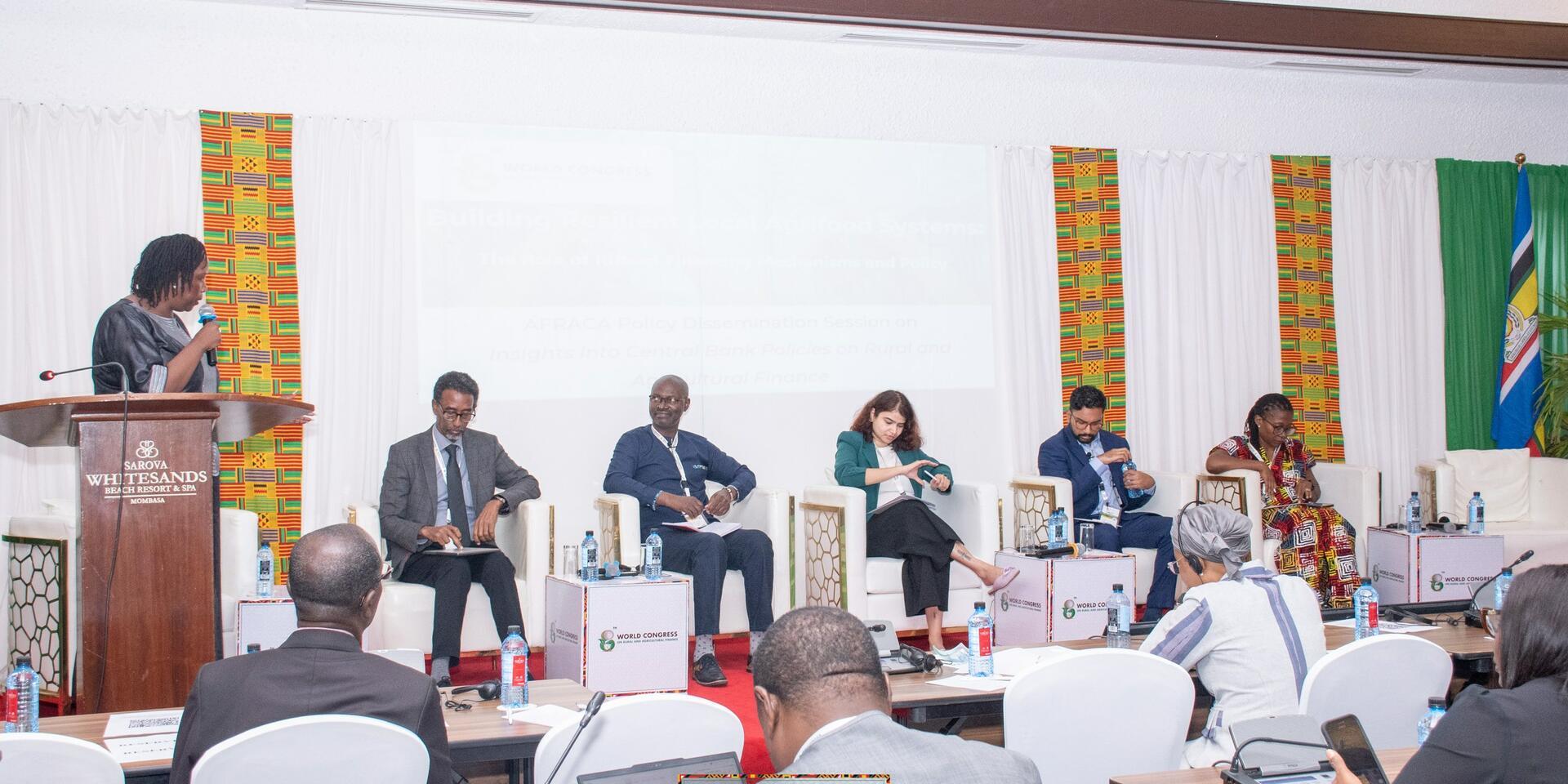

Across Africa, financial institutions are learning that accessing climate finance is not just about securing funds, but readiness, innovation, and inclusion. Through science-based tools and partnerships, the Alliance pf Bioversity and CIAT is helping financial institutions and development actors integrate climate intelligence into real-world decisions that reach farmers and strengthen food systems.
As climate impacts intensify across Africa’s food systems, financial institutions face a new reality. The challenge is not just raising funds for adaptation but using them effectively. Billions of US dollars in international climate finance exist, yet far too little reaches the local banks, cooperatives, and small enterprises that drive agricultural resilience. As Dr. Wanjiru Kamau-Rutenberg of the Alliance explains,
“Through our collaboration with AFRACA and over a dozen financial institutions across Africa, The Alliance of Bioversity and CIAT has been working to understand and address the delivery bottlenecks. What we’ve learned is that success depends on action at three levels: institutional access, innovations around climate and finance, and user-centered delivery.”

Wanjiru Kamau-Rutenberg
Managing Director, Africa, and Trustee, Bioversity International USAThis gap is what the Alliance and the African Rural and Agricultural Credit Association (AFRACA) are working to close. Together, they are helping financial institutions connect climate intelligence, data, design, and diagnostics to the real-world systems of lending and investment. The goal is to make finance climate-smart not in name, but in function.
The collaboration is anchored around three critical levels of transformation. Each level addressing a different, but deeply connected, bottleneck in how climate finance is delivered and felt.
- building institutional readiness,
- redesigning financial products, and
- ensuring last-mile inclusion.
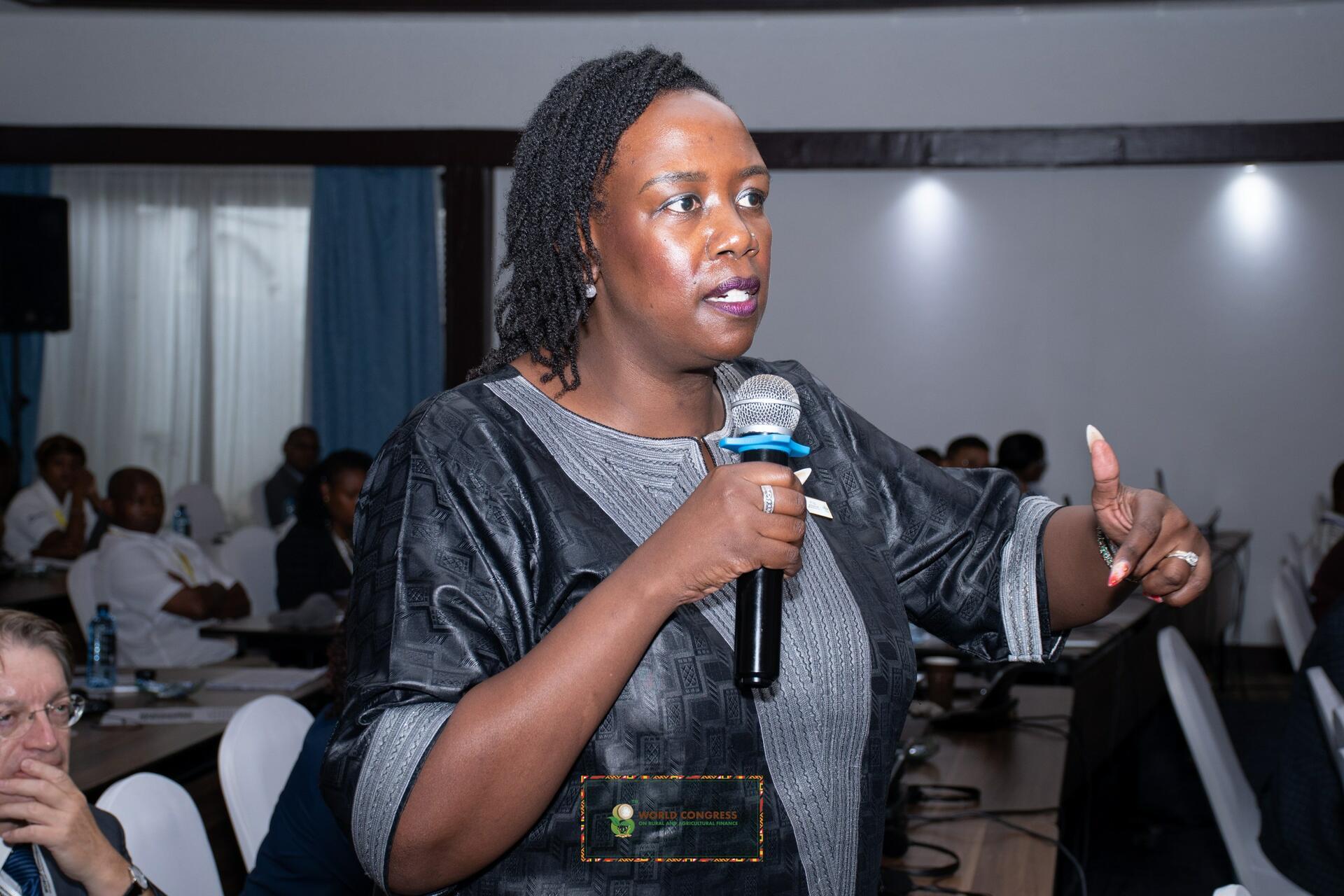
Dr. Wanjiru Kamau-Rutenberg
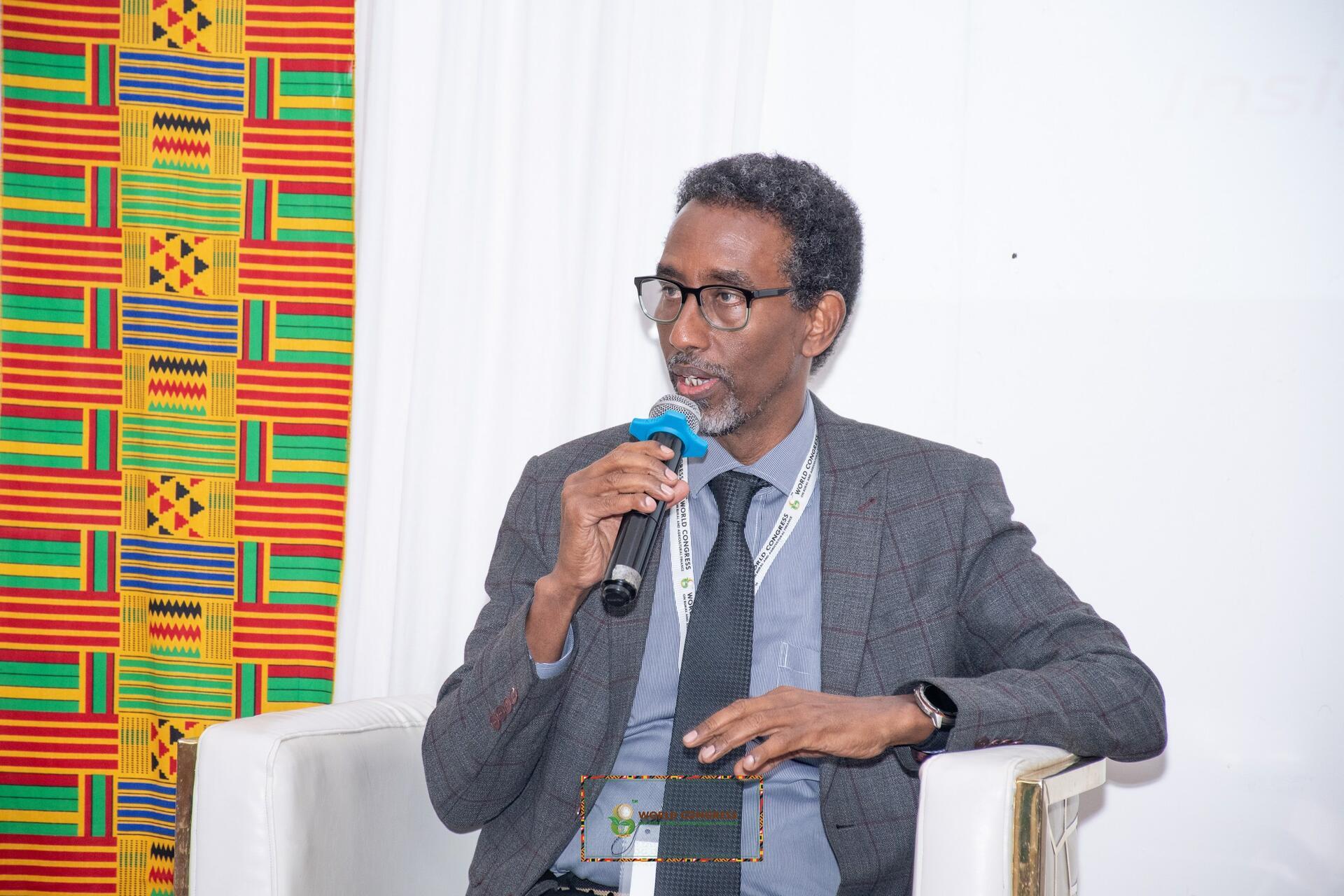
Dr. Hassan Ibrahim Bashir of the African Development Bank (AfDB).
Level 1: Institutional readiness
For many financial institutions, climate finance remains just out of reach. Not because they lack interest, but because they are not yet structurally equipped to meet the stringent requirements of international climate finance mechanisms.
As Dr. Hassan Ibrahim Bashir of the African Development Bank (AfDB) observed, institutions often secure financing before identifying where and how it can be deployed.
“We bring in money into the accounts before we know what to do with it. Begin from the grassroots, do your assessments before you go looking for money,” he said, reflecting on how uncoordinated access can undermine impact. The solution, he argued, lies in reversing that sequence: start with needs, not with money.
This shift is now taking shape across Africa. Financial institutions are embracing readiness assessments, using evidence-based diagnostics to align their systems with global climate funds. The Alliance supports this process through structured tools that help banks and DFIs conduct institutional self-assessments, identify gaps, and develop climate rationales that meet international finance standards.
Partners like the Global Green Growth Institute (GGGI) are also helping bridge readiness and implementation.
GGGI works with governments and financial institutions to strengthen project preparation pipelines, link national policies to investment frameworks, and align operations with global funds such as the Green Climate Fund. As Sidonie Kouam from GGGI emphasized, readiness means having the right systems in place, from risk assessment to monitoring, to ensure funds are not just accessed, but absorbed and deployed effectively.
In Kenya, the Agricultural Finance Corporation (AFC) is applying this thinking to revisit its national Agricultural Credit Facility through a climate lens.
“We are on a learning curve, and through a program that AFRACA supported us, we are actually engaging with the Alliance to just formulate afresh and look at what is it that we need to incorporate in maybe in our product design, in our product credit appraisal mechanism,” said Akeno Tom Okeyo, noting that AFC is now embedding climate considerations into its lending strategies, governance systems, and institutional culture.
This process, guided by AFRACA and the Alliance, is helping national institutions move from policy intent to operational readiness.
The takeaway across institutions is clear: readiness is not a box to tick; it is an evolution of how finance thinks.
Level 2: Product innovation: Designing finance with climate logic
Even when institutions secure funding resources, many still face difficulties turning these resources into lending products that genuinely build resilience for farmers and agribusinesses. Too often, lending portfolios treat climate risk as an externality rather than a core component of product design. This is precisely where science is shifting the landscape, bringing data, evidence, and decision-support tools that make climate-smart finance both practical and scalable.
According to Shalika Vyas from the Alliance,
“Data and analytics make climate risk visible and actionable, since they shift decisions from intuition to evidence.”
This approach is central to the Alliance’s work on climate intelligence for finance, which uses spatial data, vulnerability mapping, and behavioral analytics to help financial institutions redesign products that are both profitable and resilient.
One of the tools leading this shift is the Africa Adaptation Atlas, developed by the Alliance. The Atlas integrates data on climate hazards, exposure, and socio-economic vulnerability to build detailed climate rationales. When used by banks and investment facilities, it helps them identify where risk is highest, which sectors are most exposed, and how financial products can be tailored to these realities. Vyas highlights,
"This is a data platform that really brings different layers of climate intelligence, for example, from hazards like drought, flood, water logging to exposure in terms of populations affected, value of production exposed to different types of climate risk and vulnerability, and it can also help different financial institutions actually create climate rationale for their project proposals."


Complementing this is the Climate Credit Scoring Tool, which integrates climate and weather data directly into credit models. By factoring in localized climate patterns, drought frequency, rainfall variability, or flood risk, lenders can set more accurate terms and safeguards, reducing default risk while rewarding climate-smart practices.
The Climate Policy Initiative (CPI), represented by Harsha Vishnumolakala, shared how such innovations are shaping global investment design. CPI works to map climate finance flows, create blended finance mechanisms, and help agribusinesses articulate the value of adaptation in investor terms. Through the Global Innovation Lab for Climate Finance, CPI has helped design instruments such as produce-linked collateral systems and satellite-based credit scoring for agri-lenders.
An example comes from Uganda, where Zamata (an agritech enterprise supported by CPI) combines satellite data with digital lending to offer climate-informed credit to smallholder farmers. The model provides evidence that when climate intelligence is built into product logic, finance becomes both more inclusive and more resilient.
The lesson is consistent across cases: science can be the bridge between strategy and operations, making complex data usable for decision-makers shaping climate-smart lending portfolios.
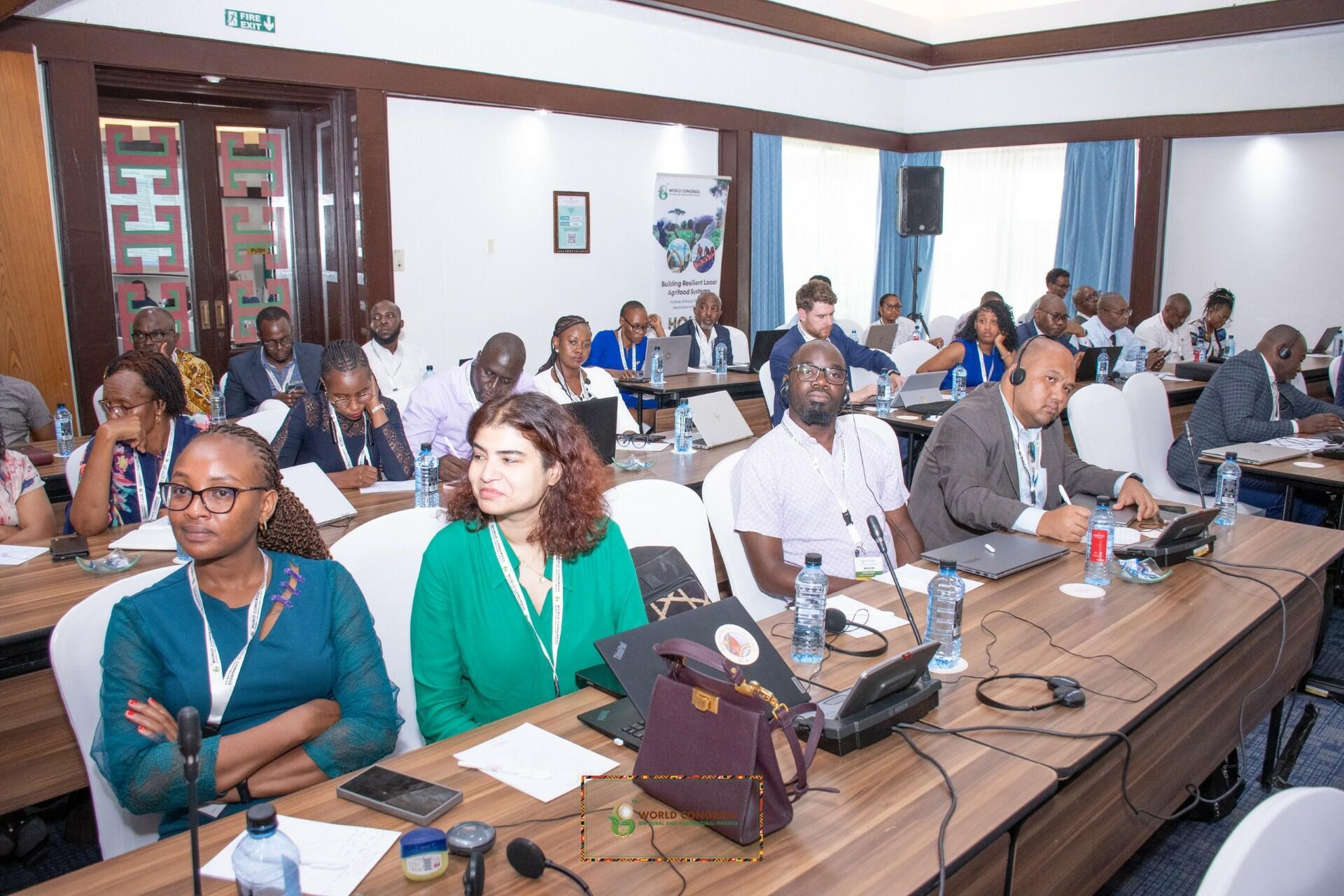
Level 3: Last mile: designing finance for people
Even well-designed financial products can fail if they never reach the people they’re meant to serve. This “last-mile gap” remains one of the most persistent challenges in climate finance. It is not a matter of scale, but of design.
As the discussions emphasized, inclusion must be built into delivery systems but not treated as a social afterthought. Gender, youth, and behavioral dynamics are central to how finance is understood and used on the ground.
The African Development Bank has placed this at the core of its gender strategy, structured around three pillars:
- empowering women through market access,
- enhancing employability through skills, and
- expanding access through gender-responsive infrastructure.
According to Dr. Bashir, even the strongest project designs can falter if they ignore cultural realities.
“Projects fail when implementation doesn’t match community norms,” he cautioned, urging institutions to adapt delivery models to local contexts.
The Climate Policy Initiative’s work on gender bonds offers a complementary perspective. Through pilots led by organizations such as the Grameen Foundation, CPI has shown that practical design features, like hiring more female loan officers or aligning service hours with women’s schedules, can significantly increase access and repayment rates. Similarly, participatory approaches such as demonstration plots for women farmers build both trust and visibility, turning inclusion into measurable performance.
The Alliance’s MELIA (Monitoring, Evaluation, Learning, and Impact Assessment) framework supports these initiatives by tracking behavioral outcomes, adaptation actions, and gendered impacts of financial interventions. These feedback loops ensure that learning is continuous and that products evolve as the user needs change.
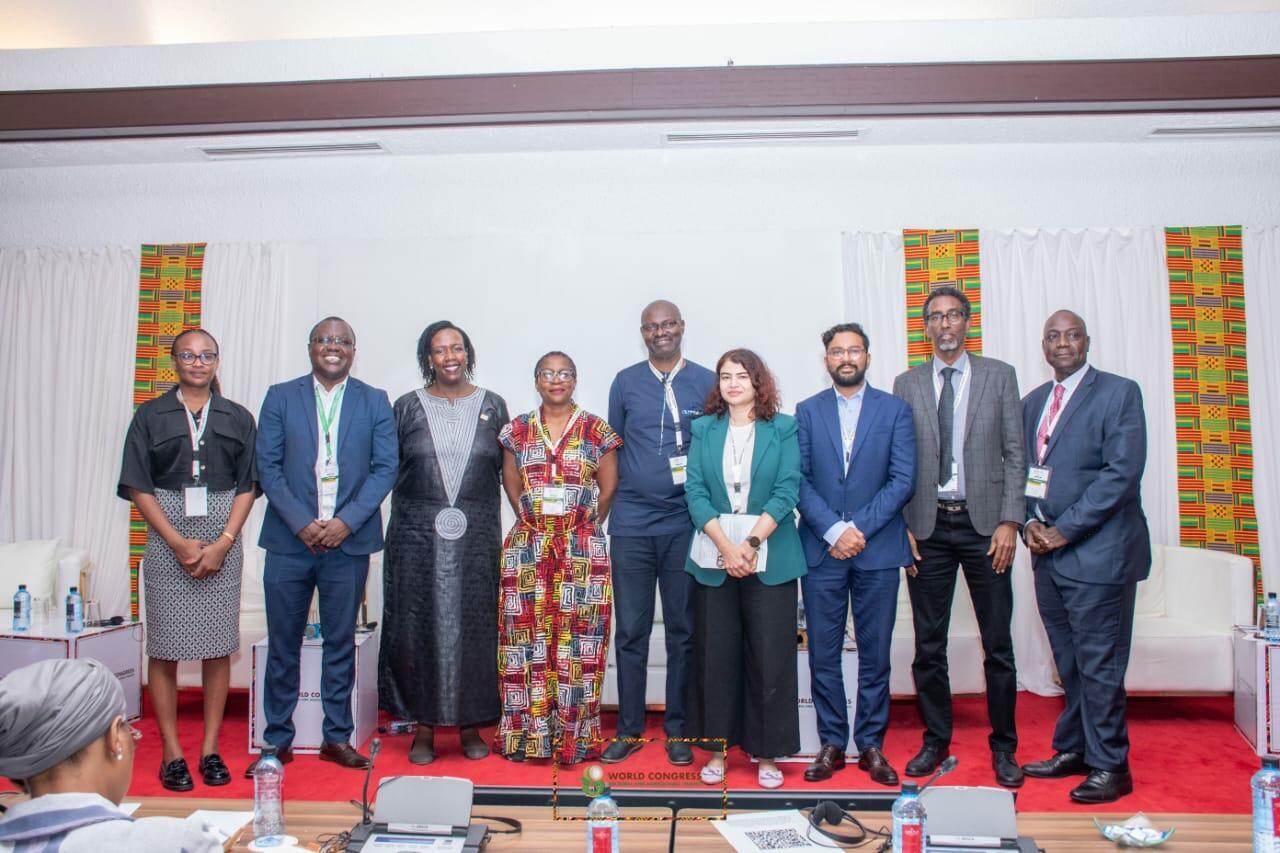
Embedding resilience and inclusion in finance
Ultimately, inclusion is not only about equity but also effectiveness. Finance works better when it understands and reflects the realities of the people it serves.
Across these three levels, readiness, innovation, and inclusion; a clear pattern emerges. Institutions are learning that climate finance is not just about accessing capital; it is about aligning systems, data, and delivery models so that capital leads to real resilience.
Through partnerships between the Alliance, AFRACA, and organizations like AfDB, GGGI, CPI, and AFC, science and finance are beginning to move in step. Together, they are building the foundations of a financial system that can not only manage risk but also anticipate and adapt to it.
In this evolving landscape, climate intelligence is no longer a niche technical field since it is becoming the backbone of sustainable finance. And as African institutions strengthen their readiness, redesign their products, and reach deeper into communities, they are demonstrating that climate resilience is not just an environmental goal; it is a financial one. When climate science meets finance, the result is not only better data but also better decisions, better products, and a better future for those who depend on them.