From the Field How a bean farmer becomes bankable: Connecting demand, markets and investment
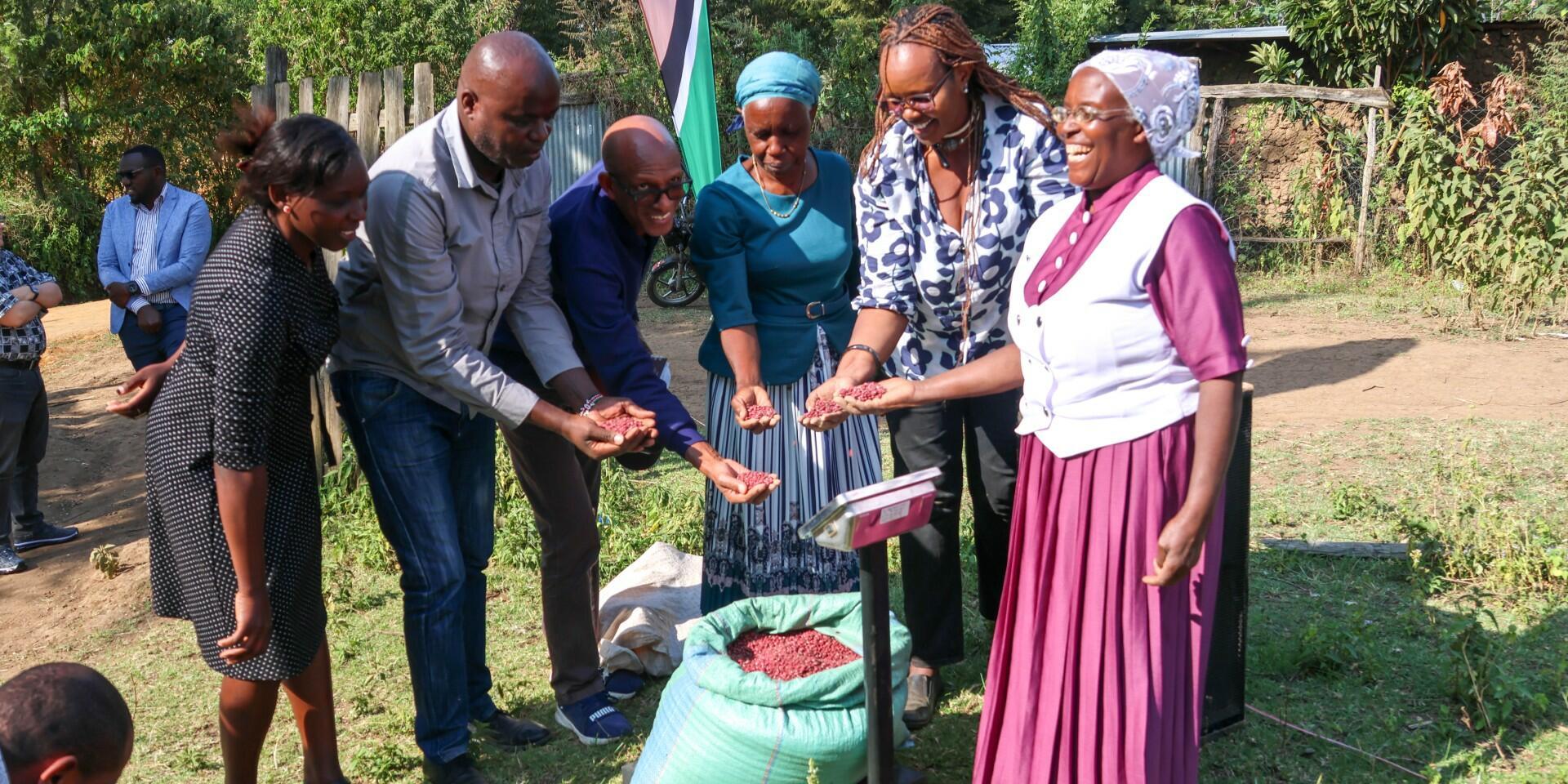

PABRA’s commodity corridor approach connects bean research and seed systems with markets, off-takers, businesses and finance, creating opportunities for farmers and investment across the value chain.
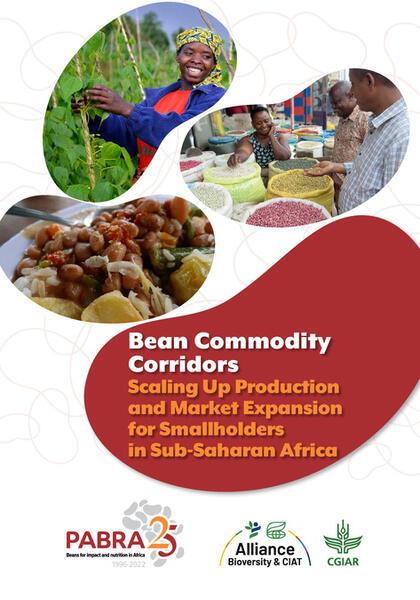
For a bean variety to create value, producing it is only one part of the equation as farmers also need access to seed of varieties that respond to consumer demand, markets for what they produce, off-takers ready to buy it, businesses that can process it and, often, finance to invest in the next production cycle. Bringing those different parts of the value chain together is the thinking behind PABRA’s commodity corridor approach, which is a demand-led system that connects consumer demand and markets with breeding, seed systems, production and the businesses and services that move beans from farms to consumers.
In Rwanda, Bank Popular du Rwadma (BPR) offers an interesting example of what can become possible when those commercial relationships are in place. The bank works with companies that source raw materials from small-scale farmers and looks at the existing relationship between the farmer and the off-taker, including the quantities supplied. That relationship can then be used to extend working capital to farmers, with the off-take serving as security and no additional collateral required. A similar approach is being used in the rice value chain, where millers act as anchors for financing to cooperatives and small-scale farmers supplying them.
The example speaks to a much bigger question for agricultural research: what needs to happen around an improved variety for it to create economic opportunities beyond the farm?
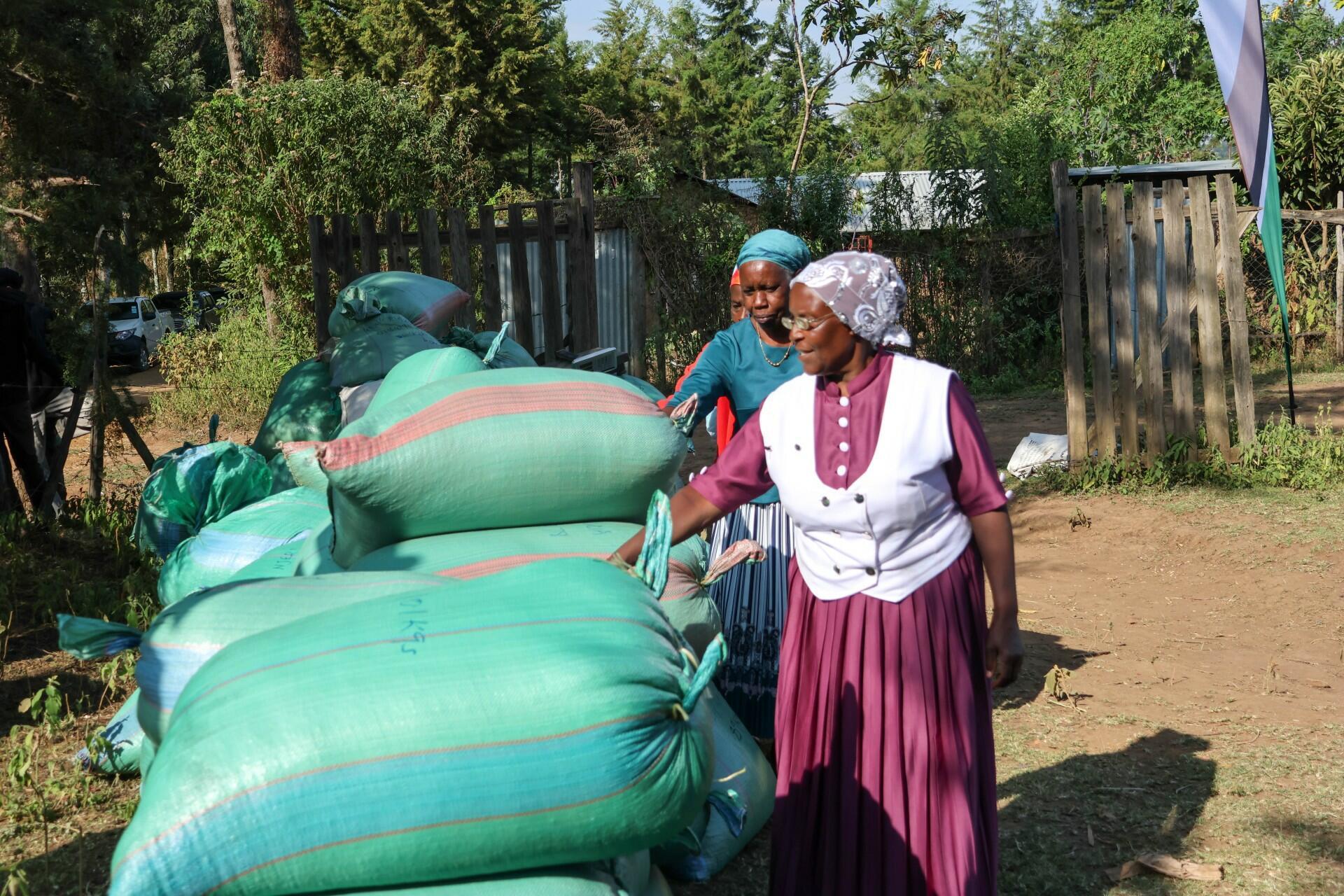
From consumer demand back to the farm
Eliud Birachi, who leads PABRA’s work on markets and business development, traced the commodity corridor approach back roughly 12 to 15 years, when PABRA began introducing more market-led approaches into a programme that had started primarily as a breeding network. Bean value chains were fragmented, with weak connections between the different actors involved in research, production and markets and thus, the response was to build a system that could connect market and consumer demand back to work happening in breeding and seed systems.
PABRA has since mapped about ten commodity corridors across different parts of Africa, organised around different bean market classes and the markets they serve. Rather than viewing breeding, seed delivery, production, processing and markets as separate stages, the corridor approach connects the actors across the value chain so that information about demand can travel in both directions.Demand-led breeding brings what farmers, consumers, traders and processors are looking for into decisions about the varieties being developed, while seed systems make those varieties available to farmers and off-takers provide a market for the grain they produce.
Processors, traders and service providers are also part of that value chain, from value addition and mechanization to irrigation and finance.
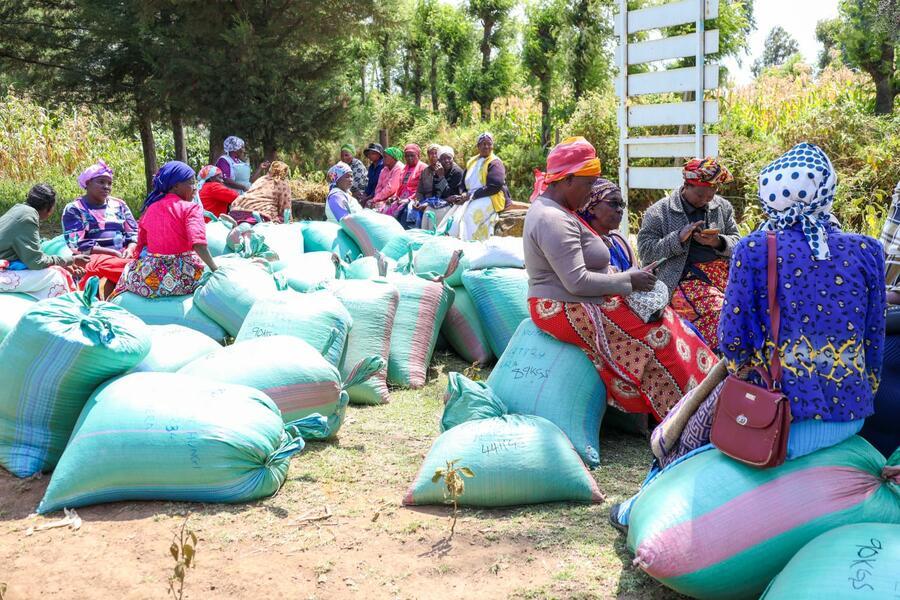
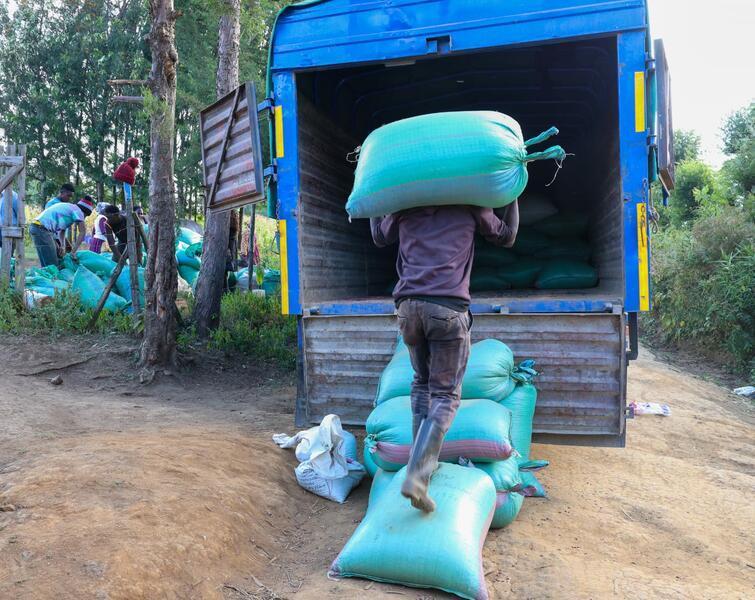
The experience of KALRO in Kenya illustrates that connection between research and markets. Through its collaboration with the Alliance and PABRA, KALRO has worked on bean breeding, capacity development and scaling improved varieties. It was noted during the session that adoption can move faster when grain traders and processors, the off-takers, are involved, because scaling is connected to a market for the resulting crop rather than ending with the release of a variety.
The same approach allows varieties and knowledge to move beyond national borders, and Rwanda, for example, has developed and released high-iron bean varieties through its national research system, some of which have subsequently been disseminated through the PABRA network and adopted in other East African countries. The corridor therefore connects more than physical movement of beans; it provides a way of linking research and seed systems to different production areas and markets.
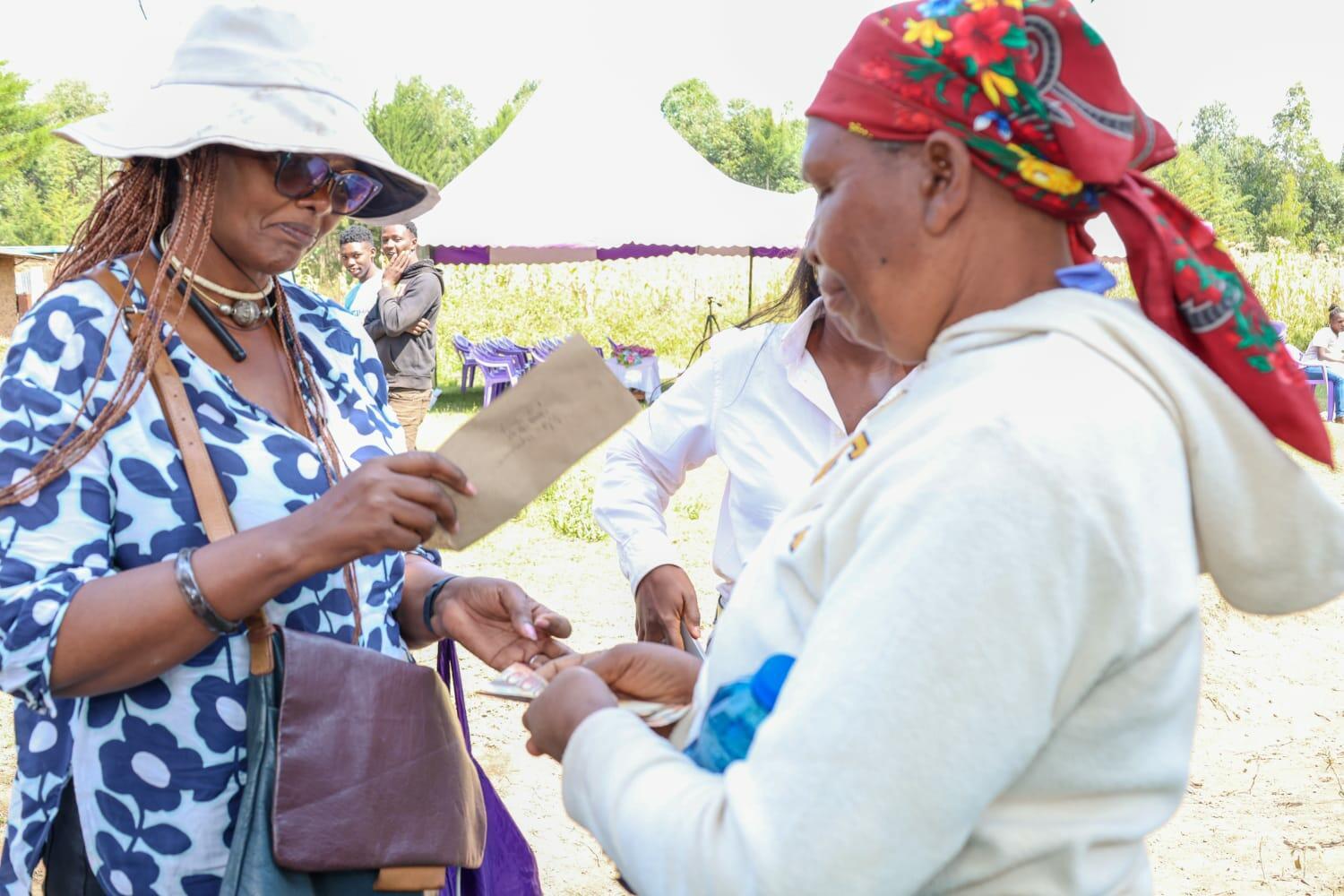
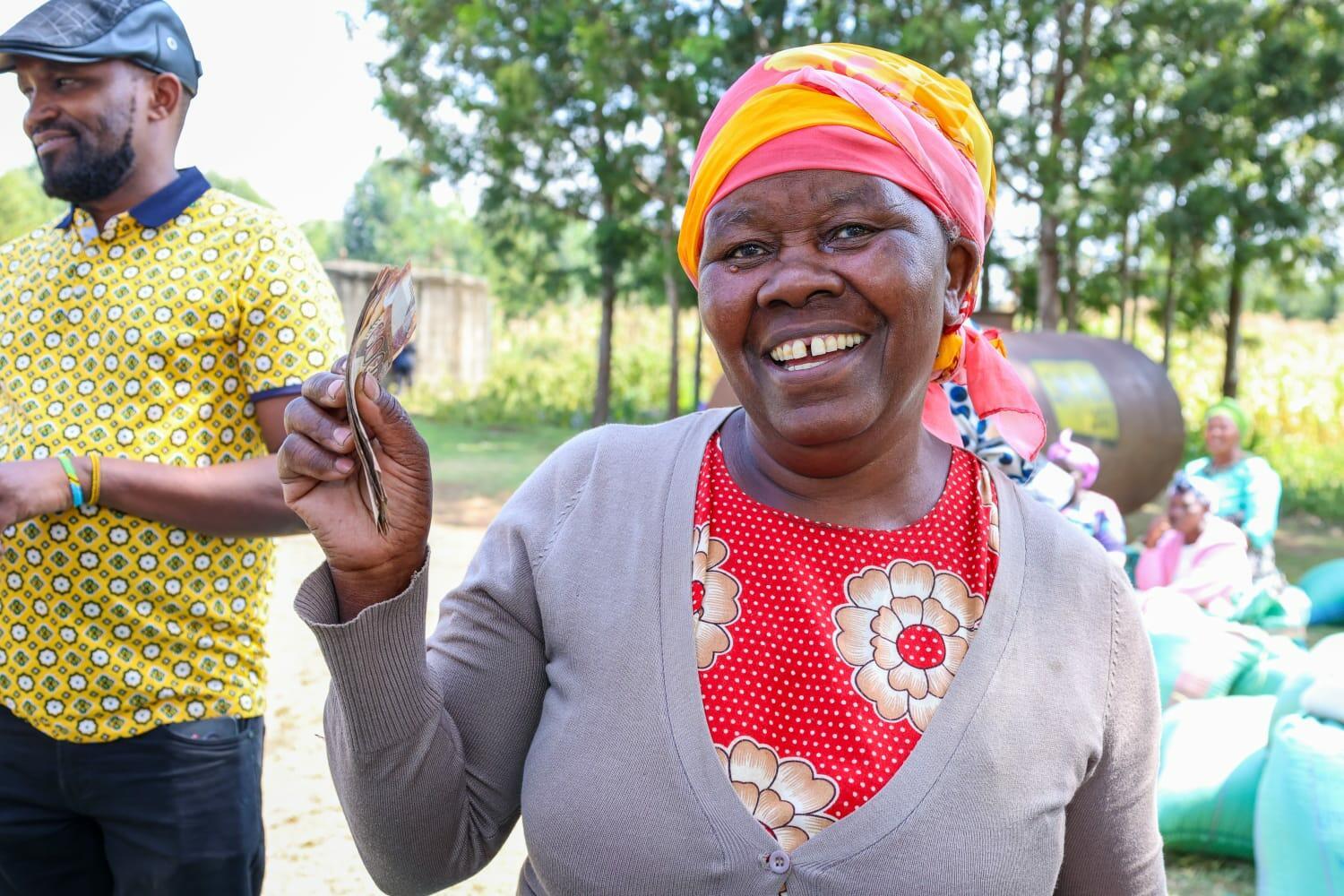
A value chain creates more than one kind of business
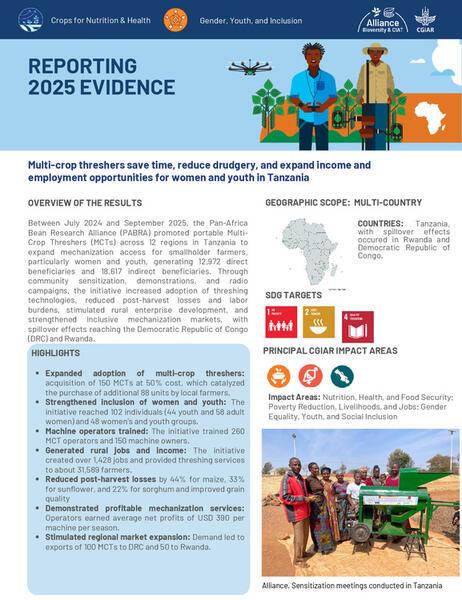
Once production is linked more deliberately to demand, other opportunities emerge around the crop. In Tanzania, Imara Tech provides locally developed mechanisation solutions for smallholder farmers, including services around activities such as threshing and shelling. These Multi-crop Threshers (MCT) don’t only reduce drugery but also create businesses and employment opportunities. With PABRA ‘partnership, the Imara Tech business has grown into an investment of around US$2 million from a few thousand in less than 10 years . Milele Agro-Processing in Malawi brings irrigation services into the value chain, while Rwanda’s Rainbow Health Foods processes high-iron beans into products serving schools, institutions and households.
Rainbow Health Foods identified limited grain supply, the cost of high-iron beans and side selling among its procurement challenges, even as partnerships with PABRA and the Rwanda Agriculture and Animal Resources Development Board have helped address some of these constraints. The demand may be there, but supplying it consistently requires investment across the value chain, including access to finance for farmers and businesses.
BPR Bank already has 60 billion Rwandan francs invested in agriculture, representing around 7% of its lending portfolio, and has set a target of increasing that share to 30% within five years. Its farmer-focused products include loans at interest rates as low as 8% per year, particularly targeting women and young farmers.
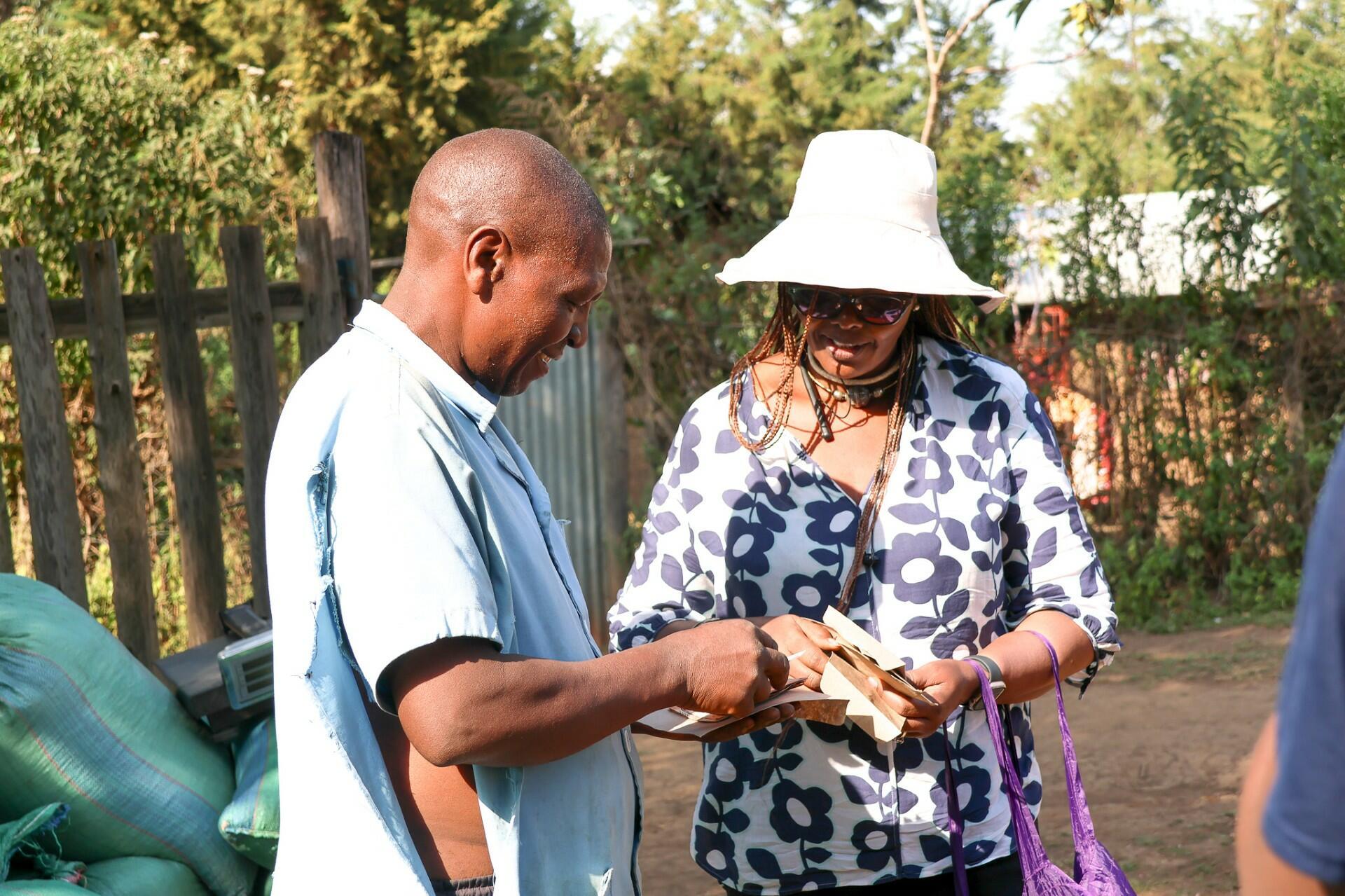
For small-scale farmers supplying established seed companies, BPR’s off-take-backed financing offers another way into that market. The bank can assess the quantities farmers are already supplying and extend working capital against that commercial relationship rather than requiring additional collateral. It is a practical illustration of why the relationships along a value chain matter: an off-taker is not only a buyer at the end of production; a reliable market relationship can also help unlock services farmers need to produce.
This is the wider story behind PABRA’s commodity corridors. Consumer demand helps inform demand-led breeding; breeding produces varieties for particular markets; seed systems get those varieties to farmers; off-takers create market opportunities; and businesses and service providers invest around production, processing, irrigation, mechanisation and finance. The corridor approach brings those actors into the same value chain rather than expecting each part to develop in isolation.
For agricultural research, that changes where the story of an improved variety ends. A variety reaching a farmer’s field is an important achievement, but the opportunity becomes much larger when that farmer is connected to a market that wants it, an off-taker prepared to buy it and a wider ecosystem prepared to invest around it. In Rwanda, a farmer’s relationship with an off-taker can even become part of the basis on which a bank is willing to lend. That is what an integrated value chain can begin to make possible.
The team
Jean Claude Rubyogo
Leader, Global Bean Program, and Director, Pan Africa Bean Research Alliance (PABRA)
Eliud Abucheli Birachi
Project Leader, Country Representative for Rwanda
Justus Ochieng
Project Leader
Warren Arinaitwe
Plant Pathologist