From the Field From awareness to action: How community-driven nutrition education is transforming diets in Kisumu’s informal settlements
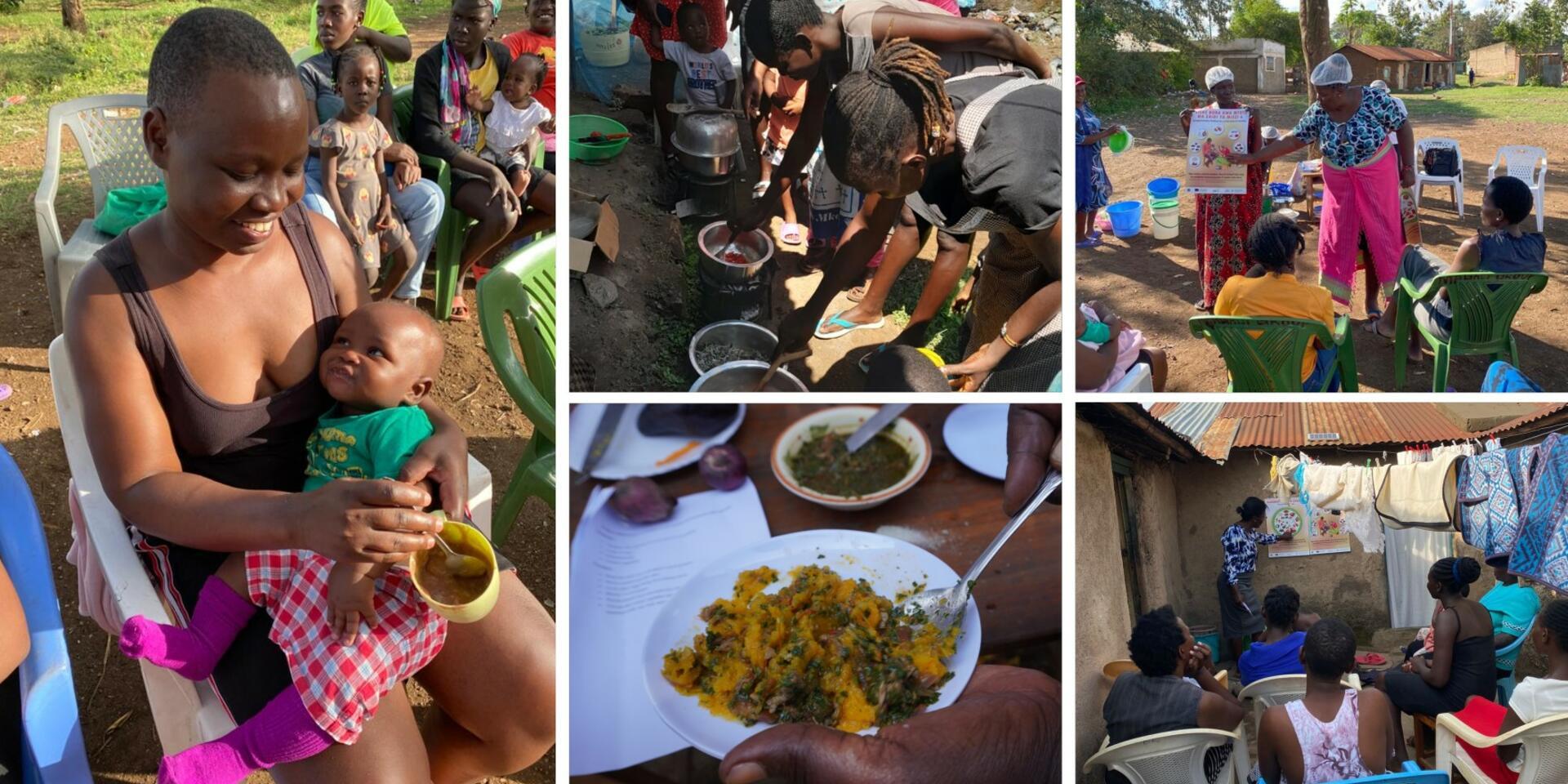

When it comes to building healthier communities, healthy habits need to take root – and behavior change is the fuel needed to drive this agenda.
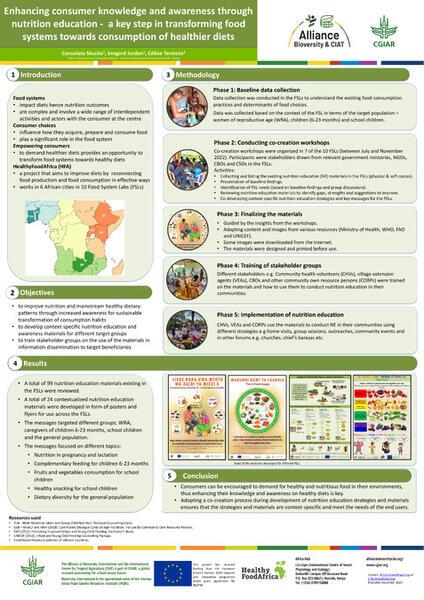
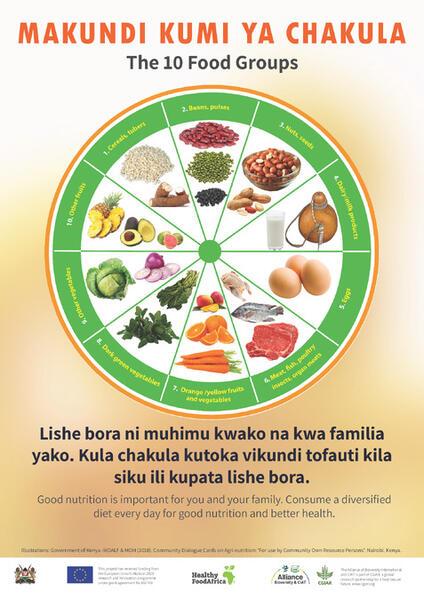
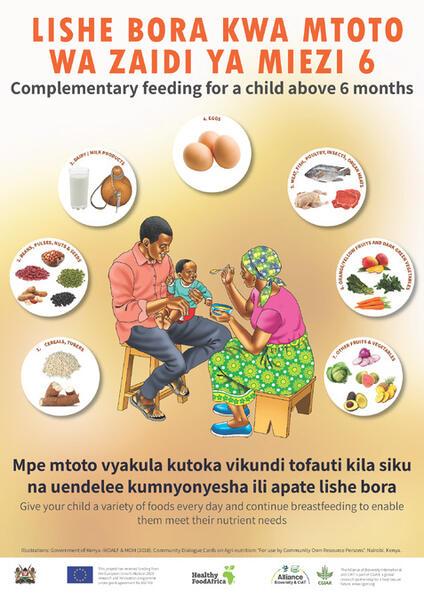
The Food System Lab in Kisumu (FSL-Ki), Kenya, through the HealthyFoodAfrica (HFA) Project, has been at the forefront of promoting nutrition behavior change communication to improve the diets of community members, particularly of women and children between 6-24 months of age, who face many nutritional and food insecurity challenges. Working hand in hand with a team of Community Health Promoters (CHPs) and supported by the Kisumu County nutrition team, we set out to disseminate simple, context-specific, and practical nutrition messages to boost healthier diets for women and young children. The whole process was participatory and started by gathering ideas from different stakeholders and community members in Kisumu regarding suitable nutrition messages for their context. Using these ideas, we developed nutrition education materials, including posters, flyers and local recipes. Our goal was to improve women’s, mothers’, and caregivers’ knowledge of appropriate complementary feeding, food safety and hygiene, and dietary diversification for the whole family using locally available foods and ingredients.
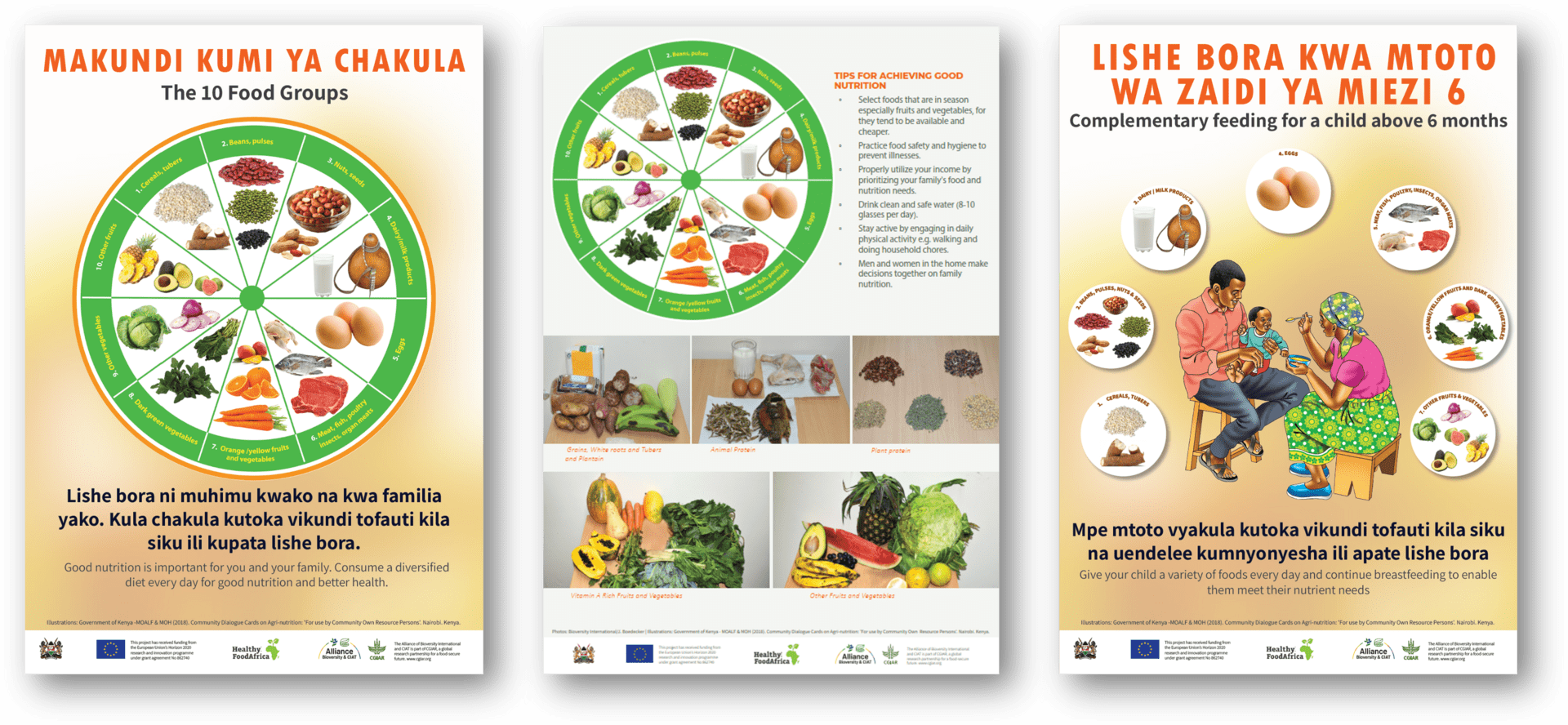
Some nutrition education materials developed
Thereafter, the CHPs were trained to use these materials to provide nutrition education. Previously, community members mostly received nutrition messages only when they visited health facilities. However, the HFA project facilitated the CHPs to deviate from this norm by going into the communities and conducting nutrition education using different strategies, including home visits, group sessions, and other community forums, such as outreaches and religious events.
Participatory cooking demonstrations were conducted to encourage the transfer of skills and to inspire mothers to use local recipes to prepare nutritious foods. During these cooking demonstrations, mothers learned how to modify different foods to make them suitable for young children. Since men are key decision makers in this community, male CHPs participated in conducting nutrition education to ensure they were part of the behavior change. Men were encouraged to join the different nutrition education sessions and actively participate in the cooking demonstrations.
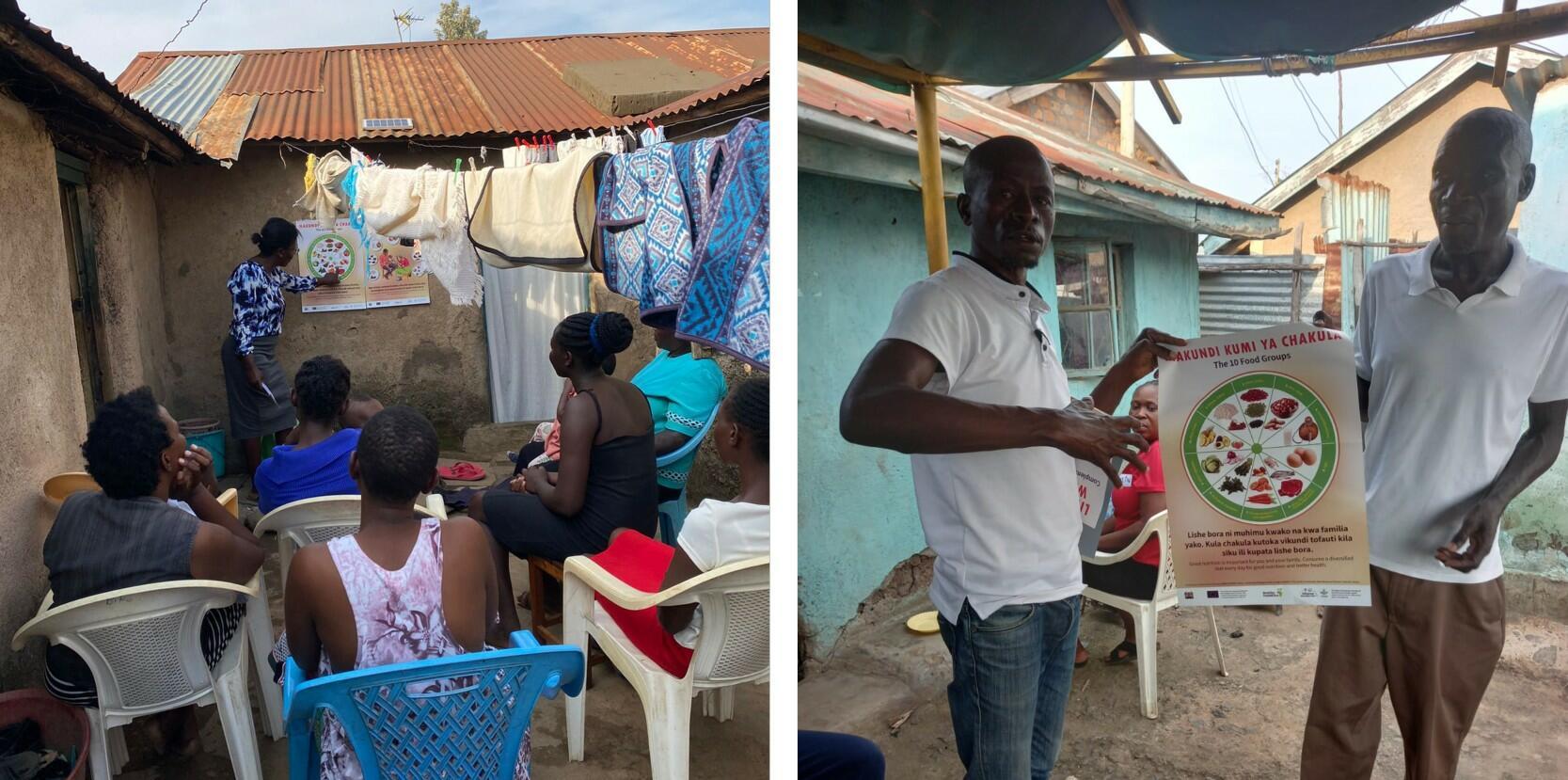
Nutrition education sessions (Photo credit C. MusitaAlliance)
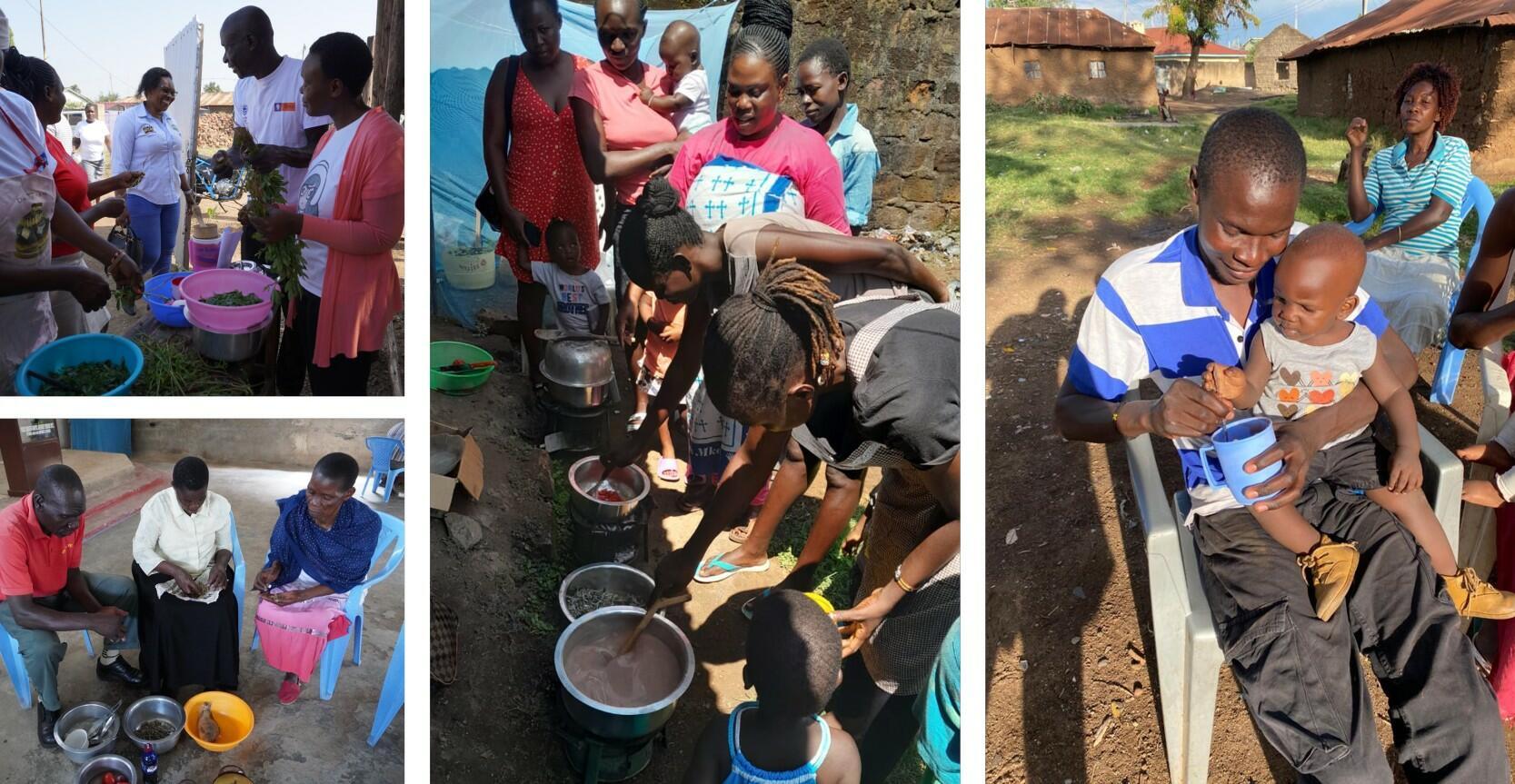
A cooking demonstration (Photo credit C. MusitaAlliance)
Community members were happy about the nutrition education activities and responded with enthusiasm. Eager to learn, mothers, fathers, other caregivers (e.g., grandmothers), and local community elders showed up to the sessions, participated fully, and even brought their own ingredients to use during the cooking demonstrations. They were especially happy that the project provided informational flyers for them to take home, and that the CHPs allowed them to participate in the cooking activities instead of merely lecturing them. They said this was a first for them. They also appreciated that the nutrition education materials were translated into Swahili, in addition to being in English, making them easy to understand.
Changes in nutrition awareness and dietary diversity
Our baseline/endline comparison survey shows that there has been an improvement in the knowledge and awareness about nutrition in both comparison and intervention groups showing a potential spillover effect through the trained households and/or other NGOs or organizations in both sites who may have picked up on the messaging.
There was also a slight positive change in nutrition practice seen from the better dietary intake among community members, specifically those who received nutrition education. Women and children are now eating a wider variety of nutritious foods reflected in their dietary diversity scores.
It is encouraging to see the positive shift where families are feeding themselves better and practicing appropriate complementary feeding, ensuring their young children get a good start in life. The best part? The CHPs are not stopping! Although the project has come to an end, the CHPs have committed to continuing to champion good nutrition practices in their community and encouraging families to maintain the practices they have learned. They have agreed to integrate nutrition education into their daily activities as CHPs and will continue to follow with the households they oversee, ensuring good nutrition practices become deeply rooted in the community. This is possible because, from the beginning, we opted to work with existing community structures (the CHPs) rather than setting up our own system. With improved nutrition knowledge and practices, the future of nutrition in the informal settlements of Kisumu has a better outlook! Community members have expressed their commitment to continue applying what they have learned. They are ensuring that they not only consume food, but also make deliberate choices to eat healthy, nutritious, and diversified foods.
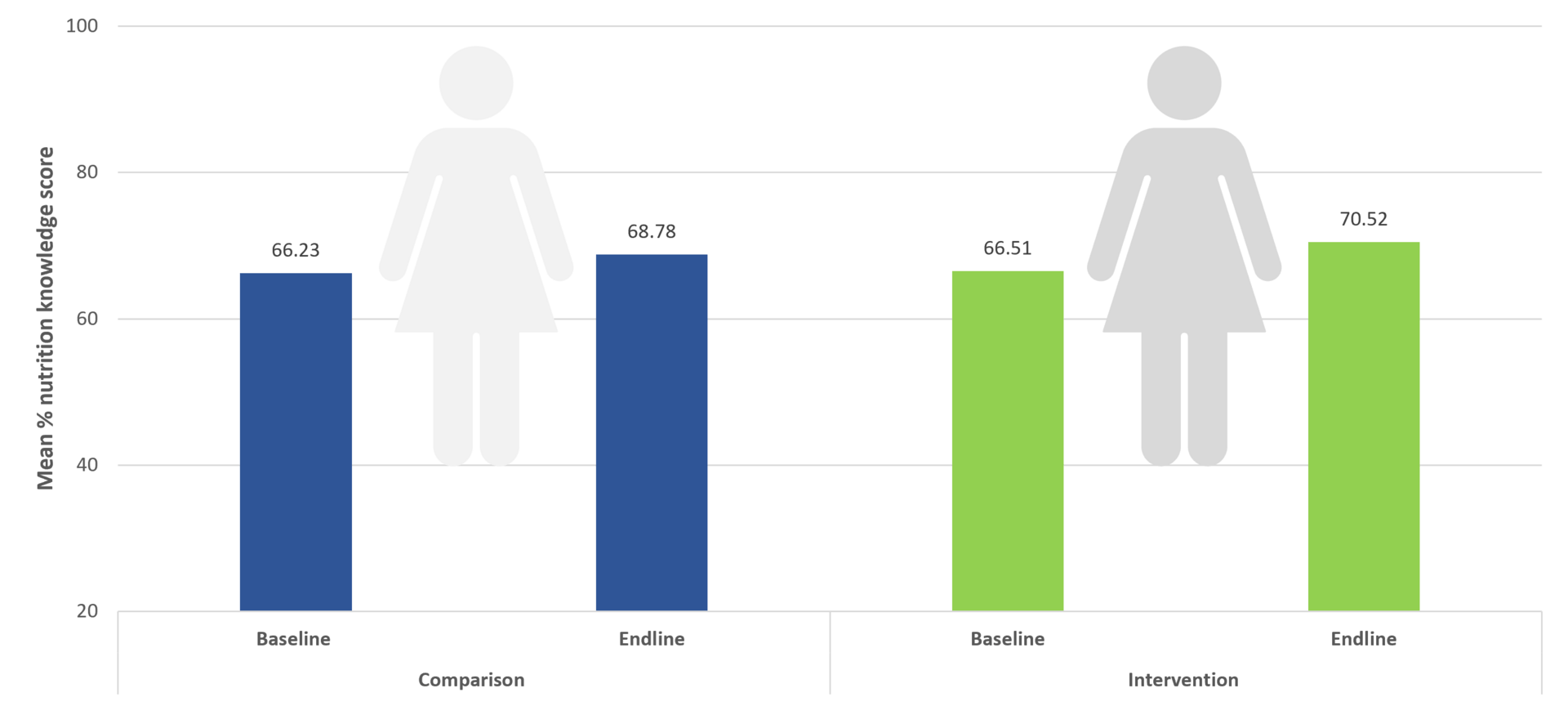
Nutrition knowledge of women in the intervention and comparison groups during baseline and endline studies (Source project survey data)
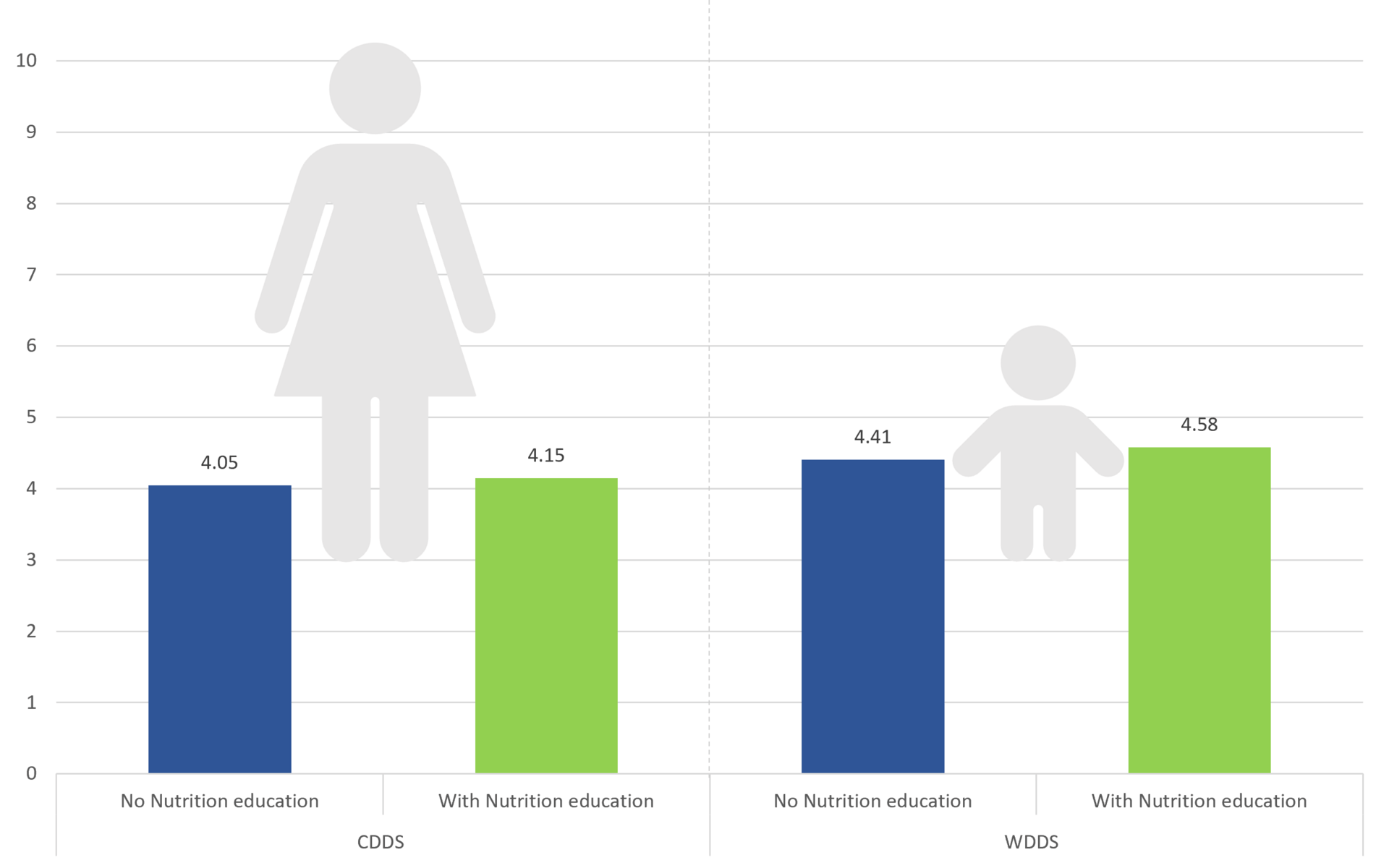
Dietary practices among women and children. CDDS Children Dietary Diversity Score; WDDS Women Dietary Diversity Score (Source project survey data)
Lessons learned
- The participatory implementation of nutrition education – through co-creation, co-design, and co-implementation - ensures the adoption, ownership and sustainability of the solutions implemented.
- Using existing community systems to implement nutrition education, e.g., CHPs, ensures ownership and sustainability.
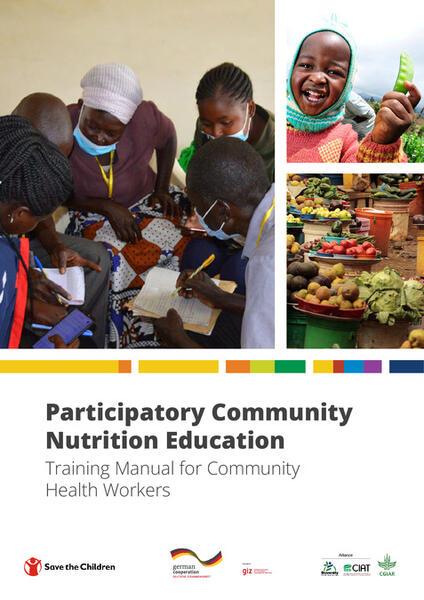
- Building the capacity of community resource persons, e.g., CHPs, and equipping them with reference nutrition education materials and training manuals ensures the standardization and accuracy of nutrition information.
- Using of multiple approaches for nutrition education, such as door-to-door visits, group sessions, participatory cooking demonstrations, and community events, ensures wide coverage and enhances practical skills.
Acknowlegment
We would like to thank all funders who supported this research through their contributions to the CGIAR Trust Fund: https://www.cgiar.org/funders/ and the Better Diets and Nutrition Science Program: https://www.cgiar.org/cgiar-research-porfolio-2025-2030/better-diets-and-nutrition/, as well as the Healthy Diet for Africa Project (HD4A), which is funded by the European Union [Grant No. 01083388 - HORIZON-CL6-2022-FARM2FORK-01]
Further reading