From the Field Augusto Castro appointed IPCC Lead Author: A key step for global climate action
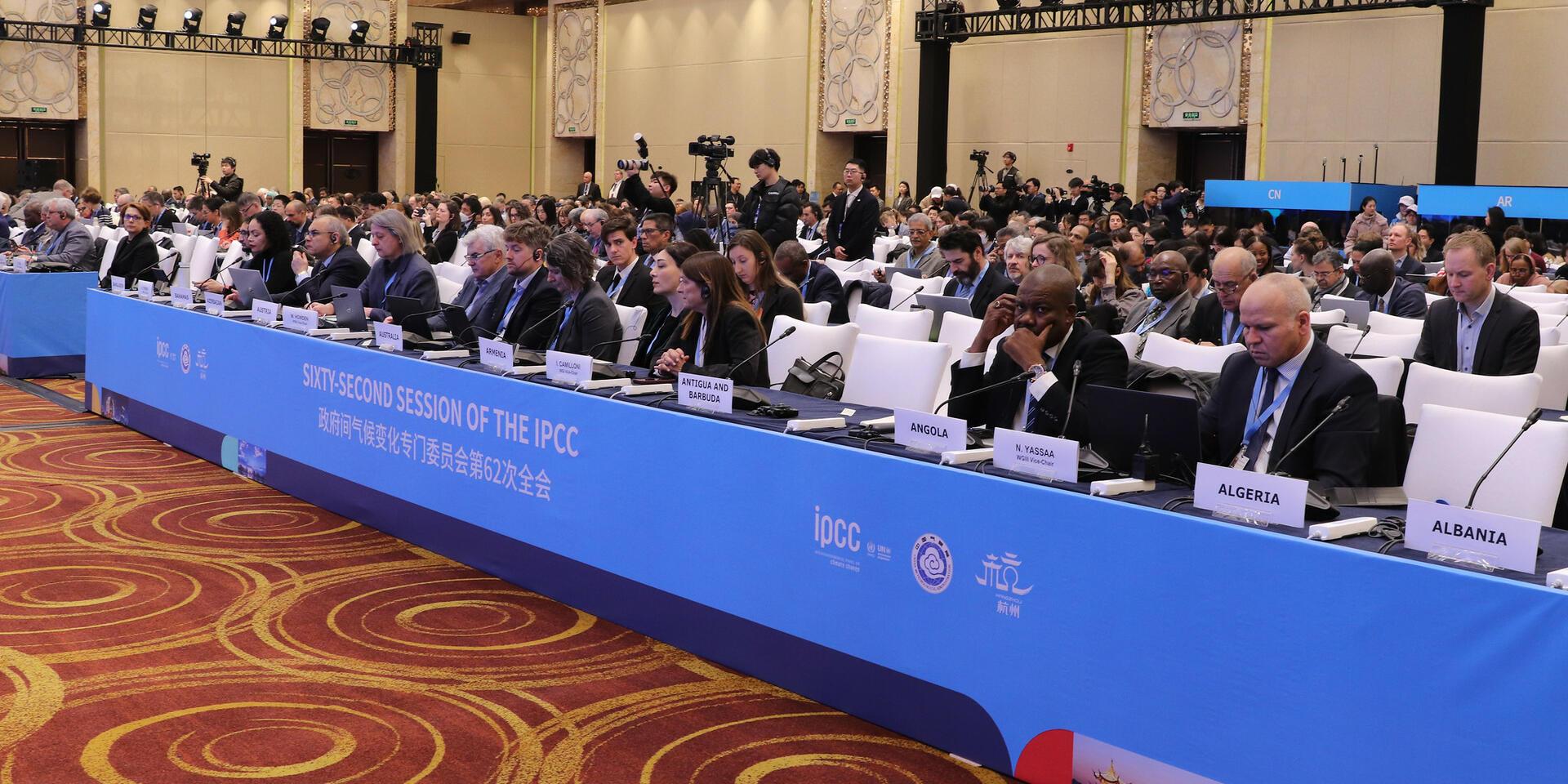

Climate change is one of the greatest challenges of our time, and science plays a fundamental role in guiding the decisions that will shape the planet’s future. In this context, the appointment of Augusto Castro-Núñez, Senior Scientist at the Alliance of Bioversity International and CIAT, as a Lead Author for the Seventh Assessment Report of the Intergovernmental Panel on Climate Change (IPCC) represents a significant milestone for both the institution and the Latin American region.
Castro will join Working Group III, focused on climate change mitigation, and will contribute specifically to Chapter XIII on Agriculture, Forestry and Other Land Use (AFOLU), a key sector for reducing emissions and achieving the goals of the Paris Agreement.
For Augusto Castro, this appointment is more than recognition: “It is an enormous honor and also a great responsibility. Being selected means recognition of two decades of work at the intersection of science, policy, and development, and an opportunity to contribute my experience in developing proposals for climate change mitigation in agri-food systems, as well as innovative approaches such as linking climate change and peacebuilding,” he says.
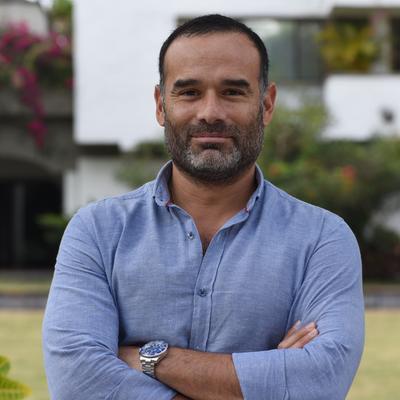
Augusto Castro-Nunez
Senior Scientist Low-Emissions Food SystemsHis motivation to accept the nomination aligns with his expertise and professional purpose: translating scientific evidence into effective public policies. “I was motivated by the opportunity to contribute solid evidence that can guide public policies at a decisive moment. The IPCC is the most influential global platform for translating that evidence into climate action,” he explains.
Why Are Working Group III and the AFOLU Chapter Important?
IPCC Working Group III is crucial because it analyzes the options, costs, and benefits of reducing emissions and how these decisions interact with sustainable development. In other words, it provides the technical foundation to move from diagnosis to action.
The AFOLU chapter is particularly relevant because this sector accounts for a significant share of global emissions, while also offering cost-effective solutions with multiple co-benefits, such as food security, biodiversity conservation, Social cohesion and rural development. In a context where the world seeks to meet the Paris Agreement without compromising the Sustainable Development Goals (SDGs), AFOLU becomes a strategic pillar.
As a Lead Author, Castro will work with a diverse team of experts to synthesize the state of the art, ensure the quality and balance of the chapter, and maintain scientific independence. He also emphasizes the importance of including regional and developing country perspectives, ensuring that solutions are global yet context-specific.
His expectations for this IPCC cycle are clear: greater inclusion of the Global South, Integration of multiple disciplines, effective translation of findings into policy and financing recommendations. “This will facilitate climate action in developing countries,” he notes.
Beyond Mitigation: Innovation and Peace
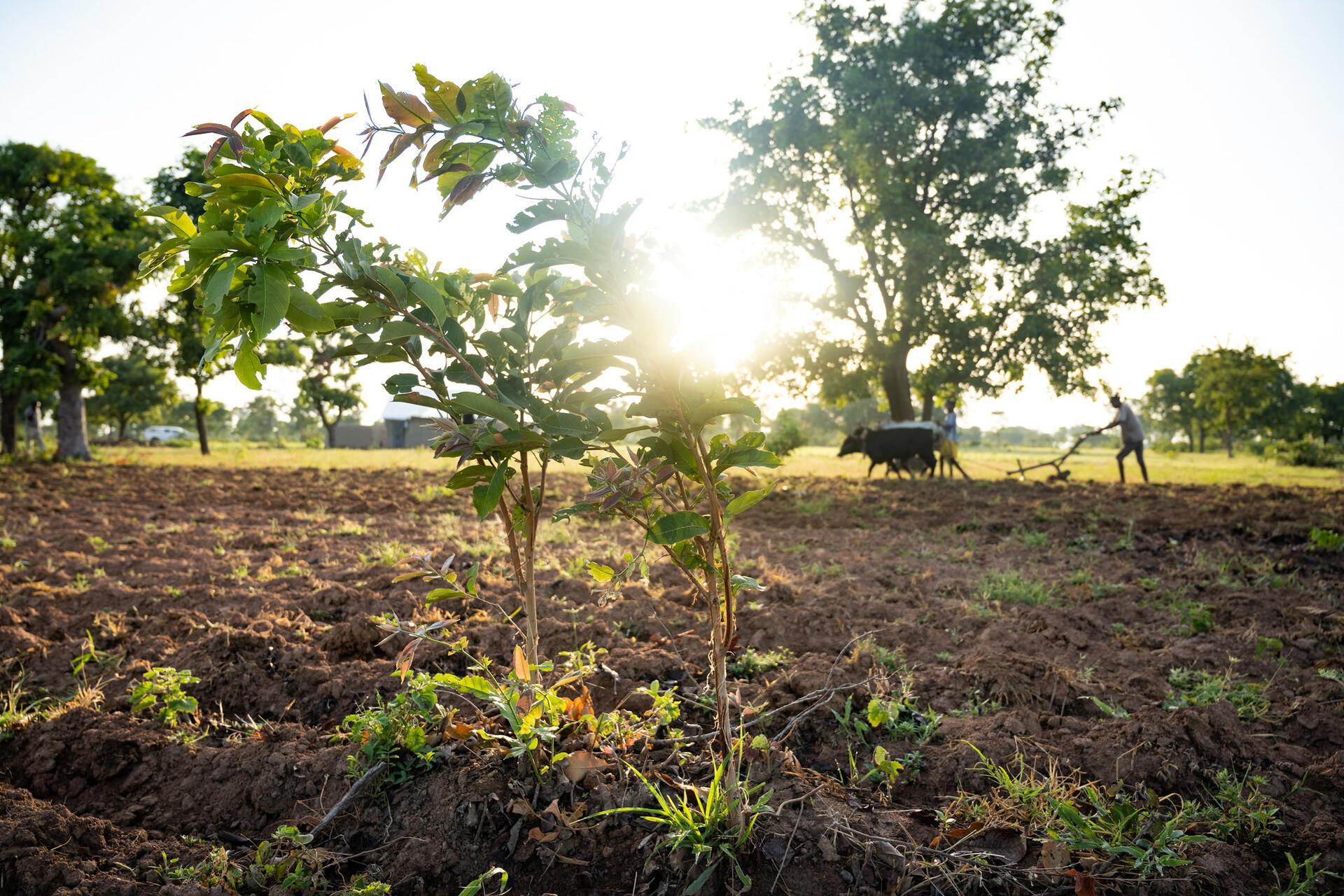
One of the contributions Castro aims to bring to the table is the perspective of low-emission food systems as a bridge between mitigation, development, and peace. He also seeks to highlight innovations in climate finance, deforestation-free value chains, local governance mechanisms. These approaches not only reduce emissions but also generate broad benefits for communities, strengthening resilience and social cohesion.
The IPCC’s work is not limited to the scientific community. Its reports form the basis for international negotiations, public policy design, and climate finance mobilization, leading to more ambitious, evidence-based policies, greater public understanding of climate change, and accelerated climate action in developing countries. As Castro states: “Public understanding is also essential because it mobilizes social pressure and political legitimacy to make ambitious decisions.”
A Milestone for the Region and the Alliance
Augusto Castro’s participation in the IPCC reinforces the Alliance of Bioversity International and CIAT’s commitment to scientific excellence and global climate action. It also highlights the role of Latin America in generating knowledge and solutions to address climate change. Castro joins a select group of 13 scientists from CGIAR centers nominated to contribute to this report, including 4 scientists from the Alliance.
This appointment takes on even greater importance in the context of the United Nations Framework Convention on Climate Change (UNFCCC) Conference of the Parties (COP30), which will be held in Belém do Pará, Brazil, in 2025. This summit will be decisive for assessing global progress toward the Paris Agreement commitments and setting new targets for mitigation and climate finance. The Amazon, the epicenter of COP30, is also a critical territory for the AFOLU sector, where challenges and solutions converge for emissions reduction, biodiversity conservation, and sustainable development. At this pivotal moment for the planet, having voices that integrate science, policy, and sustainable development is essential. This appointment is a clear example of how regional expertise can contribute to global challenges.