Blog AgriTech4Guinea consultation workshop: Enhancing Guinea’s agricultural innovation ecosystem
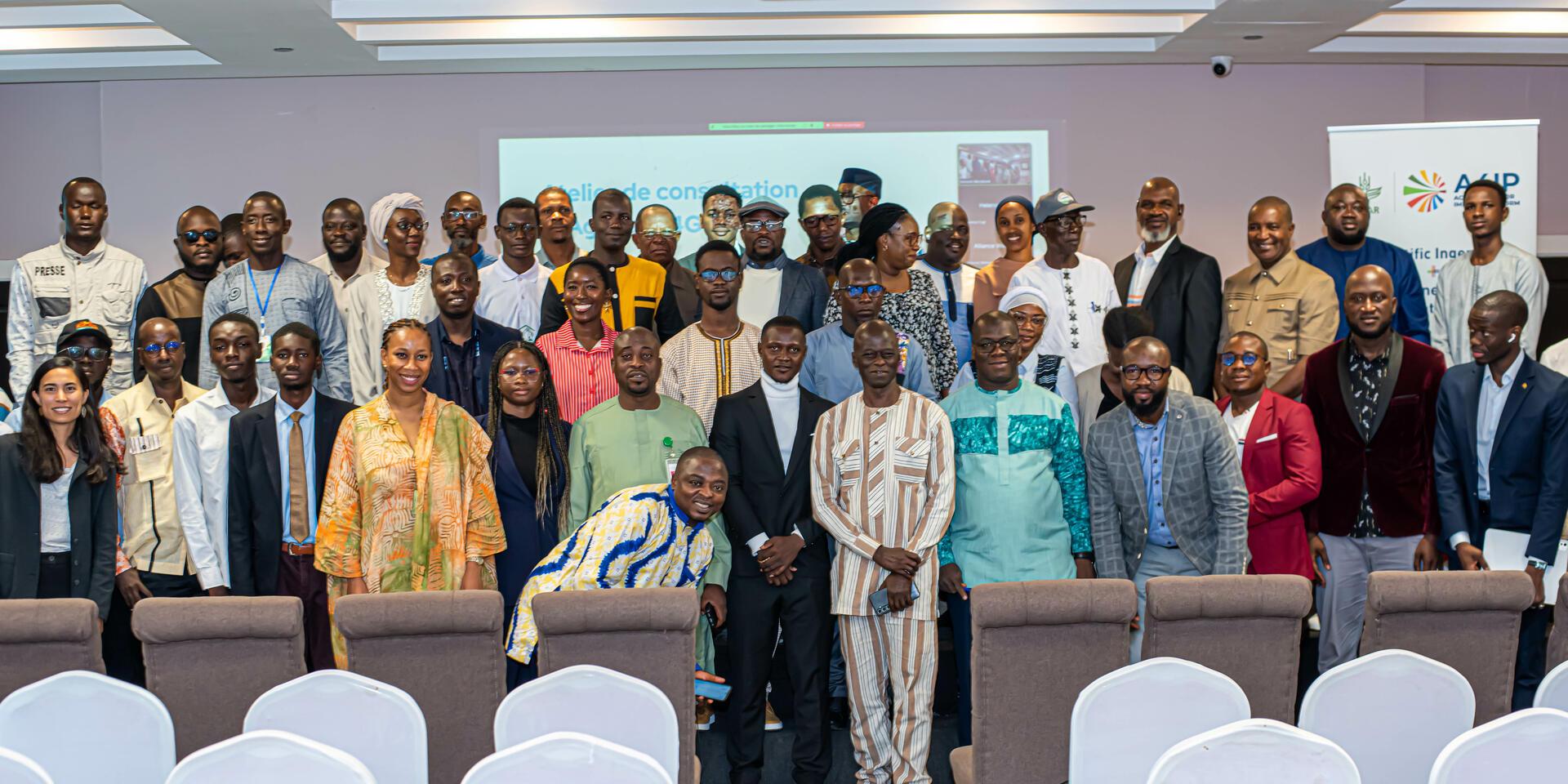

On June 11, 2026, over 80 participants gathered in Conakry for the AgriTech4Guinea Consultation Workshop: a high-level event exploring how agritech nascent innovation ecosystem can drive sustainable growth in Guinea's agricultural sector.
Powered by the Accelerate for Impact Platform (A4IP) of the Alliance of Bioversity International and CIAT in collaboration with the Ministry of Agriculture of Guinea, the Fonds de Développement Industriel et des PME (FODIP) and E4Impact, and funded by the Italian Ministry of Foreign Affairs and International Cooperation through its voluntary contribution to the Alliance of Bioversity International & CIAT, the AgriTech4Guinea Consultation Workshop: Enhancing Guinea’s agricultural innovation ecosystem is a collaborative forum which brought together leading researchers, private sector actors, policymakers, farmer representatives, and investors to identify locally grounded priorities and pathways for scaling agritech solutions.
The initiative is closely aligned with the Simandou 2040 Agenda, the Government’s overarching strategy for economic transformation over the next 15 years. In particular, it supports Pillar 1, which identifies agriculture and livestock as key drivers of economic diversification, export development, and job creation.
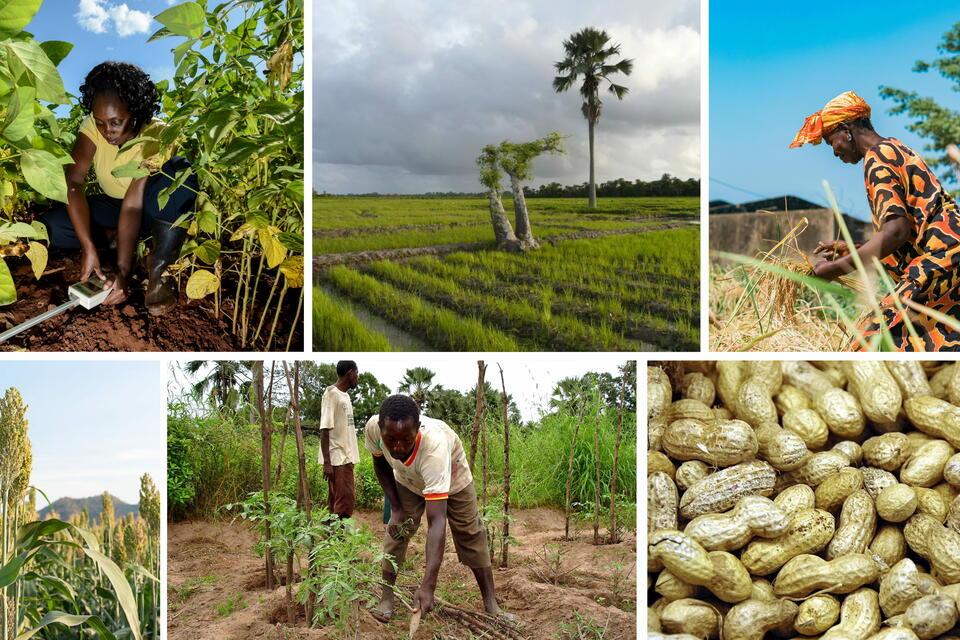
Agriculture plays a central role in Guinea’s economy, livelihoods, and food security, contributing approximately 28% of GDP and employing 52% of the population. The country’s diverse agro-ecological zones, abundant water resources, and estimated 15 million hectares of arable land provide significant potential to expand agricultural production and develop high-value and export-oriented value chains.
Despite this potential, the sector continues to face significant structural constraints, including predominantly small-scale and subsistence-oriented farming systems, limited access to finance, inadequate rural infrastructure, or weak market linkages.
Addressing these challenges and unlocking Guinea’s agricultural potential will require not only continued investment in infrastructure, finance, and market development, but also greater adoption and development of innovative technological solutions. Digital technologies, improved production and processing technologies, climate-smart solutions, and innovations in market access and value-chain management can help farmers and agribusinesses increase productivity, improve resilience, reduce post-harvest losses, and access higher-value markets.
Strengthening links between science, research and agricultural production
Institutional partners delivered high-level remarks highlighting national priorities, strategic alignment, and institutional commitment to the objectives of the consultation workshop.
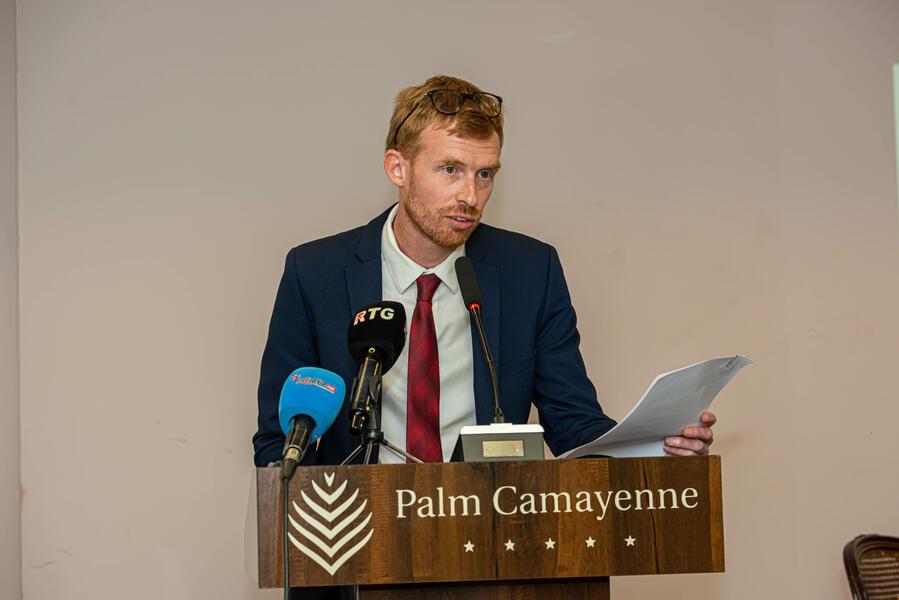
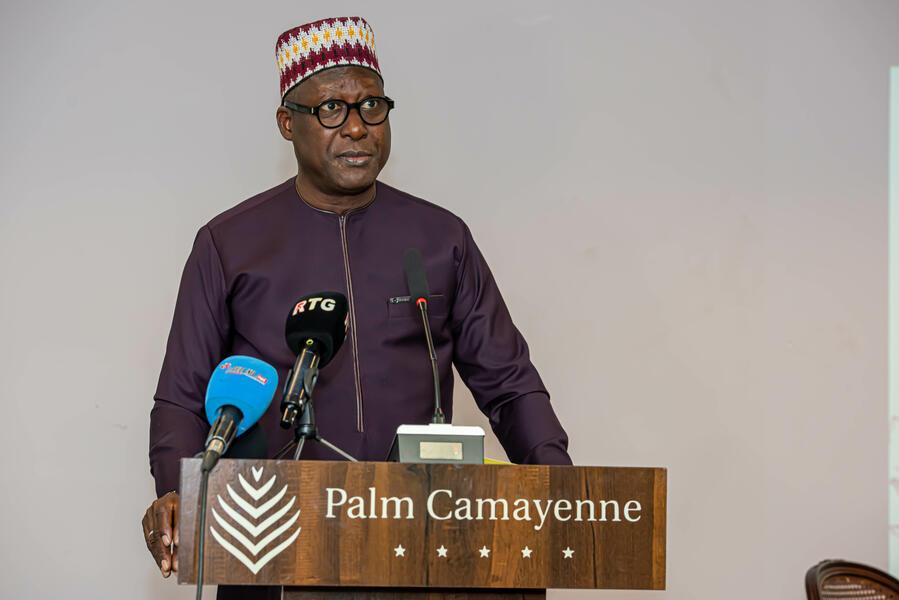
Representing the Ministry of Agriculture and officially opening the workshop, Mr. Oumar Barry, Secretary General at the Ministry of Agriculture highlighted agriculture’s strategic importance to national development, while pointing to its persistent challenges. He stressed the need to strengthen links between science, research and agricultural production, and highlighted innovation as a strategic lever for improving food security, strengthening resilience and improving market access, while reducing post-harvest losses and increasing local processing.
"The authorities have made a clear choice to place agriculture at the heart of development. We hope that this collaboration will help lay the foundations for a more structured, dynamic and sustainable agricultural innovation ecosystem in Guinea." - Mr. Oumar Barry, Secretary General at the Ministry of Agriculture of Guinea
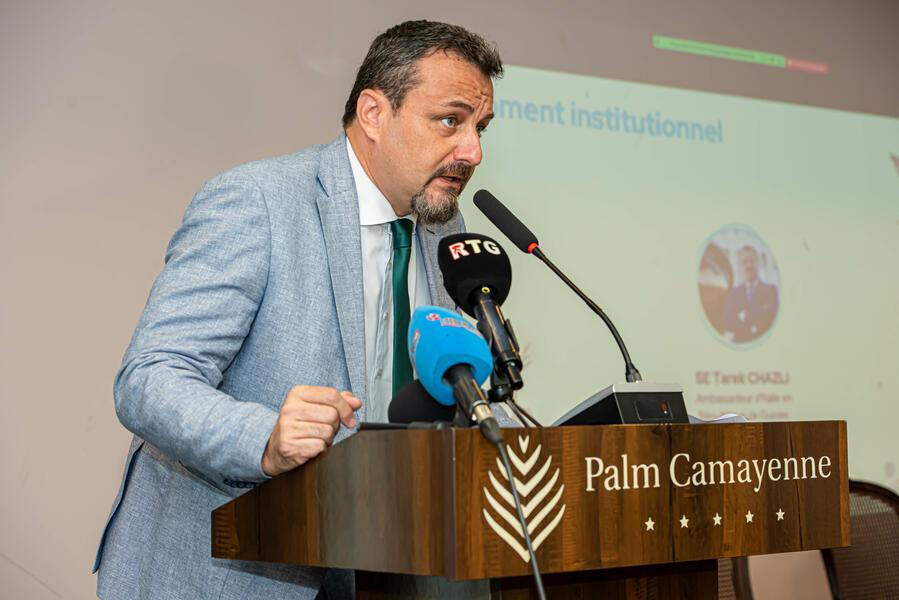
H.E. Tarek Chazli, Ambassador of Italy to the Republic of Guinea highlighted the importance of strengthening agricultural value chains, while noting the opportunities for Italian cooperation to support technology transfer and private-sector engagement.
Mr Mamady Dioubaté, Director General, Fonds de Développement Industriel et des PME (FODIP) highlighted the importance of cooperation with Italy and the potential for AgriTech4Guinea to build a bridge between innovative agricultural enterprises and appropriate financing opportunities, supporting the development of a pipeline of investment-ready businesses.
Watch the AgriTech4Guinea highlight video in french
Making the Simandou 2040 Vision a reality for sustainable agro-industrial transformation
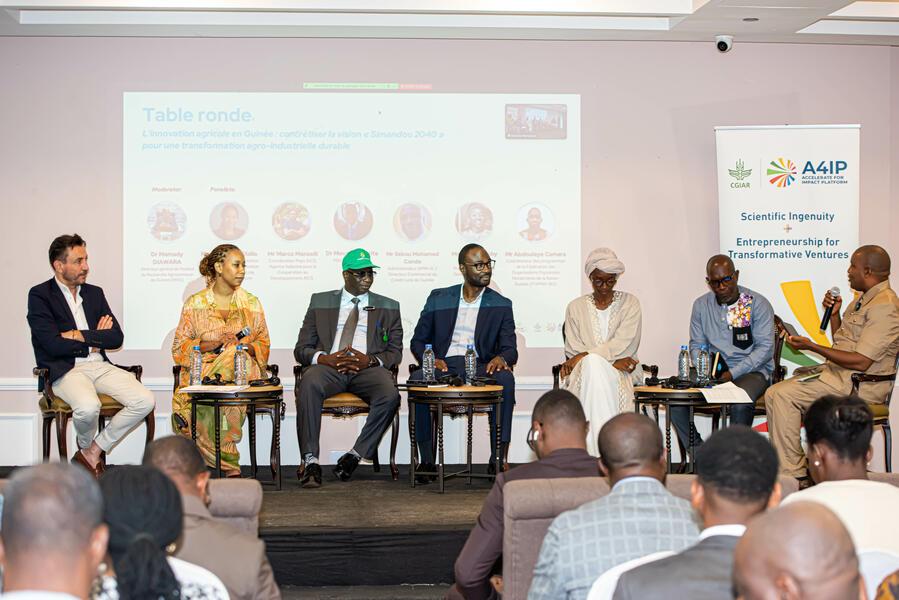
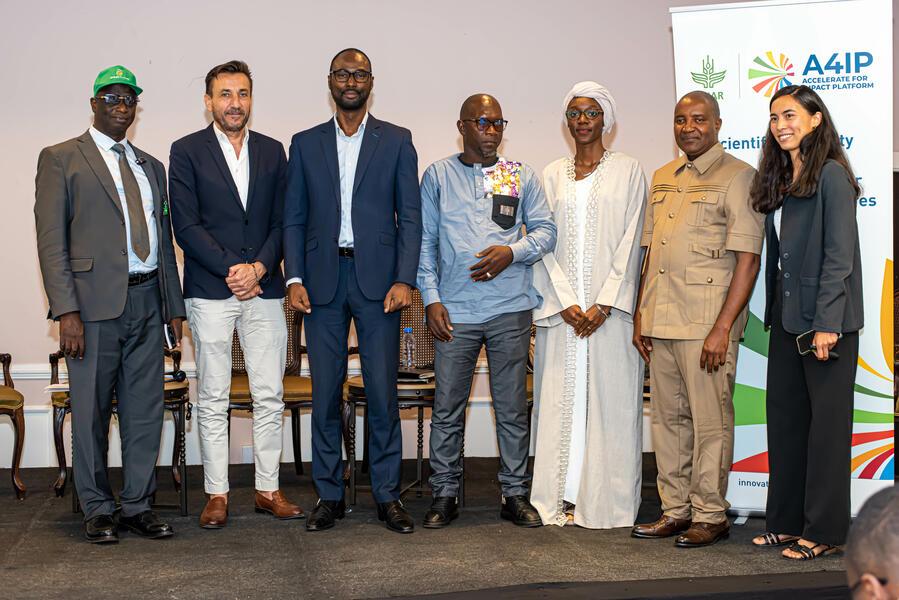
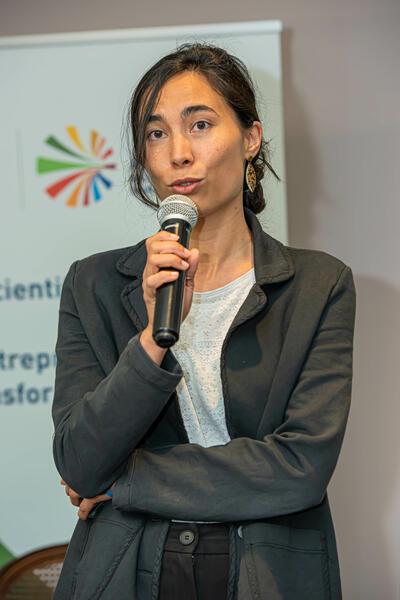
Following the high-level remarks, the panel discussion highlighted key gaps and opportunities within Guinea’s agricultural innovation ecosystem. Speakers included:
- Ms. Aissatou Diallo, Director General for Agricultural Transformation and Innovation, Ministry of Agriculture
- Mr. Marco Manzelli, Country Coordinator, Italian Agency for Development Cooperation (AICS)
- Mr. Sékou Mohamed Condé, Commercial Director, Crédit Rural de Guinée
- Mr. Abdoulaye Camara, Programme Coordinator, Fédération des Organisations Paysannes Maraichères de la Basse-Guinée (FOPMA-BG)
- Ms. Fanta Diaby Sidime, CEO, TOogueda
- Dr. Mountaga Keita, Director and Founder, Tulip Industries
Among the key gaps identified, access to finance remains a major systemic bottleneck, particularly in terms of bankability, guarantees, suitable financial products, and financing for technology deployment and scale. The focus should shift from simply developing technologies to ensuring their adoption, adaptation, maintenance, financing, and sustained use.
The panel also highlighted that innovation should be grounded in local needs and designed around the practical challenges faced by producers and other end users. At the same time, stronger coordination among government, research institutions, private sector actors, financial institutions, entrepreneurs, and producers is needed to facilitate commercialisation and scale.
Coming up next
The workshop concluded with breakout session discussions which enabled us to identify 6 priority areas: Digital Advisory Systems for Agriculture, Post-Harvest Loss Reduction and Local Processing, Innovative Financing and Market Access for Producers, Agro-industrial Development, Deployment, and Adaptation and Local Development of AgriTech.
These insights will directly inform the design of the AgriTech4Guinea Innovation Challenge—a one-year pilot project to support national and international innovators in testing and deploying context specific, tech-driven solutions tailored to the needs of Guinean agriculture.
Interested in collaborating? Contact [email protected]
Keep exploring
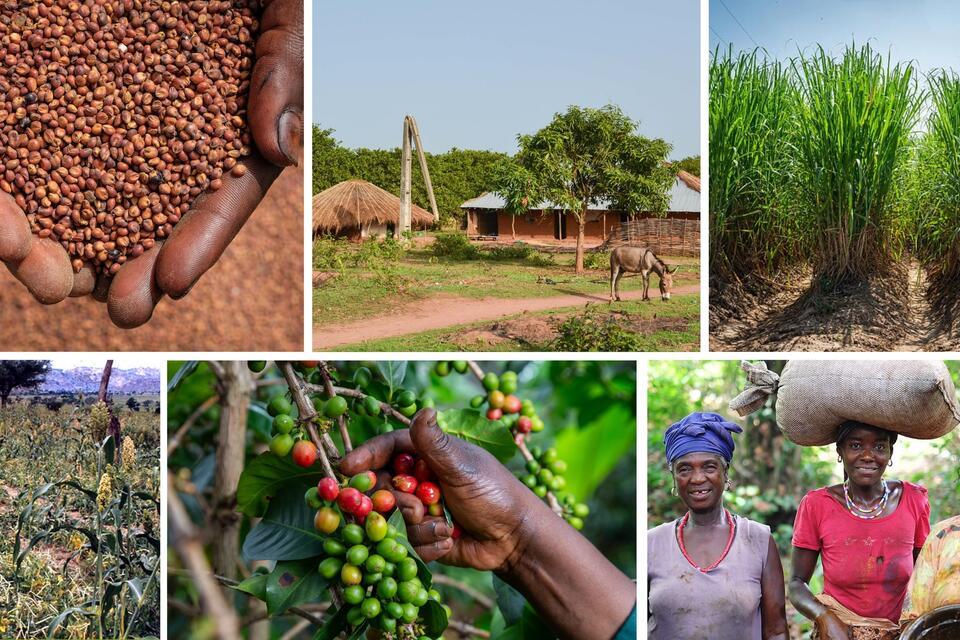
Consultation workshop: Strengthening Guinea’s agricultural innovation ecosystem
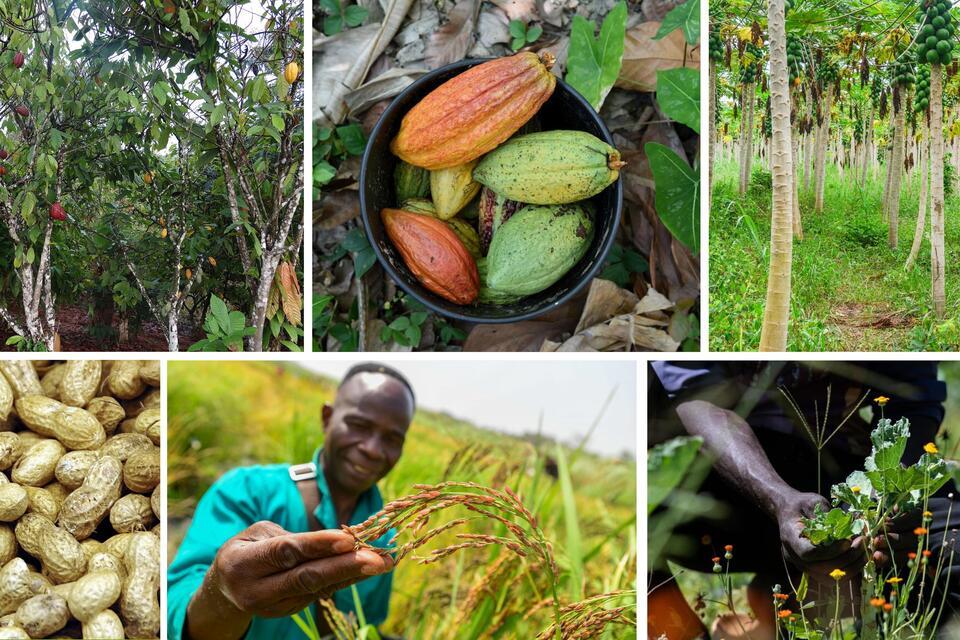
Consultation workshop: Financing, partnerships, and innovation for sustainable agriculture in Côte d’Ivoire