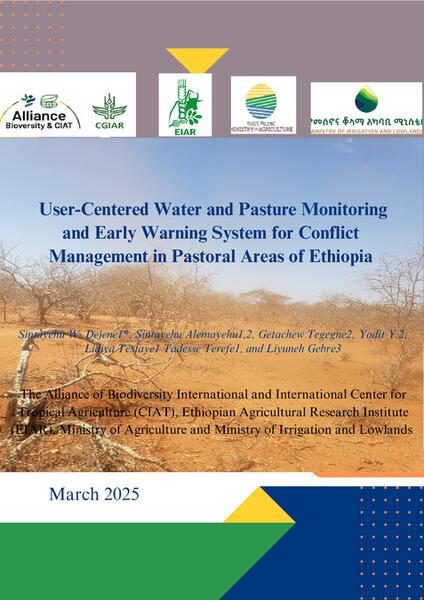
User-Centered Water and Pasture Monitoring and Early-Warning System
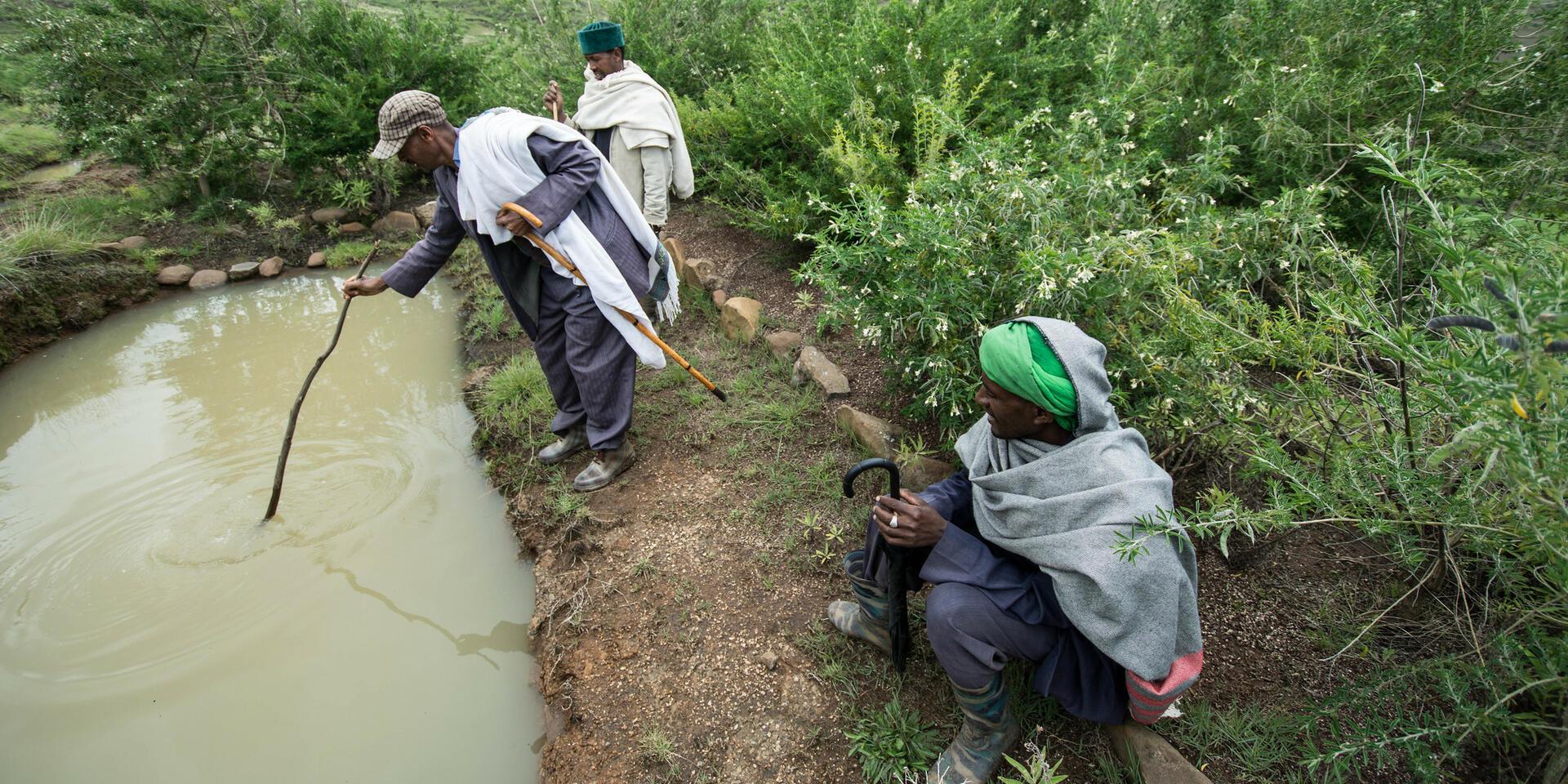
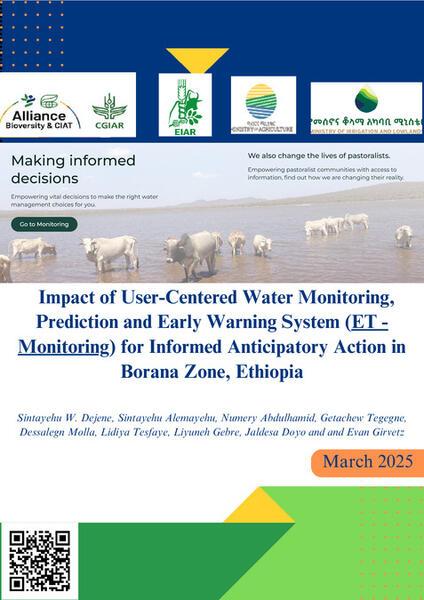
The project aims to improve water and pasture resource management for pastoral communities through a user-centered monitoring system that provides real-time information on water availability and pasture conditions, enabling informed decisions on water usage and grazing.
Project Name (full): Livestock Water Source Monitoring and Risk Management System
Start and end date: 2022 - 2025
Geographic area, countries: Africa, Ethiopia
Funders: GATES Foundation
Partners: Ethiopian Institute of Agricultural Research and Ministry of Agriculture
Brief description
Drought in Ethiopia’s pastoral regions is worsening due to climate change, resulting in severe food insecurity for millions of pastoralists who depend on livestock for livelihoods. With one of Africa's largest livestock populations - approximately 35 million tropical livestock units - Ethiopia struggles to fully benefit from these resources, further hindered by climate impacts. Accessing real-time information on water availability and pasture conditions remains a significant challenge for pastoralists in remote areas. This project addresses a critical need for a reliable early-warning system focused on water and pasture resources in key livestock-producing regions. Its primary goal is to enhance Ethiopia's drought-risk response by implementing a user-centered, near-real-time information dissemination system. The platform will provide crucial data, including water depth and pasture conditions, rainfall and evaporation, seasonal and sub-seasonal climate forecasts, and livestock movement routes. By equipping pastoralists with timely and actionable insights, the project aims to improve resource management and resilience against climate-related challenges, ultimately supporting better livelihoods and food security in these vulnerable communities.
Key activities
- User-centered water and pasture monitoring platform: Develop a platform using digital satellite imagery to monitor livestock water and pasture availability in near-real-time, identifying vulnerable areas for risk indexing
- User-friendly dissemination tool: Create a simplified web-hosted tool based on usability studies tailored for pastoralists with low ICT literacy
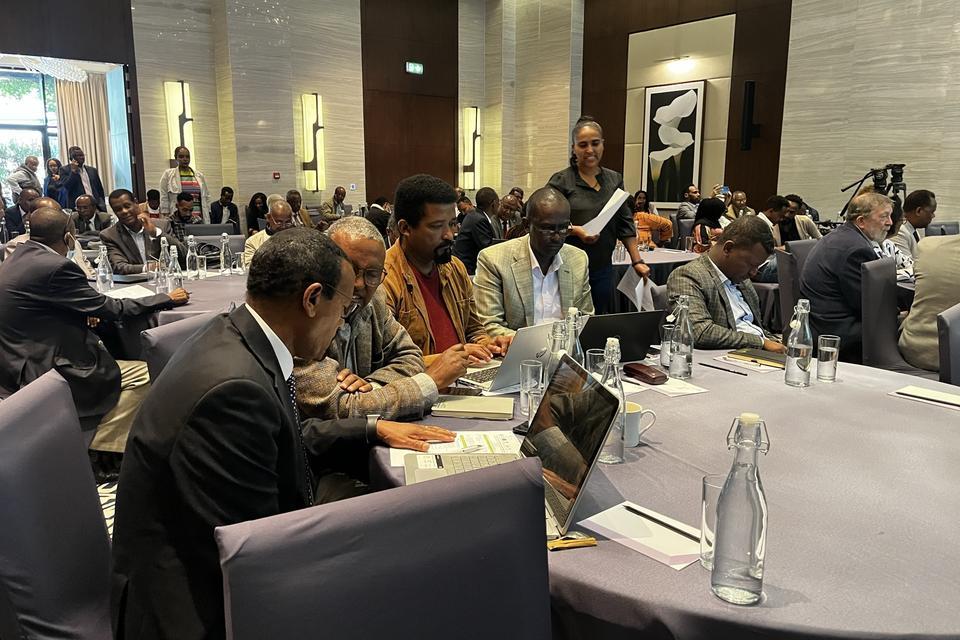
- Capacity enhancement program: Implement a gender-responsive training program involving workshops and feedback from stakeholders, including the Ministry, NGOs, and universities
Relevant blogs, stories, news coverage
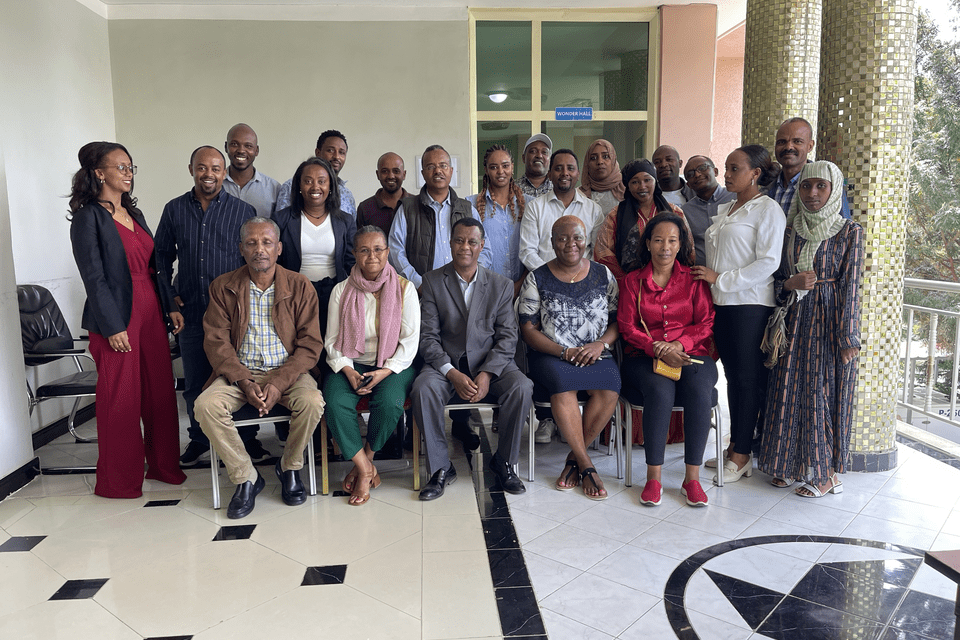

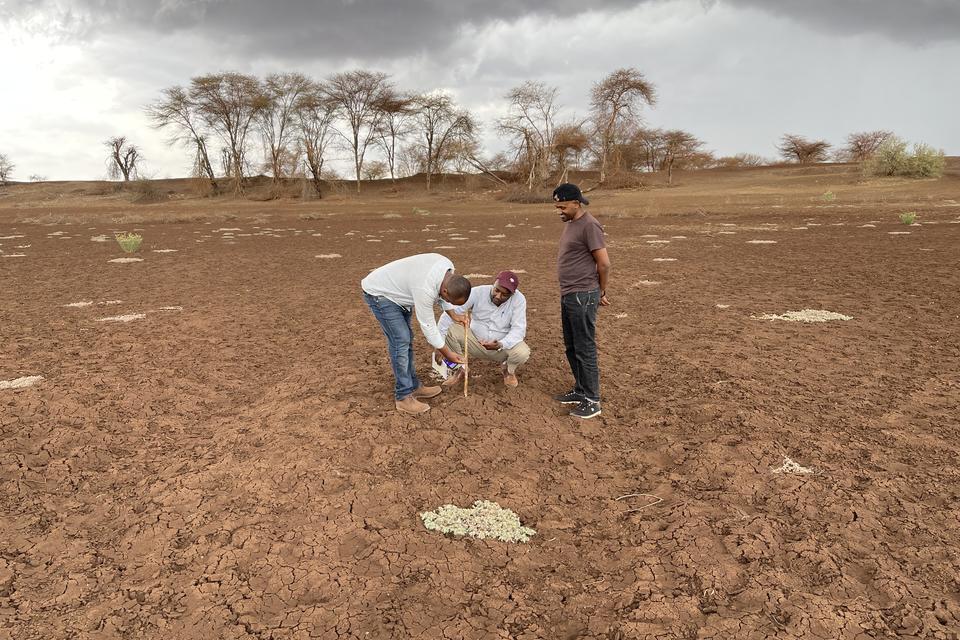
Project leaders
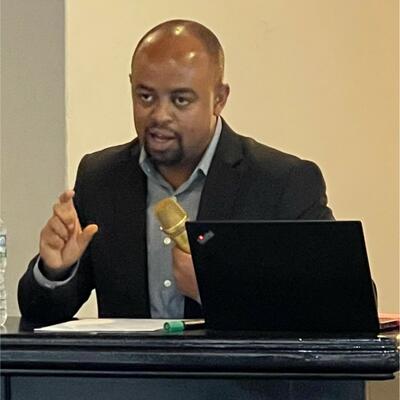
Sintayehu Alemayehu
Project LeaderProject members

Sintayehu Workeneh Dejene
Research Management Coordinator
Getachew Tegegne
Research Project Coordinator - Climate Change and Water Resources Management
Lidya Tesfaye
Research OfficerPublications